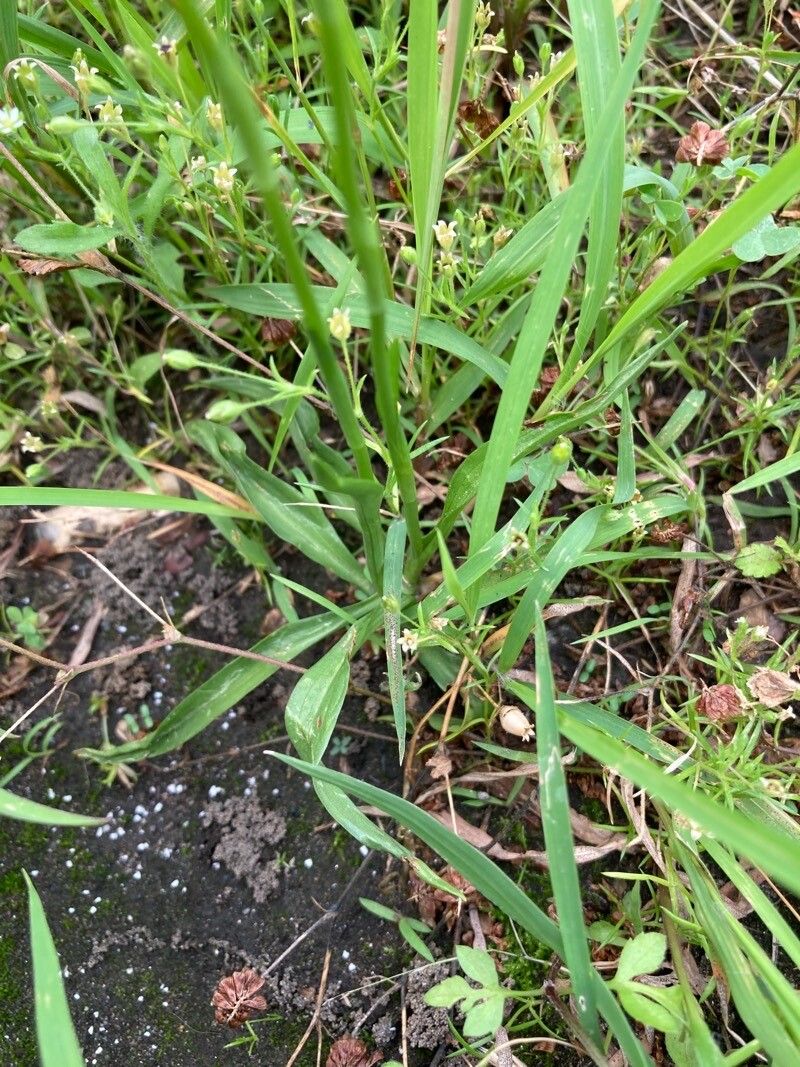
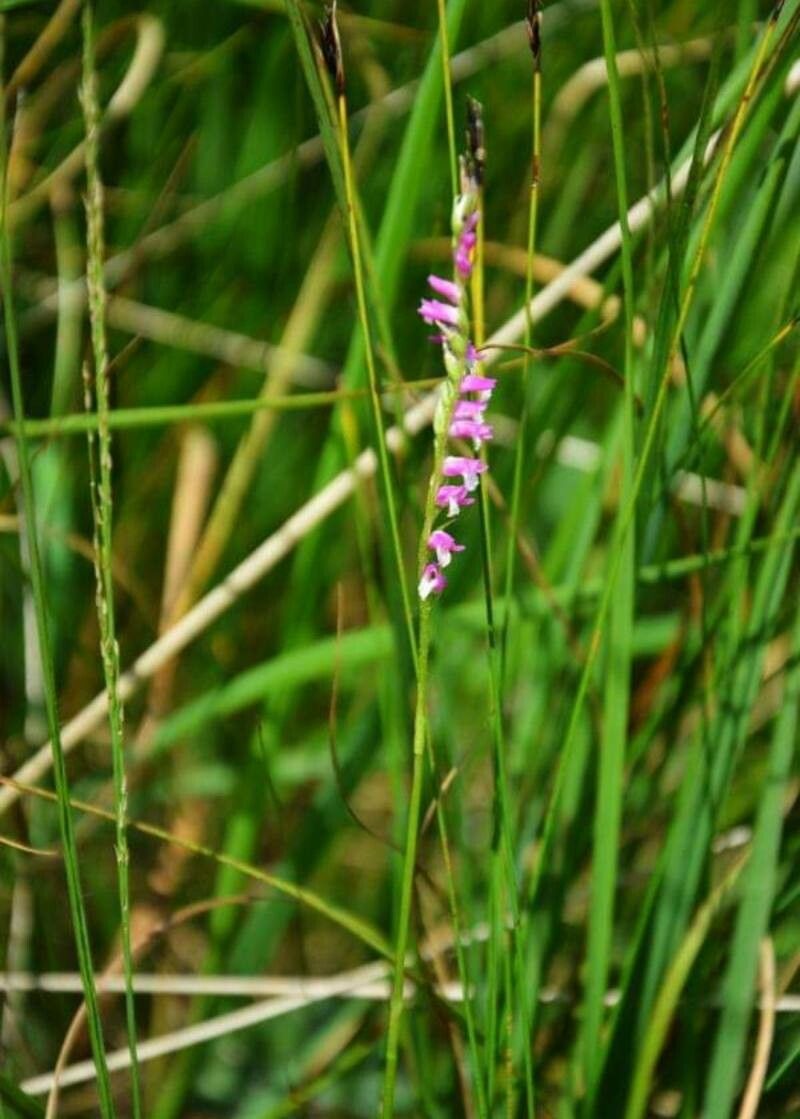
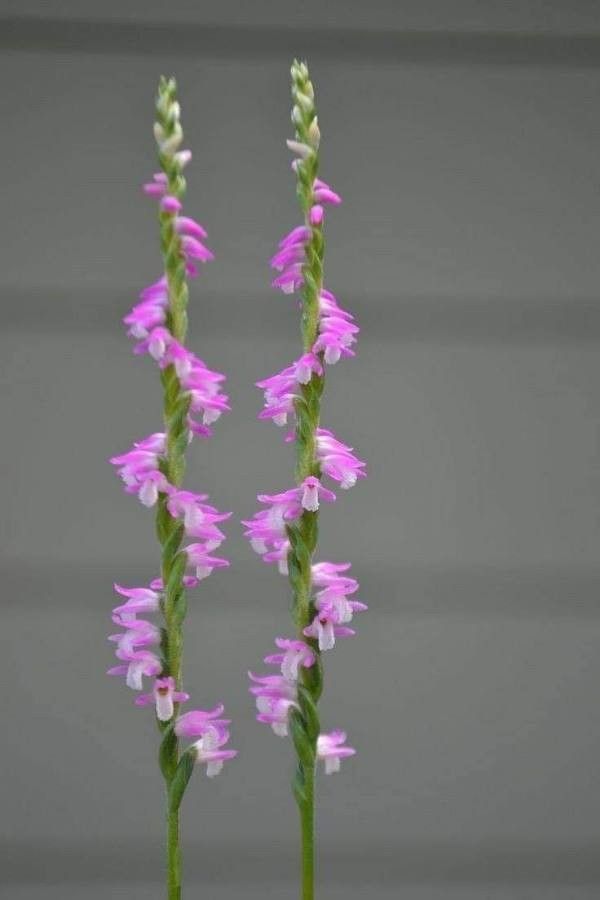
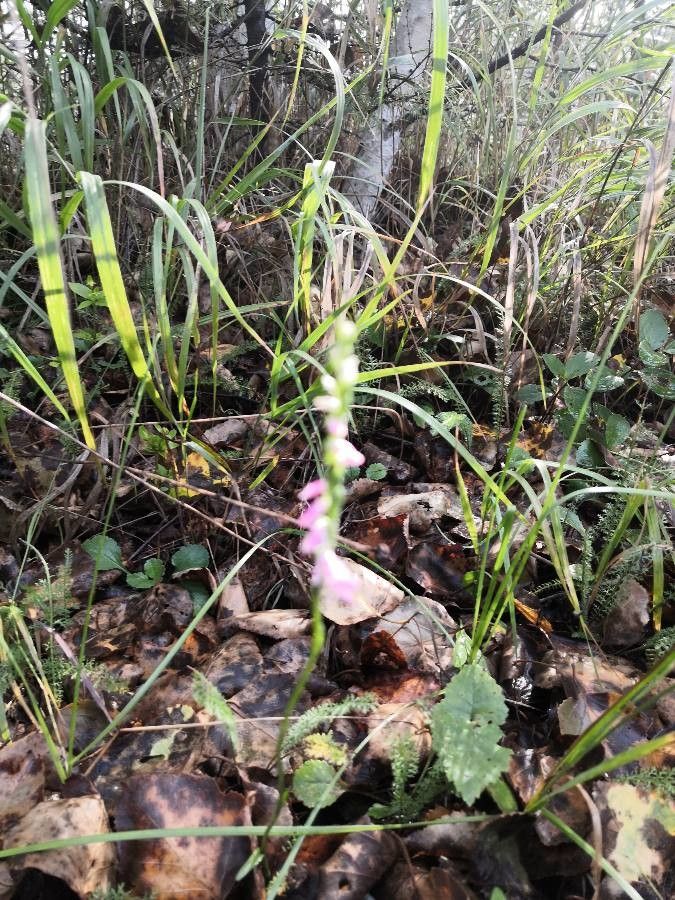
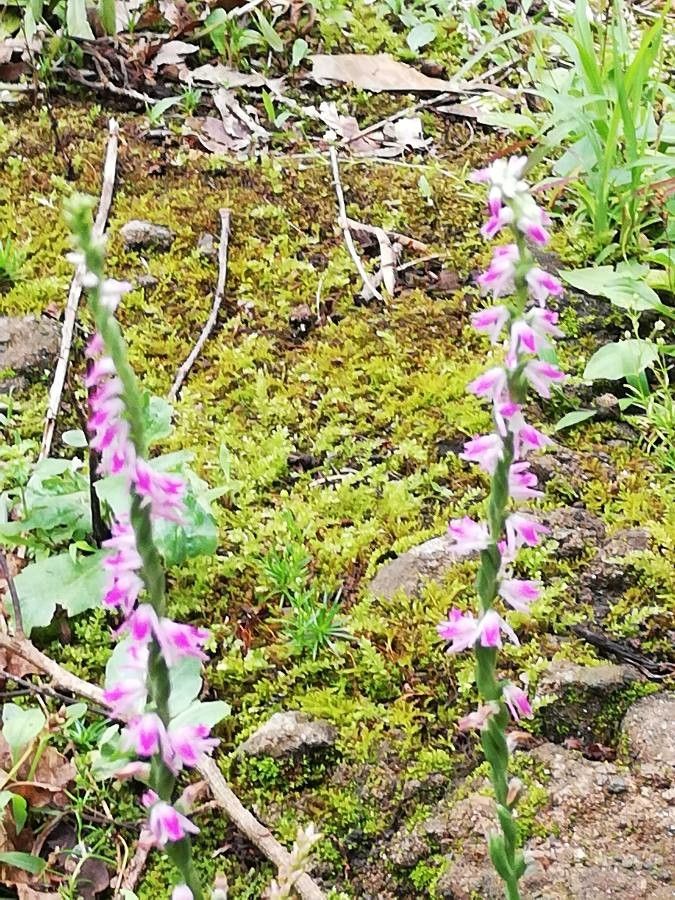
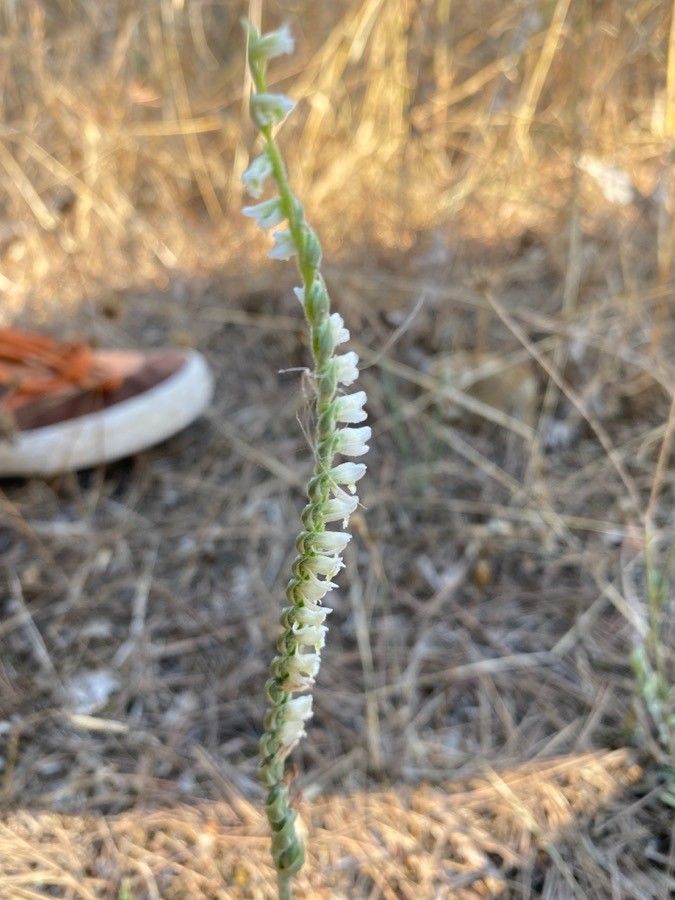
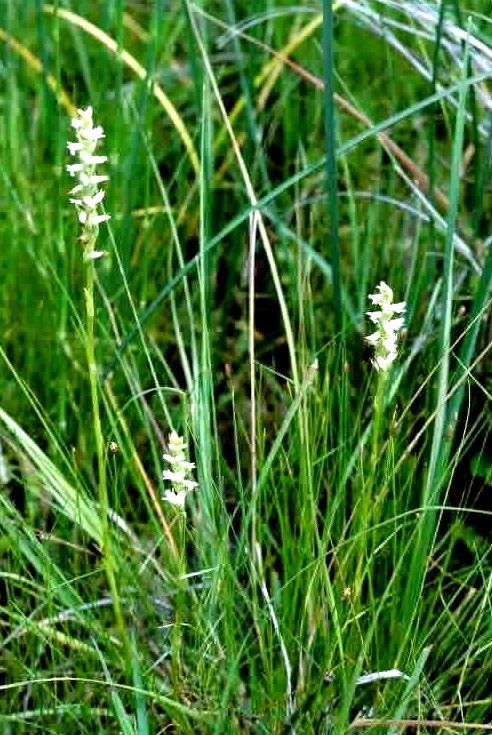
Spiranthes sinensis, commonly known as the Chinese spiranthes, is a species of orchid occurring in eastern and southeastern Asia.Spiranthes sinensis was long thought to be a species complex, and more than 30 names have been synonymized under it; recent molecular and morphological data found that the complex was composed of six distinct species. 'True' S. sinensis sensu stricto is glabrous, blooms in the spring, and has pale blush-pink flowers. This species had formerly been thought to occur throughout Asia and Australia, it is actually restricted to southeast Asia, eastern East Asia, and southern Japan. The other species to be recognized out of this species complex are Spiranthes australis, Spiranthes flexuosa, Spiranthes maokensis, Spiranthes sunii, and Spiranthes suishanensis.
Chinese Lady's Tresses, also known as Chinese Spiranthes or Ladies' Tresses, are part of the Spiranthes genus and have a unique feature: their flowers are arranged in a spiral pattern on a spike, resembling a woman's braided hair. This characteristic led to the use of the old-fashioned word "tress," meaning curl or braid, in the common names of Chinese Spiranthes and other Spiranthes plants.
Chinese spiranthes are generally disease-resistant and have relatively few insect pests. They are regarded as difficult to care for because they need a high-humidity yet well-ventilated environment with minimal harmful pathogens. Too much water can cause root rot. While anyone can try growing Chinese spiranthes, keeping them healthy and getting them to bloom again requires more cultivation experience.
How to keep Spiranthes Sinensis.
Light
Chinese spiranthes prefers ample sunlight but can tolerate semi-shade. Its native habitat makes it adaptable to changes in sun exposure. However, excessive sun can scorch the leaves, while insufficient light may restrict its growth and flowering.
Water
Chinese spiranthes, a plant native to moist environments, thrives with moderate hydration. It prefers consistent moisture, requiring watering every 1-2 weeks. Rainwater and outdoor humidity are particularly beneficial, as they help keep the soil sufficiently damp for optimal growth.
Temperature
Chinese spiranthes can tolerate a wide range of temperatures, though their distribution may still be constrained by various combinations of moisture and heat. They perform best in warm summer conditions with sufficient rainfall or watering. Extended stretches of cloudy, rainy weather or prolonged high temperatures can raise the risk of death for Chinese spiranthes. In winter, providing appropriate protection from the cold can increase the plant's chances of survival.
Fertilizer
The best time to fertilize a Chinese spiranthes is in early spring, when it is coming out of dormancy and beginning active growth. Fertilizing supplies essential nutrients for healthy development. Although Chinese spiranthes has relatively low fertilizer requirements, applying fertilizer annually can improve its survival and encourage better, longer-lasting flowers.
Pruning
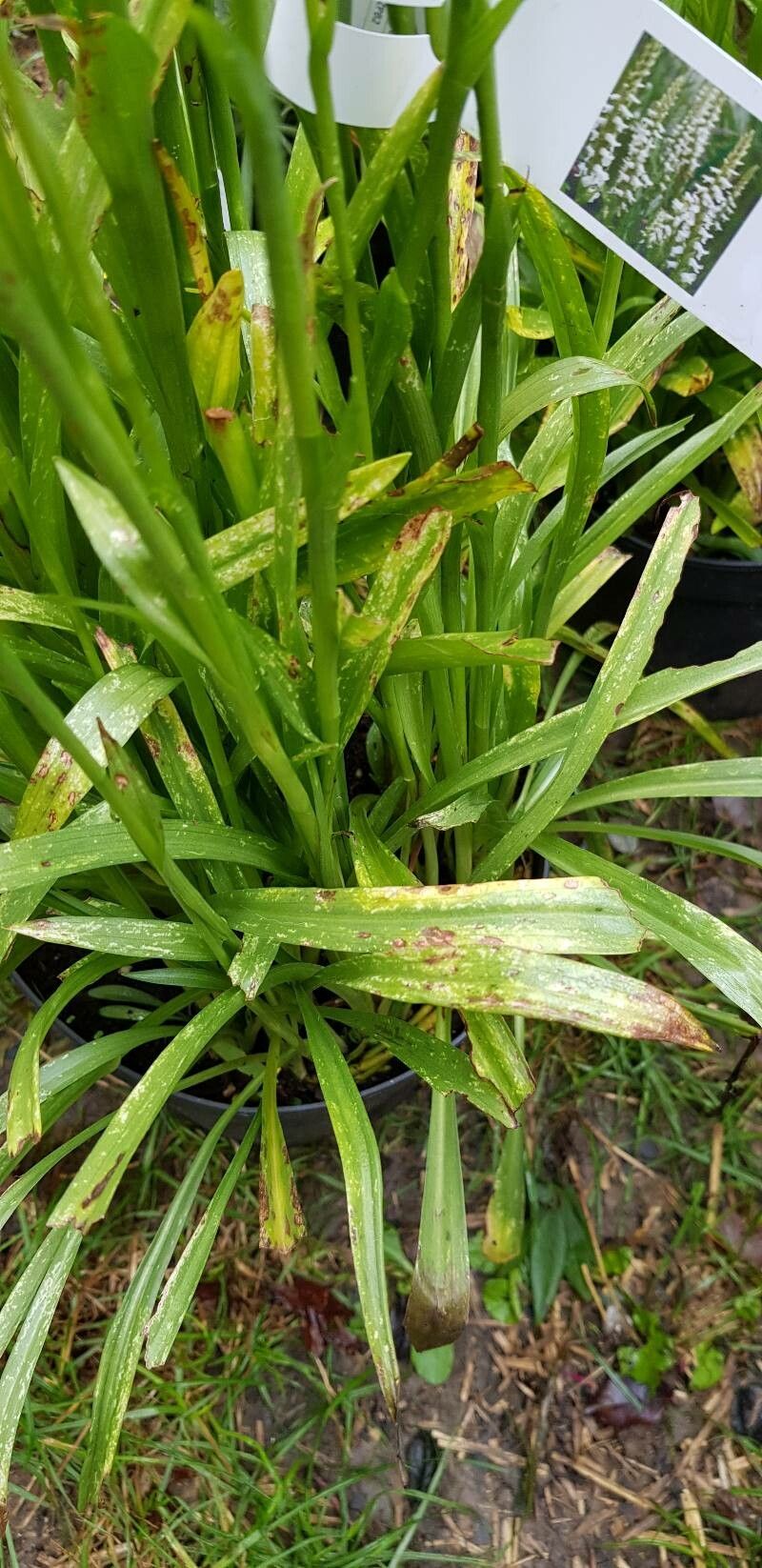
Chinese Spiranthes is characterized by its spiral flower spikes and grassy leaves. To encourage growth and enhance blooming, prune the plant in early to mid-spring. Remove any dead foliage and spent flower stalks during this time. Be sure to use clean, sharp tools to maintain the plant's health and vigor, ensuring a robust display of flowers.
Toxicity
Lady’s tresses orchids are non-toxic to people and pets, making this an excellent houseplant to have in any household, whether it is grown indoors or outdoors.
Further reading →
The toxicity and danger assessments provided are for reference only. We do not assure their accuracy, so it's crucial not to depend on them. Seek professional advice when necessary for accurate guidance.
Botanical profile.
- Plant Type
- Herb
- Life Cycle
- Perennial
- Genus
- Spiranthes
- Family
- Orchidaceae
- Hardiness Zone
- 5-9
- Mature Height
- 13 cm to 30 cm
- Mature Spread
- 5 cm to 10 cm
- Leaf Color
- Green, Blue
- Leaf Type
- Deciduous
- Flower Color
- Pink
- Flower Size
- 0.76 cm
- Bloom Time
- All year round
- Planting Time
- Spring, Summer
- Harvest Time
- Spring, Summer, Fall
- Native Area
- Sri Lanka, India, Malaysia, Vanuatu, Philippines, Bangladesh, Pakistan, New Zealand, China, Russia, Afghanistan, Indonesia, Kazakhstan, Vietnam, Myanmar, Mongolia, Japan, Koppen, Bhutan, South Korea, Thailand
Other names.
Reader questions.
How should I water my Chinese spiranthes plant?
The way you water the Chinese spiranthes depends on whether it's actively growing or not. During active growth, water the soil and occasionally water from above so the plant can soak up moisture through its leaves. In winter or when it's cool and wet, stick to watering the soil directly. If the roots and leaves of the plant become dry, thin, or discolored, it needs more water. If it becomes mushy and limp, it's getting too much water. Use a pot with good drainage to grow the Chinese spiranthes and water it multiple times per week during the growing season. Each watering should drain quickly to avoid standing water. The size of the pot will determine the frequency of watering, with larger pots needing less frequent watering. Rainwater and distilled water are best for this plant, and it's ideal if the water matches the temperature of the air.
Why should I put fertilizer on my Chinese spiranthes?
Fertilization is important for the Chinese spiranthes for several reasons. Primarily, it provides crucial nutrients that support the plant's growth both above and below ground. However, Chinese spiranthes have relatively low overall fertilization needs and can sometimes survive well without it. Nonetheless, annual fertilization can greatly benefit the Chinese spiranthes, keeping the plant alive and potentially enhancing flower quality and longevity. Therefore, those looking to optimize the appearance of their Chinese spiranthes should prioritize annual fertilization.
What are the sunlight requirements for Chinese spiranthes?
Chinese spiranthes thrives in full sun, requiring more than 6 hours of sunlight daily, although it can adapt to partial sun conditions of about 3-6 hours of sunlight. It's essential to watch how sunlight moves through your garden to choose spots that provide the perfect balance for your plants, bearing in mind too much sun can lead to leaf scorching, while insufficient light might impede growth and blooming.
What do I do if I give my Chinese spiranthes too much or too little water?
To avoid killing your Chinese spiranthes plant, it is important to prevent the soil from staying too moist for too long. While these plants require frequent watering during active growth, they also need a well-draining growing medium. Overwatering can cause the plant to become mushy and develop root rot. If this happens, you should use sterile pruning shears to remove any roots showing signs of rot, and then repot the plant in a container with good drainage and fast-draining potting mix. However, Chinese spiranthes do not respond well to excessive repotting, so it is crucial to water them correctly. If you notice the plant becoming shriveled and dry to the touch, it may be underwatered and you should increase the watering frequency.
When should I fertilize my Chinese spiranthes?
The best time to fertilize a Chinese spiranthes is in late winter to early spring when it is coming out of dormancy and starting to grow actively. Fertilizing during this time helps promote healthy growth and gives the plant a strong start for the season. While it is generally best to fertilize in early spring, it is also acceptable to fertilize in the fall. However, it is not recommended to feed a Chinese spiranthes during summer or winter.
Can Chinese spiranthes grow under artificial lighting?
Yes, Chinese spiranthes can grow under artificial lighting, especially when natural sunlight is insufficient. Artificial lights, such as LED lights, provide a viable solution, offering the specific wavelengths of light that plants need for optimal growth. For full sun plants, 30-50W/sq ft is recommended, partial sun plants require 20-30W/sq ft, and 10-20W/sq ft for full shade plants. The light source should be placed 12-36 inches above the plant for 8-12 hours per day to mimic natural sunlight.
How frequently do I need to water my Chinese spiranthes?
During the active growth stage, water your Chinese spiranthes about once or twice per week in spring and summer. Increase watering to three times per week or more during hot and dry weather. In winter, water your Chinese spiranthes but not as frequently. Two to three times per month is enough to keep them alive during the coldest months. If kept indoors during winter, the soil may dry quicker, so you may need to increase watering frequency. In fall, gradually reduce watering from multiple times per week to the reduced winter schedule.
When is it a good idea to not use fertilizer on my Chinese spiranthes?
To properly care for your Chinese spiranthes, it is important to only fertilize during the late winter and early spring. This plant has low fertilization needs and only requires one feeding per year. Overfertilization can be a problem, so it is best to avoid fertilizing during spring, summer, and fall, unless you missed fertilizing in spring. In this case, it is acceptable to feed the plant in the fall. Additionally, there is no need to fertilize during winter as the plant is in a dormant phase and does not grow.
What symptoms indicate insufficient or excessive sunlight in Chinese spiranthes?
Symptoms of insufficient sunlight include smaller new leaves, leggy or sparse growth, faster leaf drop, slower or no growth, lighter-colored new leaves, and chlorosis. Excessive sunlight can cause symptoms such as sunscald, leaf curling, wilting, leaf scorching, and chlorosis. These symptoms reflect the plant's struggle to adapt to either too much or too little light, affecting its health and growth.
What do I need to think about when watering my Chinese spiranthes during different seasons and growth times?
To plan the watering schedule for your Chinese spiranthes, there are two important growth phases to consider. The first phase is the active growth period, which occurs in spring and summer. During this time, the plant requires frequent watering, multiple times per week. The second phase is the rest period, which takes place in winter for about two to three months. During this period, the Chinese spiranthes needs less water and fertilization than usual. Watering once or twice per month is sufficient. As fall approaches, gradually decrease the frequency of watering from multiple times per week to once or twice per month, which is appropriate for the winter season.
What fertilizer should I use for my Chinese spiranthes?
A general-purpose fertilizer with a balanced amount of the three main plant nutrients will work well for a Chinese spiranthes. However, some nutrient blends can be even more beneficial. For example, using a phosphorus-rich fertilizer is believed to strengthen roots and improve flower growth, which is important for Chinese spiranthes since it is a flowering plant. Whether you choose a granular or liquid form, as long as there are plenty of nutrients present, it will be effective. In addition to manufactured fertilizers, you can also use organic materials like compost and manure to improve the soil for your Chinese spiranthes, creating a healthy growing medium.
How can I address sunlight issues for my Chinese spiranthes both indoors and outdoors?
To address sunlight issues, gradually acclimate your plants to receive at least 6 hours of direct sunlight daily by moving them towards a sunnier location each week. For indoor plants not easily movable or lacking in light, consider using artificial lighting, such as desk lamps or professional plant grow lights, for at least 8 hours daily. Outdoor plants should be moved gradually to avoid sunburn. In case of obstructions like trees, consider pruning to allow more sunlight through. For smaller plants, transplanting during their dormant period to a sunnier location can help. Remember, parts of the plant damaged by inadequate sunlight may not recover, but new growth will be healthy once light exposure increases.