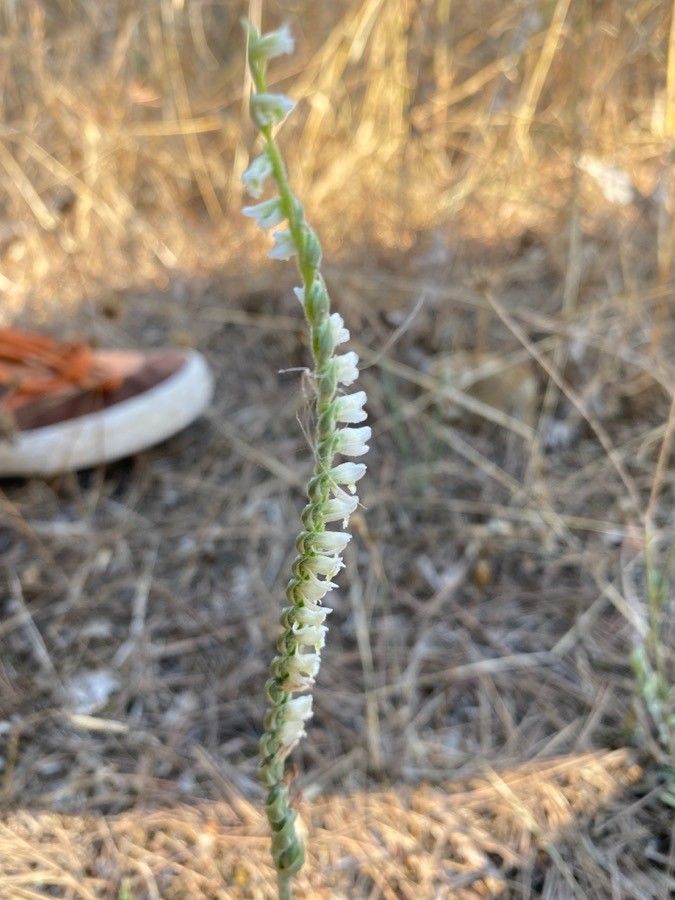
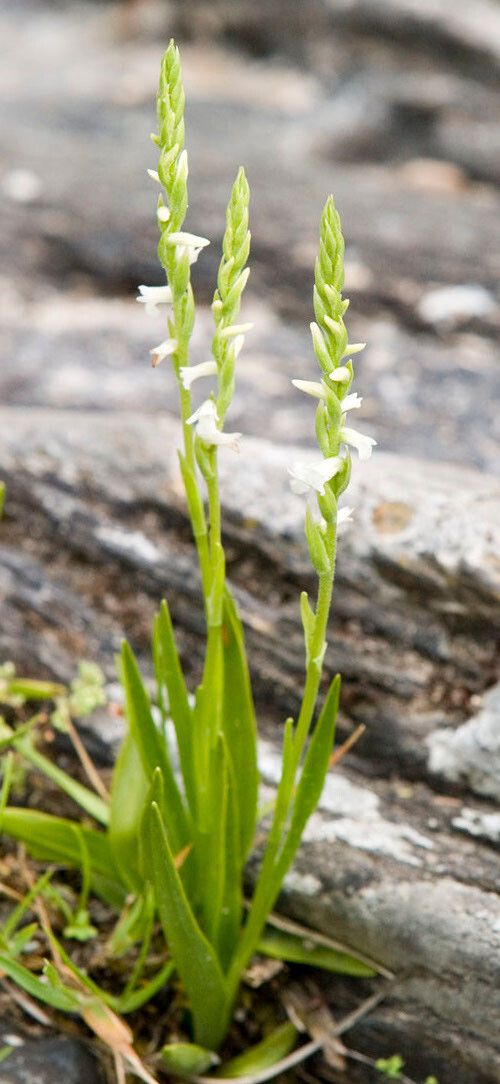
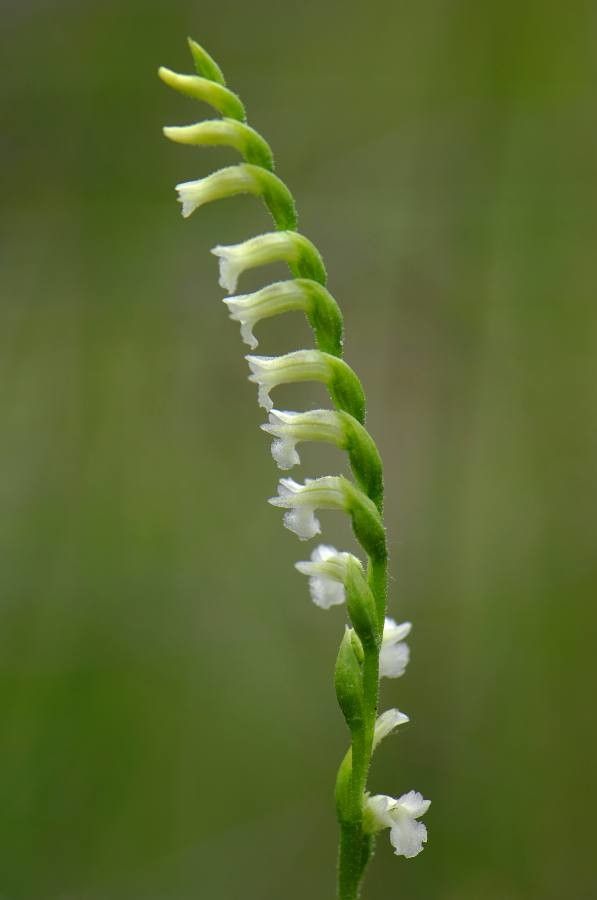
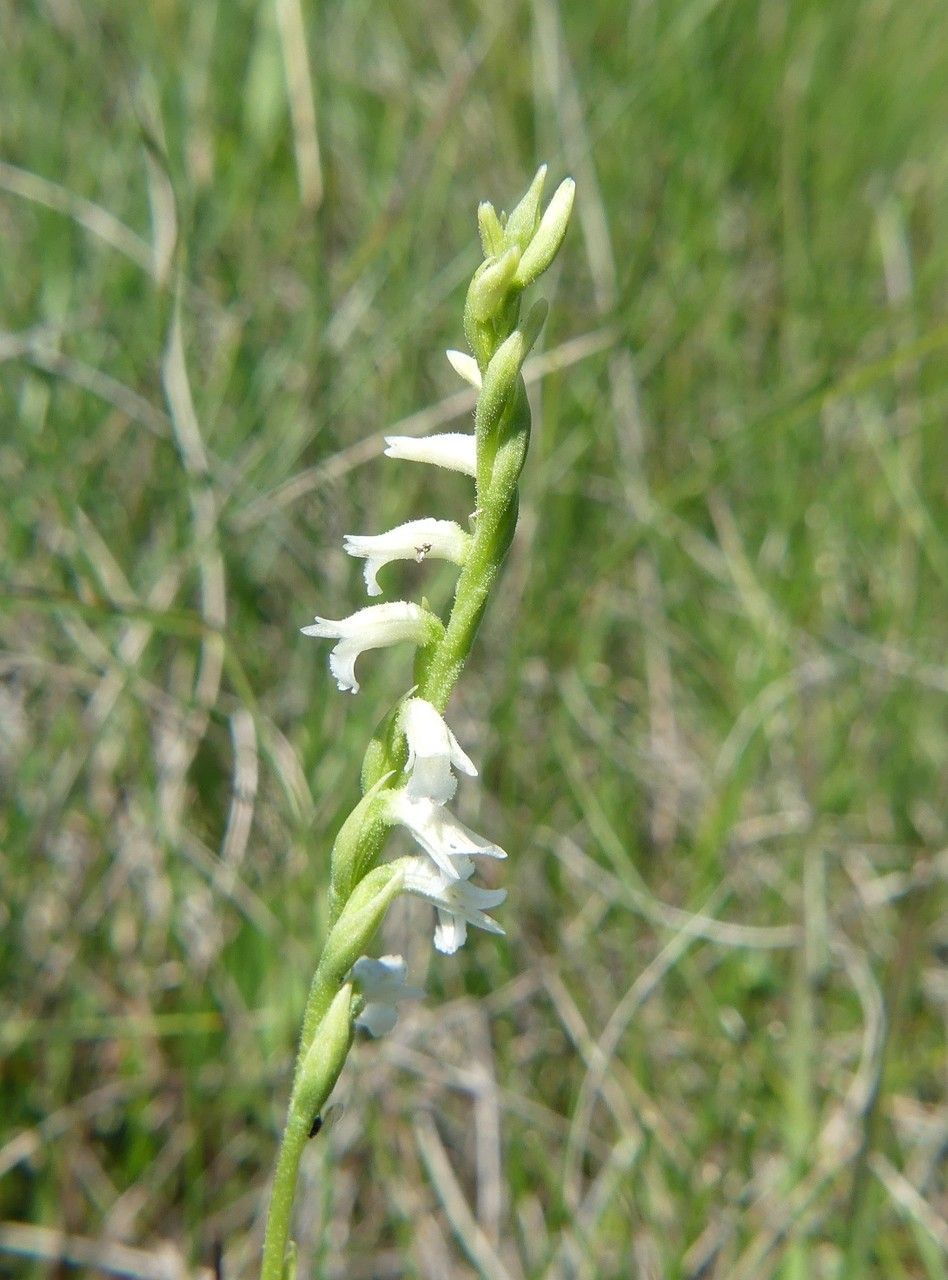
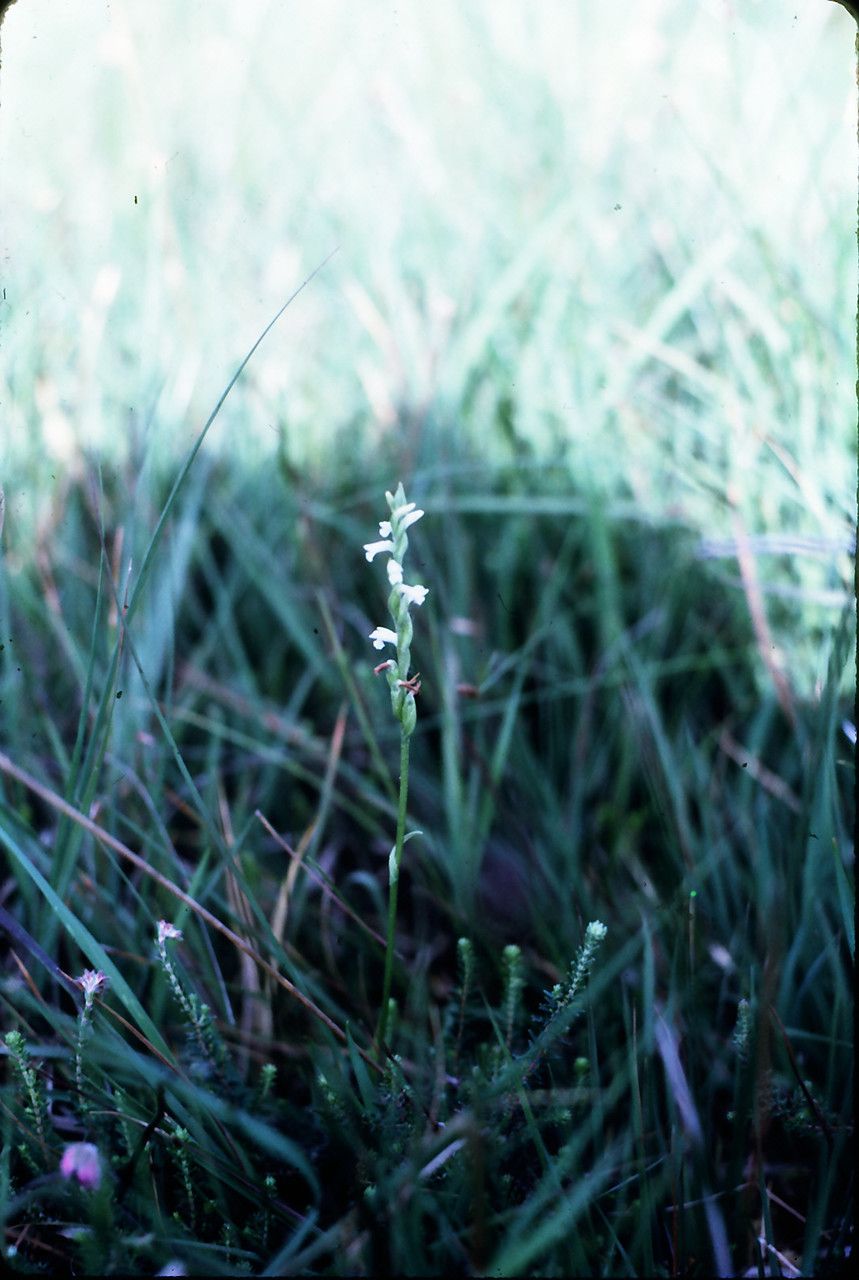
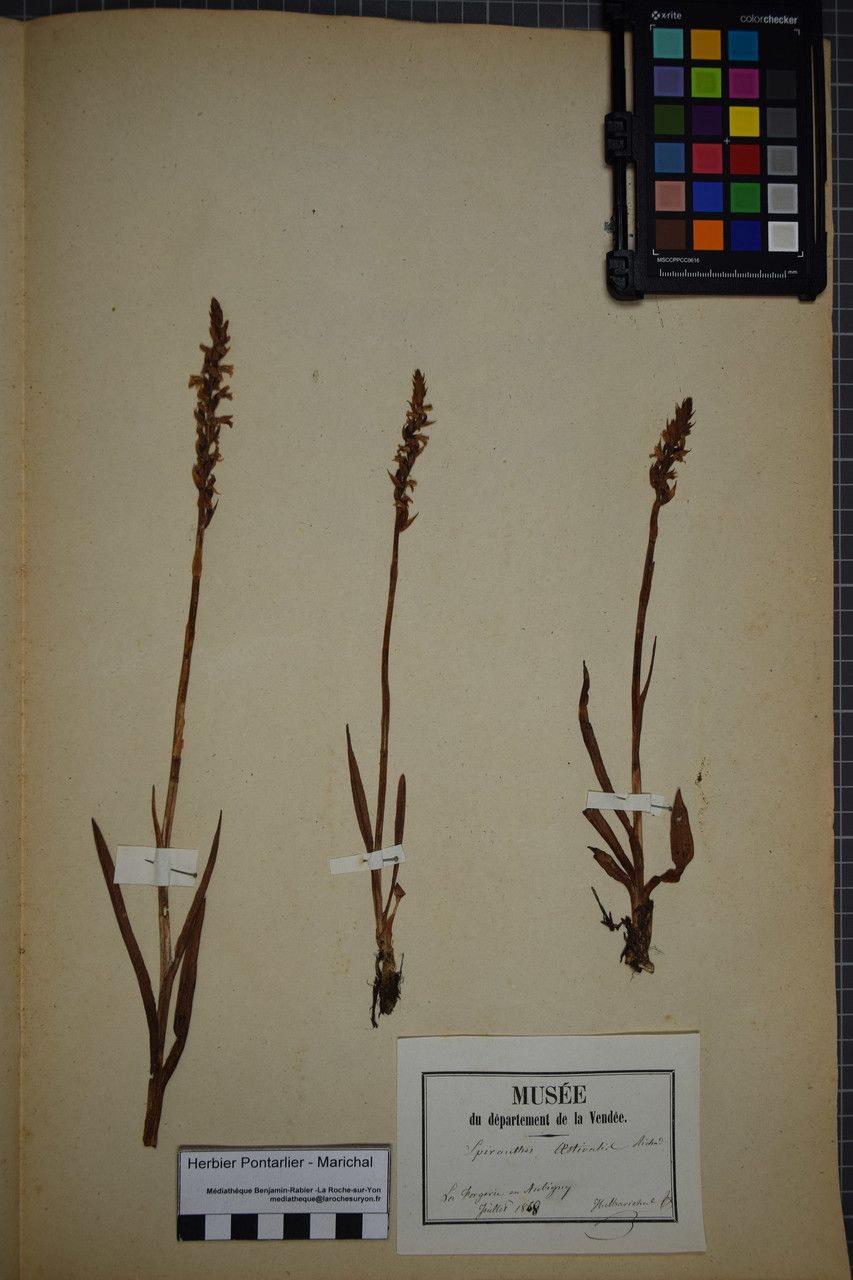
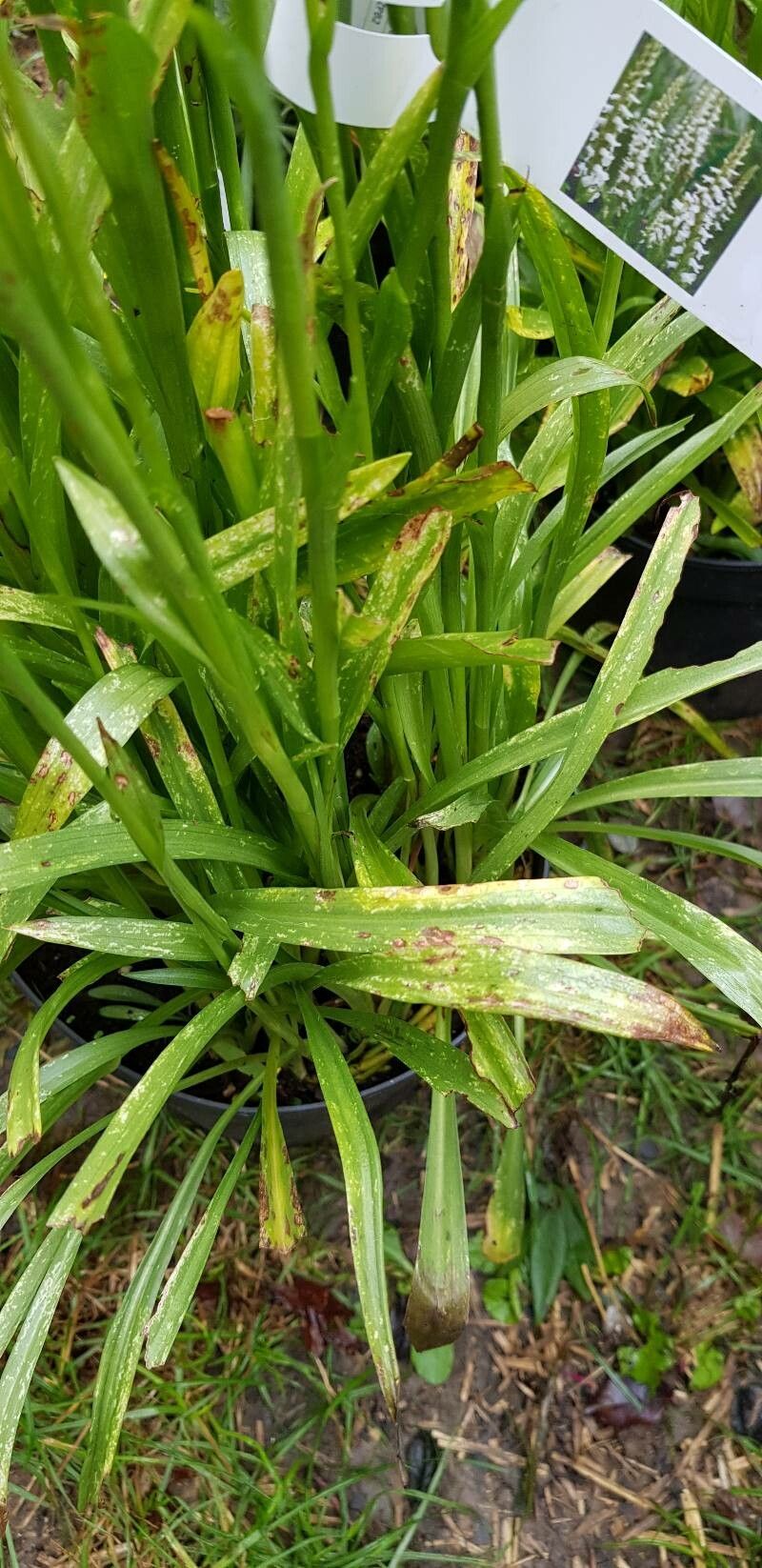
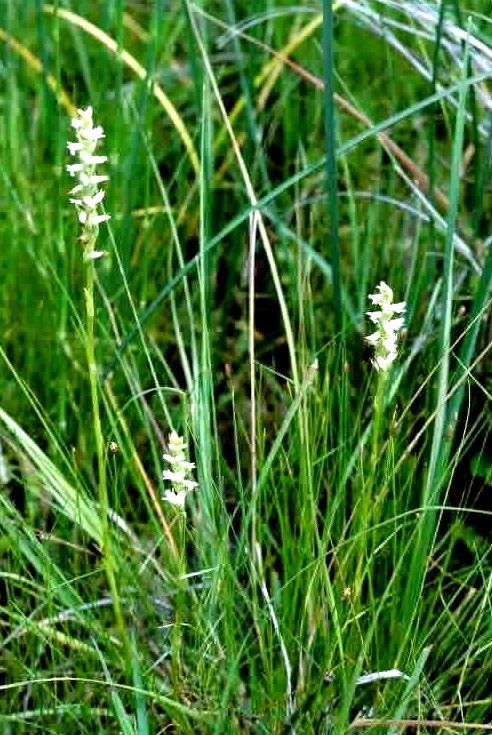
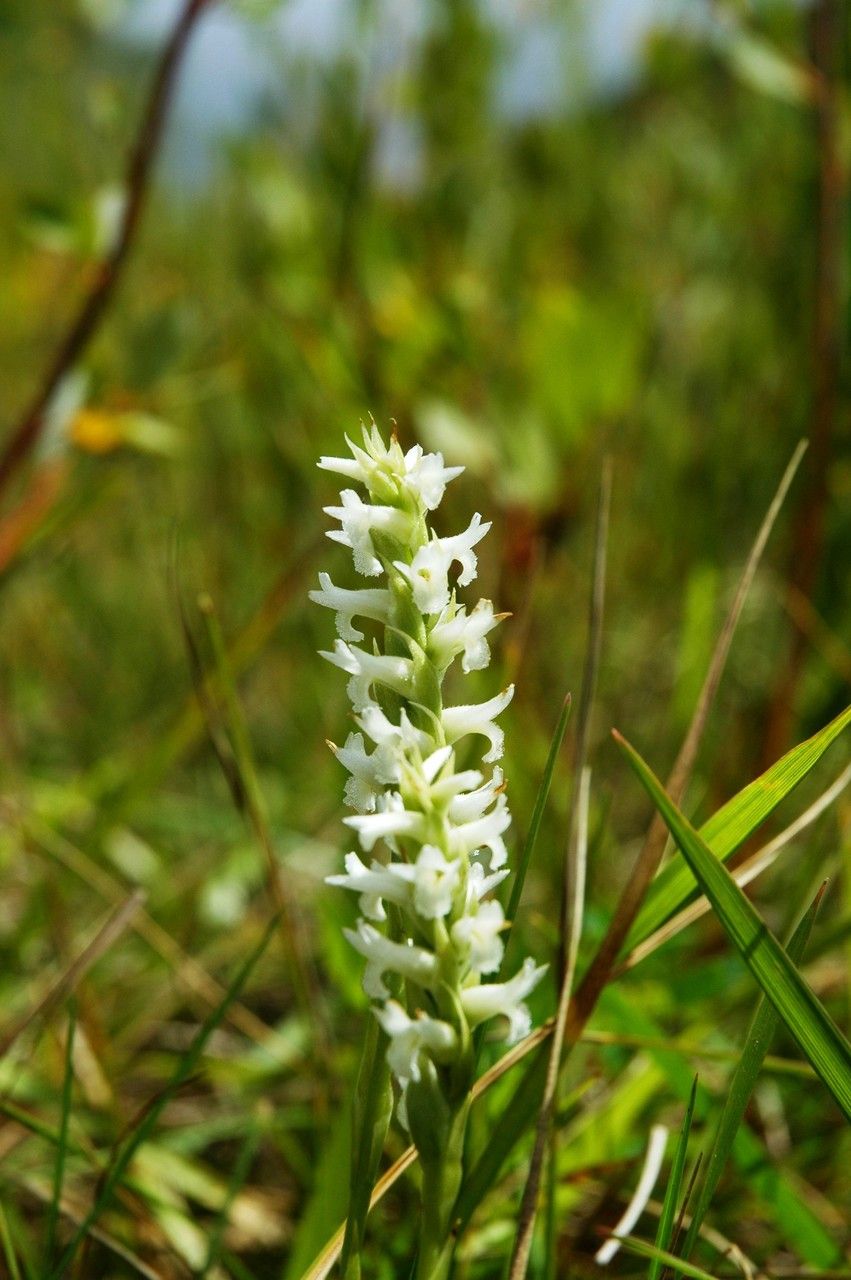
Spiranthes aestivalis, commonly called the summer lady's-tresses, is a species of orchid found in western Europe, Turkey, Russia, and North Africa. The specific epithet, aestivalis, is derived from Latin and means "pertaining to the summer".
Summer lady's tresses typically exhibits strong resistance to diseases and is bothered by relatively few insect pests. Its care is considered difficult because it needs high humidity while also having good air circulation and few harmful pathogens. Too much watering can cause root rot. Although anyone can grow Summer lady's tresses, maintaining its health and getting it to flower again requires more growing experience.
How to keep Spiranthes Aestivalis.
Light
Summer lady's tresses is native to habitats like forest understories and rocky areas, where it grows in naturally shaded conditions. It favors partial sun but can adjust to both full sun and full shade, reflecting its versatile, hardy nature.
Water
Summer lady's tresses thrive in moist environments and require consistent weekly watering to stay properly hydrated. Although they can tolerate short periods of dryness, these plants are best suited for outdoor cultivation, where they can benefit from natural rainfall. Proper moisture management is essential for their growth.
Temperature
Summer lady's tresses can adapt to a wide range of temperature conditions, though its distribution may still be restricted by different combinations of water and heat. It grows best in warm summer climates with adequate rainfall or watering. Long stretches of cloudy, rainy weather or prolonged high temperatures can make Summer lady's tresses more likely to die. In winter, safeguarding the plant from cold can raise its survival rate.
Fertilizer
The primary time to fertilize Summer lady's tresses is in early spring when the flowers are developing. Using the proper fertilizer promotes improved blooms and helps Summer lady's tresses produce attractive flowers. Fertilizing in early spring ensures strong flowering through the season and provides energy for dormant growth phases.
Pruning
The Summer Lady's Tresses thrives in well-drained, moist environments and is known for its spiraling white flowers. To encourage healthy growth, prune the plant from early to late spring by removing dead foliage and spent stems to improve air circulation. Be sure to clean your tools to prevent infections, and consult horticultural guides for additional care tips.
Toxicity
Lady’s tresses orchids are non-toxic to people and pets, making this an excellent houseplant to have in any household, whether it is grown indoors or outdoors.
Further reading →
The toxicity and danger assessments provided are for reference only. We do not assure their accuracy, so it's crucial not to depend on them. Seek professional advice when necessary for accurate guidance.
Botanical profile.
- Plant Type
- Herb
- Life Cycle
- Perennial
- Genus
- Spiranthes
- Family
- Orchidaceae
- Hardiness Zone
- 6-9
- Mature Height
- 20 cm to 49 cm
- Mature Spread
- 10 cm to 20 cm
- Leaf Color
- Green
- Leaf Type
- Deciduous
- Flower Color
- White
- Flower Size
- 0.25 cm to 0.51 cm
- Bloom Time
- Early summer, Mid summer
- Planting Time
- Spring, Autumn
- Harvest Time
- Late summer, Early fall
- Native Area
- Austria, Slovakia, Croatia, Slovenia, Morocco, Germany, Italy, Spain, Switzerland, Netherlands, France, United Kingdom, Hungary, Algeria, Belgium, Portugal
Other names.
Reader questions.
What is Summer lady's tresses?
Summer lady's tresses, known botanically as Spiranthes aestivalis, is a species of plant. There is no additional provided information about its essentials or symptoms related to this species.