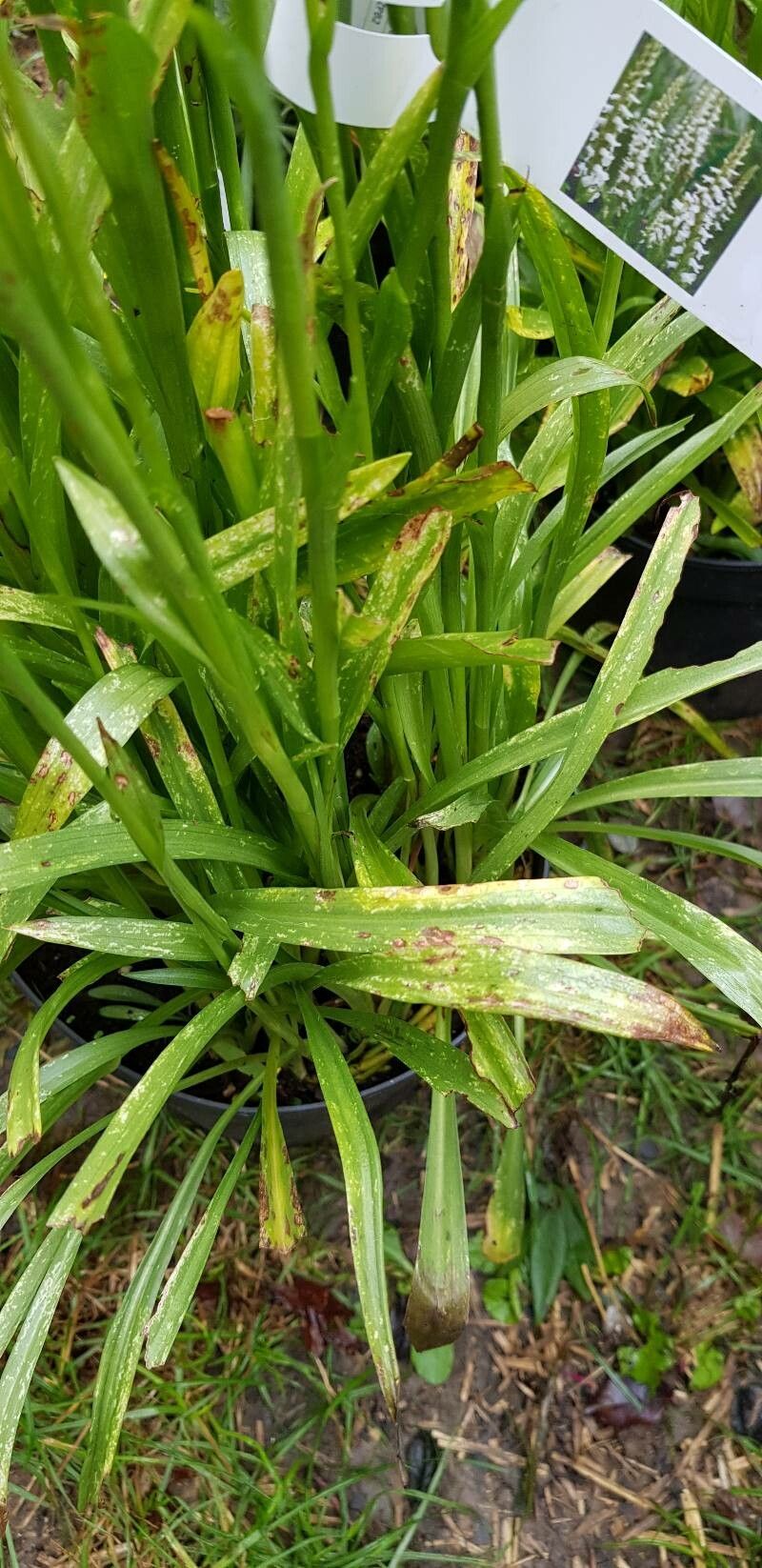
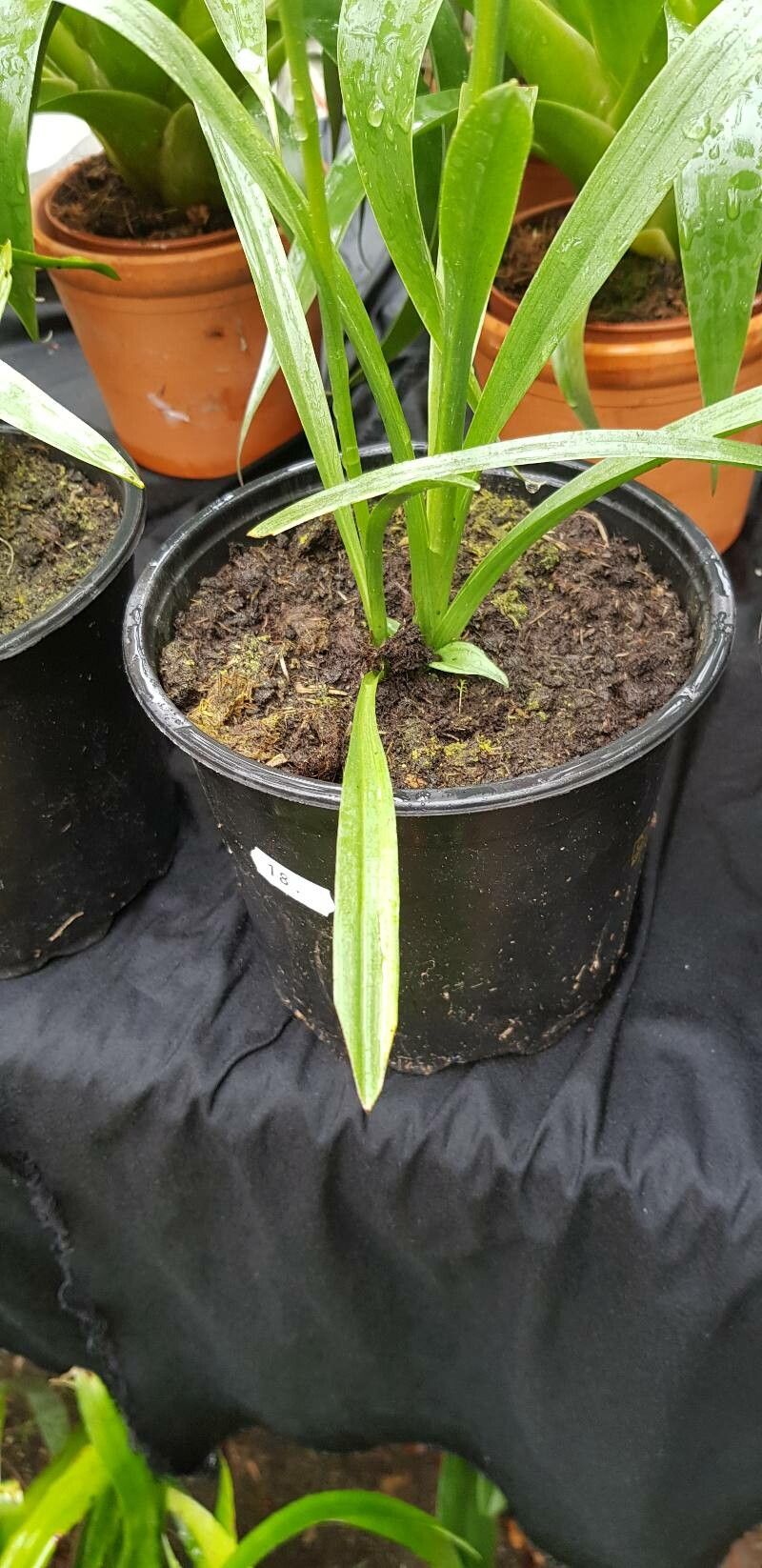
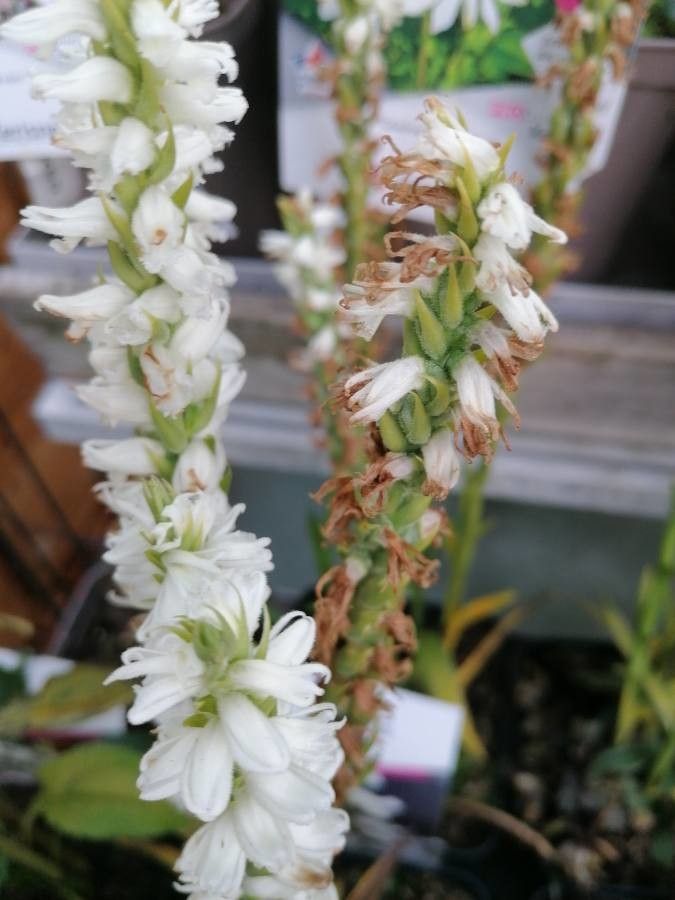
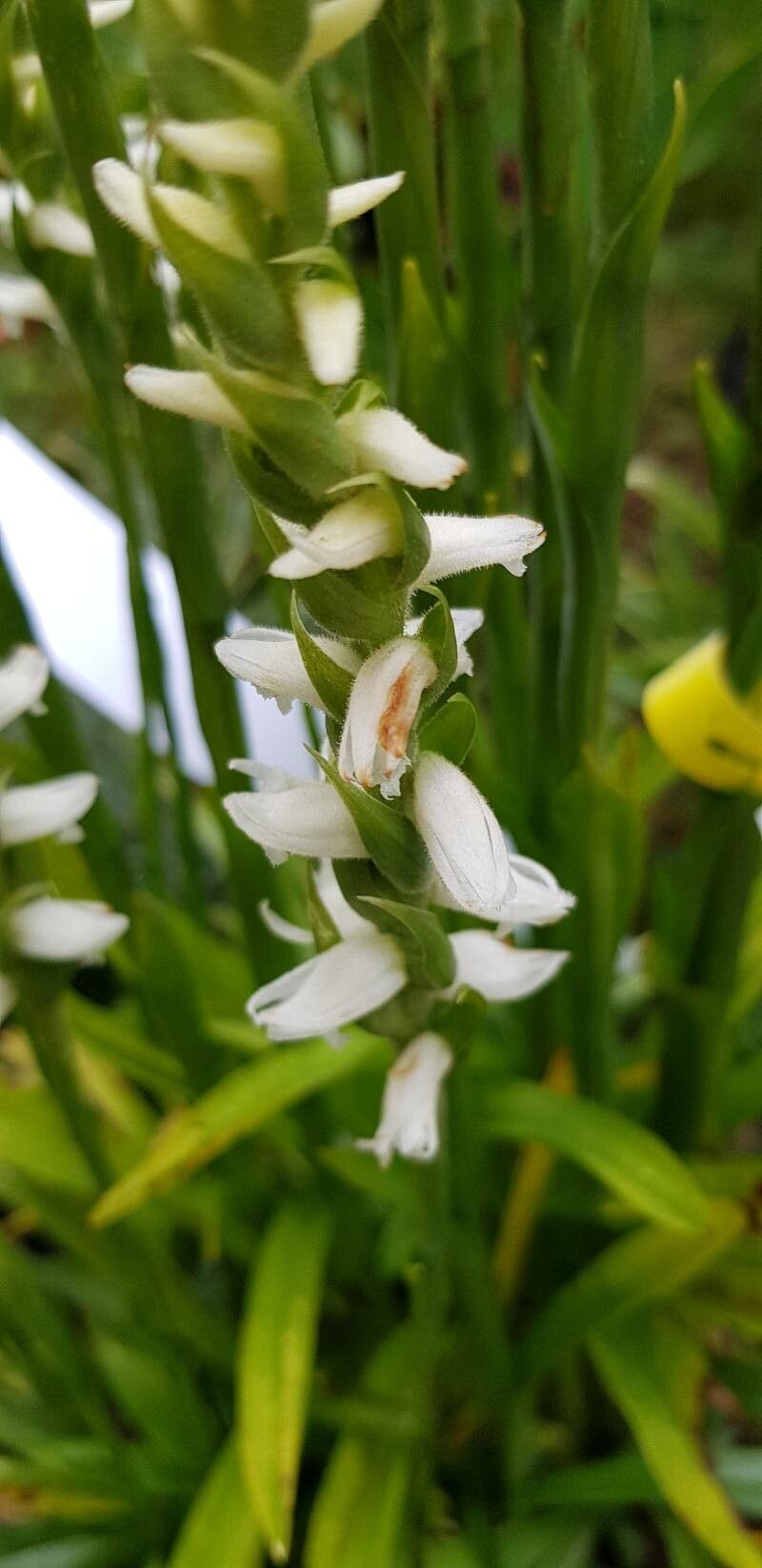
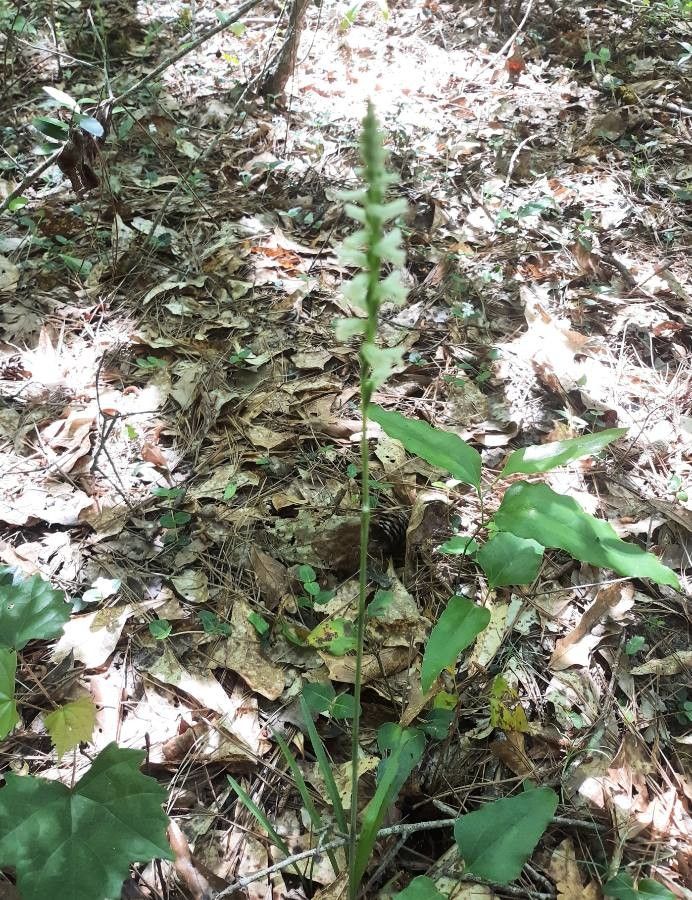
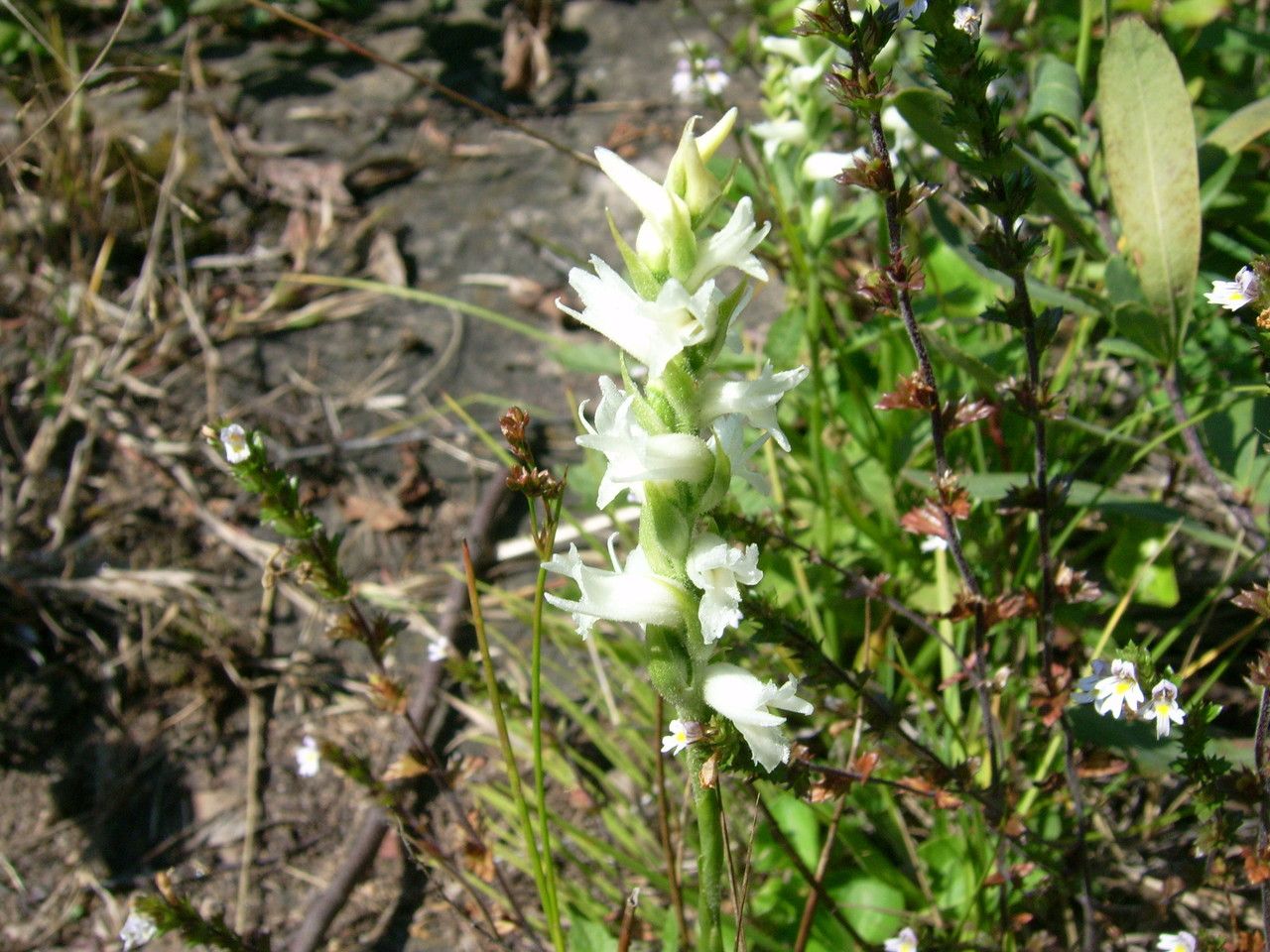
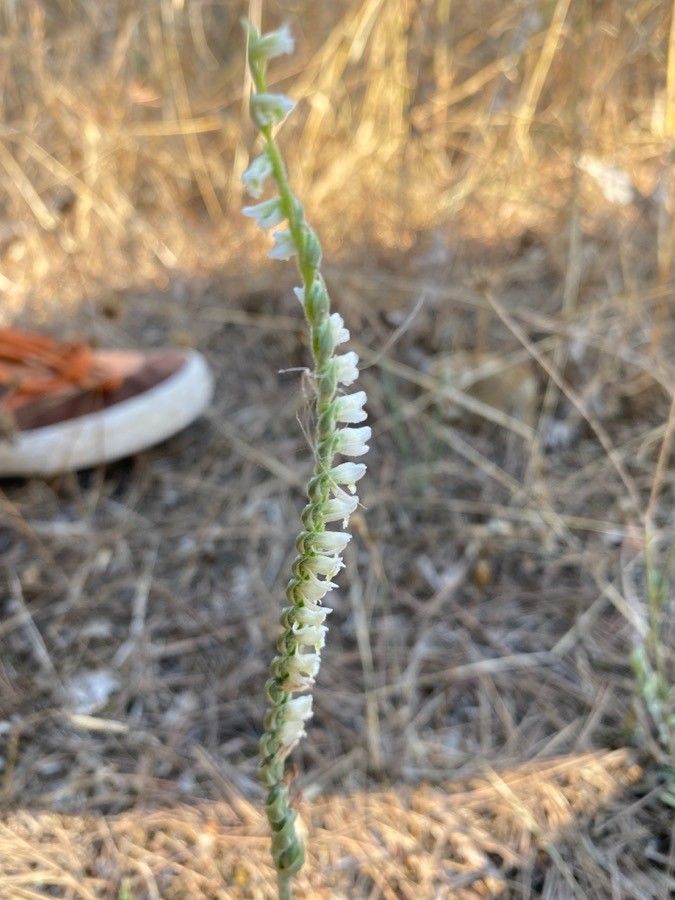
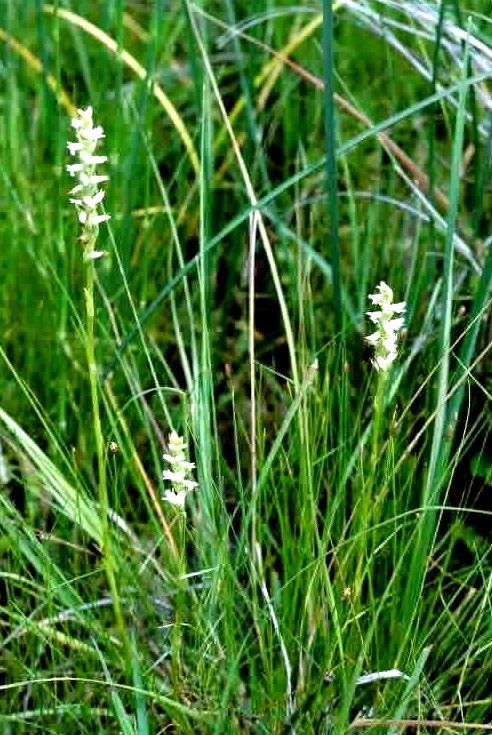
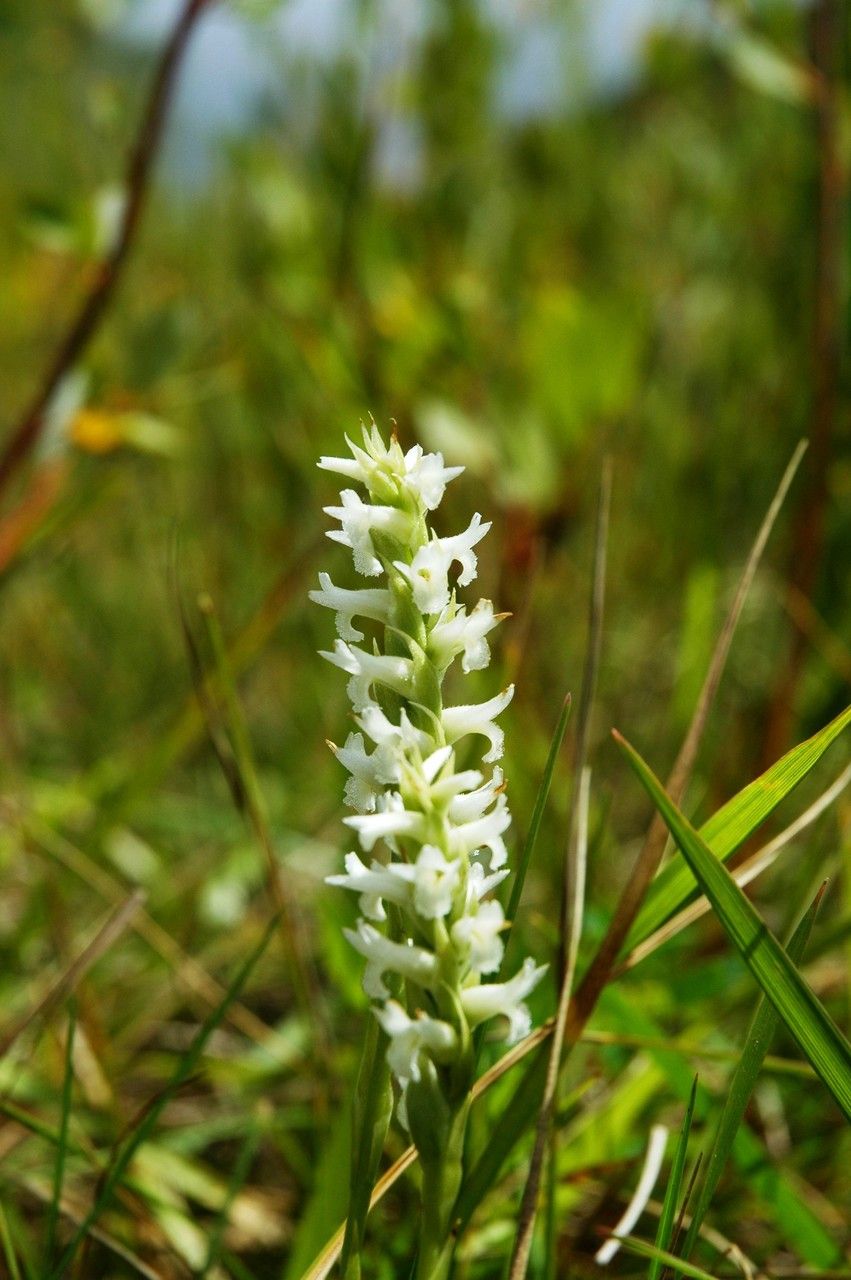
Spiranthes cernua, commonly known as nodding ladies' tresses, is a perennial orchid species native to North America. This small plant typically grows up to 30 cm tall and produces a single stem adorned with several small white flowers that bloom in late summer or early fall. The flowers are uniquely arranged in a spiral pattern around the stem and feature distinctive twisted petals. Preferring moist soils, Spiranthes cernua is often found in wetlands, meadows, and along stream banks. It serves as an important food source for pollinators such as bees and butterflies. Although relatively common throughout its range, the species has been listed as threatened or endangered in some states due to habitat loss from development and agricultural practices.
Nodding lady's tresses typically shows strong disease resistance and is affected by relatively few insect pests. Its care is regarded as difficult because it needs a high-humidity yet well-ventilated setting with minimal harmful pathogens. Too much watering may cause root rot. While anyone can grow Nodding lady's tresses, keeping it healthy and getting it to bloom again demands more cultivation experience.
How to keep Spiranthes Cernua.
Light
Nodding lady's tresses generally thrives best with moderate sun exposure. It can tolerate a greater amount of sunlight, but does not require it for healthy growth. Coming from an environment mixed with shade and light, too much sun can stunt its growth while too little can interfere with its blooming cycle.
Water
Nodding lady's tresses flourish in moist environments, needing consistently damp soil without becoming waterlogged. To mimic the natural rainfall patterns of its habitat, it should be watered weekly, especially during the active growing season. This plant is usually cultivated outdoors to meet its hydration requirements effectively.
Temperature
Nodding lady's tresses is native to temperate regions and requires moderate temperatures for growth, ideally between 41 and 95 °F (5 and 35 °C). Seasonal adjustments to temperature may be necessary to meet these requirements.
Fertilizer
The best time to fertilize a Nodding lady's tresses is in early spring, as it comes out of dormancy and begins active growth. Fertilization supplies essential nutrients for healthy development. Although Nodding lady's tresses needs relatively little fertilizer, applying it once a year can improve its survival and encourage better, longer-lasting flowers.
Pruning
Nodding lady's tresses have white flowers that are arranged in a spiral pattern. To encourage growth and blooming, prune them in early spring or late winter by removing dead leaves and old flower spikes. Be careful not to prune too heavily, as this can stress the plant. Pruning during the dormant season helps minimize sap loss and improves air circulation, which promotes overall plant health.
Toxicity
Lady’s tresses orchids are non-toxic to people and pets, making this an excellent houseplant to have in any household, whether it is grown indoors or outdoors.
Further reading →
The toxicity and danger assessments provided are for reference only. We do not assure their accuracy, so it's crucial not to depend on them. Seek professional advice when necessary for accurate guidance.
Botanical profile.
- Plant Type
- Herb
- Life Cycle
- Perennial
- Genus
- Spiranthes
- Family
- Orchidaceae
- Hardiness Zone
- 5-9
- Mature Height
- 23 cm to 61 cm
- Mature Spread
- 23 cm to 30 cm
- Leaf Color
- Green, Dark Green
- Leaf Type
- Evergreen, Deciduous
- Flower Color
- White
- Flower Size
- 2.54 cm
- Bloom Time
- Early fall, Mid fall
- Planting Time
- Autumn
- Harvest Time
- Mid fall, Late fall
Other names.
Reader questions.
How should I water my Nodding lady's tresses?
The watering needs of the Nodding lady's tresses plant depend on whether it is in an active growth phase or not. During active growth, you should water the soil and occasionally water from above if it's warm, allowing the plant to absorb moisture through its leaves. In winter or cool/wet weather, stick to watering the soil directly. To know if the plant needs more water, look for thin, dry leaves and roots or discoloration. If the plant receives too much water, it will become mushy and limp. It's best to grow this plant in a pot with good drainage. During the growing season, water it several times per week, ensuring the water drains quickly. The amount of water depends on the pot size, with larger pots needing less frequent watering. Rainwater or distilled water that matches the air temperature is ideal.
Why should I put fertilizer on my Nodding lady's tresses?
Fertilization plays a crucial role in the growth of Nodding lady's tresses and other plants. This is because it provides essential nutrients for both above and below ground growth. Although Nodding lady's tresses have relatively low fertilization needs, annual fertilization can greatly benefit the plant. It helps to keep the plant alive and promotes the development of longer-lasting, more beautiful flowers. Therefore, those who want their Nodding lady's tresses to thrive should prioritize annual fertilization.
What are the sunlight requirements for plants?
Plants have varying sunlight requirements to thrive. Partial sun plants need about 3-6 hours of sunlight daily, while full sun plants require more than 6 hours of sunlight each day. It's important to watch how sunlight moves through your garden to choose spots that offer the right balance of light and shade, ensuring your plants' happiness.
What are the ideal growing conditions for Nodding lady's tresses?
Nodding lady's tresses, botanically known as Spiranthes cernua, thrives in temperate environments, with the ideal temperature range for its growth being between 41 to 95 °F (5 to 35 °C). It is important to make seasonal temperature adjustments to ensure these conditions are met. This plant exhibits strong cold resistance; thus, special frost protection measures are not usually necessary. However, if winter temperatures are expected to drop below -25°C, providing cold protection with materials like soil or straw is recommended. Abundant watering before the first freeze in autumn helps the soil remain moist, preventing drought and water scarcity during winter and early spring.
What should I do if I give too much or too little water to my Nodding lady's tresses?
To avoid killing your Nodding lady's tresses, it's important to make sure you don't keep its soil too moist for too long. While these plants need regular watering when they're actively growing, they also need well-draining soil. If the plant gets overwatered, it will become mushy and develop root rot. In that case, you should use sterile pruning shears to cut out any rotting roots. Afterward, make sure to repot the plant in a container with good drainage and fill it with a fast-draining potting mix. However, Nodding lady's tresses aren't fond of excessive repotting, so it's important to find the right watering balance. If the plant starts to shrivel and feel dry, it's likely underwatered. In that case, increase the frequency of watering to prevent the soil from drying out too quickly.
When should I fertilize my Nodding lady's tresses to get the best results?
The best time to fertilize a Nodding lady's tresses is late winter to early spring. This is when the plant is transitioning from dormancy to active growth. Fertilizing at this time promotes healthy growth for the upcoming season. While early spring is generally the most beneficial time, it is also okay to fertilize in the fall. However, it is not recommended to fertilize during summer or winter.
How much sun does Nodding lady's tresses require?
Nodding lady's tresses tend to thrive best with moderate sun exposure, capable of handling larger amounts of sunlight but not requiring it for healthy growth. Originating from environments with a mix of shade and light, too much sunlight may stunt its growth, while too little can affect its blooming cycle.
How does Nodding lady's tresses react to low temperatures?
Nodding lady's tresses shows a strong tolerance to cold, exhibiting best growth when temperatures remain above 5°C. However, during winter, it is crucial to ensure that the temperature stays above -20°C. Dropping below -25°C may not show noticeable effects during winter but can lead to reduced or even absent sprouting in spring. If such issues arise, removing any parts of the plant that have failed to sprout in spring is a recommended solution.
How often should I water my Nodding lady's tresses?
During the spring and summer months, which is the active growth stage, you should plan to water your Nodding lady's tresses once or twice per week. If it's hot and dry for long periods, you may need to increase the watering frequency to three times per week or more. In the winter, you'll still need to water your Nodding lady's tresses, but not as much. About two to three times per month should be enough during the coldest months. However, if you keep your Nodding lady's tresses indoors during winter, keep in mind that indoor locations can dry the soil faster than usual. This may require you to increase the number of monthly waterings. In the fall, you can gradually reduce the watering frequency from multiple times per week in the summer to your reduced winter watering schedule.
When should I not put fertilizer on my Nodding lady's tresses?
To avoid overfertilization and related issues, it is recommended to only fertilize your Nodding lady's tresses during the late winter and early spring. This plant has low fertilization needs, so a single annual feeding is sufficient. However, if you didn't fertilize in the spring, it is acceptable to feed the plant in the fall. It is important to refrain from fertilizing during the spring, summer, and fall to prevent overfertilization. Additionally, fertilizing during the winter is not recommended as the plant is in a dormant phase and does not experience new growth.
What artificial lighting requirements do indoor plants have?
Indoor plants require adequate artificial lighting for optimal growth when natural sunlight is insufficient, especially in winter or less sunny spaces. LED lights, customizable to provide specific light wavelengths, are a popular choice. Full sun plants need 30-50W/sq ft, partial sun plants need 20-30W/sq ft, and full shade plants require 10-20W/sq ft of artificial light. The light source should be placed 12-36 inches above the plant to mimic natural sunlight and be kept on for 8-12 hours per day to match natural daylight hours for the species.
What should I do if Nodding lady's tresses experiences high temperatures?
During the summer, it is essential to ensure that the temperature around Nodding lady's tresses does not exceed 35°C. Temperatures above 38°C can lead to various symptoms, such as lighter-colored leaves, curling, susceptibility to sunburn, and, in severe cases, wilting and drying of the entire plant. To address these issues, trim away the sunburned and dried-up parts of the plant. Then, move it to an area that offers shade during the midday and afternoon sun, or provide shade using a cloth. Keeping the soil moist by watering the plant in the morning and evening is also crucial for its well-being under high temperatures.