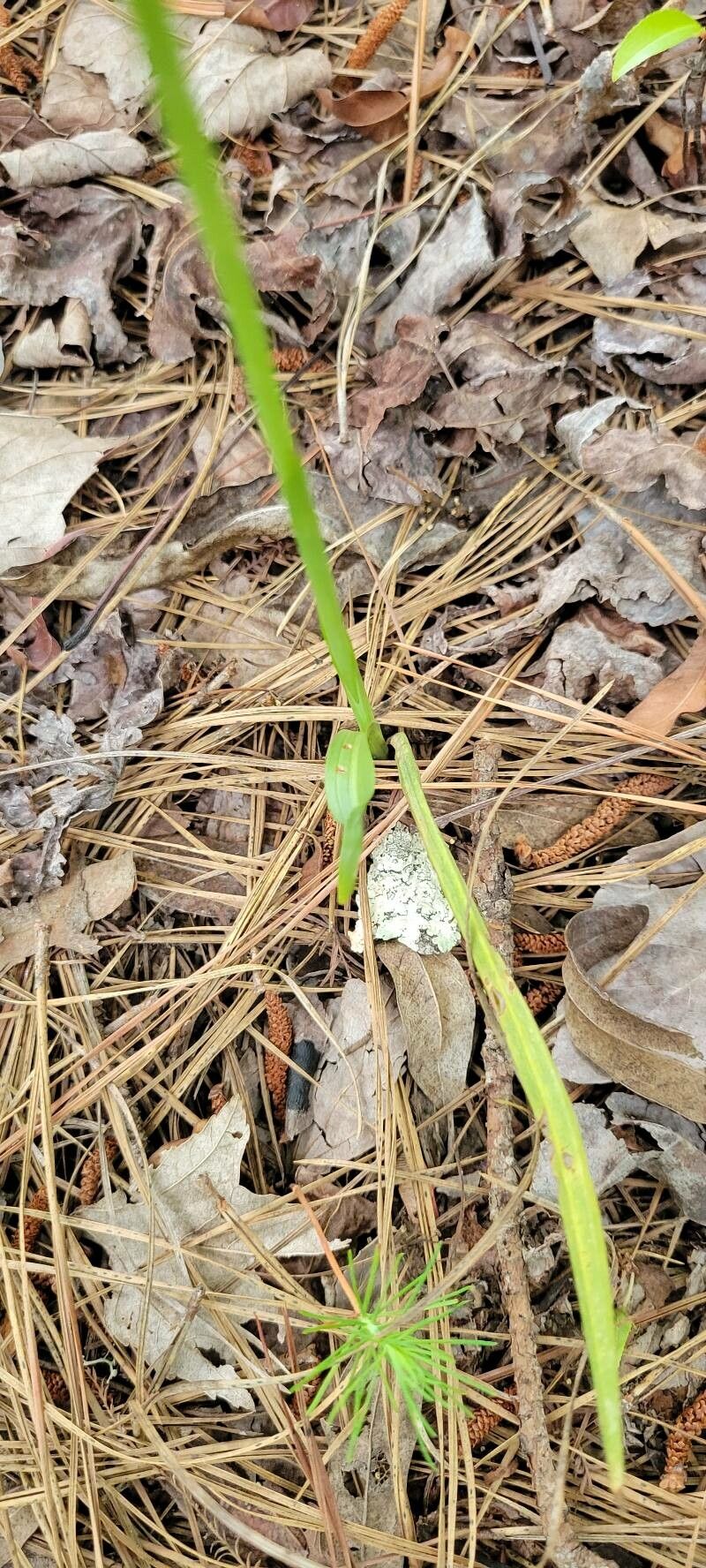
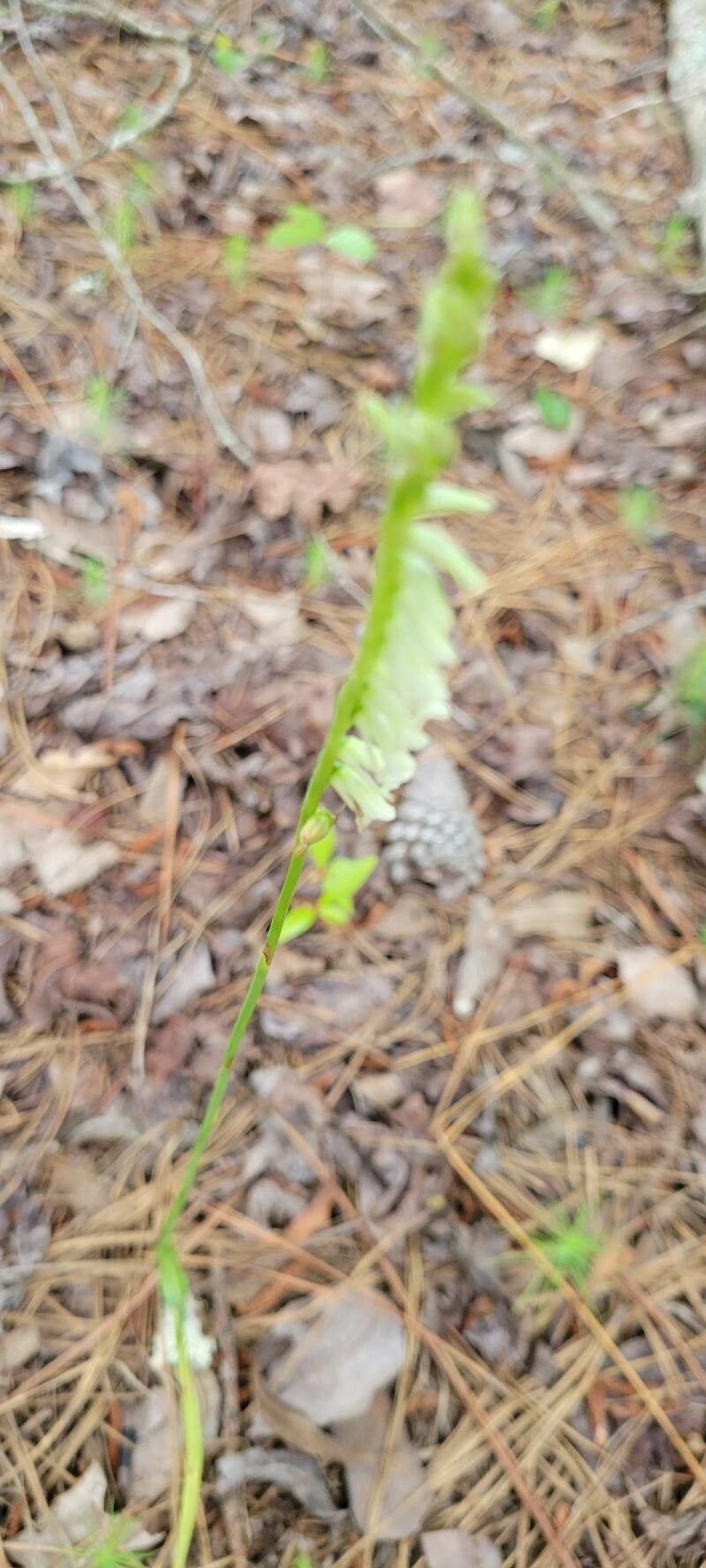
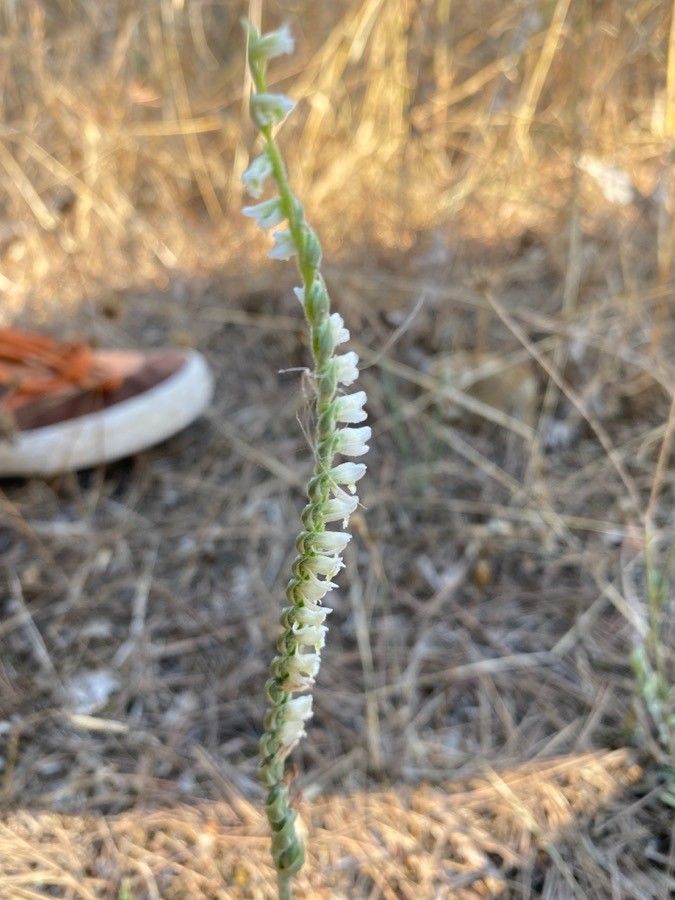
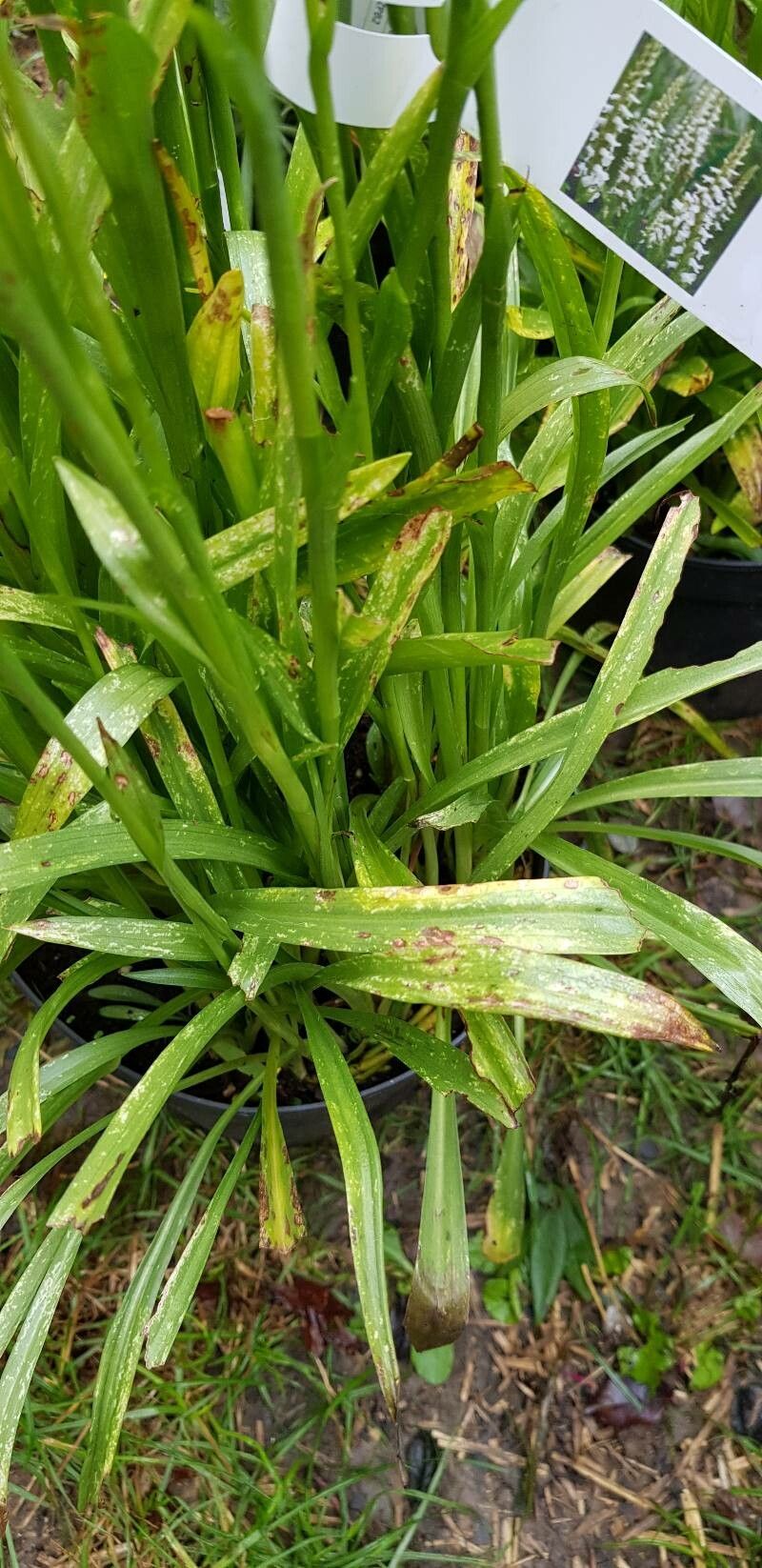
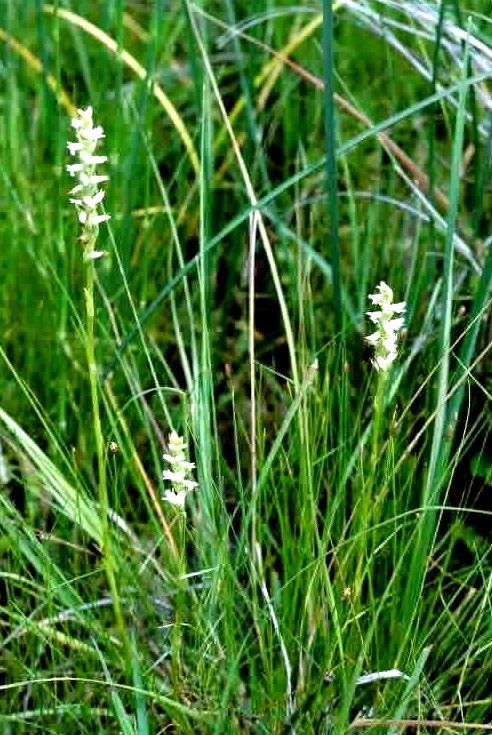
Spiranthes praecox, the grass leaved ladies' tresses (sometimes spelled grassleaf ladies'-tresses), green-vein ladies'-tresses or sometimes giant ladies' tresses is a terrestrial orchid endemic to the United States, growing on the eastern coastal plains and around the Gulf Coast.
Greenvein lady's tresses typically exhibits good disease resistance and is bothered by relatively few insect pests. Its care is regarded as difficult because it needs high humidity along with good ventilation and minimal harmful pathogens. Overwatering can cause root rot. Although anyone can grow Greenvein lady's tresses, keeping it healthy and inducing it to bloom again requires more cultivation experience.
How to keep Spiranthes Praecox.
Light
The greenvein lady's tresses does best with abundant sunlight throughout all stages of its development. Native to areas with ample sun, it can also cope with reduced light. Still, excessive sun can cause wilting and insufficient light may hinder its growth.
Water
The greenvein lady's tresses, which originates from moist environments, thrives with regular watering and is somewhat sensitive to drought. To keep the plant lush, water it weekly. Although it is typically cultivated outdoors, using mulch can help retain soil moisture and replicate the plant's naturally humid habitat.
Temperature
Greenvein lady's tresses thrives in its native habitat at temperatures between 68 and 100 °F (20 and 38 ℃). It favors moderate to high warmth and may require adjustments or protective measures during extreme seasonal changes.
Fertilizer
Adequate fertilization is essential for the health and appearance of Greenvein lady's tresses. Fertilize Greenvein lady's tresses in summer, applying the fertilizer once a month throughout the season. Nutrients support growth and help maintain the plant's parts. Fertilization improves Greenvein lady's tresses' flower display, ensuring the best blooms.
Pruning
Greenvein lady's tresses have tightly coiled, spiraled flowers. To encourage new growth, prune them from early to late spring, removing any dead foliage and spent spikes. Proper pruning helps improve air circulation, reduces the risk of disease, and enhances their appearance. Handle these plants carefully to protect their delicate structure, as recommended by reputable sources.
Botanical profile.
- Plant Type
- Herb
- Life Cycle
- Perennial
- Genus
- Spiranthes
- Family
- Orchidaceae
- Hardiness Zone
- 9-11
- Mature Height
- 46 cm to 61 cm
- Mature Spread
- 10 cm to 20 cm
- Leaf Color
- Green, Dark Green
- Leaf Type
- Deciduous
- Flower Color
- White
- Flower Size
- 0.51 cm to 0.76 cm
- Bloom Time
- Mid spring, Late spring, Early summer
- Planting Time
- Spring
- Harvest Time
- Summer
Other names.
Reader questions.
What are the sunlight requirements for Greenvein lady's tresses?
Greenvein lady's tresses requires substantial sunlight exposure during all growth stages, originally thriving in environments with plenty of sunlight. Full sun entails above 6 hours of sunlight, while partial sun is about 3-6 hours. It's crucial to observe how sunlight moves through your garden to ensure plants are placed in areas with an ideal balance of light and shade. Insufficient sunlight can stunt growth, but too much may lead to wilting.
What are the ideal temperature conditions for Greenvein lady's tresses?
Greenvein lady's tresses, a tropical plant known botanically as Spiranthes praecox, thrives best in environments with temperatures ranging from 68 to 100 °F (20 to 38 °C). It prefers moderate to high warmth and may require adjustments or protections against extreme seasonal changes. In winter, if temperatures drop below 0°C, it's recommended to bring the plant indoors, maintaining indoor temperatures above 20°C. For those kept outdoors during cold months, ensure they are in a sheltered position that receives sunlight and consider setting up a temporary greenhouse or wrapping the plants with plastic film or fabric for protection.
How can artificial lighting benefit Greenvein lady's tresses indoors?
For indoor cultivation, particularly when natural sunlight is insufficient, artificial lighting serves as a critical solution for optimal growth. LED lights are favored for their ability to mimic specific sunlight wavelengths needed by plants. Full sun plants require 30-50W/sq ft, partial sun plants 20-30W/sq ft, and full shade plants 10-20W/sq ft of artificial light. The light source should be placed 12-36 inches above the plant for 8-12 hours per day to simulate natural sunlight conditions effectively.
How should I care for Greenvein lady's tresses in low temperatures?
For Greenvein lady's tresses, which thrives in warm conditions and isn't tolerant of low temperatures, it's best to keep it above 20°C. During winter or when temperatures drop below 0°C, ensure the plant is kept indoors in a warm environment. If temperatures fall below -5°C, the plant may show signs of frost damage, such as water-soaked necrosis, wilting, and drooping of leaves. In such cases, trim off the frostbitten areas and bring the plant indoors immediately to a warm spot near a south-facing window for ample sunlight. Avoid placing the plant near heaters or air conditioning vents to prevent excessive dryness.
What are the signs of insufficient lighting in Greenvein lady's tresses?
Signs of insufficient lighting include smaller new leaves, leggy or sparse growth, faster leaf drop, halted or slowed new growth, and paler new leaves suggesting a lack of chlorophyll. Chlorosis, sunscald, leaf curling, wilting, and leaf scorching can occur due to improper light exposure. These symptoms indicate the plant's struggle with either too much or too little sunlight.
How do I protect Greenvein lady's tresses from high temperatures?
In summer, when temperatures climb, Greenvein lady's tresses should not be exposed to conditions above 38°C to prevent growth cessation and leaf wilt. If temperatures exceed 43°C, the plant becomes more susceptible to issues like root rot and sunburn. To protect it from high temperatures, trim away any sunburned or dried-up parts. Move the plant to a location that provides shade during the midday and afternoon sun to avoid direct sunlight exposure. Water the plant in the morning and evening to help keep both the plant and its environment moist, aiding in temperature regulation.
What solutions can be applied to improve lighting conditions for Greenvein lady's tresses?
To optimize plant health, gradually increase sunlight exposure to at least 6 hours daily. This can be achieved by using a south-facing window or artificial light for indoor plants. For outdoor plants, avoid sudden light intensity changes to prevent sunburn. Pruning or relocating plants may also be necessary to ensure adequate sunlight. Though parts of the plant damaged by low light might not recover, new growth should be healthy with improved lighting conditions.