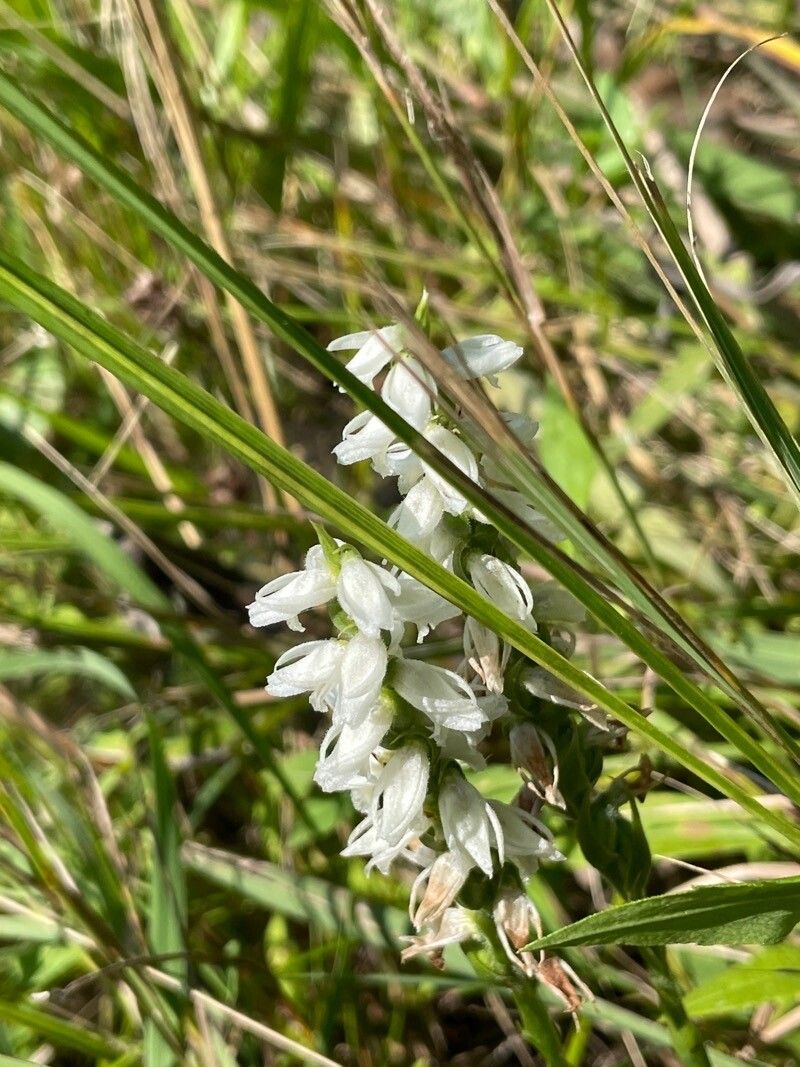
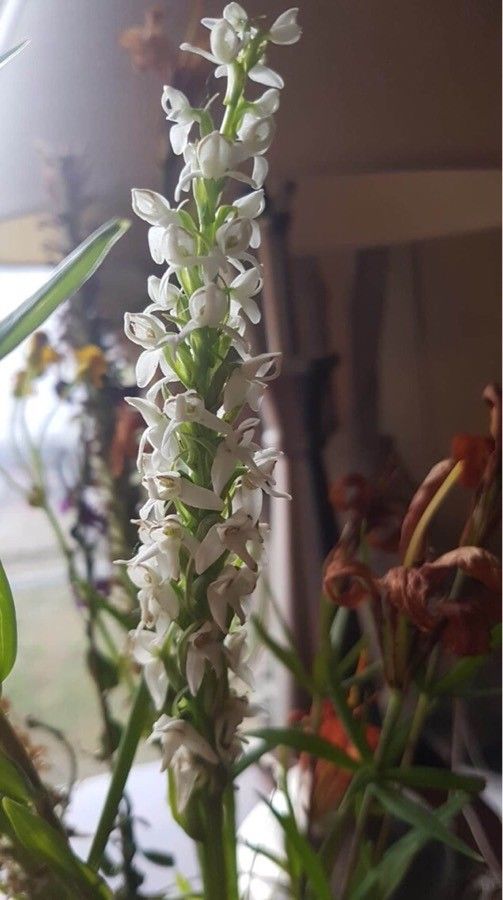
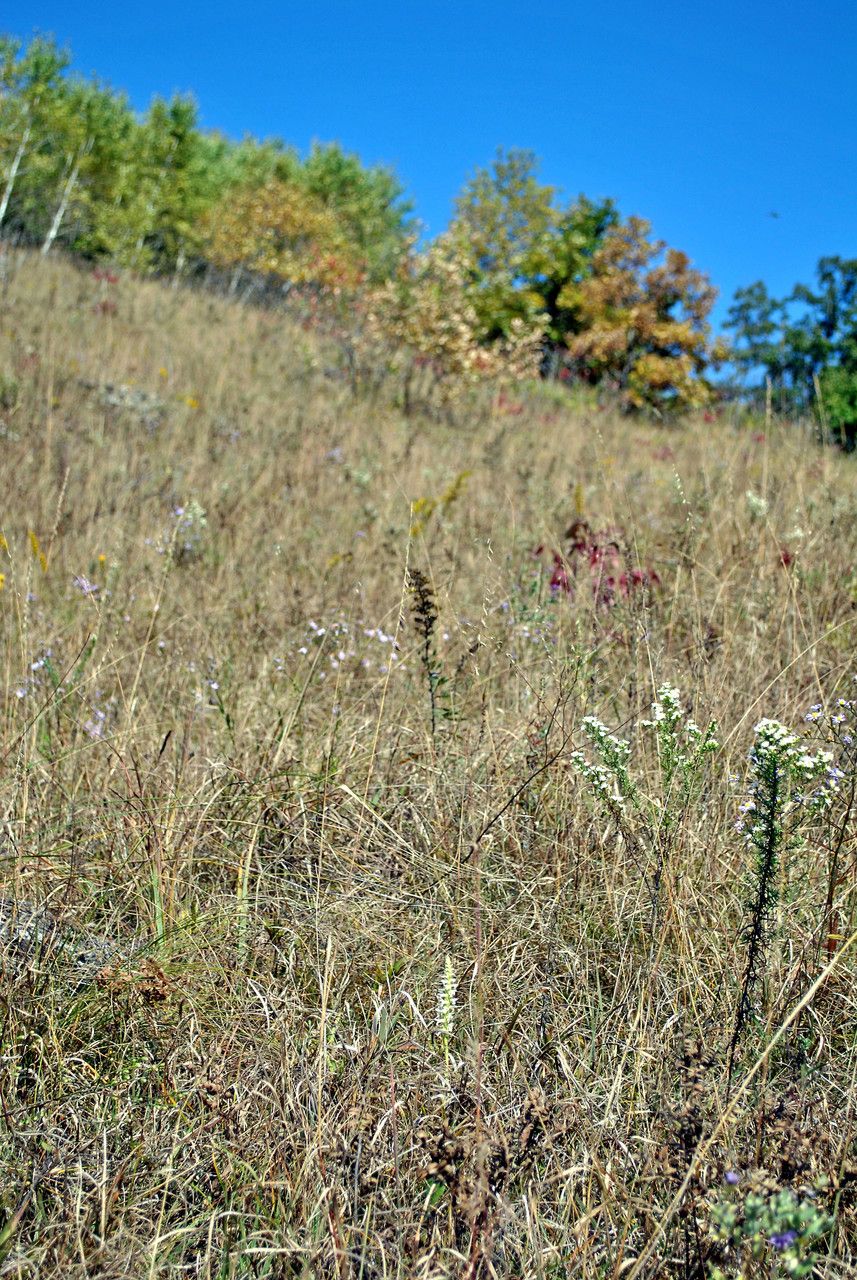
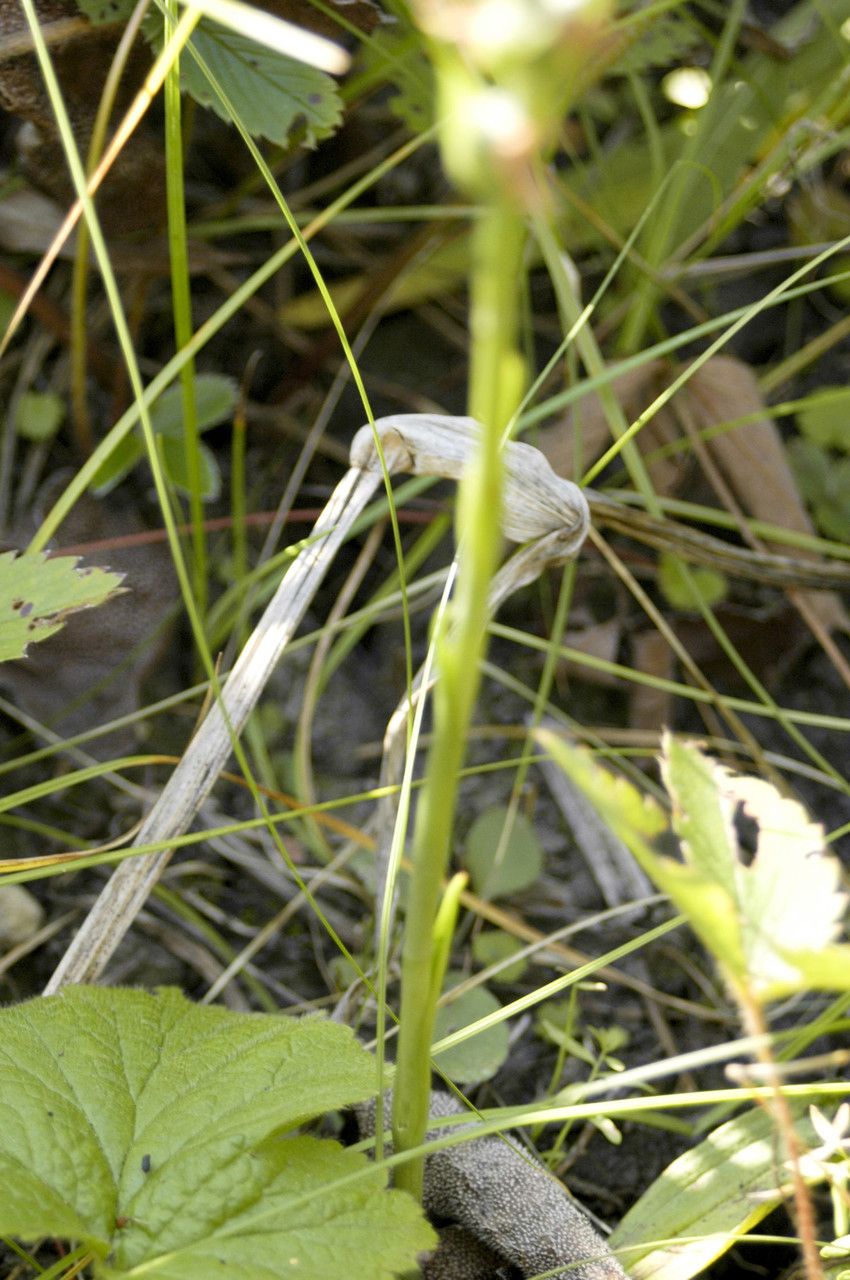
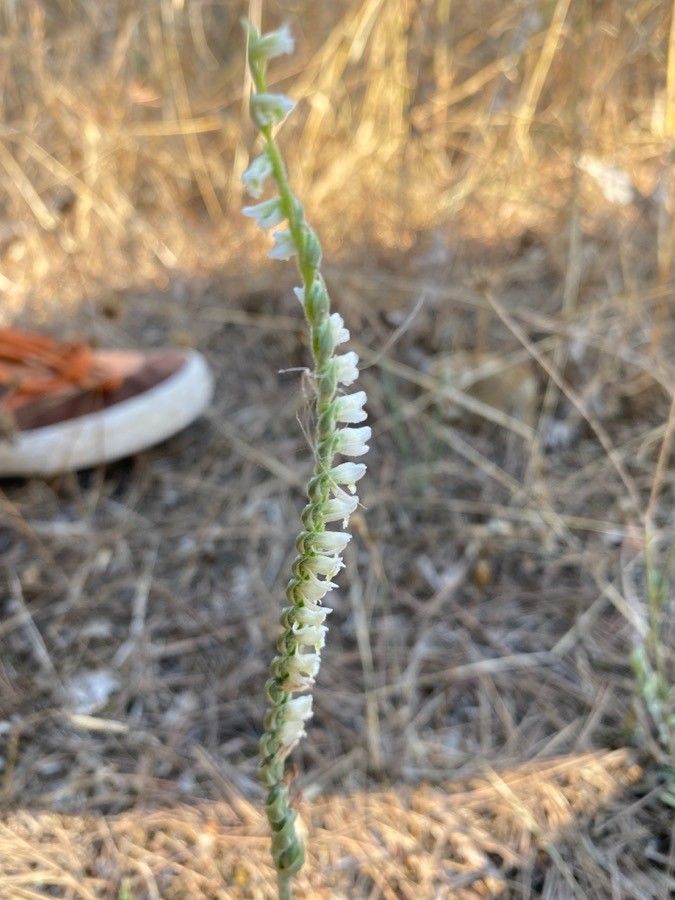
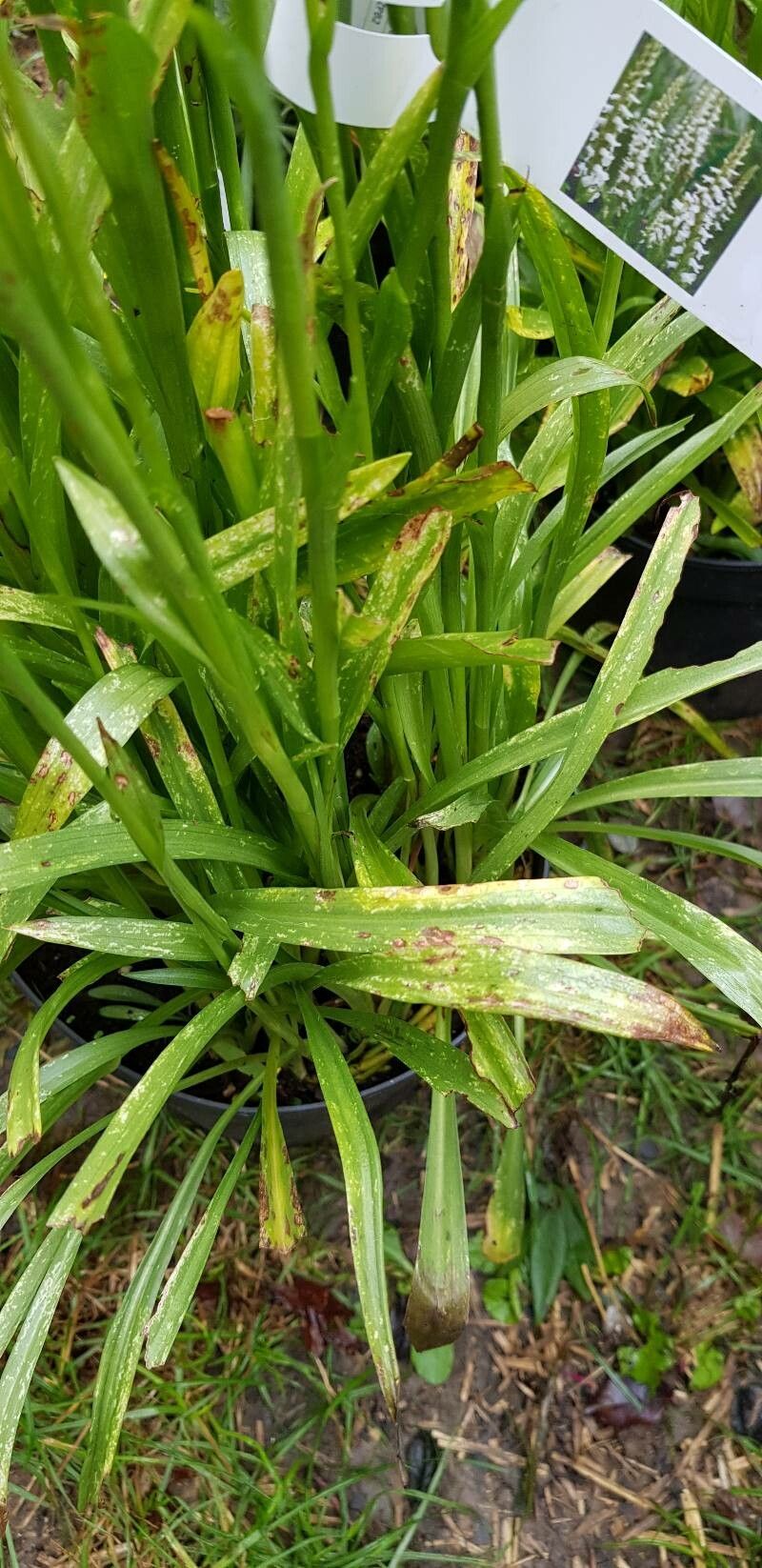
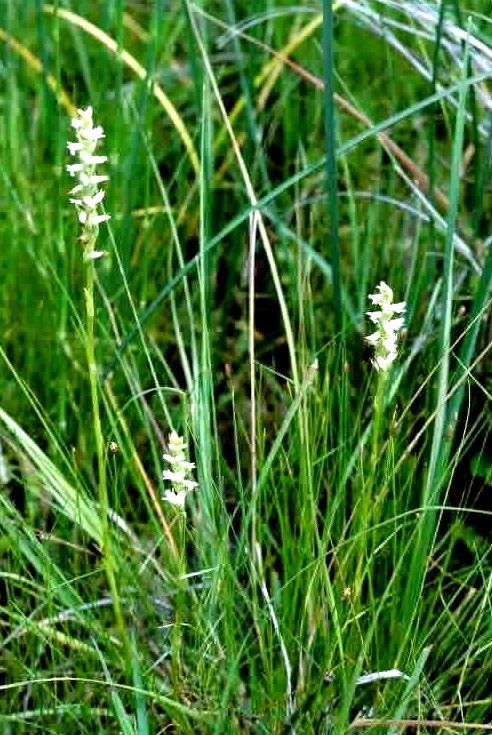
Spiranthes magnicamporum, commonly called the Great Plains lady's tresses, is a species of orchid that is native to North America. It is primarily native in the Great Plains, but there are outlying populations in the east in areas of former natural grassland, such as the Black Belt prairies of the Southeast. It is found in both fens and wet and dry prairies, often in calcareous soil.It is a perennial that produces a spiral of white flowers in the fall. It is closely related to the Spiranthes cernua complex, and it was not recognized as a separate species until the 1970s. S. magnicamporum can be distinguished by its much stronger scent, later flowering time, and lateral sepals that spread over the top of the flower.
Great plains lady's tresses typically has strong resistance to disease and encounters relatively few insect pests. Its care is considered difficult because it requires a very humid but well-ventilated environment with minimal harmful pathogens. Too much watering can cause root rot. Although anyone can grow Great plains lady's tresses, maintaining its health and getting it to bloom again takes more cultivation experience.
How to keep Spiranthes Magnicamporum.
Light
The great plains lady's tresses thrives in full sun, which supports its overall health and vigorous growth. Native to open grasslands, it is adapted to places bathed in sunshine. However, excessive light can be damaging, while too little sun may hinder its growth.
Water
The Great Plains lady's tresses flourish in grassland-like environments with moderate moisture levels. This plant does best with weekly watering while avoiding waterlogging, as it is adapted to occasional drought conditions. Consistent humidity can be beneficial for its growth. Primarily an outdoor plant, the Great Plains lady's tresses primarily relies on natural rainfall and temperature fluctuations to grow optimally.
Temperature
Great plains lady's tresses is indigenous to habitats that generally experience temperatures from 68 to 100.4 °F (20 to 38 ℃), which accounts for its temperature preference. For optimal growth, gradual adjustments to temperature settings are advised in accordance with seasonal changes.
Fertilizer
Proper fertilization is essential for the health and look of Great plains lady's tresses. Apply fertilizer during the summer, repeating the treatment monthly throughout the season. Nutrients drive growth and preserve the plant's parts. Fertilizing improves Great plains lady's tresses' flower display, promoting the best blooms.
Pruning
Great Plains lady's tresses flourish in grassy environments, showcasing flowers arranged in a spiraling pattern. It is best to prune these plants from early to late spring. During this time, you should remove any dead foliage but keep the flower spikes intact until after they have bloomed. This approach promotes growth, improves air circulation, and maintains the plant's health and visual appeal, while also reducing the risk of pests.
Botanical profile.
- Plant Type
- Herb
- Life Cycle
- Perennial
- Genus
- Spiranthes
- Family
- Orchidaceae
- Hardiness Zone
- 9-11
- Mature Height
- 10 cm to 40 cm
- Mature Spread
- 8 cm to 15 cm
- Leaf Color
- Green
- Leaf Type
- Deciduous
- Flower Color
- White
- Flower Size
- 0.51 cm to 0.76 cm
- Bloom Time
- Late summer, Early fall, Mid fall
- Planting Time
- Spring, Summer
- Harvest Time
- Mid fall, Late fall, Early winter
Other names.
Reader questions.
What are the sunlight requirements for Great Plains Lady's Tresses?
Great Plains Lady's Tresses requires full sun exposure, which means it needs to be in a location that receives above 6 hours of sunlight daily for optimal growth and health. It's important to observe how sunlight moves through your garden to find spots that offer the perfect balance of light and shade, ensuring the plant's happiness. Originating from open grasslands, this plant is adapted to areas flooded with sunlight, but excessive light can be harmful, while insufficient sun exposure might impede its growth.
What is the preferred temperature range for Great Plains Lady's Tresses?
Great Plains Lady's Tresses, also known by its botanical name Spiranthes magnicamporum, thrives in environments typically ranging from 68 to 100.4 °F (20 to 38 °C). To ensure optimal growth, it is advisable to make gradual adjustments to the temperature settings in accordance with seasonal changes. This plant is native to tropical regions, and hence, maintaining a warmer climate is crucial for its well-being.
How should I provide artificial lighting for indoor plants?
Indoor plants of the Great Plains Lady's Tresses species require adequate lighting for optimal growth, especially when natural sunlight is insufficient, such as in winter or less sunny spaces. A popular choice for indoor plant lighting is LED lights, which can be customized to provide the specific wavelengths of light that plants need. Full sun plants need 30-50W/sq ft, partial sun plants need 20-30W/sq ft, and full shade plants need 10-20W/sq ft of artificial light. It's crucial to place the light source 12-36 inches above the plant, mimicking natural sunlight as closely as possible and ensuring the lights are on for about 8-12 hours per day to mimic natural daylight duration.
How should Great Plains Lady's Tresses be cared for during winter?
During winter, if temperatures are expected to drop below 0°C, it is recommended to bring Great Plains Lady's Tresses indoors to prevent cold damage. Ensuring the plant is kept in a location where indoor temperatures are above 20°C is beneficial for its survival. Choosing a south-facing window will provide ample sunlight, a necessity for this tropical plant. To mimic its natural humid environment, regularly mist the plant or use a humidifier to maintain adequate humidity levels. For those needing to keep their orchids outdoors during winter, positioning them in a sheltered area with sunlight and using protection like a temporary greenhouse or wrapping with plastic film or fabric can offer essential protection against the cold.
What are the common symptoms of insufficient lighting in Great Plains Lady's Tresses?
When Great Plains Lady's Tresses are exposed to low light conditions, they exhibit several symptoms including smaller new leaves, leggy or sparse growth, faster leaf drop, and slower or no growth, which is a sign of the plant entering a survival mode due to poor light conditions. Insufficient sunlight can also cause leaves to develop irregular color patterns, appear pale, or chlorosis — where leaves lose their green color and turn yellow, and sunscald — which results in damaged leaves or stems from intense sunlight exposure. Leaf curling, wilting, and leaf scorching are additional symptoms indicating stress from excessive sunlight or insufficient sunlight respectively.
What symptoms indicate Great Plains Lady's Tresses is too cold, and what are the solutions?
When Great Plains Lady's Tresses is too cold, below its comfort temperature of 20°C, the leaves display severe symptoms such as water-soaked necrosis, wilting, and drooping, especially if temperatures fall below -5°C. To address this, affected areas should be trimmed off, and the plant must be brought indoors to a warmer environment immediately. Positioning the plant near a south-facing window maximizes sunlight exposure, helping in its recovery. However, it's essential to avoid placing the plant near heat sources like heaters or air conditioning vents, as these can cause the air to become excessively dry.
What solutions can address insufficient sunlight for Great Plains Lady's Tresses?
To address insufficient sunlight, you can gradually move your Great Plains Lady's Tresses to sunnier locations each week until they receive at least 6 hours of direct sunlight daily. For indoor plants, opening curtains during the day for maximum sun exposure or using artificial light such as a desk or ceiling lamp for at least 8 hours daily can be beneficial. Outdoor plants should be moved to the best spot for sunlight gradually to prevent sunburn. If natural sunlight is blocked by trees or other obstacles, consider pruning to let more light through. For plants that are not easily movable, professional plant grow lights can offer a solution, providing ample light for growth. It's important to note that parts of the plant affected by insufficient sunlight may not recover, but new growth after increasing light exposure should be healthy.
What are the signs of Great Plains Lady's Tresses being exposed to high temperatures, and how can they be mitigated?
Great Plains Lady's Tresses shows signs of distress when exposed to temperatures above its optimal threshold of 38°C. Symptoms include halted growth, wilting leaves, increased susceptibility to root rot, and potential sunburn from direct sunlight exposure, particularly at temperatures exceeding 43°C. To alleviate these issues, any sunburned or dried parts of the plant should be trimmed away. The plant should then be moved to a location with shade, especially during the midday and afternoon sun. Ensuring the plant and its surrounding area are kept moist through morning and evening waterings can also prevent further temperature stress.