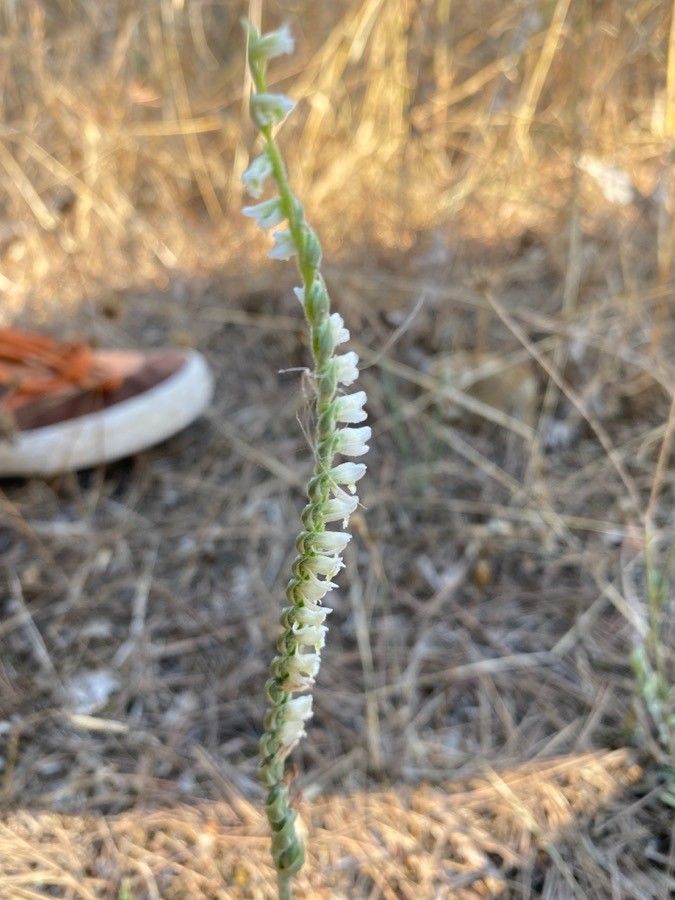
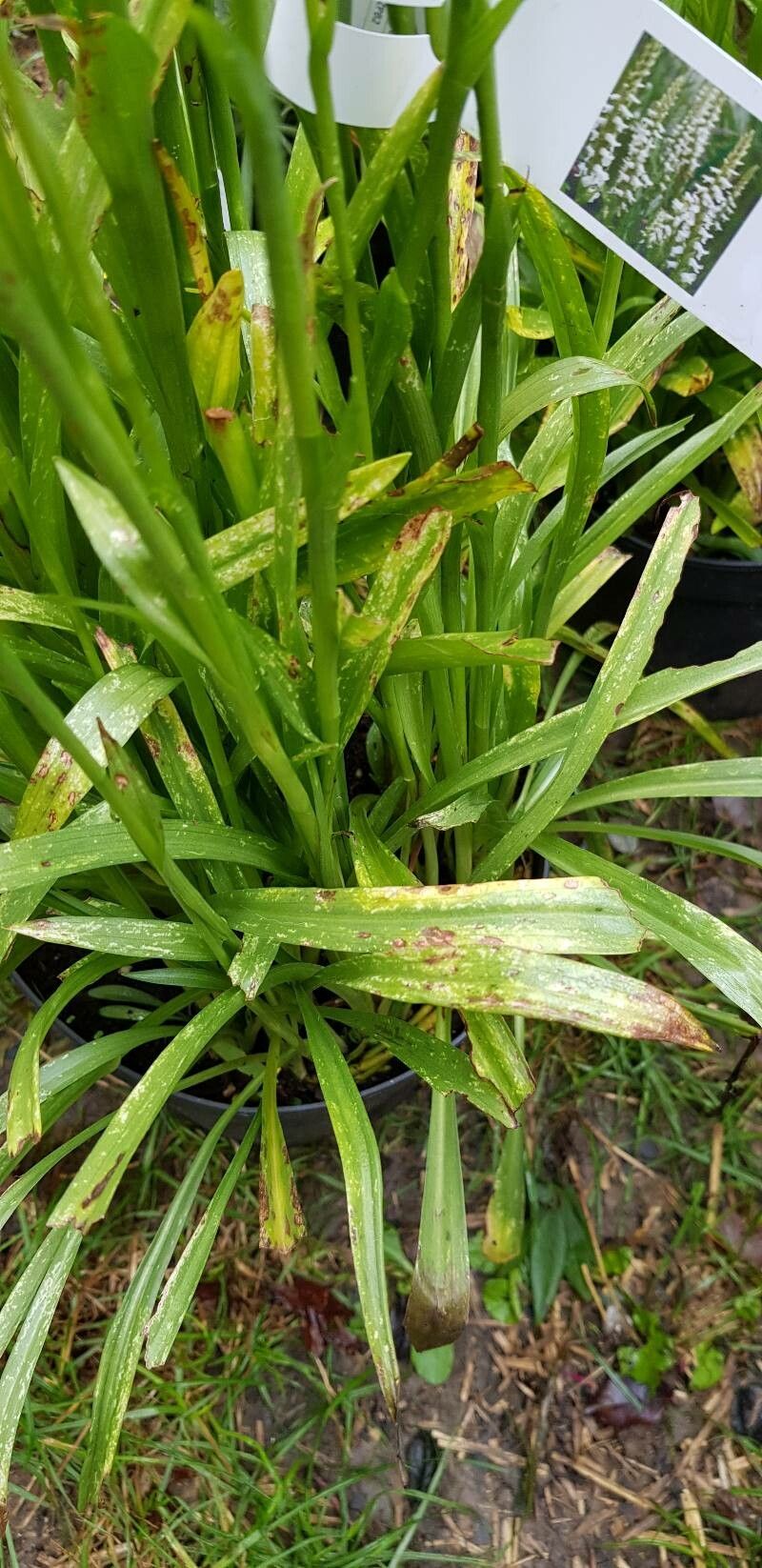
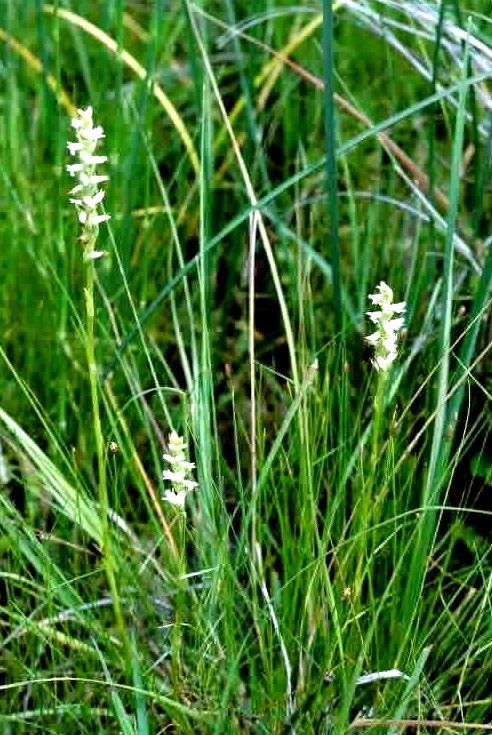
Spiranthes lucida, the shining ladies'-tresses, is a species of orchid native to northeastern North America.
Shining lady's tresses usually shows strong disease resistance and is affected by relatively few insect pests. Its care is considered challenging because it needs high humidity alongside good ventilation and minimal harmful pathogens. Too much watering can result in root rot. Although anyone can grow Shining lady's tresses, more growing experience is required to keep it healthy and get it to bloom again.
How to keep Spiranthes Lucida.
Light
Shining lady's tresses is native to habitats such as forest understories and rocky areas, where it receives natural shade. It prefers partial sun but can tolerate full sun or full shade, demonstrating its versatile and hardy nature.
Water
Shining lady's tresses thrive in moist environments and require consistent watering, ideally once a week. When grown indoors, they do best with moderate humidity levels. For outdoor cultivation, ensure that the plants are in well-draining soil to prevent waterlogging. As an herbaceous perennial, keeping the soil moist helps the plant produce vibrant spiraled inflorescences.
Temperature
Shining lady's tresses is native to habitats with moderate temperature regimes and performs best at temperatures between 41 and 89.6°F (5 to 32℃). In non-native locations, seasonal temperature adjustments may be needed to mimic these conditions.
Fertilizer
For Shining lady's tresses, the preferred time to fertilize is in early spring while the flowers are developing. The appropriate fertilizer promotes better blooms and helps Shining lady's tresses produce attractive flowers. Fertilizing in early spring ensures strong flowers throughout the season and supplies energy for dormant growth phases.
Pruning
To promote the thriving growth of shining lady's tresses, it is best to prune them from early to late spring. This involves removing any dead foliage to improve airflow and sunlight exposure. By doing so, you reduce the risk of disease and encourage vigorous flowering, leading to vibrant blooms and stronger plants. This makes shining lady's tresses a stunning feature in any garden.
Botanical profile.
- Plant Type
- Herb
- Life Cycle
- Perennial
- Genus
- Spiranthes
- Family
- Orchidaceae
- Hardiness Zone
- 4-7
- Mature Height
- 37 cm
- Mature Spread
- 5 cm to 10 cm
- Leaf Color
- Green
- Leaf Type
- Deciduous
- Flower Color
- White
- Flower Size
- 0.51 cm to 0.76 cm
- Bloom Time
- Late spring, Early summer
- Planting Time
- Spring, Summer
- Harvest Time
- Mid summer, Late summer
Other names.
Reader questions.
What are the ideal temperature conditions for growing Shining lady's tresses?
Shining lady's tresses, botanically known as Spiranthes lucida, thrive in environments with moderate temperature profiles, ideally between 41 to 89.6°F (5 to 32°C). These plants are highly cold-tolerant and do not need extra frost protection during winter. However, to prepare for the first freeze in autumn, it's recommended to water the plant generously to keep the soil moist. This ensures that the soil enters a frozen state, preventing drought and water scarcity for the plant during the colder months.
How should I care for Shining lady's tresses in extremely cold temperatures?
Shining lady's tresses are extremely cold-tolerant, with a winter temperature tolerance above -30°C. If temperatures fall below this level, the plant may not show immediate damage during winter, but you might notice a decrease in sprouting or a lack of sprouting when spring arrives. In such cases, it is advisable to remove any parts of the plant that have failed to sprout, as a part of your spring care routine.
What steps should I take if the temperature exceeds the ideal range for Shining lady's tresses?
Shining lady's tresses are sensitive to high temperatures exceeding 32°C, leading to halted growth and increased susceptibility to rot. To mitigate heat stress, trim away any sunburned and dried parts of the plant. Moving the plant to a shaded location, especially from the midday and afternoon sun, or using a shade cloth can protect it from direct sunlight. Additionally, watering the plant in the morning and evening can help keep the soil moist, further protecting the plant from heat stress.