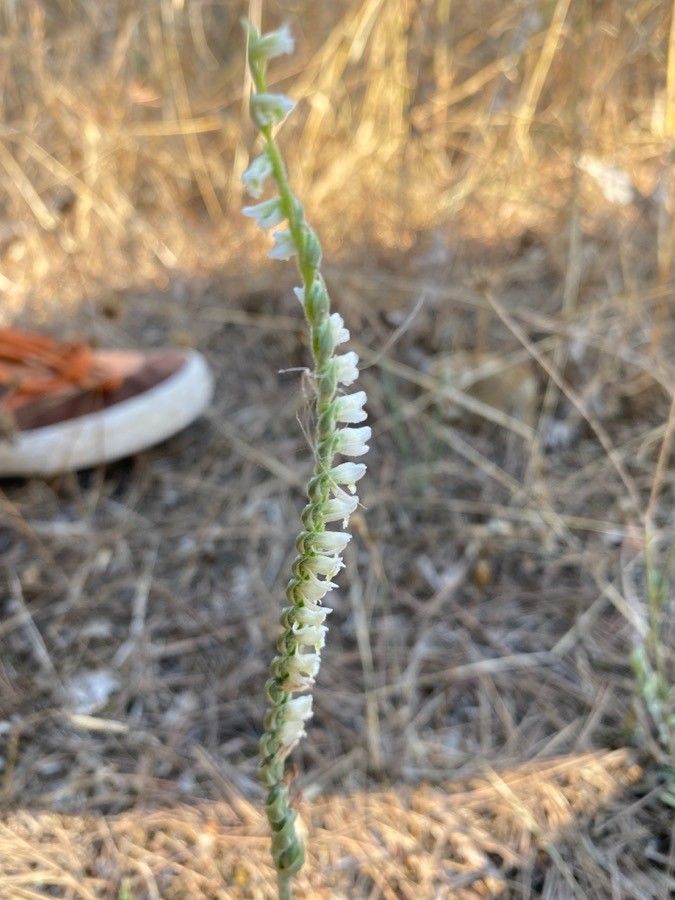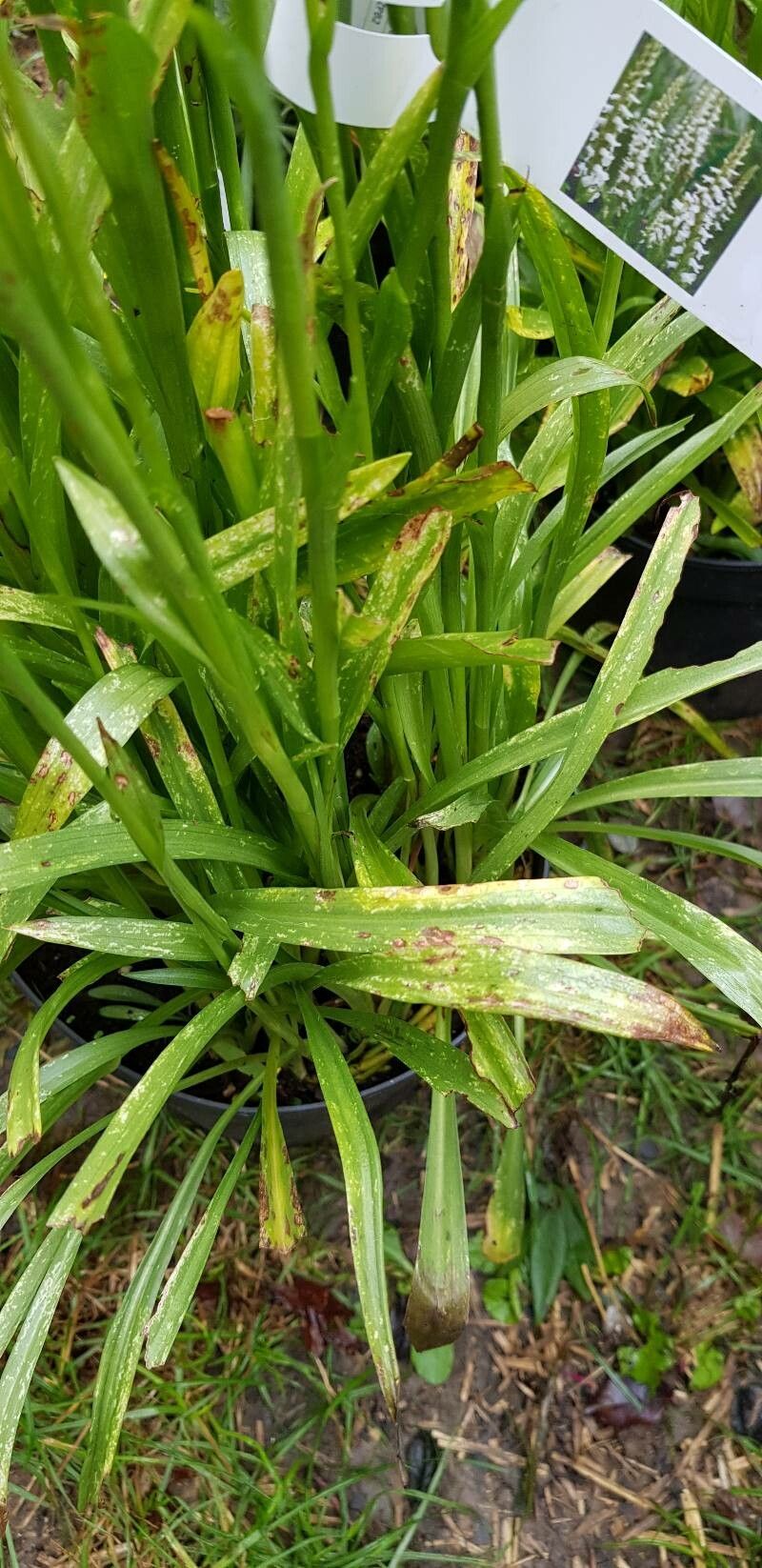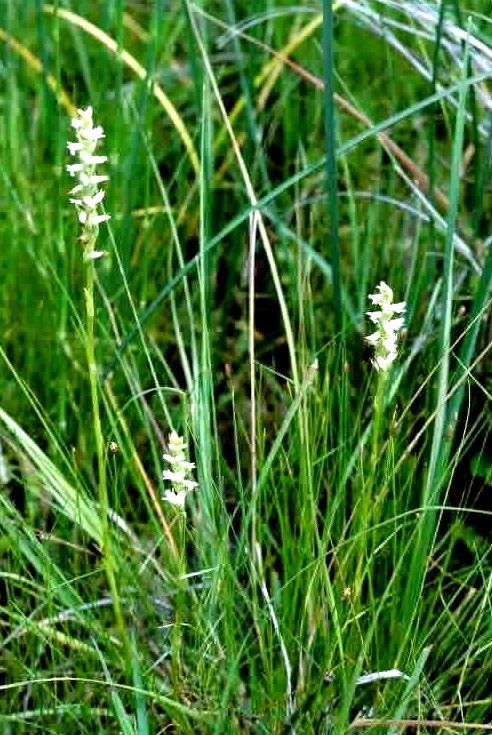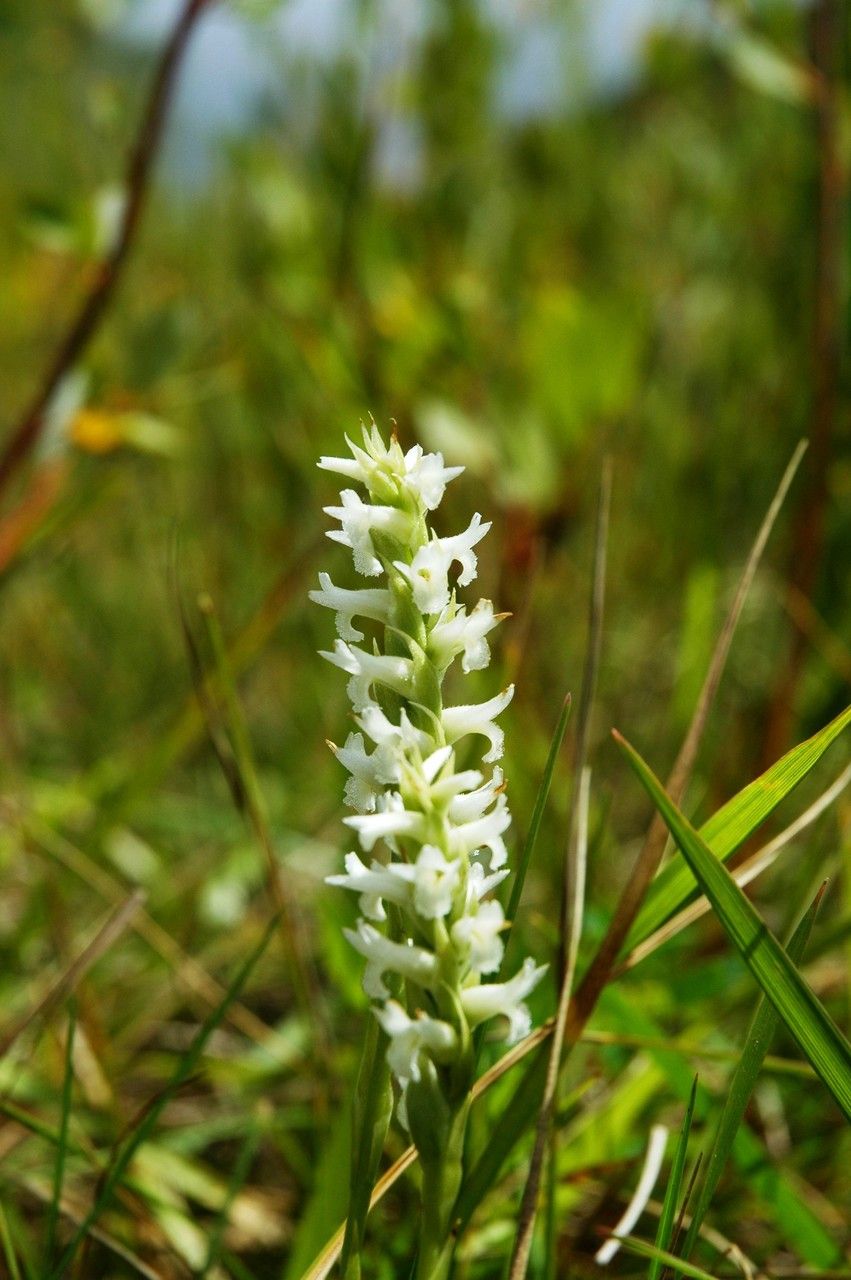
Spiranthes diluvialis is a rare species of orchid known as Ute lady's tresses (also, Ute ladies'-tresses). The species name diluvialis means "of the flood". It is native to the western United States, where there are scattered, mostly small occurrences in the states of Colorado, Idaho, Montana, Nebraska, Nevada, Utah, Washington, and Wyoming. An occurrence was recently discovered in southern British Columbia. The plant faces a number of threats to its existence. It is a federally listed threatened species of the United States.
Ute ladies'-tresses is generally resistant to disease and is affected by relatively few insect pests. Caring for Ute ladies'-tresses is regarded as difficult because it needs a high-humidity yet well-ventilated environment with few harmful pathogens. Overwatering can cause root rot. While anyone can grow Ute ladies'-tresses, keeping it healthy and getting it to flower again requires more growing experience.
How to keep Spiranthes Diluvialis.
Light
Ute ladies'-tresses is native to habitats such as forest understories and rocky areas, where it grows in natural shade. It prefers partial sun but can also tolerate full sun or full shade, illustrating its versatility and hardiness.
Water
Ute ladies'-tresses flourish in moist environments, thriving in areas with consistent moisture and a tolerance for humidity. They prefer soil that is evenly moist but not waterlogged and should be watered weekly. These plants are typically found in riparian zones, where their growth and dormancy cycles are closely tied to the availability of water.
Temperature
Ute ladies'-tresses can tolerate a wide range of temperatures, but its occurrence may still be restricted by different combinations of water and heat. It does best in warm summer climates with sufficient rainfall or watering. Extended periods of cloudy, rainy weather or prolonged high temperatures can increase the chance of Ute ladies'-tresses dying. In winter, adequate protection from cold can raise the plant's survival rate.
Fertilizer
The best time to fertilize a Ute ladies'-tresses is in early spring, as it leaves dormancy and starts active growth. Fertilization supplies essential nutrients for healthy development. Although Ute ladies'-tresses has fairly low fertilizer requirements, applying fertilizer once a year can improve its survival and encourage stronger, longer-lasting flowers.
Pruning
Ute ladies'-tresses have beautiful spiraling white flowers and require minimal pruning. Light trimming from early to late spring encourages blooming and promotes healthy growth. It's important to regularly check for pests or diseases. Proper pruning not only enhances the plant's aesthetic appeal but also promotes its vigor. For more detailed care instructions, consult reputable horticultural guides.
Botanical profile.
- Plant Type
- Herb
- Life Cycle
- Perennial
- Genus
- Spiranthes
- Family
- Orchidaceae
- Hardiness Zone
- 4-8
- Mature Height
- 20 cm to 49 cm
- Mature Spread
- 10 cm to 20 cm
- Leaf Color
- Green
- Leaf Type
- Deciduous
- Flower Color
- White
- Flower Size
- 0.51 cm to 1.02 cm
- Bloom Time
- Mid summer, Late summer
- Planting Time
- Spring, Summer
- Harvest Time
- Late summer, Early fall