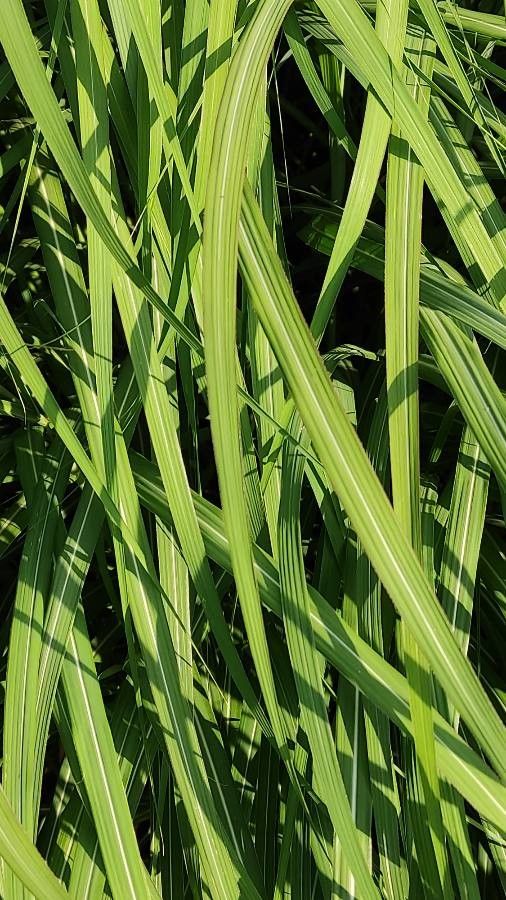
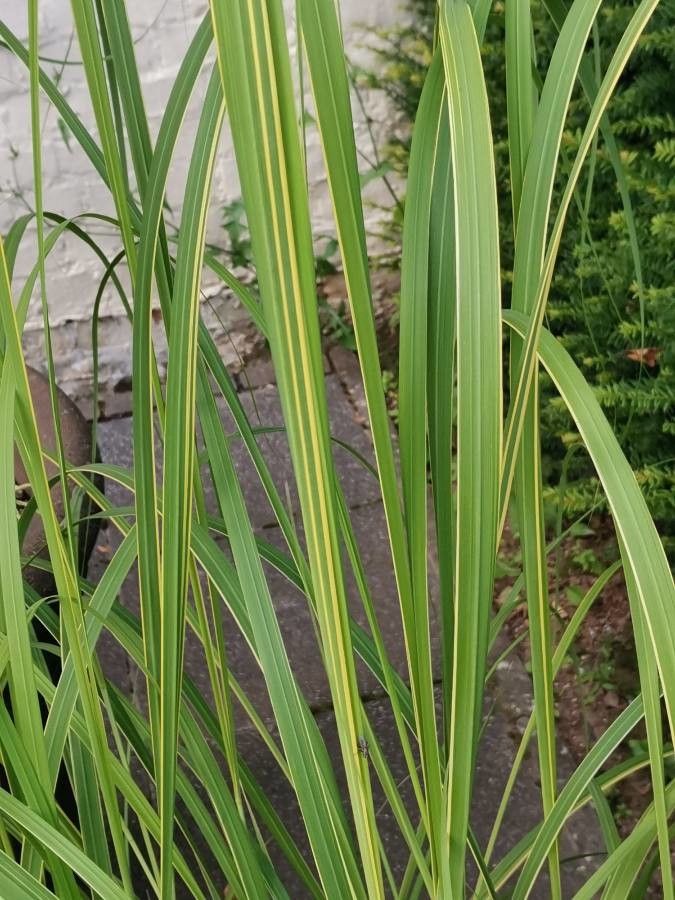
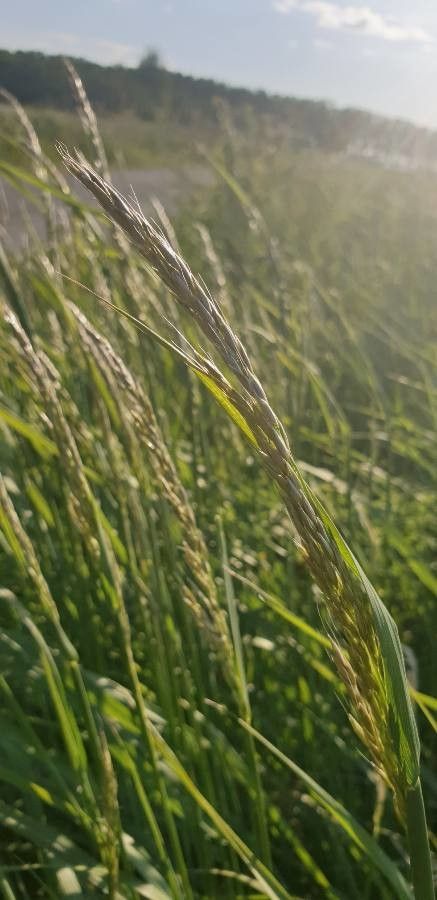
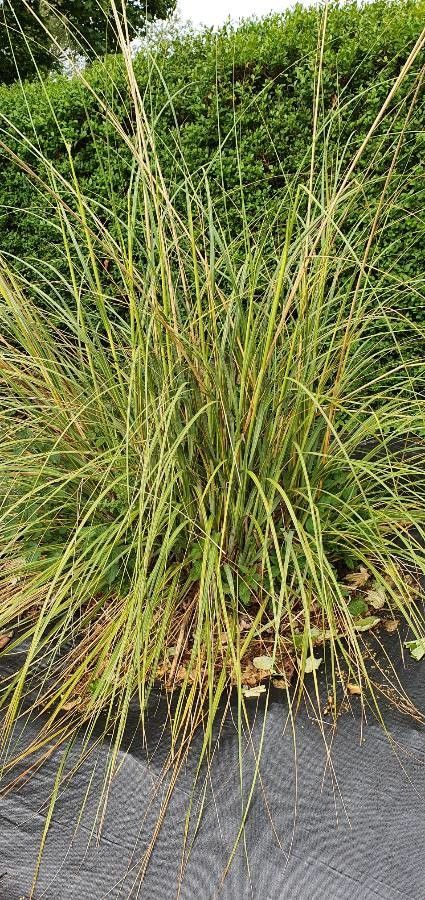
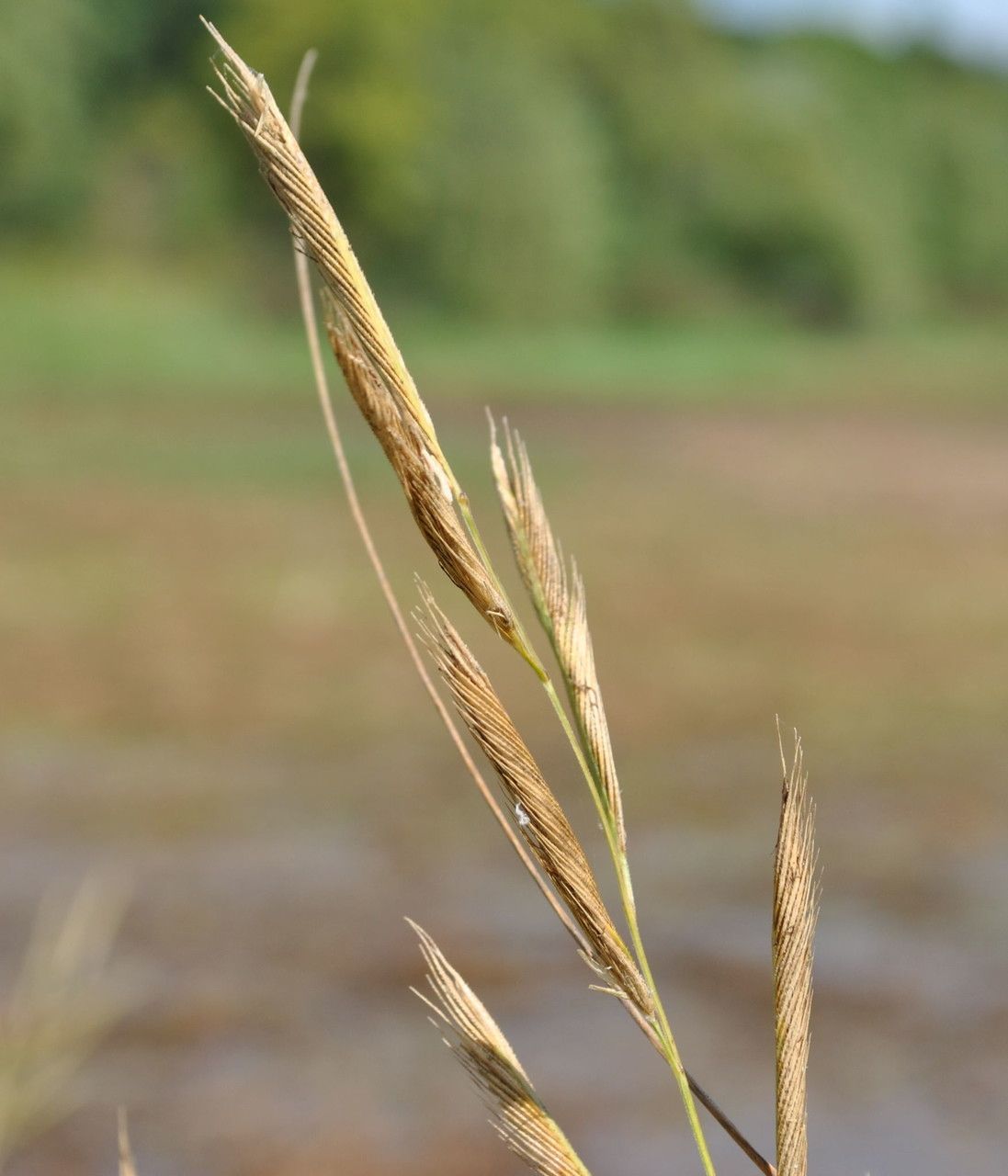
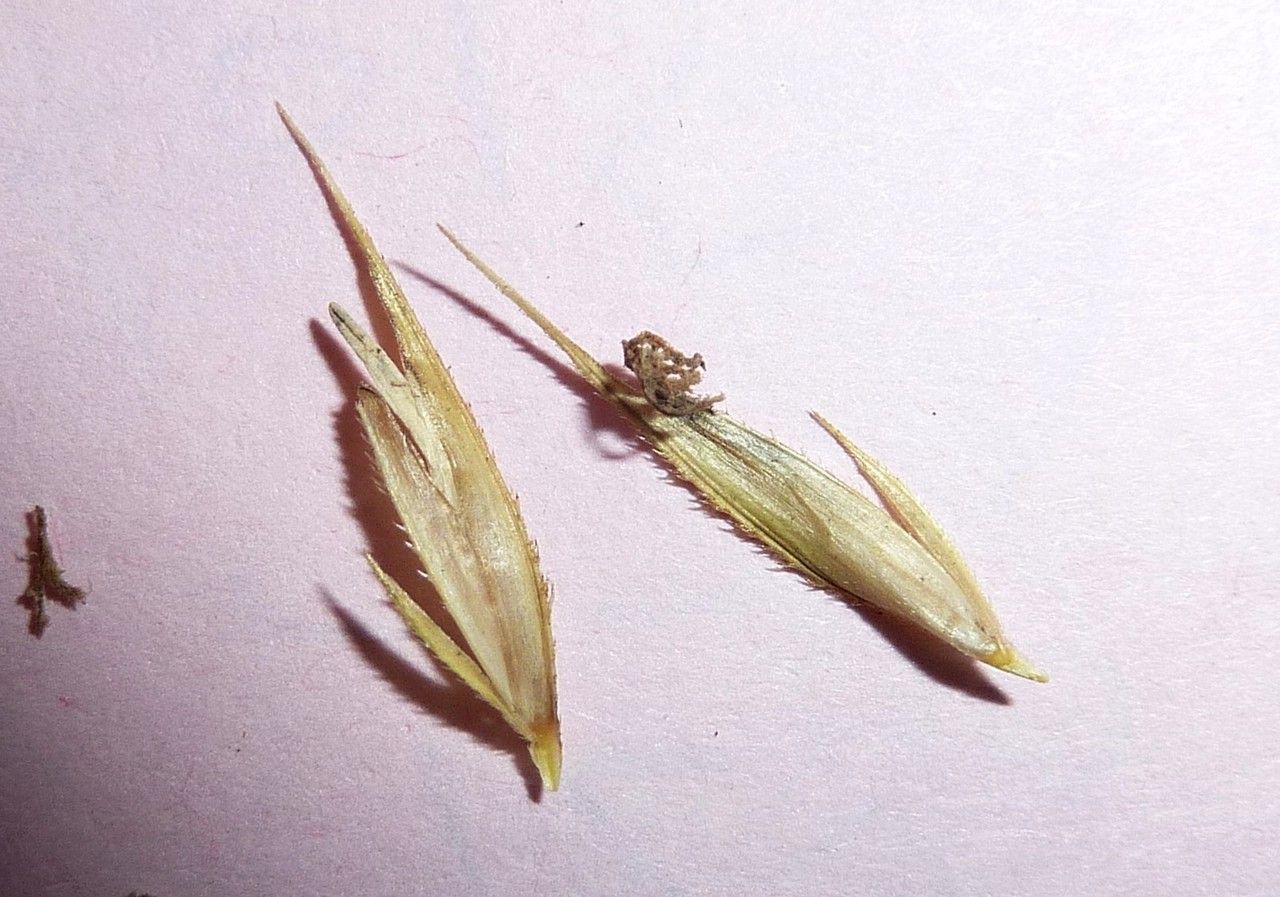
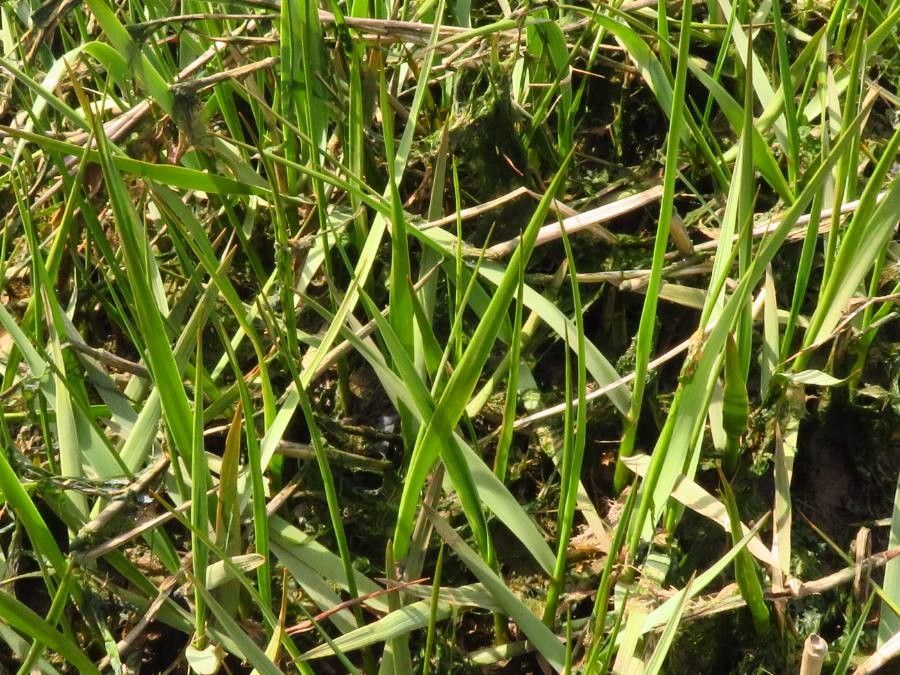
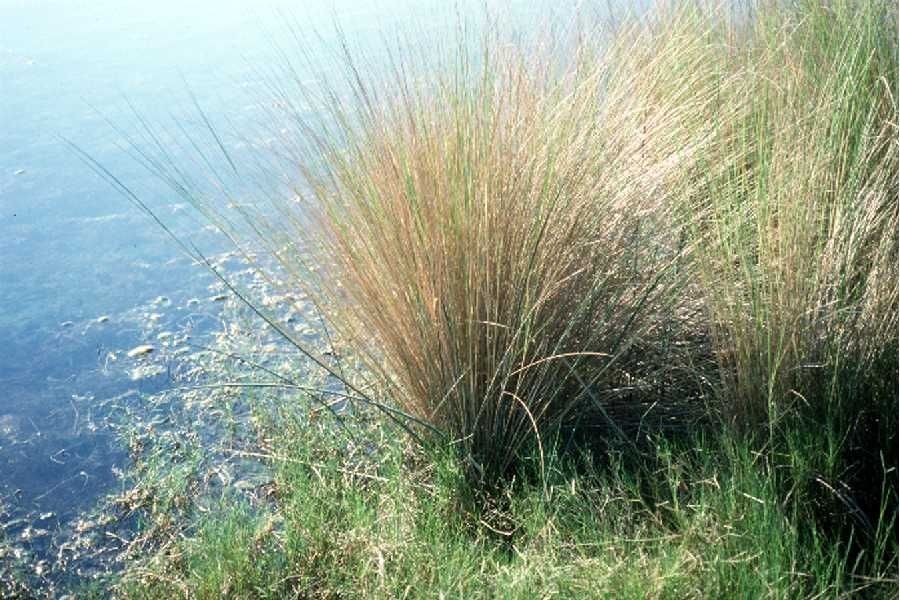
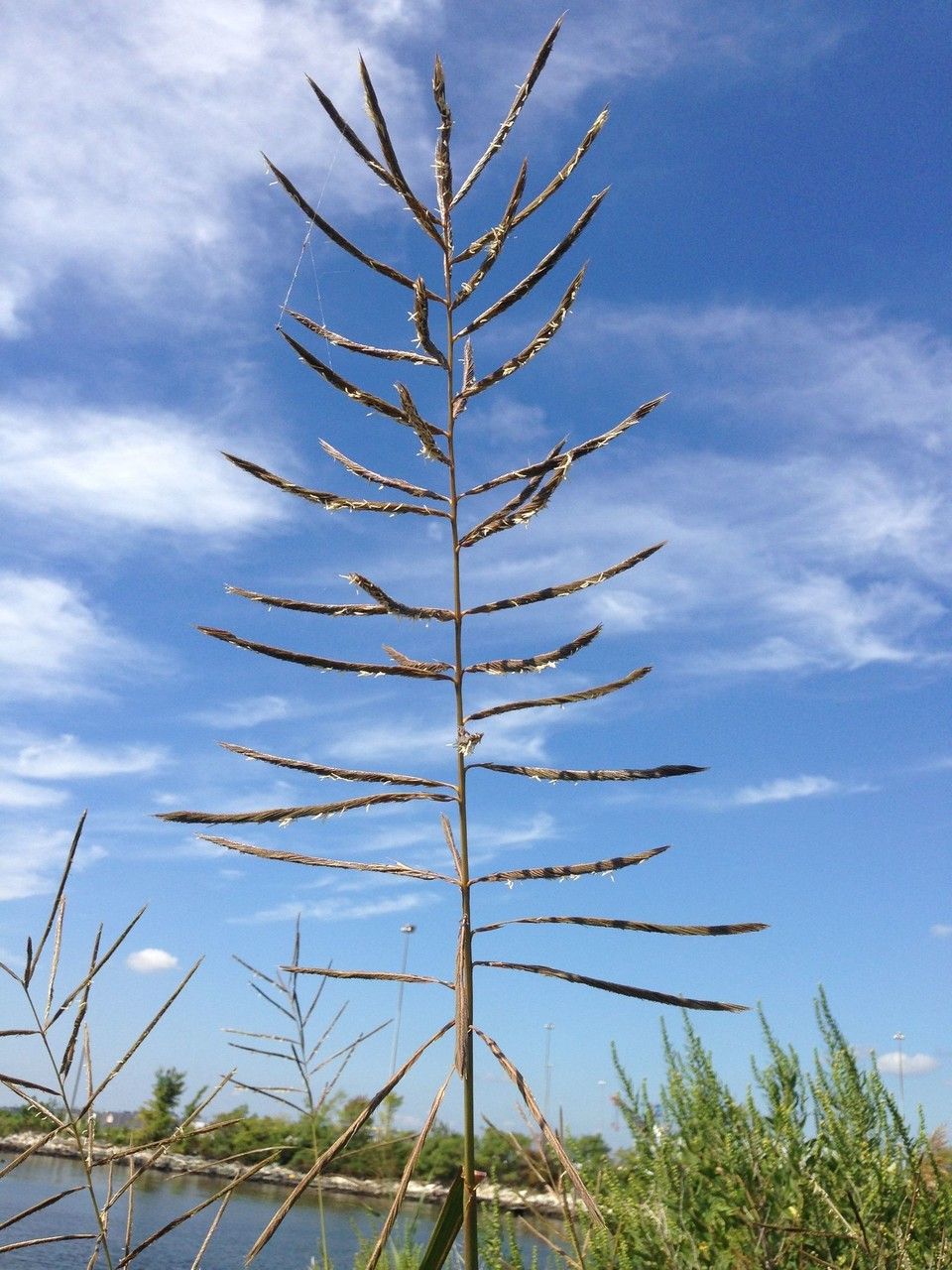
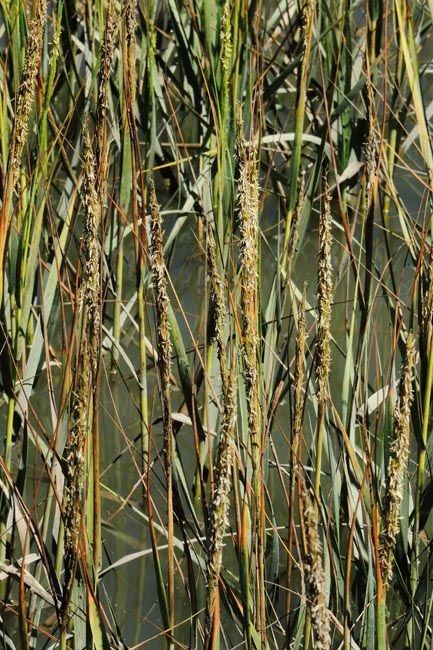
Spartina pectinata, commonly known as prairie cordgrass, is a tall perennial grass native to North America. This plant can reach heights of up to 10 feet and features long, narrow, green leaves. During the summer, it produces dense clusters of greenish-yellow flowers.
Prairie cordgrass typically grows along the edges of wetlands and marshes, thanks to its high tolerance for flooding and ability to thrive in wet soils. Remarkably, it can also withstand drought conditions.
This plant plays a crucial role in stabilizing soil along waterways, thereby preventing erosion. Additionally, it provides habitat for various wildlife species, including birds, insects, and small mammals.
Beyond its ecological benefits, prairie cordgrass holds potential economic value, particularly in biofuel production, due to its high biomass yield per acre compared to other crops.
In summary, Spartina pectinata is an essential native grass with both ecological significance and potential economic benefits.
Ripgut shows strong resistance to disease and is generally not susceptible to illnesses. Still, it can be affected by pests and diseases that exist in its environment. These problems are typically mild. Regarding care, this plant needs a moderate level of upkeep. It requires regular pruning to retain an attractive appearance and support healthy growth. Fertilizing can also encourage it to flower. Ripgut is well suited to anyone with outdoor space, such as a garden or patio, and does not demand extensive care experience. It may need more attention when kept indoors.
How to keep Spartina Pectinata.
Light
Ripgut flourishes in intense sunlight, making it well-suited to open areas that receive uninterrupted light for most of the day. It can also tolerate lightly shaded locations where sunlight is less dominant. Because it originates from open habitats, an imbalance in light exposure can adversely affect its healthy growth.
Temperature
Ripgut is indigenous to temperate regions and grows best at temperatures between 32 and 95 °F (0 to 35 °C). It prefers moderate climates but can tolerate cold spells. Seasonal adjustments may be needed during extreme heat or frost.
Fertilizer
Usually one application of fertilizer in spring is enough for Ripgut, but repeated feedings can maximize growth. Feed every month to six weeks. Fertilizing improves the leaves' appearance and function, encouraging consistent color and a healthy texture. It also promotes root development and nutrient uptake for long-term plant health.
Botanical profile.
- Plant Type
- Herb
- Life Cycle
- Perennial
- Genus
- Spartina
- Family
- Poaceae
- Hardiness Zone
- 3-9
- Mature Height
- 1.22 m to 2.13 m
- Mature Spread
- 1.22 m
- Leaf Color
- Green, Blue
- Leaf Type
- Deciduous
- Flower Color
- White, Yellow, Green, Brown
- Flower Size
- 15.24 cm
- Bloom Time
- Mid summer, Late summer, Early fall
- Planting Time
- Spring, Summer, Autumn
- Harvest Time
- Fall
Other names.