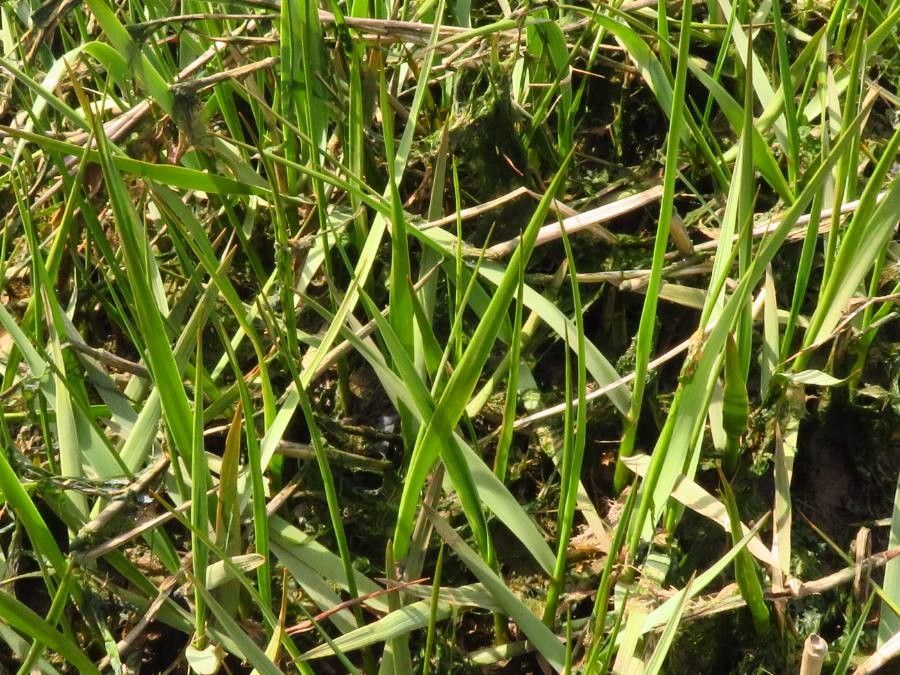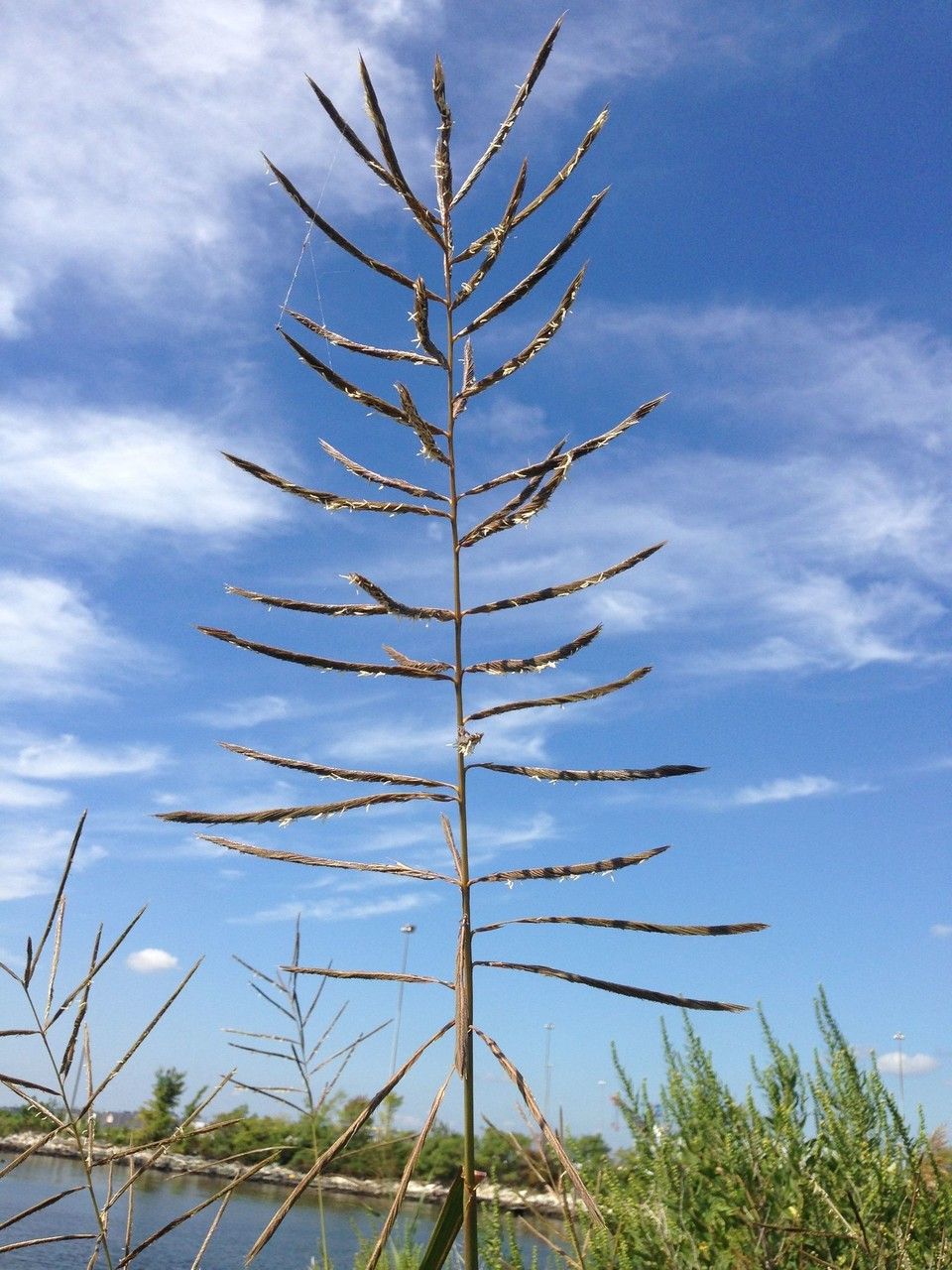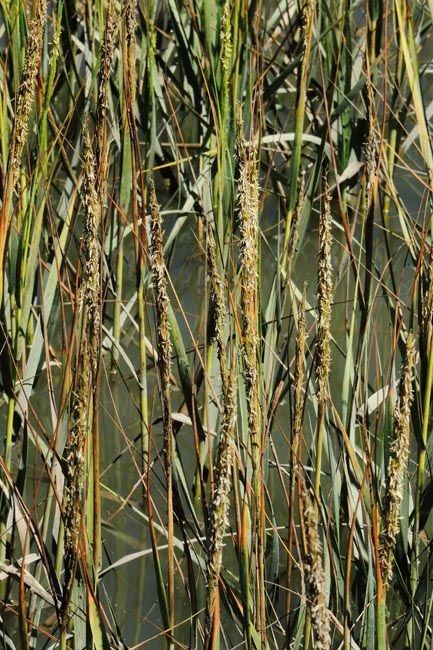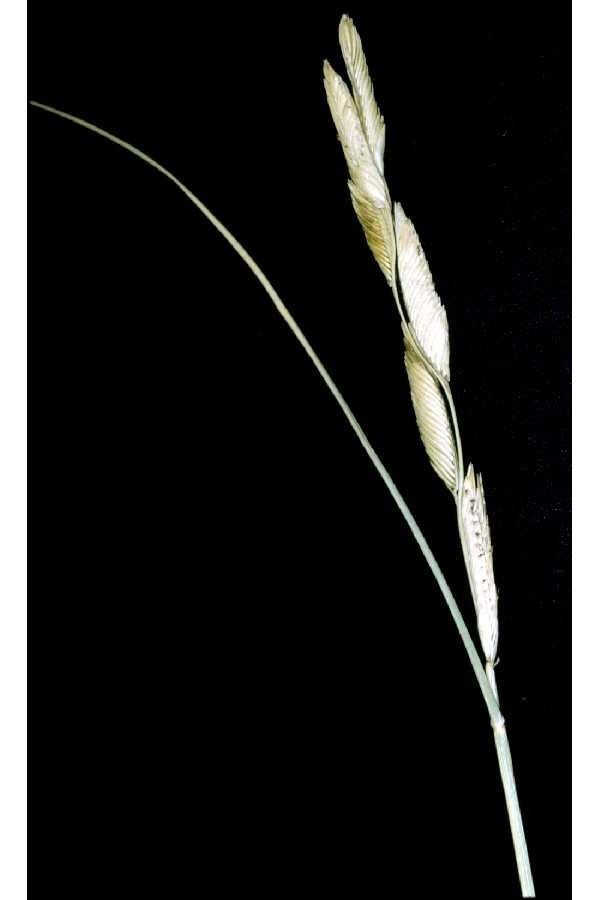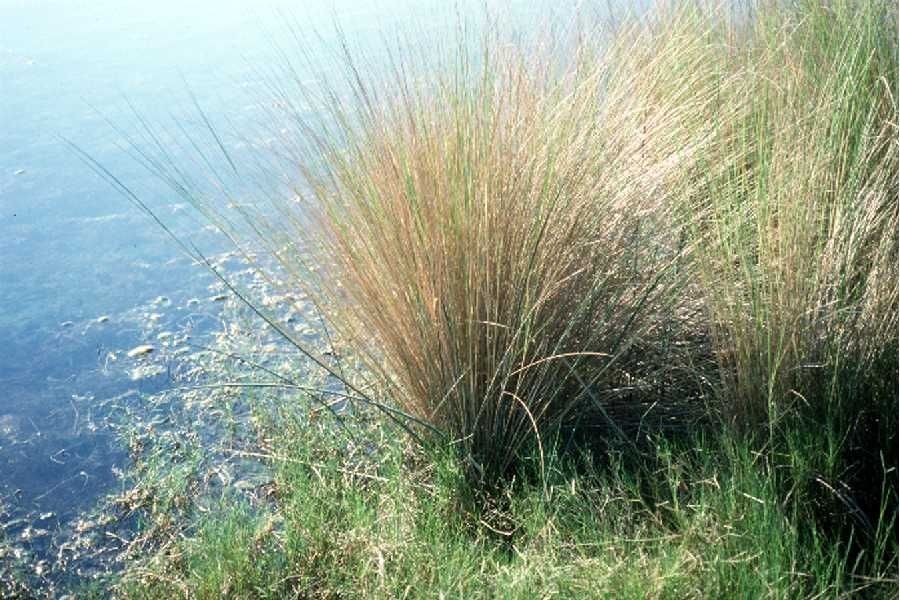
Sporobolus bakeri is a species of grass known by the common names sand cordgrass and bunch cordgrass. It is native to the south-eastern United States, where it grows along the coast and in inland freshwater habitat in Florida.This species forms dense bunches up to 20 feet wide with stems up to 4 feet tall. The wiry leaves are light green on the undersides and darker on top. During winter the plant is more brown than during summer, when it is brownish-green. This grass grows in aquatic and semiaquatic habitat, including beaches, ponds, and more upland sites. It may be used to control erosion and can tolerate flooding. It can be grown as an ornamental.
Sand cordgrass shows strong disease resistance and is generally not vulnerable to diseases. With regard to care, this plant is fairly low-maintenance. Planted outdoors it needs little watering, and larger plants typically do not require pruning. Smaller plants, however, should be pruned after they have bloomed. Sand cordgrass is suitable for anyone who has an outdoor area, such as a garden or deck, and it does not demand extensive care experience.
How to keep Spartina Bakeri.
Light
Sand cordgrass is a perennial herbaceous plant that relishes the sun and stems from open ecosystems, often prospering in meadows and grasslands. Even though it favors complete sun exposure, it can also withstand scenarios where the sun is only partially available.
Temperature
Sand cordgrass is native to tropical areas where the weather is usually hot and moist. This means it has adapted well to warm temperatures and high humidity levels. It does not do well with abrupt changes in temperature and prefers consistent temperature conditions, hence the need to prevent temperature swings indoors. Frequently, it cannot withstand cold temperatures and needs heat for development. If the temperature in its surroundings drops excessively, the plant could stop growing or even perish.
Fertilizer
For healthy new growth, sand cordgrass needs extra nutrients. By applying compost around the plant's base in the spring, you can successfully supply the essential nutrition it requires. This activity of fertilizing contributes to its robust growth and enhances its immunity against illnesses and infestations.
Botanical profile.
- Plant Type
- Grass
- Life Cycle
- Perennial
- Genus
- Spartina
- Family
- Poaceae
- Hardiness Zone
- 8-11
- Mature Height
- 0.91 m to 1.22 m
- Mature Spread
- 0.91 m to 1.52 m
- Leaf Color
- Green, Dark Green
- Leaf Type
- Semi-evergreen
- Flower Size
- 7.62 cm to 15.24 cm
- Bloom Time
- Summer
- Planting Time
- Spring, Summer, Autumn
- Harvest Time
- Late summer, Early fall, Mid fall
- Native Area
- Georgia