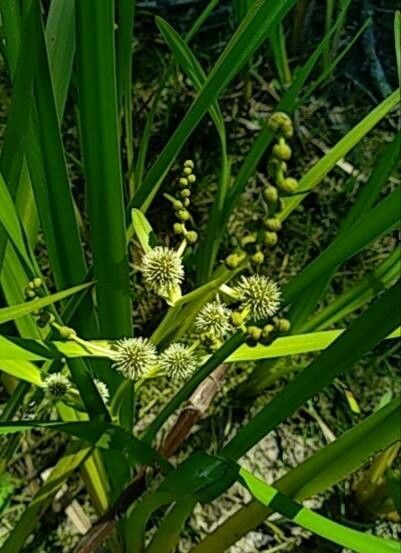
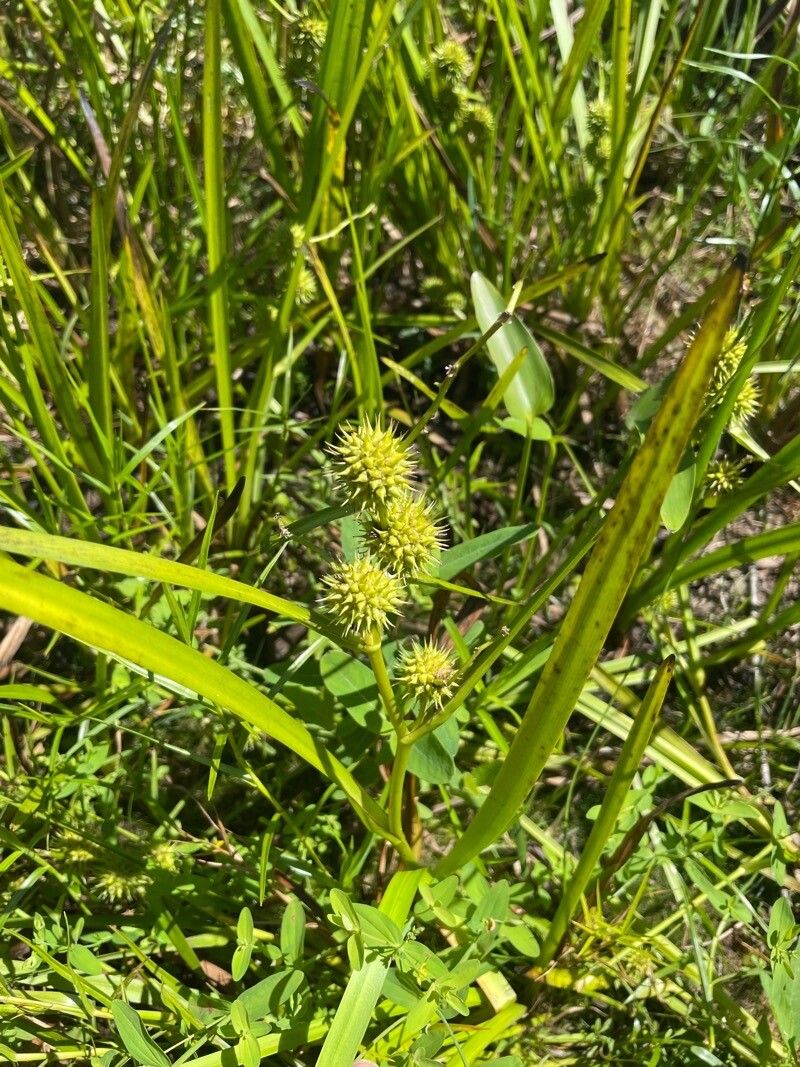
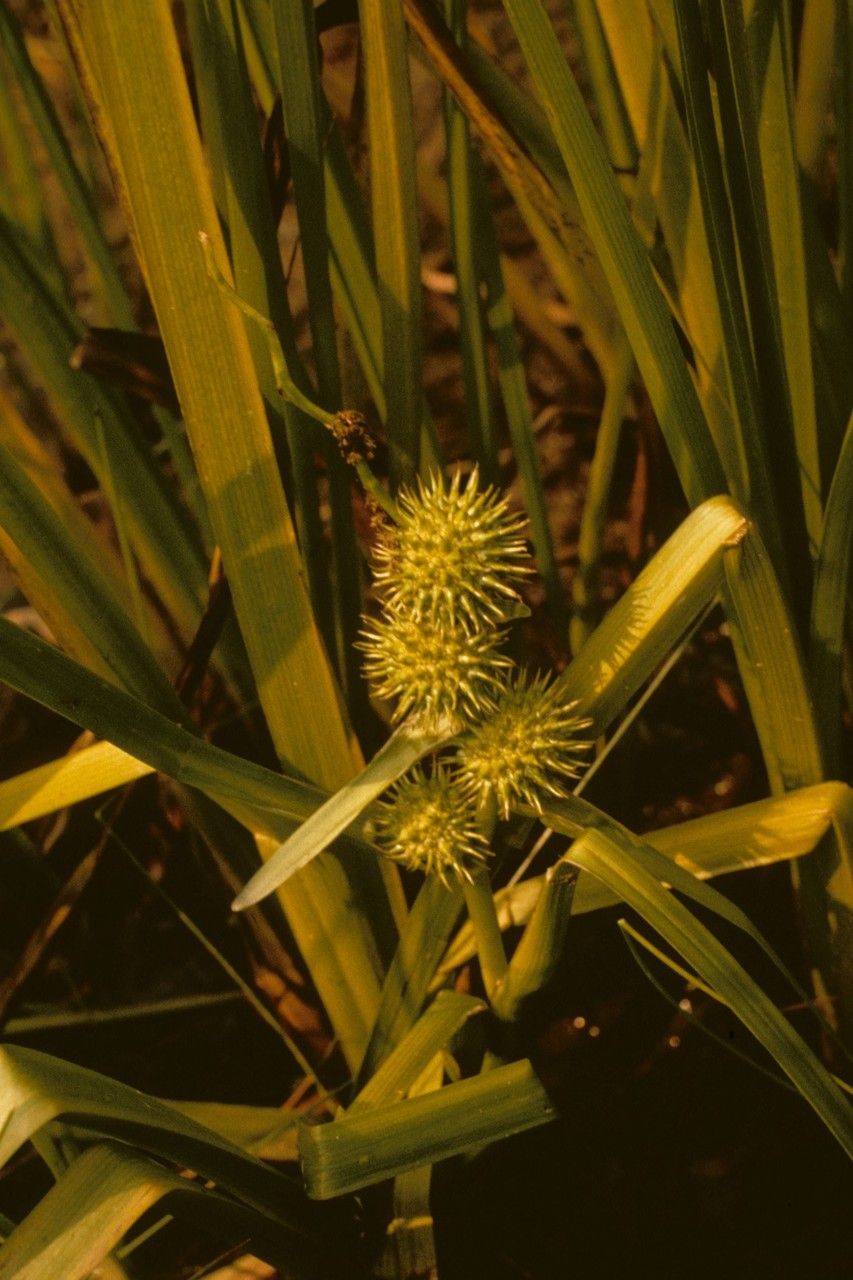
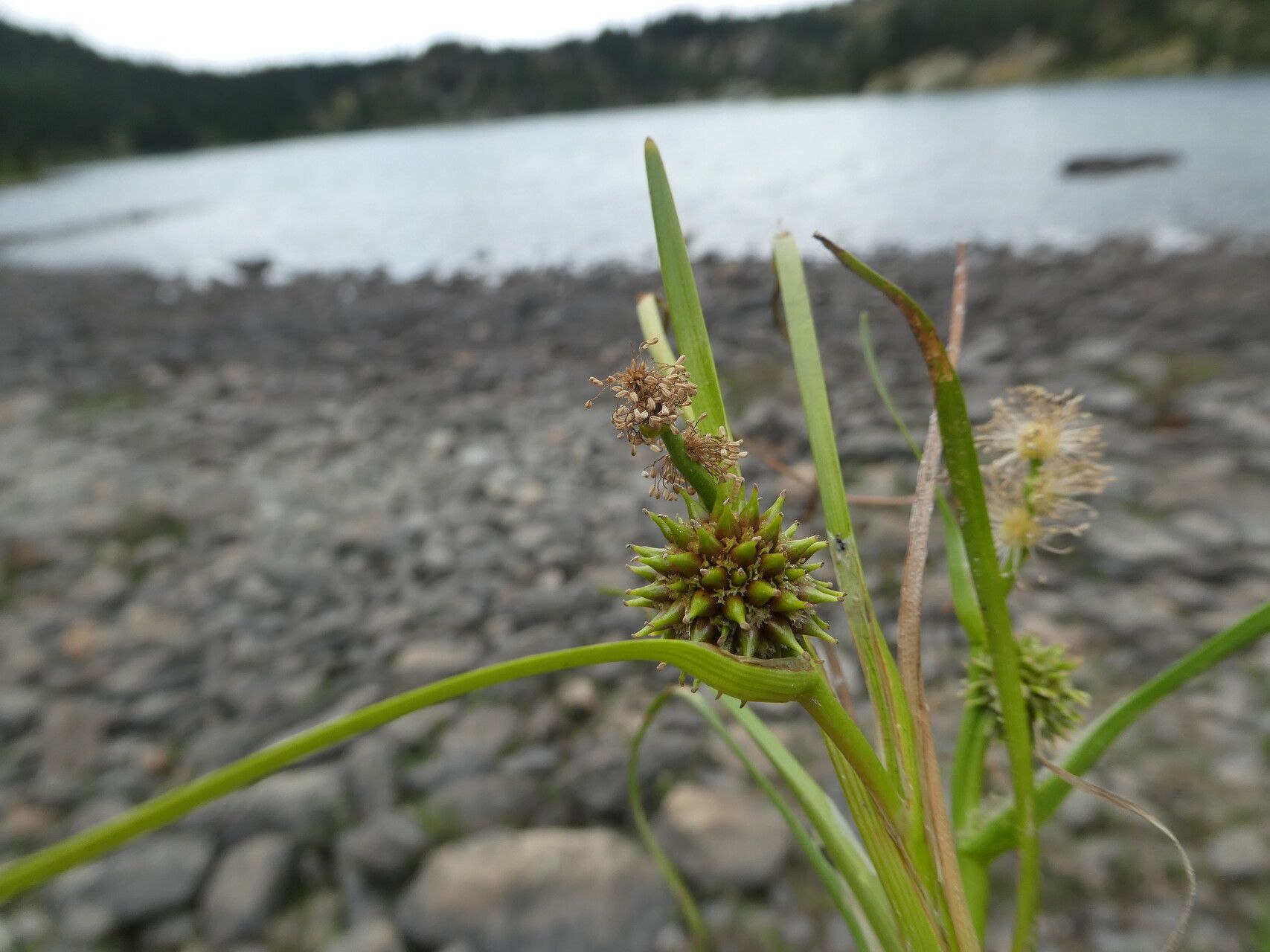
Sparganium erectum, commonly known as the branched bur-reed, is a perennial aquatic plant that belongs to the family Typhaceae. It is native to Europe and North America and typically thrives in shallow water bodies such as ponds, lakes, and slow-moving streams.
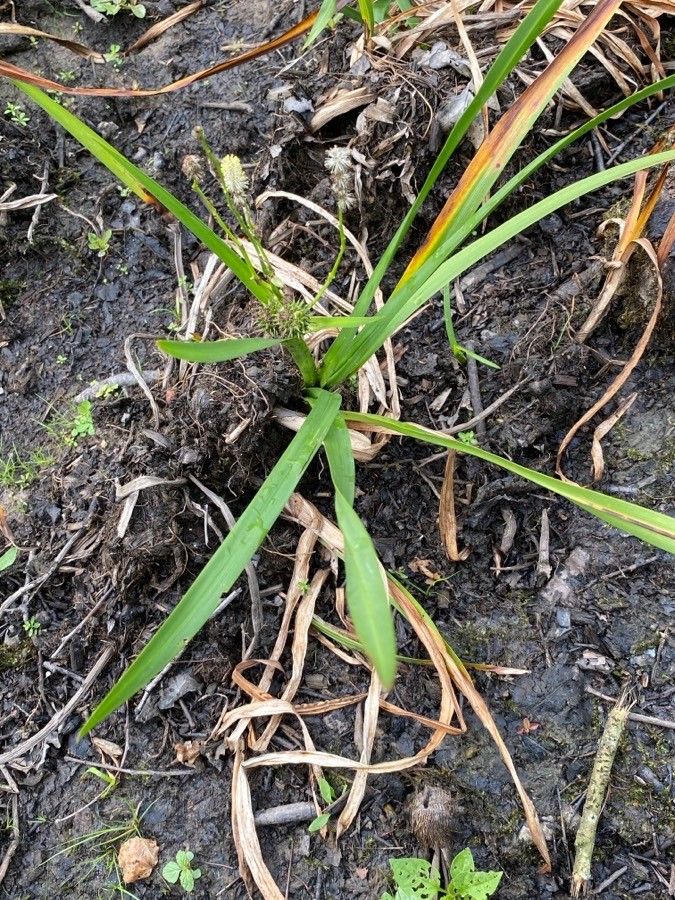
The plant features a tall stem that can grow up to 2 meters in height, adorned with long, narrow leaves arranged alternately along the stem. The leaves are dark green with a glossy surface and exhibit parallel veins running through them.
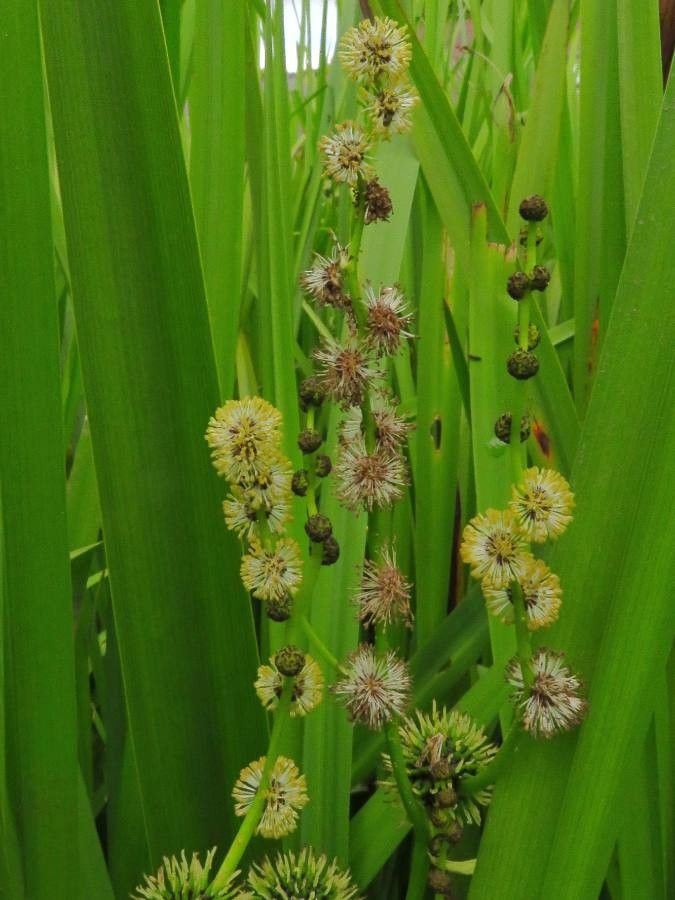
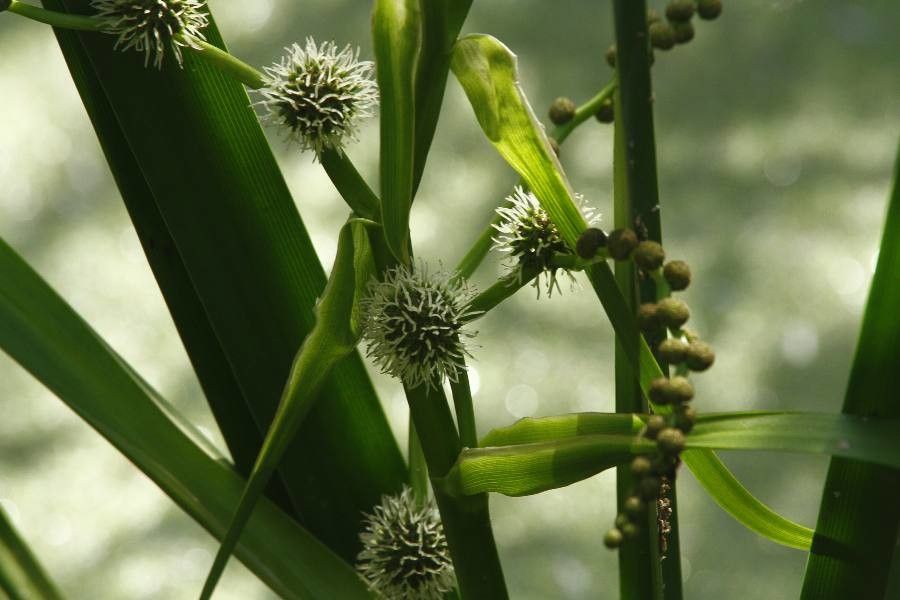
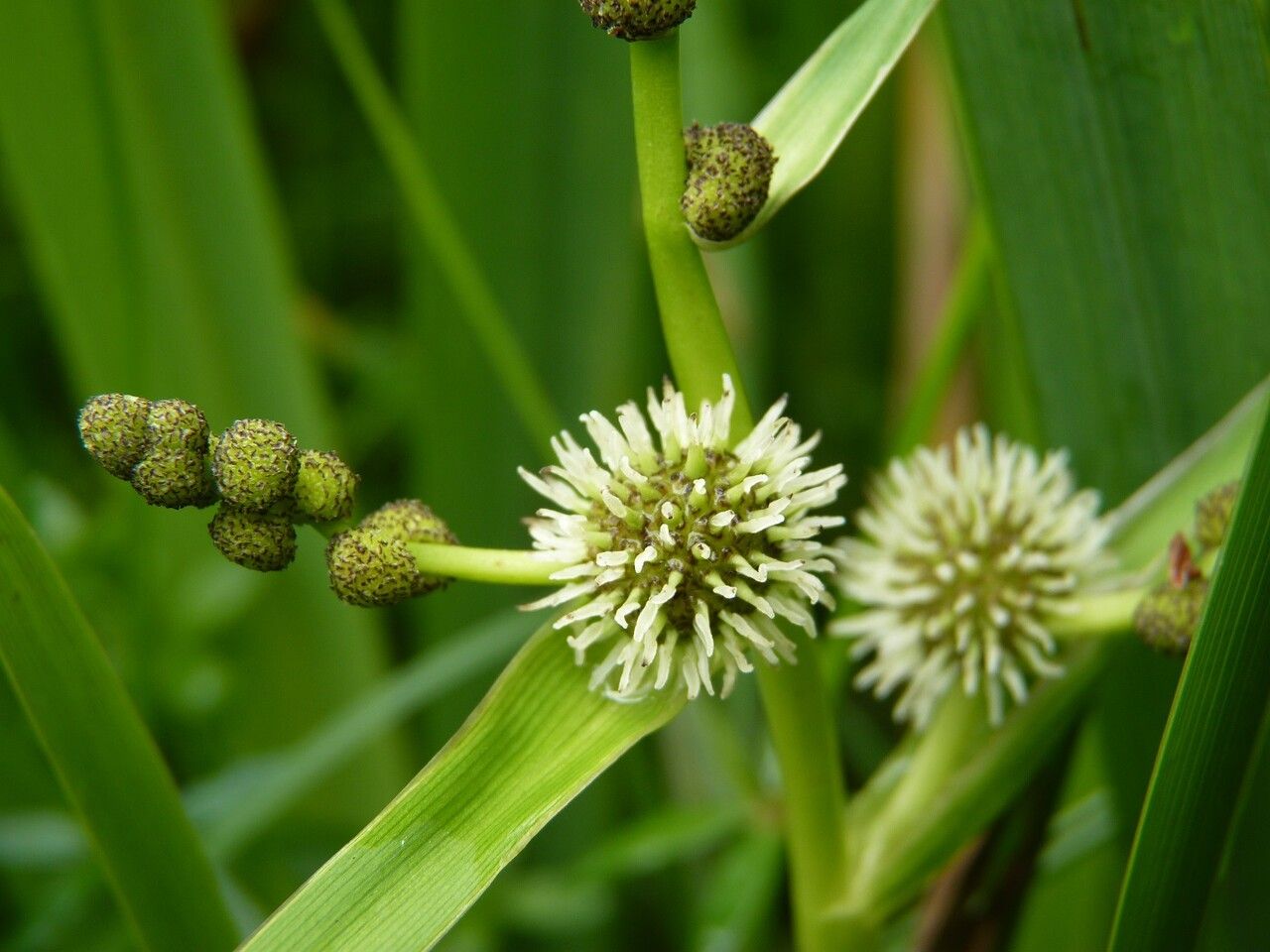
The branched bur-reed produces small flowers that are clustered on long spikes at the ends of its stems. These flowers contain both male and female reproductive organs, although they are usually unisexual.
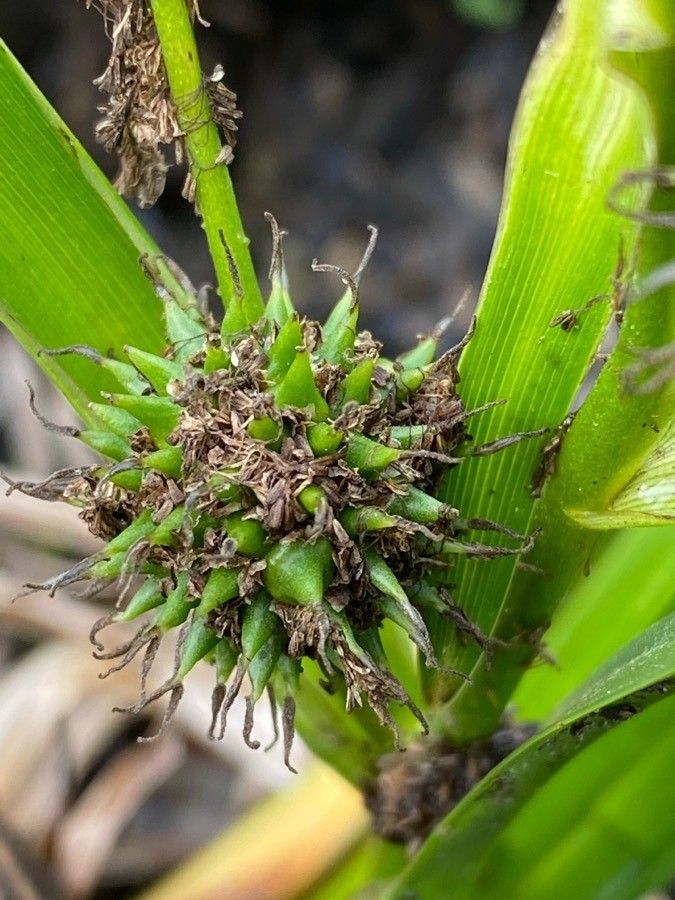
The plant's fruit is an oval-shaped nutlet covered with small hooks or spines, which aid in dispersal by attaching to passing animals or objects.
Sparganium erectum has a history of medicinal use, including treatments for wounds, inflammation, and pain caused by arthritis or rheumatism, among other ailments.
Overall, Sparganium erectum plays a crucial role in aquatic ecosystems by providing habitat for various aquatic animals and helping to maintain water quality through its ability to absorb excess nutrients from the surrounding waters.
Common bur-reed shows good resistance to disease and is usually not easily affected by illnesses. Still, it can be vulnerable to pests and diseases present in its environment. These problems are typically not serious. Regarding care, the plant requires moderate maintenance. It should be pruned regularly to keep a neat appearance and support healthy growth. Fertilizing can also help encourage flowering. Common bur-reed is suitable for anyone with outdoor space, such as a garden or patio, and does not demand extensive plant-care experience. It may need extra attention if cultivated indoors.
How to keep Sparganium Erectum.
Light
Common bur-reed thrives in locations that receive abundant sunlight throughout the day; however, it can tolerate reduced light conditions when necessary. Both insufficient and excessive sun exposure can impede its growth and affect its health. Its natural habitats illustrate this preference for sunny, open areas.
Water
Common bur-reed is well-adapted to marshy areas and flourishes in consistently moist soils, even tolerating occasional flooding. To keep the plant healthy, water it twice a week. It is an excellent choice for riparian plantings or rain gardens, as it not only thrives in wet conditions but also contributes positively to the ecosystem.
Temperature
Common bur-reed originates from temperate zones and grows best in temperatures ranging from 41 to 89.6°F (5 to 32 °C). Seasonal adjustments may be needed to ensure optimal growth, particularly in areas with extremely high or low temperatures.
Fertilizer
To promote healthy growth in common bur-reed, use a balanced fertilizer containing nitrogen, phosphorus, and potassium. Apply the fertilizer every 4-6 weeks during the spring and summer months. Be careful not to over-fertilize, as this can harm aquatic ecosystems. In the fall, reduce how often you feed the plants, and stop feeding altogether in the winter to align with their dormant period. This approach also helps prevent nutrient run-off.
Pruning
Common bur-reed features tall, reed-like stems and produces bur-like fruit. To encourage growth and reduce the risk of disease, prune these plants from early to late spring. Remove any dead stems and thin out crowded areas to improve air circulation. Make sure to clean your tools before use, and always prune above a node for the best results.
Pot & Repot
The common bur-reed is a hardy aquatic perennial that should be repotted every 2-3 years in the spring. Use a wide, shallow container for repotting. After repotting, ensure the plant has plenty of water and receives partial shade. Additionally, apply a slow-release aquatic fertilizer to support its health and growth.
Botanical profile.
- Plant Type
- Herb
- Life Cycle
- Perennial
- Genus
- Sparganium
- Family
- Typhaceae
- Hardiness Zone
- 4-8
- Mature Height
- 1.52 m
- Mature Spread
- 2.13 m
- Leaf Color
- Green
- Leaf Type
- Semi-evergreen
- Flower Color
- Green
- Flower Size
- 1.02 cm to 2.03 cm
- Bloom Time
- Summer
- Planting Time
- Spring, Autumn
- Harvest Time
- Late summer, Early fall, Mid fall
Other names.
Reader questions.
What is the easiest way to water my Common bur-reed?
To properly water the Common bur-reed, it is important to consider a few factors. Firstly, using filtered water is recommended because tap water can have harmful particles. Additionally, the water should be at room temperature or slightly warmer since this plant is accustomed to warmer environments. Cold water can be detrimental to its health. It is also best to avoid overhead watering as it may cause issues with the foliage. Instead, gently apply filtered room temperature water directly to the soil until it is thoroughly soaked. This helps to keep the roots moist and allows them to spread and gather nutrients effectively.
Why do I have to put fertilizer on my Common bur-reed plant?
The main structure of the Common bur-reed is made up of its leaves. Fertilization plays a crucial role in ensuring that these leaves look great and perform their function effectively. By properly fertilizing your Common bur-reed, you can help it maintain consistent leaf color and a healthy texture. Fertilization also has benefits below the soil's surface, as it aids in the growth of new roots and maintains the existing ones. This not only keeps the plant healthy in the present but also improves its ability to absorb soil nutrients in the future.
What are the sunlight requirements for Common bur-reed?
Common bur-reed thrives best in areas that receive full sun, which means over 6 hours of direct sunlight daily. It can also tolerate partial sun conditions, with about 3-6 hours of sunlight. Adequate exposure to sunlight is crucial for its growth and health, mimicking its native habitats which are usually sunny expanses. It is important to watch how sunlight moves through your garden to select optimal spots that provide the right balance of light for your plants.
What is the native climate for Common bur-reed?
Common bur-reed, scientifically known as Sparganium erectum, is native to temperate regions. It thrives best in temperatures ranging from 41 to 89.6°F (5 to 32°C), making it quite adaptable to various temperate environments. Although it has strong cold resistance, making it typically resilient against the need for special frost protection measures, it is important to consider seasonal adjustments for areas experiencing extremely high or low temperatures to ensure the plant's optimal growth.
What should I do if I give my Common bur-reed too much or too little water?
When caring for your Common bur-reed, it's important to avoid overwatering and underwatering. Overwatering is a more common issue and can cause wilting, yellowing, and diseases like root rot. Underwatering is less common due to the plant's drought tolerance, but can result in brittle, brown leaves. If you notice signs of overwatering, reduce watering immediately and check the soil's drainage. Replace poorly draining soil with a well-draining potting mix. If the plant is receiving too little water, simply water more regularly until the signs improve.
When should I fertilize my Common bur-reed plant?
When you grow your Common bur-reed outdoors, it will send out new growth in early spring. This is a signal that it's time to start fertilizing for the year. Generally, one application of fertilizer in the spring is sufficient for a Common bur-reed to thrive. However, if you want to maximize its growth, you can fertilize it multiple times throughout the spring and early summer. In this case, you can feed your Common bur-reed about once every month to a month and a half.
Can artificial lighting be used for Common bur-reed and how?
Yes, artificial lighting can be used for Common bur-reed, especially when natural sunlight is insufficient, such as during winter or in less sunny spaces. Indoor plants benefit from artificial lights, like LED lights, which can be customized to mimic natural sunlight and promote healthier growth. For full sun plants, 30-50W per square foot is recommended; for partial sun plants, 20-30W per square foot; and for full shade plants, 10-20W per square foot. The light source should be placed 12-36 inches above the plant, ensuring it gets roughly 8-12 hours of light per day.
How can Common bur-reed be protected from extreme winter conditions?
To protect Common bur-reed from extreme winter conditions, especially when temperatures are expected to drop below -30°C, it's essential to apply cold protection measures. You can cover the plant with soil or straw to insulate it against the severe cold. Additionally, watering the plant abundantly before the first freeze in autumn is recommended. This ensures that the soil stays moist and enters a frozen state, which helps prevent drought and water scarcity for the plant during the colder months and early spring.
How often do I need to water my Common bur-reed?
If your Common bur-reed plant is in a pot, the best way to check if it needs water is by putting your finger in the soil. If the top two to three inches of soil are dry, it's time to water it. If you're growing your Common bur-reed plant outdoors, you can use the same method to check the soil. When the top few inches of soil are dry, it's time to water it. In the spring and early fall, watering once a week is usually enough. However, during extremely hot weather, you might need to water it twice a week or more. Despite this, mature and well-established Common bur-reed plants can actually tolerate dry conditions quite well.
When is a bad time to fertilize my Common bur-reed?
During the late fall and winter, your Common bur-reed goes into a dormant phase and stops growing. During this time, it is best to avoid fertilizing it. If you decide to fertilize during spring and summer, start reducing the amount of fertilizer as summer approaches because the growth rate of your Common bur-reed will also slow down. In general, it is not recommended to fertilize your Common bur-reed during excessively hot weather or when the soil is too dry. Fertilizing in these conditions can stress the plant and cause it to die early.
What are the symptoms of incorrect light exposure in Common bur-reed?
Symptoms of incorrect light exposure in Common bur-reed include small leaves, leggy or sparse growth, faster leaf drop, slower or no new growth, lighter-colored new leaves, chlorosis, sunscald, leaf curling, wilting, and leaf scorching. These symptoms range from the effects of low light, such as smaller new leaves and elongated stems, to the consequences of too much light, such as leaf burn and wilting. Identifying these symptoms early can help in adjusting the plant's light exposure to prevent further stress.
What are the symptoms of low temperature stress in Common bur-reed, and how can it be managed?
Common bur-reed is notably cold-tolerant, thriving best when temperatures remain above 5°C. During winter, it is essential to keep the temperature above -25°C to avoid damage. If temperatures fall below -30°C, the plant may not show immediate damage during winter, but you might observe a decrease in sprouting or no sprouting at all come springtime. To manage these effects, removing any parts of the plant that have failed to sprout in spring is recommended as a solution to encourage new growth and recovery.