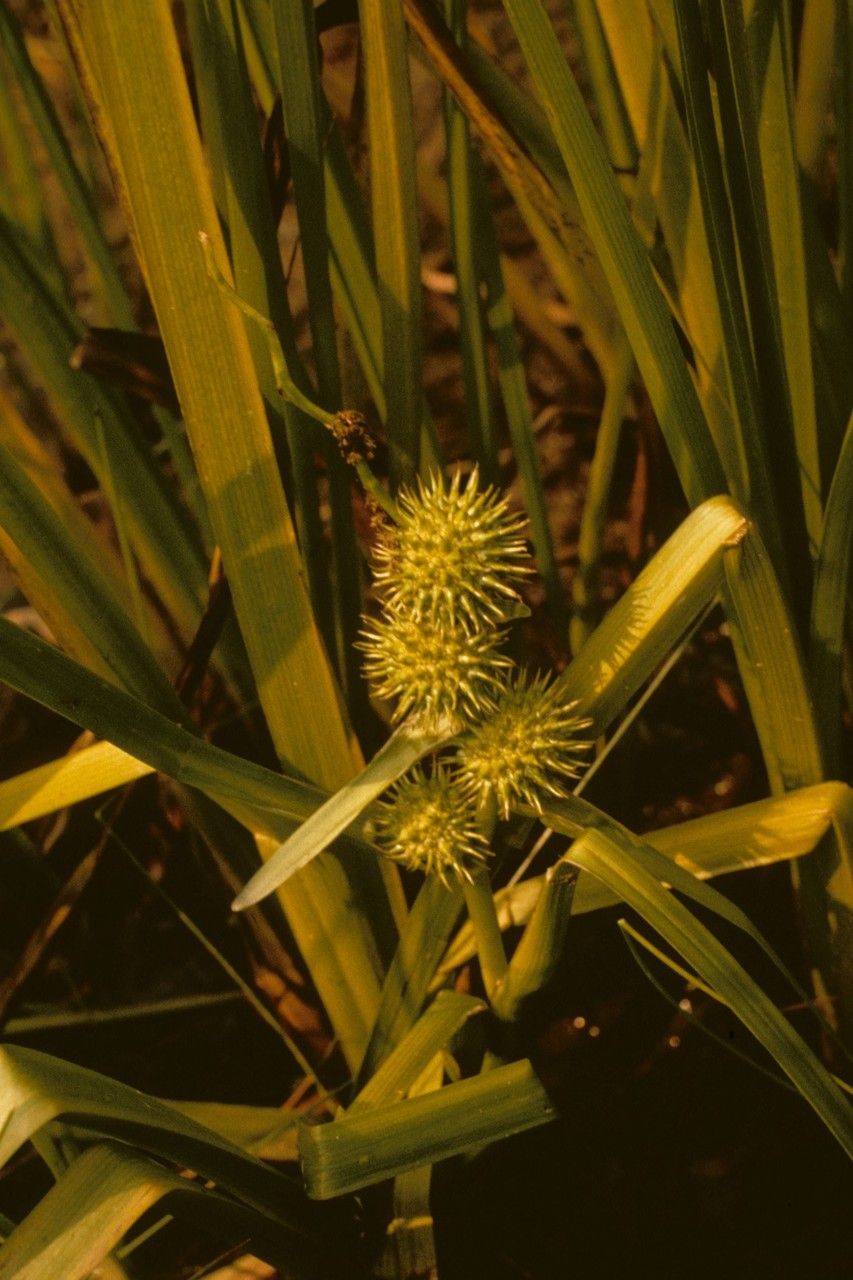
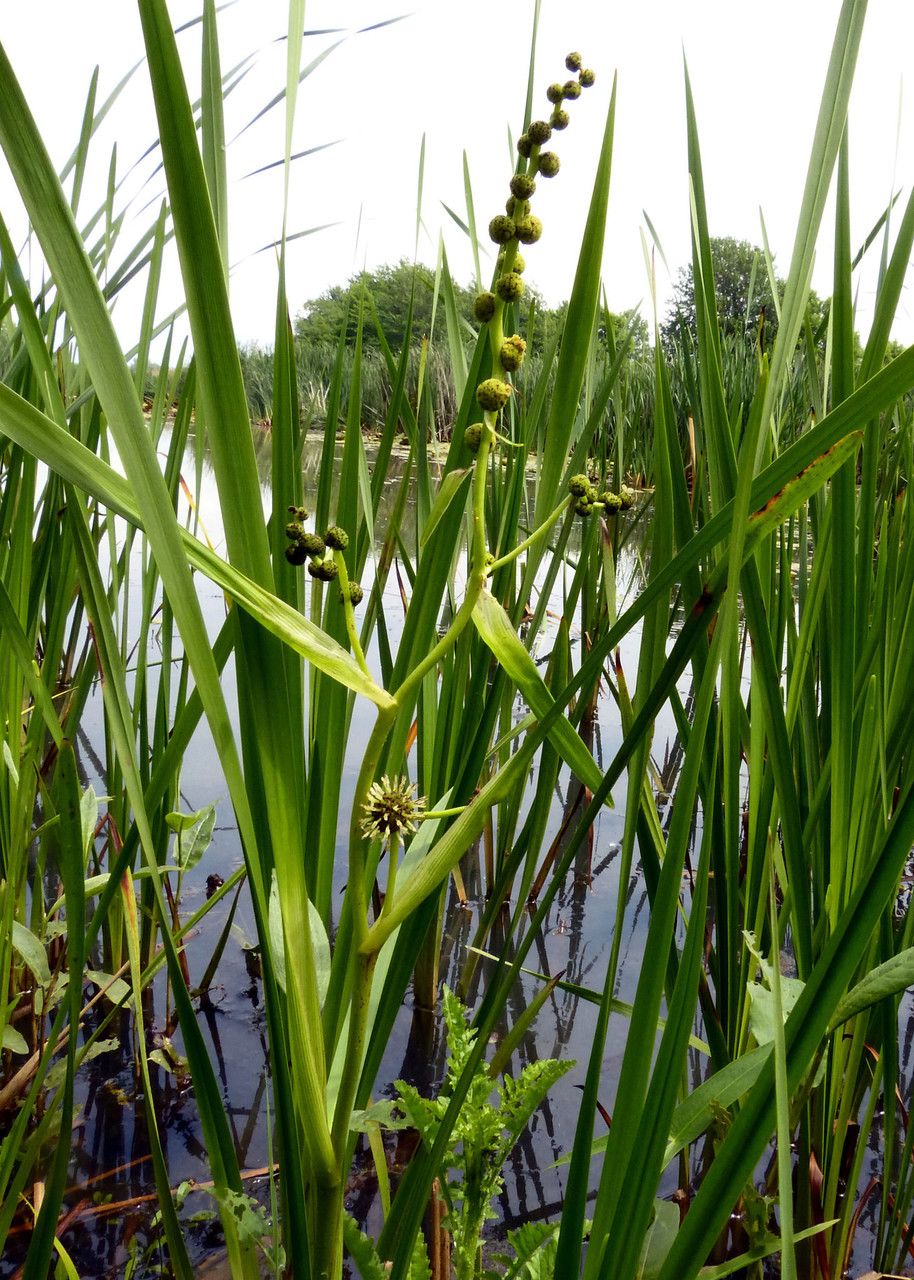
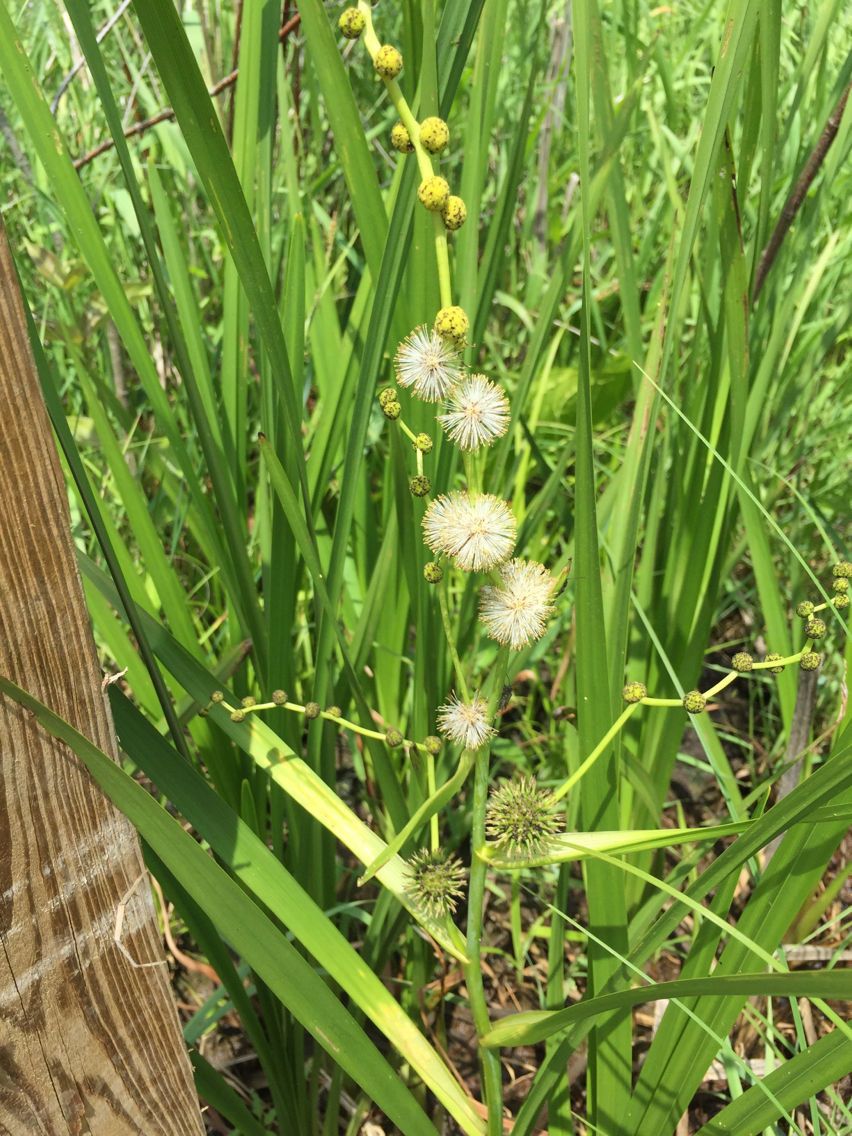
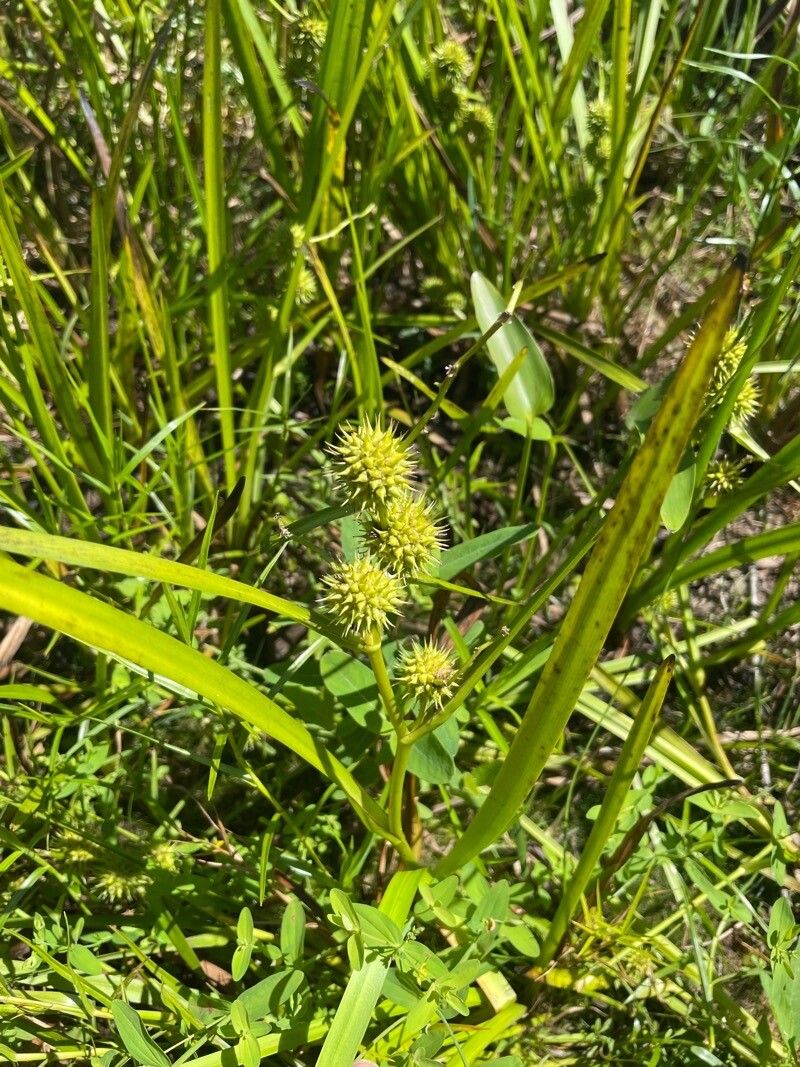
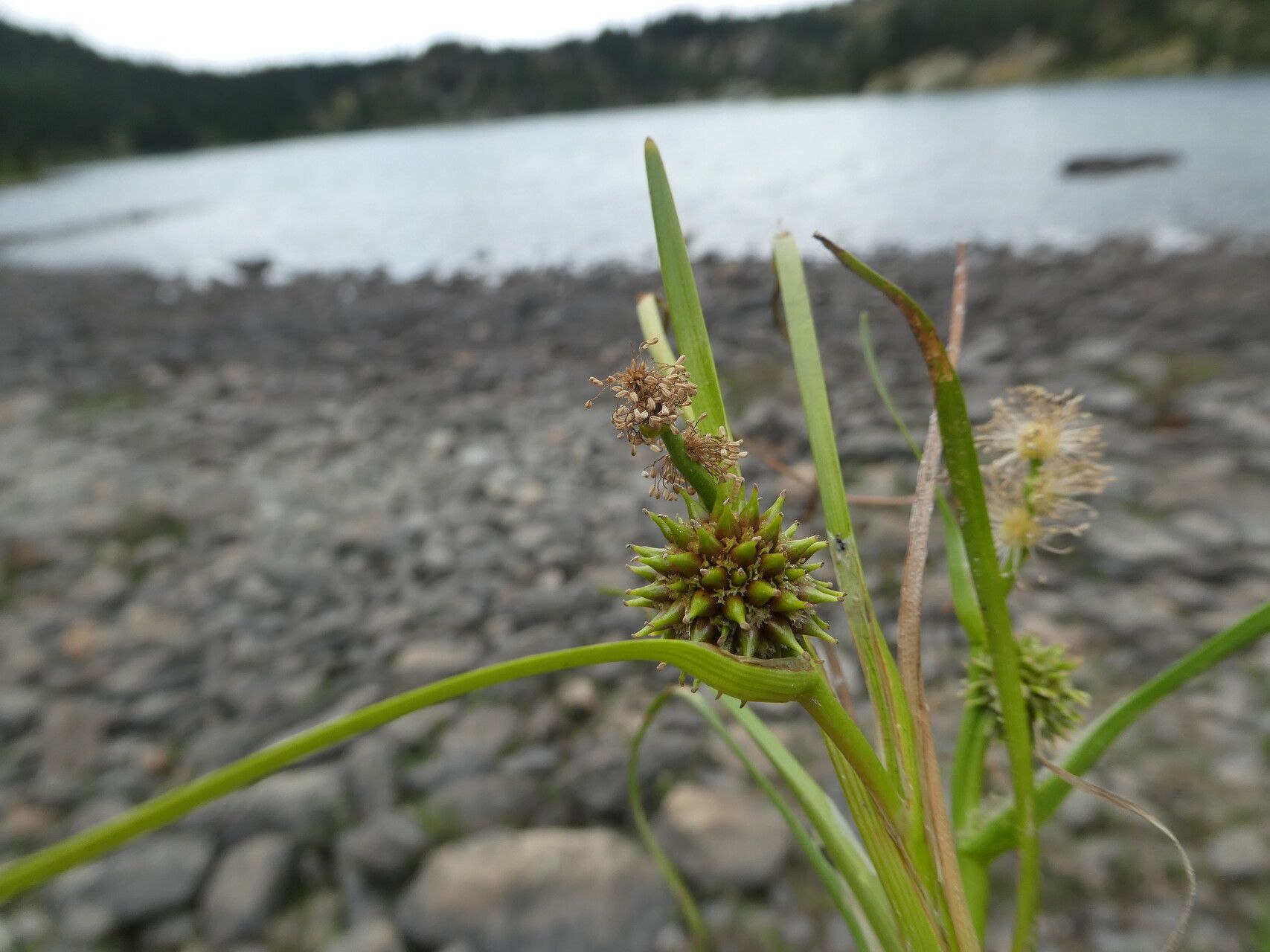
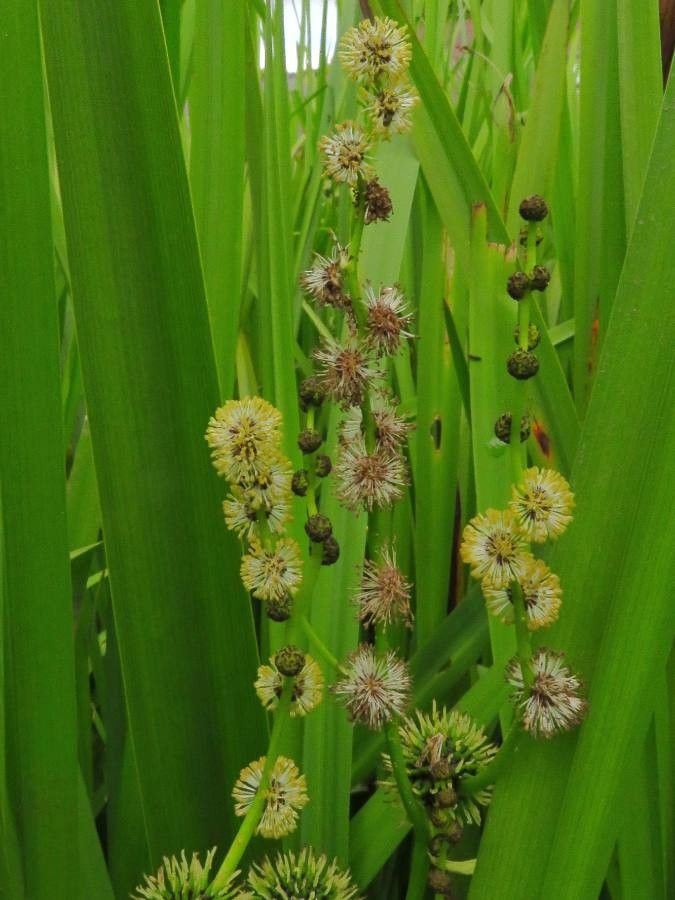
Branching bur-reed has strong disease resistance and is generally not prone to illnesses. However, it can be vulnerable to pests and diseases present in its surroundings. These issues are typically not serious. For care, this plant requires moderate maintenance. It should be pruned regularly to maintain a neat appearance and support healthy growth. Fertilizing can also help encourage flowering. Branching bur-reed is appropriate for anyone with an outdoor area, such as a garden or patio, and does not demand extensive care experience. It may need more attention when kept indoors.
How to keep Sparganium Androcladum.
Light
The beginning of the branching bur-reed can be traced back to places with plenty of sunlight, like the periphery of ponds and lakes. While it thrives best in full sunlight, it can also adapt to conditions of partial sunlight.
Water
Branching bur-reed is a plant that thrives in consistently moist soil and can tolerate standing water, which reflects its wetland origins. It requires moderate watering, typically about once a week. As an aquatic perennial, branching bur-reed naturally grows outdoors along the edges of ponds and stream banks, with its growth influenced by the availability of water.
Temperature
The adaptive capacity of Branching bur-reed extends to a diverse variety of temperature conditions, although its spread can be restricted due to specific combinations of heat and water conditions. It is most flourishing in hot summer climates with sufficient rain or irrigation. Extended periods of overcast and rainy weather, and extended periods of extreme heat, can elevate the chances of the Branching bur-reed's demise. During the colder winter months, providing adequate cold protection can enhance the plant's likelihood of survival.
Pruning
The branching bur-reed is a marsh plant known for its distinctive branching structure and round seed heads. To promote healthy growth and dense foliage, prune it in early to late spring. Use clean, sharp tools to make precise cuts, which helps to encourage new growth and prevent disease.
Botanical profile.
- Plant Type
- Herb
- Life Cycle
- Perennial
- Genus
- Sparganium
- Family
- Typhaceae
- Hardiness Zone
- 4-9
- Mature Height
- 49 cm to 91 cm
- Mature Spread
- 30 cm to 61 cm
- Leaf Color
- Green
- Leaf Type
- Deciduous
- Flower Color
- White, Yellow, Green
- Flower Size
- 1.02 cm to 2.03 cm
- Bloom Time
- Early summer, Mid summer
- Planting Time
- Spring, Summer
- Harvest Time
- Late summer, Early fall, Mid fall
Other names.