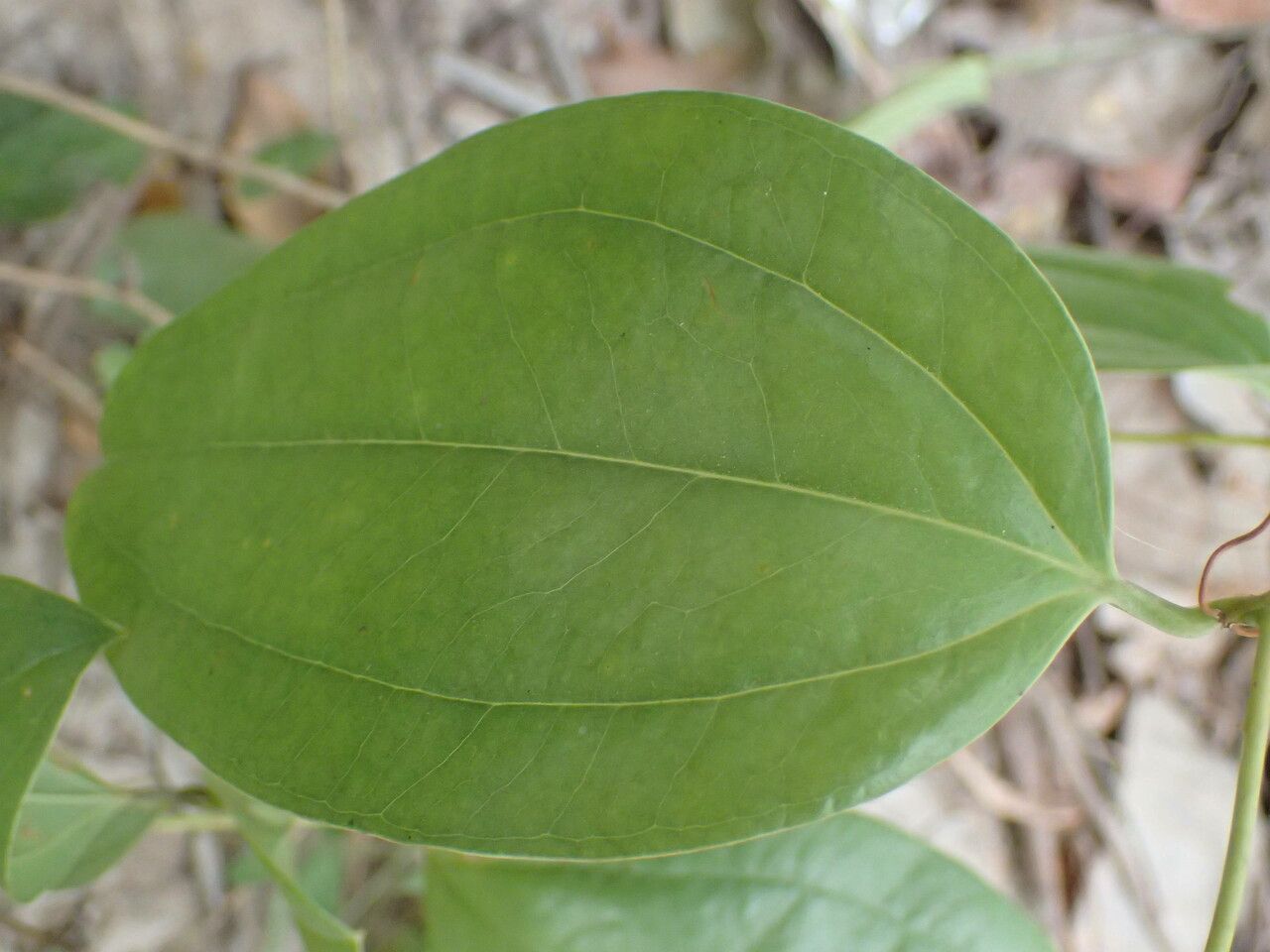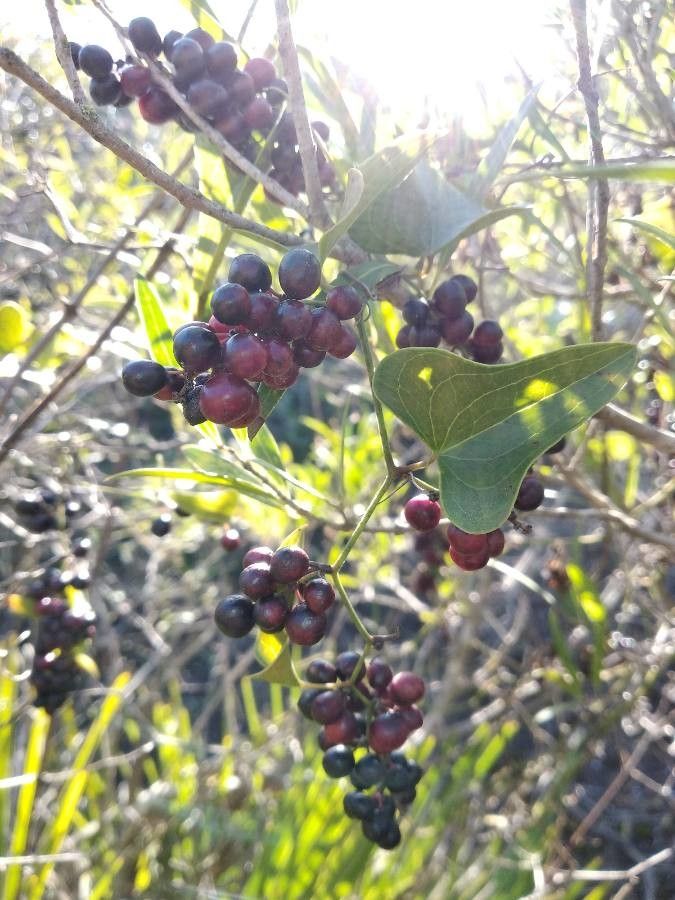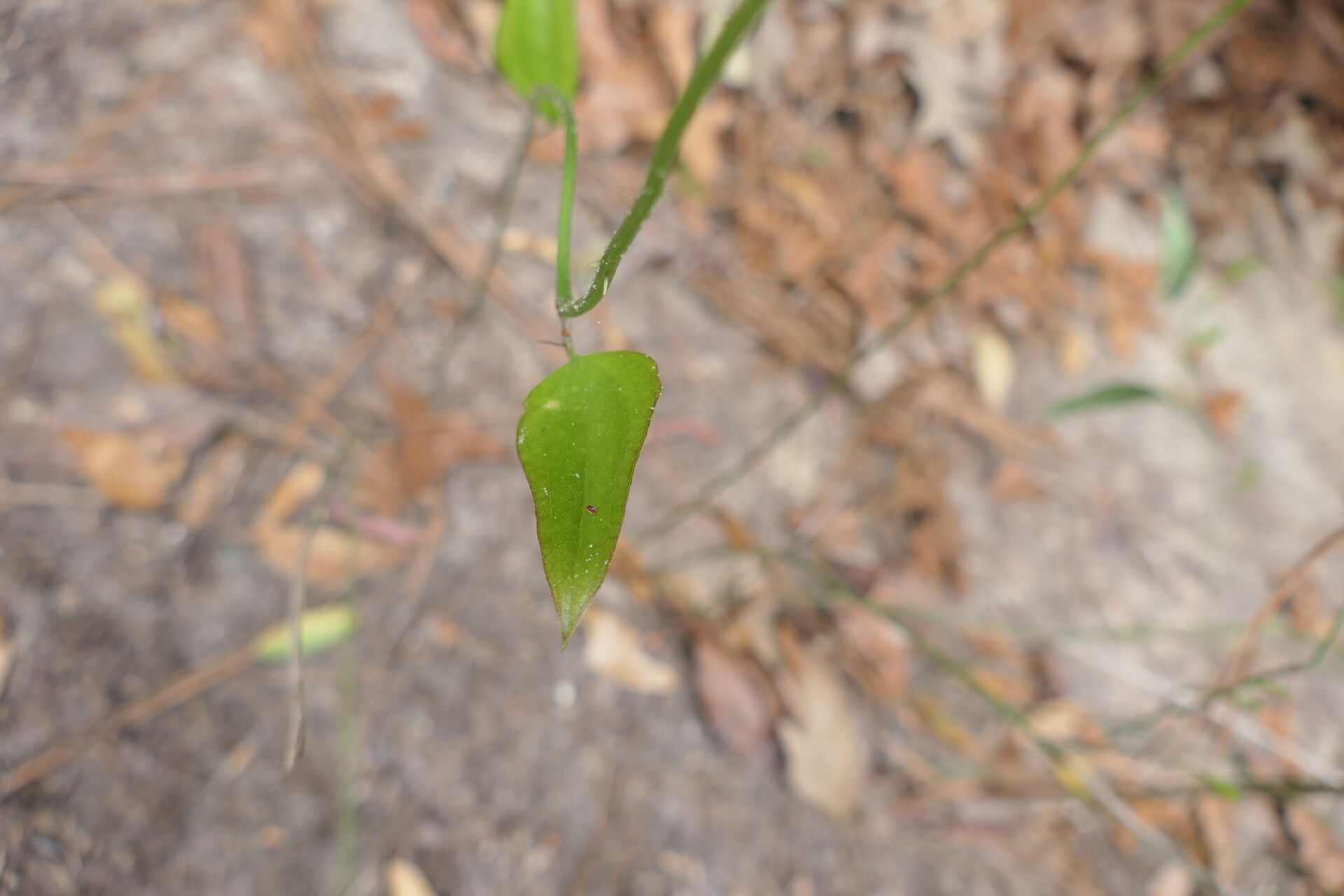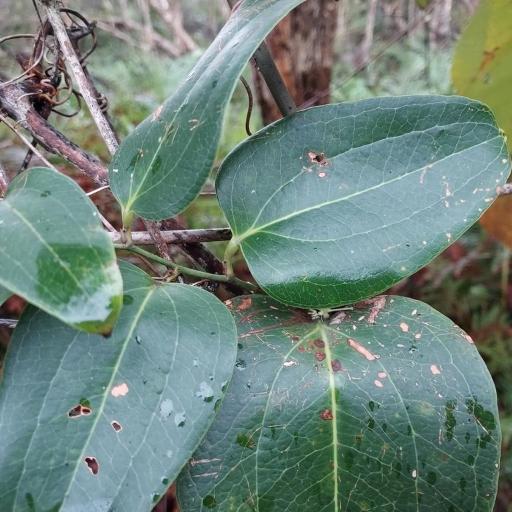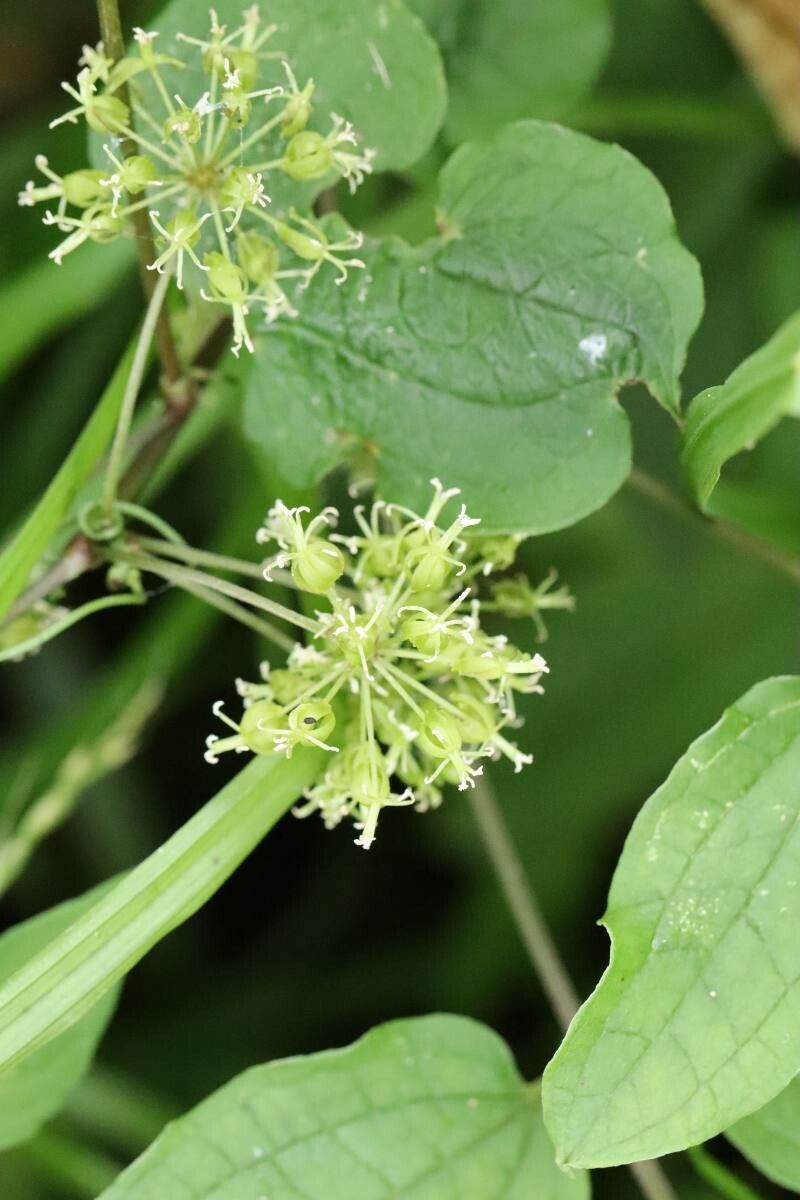
Horsetail greenbrier shows strong resistance to disease and is generally not susceptible to illnesses. Regarding care, this plant is fairly low-maintenance. Planted outdoors, it needs little watering, and larger specimens usually do not require pruning. Smaller plants, however, should be pruned after they have finished blooming. Horsetail greenbriert is suitable for anyone with an outdoor space, such as a garden or deck, and does not require a lot of care experience.
How to keep Smilax Riparia.
Light
Horsetail greenbrier naturally occurs in habitats like forest understories or rocky locations, where it grows in natural shade. It prefers partial sun but can tolerate full sun or full shade, reflecting its versatile, hardy character.
Water
Horsetail greenbrier flourishes in consistently moist conditions, preferring regular watering without becoming waterlogged. For optimal growth, it is best to water the plant twice a week, which simulates its natural environment near the damp banks of streams and rivers.
Temperature
Horsetail greenbrier is very adaptable to different climatic conditions, from blazing summers to freezing winters. Nevertheless, it has an optimal temperature range for growth. If temperatures become too high, the plant is vulnerable to heat and humidity stress, which can cause it to die. In areas where temperatures approach the lower limit of its cold tolerance, it is important to provide insulation to protect the plant.
Fertilizer
Fertilize your Horsetail greenbrier in early spring to encourage healthy growth. Regular feeding boosts overall health, leading to vigorous growth, greater tolerance of harsh conditions, and increased resistance to pests and diseases. Stick to a consistent fertilization schedule for your Horsetail greenbrier to maintain foliage that is vibrant, richly colored, and lush.
Pruning
Horsetail greenbrier is a plant with thorny vines and heart-shaped leaves that thrives in a variety of environments. To manage its growth and promote health, prune it in early spring. Be sure to use clean tools to make precise cuts, which will improve air circulation and sunlight exposure. This helps prevent fungal problems and enhances the plant's appearance.
Botanical profile.
- Plant Type
- Vine
- Life Cycle
- Perennial
- Genus
- Smilax
- Family
- Smilacaceae
- Hardiness Zone
- 5-9
- Mature Height
- 0.91 m to 2.13 m
- Mature Spread
- 2.13 m to 3.96 m
- Leaf Color
- Green, Dark Green
- Leaf Type
- Semi-evergreen
- Flower Color
- White
- Flower Size
- 0.25 cm to 0.51 cm
- Bloom Time
- Late spring, Early summer
- Planting Time
- Spring, Summer, Autumn
- Harvest Time
- Late summer, Early fall, Mid fall
- Native Area
- Russia, Cambodia, Vietnam, Japan, Philippines, Koppen, South Korea, China