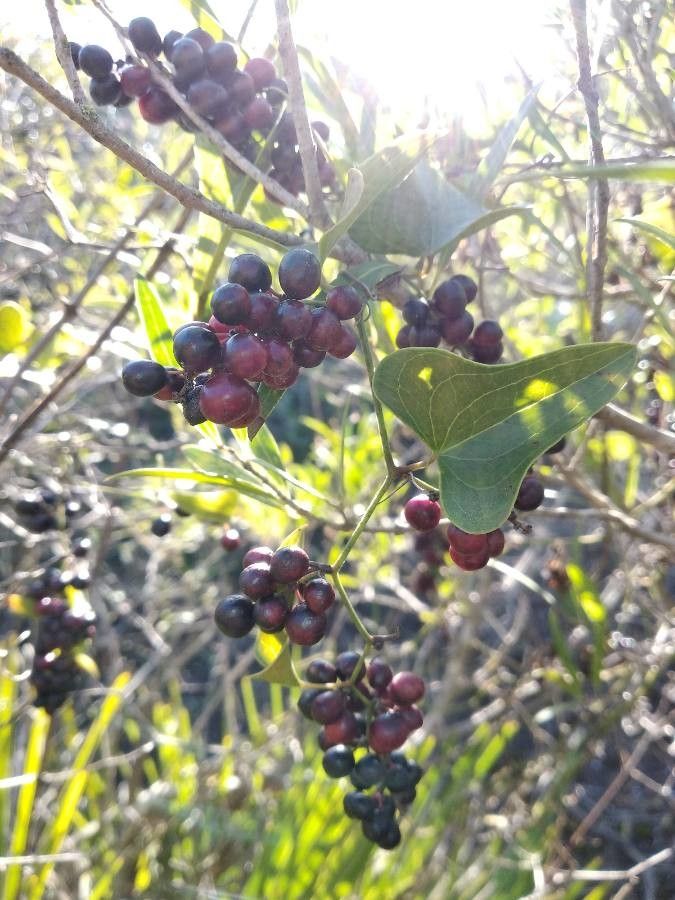
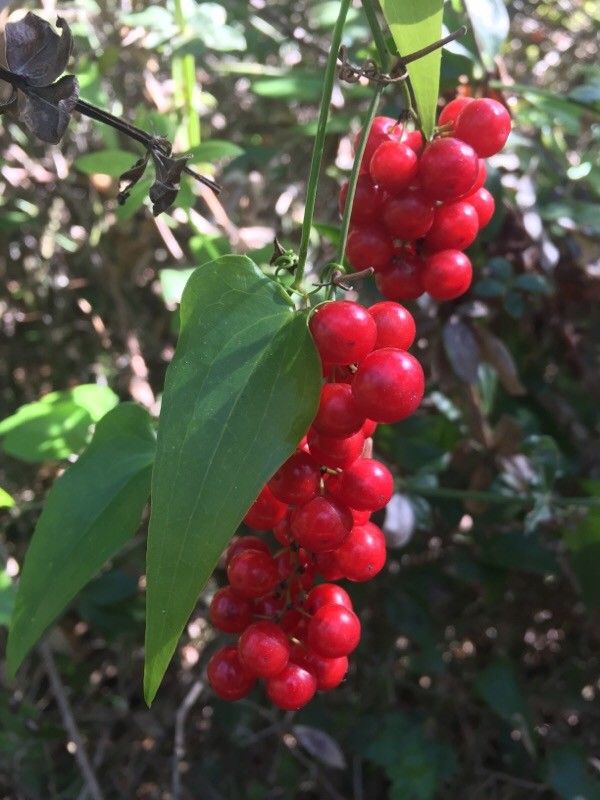
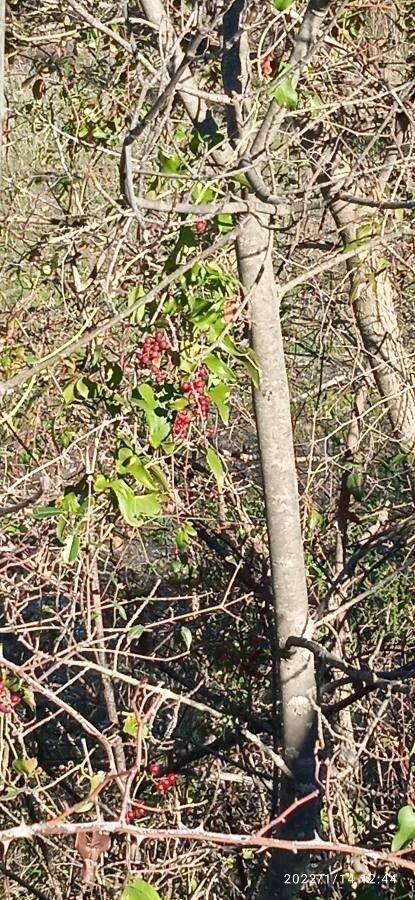
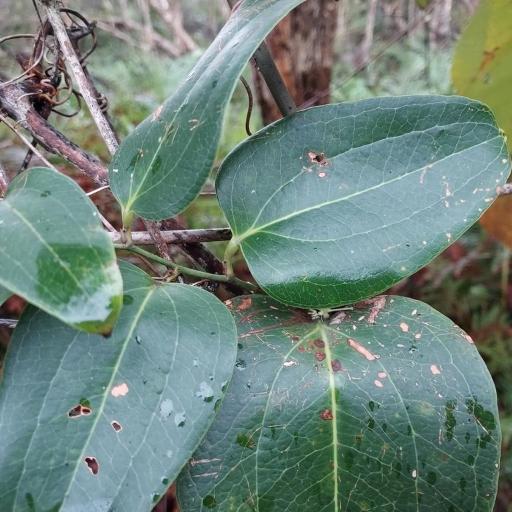
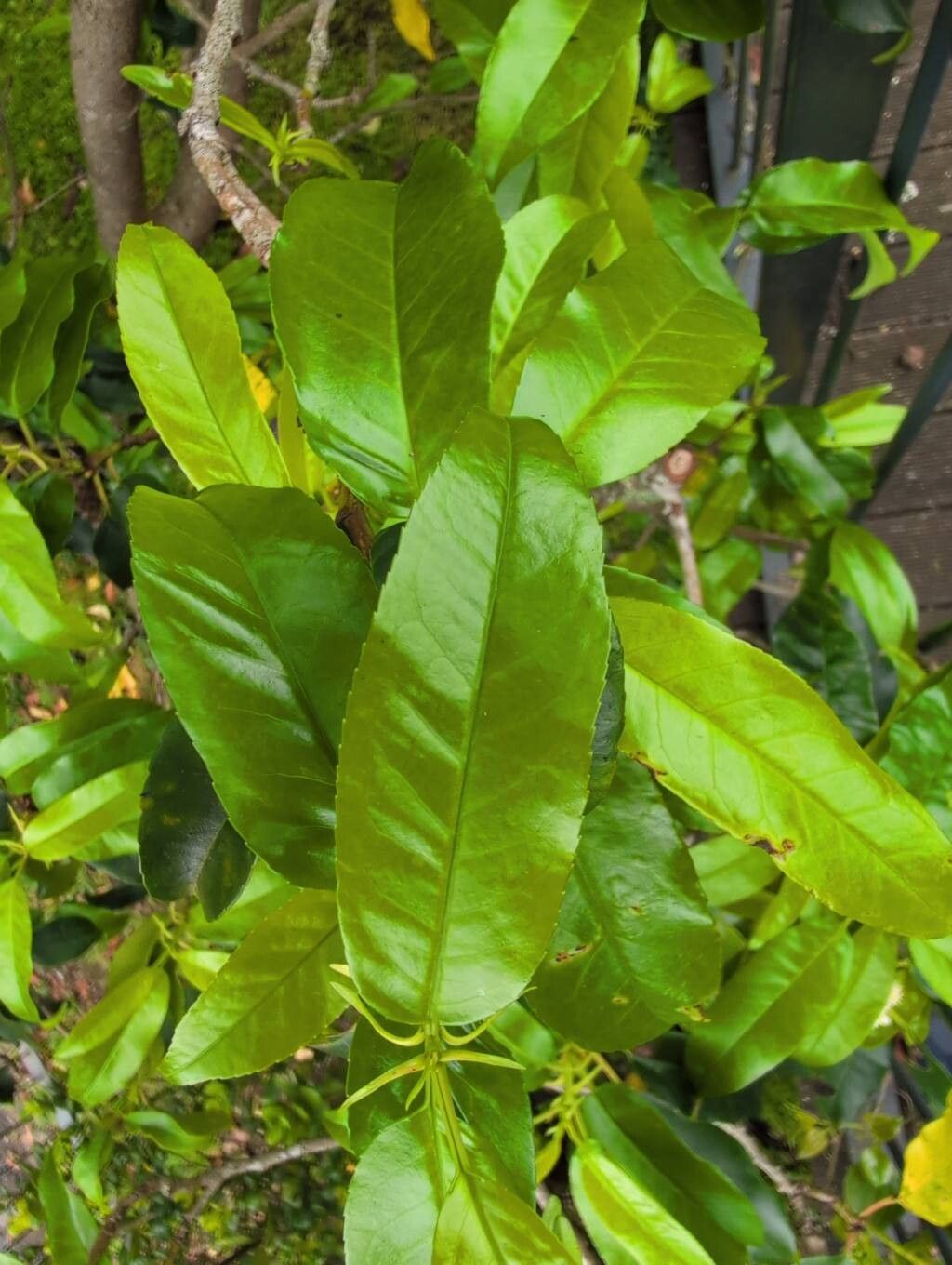
Smilax aspera, commonly known as rough bindweed or sarsaparilla, is a perennial climbing plant belonging to the Smilacaceae family. Native to the Mediterranean region, it thrives in diverse habitats, including forests, scrublands, and rocky areas.
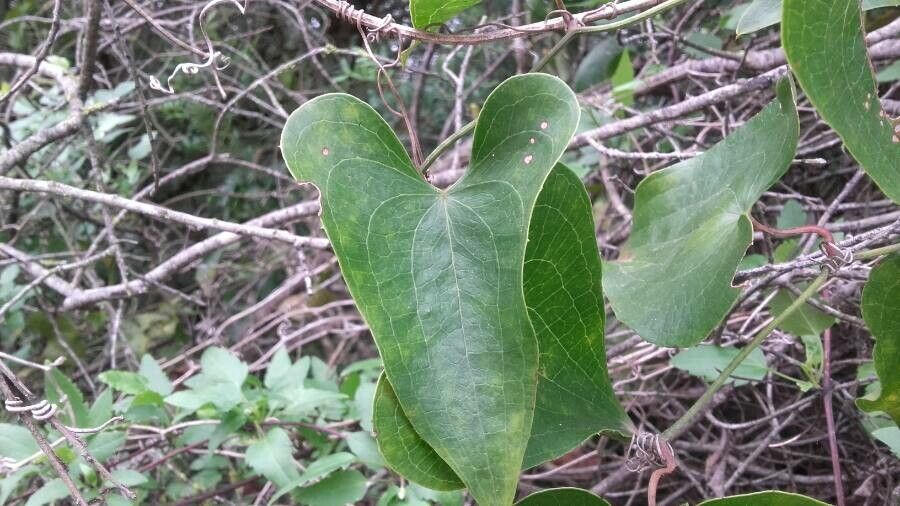
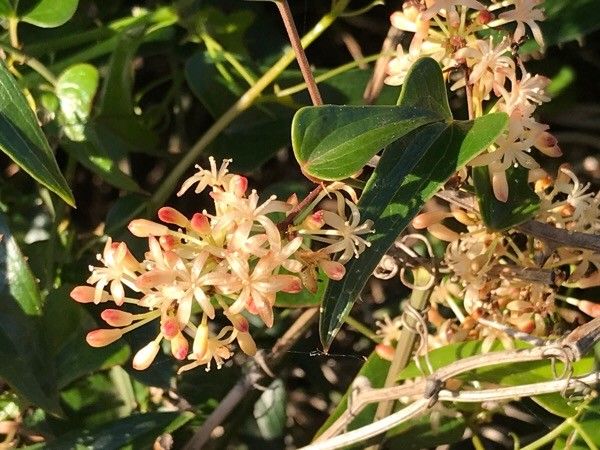
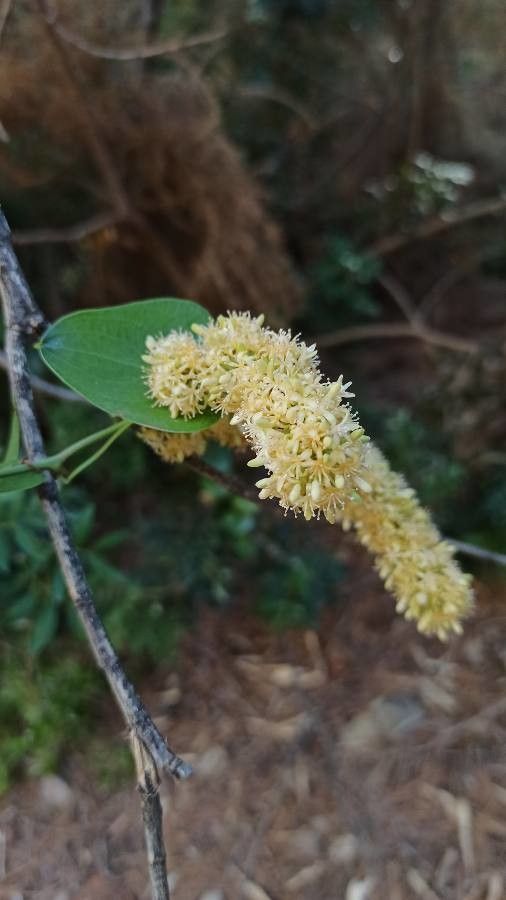
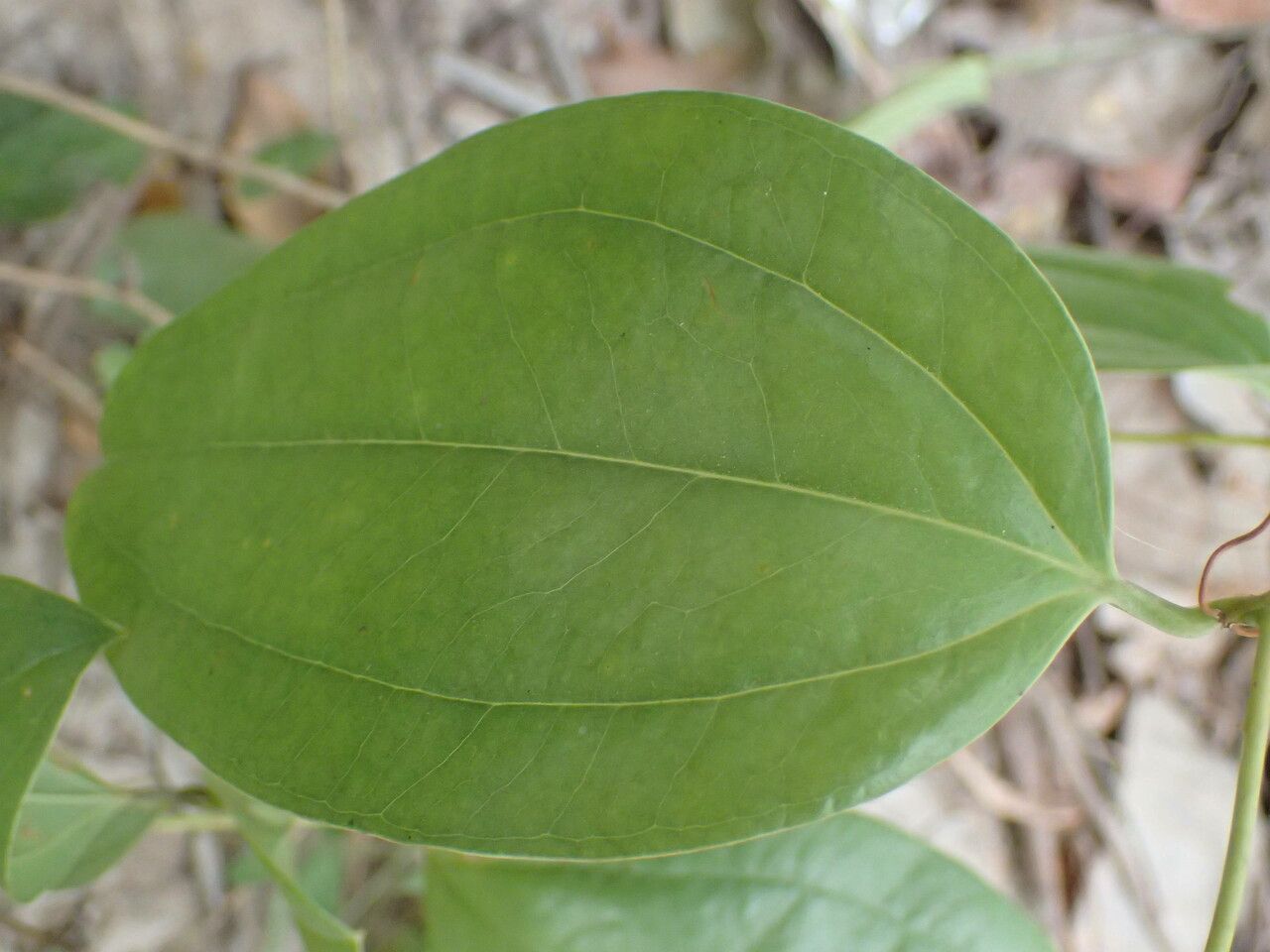
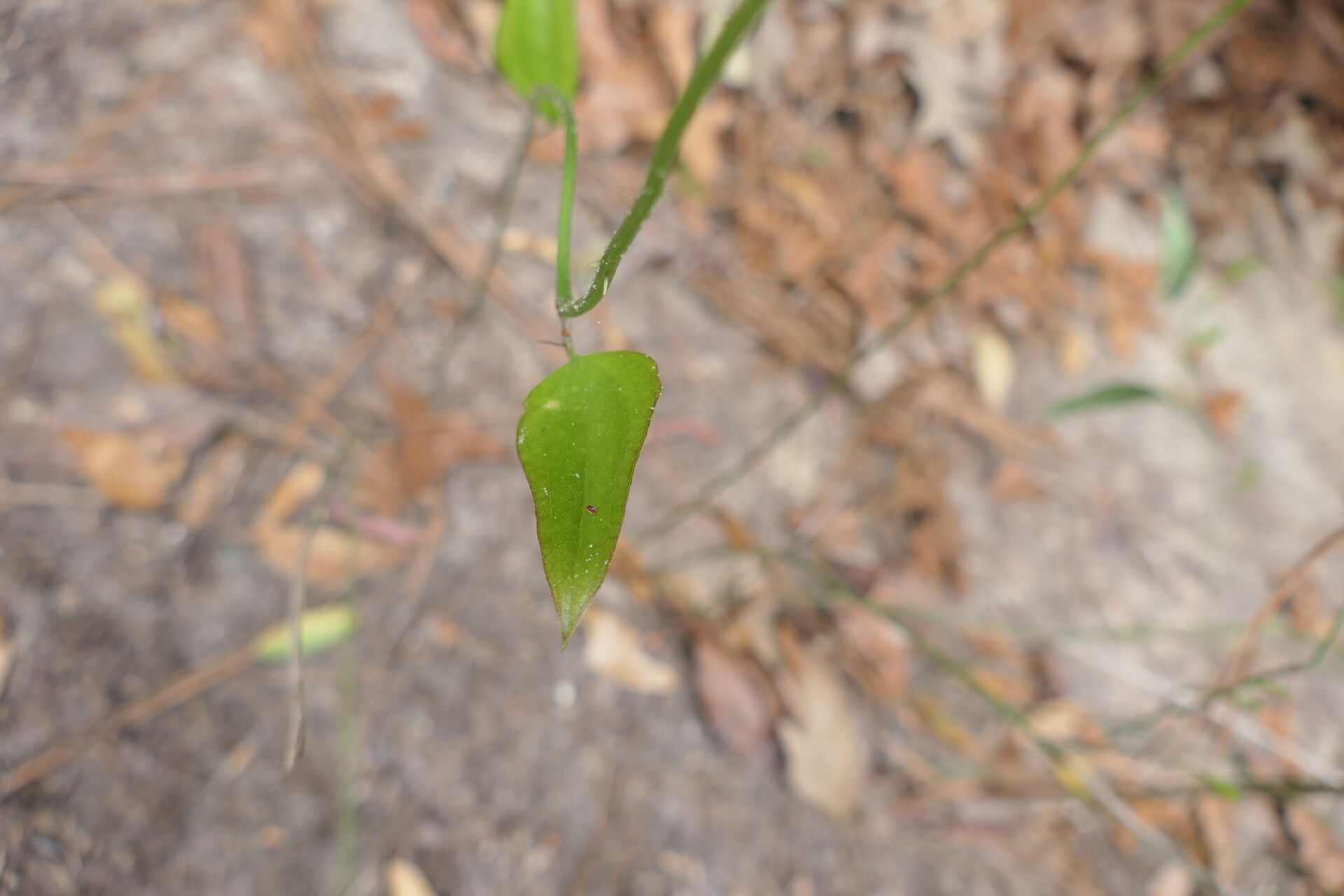
The plant features a woody stem that can extend up to 5 meters in length. Its leaves are glossy green and heart-shaped with pointed tips. The small, greenish-yellow flowers have six petals and grow in clusters.
For centuries, Smilax aspera has been used for its medicinal properties, particularly its anti-inflammatory effects. Traditionally, it has been employed to treat skin conditions such as eczema and psoriasis, as well as rheumatism, arthritis, gout, and urinary tract infections, among others.
The plant contains saponins, which have demonstrated anti-cancer properties by inhibiting cancer cell growth. Additionally, it is rich in antioxidants that help protect against oxidative stress caused by free radicals.
Culinary uses of Smilax aspera primarily involve its roots, which are dried or boiled and then consumed raw or cooked in soups and stews. The roots have a sweet taste similar to licorice, adding a unique flavor to various dishes, including root beer.
Overall, Smilax aspera is a versatile plant with numerous applications, ranging from medicinal to culinary uses, making it an important component of traditional medicine practices around the world today.
Rough bindweed is resistant to disease and is generally not prone to illnesses. In terms of care, this plant is fairly low-maintenance. Planted outdoors it needs minimal watering, and larger specimens usually do not require pruning. Smaller plants, however, should be pruned after they have finished blooming. Rough bindweed is suitable for anyone with an outdoor area, such as a garden or deck, and does not demand much gardening experience.
How to keep Smilax Aspera.
Light
Rough bindweed grows best in abundant sunlight but can tolerate both moderate and low light. Still, insufficient or excessive light can impair its health. Originating in brightly lit habitats, it has adapted to manage varying light intensities at different stages of growth.
Water
Rough bindweed thrives in dry conditions with occasional rainfall and shows a high tolerance for drought. It only needs to be watered every three weeks. The plant prefers well-draining soil to avoid root rot and is usually grown outdoors. In suitable climates, it remains evergreen.
Temperature
Rough bindweed grows best in temperatures from 59 to 100 °F (15 to 38 ℃). It is native to temperate regions, which accounts for its preference for moderate warmth. Seasonal adjustment recommendations include providing shade during the hotter months to help regulate temperature.
Fertilizer
To encourage healthy growth, fertilize your Rough bindweed in early spring. Regular fertilization boosts overall health, producing vigorous growth, increased resilience in challenging conditions, and improved resistance to pests and diseases. Keep a consistent fertilization schedule for your Rough bindweed to ensure vibrant foliage with deep color and a lush appearance.
Pruning
Rough bindweed is a thorny, climbing perennial that features heart-shaped leaves. To maintain its size, remove dead stems, and improve air circulation, it is best to prune in early spring. Regular pruning not only controls the plant's growth but also improves its health and appearance, making garden management more straightforward. Timely pruning is essential to achieve the best results.
Toxicity
There are no specific means of diagnosing Smilax aspera toxicity other than finding the plant has been eaten by the animal. There is circumstantial evidence that horses eating Smilax aspera over many weeks may develop a syndrome of chronic colic and weight loss attributable to intestinal fibrosis.
Further reading →
The toxicity and danger assessments provided are for reference only. We do not assure their accuracy, so it's crucial not to depend on them. Seek professional advice when necessary for accurate guidance.
Botanical profile.
- Plant Type
- Vine, Shrub
- Life Cycle
- Perennial
- Genus
- Smilax
- Family
- Smilacaceae
- Hardiness Zone
- 8-11
- Mature Height
- 0.91 m to 3.96 m
- Mature Spread
- 3.05 m
- Leaf Color
- Dark Green, Forest Green
- Leaf Type
- Semi-evergreen
- Flower Color
- White
- Flower Size
- 0.76 cm to 1.02 cm
- Bloom Time
- Late spring, Early summer, Mid summer
- Planting Time
- Spring, Autumn
- Harvest Time
- Mid summer, Late summer
- Native Area
- Sri Lanka, Libya, Turkey, India, Montenegro, Eritrea, Pakistan, Slovenia, Morocco, Croatia, Kenya, Uganda, Tanzania, Ethiopia, Portugal, Nepal, France, Tunisia, Zambia, Cyprus, Laos, Greece, Lebanon, Serbia, China, Syria, Italy, Spain, Myanmar, Bhutan, Iran, Albania, Algeria, Congo (DRC)
Other names.
Reader questions.
How should I water my Rough bindweed?
To promote excellent root development in your plants, consider these watering tips. First, place a garden hose at the base of the plant rather than spraying the leaves directly. If your plants are outdoors and exposed to direct sunlight, keep in mind that the leaves may need more water. You can use bubblers or soaker hoses to moisten the roots of each plant, and when adding or removing plants, use soaker hoses that cover the entire garden or bed to ensure deep root watering. After watering, make sure to drain any excess water and allow the soil to dry before watering again. To prevent diseases, it's best to water at ground level rather than overhead. On sunny days, you can spray the entire bush with water. Whether your plants are potted or in the ground, remember that Rough bindweed prefers deep watering rather than light sprinkling.
Why should I use fertilizer on my Rough bindweed?
No matter the type of Rough bindweed you have, regular fertilization is essential for its overall health. Providing the right nutrients promotes stronger growth, making your plant more resilient to harsh conditions and better able to protect against diseases and pests. The foliage of your Rough bindweed is particularly attractive, so it's important to maintain it. To achieve this, establish and follow a tailored fertilization schedule for your Rough bindweed. This will result in vibrant leaves with rich color and a lush appearance.
What are the sunlight requirements for Rough Bindweed (Smilax aspera)?
Rough Bindweed thrives best under full sun conditions, which mean it requires more than 6 hours of sunlight daily. However, it can also grow in partial sun to full shade, receiving about 3-6 hours of sunlight. It's vital to observe how sunlight moves through your garden to find spots that offer the ideal balance of light for the plant, promoting its health and happiness.
What is the ideal temperature range for Rough Bindweed?
Rough Bindweed, scientifically known as Smilax aspera, thrives best in temperatures ranging from 59 to 100 °F (15 to 38 °C). This preference for moderate warmth is attributed to its native temperate climates. To manage the plant's well-being during the hotter months, it's advisable to provide shade for temperature regulation. The plant exhibits some level of cold tolerance, generally requiring no special attention when temperatures are above -5°C. However, when temperatures are anticipated to fall below -5°C, protective measures like wrapping the plant in plastic film, fabric, or similar materials are necessary; these should be removed once temperatures rise again.
What should I do if I give Rough bindweed too much or too little water?
When a Rough bindweed is overwatered, it can show signs of yellowing, wilting, and dropping leaves. The plant may also appear dull and unhealthy, with mushy stems. If these signs start to appear, it's best to adjust your watering schedule. However, wilting can also be a sign of under watering, which is characterized by crispy, dry leaves. In this case, check the soil and give the plant a thorough watering if it's dry. While enough water will help the Rough bindweed recover, it may still have dry, yellow leaves due to damage to the root system. Once the plant returns to normal, the yellowing of the leaves will stop. When growing the Rough bindweed indoors, always check the moisture levels of the pot and avoid overwatering. Look out for black spots, and if present, allow the soil to dry out for a few days before watering again. Overwatering can lead to root rot, so if you observe discolored and slimy roots, consider transferring the plant to a new pot and prevent excessive soil moisture. When planting outdoors, ensure the soil is adequately watered and if it feels too dry, it may be a sign of under watering. Provide sufficient watering to aid in the plant's recovery.
When should I fertilize my Rough bindweed for the best results?
To properly fertilize your Rough bindweed, the first application should be done in late winter or early spring. This gives the plant the necessary nutrients to support healthy growth when the weather warms up. In warm climate regions, it is advisable to provide an additional fertilizer feeding in early fall. This not only provides extra nutrients for the following growing season, but also helps the plant endure the winter cold without foliage damage. Fertilizing earlier in the year ensures that new branches have sufficient time to develop and withstand the cold winter.
How does Rough Bindweed adapt to different light conditions?
Originating from brightly lit environments, Rough Bindweed has adapted to manage various light intensities throughout its growth stages. It performs well under ample sunlight but can also tolerate moderate to scarce light conditions. Both a lack and an excess of lighting, however, can negatively impact the plant's health, indicating its versatile yet specific needs for optimal growth.
How should I care for Rough Bindweed in low temperatures?
Rough Bindweed can moderately tolerate low temperatures, but it is crucial to ensure that the temperature remains above -5°C during winter. If the temperature dips below -10°C, the leaves may start to droop, which in mild cases can recover. However, in severe cases, the leaves will wilt and eventually fall off. To mitigate damage from low temperatures, trim off the frost-affected parts of the plant. Before exposure to low temperatures again, wrap the plant with non-woven fabric or cloth and construct a wind barrier to shield it from cold winds.
How frequently should I water my Rough bindweed?
The Rough bindweed prefers deep and infrequent watering. If it's planted in pots, you should soak them in a gallon of water each time. Pots have limited water storage and the soil dries out faster. In cold regions, watering is needed every 3 to 5 days. It's best to water in the early morning when the soil is dry, whether the plant is indoors or outdoors. You can check if watering is needed by examining the soil: if the top 2-3 inches are dry, it's time for a full watering. During hot days, check the moisture daily, as the heat can quickly dry out the soil in the pot. If you have a garden, the soil should be irrigated too. In hot climates, watering once a week is recommended. Only water when you notice that about 2 to 3 inches of soil have become too dry. Take into account any rainfall the plant receives and avoid overwatering to prevent root rot. Rough bindweed mainly grows during spring and fall. Outdoor plants benefit from adding 3 to 4 inches of mulch to conserve water. Sandy soil requires more frequent watering due to faster drainage, while clay soil can go for 2-3 days without water to prevent root rot. To keep track of watering, mark the date on the calendar and pay attention to the leaves drooping, as it may signal a need for water.
When is the best time to not use fertilizer on my Rough bindweed plant?
There are certain times of the year when you should avoid fertilizing your Rough bindweed. Firstly, during the early and mid-winter months when the plant is dormant and does not require feeding. Secondly, it is not advisable to fertilize this plant during late spring and summer, when the weather is hotter and drier. Fertilizing during this time can have a negative effect on the plant. To prevent any issues, it is recommended to stick to a fertilization schedule that includes feeding only in early spring and early fall.
How can artificial lighting support the growth of Rough Bindweed indoors?
When natural sunlight is insufficient, especially during winter or in less sunny spaces, artificial lights become vital for Rough Bindweed's growth. Indoor plants benefit from LED lights, popular for their ability to offer specific wavelengths needed by plants. For full sun plants, 30-50W/sq ft of light, partial sun plants 20-30W/sq ft, and full shade plants 10-20W/sq ft. Ensure the artificial light source is placed 12-36 inches above the plant and kept on for 8-12 hours per day to mimic natural daylight conditions.
How does high temperature affect Rough Bindweed and how can I protect it?
During the summer months, it is essential to keep Rough Bindweed below 38°C as temperatures exceeding 43°C can lead to lighter leaf colors, drying and withering of leaf tips, leaves curling, and increased susceptibility to sunburn. To protect the plant from high temperatures, trim away sunburned and dried-up parts. Move the plant to a location providing shade, especially from the midday and afternoon sun, or utilize a shade cloth. Additionally, maintaining soil moisture by watering the plant in the morning and evening will help keep the plant healthy under high temperature conditions.