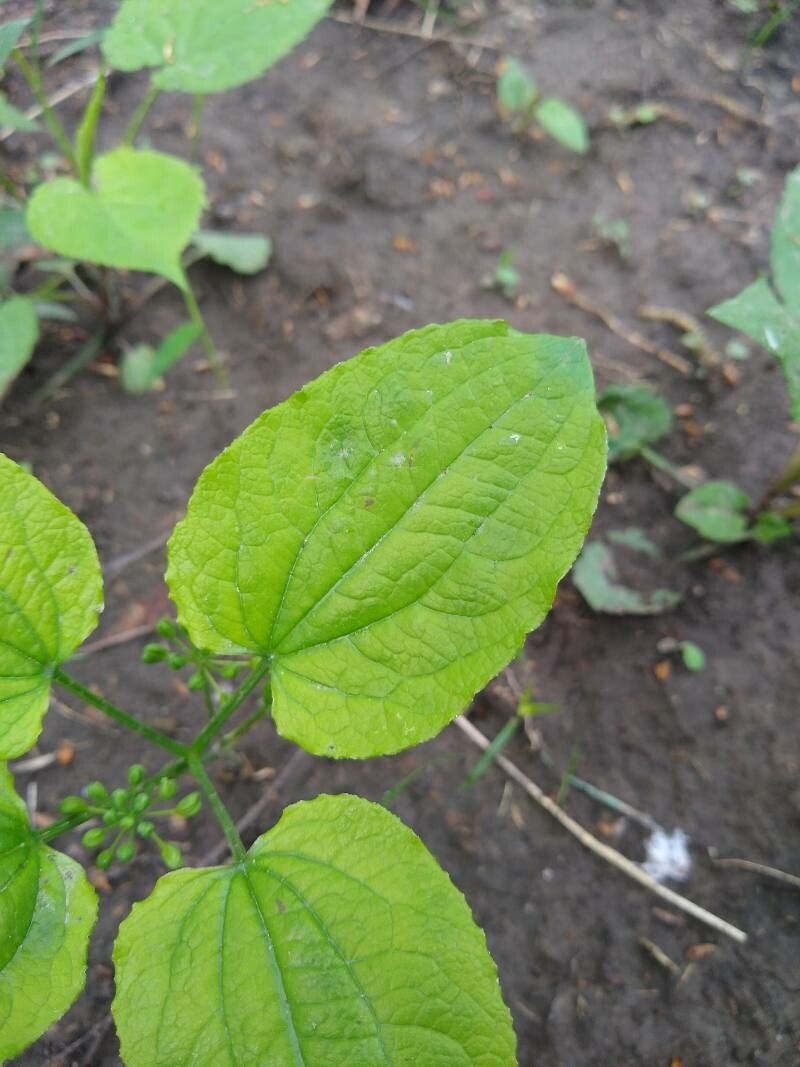
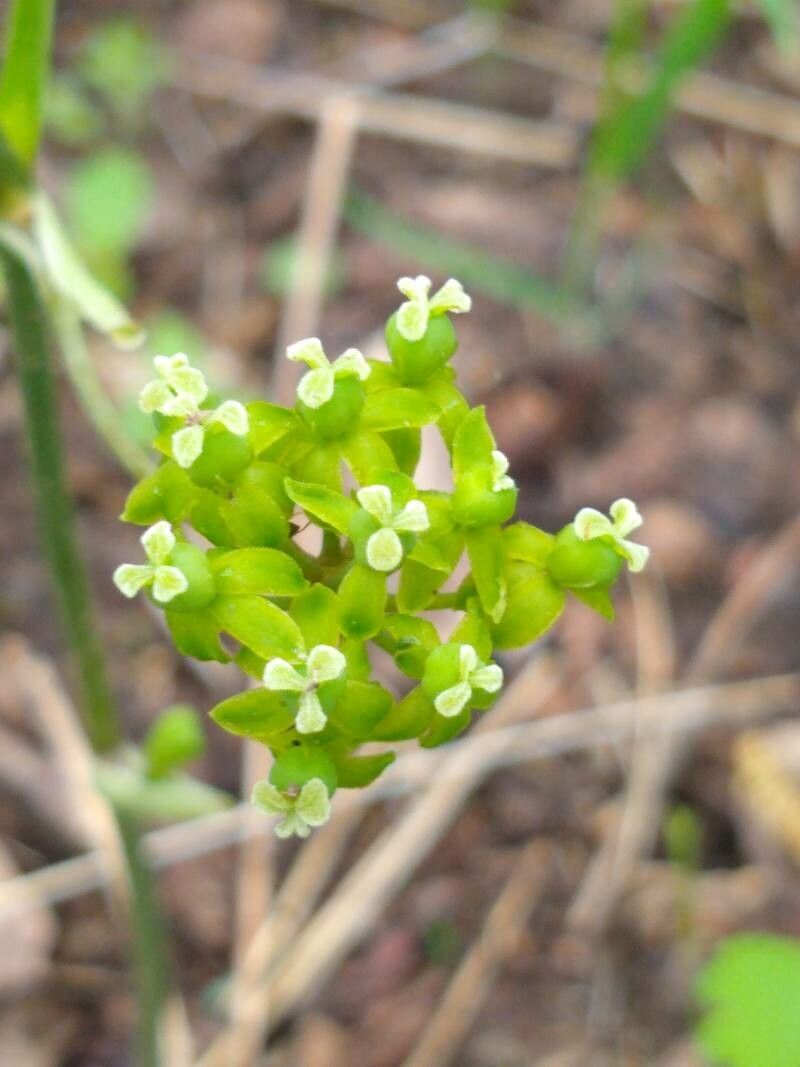
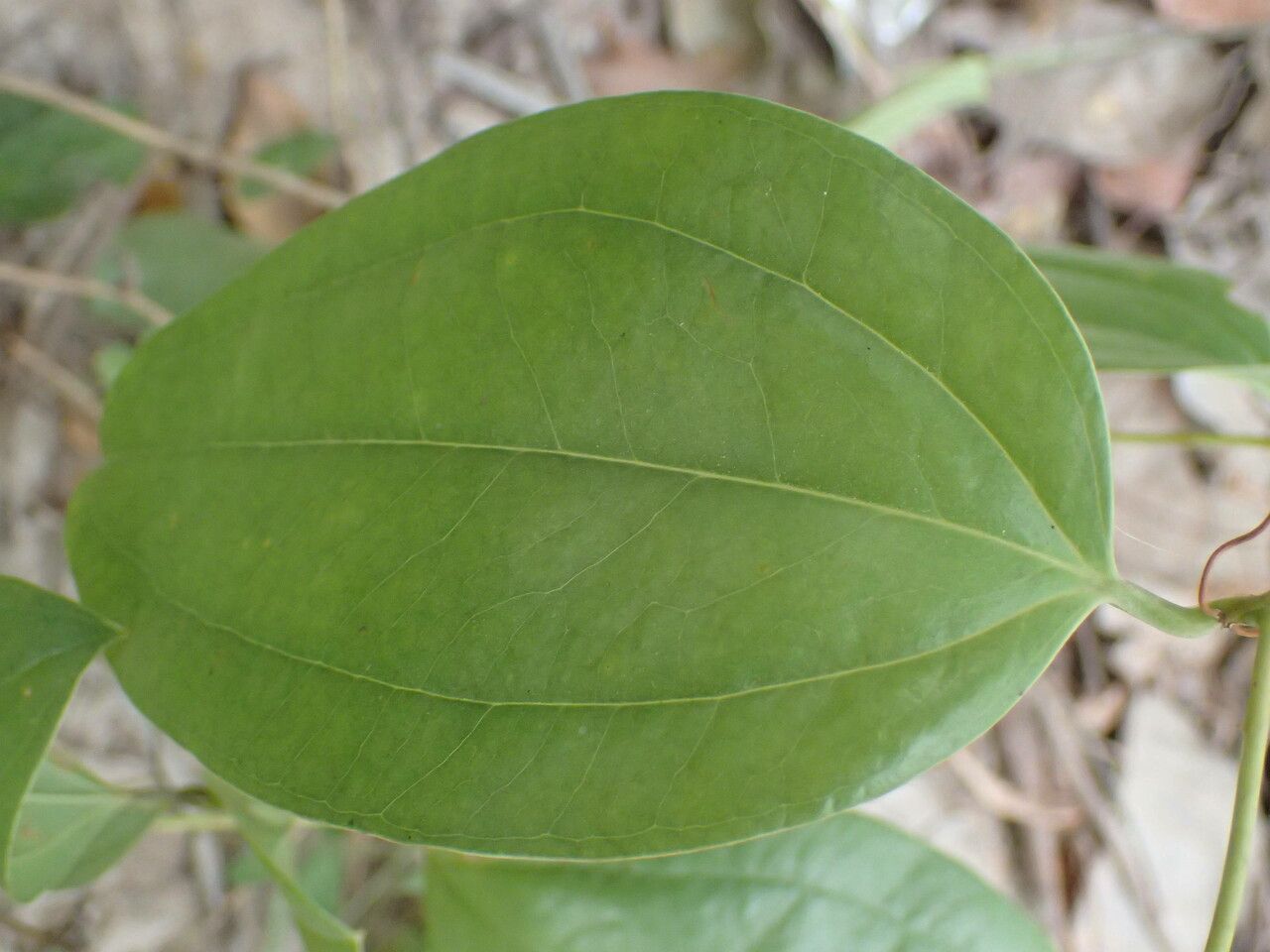
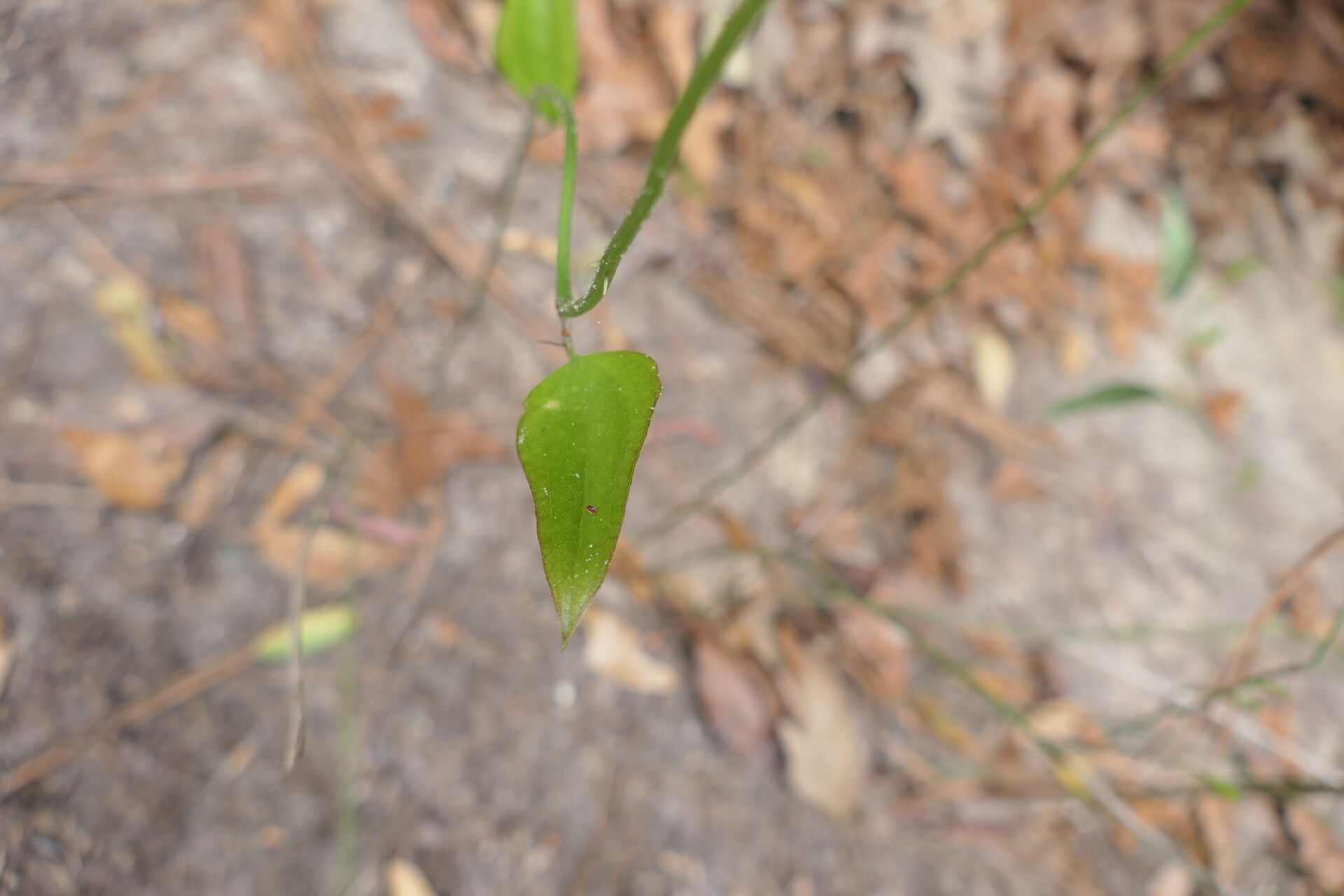
Smilax ecirrhata, the upright carrionflower, is a species of flowering plant in the Greenbriar family. It is native to Ontario and to the central United States (Great Lakes Region and Mississippi/Ohio/Missouri Valley). It is found in rich, calcareous forests along floodplains. It is an herbaceous plant that has green umbels of flowers in late spring.
Upright carrionflower has good resistance to disease and is generally not prone to illnesses. That said, it can be affected by pests and diseases present in its environment. These problems are typically not serious. For care, this plant needs moderate maintenance. It should be pruned regularly to keep a neat appearance and support healthy growth. Fertilizing can also encourage flowering. Upright carrionflower is suitable for anyone with outdoor space, such as a garden or patio, and does not demand extensive gardening experience. It may need extra attention when grown indoors.
How to keep Smilax Ecirrhata.
Light
The vertical carrionflower flourishes best with ample sunlight, although it can endure spells of decreased light. Its natural habitat is characterized by significant exposure to the sun, shaping its vigorous growth. Consistent interaction with sunlight is crucial at various growth phases. Too much or the lack of light could hamper its proper growth.
Water
The upright carrionflower thrives in environments with moderate moisture, preferring soil that stays consistently moist but not waterlogged. To maintain optimal hydration, it's best to water the plant weekly. When grown outdoors, the carrionflower benefits from natural rainfall, with its growth cycles influenced by seasonal rain patterns. This makes regular, balanced irrigation essential.
Temperature
The upright carrionflower is indigenous to areas where the usual temperature fluctuates between 41 and 89.6 degrees Fahrenheit (5 to 32 degrees Celsius). It thrives best in a comparatively cool climate. Therefore, modify the temperature controls accordingly throughout the seasons to imitate its original environment.
Fertilizer
Typically, a solitary fertilization in the spring is adequate for Upright carrionflower. However, for optimal growth, nourishing the plant numerous times is recommended. Aim to do so every four to six weeks. This fertilization enriches the appearance and performance of the foliage, contributing to a regular hue and robust texture. Moreover, it also triggers the expansion of the roots and intake of nutrients, which lays the foundation for sustained plant vitality.
Pruning
The upright carrionflower is an herbaceous vine with small greenish flowers and a naturally upright growth pattern. To maintain its health and appearance, prune it from early to late spring to remove dead stems, control its height, and improve air circulation. Regular pruning encourages denser foliage, decreases the risk of disease, and highlights the natural beauty of the upright carrionflower.
Botanical profile.
- Plant Type
- Herb, Vine
- Life Cycle
- Perennial
- Genus
- Smilax
- Family
- Smilacaceae
- Hardiness Zone
- 4-8
- Mature Height
- 15 cm to 76 cm
- Mature Spread
- 30 cm to 61 cm
- Leaf Color
- Green, Dark Green
- Leaf Type
- Deciduous
- Flower Color
- Yellow, Green
- Flower Size
- 2.54 cm
- Bloom Time
- Mid spring, Late spring
- Planting Time
- Spring, Summer
- Harvest Time
- Late summer, Early fall, Mid fall
Other names.
Reader questions.
What are the sunlight requirements for Upright Carrionflower?
Upright Carrionflower requires full sun exposure, which means it should receive above 6 hours of sunlight daily. However, it can also thrive in partial sun, getting about 3-6 hours of sunlight. It's important to observe how sunlight moves through your garden to find spots that offer a balance of light and shade, ensuring the plant's health and happiness. Originally from habitats with ample sun, consistent exposure at different growth stages is essential for the plant's heartiness. Too much or too little light can affect its development adversely.
What is the native climate for Upright Carrionflower?
The Upright carrionflower, botanically known as Smilax ecirrhata, thrives in its native habitat where the average temperature ranges from 41 to 89.6 °F (5 to 32 °C). It is well-suited to a relatively cool climate, indicating its preference for environments that mimic these temperature conditions. To cultivate this plant successfully, gardeners should adjust their temperature settings accordingly across different seasons to replicate the plant's natural habitat as closely as possible.
How can artificial lighting be used for Upright Carrionflower?
When natural sunlight is insufficient, particularly in less sunny spaces or during winter, artificial lights can be a vital solution for the growth of indoor Upright Carrionflowers. LED lights are a popular choice as they can provide specific wavelengths needed by the plant. For full sun plants, 30-50W/sq ft of artificial light is needed, 20-30W/sq ft for partial sun plants, and 10-20W/sq ft for full shade plants. The light source should be placed 12-36 inches above the plant, mimicking natural sunlight as closely as possible. Most plants will require 8-12 hours of light per day to thrive.
How does Upright Carrionflower handle cold temperatures?
Upright carrionflower possesses strong cold resistance, which usually negates the need for special frost protection measures during the winter season. However, in extremely cold climates where temperatures are expected to plummet below -30°C, providing some form of cold protection is crucial. This protection can be offered by covering the plant with insulating materials such as soil or straw. Moreover, it is advisable to water the plant abundantly before the first freeze in autumn, ensuring the soil is moist when it freezes. This preparation helps in preventing drought and water scarcity for the plant during the winter and early spring months.
What are the symptoms of incorrect lighting for Upright Carrionflower?
Symptoms of incorrect lighting for Upright Carrionflower include small or lighter-colored new leaves, leggy or sparse growth, faster leaf drop, slower or no new growth, chlorosis, sunscald, leaf curling, wilting, and leaf scorching. These symptoms arise when the plant is either overexposed to sunlight or does not receive enough light. For optimal health, the plant should be placed in a location where it can get the right amount of sunlight, avoiding the extremes that lead to these symptoms.
What should be done if Upright Carrionflower experiences temperatures below -25°C?
Upright carrionflower is known for its cold-tolerance, thriving best when temperatures stay above 5°C. During winter, it's important to keep the plant's environment above -25°C to prevent damage. If temperatures fall below -30°C, the plant may show no noticeable changes during the winter but could experience decreased sprouting or fail to sprout in the spring. In such cases, the recommended course of action in the spring is to remove any parts of the plant that have failed to sprout, to encourage new growth and maintain the health of the plant.
What are the solutions for Upright Carrionflower experiencing light-related issues?
For indoor Upright Carrionflowers experiencing light-related issues, gradually increase sunlight exposure by moving the plant weekly towards a sunnier spot, aiming for at least 6 hours of direct sunlight daily. Keep curtains open during the day for maximum exposure and use artificial lights if necessary. For outdoor plants, ensure a gradual adjustment to sunlight to prevent sunburn. Improve sunlight access by reducing obstructions and consider transplanting smaller plants to sunnier locations, especially during their dormant period for the best growth outcomes. Remember, parts of the plant already damaged by insufficient light may not recover, but new growth should be healthy with improved light conditions.
How should Upright Carrionflower be cared for during high temperatures?
During the hotter months, special care should be taken to ensure that Upright carrionflower is kept in conditions below 32°C to prevent heat stress. High temperatures exceeding 35°C can lead to the plant's leaves becoming lighter in color, curling, and becoming susceptible to sunburn. In severe cases, this can result in the entire plant wilting and drying out. To mitigate these effects, gardeners should trim away sunburned and dried-up parts of the plant, move it to a shaded location away from direct midday and afternoon sun, or use a shade cloth. Additionally, watering the plant in the morning and evening helps keep the soil moist and supports the plant's overall health during periods of high heat.