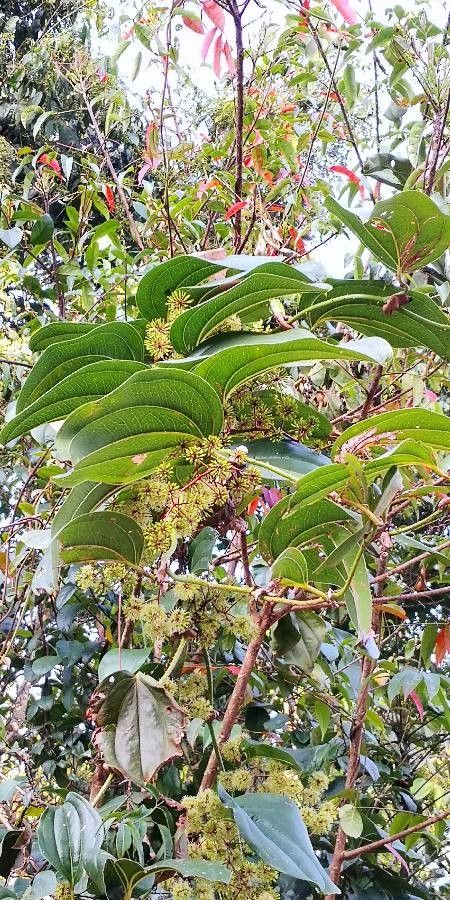
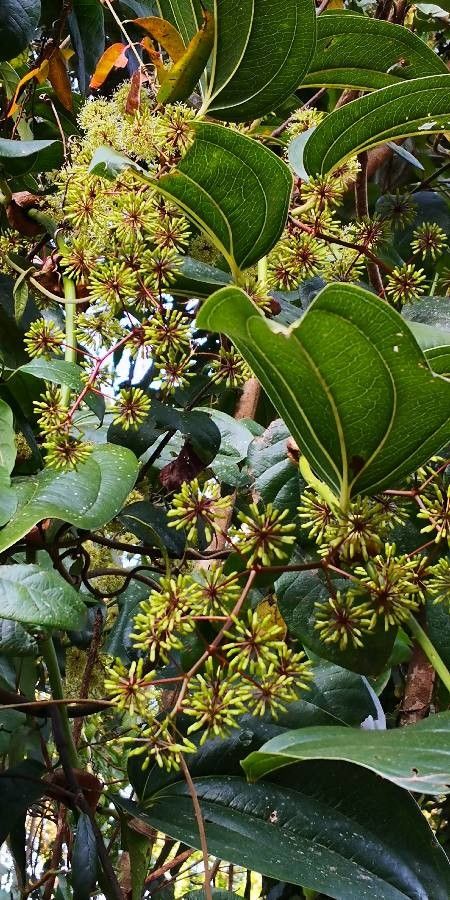
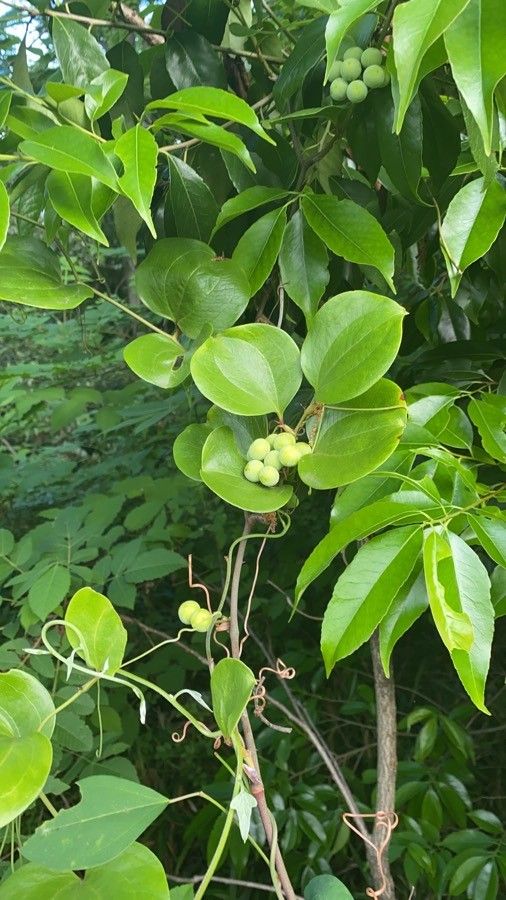
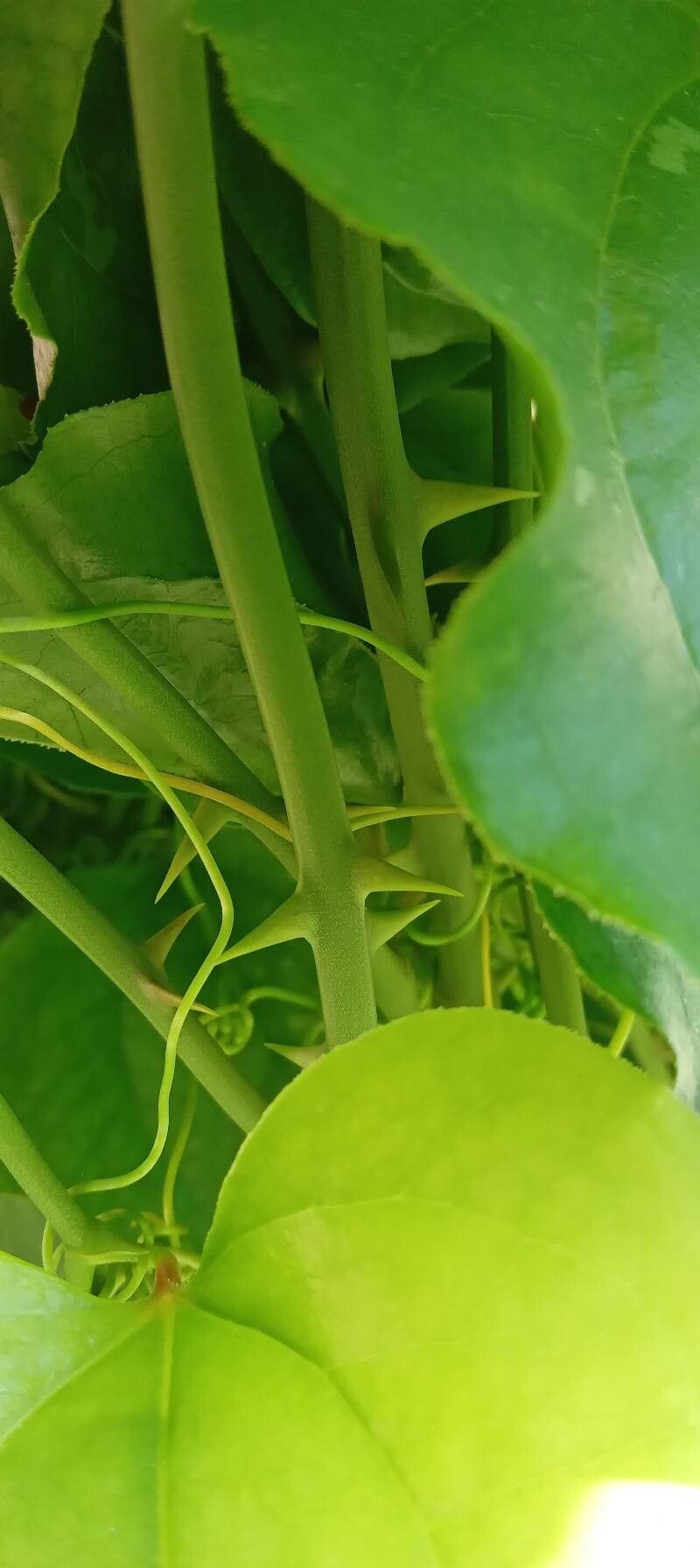
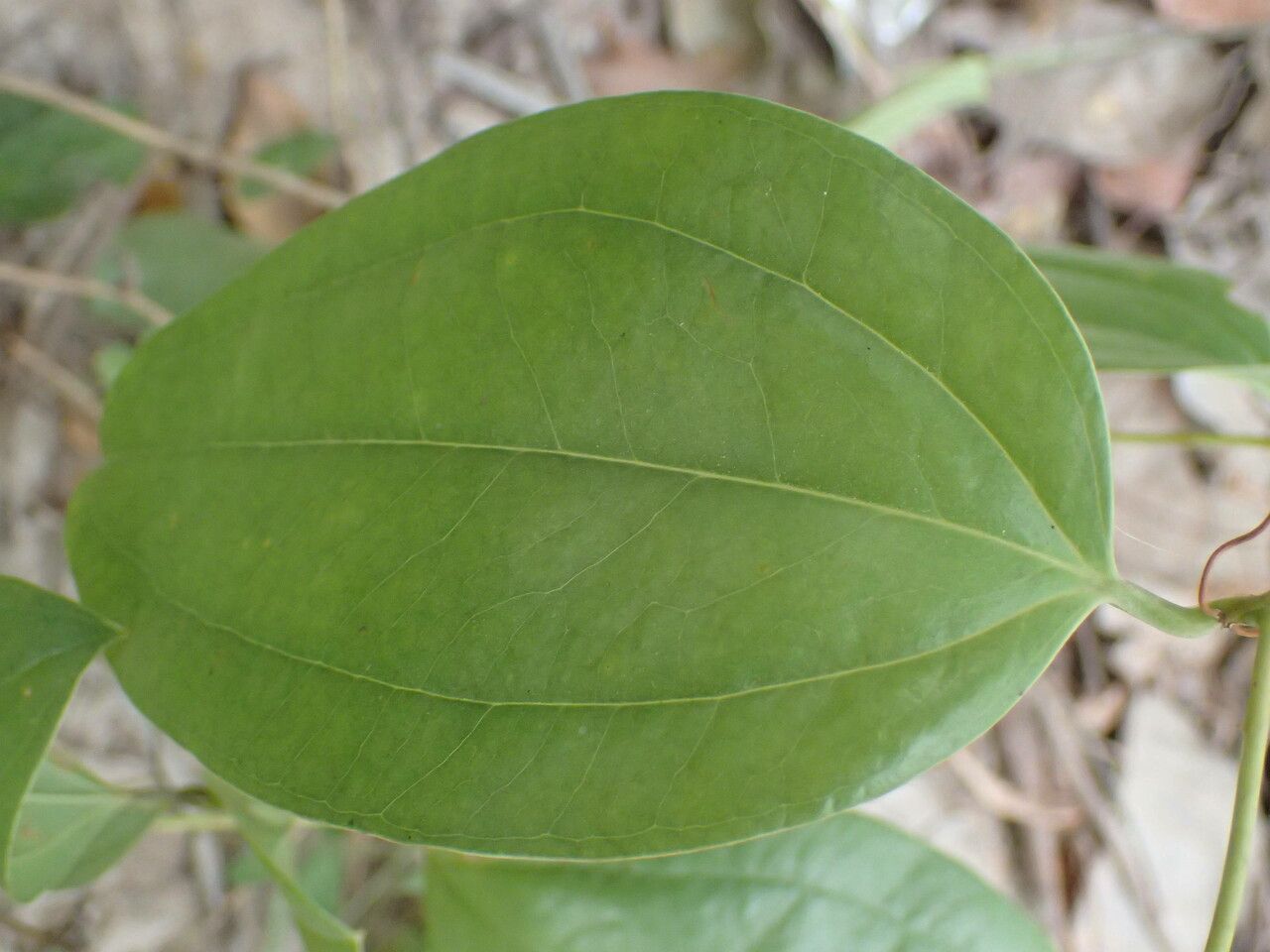
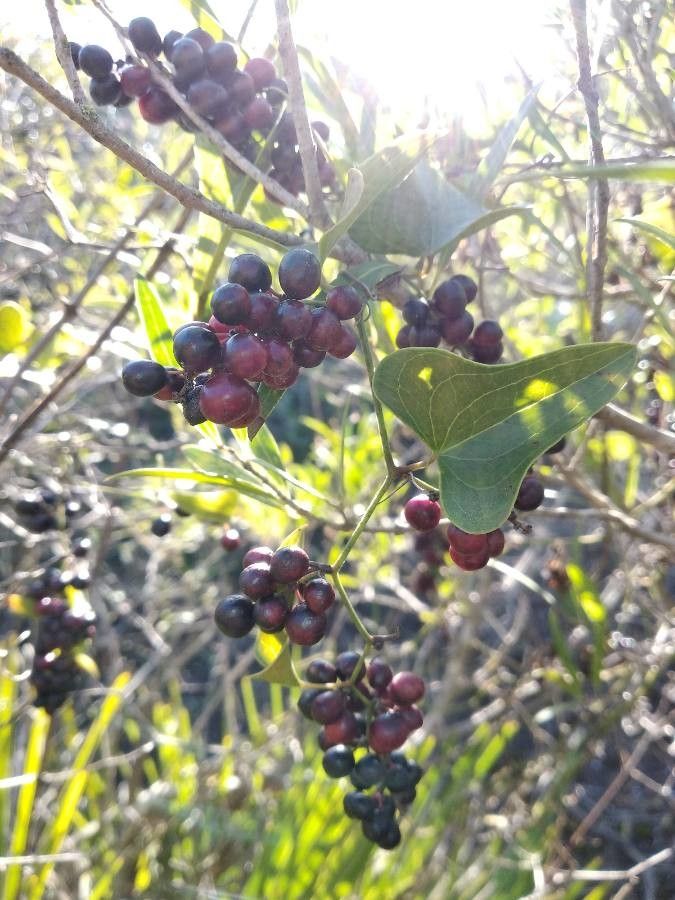
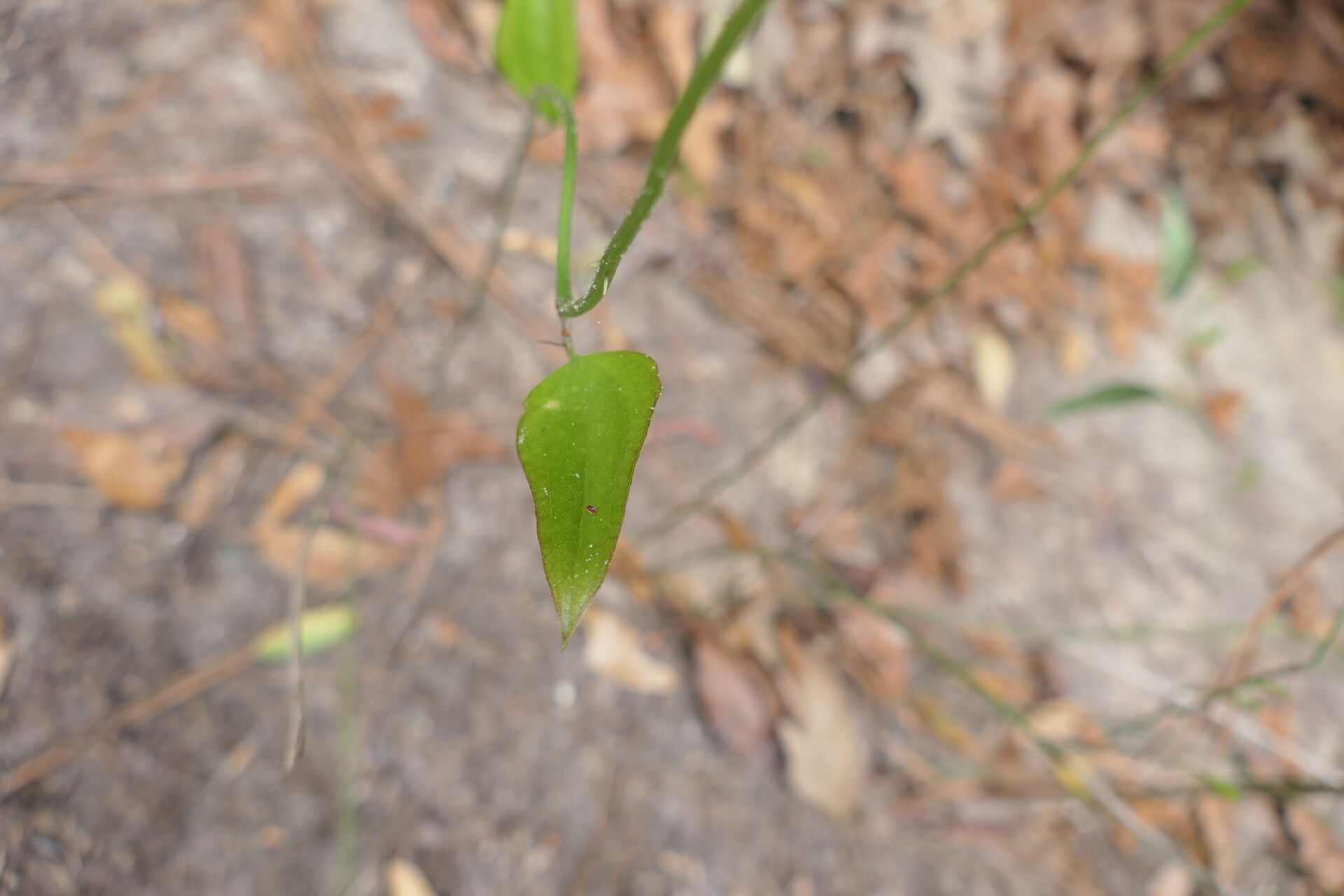
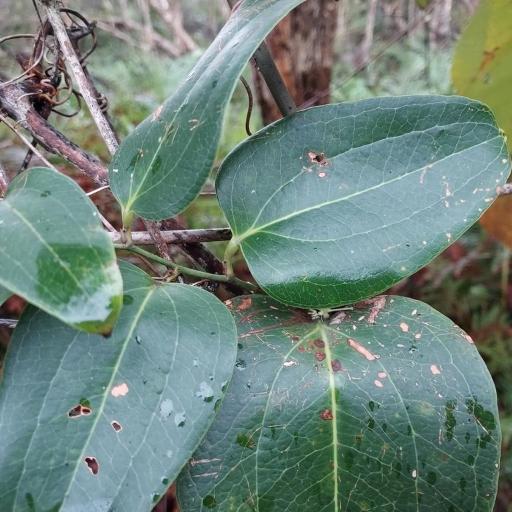
Smilax china is a climbing plant species in the genus Smilax. It is native to China, Korea, Taiwan, Japan (including Ryukyu and Bonin Islands), Philippines, Vietnam, Thailand, Myanmar, and Assam. Common names for the plant include China root.
China root has strong resistance to disease and is generally not susceptible to illnesses. In terms of care, this plant is fairly low-maintenance. When planted outdoors it needs only minimal watering, and larger specimens typically do not require pruning. However, smaller plants should be pruned after they finish blooming. China roott is suitable for anyone who has an outdoor area, such as a garden or a deck, and does not need extensive care experience.
How to keep Smilax China.
Light
China root grows best in full sun all day, though it can survive in places that receive only a portion of daily sunlight. Excessive shade can slow its growth, while too much sun may stress the plant. Native to woodlands, it prefers a balanced amount of sun exposure.
Water
The China root plant thrives in humid environments within the understory, but it can tolerate both wet and dry conditions. It requires watering every three weeks. As an evergreen, this plant flourishes indoors when provided with stable temperatures and indirect light. Regular misting is beneficial to maintain the desired humidity levels.
Temperature
China root naturally prefers environments with temperatures of 41 to 95 °F (5 to 35 ℃). It grows best in those locales. When cultivated in different climates, seasonal adjustments to temperature, such as providing shade during high temperatures, can be beneficial.
Fertilizer
To encourage healthy growth, feed your China root in early spring. Regular feeding boosts overall health, leading to vigorous growth, greater tolerance of difficult conditions, and increased resistance to pests and diseases. Follow a consistent fertilization schedule for your China root to maintain vibrant foliage with rich color and a full, lush look.
Pruning
China root is a hardy climbing vine known for its lush foliage. To maintain its health and appearance, it's best to prune it in early spring. This allows you to remove dead branches, shape the plant, and stimulate new growth. Additionally, thinning out dense areas can improve air circulation, which helps prevent disease and enhances both the visual appeal and overall health of the plant.
Botanical profile.
- Plant Type
- Vine
- Life Cycle
- Perennial
- Genus
- Smilax
- Family
- Smilacaceae
- Hardiness Zone
- 5-9
- Mature Height
- 0.91 m to 4.88 m
- Mature Spread
- 2.13 m to 4.88 m
- Leaf Color
- Green, Dark Green
- Leaf Type
- Deciduous
- Flower Color
- Yellow, Green
- Flower Size
- 0.51 cm to 0.76 cm
- Bloom Time
- Mid spring, Late spring
- Planting Time
- Spring, Summer, Autumn
- Harvest Time
- Late summer, Early fall, Mid fall
- Native Area
- Cambodia, Vietnam, Myanmar, Japan, Philippines, Koppen, Laos, South Korea, Thailand, China
Other names.
Reader questions.
What are the sunlight requirements for China root?
China root flourishes best under full sun exposure throughout the day, requiring more than 6 hours of sunlight, but it can also tolerate partial sun, with about 3-6 hours of sunlight. However, excessive shade can negatively impact its growth, while too much direct sunlight could stress the plant.
What is the ideal temperature range for China root?
China root ideally thrives in environments with temperatures ranging from 41 to 95 °F (5 to 35 °C). It is naturally comfortable and grows best within these temperature ranges. Seasonal adjustments, such as providing shade during higher temperatures, can be beneficial for its growth in climates different from its optimal range. This plant also exhibits strong cold resistance, meaning special frost protection measures are not usually necessary during winter. However, exceptional cases where winter temperatures drop below -25°C require cold protection, typically achieved by wrapping the trunk and branches with insulative materials like non-woven fabric or cloth. Moreover, it's advisable to water the plant abundantly before the first freeze of autumn to keep the soil moist, helping prevent drought and water scarcity during the colder months.
What is the importance of lighting for indoor China root plants?
Indoor China root plants need adequate lighting to ensure optimal growth. When natural sunlight is insufficient, especially during winter or in areas receiving less sunlight, artificial lighting becomes crucial. LED lights are a popular choice as they can be customized to provide specific wavelengths needed by plants. Full sun plants require 30-50 watts per square foot, partial sun plants need 20-30 watts per square foot, and full shade plants require 10-20 watts per square foot of artificial light. It's important to place the light source 12-36 inches above the plant for sufficient coverage and mimic natural daylight hours, usually providing 8-12 hours of light per day.
How does China root react to low temperatures, and what are the recommended solutions?
China root is notably cold-tolerant, capable of thriving in temperatures above 5°C and sustaining conditions above -20°C during winter. However, when temperatures fall below -25°C, while there might not be immediate visible damage during winter, the plant's branches can become brittle and dry, leading into spring. This leads to branches that fail to produce new shoots in the spring. The recommended solution for this is to prune away any dead branches that have failed to generate new leaves come spring, encouraging healthier growth and resilience in the plant.
What are the common symptoms of inadequate lighting for China root?
China root may exhibit several symptoms when it does not receive enough light, including smaller new leaves, leggy or sparse growth, faster leaf drop, slower or halted growth, lighter-colored new leaves, and symptoms of excessive light exposure such as chlorosis, sunscald, leaf curling, wilting, and leaf scorching. These symptoms indicate stress from inadequate lighting or excessive sunlight.
How does China root respond to high temperatures, and how can you mitigate these effects?
During the summer, it's crucial to ensure China root's temperature remains below 35°C. Exposing the plant to temperatures above 38°C can result in its leaves becoming lighter in color, along with the tips turning dry and withered. Such conditions also make the plant more susceptible to sunburn. To mitigate these effects, it is advisable to trim away the sunburned and dried-up parts of the plant. Additionally, relocating the plant to an area that offers shade during the midday and afternoon sun or using a shade cloth can help. Ensuring the plant is watered in the morning and evening will keep the soil moist, further protecting the plant from the stress of high temperatures.
How can I address light-related issues with my indoor China root plant?
To address lighting issues for indoor China root plants, gradually increase their exposure to sunlight or artificial light. If using natural light, move the plant to a sunnier spot, ideally near a south-facing window, ensuring at least 6 hours of direct sunlight daily. Keep curtains open during the day for maximum exposure. If the plant is large or not easily movable, utilize artificial grow lights, keeping them on for at least 8 hours a day to supplement light.
What are the strategies for improving sun exposure for outdoor China root plants?
For outdoor China root plants struggling with light exposure, gradually acclimate them to sunnier locations by moving them each week to avoid sunburn. If trees or other obstructions limit sunlight, consider pruning to improve light penetration. For smaller plants, transplanting during their dormant period, typically late winter or early spring, to a location with ample sunlight and good drainage can significantly enhance their growth.