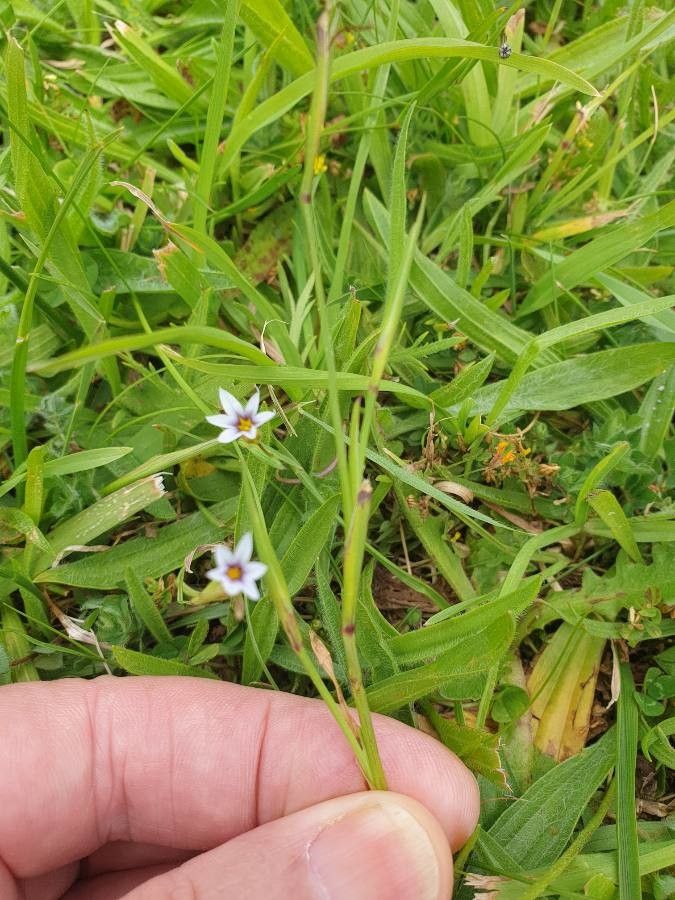
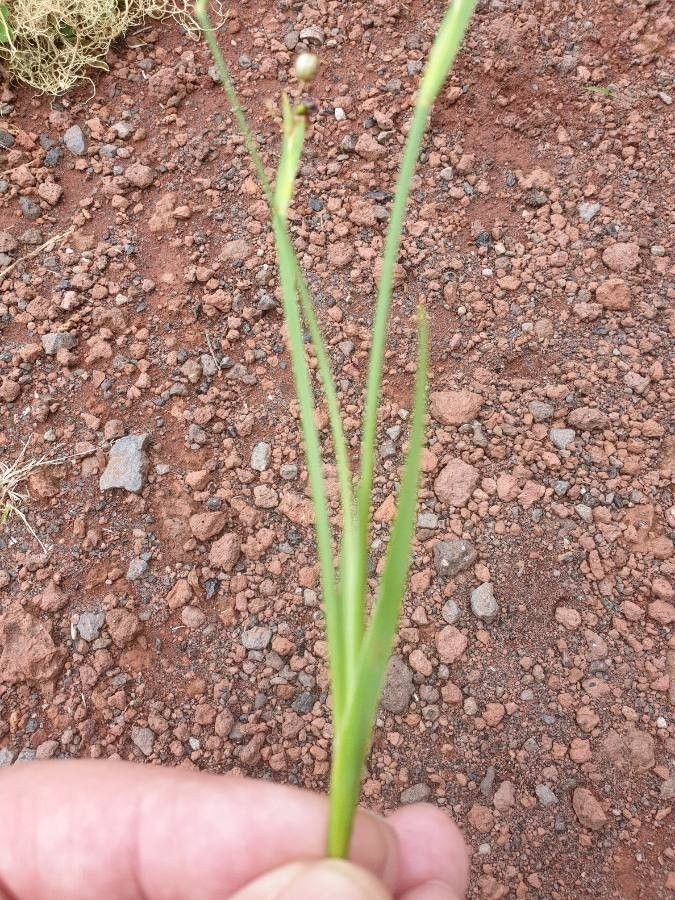
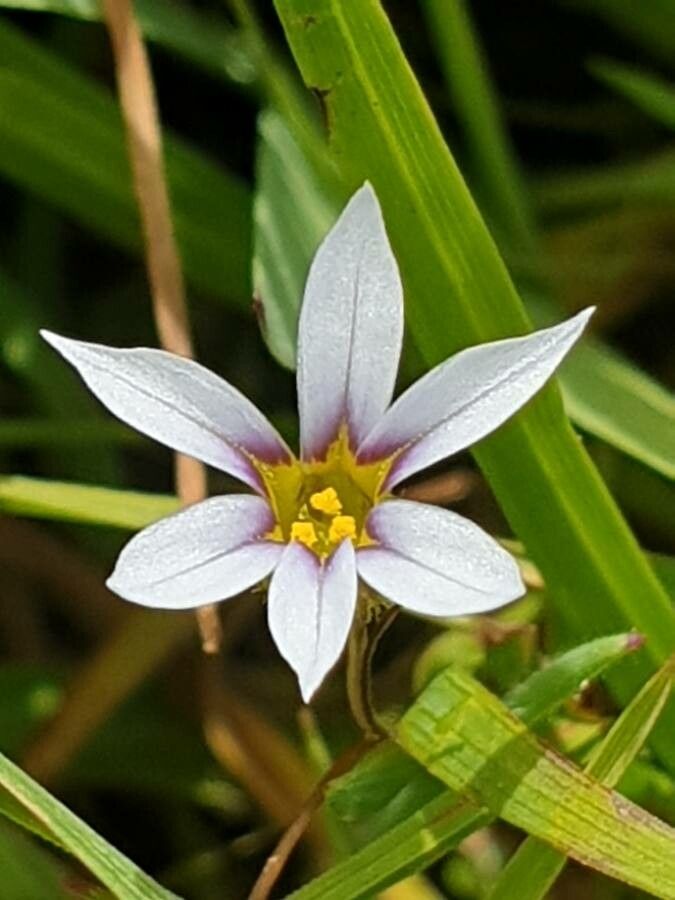
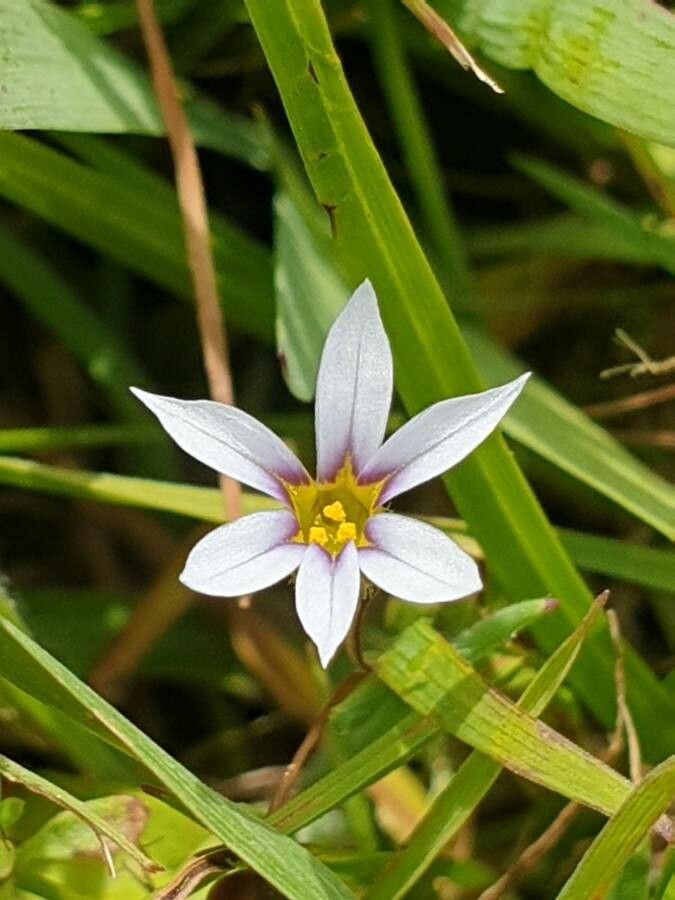
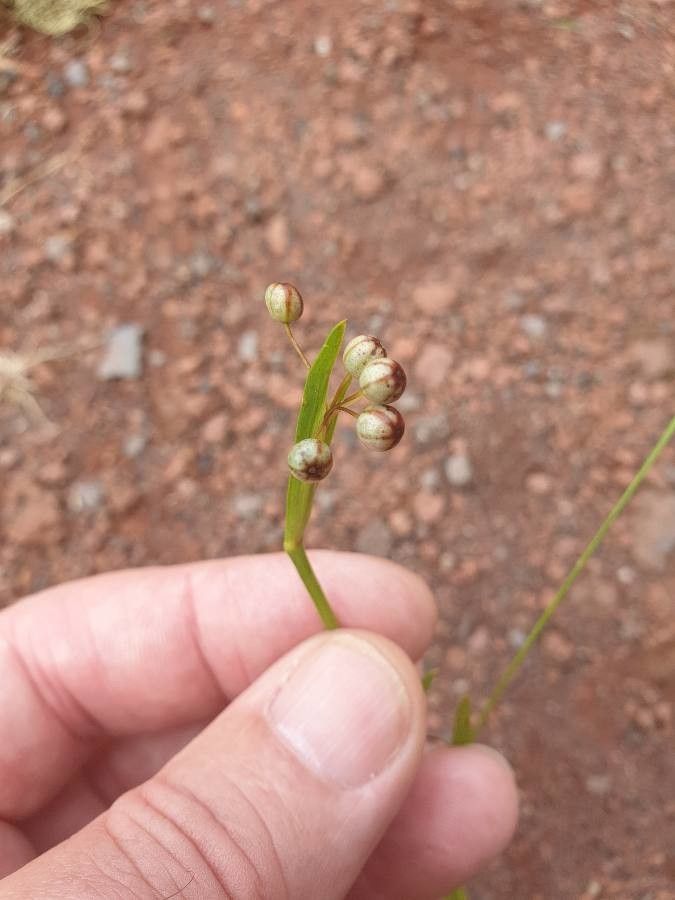
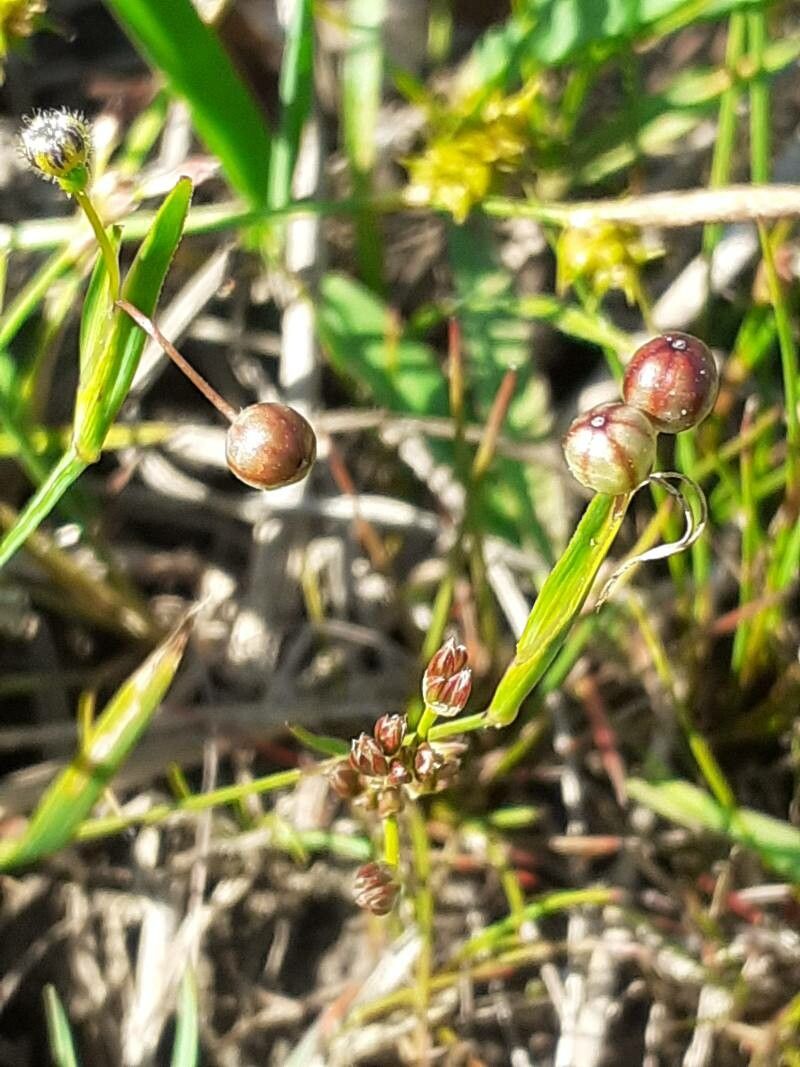
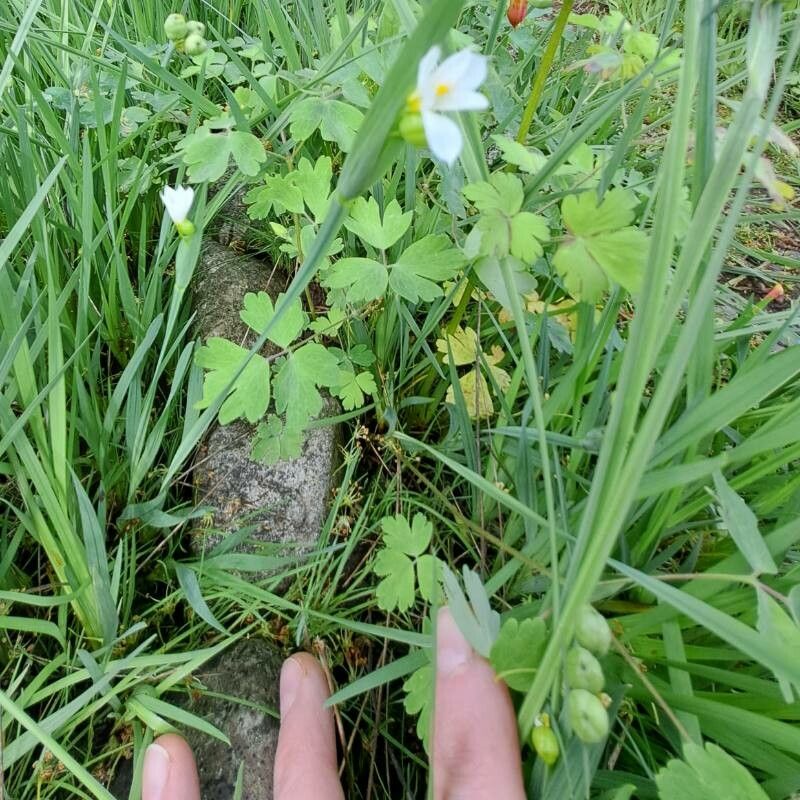
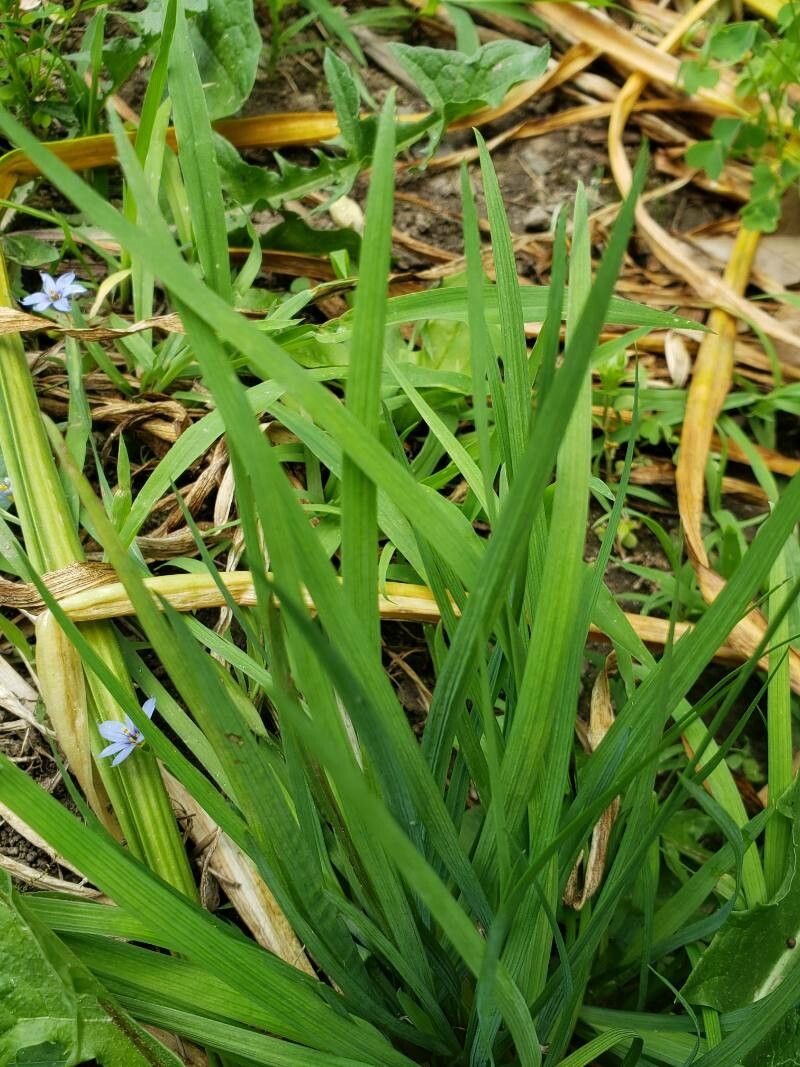
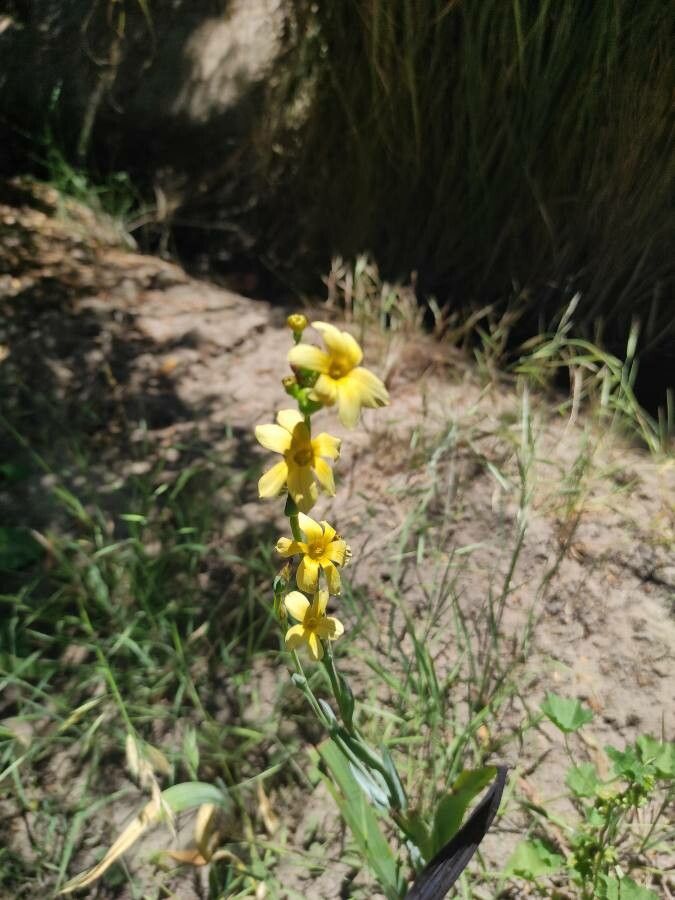
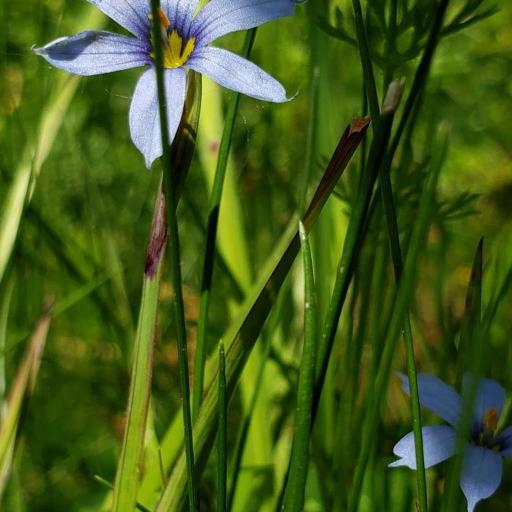
Sisyrinchium rosulatum, commonly known as annual blue-eyed grass and fairy star, is a species of wildflower. It is a member of the iris family (Iridaceae). It grows in the southeastern United States and Hawaii. A deciduous annual, it grows in dry coastal plains growing to about 1–3 feet (0.30–0.91 m) high and having blooms in various colors. The species may overlap with Sisyrinchium micranthum.
Annual Blue-Eyed Grass exhibits good resistance to disease and is generally not vulnerable to illnesses. However, it can be affected by pests and diseases present in its environment. These problems are usually mild. For care, this plant requires moderate maintenance. It should be pruned regularly to preserve a neat appearance and healthy growth. Fertilizing can also encourage flowering. Annual Blue-Eyed Grass is appropriate for anyone with outdoor space, such as a garden or patio, and does not demand extensive care experience. It may need increased attention when grown indoors.
How to keep Sisyrinchium Rosulatum.
Light
The annual Blue-Eyed Grass needs plenty of sunlight, flourishing with steady, abundant sun for best growth. Its native habitat has given it a flexible trait, so it can also tolerate reflected light. Too much or too little sun can interfere with its ability to bloom.
Water
Originating from environments with varying moisture levels, annual Blue-Eyed Grass thrives with a moderate watering schedule of once every 1–2 weeks, which helps maintain evenly moist soil. Typically grown outdoors, this plant is well-suited to temperate climates where it can benefit from a balance of wet and dry seasons, and it can also withstand short periods of dryness.
Temperature
Annual Blue-Eyed Grass is native to habitats with temperatures between 68 and 100 °F (20 to 38 °C). It grows well in these warm conditions, and any sudden change in temperature outside that range may call for necessary adjustments.
Fertilizer
Once Annual Blue-Eyed Grass has opened most of its blooms to full size, resume fertilizing. When blooms are at peak production, apply fertilizer every three to four weeks, as the weather allows. Then, after Annual Blue-Eyed Grass begins to produce fewer new blooms, stop fertilizing; there's no need to feed the plant when it can no longer generate more blooms.
Pruning
Annual Blue-Eyed Grass is characterized by its delicate blue flowers and grass-like leaves. To promote healthy growth, prune it from early to late spring, but avoid heavy cutting while it is in bloom. Regularly trim any dead leaves, and shear the plant back to ground level to encourage new growth. Make sure to use clean, sharp tools to prevent any damage.
Botanical profile.
- Plant Type
- Herb
- Life Cycle
- Annual, Perennial, Biennial
- Genus
- Sisyrinchium
- Family
- Iridaceae
- Hardiness Zone
- 7-11
- Mature Height
- 30 cm
- Mature Spread
- 30 cm to 91 cm
- Leaf Color
- Green
- Leaf Type
- Evergreen
- Flower Color
- Yellow, White
- Flower Size
- 0.76 cm to 1.02 cm
- Bloom Time
- Late spring, Early summer, Mid summer
- Planting Time
- Spring, Summer
- Harvest Time
- Early summer, Mid summer
- Native Area
- Mexico
Other names.
Reader questions.
How should I water my Annual Blue-Eyed Grass in the best way?
When growing Annual Blue-Eyed Grass as a lawn, there are specific ways to water it. One option is to use a hose with a spray nozzle attachment, but the better choice is to set up a sprinkler system. For optimal watering, consider using a sprinkler system with a timer to ensure the right amount of water at the right time. When watering, use cool or room temperature water and it's recommended to water in the morning. This allows the water to soak into the soil and any excess moisture can evaporate with the daily sunlight.
Why should I put plant food on my Annual Blue-Eyed Grass?
Plants require nutrients to survive, and most gardeners understand this. In the case of Annual Blue-Eyed Grass, it is especially important to provide the right nutrients in the proper amounts. Without proper nutrition, this plant will die soon after pollination. Additionally, fertilizer is beneficial for building a strong root system, which is vital for Annual Blue-Eyed Grass since its roots are thin and easily damaged. Fertilizing at planting helps establish a solid root structure, providing stability and setting the stage for beautiful flowers. Timely fertilization can also extend the flowering period of Annual Blue-Eyed Grass.
What are the sunlight requirements for Annual Blue-Eyed Grass?
Annual Blue-Eyed Grass thrives in conditions that provide full sun for over 6 hours of direct sunlight as well as enjoying indirect sunlight throughout the day. It is crucial to observe how sunlight moves through your garden to ensure the right balance of light and shade, promoting the plant's health and happiness. This plant's natural habitat has endowed it with the ability to adapt to various lighting conditions, including reflected light, which aids in its growth. However, an imbalance in sun exposure may hinder its blooming process.
What is the native environment for Annual Blue-Eyed Grass?
Annual Blue-Eyed Grass, botanically named Sisyrinchium rosulatum, thrives in environments where the temperature ranges between 68°F (20°C) and 100°F (38°C). These conditions are ideal for the plant, indicating its preference for warm climates. In such temperatures, the plant performs well, suggesting a need for adjustments if temperatures fall outside this preferred range.
What do I do if I give my Annual Blue-Eyed Grass too much or too little water?
If you accidentally overwater your Annual Blue-Eyed Grass, there are a few steps you can take to restore its health. One effective approach is to aerate your lawn, which will fix any compacted soil that might be preventing excess water from draining properly. It is also advisable to dethatch the grass in this situation. However, if you underwater your Annual Blue-Eyed Grass, the solution differs. In such cases, you should allow the grass to grow a bit longer before mowing, and give it a bit more water than before.
When should I fertilize my Annual Blue-Eyed Grass?
Annual Blue-Eyed Grass experiences rapid growth after the last frost. It is best to fertilize it during planting, when it is first put in the ground or in planters. This initial application of fertilizer will be sufficient until the blooms are fully grown later in the year. Once the plant is in full bloom, fertilize it every three to four weeks, as weather permits. However, once the plant begins to produce fewer new blooms, stop fertilizing as there is no need to continue when it cannot produce more blooms.
How does artificial lighting support the growth of Annual Blue-Eyed Grass indoors?
When natural sunlight is insufficient, particularly during winter or in less sunny spaces, artificial lights become a crucial solution for the growth of indoor plants like Annual Blue-Eyed Grass. LED lights are recommended as they can be customized to provide specific wavelengths needed for plant growth. Full sun plants need 30-50W per square foot, partial sun plants 20-30W per square foot, and full shade plants 10-20W per square foot of artificial light. The light source should be placed 12-36 inches above the plant, mimicking natural sunlight. Most plants benefit from 8-12 hours of light per day to ensure optimal growth.
Does Annual Blue-Eyed Grass require special frost protection measures?
Annual Blue-Eyed Grass has a strong resistance against the cold, which typically negates the need for special frost protection measures during winter seasons. However, in scenarios where winter temperatures are predicted to plunge below -15°C, it becomes crucial to provide cold protection to the plant. One can achieve this by covering the plant with insulating materials such as soil or straw. Moreover, it's recommended to water the plant abundantly before the first autumn freeze, helping to ensure the soil remains moist and enters a frozen state, which aids in preventing drought and water scarcity during the winter and the subsequent early spring.
How often should I water my Annual Blue-Eyed Grass plant?
The frequency of watering for your Annual Blue-Eyed Grass depends on where you live, the climate conditions, and the season. In cooler northern regions, watering once every 1-2 weeks is usually sufficient. In warmer southern regions, watering once a week is often necessary. However, if there is regular rainfall, you can adjust your watering schedule accordingly. Keep in mind that relying solely on rainfall may not be enough to keep the grass healthy. Additionally, during the summer when the grass enters a dormant period, it may still need some water to avoid drying out, but it won't require water for new growth.
When should I not add fertilizer to my Annual Blue-Eyed Grass?
Regular fertilizing is crucial for Annual Blue-Eyed Grass, but it's essential to apply it at the right time. There are specific situations where it's advisable to hold back on fertilizing. These circumstances are usually related to the climate, but they also include other factors that can be controlled. If something is wrong with the plant, soil, or climate, it's best to wait until the issue is resolved and the plant has recovered before applying fertilizer. For example, if there are sudden severe weather changes, such as a cold snap in the middle of summer, it's better to wait until it warms up again before fertilizing. Similarly, if the soil becomes too dry or compacted to absorb the fertilizer properly, it's best to avoid fertilizing as it will only reach the roots directly and may harm the plant. During the hottest parts of the day, when temperatures reach 90 degrees Fahrenheit or higher, it's advised not to apply fertilizer. This is because fertilizer breaks down at different rates depending on the temperature, and allowing it to break down too quickly in hot temperatures can be detrimental. Additionally, it's important to address any pest or disease issues before re-fertilizing the plant.
What are common symptoms of inadequate light in Annual Blue-Eyed Grass?
When Annual Blue-Eyed Grass does not receive enough light, it may show several symptoms indicating light deficiency. These symptoms include smaller new leaves, leggy or sparse growth, faster leaf drop, slower or no new growth, paler leaves indicating a lack of chlorophyll, chlorosis leading to yellowing leaves, sunscald, leaf curling as a defense against excessive sunlight, wilting from high water loss, and leaf scorching.
How does low temperature affect Annual Blue-Eyed Grass, and what are the solutions?
Annual Blue-Eyed Grass showcases strong cold tolerance, best thriving in temperatures above 20°C. It should be kept above 0°C during winter. Exposure to temperatures below -15°C might not show immediate effects during the winter, but it could lead to a decrease in sprouting or even prevent sprouting altogether come springtime. To manage this, in spring, any parts of the plant that have failed to sprout should be removed as part of the recovery process.