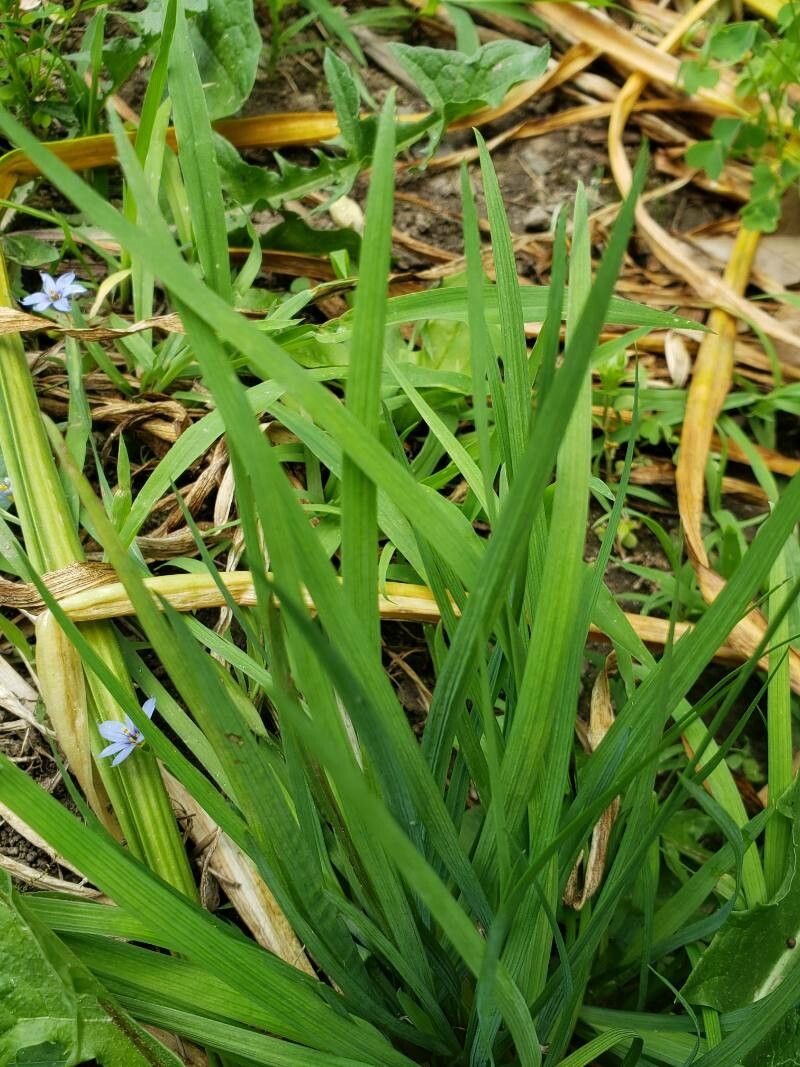
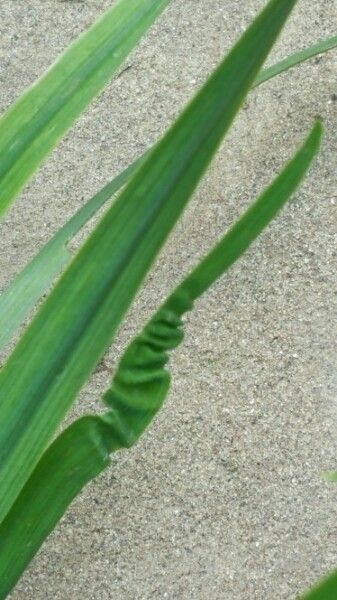
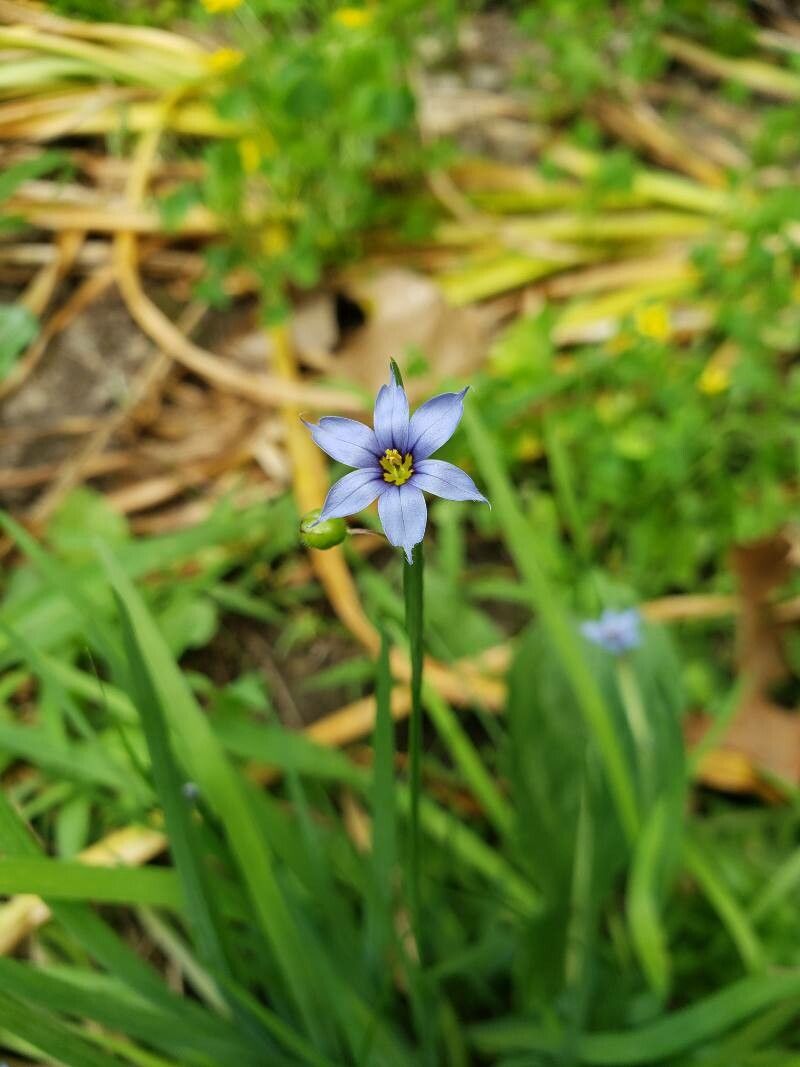
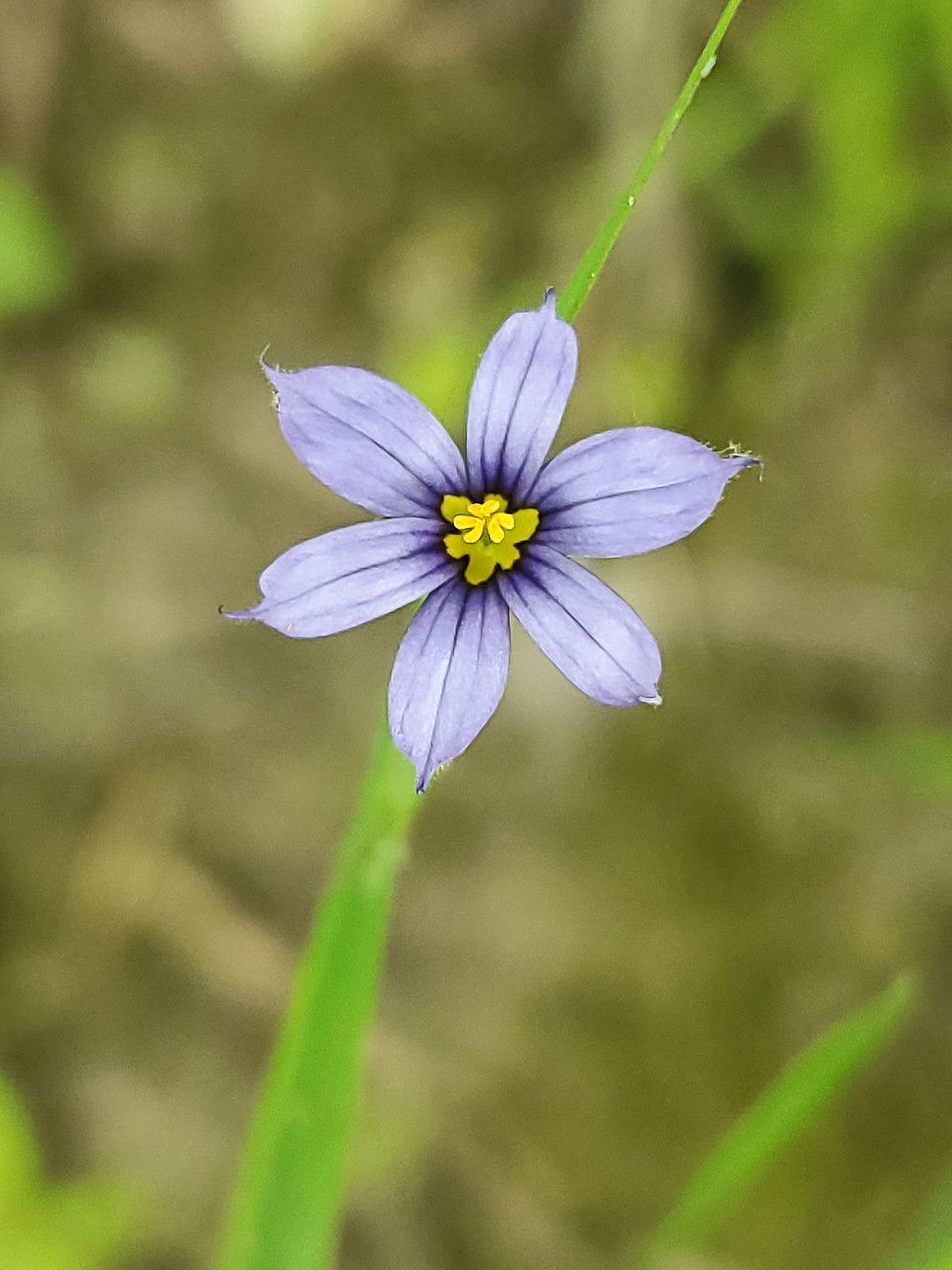
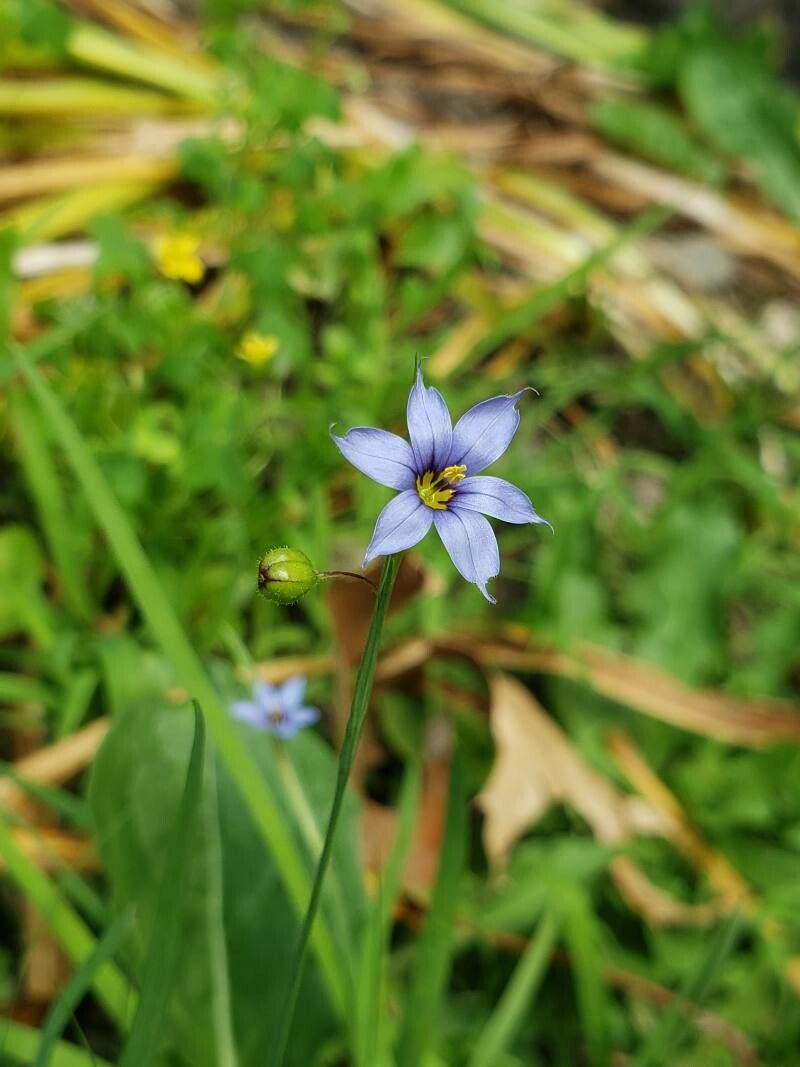
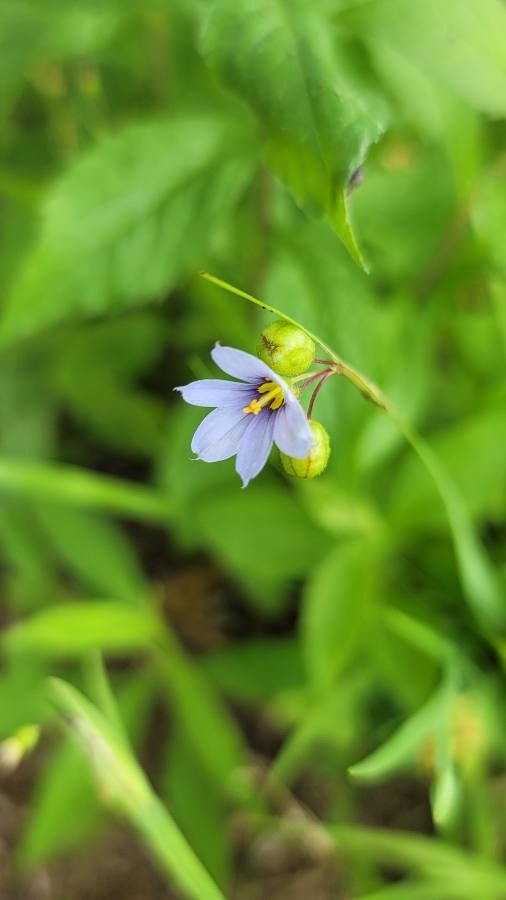
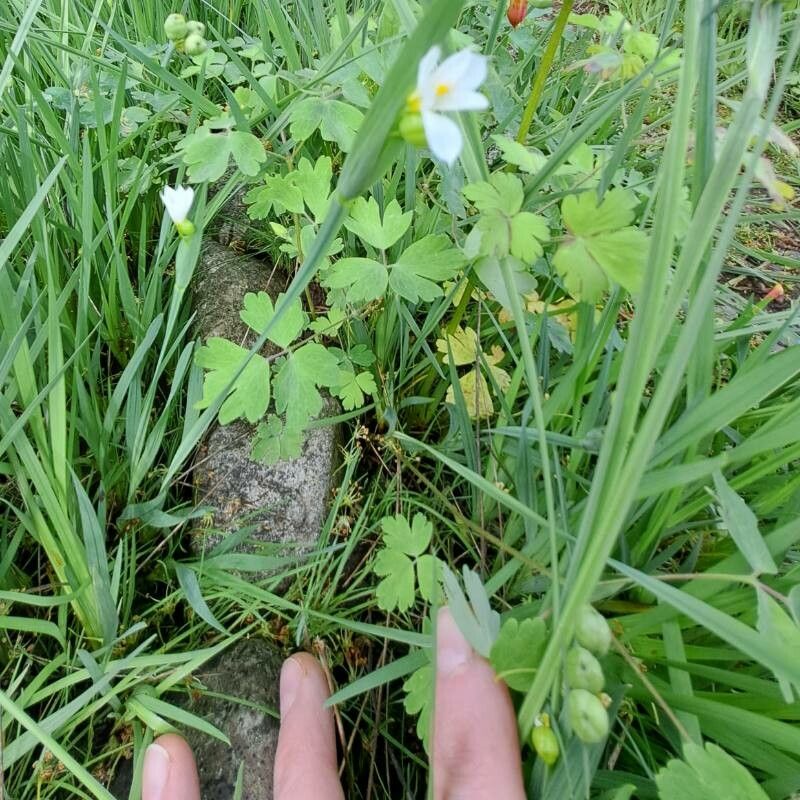
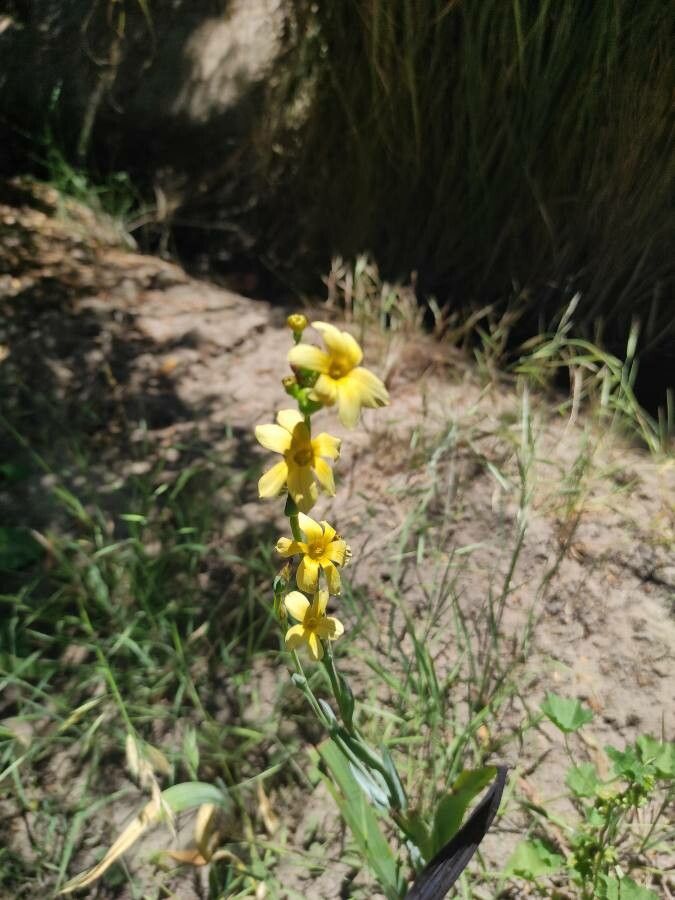
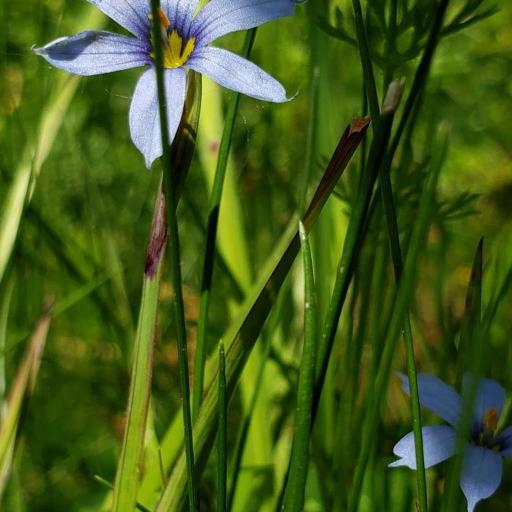
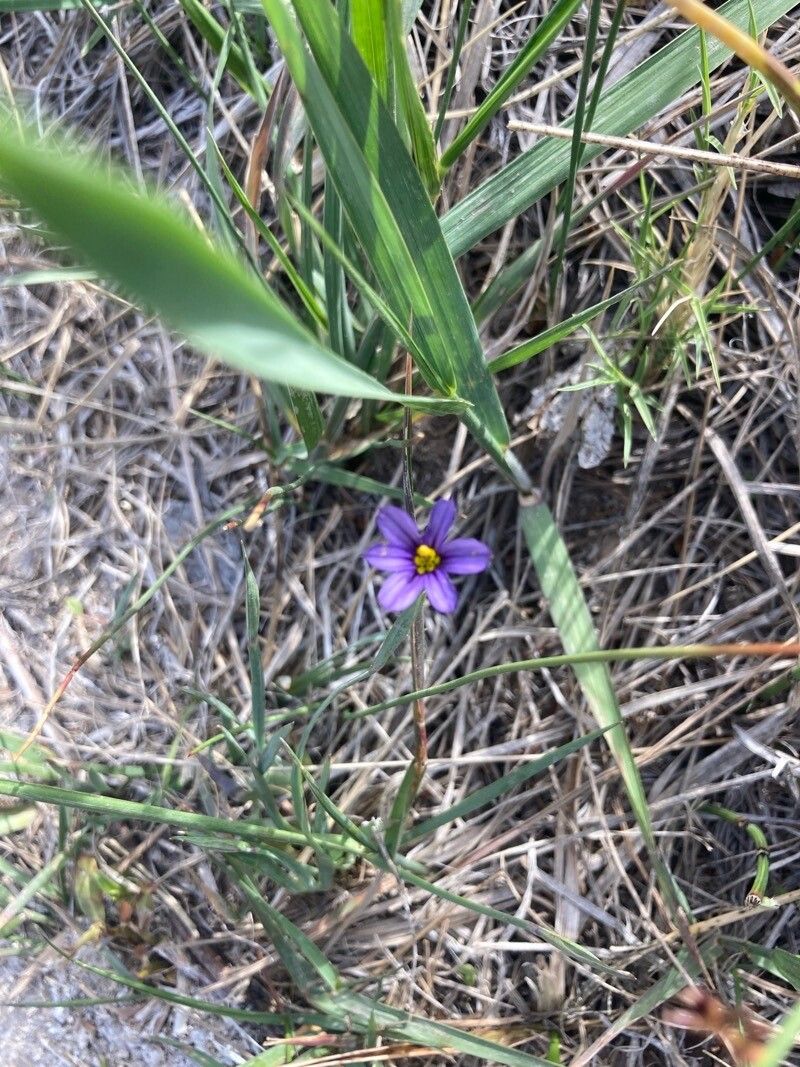
Sisyrinchium angustifolium, commonly known as narrow-leaved blue-eyed grass, is a perennial plant belonging to the iris family. Native to North America, it thrives in various habitats such as meadows, prairies, and open woods. The plant can grow up to 60 cm tall, with narrow leaves reaching about 30 cm in length. Its small flowers, featuring six petals that range in color from blue-violet to white with a yellow center, bloom from late spring through early summer.
Narrow-leaved blue-eyed grass is prized as an ornamental plant due to its delicate flowers and foliage. It can be cultivated in gardens or used to naturalize areas of the landscape, providing a splash of color during its blooming period.
This plant prefers well-drained soil but can tolerate some moisture during its growing season. It requires full sun or partial shade for optimal growth, although it can also withstand some shade.
Sisyrinchium angustifolium has been used by Native Americans for medicinal purposes, such as treating eye infections and digestive issues, due to its anti-inflammatory properties.
Overall, this beautiful perennial adds charm and beauty wherever it grows while also offering medicinal benefits, making it an excellent addition to any garden or landscape project!
Narrow-leaf blue-eyed grass is the most common type of blue-eyed grass found in the eastern United States. It is also cultivated as an ornamental plant. The plant gets its name from its characteristically narrow and thin leaves.
Botanical profile.
- Plant Type
- Herb
- Life Cycle
- Perennial, Annual
- Genus
- Sisyrinchium
- Family
- Iridaceae
- Hardiness Zone
- 4-11
- Mature Height
- 46 cm to 61 cm
- Mature Spread
- 15 cm to 30 cm
- Leaf Color
- Green
- Leaf Type
- Semi-evergreen
- Flower Color
- Blue, Purple
- Flower Size
- 2.54 cm
- Bloom Time
- Late spring, Early summer, Mid summer
- Planting Time
- Spring
- Harvest Time
- Early summer, Mid summer
- Native Area
- Mexico
Other names.