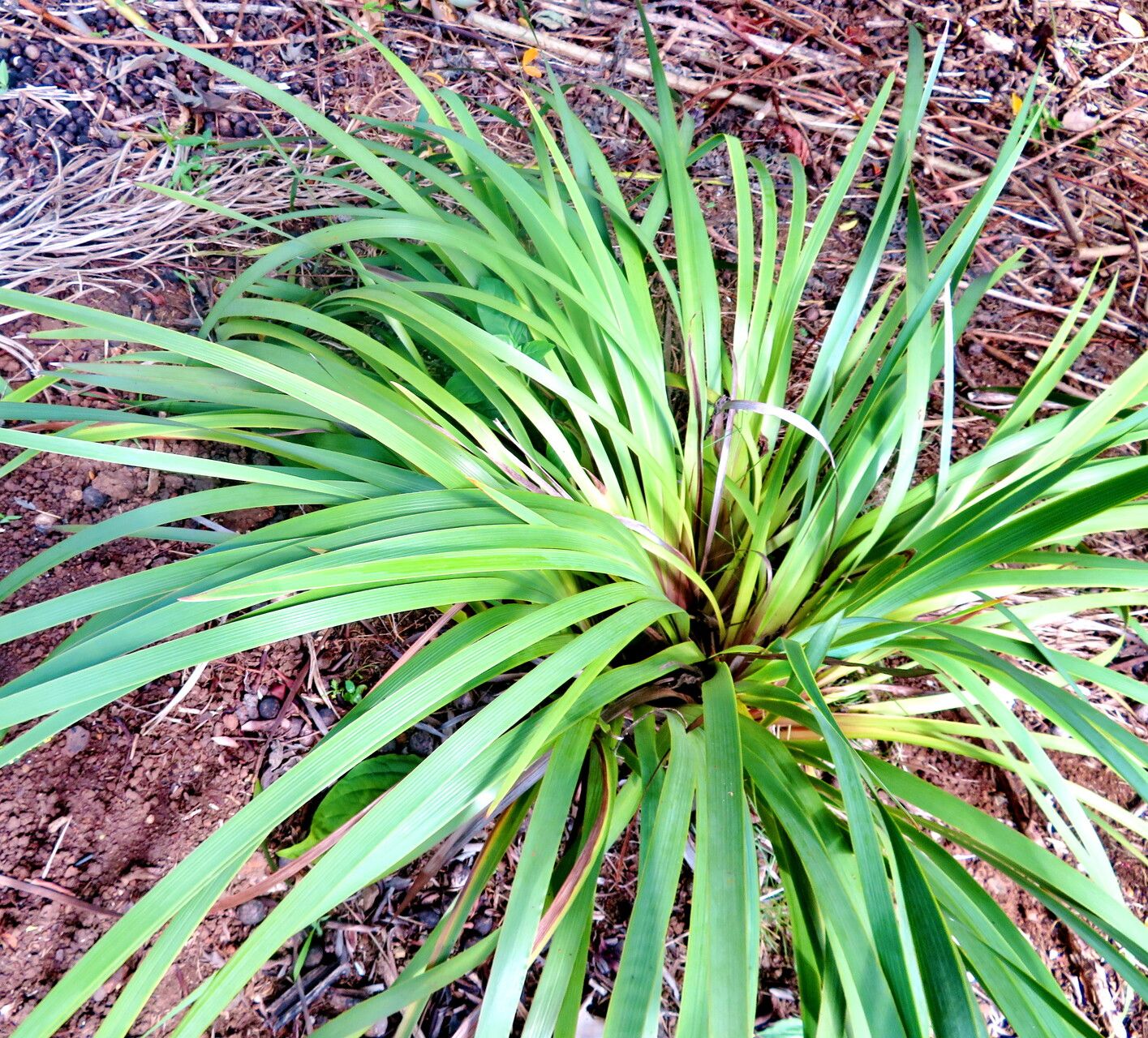
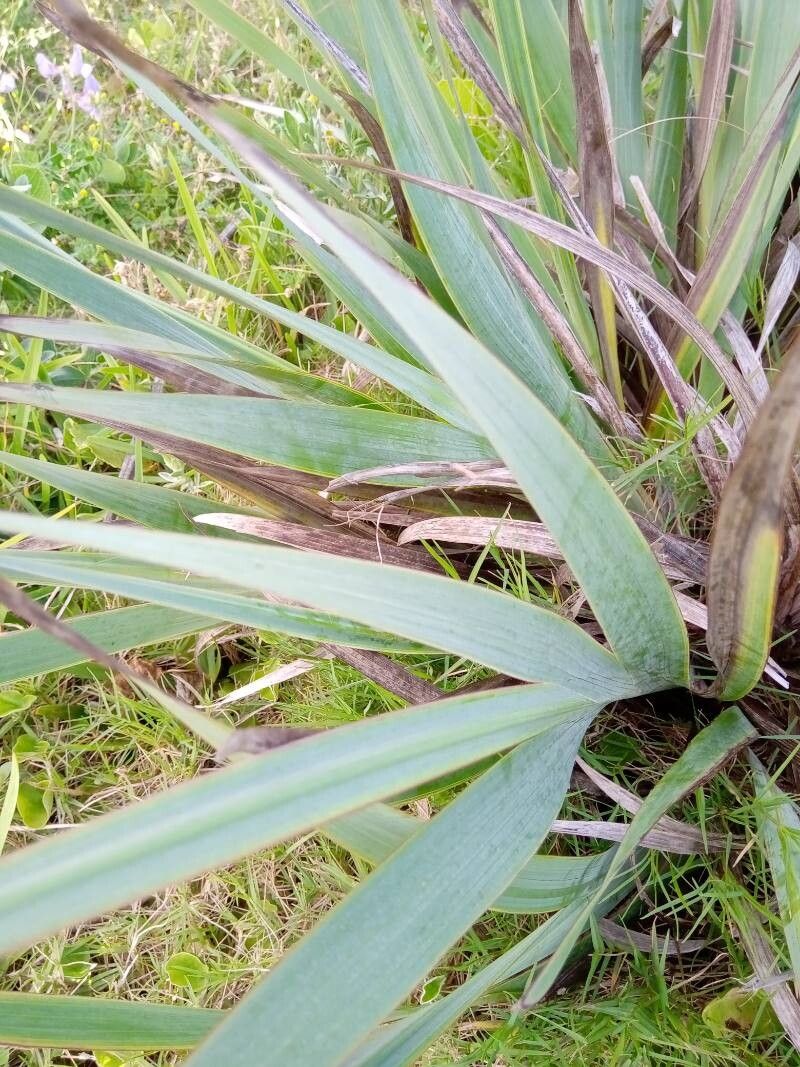
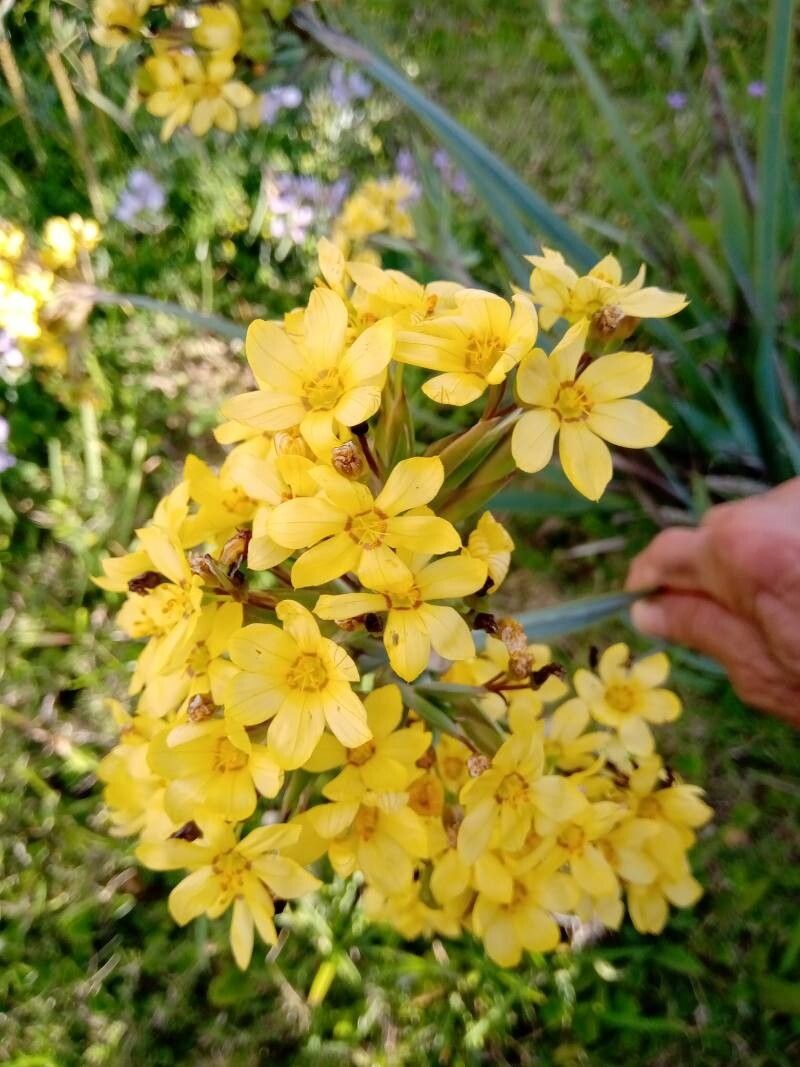
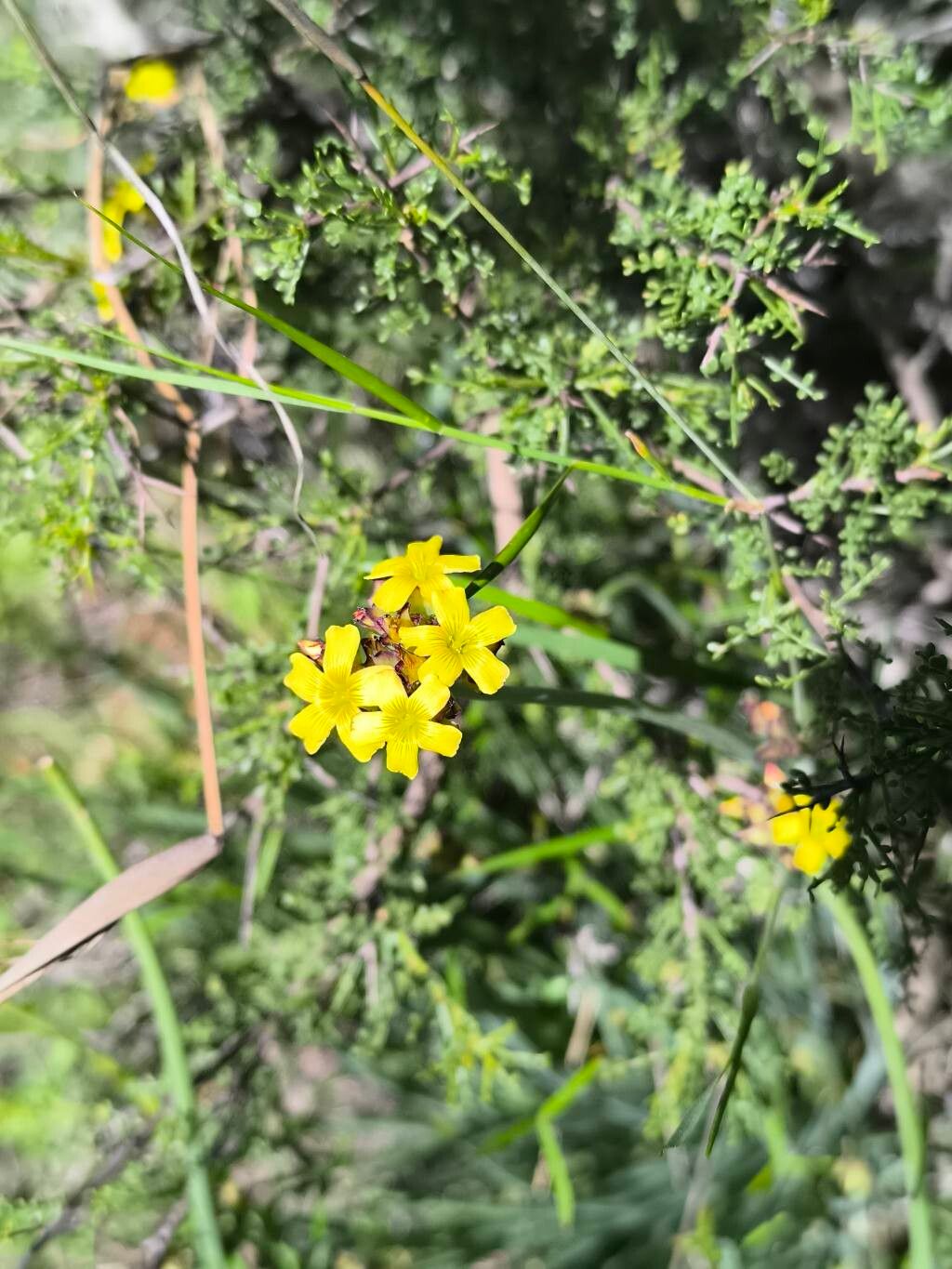
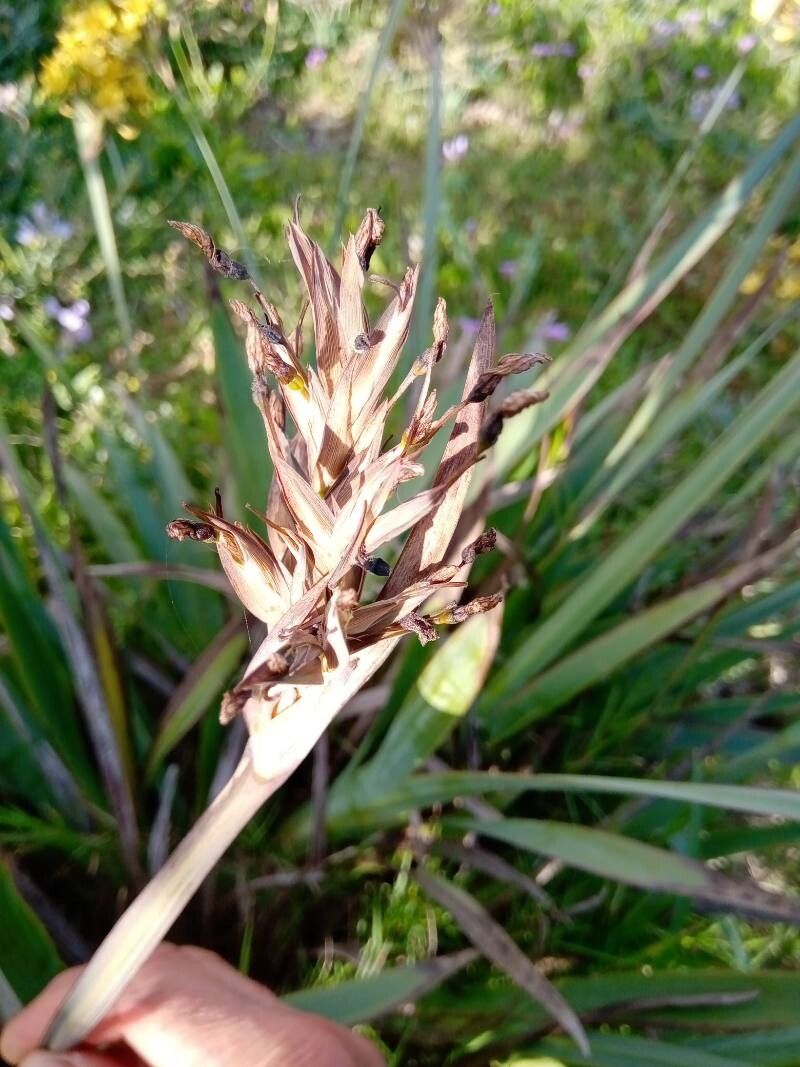
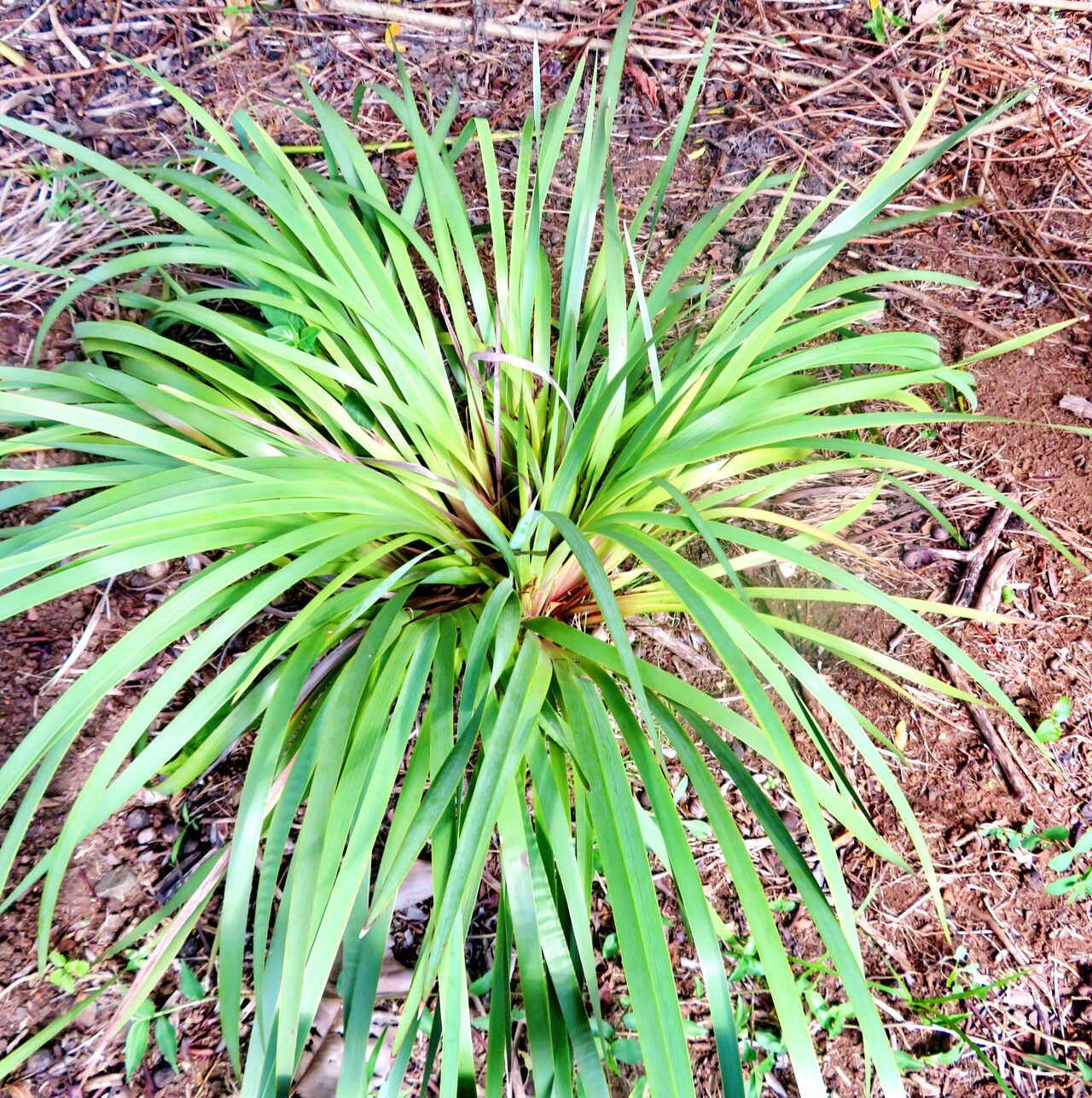
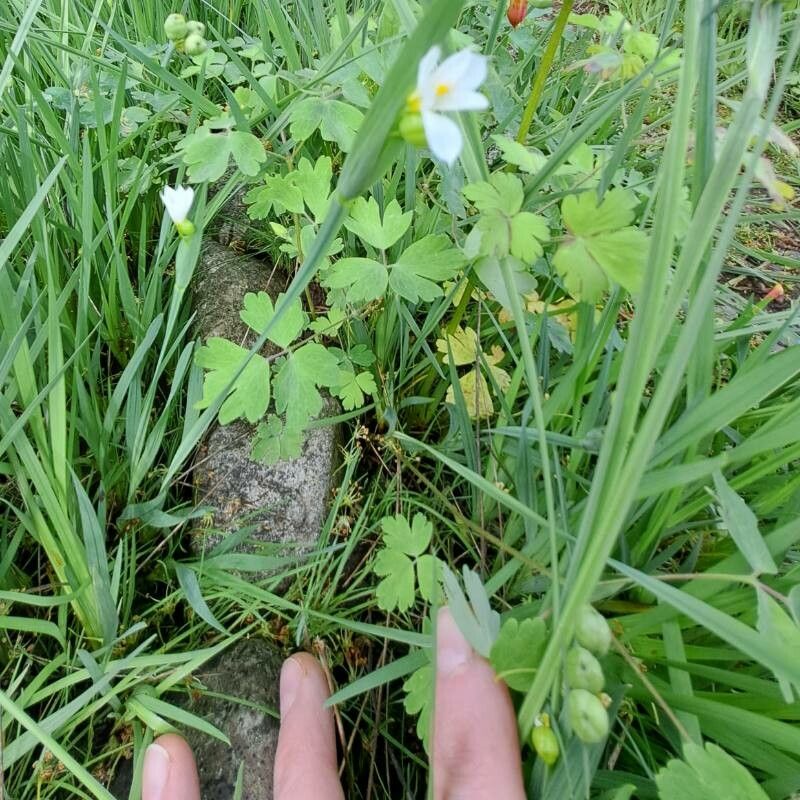
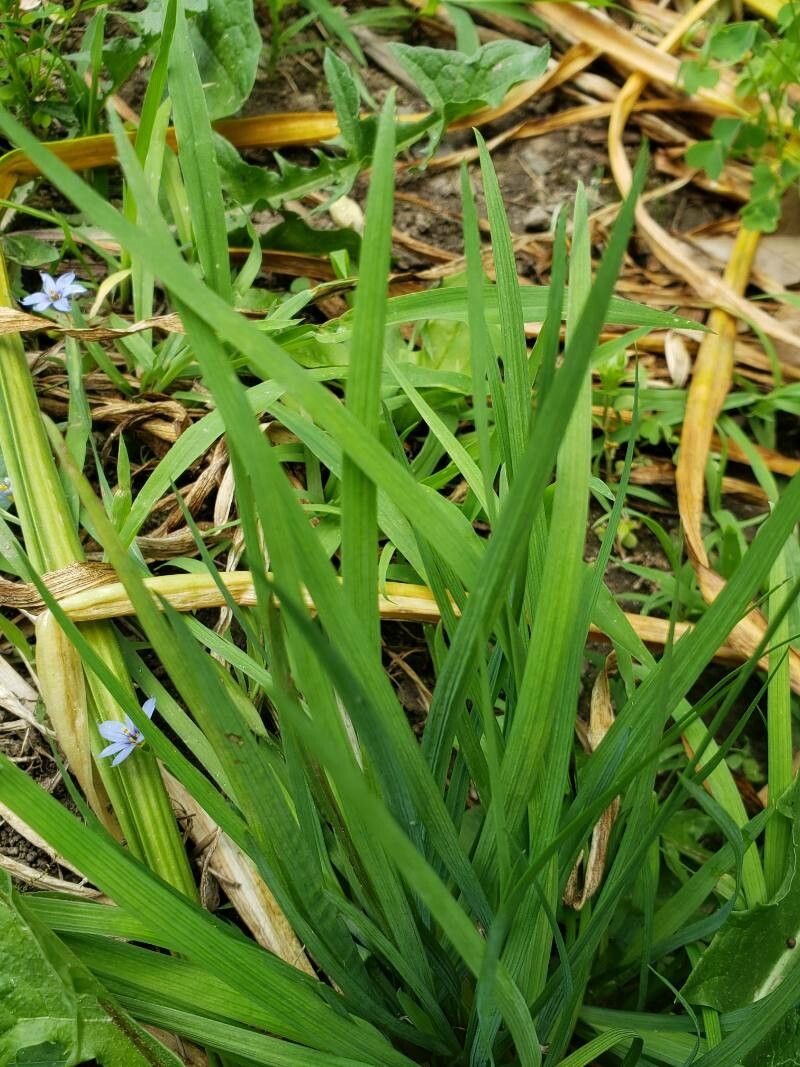
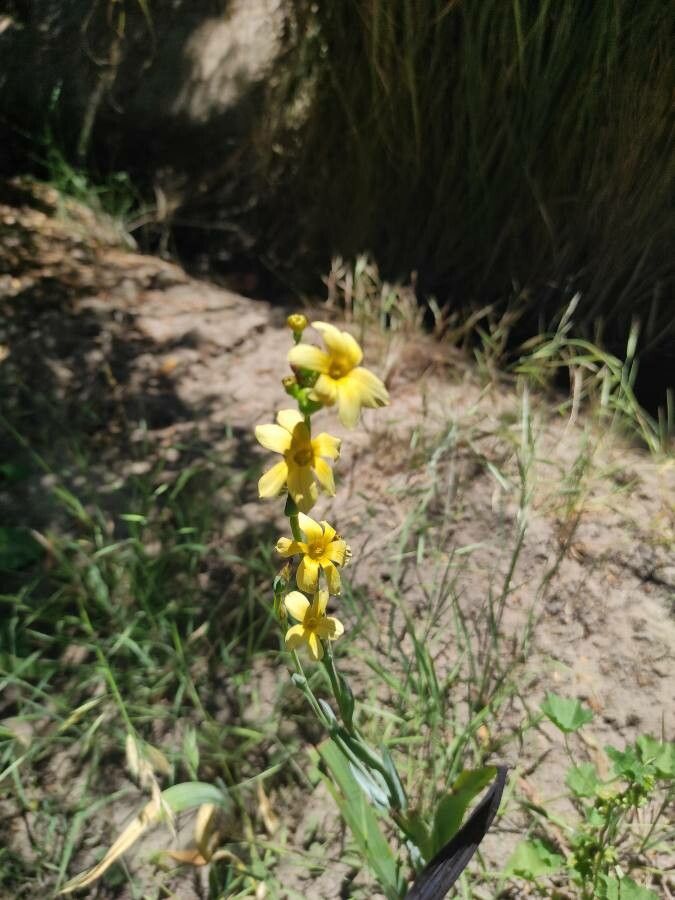
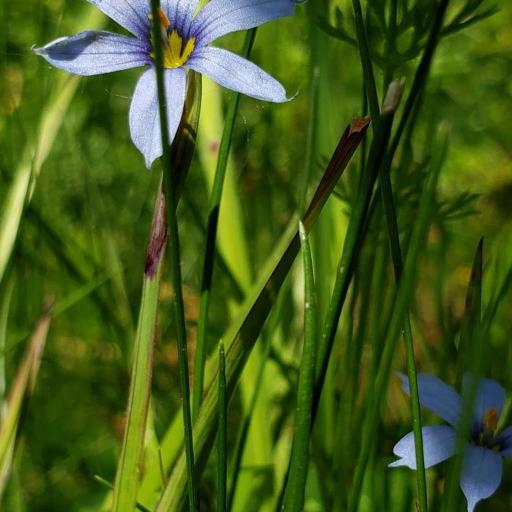
Tiger flower is fairly disease-resistant and typically not prone to illness. That said, it can be affected by pests and diseases present in its surroundings. Such infections are generally mild. Regarding care, this plant needs moderate maintenance. It should be pruned regularly to keep a neat appearance and support healthy growth. Fertilizing can also help encourage flowering. Tiger flower is well suited for anyone with outdoor space like a garden or patio and does not demand extensive care experience. It may need more attention when cultivated indoors.
How to keep Sisyrinchium Palmifolium.
Light
Tiger flower prefers spots that get continuous sunlight, although it can tolerate locations with reduced sun. Excessive sun can lead to problems like dehydration, while inadequate light can hinder growth. Coming from regions with plentiful sunshine, its vigorous development at every stage needs ample light.
Water
The palm-leaf yellow-eyed grass is native to moist environments and flourishes in high humidity. It requires consistent moisture, so water it weekly while being careful not to overwater. As an outdoor plant, its water needs are influenced by rainfall, requiring less watering during wet seasons.
Temperature
The native habitat of tiger flower includes areas where the average temperature ranges from 68 to 100 ℉ (20 to 38 ℃). Tiger flower prefers temperatures within this range and can tolerate occasional temperature drops down to 50 ℉ (10 ℃) in winters. During summers, it is recommended to provide shade or water regularly to cope with temperatures exceeding 100 ℉ (38 ℃).
Fertilizer
Correct feeding is essential for the Tiger flower’s health and appearance. Fertilize the Tiger flower in summer, applying fertilizer once a month throughout the season. Nutrients fuel growth and support the plant’s structures. Regular fertilization improves the Tiger flower’s floral display, ensuring its best blooms.
Pruning
Palm-leaf yellow-eyed grass thrives when pruned regularly from early to late spring. To maintain its appearance and promote healthy growth, use clean, sharp tools to trim back any spent stems and damaged leaves. This practice encourages blooming, prevents overcrowding, manages the plant's size, and reduces the risk of disease.
Pot & Repot
Repot Tiger flower in early spring. Choose a pot that is wider than it is deep and has good drainage. Use a well-draining, loamy potting mix amended with compost. Gently remove old soil from the bulb and plant it at a depth equal to the bulb's height. Water thoroughly after repotting and place the pot in a sunny spot. Avoid overwatering to prevent bulb rot.
Botanical profile.
- Plant Type
- Herb
- Life Cycle
- Perennial
- Genus
- Sisyrinchium
- Family
- Iridaceae
- Hardiness Zone
- 10-12
- Mature Height
- 91 cm
- Mature Spread
- 15 cm
- Leaf Color
- Green
- Leaf Type
- Deciduous
- Flower Color
- Red, Orange, Yellow
- Flower Size
- 7.62 cm to 10.16 cm
- Bloom Time
- Mid summer
- Planting Time
- Spring
- Harvest Time
- Mid summer
- Native Area
- Honduras, Mexico, Guatemala
Reader questions.
What are the sunlight requirements for Palm-leaf yellow-eyed grass?
Palm-leaf yellow-eyed grass requires full sun, meaning it needs more than 6 hours of sunlight daily, but it can also tolerate partial sun conditions, which is about 3-6 hours of sunlight. To ensure your plant thrives, observe how sunlight moves through your garden to find spots that offer the ideal balance of light and shade.
What is Palm-leaf yellow-eyed grass?
Palm-leaf yellow-eyed grass is known scientifically as Sisyrinchium palmifolium. This plant is part of the Sisyrinchium genus and is recognized for its unique characteristics, although specific details about its essentials, such as care instructions, habitat, and uses, were not provided in the available information. Likewise, symptoms of care issues or disease that might affect this plant were not mentioned. More detailed information about its appearance, growing conditions, and other relevant facts would be necessary to fully understand and care for Palm-leaf yellow-eyed grass.
Can I use artificial lighting for Palm-leaf yellow-eyed grass?
Yes, artificial lighting can be a vital solution for growing Palm-leaf yellow-eyed grass indoors, especially when natural sunlight is insufficient. LED lights are recommended as they can be customized to provide specific wavelengths needed by your plants. For full sun plants, aim for 30-50W/sq ft of light, 20-30W/sq ft for partial sun plants, and 10-20W/sq ft for full shade plants. Place lights 12-36 inches above the plant, mimicking natural sunlight duration, which is usually 8-12 hours per day.
What are the symptoms of inadequate lighting for Palm-leaf yellow-eyed grass?
Symptoms of inadequate lighting for Palm-leaf yellow-eyed grass include smaller new leaves, leggy or sparse growth, faster leaf drop, slower or no new growth, lighter-colored new leaves, chlorosis, sunscald, leaf curling, wilting, and leaf scorching. These symptoms indicate that the plant is not receiving enough light or is exposed to excessive sunlight, affecting its health.
How can I address light-related issues for Palm-leaf yellow-eyed grass indoors?
To address light-related issues for Palm-leaf yellow-eyed grass indoors, gradually move the plant to a sunnier location each week until it receives at least 6 hours of direct sunlight daily. Position it near a south-facing window and keep curtains open during the day. If the plant is large or not easily movable, provide additional light using a desk or ceiling lamp for at least 8 hours daily, or invest in professional plant grow lights.
What should I do if my outdoor Palm-leaf yellow-eyed grass is not getting enough sunlight?
For outdoor Palm-leaf yellow-eyed grass not getting enough sunlight, gradually move the plants to a sunnier spot each week to adapt them to the change in light intensity. This gradual adaptation helps avoid sunburn. Note that parts of the plant affected by insufficient sunlight might not recover, but new growth should be healthy once the light exposure is increased.
How can I ensure my Palm-leaf yellow-eyed grass planted in the ground gets enough sunlight?
To ensure your ground-planted Palm-leaf yellow-eyed grass gets enough sunlight, start by observing which areas around are blocking sunlight and consider pruning trees or bushes that obstruct light. For smaller plants, you may choose to transplant them during their dormant period, usually late winter or early spring, to a location with ample sunlight and good drainage, thereby reducing obstructions to sunlight.