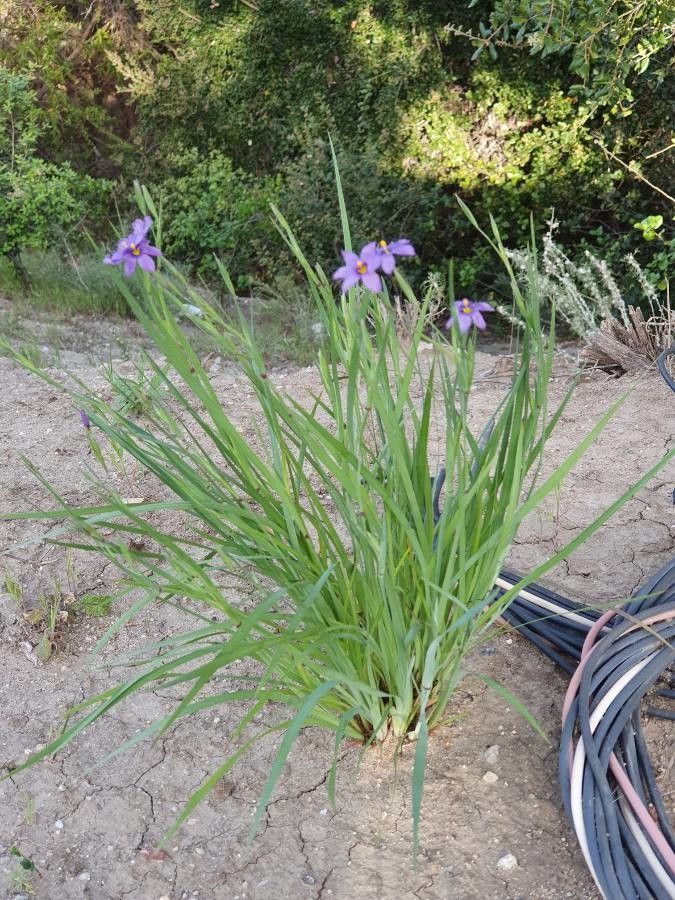
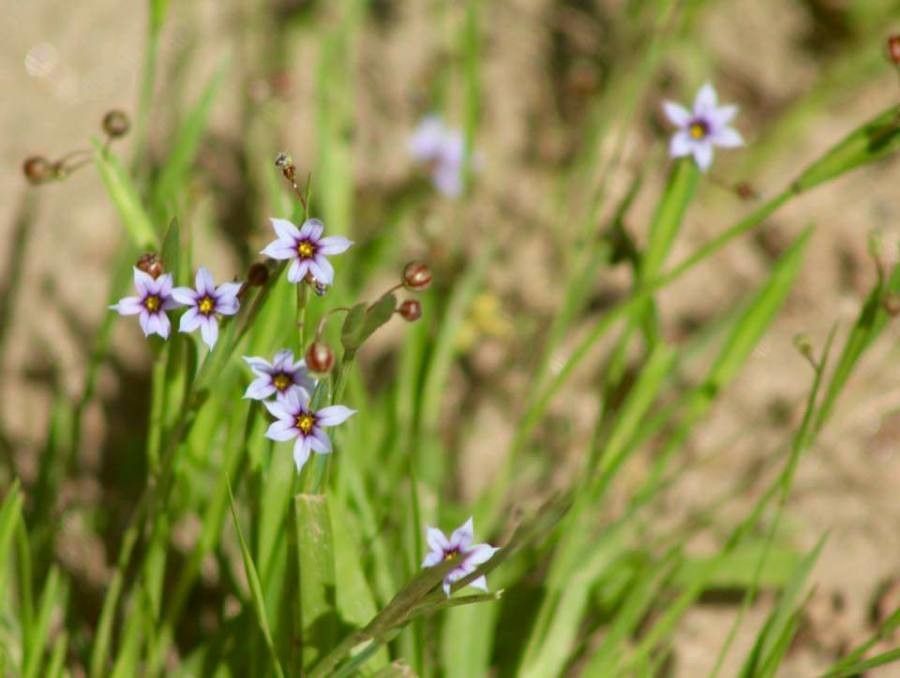
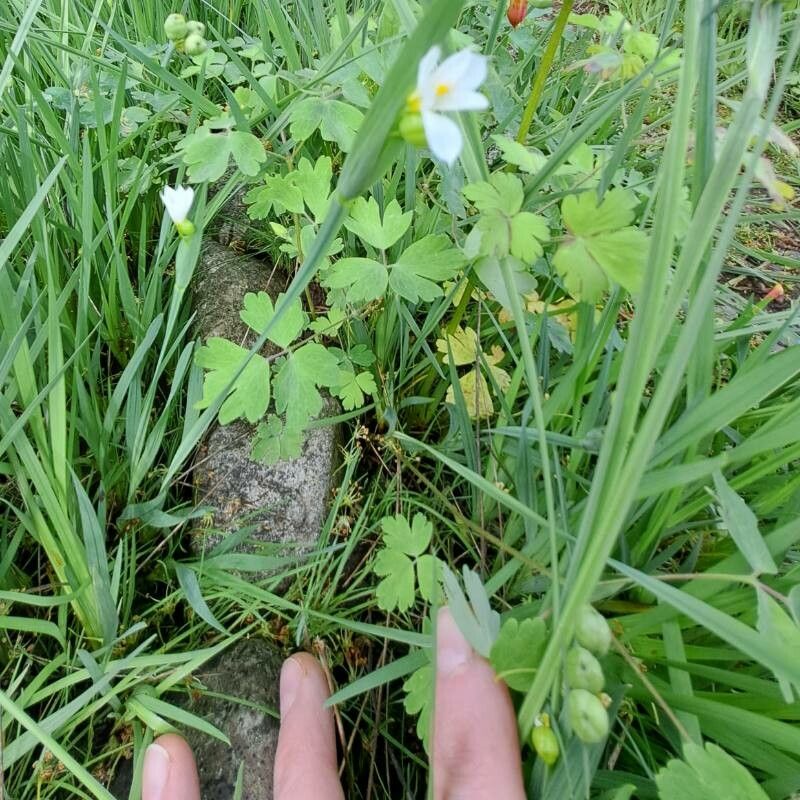
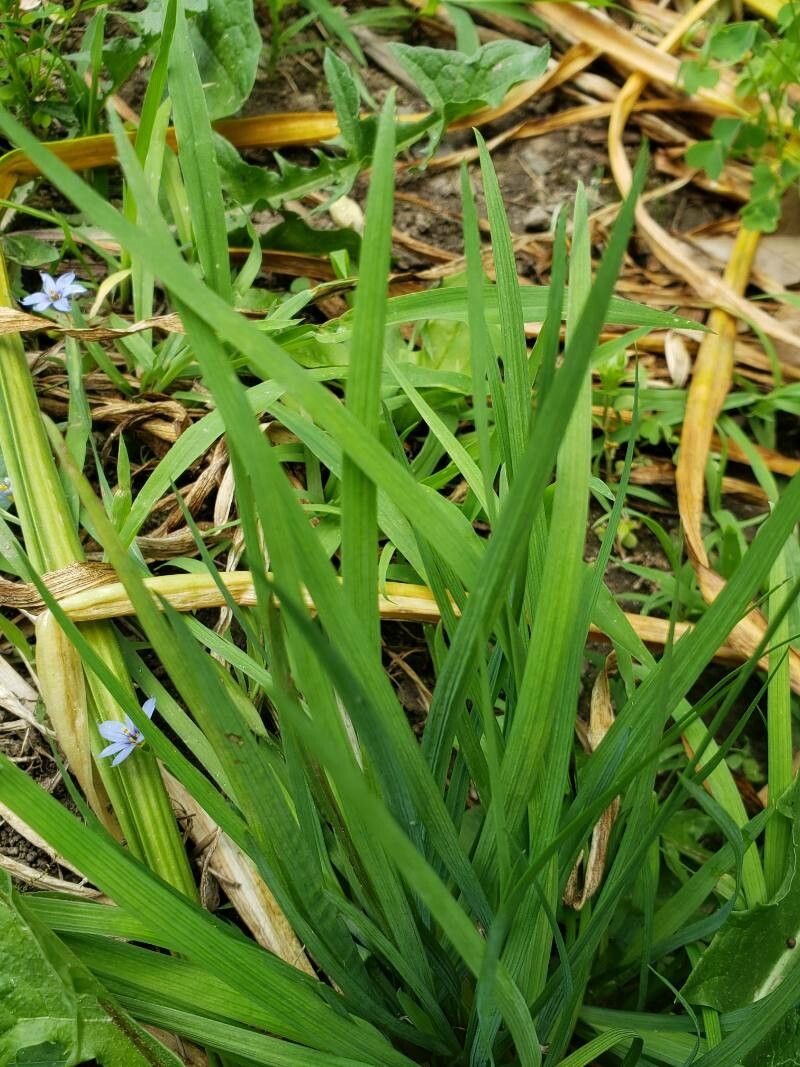
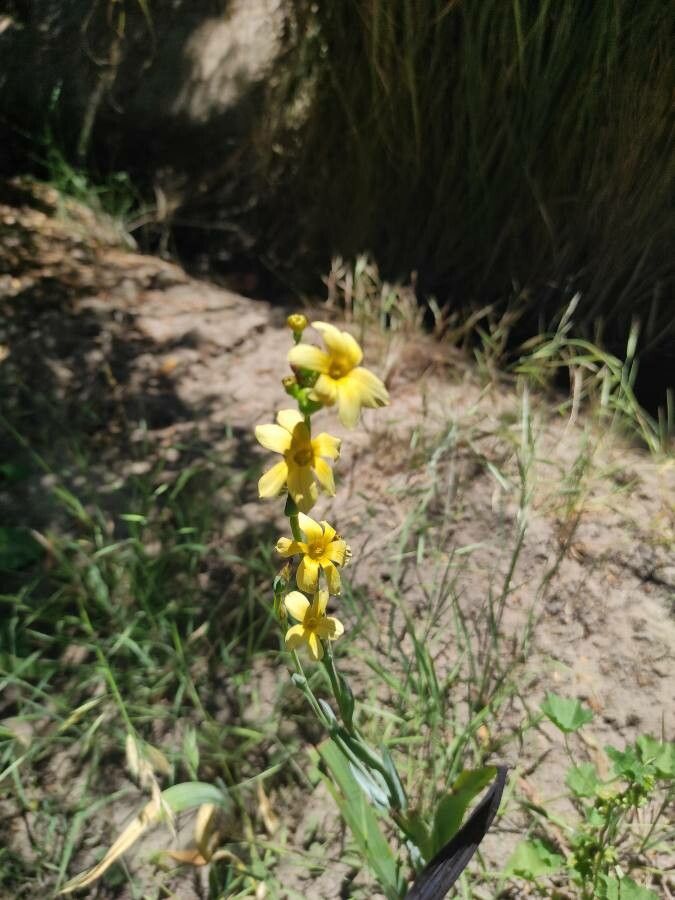
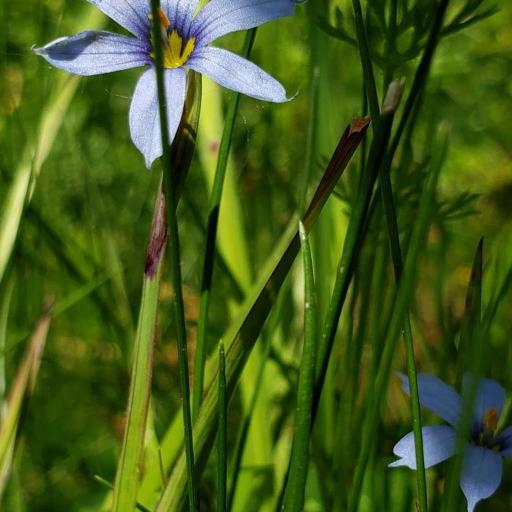
Needletip blue-eyed grass is fairly disease-resistant and is usually not prone to illnesses. However, it can be vulnerable to pests and diseases present in its surroundings. Such infections are typically not serious. In terms of care, the plant requires moderate maintenance. Regular pruning is needed to keep a good appearance and encourage healthy growth. Fertilizing can also help stimulate flowering. Needletip blue-eyed grass is suitable for anyone with outdoor space, such as a garden or patio, and does not demand much care experience. It may need more attention when grown indoors.
How to keep Sisyrinchium Mucronatum.
Fertilizer
Usually one fertilizer application in spring is adequate for Needletip blue-eyed grass, but repeated feedings can optimize growth. Apply fertilizer every month to every month and a half. Fertilization improves the leaves’ appearance and function, helping maintain uniform color and a healthy texture. It also promotes root development and nutrient uptake for long-term plant health.
Botanical profile.
- Plant Type
- Herb
- Life Cycle
- Perennial
- Genus
- Sisyrinchium
- Family
- Iridaceae
- Hardiness Zone
- 5-9
- Mature Height
- 15 cm to 46 cm
- Mature Spread
- 15 cm to 20 cm
- Leaf Type
- Evergreen
- Flower Color
- White, Purple, Blue
Other names.