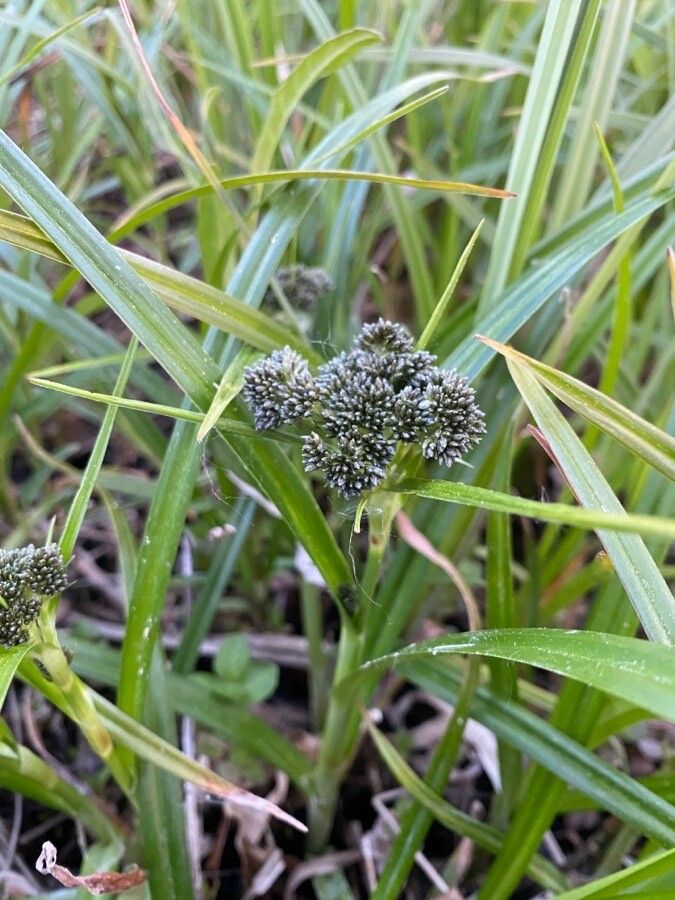
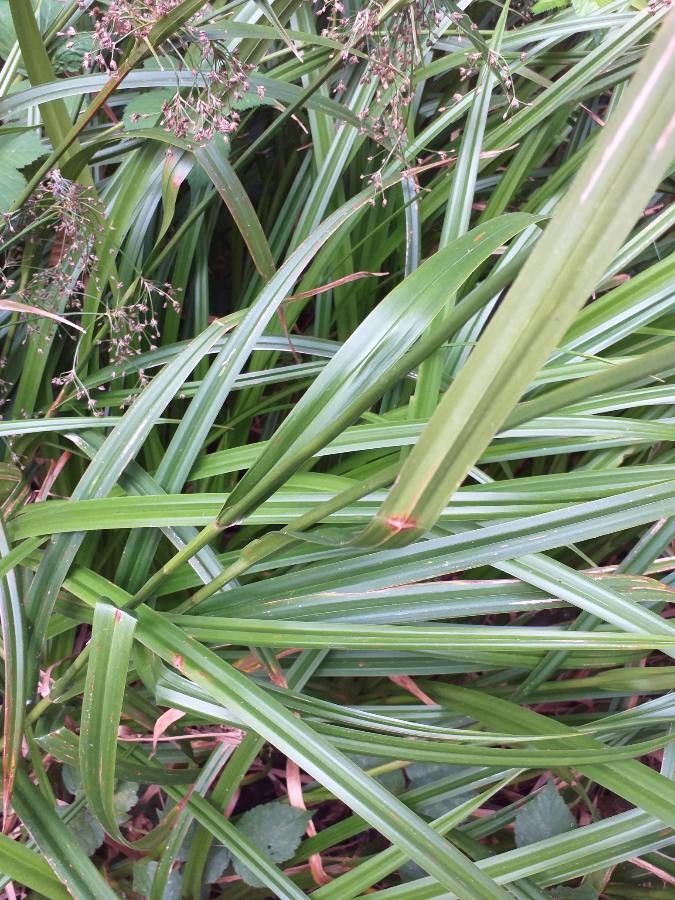
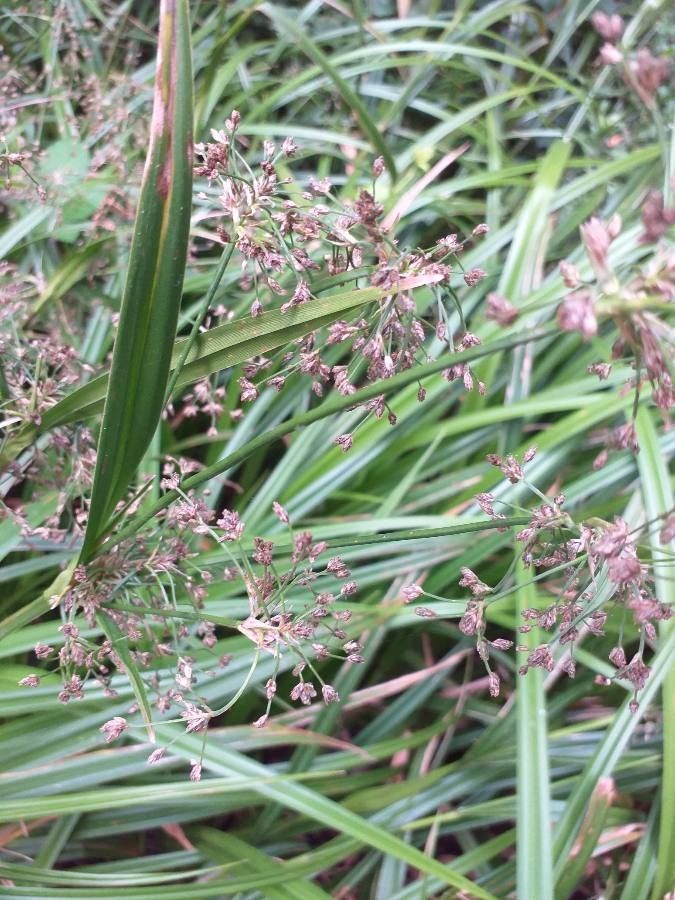
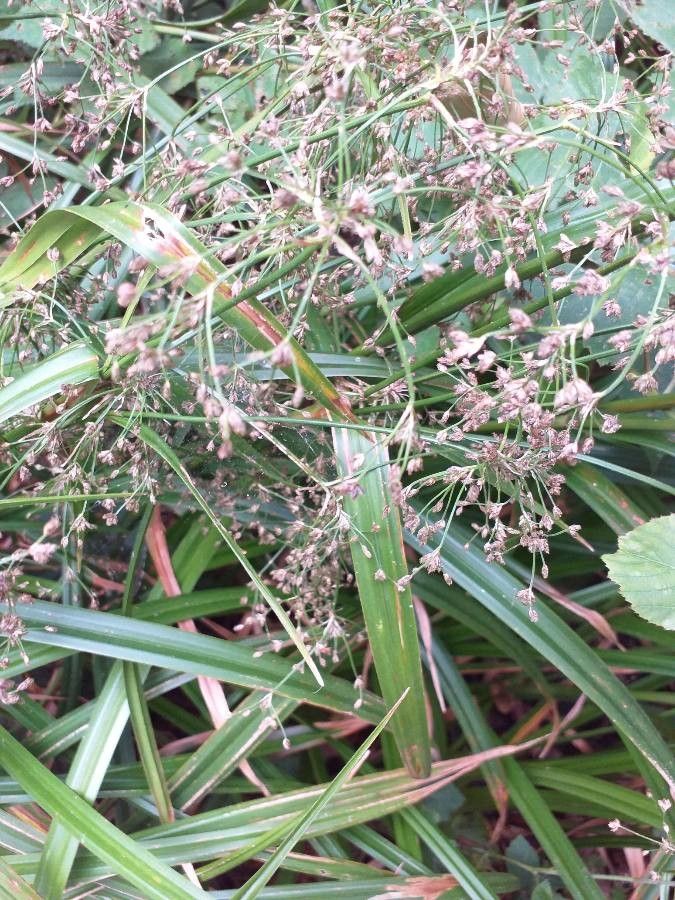
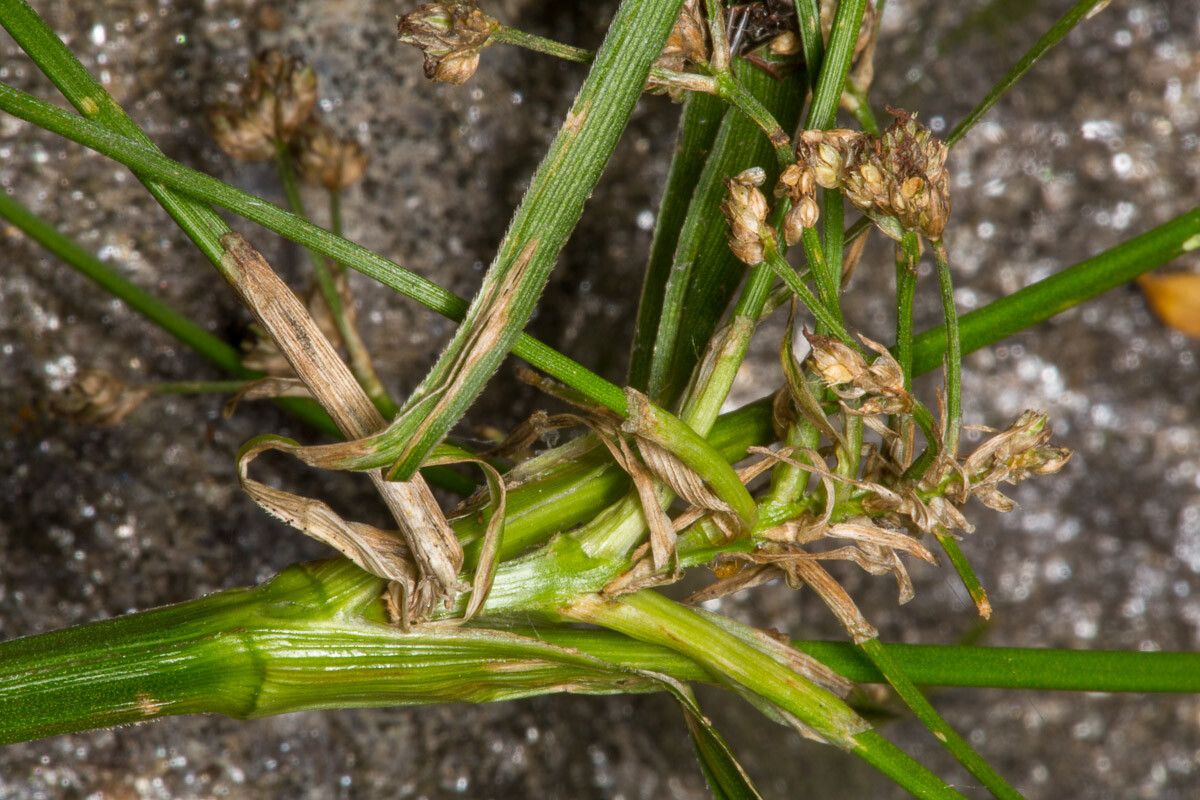
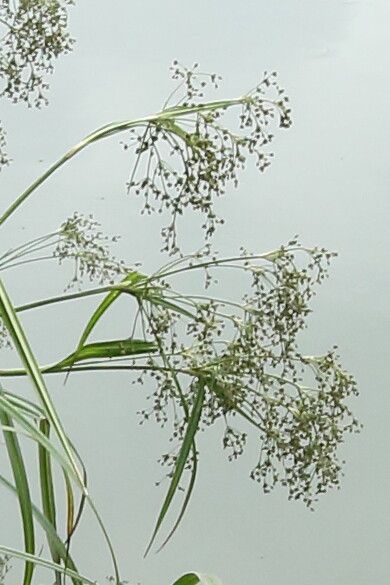
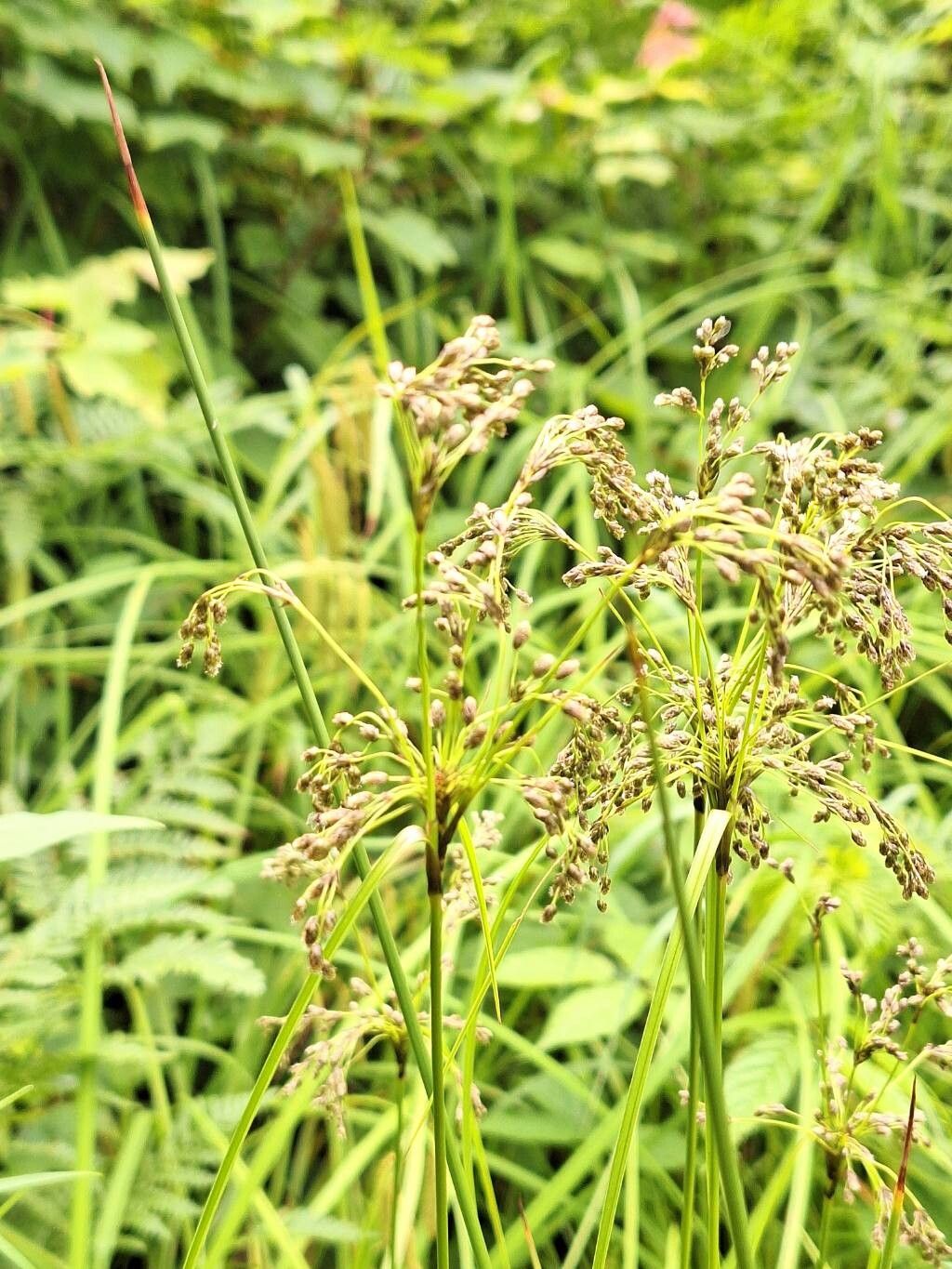
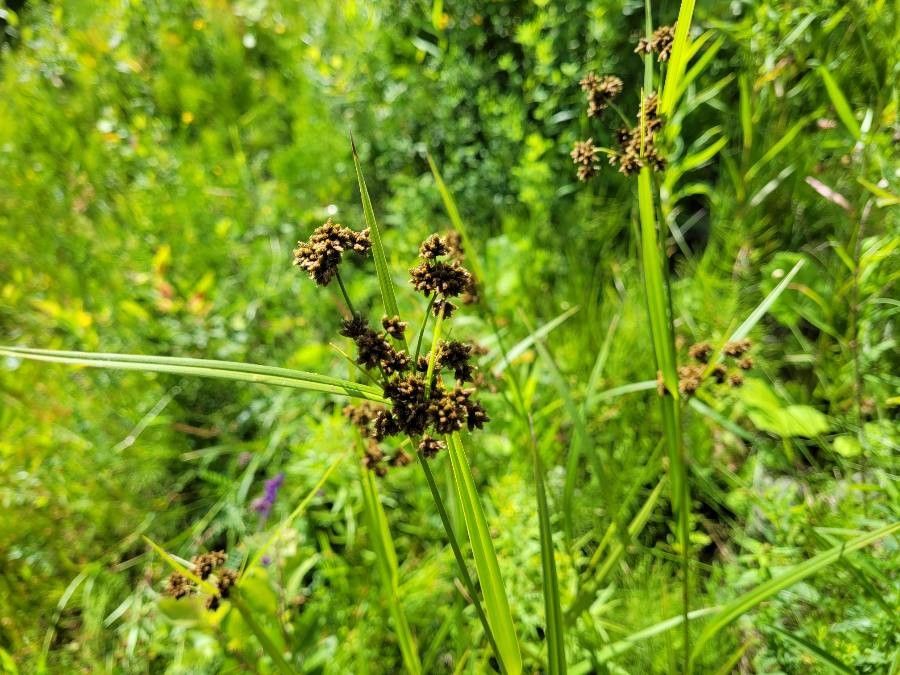
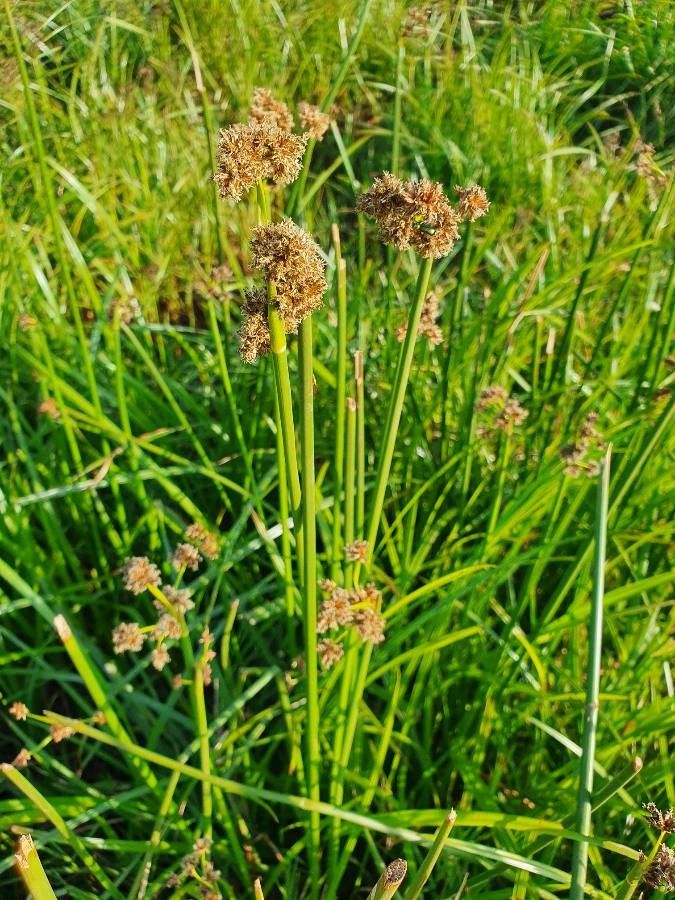
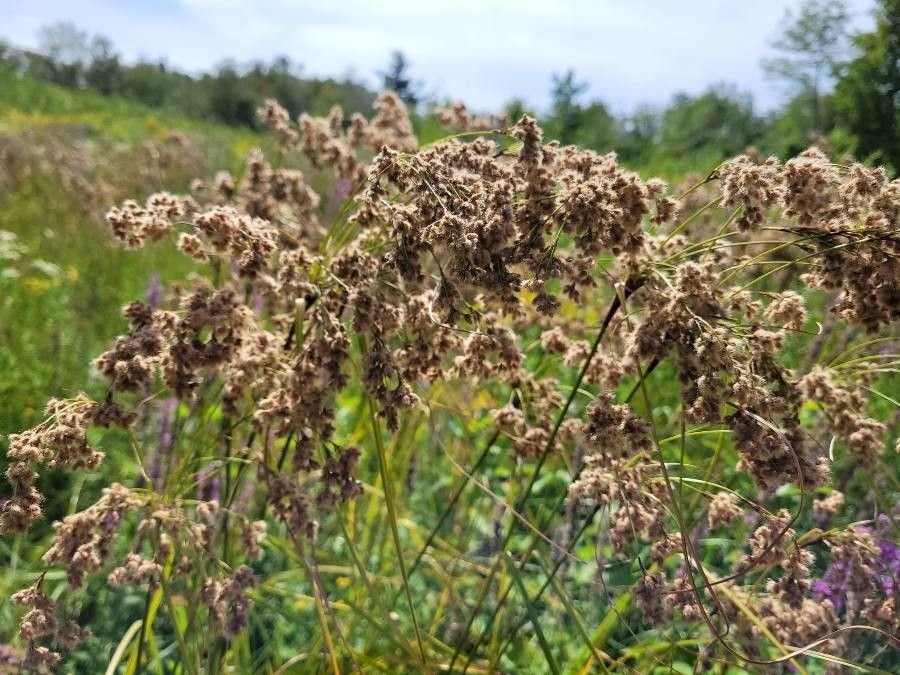
Scirpus sylvaticus, the wood clubrush, is a species of flowering plant in the sedge family.Scirpus sylvaticus can reach 1 m, and has triangular stems. S. sylvaticus widespread in Eurasia, is very common in the European part of Russia and in Southern Siberia. It is most often a coastal species, occurring in wet habitat such as marshes in brackish and saltwater, along swamps, along the banks of water bodies, in marshy forests and in wet meadows. It is a perennial herb growing from a rhizome system with associated tubers. This plant is an important food source for waterfowl. The seeds are food for birds and other animals, such as muskrats.
Wood club-rush is fairly disease-resistant and generally not prone to illnesses. Nevertheless, it can be vulnerable to pests and diseases found in its environment, though such infections are typically mild. Regarding care, this plant needs a moderate amount of maintenance. It should be pruned regularly to preserve a neat appearance and support healthy growth. Applying fertilizer can also encourage flowering. Wood club-rush is well suited to people with outdoor areas like a garden or patio and does not require extensive gardening experience. It may demand more attention when cultivated indoors.
How to keep Scirpus Sylvaticus.
Light
Wood club-rush grows best when it gets abundant sunlight throughout the day, but it can tolerate a spectrum of light conditions, from partly lit spots to darker, shaded areas. Its native habitat reflects this variability in light. Too much exposure can be damaging, while too little light impairs its growth.
Water
Wood club-rush flourishes in wetland environments, where it needs consistent moisture and damp soils to thrive. To keep the plant hydrated, water it weekly. Its strong root system plays a crucial role in stabilizing soil in areas alongside bodies of water, helping to prevent erosion and support aquatic ecosystems. This robust root system also demonstrates the plant's adaptability to changing water levels.
Temperature
Wood club-rush occurs naturally in habitats with temperatures ranging from 50 to 77 °F (10 to 25 °C). It grows best within this span, showing optimal growth and vigor. Seasonal adjustments may be needed during extreme temperatures.
Pruning
Wood club-rush is native to marshy areas and features grass-like stems with greenish-brown flowers. To keep the plant healthy, it's best to prune it in early to late spring, which allows you to remove dead growth and stimulate the development of new shoots. Remember to clean your pruning tools to prevent the spread of disease. Regular pruning encourages vigorous growth and helps manage the plant’s density, keeping it tidy and vibrant.
Botanical profile.
- Plant Type
- Herb
- Life Cycle
- Perennial
- Genus
- Scirpus
- Family
- Cyperaceae
- Hardiness Zone
- 6
- Mature Height
- 91 cm
- Mature Spread
- 30 cm to 61 cm
- Leaf Color
- Green
- Leaf Type
- Evergreen
- Flower Color
- Yellow, Green, Brown, Black
- Flower Size
- 10.16 cm to 20.32 cm
- Bloom Time
- Early summer, Mid summer
- Planting Time
- Summer, Autumn
- Harvest Time
- Late summer, Early fall
- Native Area
- Turkey, Sweden, Austria, Slovakia, Montenegro, Croatia, Slovenia, Belarus, Russia, Germany, Estonia, Romania, Latvia, Belgium, Netherlands, France, Czech Republic, Bulgaria, Armenia, Poland, Greece, Ukraine, Serbia, Lithuania, Norway, Italy, Kazakhstan, Spain, Switzerland, Denmark, Finland, Albania, Ireland, United Kingdom, Hungary, Azerbaijan
Other names.
Reader questions.
How should I water my Wood club-rush plant effectively?
To properly water the Wood club-rush, it is recommended to use filtered water at room temperature. Tap water may contain harmful particles, so filtered water is a better choice. The Wood club-rush is accustomed to warm environments, so using cold water can be a shock to its system. It is best to avoid overhead watering, as this can cause issues with the plant's foliage. Instead, water the plant by applying filtered room temperature water directly to the soil until it is completely soaked. This helps to moisten the roots and promote their spread through the soil, allowing them to gather the necessary nutrients.
What are the sunlight requirements for Wood club-rush?
Wood club-rush requires full sun, meaning it thrives best with above 6 hours of sunlight a day. However, it can also adapt to partial sun or full shade conditions, where it receives about 3-6 hours of sunlight. It’s vital to watch the sunlight's movement through your garden to choose spots that provide the right balance of light and shade, ensuring the plant's happiness and growth.
What is the ideal temperature range for growing Wood club-rush?
Wood club-rush, scientifically known as Scirpus sylvaticus, thrives best in environments where temperatures range from 50 to 77 °F (10 to 25 °C). It expresses optimal growth and vitality within this temperature range. Although Wood club-rush is highly cold-tolerant and does not usually require additional frost protection measures, it is important to make seasonal adjustments for extreme temperatures to maintain the plant's health.
What should I do if I give my Wood club-rush plant too much or too little water?
Both overwatering and underwatering can harm the health of your Wood club-rush plant, but overwatering is more common. Excess water can cause wilting, yellowing leaves, and potentially lead to diseases like root rot, mold, and mildew, which can be fatal. Underwatering is less likely because the Wood club-rush can handle drought to some extent, but it can still happen, resulting in brittle, brown leaves. It's important to recognize the signs of overwatering early. Some diseases caused by overwatering, such as root rot, may become irreversible if not addressed promptly. If you notice early signs, reduce your watering schedule and consider improving the soil drainage. If your plant seems to lack water, simply increase the frequency of watering until the symptoms improve.
How does Wood club-rush respond to different light conditions?
The Wood club-rush is quite adaptable to various light conditions. It grows optimally when exposed to abundant sunlight but can also withstand partially lit to shaded areas. This versatility in light tolerance stems from its natural ecosystem, which varies in light availability. However, it's crucial to avoid overexposure to prevent harm and ensure that the plant receives enough light to avoid growth issues. For indoor plants, artificial lighting can compensate for natural light shortages, with LED lights being a preferred choice due to their ability to mimic the specific wavelengths needed by plants.
How do I protect Wood club-rush during winter?
Even though Wood club-rush is cold-tolerant and doesn't typically need frost protection, it's recommended to water the plant generously before the first freeze of autumn. This practice ensures that the soil remains moist and enters a frozen state, helping prevent drought and water scarcity for the plant during the cold months of winter and early spring.
How often should I water my Wood club-rush?
If your Wood club-rush is in a pot, the most precise way to determine if it needs water is by checking the soil with your finger. If the top two to three inches of soil are dry, it's time to water. The same method can be applied when growing Wood club-rush outdoors in the ground. When the top few inches of soil are dry, it's time to water. Typically, during spring and early fall, watering once a week is sufficient. However, during extremely hot weather, watering frequency may need to increase to twice or more per week. It's worth noting that mature, well-established Wood club-rush plants can tolerate drought well.
What are the symptoms of light deficiency or overexposure in Wood club-rush?
When Wood club-rush experiences inadequate lighting, symptoms may include smaller than usual new leaves, leggy or sparse growth, accelerated leaf drop, slowed or halted growth, and lighter-colored or chlorotic new leaves. Overexposure to sunlight can lead to chlorosis, sunscald, leaf curling, wilting, and leaf scorching. These symptoms indicate the plant's struggle with the light conditions, highlighting the need for proper light management to ensure the health and vitality of the plant.
What should I do if the temperature drops below -25°C for my Wood club-rush?
If the temperature falls below -25°C, Wood club-rush might not show immediate damage during the winter, but you may notice a decrease in sprouting or even a lack of sprouting come springtime. In such cases, during the spring, it's advisable to remove any parts of the plant that have failed to sprout to encourage new growth and maintain plant health.
How much water does my Wood club-rush plant need?
To water your Wood club-rush effectively, don't hold back on the amount of water you give. Make sure the top two to three inches of soil are dry before watering. Give the plant a thorough watering that completely saturates the soil. The water should be enough to cause excess water to drain out of the pot's drainage holes. If you don't see water draining out, you may have underwatered the plant. However, be careful not to let water accumulate in the soil as it can harm the plant. If water doesn't drain through the pot, it may indicate poorly draining soil, which is not good for the plant's health. If the plant is outside, one inch of rain per week should be enough.
What solutions can help Wood club-rush thrive in indoor and outdoor environments?
To address light-related issues in Wood club-rush, gradual relocation to sunnier spots is recommended, ensuring the plant receives at least 6 hours of direct sunlight daily. For indoor scenarios, using artificial lights such as desk lamps or professional grow lights for 8 hours a day can provide supplemental light. Outdoor plants should be moved gradually to prevent shock and sunburn. Obstructions like trees might need pruning to improve sunlight access, and transplanting smaller plants to sunnier locations can also promote healthier growth. It's essential to implement these solutions cautiously to nurture the plant's development effectively.
How does Wood club-rush react to high temperatures, and how can I mitigate this?
Wood club-rush does not tolerate high temperatures well. When the temperature exceeds 25°C, the plant's growth will halt, and it becomes more susceptible to conditions such as rot. To mitigate these effects, trim away any sunburned and dried-up parts of the plant. Additionally, relocating the plant to a location that offers shade during the midday and afternoon sun or utilizing a shade cloth can provide necessary protection. Also, watering the plant in the morning and evening can help keep the soil adequately moist.