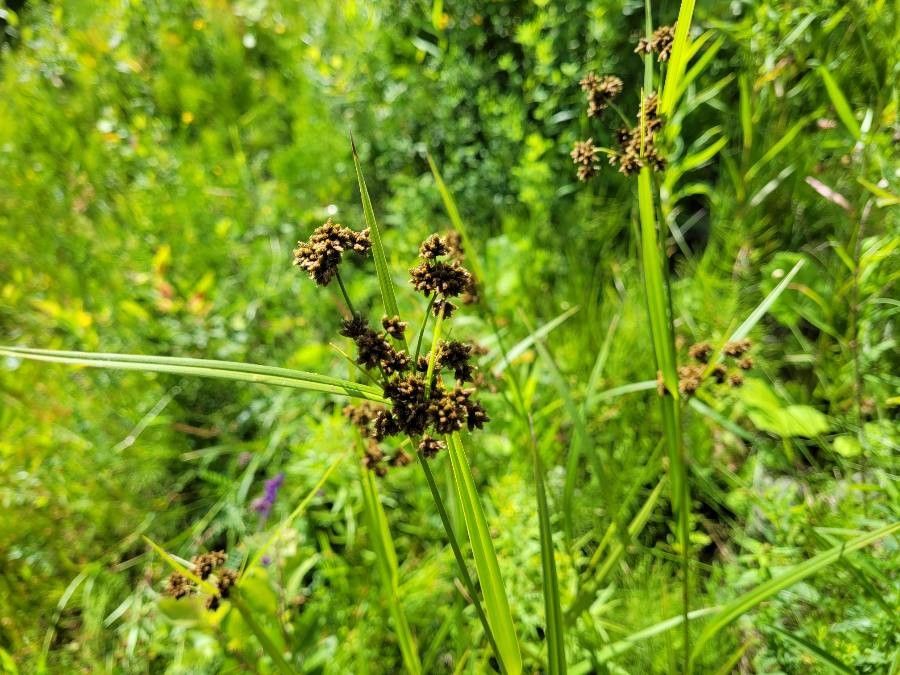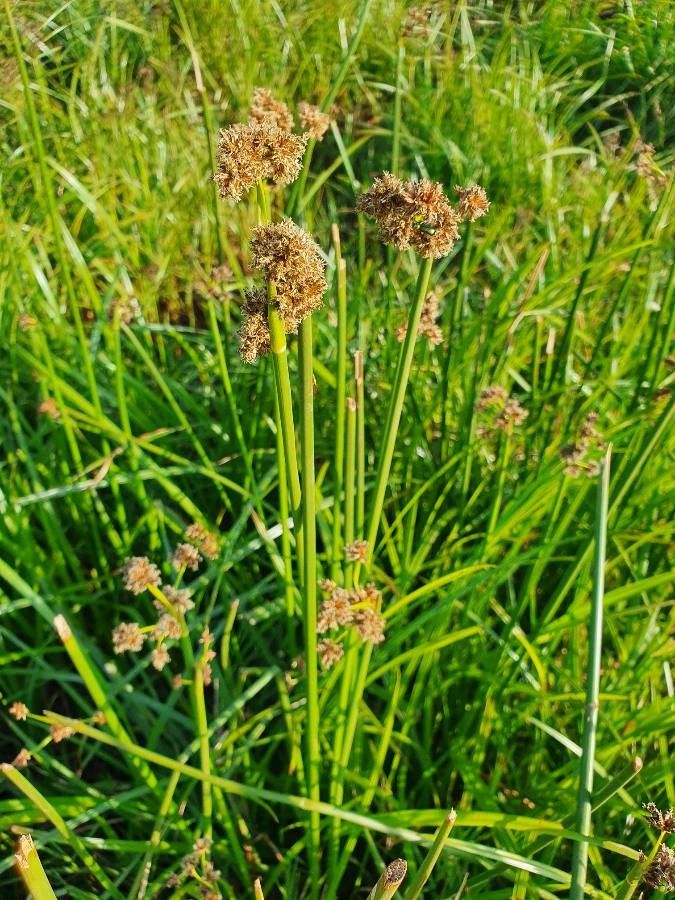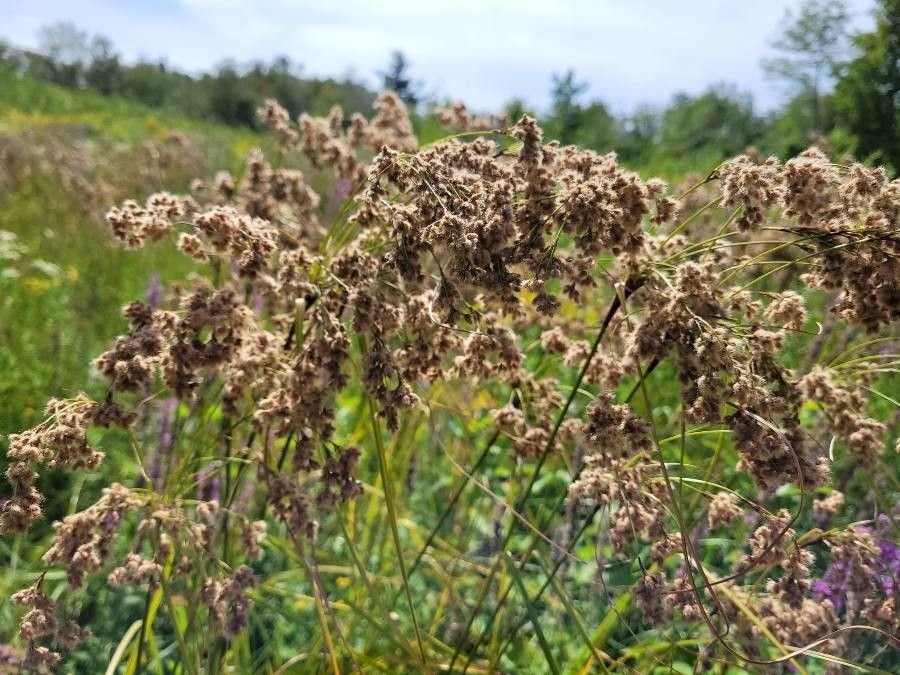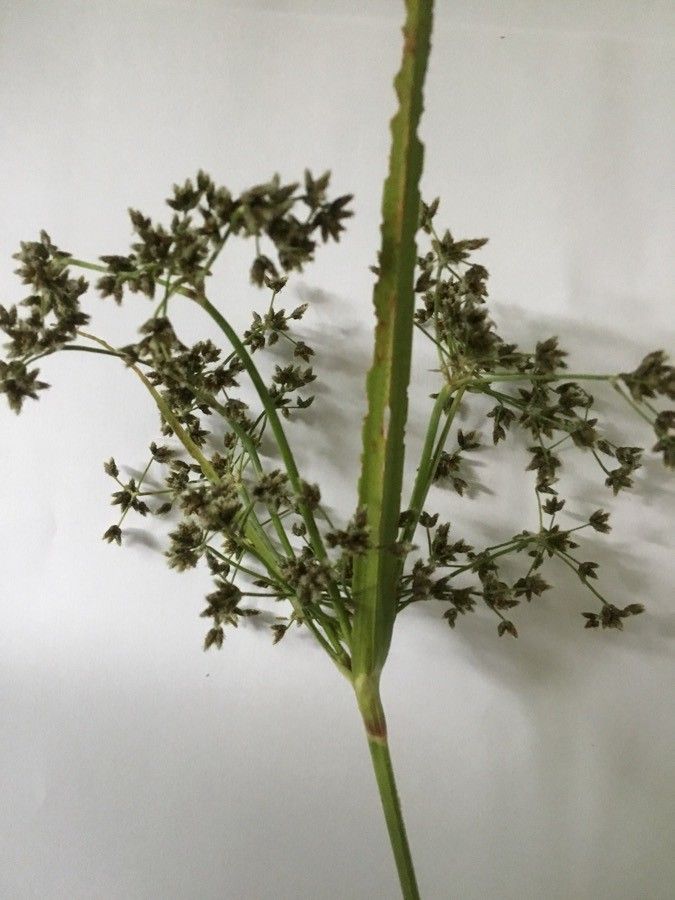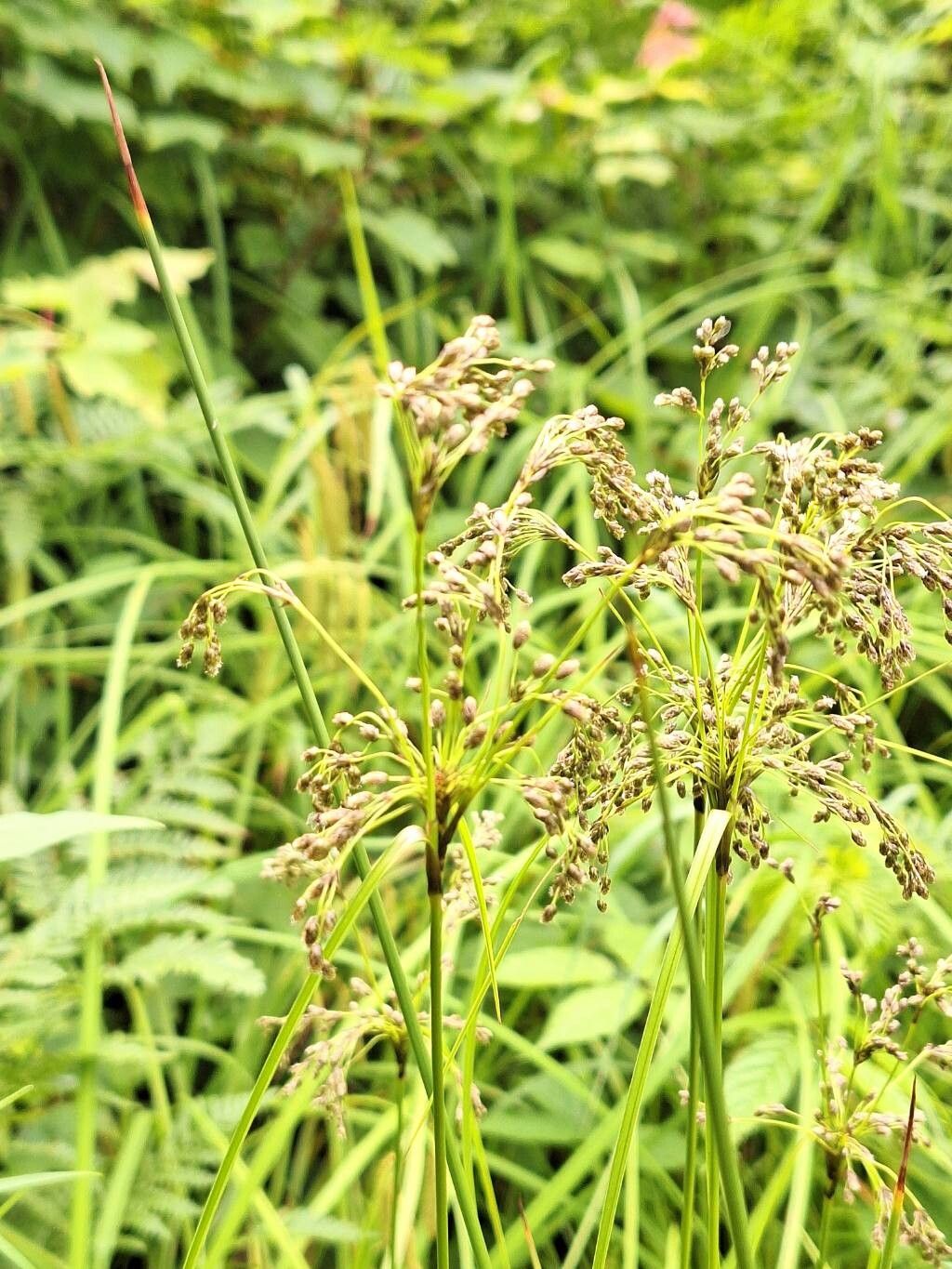
Woolgrass has strong resistance to diseases and typically does not develop them easily. Still, it can be affected by pests and diseases present in its surroundings, although these issues are generally mild. Regarding care, the plant needs a moderate level of maintenance. It should be pruned regularly to preserve a good appearance and healthy growth, and fertilizing can help encourage flowering. Woolgrass is well suited to anyone with an outdoor area, such as a garden or patio, and does not demand extensive care experience. It may, however, need more attention if grown indoors.
How to keep Scirpus Atrocinctus.
Light
Woolgrass flourishes when it is fully exposed to sunlight, as this is fundamental to its well-being and growth. That said, it is able to survive with moderate light exposure without significant negative impact. While it is adaptable, inadequate sunlight exposure can hinder its growth and vitality, and an overabundance of light can be destructive.
Temperature
Woolgrass thrives well within a wide temperature spectrum, specifically in conditions that range from 50 to 95 °F (10 to 35 ℃). It efficiently acclimatizes to its ideal temperature throughout the various seasons.
Botanical profile.
- Plant Type
- Herb
- Life Cycle
- Perennial
- Hardiness Zone
- 6-9
- Mature Height
- 0.91 m to 1.83 m
- Mature Spread
- 0.61 m to 1.22 m
- Leaf Color
- Green
- Leaf Type
- Deciduous
- Flower Color
- Red, Brown, Yellow, Green, Burgundy
- Flower Size
- 2.54 cm
- Bloom Time
- Summer
- Planting Time
- Spring, Summer
- Harvest Time
- Late summer, Early fall, Mid fall
- Native Area
- Mexico