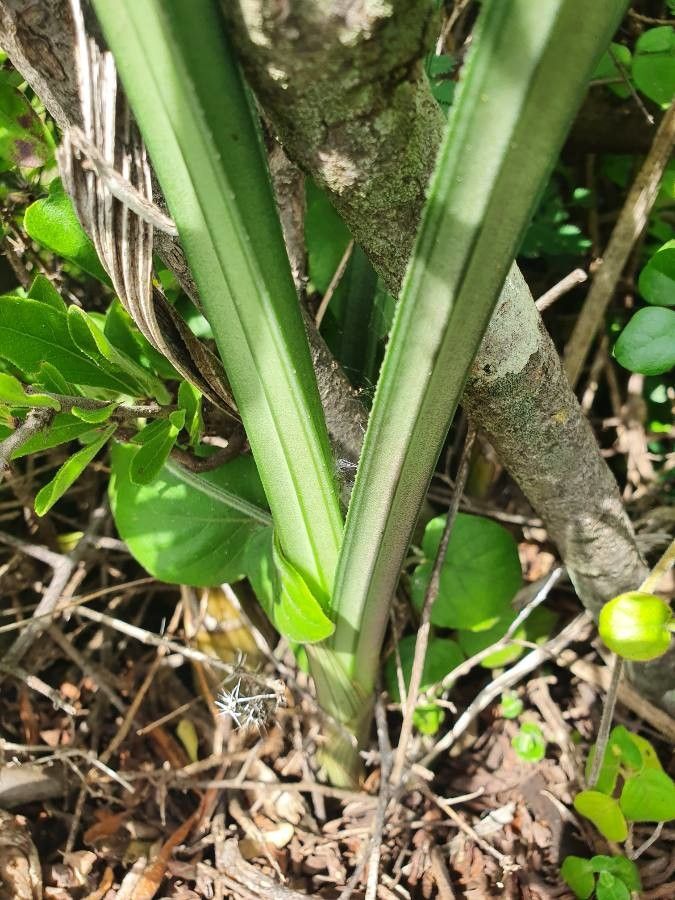
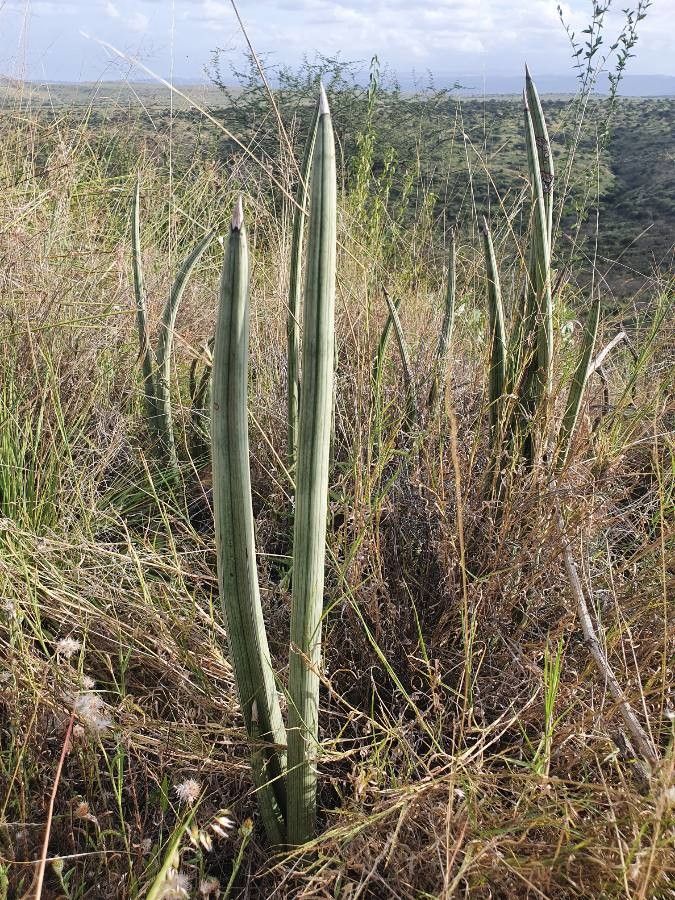
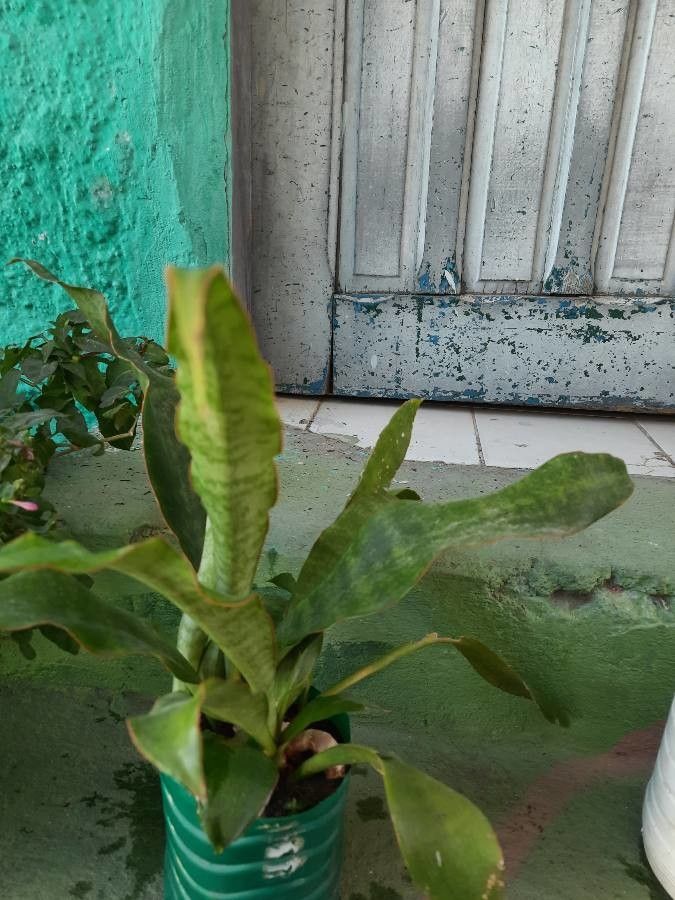
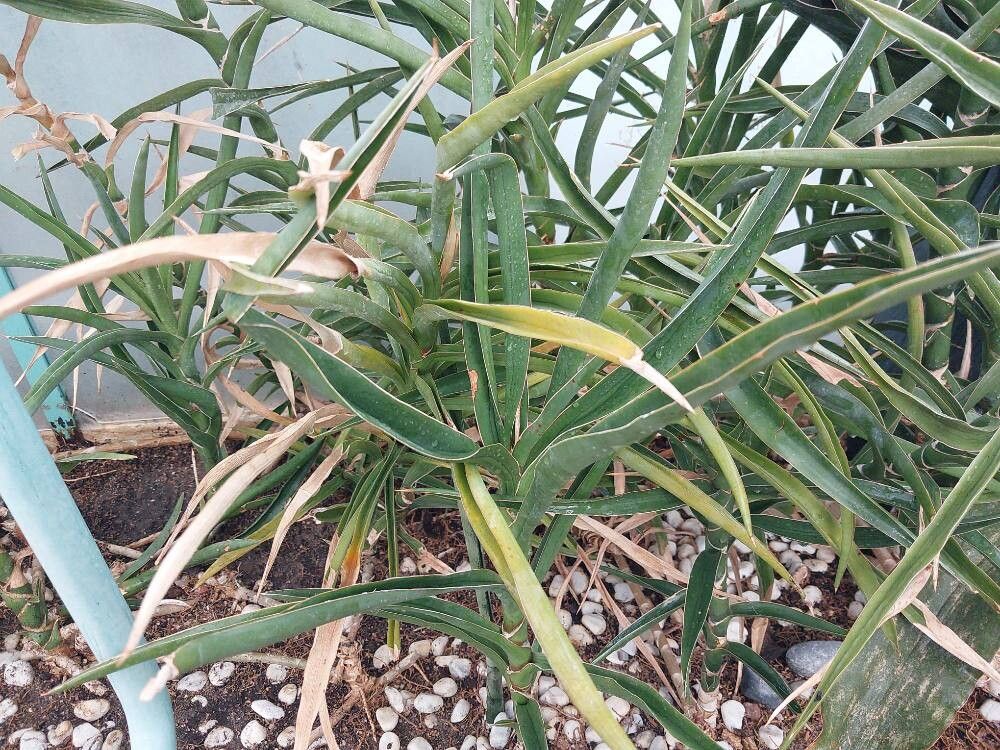
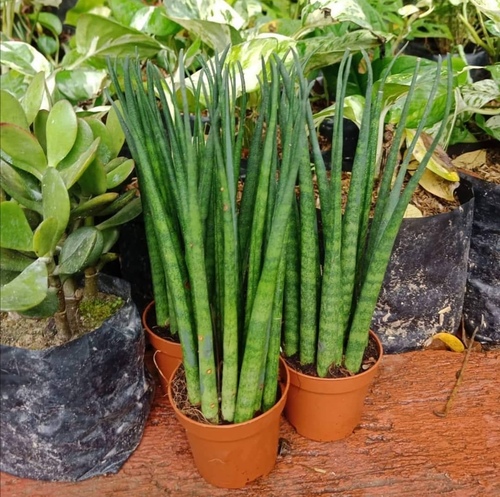
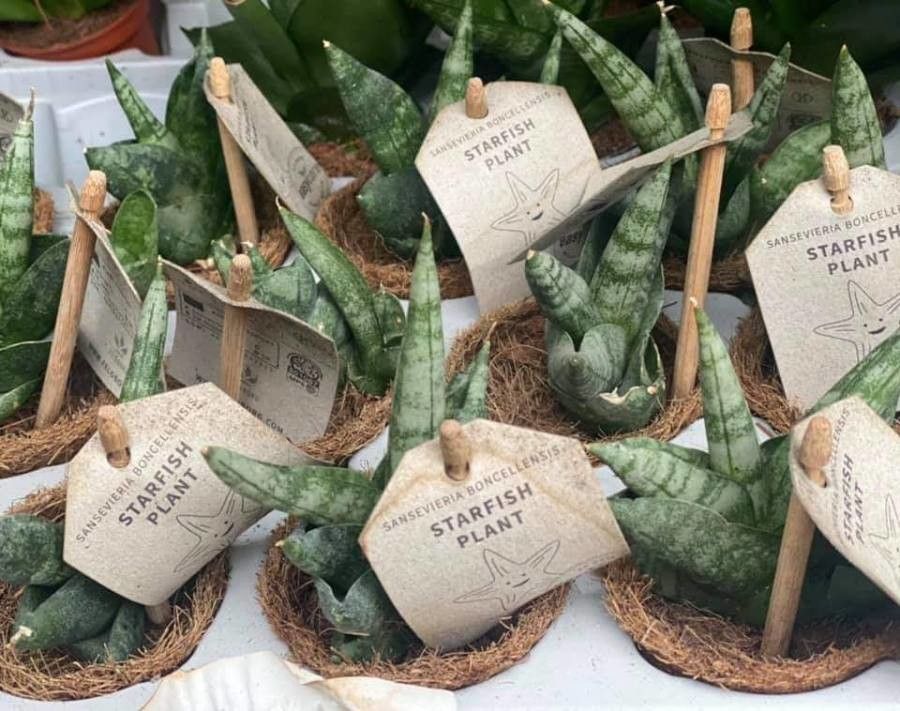
Dracaena suffruticosa, synonym Sansevieria suffruticosa is a species of Dracaena native to eastern Africa, from Ethiopia to Malawi. The first description of the species was made in 1915 by N. E. Brown.
The Sansevieria suffruticosa, like all members of the Sansevieria genus, is commonly known as the snake plant due to its distinctive shape. It is also sometimes referred to as 'mother-in-law's tongue' or 'Saint George's sword,' both of which suggest something sharp and potentially dangerous.
Snake plant has moderate disease resistance and is more sensitive to humidity and to being overwatered. It also becomes more prone to illness if it receives insufficient light and is overwatered. Regarding care, Snake plant is drought-tolerant and can go long periods without watering. It requires little fertilizer and only occasional pruning. Because of this, it suits people at any experience level, especially those who prefer to spend less time on plant care or who may be away from home for extended periods. It’s a good option for anyone who doesn’t want to invest a lot of time in maintenance but still wants an easy-to-care-for plant.
How to keep Sansevieria Suffruticosa.
Light
Snake plants typically do best in filtered light similar to the conditions in their native habitat. That level of light promotes healthy growth. The plant is adaptable and can adjust to lower-light situations if required. Too little or too much light can hinder its growth, illustrating its need for a balanced amount of sun.
Water
The snake plant, well-suited for arid environments, needs minimal water and should be watered only once every three weeks. It's essential to avoid overwatering, as this can lead to root rot. Commonly grown indoors, this evergreen plant retains its foliage throughout the year and requires even less water during the cooler months.
Temperature
The snake plant is native to temperate regions and grows best at temperatures between 68 and 100°F (20 and 38°C). As seasons change, gradually adjust its surroundings to prevent shock.
Fertilizer
For snake plants, small amounts of fertilizer once or twice a year during the active growing period are adequate. Do not fertilize in winter or in summer, when the plant is dormant. Use less fertilizer for plants that have been repotted, and wait a couple of months after repotting before applying any fertilizer. Feeding the plant helps maintain healthy growth and can promote flowering.
Pruning
The snake plant grows quickly, so it's important to promptly prune any yellow or dry leaves. This will make room for new growth and help maintain the plant's attractive appearance.
Pot & Repot
When repotting a snake plant, choose a pot slightly larger than the current one that provides good drainage. Use a gritty, well-draining cactus or succulent mix. Gently remove the plant from its old pot, brush off excess soil, and set it in the new pot at the same depth. Wait several days before watering so any root injury can heal. Repot in spring or fall and place the pot in a brightly lit area.
Botanical profile.
- Plant Type
- Succulent
- Life Cycle
- Perennial
- Genus
- Sansevieria
- Family
- Asparagaceae
- Hardiness Zone
- 9-11
- Mature Height
- 30 cm to 61 cm
- Mature Spread
- 30 cm
- Leaf Color
- Dark Green, Forest Green
- Leaf Type
- Evergreen
- Flower Color
- White
- Flower Size
- 1.02 cm to 2.03 cm
- Bloom Time
- Summer
- Planting Time
- Spring, Summer, Autumn
- Harvest Time
- Late summer, Early fall, Mid fall
Reader questions.
What are the sunlight requirements for a Snake plant?
The Snake plant thrives under filtered light conditions, resembling its natural habitat, which ensures its healthy growth. This type of exposure is essential, but the plant is adaptable, managing to grow even in less illuminated environments. It requires about 3-6 hours of sunlight daily. Prolonged exposure to conditions outside this range may inhibit its growth, showing the plant's need for balanced sun exposure. Additionally, watch the movement of sunlight through your garden to find spots that offer the perfect balance of light and shade, ensuring your plant's happiness.
What are the ideal temperature conditions for a Snake plant?
The Snake plant thrives in temperatures ranging from 68 to 100°F (20 to 38°C), making it a heat-loving plant. It prefers to be gradually acclimated to changes in temperature to avoid shock. During winter, when the temperature drops below 32°F (0°C), it should be moved indoors to avoid entering a dormant state. To optimize growth, place it near a south-facing window for maximum sunlight exposure, and consider supplemental lighting if natural light is insufficient. When temperatures fall below 68°F (20°C), its growth can slow down, necessitating a reduction or halt in watering to prevent root rot. Outdoor plants should not be watered in low temperatures, and additional insulation like a temporary greenhouse or wrapping with plastic film or fabric can be beneficial.
What is the role of artificial lighting for Snake plants?
When natural sunlight is insufficient, especially during winter or in areas that receive less sun, artificial lighting becomes crucial for Snake plants' growth. Indoor plants thrive with the right artificial lighting, which promotes faster and healthier development. Opt for LED lights that offer specific wavelengths necessary for plant growth. Depending on the plant's sun requirements, adjust the artificial lighting power between 10-50W/sq ft. Ensure the light source is 12-36 inches away from the plant and exposed for 8-12 hours a day to mimic natural sunlight conditions.
How should I care for my Snake plant in low temperatures?
Snake plants are sensitive to low temperatures and grow best above 68°F (20°C). They should not be exposed to temperatures below 32°F (0°C) during winter to avoid damage. Exposure to temperatures below 23°F (-5°C) can lead to wilting and root rot. In the case of frost damage, remove the affected areas promptly. Check the roots for rot, cutting away as necessary, and propagate through cuttings if needed. Move the plant to a warmer indoor environment near a south-facing window to ensure it gets enough light, using supplemental lighting if natural light is scarce.
What are the symptoms of improper lighting for Snake plants?
Symptoms of improper lighting in Snake plants can vary depending on whether the plant receives too little or too much light. Insufficient lighting can lead to smaller new leaves, leggy growth, faster leaf drop, slower or halted growth, lighter-colored new leaves, and the development of chlorosis. Excessive sunlight exposure can cause sunscald, leaf curling, wilting, and leaf scorching. These symptoms indicate the plant's struggle to adapt to its lighting conditions, affecting its overall health and growth.
What should I do if my Snake plant is exposed to high temperatures?
During the hotter months, it's crucial to keep the Snake plant's temperature below 100°F (38°C) to prevent growth from stopping, water loss, wilting, and sunburn. Exposing the Snake plant to temperatures above 109°F (43°C) can lead to these issues. To aid recovery from sunburn or root rot caused by high temperatures, remove damaged parts of the plant. Provide protection from direct afternoon sunlight until the plant begins to show signs of recovery and growth. In cases of root rot, halt watering until new roots develop.
How can I address lighting issues for my Snake plant?
Addressing lighting issues for Snake plants involves gradually adapting them to ideal light conditions. For indoor plants, shift them to sunnier spots each week until they receive the required 3-6 hours of direct sunlight. If moving the plant isn't feasible, consider using desk, ceiling lamps, or professional grow lights for at least 8 hours daily. For outdoor plants, gradually move them to optimal sunlight spots while avoiding sudden changes in light intensity to prevent sunburn. Also, for plants affected by obstructive environments, pruning or even transplanting during dormant periods may be necessary to ensure adequate sunlight exposure. Remember, affected parts might not recover, but new growth will be healthy once the light condition is improved.