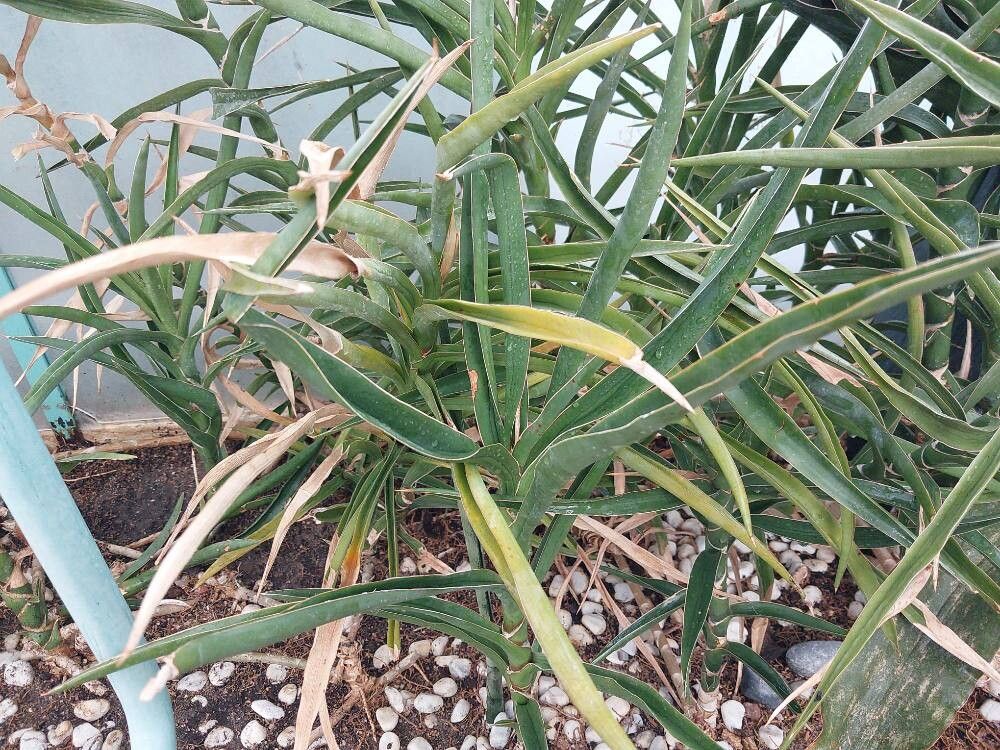
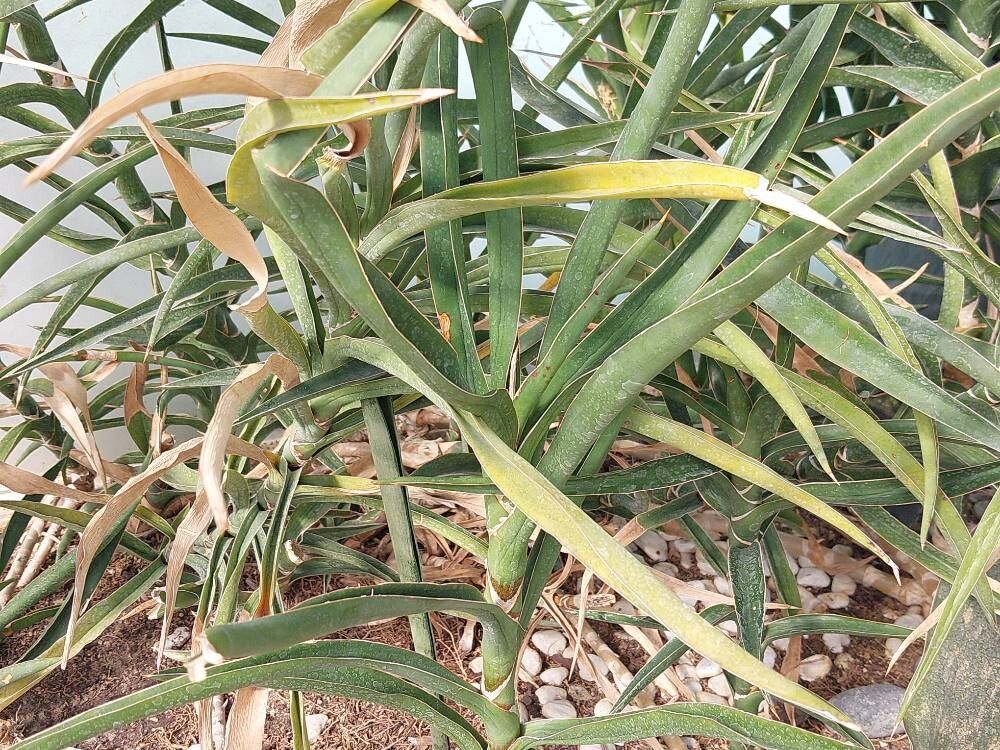
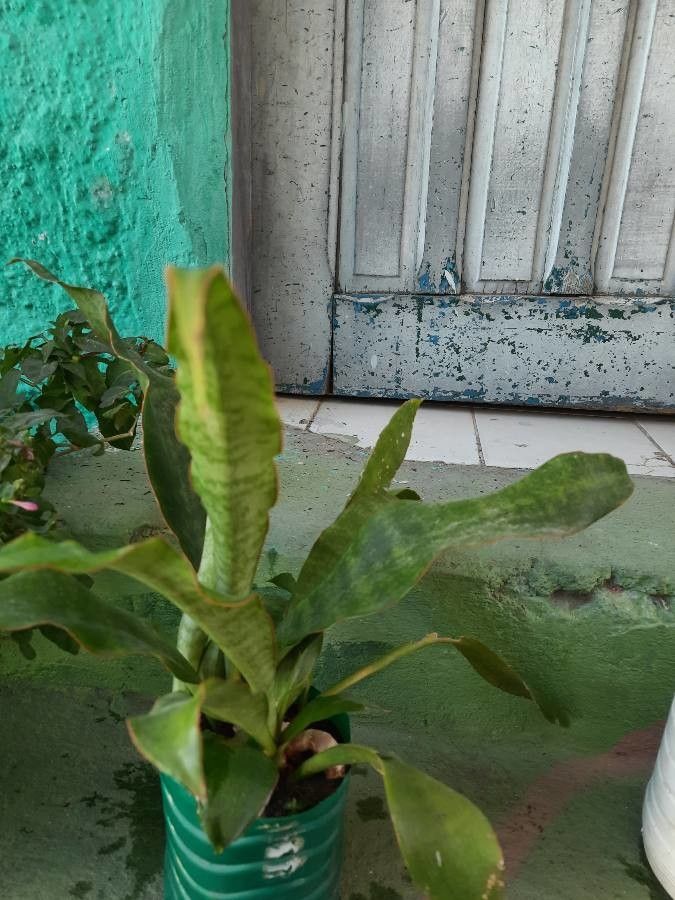
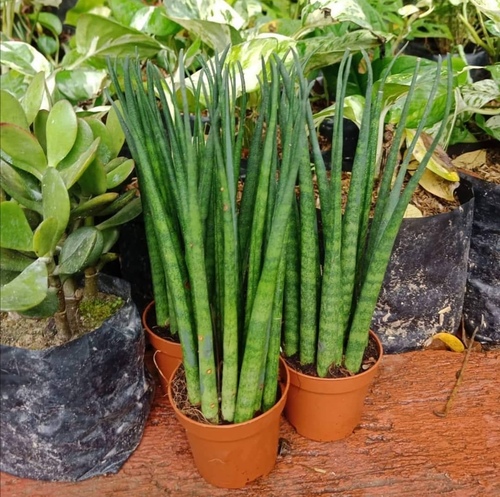
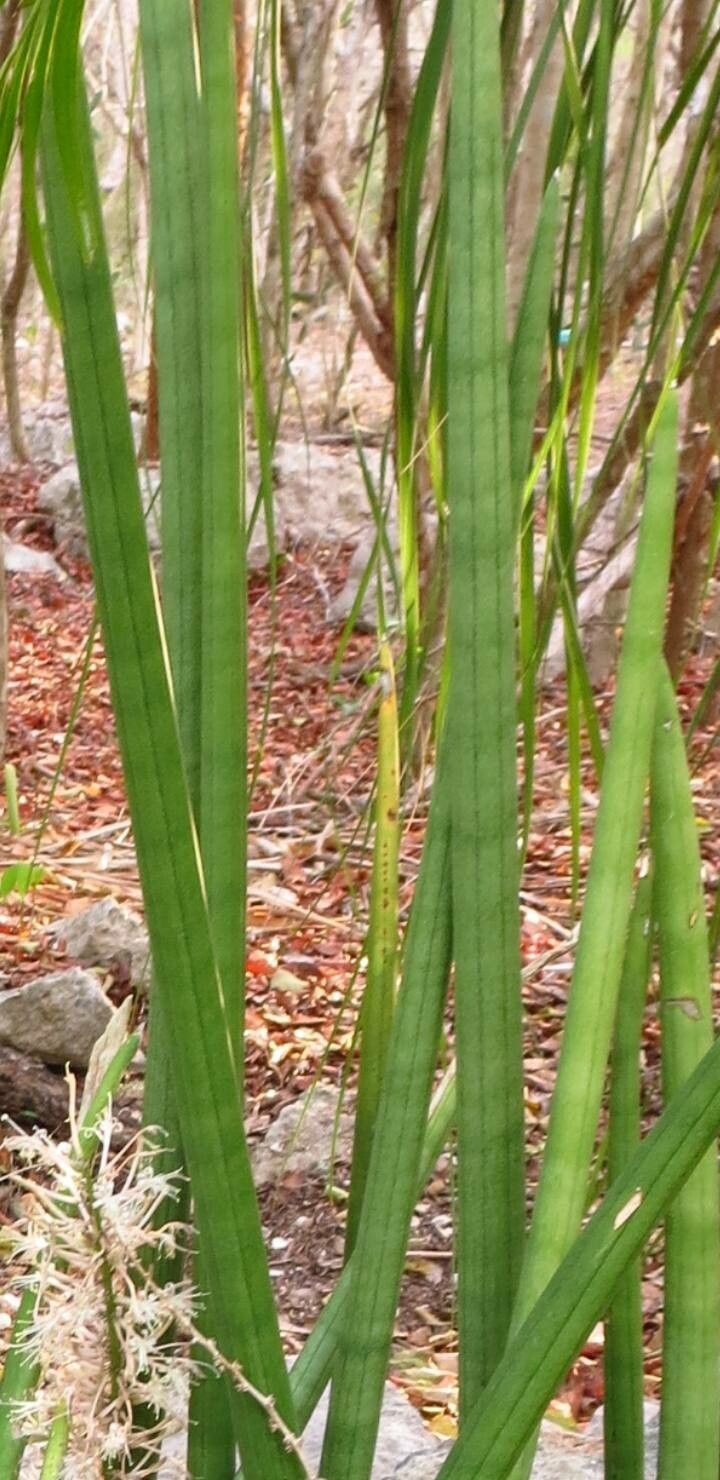
Dracaena arborescens, synonym Sansevieria arborescens, is a succulent plant native to Kenya and Tanzania.
Snake plant has moderate disease resistance and is more sensitive to humidity and to being overwatered. It also becomes more prone to illness if it receives insufficient light and is overwatered. Regarding care, Snake plant is drought-tolerant and can go long periods without watering. It requires little fertilizer and only occasional pruning. Because of this, it suits people at any experience level, especially those who prefer to spend less time on plant care or who may be away from home for extended periods. It’s a good option for anyone who doesn’t want to invest a lot of time in maintenance but still wants an easy-to-care-for plant.
How to keep Sansevieria Arborescens.
Light
Native to dry areas, the Snake plant does best in full sun, as its native habitat features intense sunlight and little shade. It can also tolerate partial sun, providing some flexibility in its growth.
Water
The snake plant is well-suited to arid environments because of its excellent drought tolerance and minimal water needs. A watering schedule of every two weeks is ideal for this low-maintenance plant. As an indoor plant known for purifying the air, it thrives in well-draining soil, which helps prevent root rot and reflects its preference for drier conditions.
Temperature
The snake plant performs best in warm conditions and needs higher temperatures during the growing season to support growth and metabolic processes. It prefers plenty of sunlight, proper moisture, and good air circulation. However, it can be harmed by very low temperatures and by overwatering; likewise, maintaining balance is important to avoid overly high heat and excessively dry conditions.
Fertilizer
For snake plants, small amounts of fertilizer once or twice a year during the active growing period are adequate. Do not fertilize in winter or in summer, when the plant is dormant. Use less fertilizer for plants that have been repotted, and wait a couple of months after repotting before applying any fertilizer. Feeding the plant helps maintain healthy growth and can promote flowering.
Pruning
The snake plant has sword-shaped leaves and benefits from pruning in early spring. To promote growth and improve air circulation, trim any dead leaves at the base using clean, sanitized shears. Be careful not to over-prune, as the plant grows slowly. Always wear gloves while handling the plant to avoid skin irritation.
Pot & Repot
When repotting a snake plant, choose a pot slightly larger than the current one that provides good drainage. Use a gritty, well-draining cactus or succulent mix. Gently remove the plant from its old pot, brush off excess soil, and set it in the new pot at the same depth. Wait several days before watering so any root injury can heal. Repot in spring or fall and place the pot in a brightly lit area.
Botanical profile.
- Plant Type
- Succulent
- Life Cycle
- Perennial
- Genus
- Sansevieria
- Family
- Asparagaceae
- Hardiness Zone
- 10-12
- Mature Height
- 0.91 m to 2.13 m
- Mature Spread
- 49 cm to 91 cm
- Leaf Color
- Dark Green
- Leaf Type
- Evergreen
- Flower Color
- White
- Flower Size
- 1.02 cm to 2.03 cm
- Bloom Time
- Summer, Early fall
- Planting Time
- Spring
- Harvest Time
- Late summer, Fall