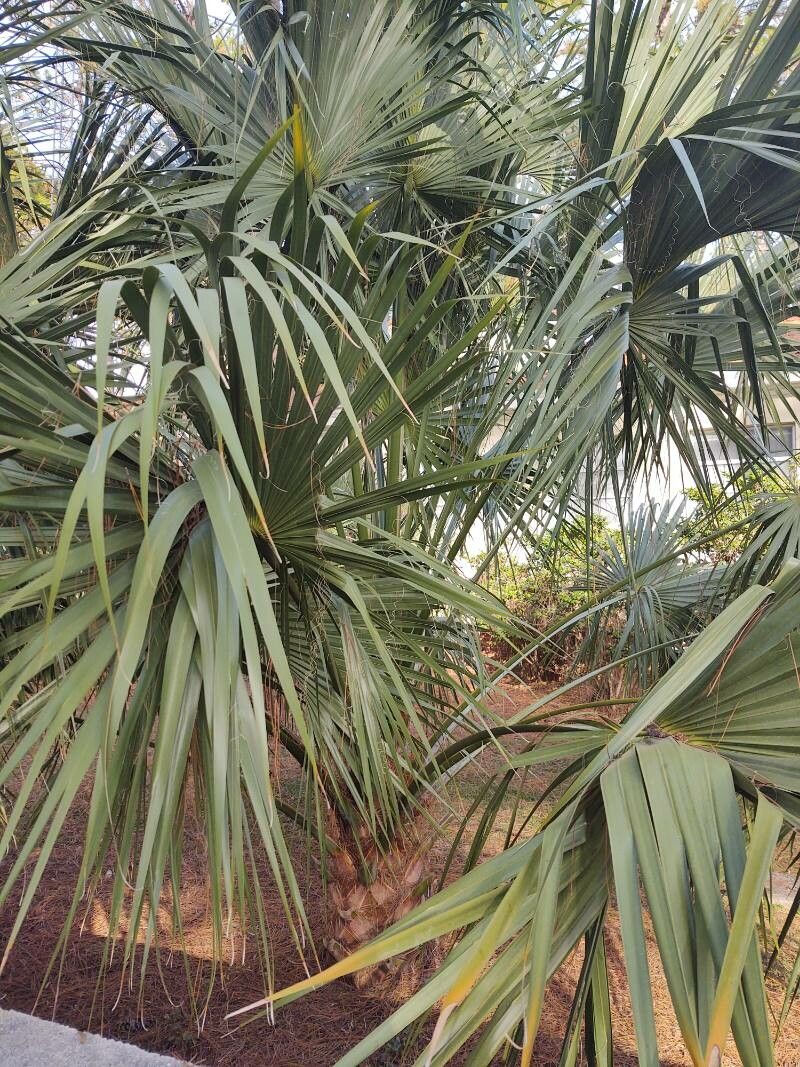
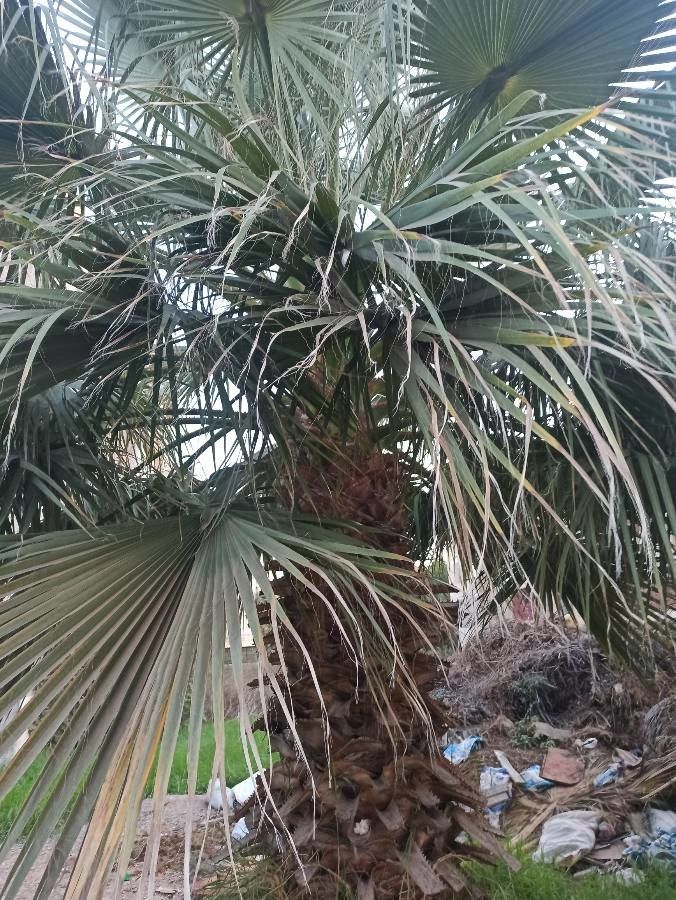
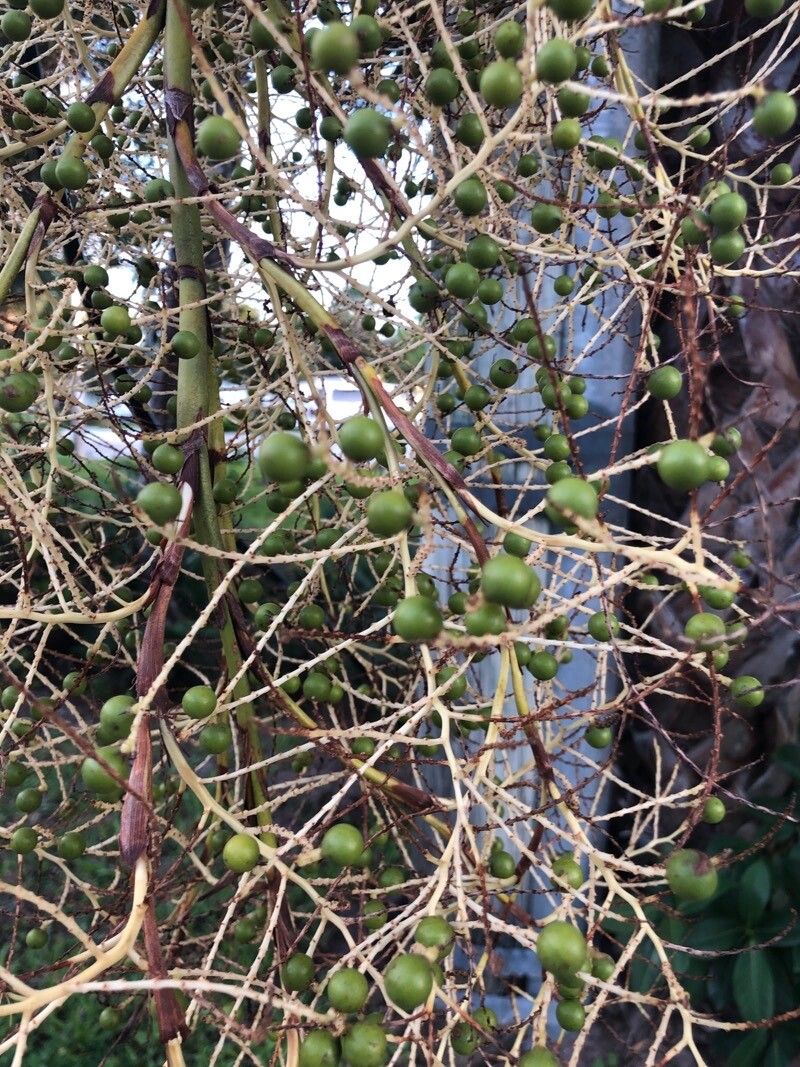
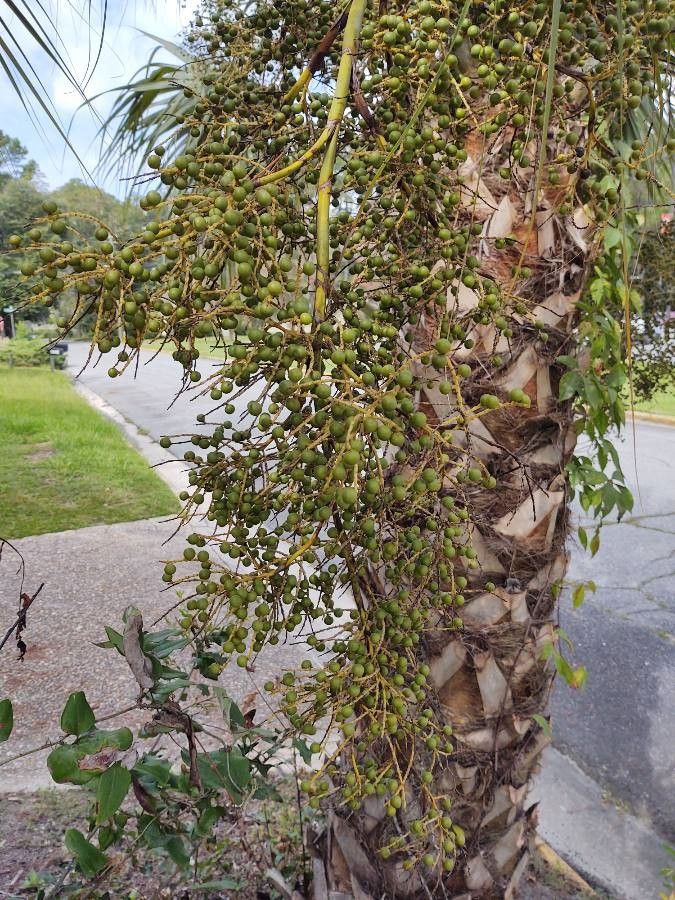
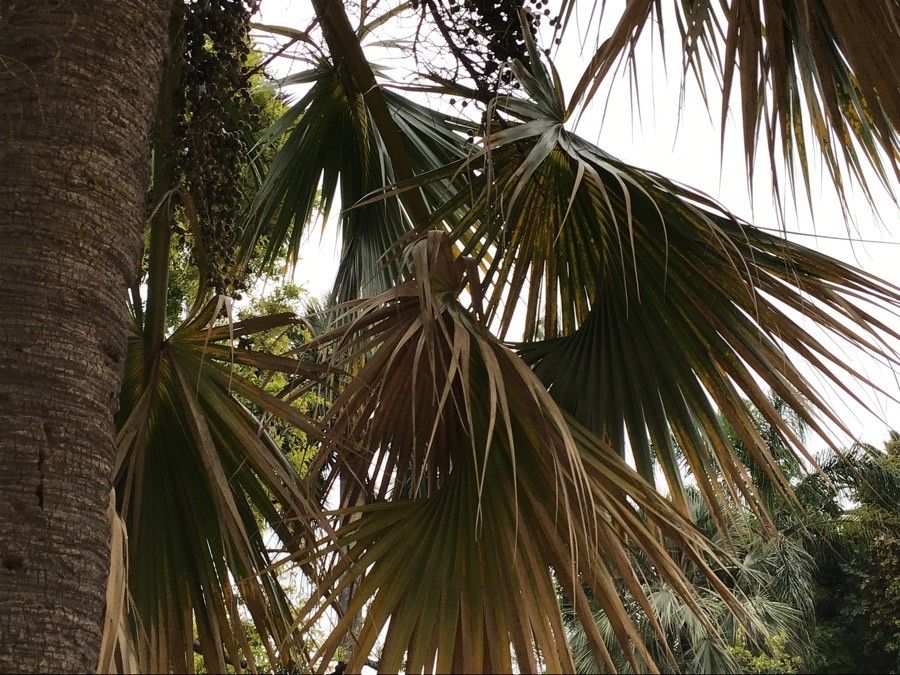
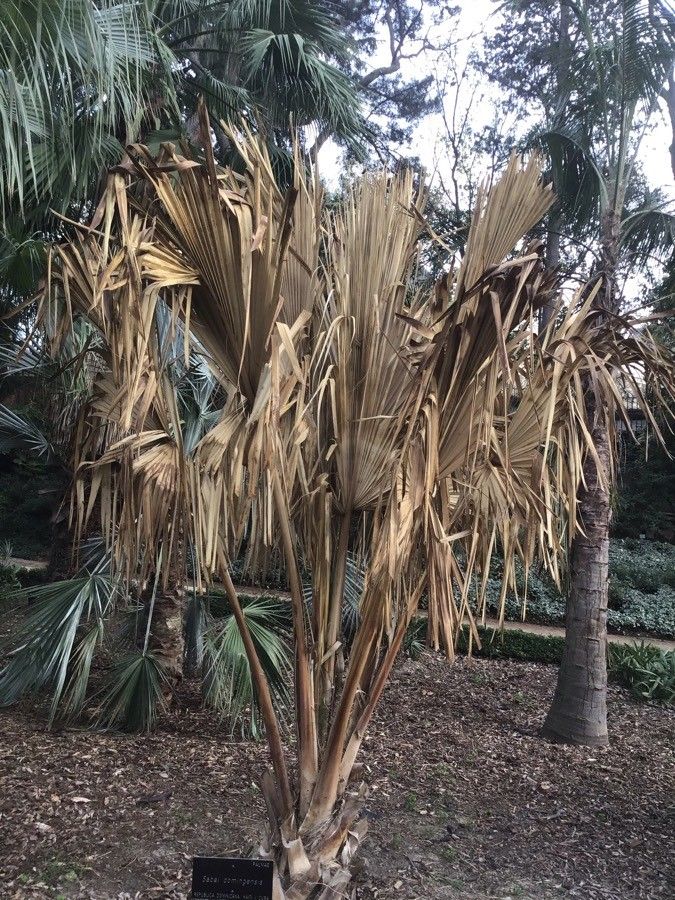
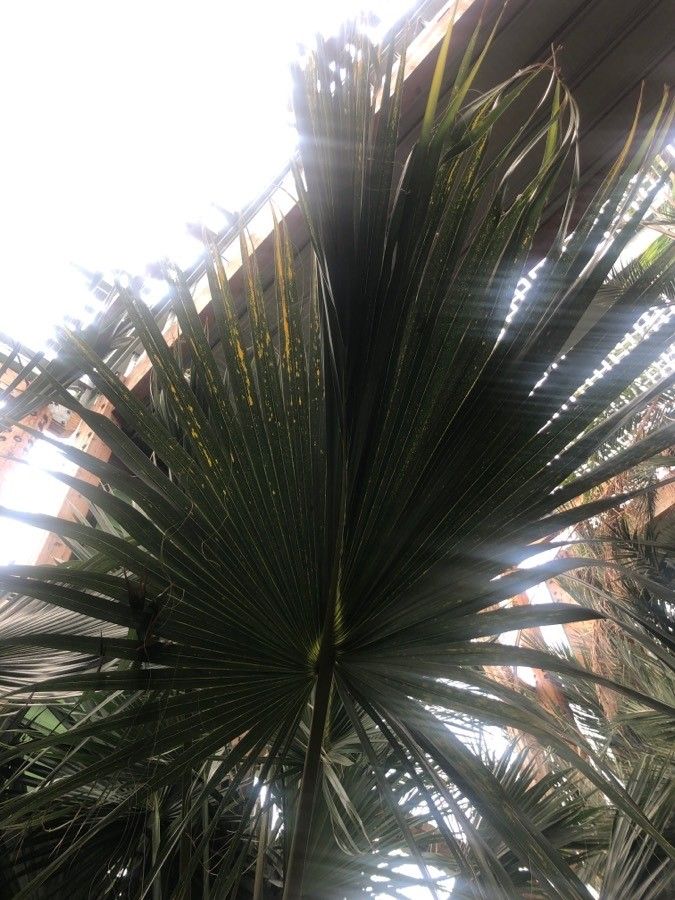
Sabal palmetto, commonly known as the cabbage palm or sabal palm, is a palm tree species native to the southeastern United States. It is a slow-growing tree that can reach heights of up to 80 feet and has a trunk diameter of up to 2 feet. The leaves are fan-shaped, growing up to 5 feet in length, with sharp teeth along the edges.
The sabal palmetto is highly adaptable, thriving in a variety of soil types from sandy soils near the coast to clay soils further inland. It prefers full sun but can also tolerate some shade.
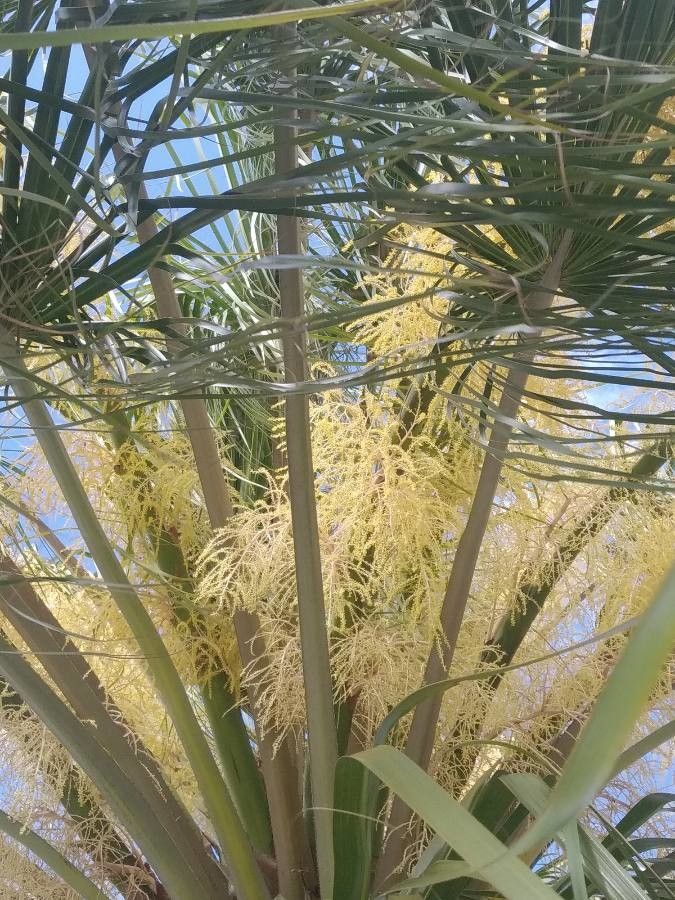
The tree produces small white flowers that bloom in late spring or early summer, followed by black berries that ripen in late fall or early winter. These berries are an important food source for wildlife, including birds and small mammals.
For centuries, Native Americans have used the sabal palmetto for food, medicine, and building materials. Today, it is commonly used as an ornamental plant due to its attractive appearance and its ability to withstand harsh weather conditions such as hurricanes.
Overall, Sabal palmetto is an iconic plant species with cultural significance throughout its native range. It also provides important ecological benefits by serving as a wildlife habitat.
Cabbage palm is resistant to disease and usually not susceptible to illnesses. Regarding care, this plant is fairly low-maintenance. When grown outdoors it needs little watering, and larger specimens typically do not require pruning. Smaller plants, however, should be pruned after they have finished blooming. Cabbage palm is appropriate for anyone who has an outdoor area, like a garden or deck, and it does not demand extensive plant-care experience.
How to keep Sabal Palmetto.
Light
The cabbage palm performs best with plentiful, unobstructed sunlight but can tolerate a certain amount of shade. Native to sunny regions, the plant achieves its greatest growth in those conditions. Too much or too little light can harm its health, so a balance of light is important.
Water
Cabbage palm is well-suited to humid subtropical climates, where it can withstand heavy rains as well as short periods of drought, thriving best with consistent moisture. Ideally, it should be watered every 1-2 weeks. As an evergreen, it maintains its lush foliage by storing water in its trunk, showing remarkable resilience during dry spells.
Humidity
This plant will thrive in moderate humidity, which is probably the level in your home. However, misting it a few times a week can be very beneficial. Make sure the room has good ventilation.
Temperature
The cabbage palm occurs naturally in warm climates and prefers temperatures of 68 to 100 ℉ (20 to 38 ℃). It requires warmth during its growing season to thrive. In colder months it can tolerate temperatures as low as 20 ℉ (-6.67 ℃).
Fertilizer
Fertilize your Cabbage palm in early spring to encourage healthy growth. Regular feeding boosts its overall health, producing vigorous growth, increased resilience to harsh conditions, and improved resistance to pests and disease. Keep to a set fertilization schedule for your Cabbage palm to maintain vibrant, deeply colored foliage and a lush appearance.
Pruning
The cabbage palm has fan-shaped leaves and a sturdy trunk. To promote healthy growth and minimize disease and safety risks, prune dead fronds and flower stalks in early spring. Using the right pruning techniques will also improve the cabbage palm's appearance and structural integrity.
Pot & Repot
When repotting a Cabbage palm, choose a pot that is slightly larger and has excellent drainage. Use a well-draining potting mix. Repot in spring, taking care not to damage the roots while doing so. Set the palm at the same level it had in the old pot. Water well after repotting, and place it in a warm spot with bright, indirect light. Avoid overwatering to prevent root rot.
Botanical profile.
- Plant Type
- Palm
- Life Cycle
- Perennial
- Genus
- Sabal
- Family
- Arecaceae
- Hardiness Zone
- 10-12
- Mature Height
- 6.1 m to 9.14 m
- Mature Spread
- 3.05 m to 4.57 m
- Leaf Color
- Green
- Leaf Type
- Evergreen
- Flower Color
- White
- Flower Size
- 2.54 cm
- Bloom Time
- Early summer, Mid summer
- Planting Time
- Spring, Autumn
- Harvest Time
- Mid summer, Late summer, Early fall
- Native Area
- Bahamas, Cuba
Other names.
Reader questions.
How should I water my Cabbage palm tree?
When caring for your indoor Cabbage palm, the best way to water it is by applying water directly to the top layer of soil in the container. It is important to use rainwater or distilled water that is at or around room temperature. To determine if your Cabbage palm needs water, simply poke your finger into the soil. If the top few inches of soil are dry, you should add enough water to moisten those layers and allow any excess water to drain through the bottom of the container. If you're unsure, it's better to underwater your Cabbage palm, as overwatering can lead to serious issues like root rot. When growing the Cabbage palm outdoors, natural rainfall may be sufficient for its water needs. However, if you receive less than one shower per week during the growing season, it is likely that you'll need to supplement the soil with some additional watering. Whether growing indoors or outdoors, rainwater or distilled water is best for your Cabbage palm.
Why should I put fertilizer on my Cabbage palm?
To ensure the overall health of your Cabbage palm, it is important to regularly fertilize regardless of the specific type you have. Providing the proper nutrients promotes stronger growth and enhances the plant's ability to withstand challenging conditions and pests. The attractive foliage of the Cabbage palm can be preserved by following a dedicated fertilization schedule personalized for your specific plant. This will result in vibrant leaves and a visually pleasing appearance.
What are the sun requirements for a cabbage palm?
The cabbage palm requires abundant sunlight to thrive, performing best under full sunlight conditions which means it needs above 6 hours of sunlight daily. However, it can also tolerate partial sun conditions, requiring about 3-6 hours of sunlight. Be mindful of the plant's placement and observe the movement of sunlight through your garden to ensure the plant receives the optimal balance of light and shade, which is crucial for its health and happiness.
What are the ideal growing temperatures for Cabbage Palm?
Cabbage Palm thrives in warm temperatures, with a preferred range of 68 to 100°F (20 to 38°C) for optimal growth. It requires these warm temperatures during its growing season to flourish. During colder months, it can endure temperatures as low as 20°F (-6.67°C). However, the plant is extremely heat-loving, and exposure to cold can harm it. It's advisable to keep Cabbage Palm indoors during autumn near a bright window, at a safe distance from heaters, ensuring temperatures stay above 20°C through the winter. Temperatures nearing 5°C are harmful to the plant.
What should I do if I give Cabbage palm too much or too little water?
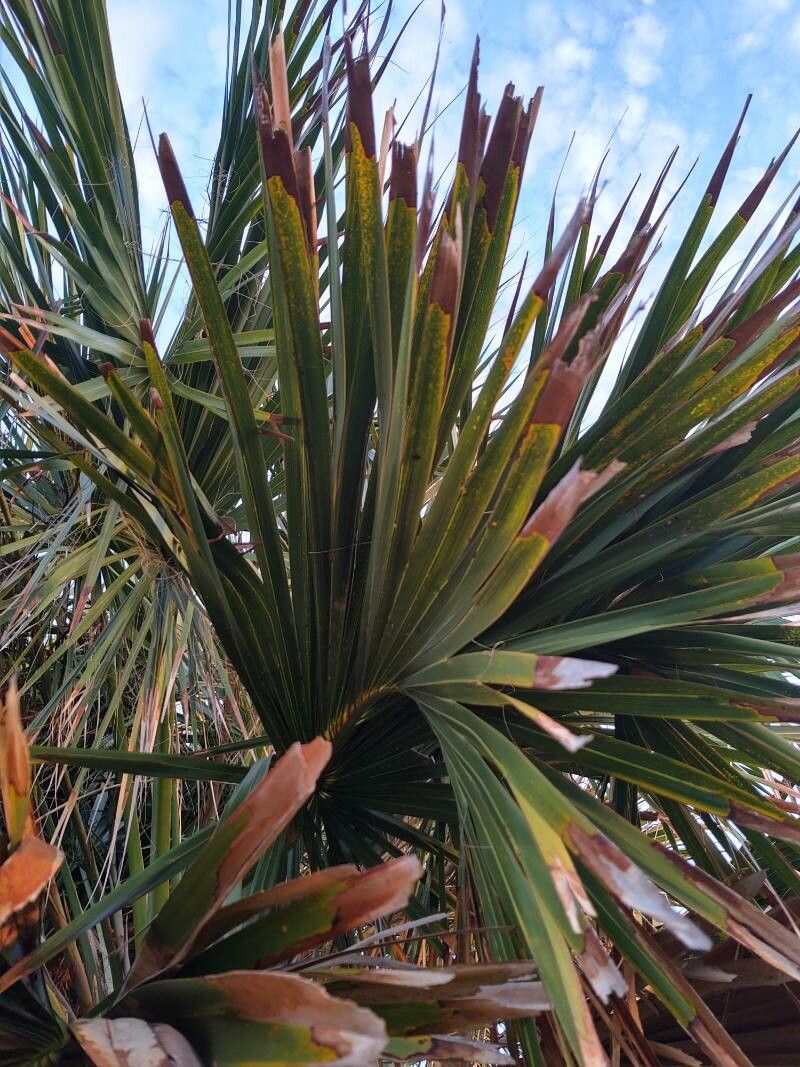
Here are some signs that indicate plants are not getting enough water: brown tips on the plant, wilted and drooping leaves that appear lifeless, and the potential for leaves to turn brown, crispy, and dry out severely. If you notice these signs, water the plant as soon as possible. Alternatively, overwatering can lead to root rot. If this occurs, remove any damaged roots from the soil, especially if they are mushy, fragile, and black. It is important to remove a larger part of the root to address the issue. Overwatering can also cause leaves to turn brown and fall off early. To help the plant recover, drain excess water and wait for the soil to dry before watering again. If you notice signs of root rot, discard the soil in the pot. Clean everything thoroughly and place pebbles in the pot to improve drainage. If you observe tan rings or reddish-brown spots on the leaves, discard any excess water at the base of the pot. Additionally, ensure the plant is in a well-ventilated location to promote faster soil drying and prevent future rotting.
When should I fertilize my Cabbage palm?
To keep your Cabbage palm healthy, fertilize it in late winter or early spring. This provides the necessary nutrients for growth when the weather warms up. If you live in a warm climate, it's also beneficial to fertilize in early fall. This adds nutrients for the next growing season and helps the palm withstand winter without foliage damage. Fertilizing earlier ensures that the new branches have time to strengthen before the cold weather hits.
How does sunlight affect the growth of a cabbage palm?
Sunlight plays a crucial role in the growth and health of a cabbage palm. Originating from regions with ample sun exposure, the cabbage palm maximizes its growth in sunny environments. Both excessive and deficient light can negatively impact its health, indicating the importance of finding a balanced lighting condition. Additionally, indoor plants may require artificial lighting to supplement natural sunlight, ensuring optimal growth. LED lights are recommended for indoor plant lighting, with specific wattage requirements based on the plant's sunlight needs.
How should I care for my Cabbage Palm during low temperatures?
Cabbage Palm prefers warm temperatures and does not tolerate the cold well, thriving best when temperatures remain above 20°C. To protect it during winter, ensure the temperature stays above 5°C. Exposure to temperatures below 1°C may lead to the leaves lightening in color, and after frost damage, they can turn brown or black, showing wilting and drooping. To recover from frost damage, trim off the frost-damaged parts and move the plant to a warmer indoor setting immediately. It's best to place the plant near a south-facing window for ample sunlight while avoiding placement near heaters or air conditioning vents, which can dry out the air excessively.
What should I do if I give my Cabbage palm too much or too little water?
When watering the Cabbage palm, the main issue to watch out for is overwatering. There are a few clear signs that indicate this problem. If the Cabbage palm is receiving too much water, its leaves will turn brown and droop. The stems may become mushy and emit a bad smell. Overwatering can also cause root rot, which can be fatal if not addressed. If you catch overwatering early, you can simply reduce the watering or add sand to the container to improve drainage. In more severe cases, you will need to remove the Cabbage palm from its container, remove any rotten roots, and repot it in a new container. If you grow the Cabbage palm outdoors and it consistently receives too much water, you should consider moving it to a different location with looser soil. On the other hand, underwatering can also cause issues with the Cabbage palm. It will show drooping leaves, but they will be more yellow than brown. The growth of the plant will also slow down. If you notice these signs, you will need to water the Cabbage palm more frequently.
When is the best time to not apply fertilizer to my Cabbage palm?
There are specific times of the year when you should avoid fertilizing your Cabbage palm. Firstly, you should refrain from fertilizing during the early and mid-winter months when the plant is dormant and does not require any nutrients. Additionally, it is not recommended to fertilize during late spring and summer. These seasons tend to have hotter and drier weather conditions which can negatively affect the Cabbage palm's response to fertilization. To prevent any problems, it is best to stick to a fertilization schedule that involves feeding only in early spring and early fall.
What are the symptoms of inappropriate lighting conditions for a cabbage palm?
When a cabbage palm does not receive adequate sunlight, it may exhibit several symptoms indicating stress or poor health. These symptoms include smaller new leaves, leggy or sparse growth, faster leaf drop, slower or halted growth, and lighter-colored or chlorotic leaves. Excessive sunlight can also harm the plant, leading to symptoms like sunscald, leaf curling, wilting, and leaf scorching. These signs underscore the importance of providing the cabbage palm with its ideal sunlight conditions to maintain its health.
What steps should I take if my Cabbage Palm is exposed to high temperatures?
During the summer, it's important to keep Cabbage Palm below 38°C to prevent heat stress. Exposure to temperatures above 43°C can cause the leaves to lighten, increasing susceptibility to sunburn. If the plant suffers from sunburn, trim away the damaged parts and relocate it to an area with shade from the midday and afternoon sun. Additionally, water the plant in the morning and evening to maintain soil moisture, helping mitigate the stress from high temperatures.