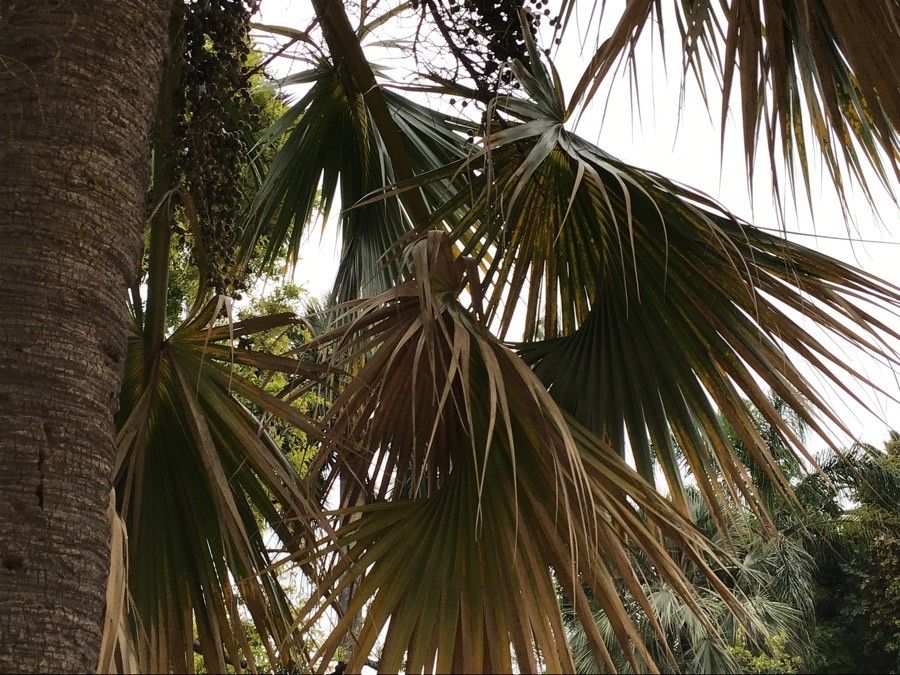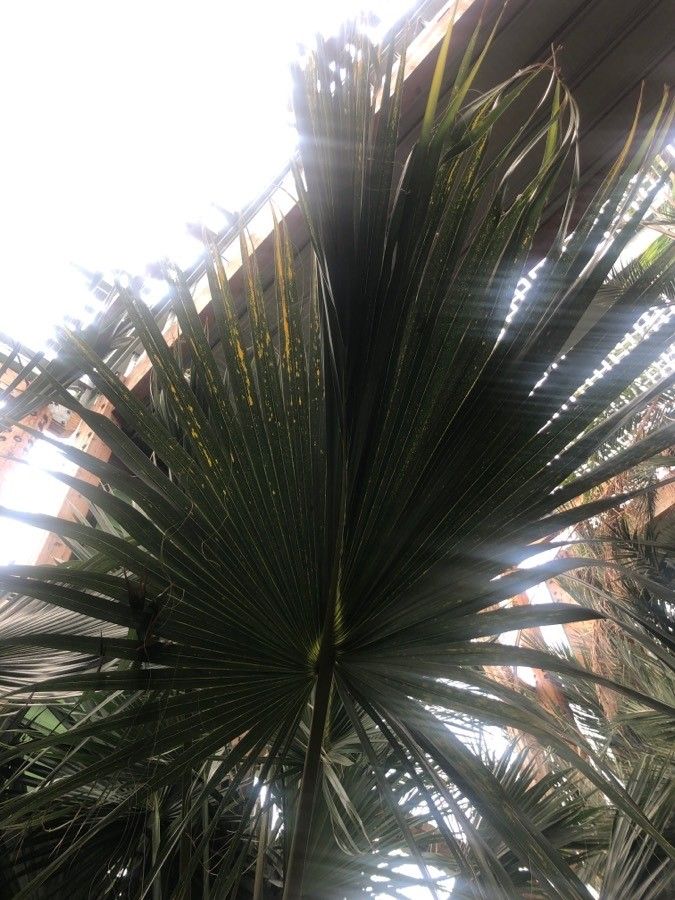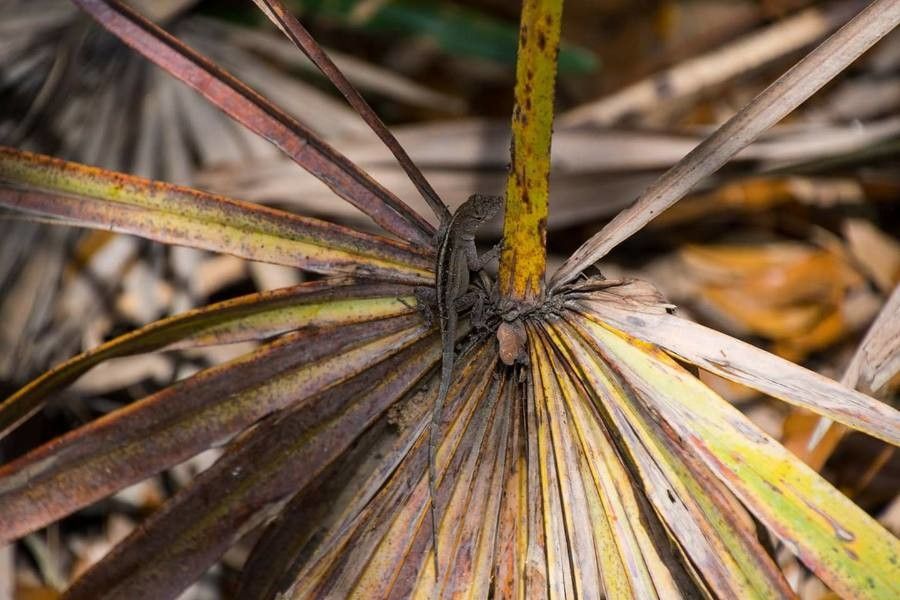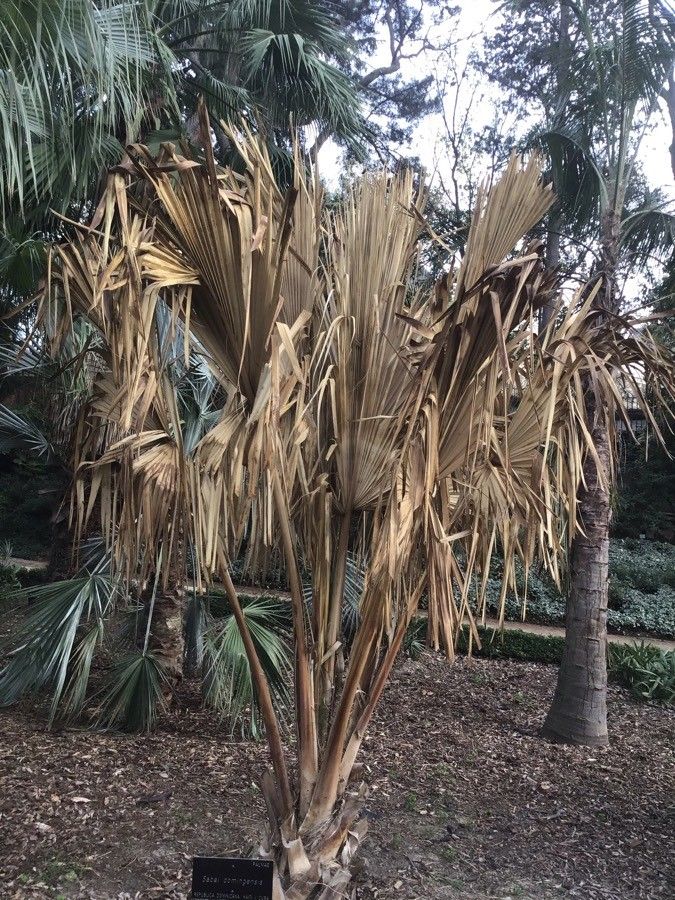
Sabal palmetto (, SAY-bəl), also known as cabbage palm, cabbage palmetto, sabal palm, blue palmetto, Carolina palmetto, common palmetto, Garfield's tree, and swamp cabbage, is one of 15 species of palmetto palm. It is native to the Southern United States and the West Indies.
Cabbage palm is resistant to disease and usually not susceptible to illnesses. Regarding care, this plant is fairly low-maintenance. When grown outdoors it needs little watering, and larger specimens typically do not require pruning. Smaller plants, however, should be pruned after they have finished blooming. Cabbage palm is appropriate for anyone who has an outdoor area, like a garden or deck, and it does not demand extensive plant-care experience.
How to keep Sabal Blackburniana.
Light
The cabbage palm performs best with plentiful, unobstructed sunlight but can tolerate a certain amount of shade. Native to sunny regions, the plant achieves its greatest growth in those conditions. Too much or too little light can harm its health, so a balance of light is important.
Temperature
The cabbage palm occurs naturally in warm climates and prefers temperatures of 68 to 100 ℉ (20 to 38 ℃). It requires warmth during its growing season to thrive. In colder months it can tolerate temperatures as low as 20 ℉ (-6.67 ℃).
Fertilizer
Fertilize your Cabbage palm in early spring to encourage healthy growth. Regular feeding boosts its overall health, producing vigorous growth, increased resilience to harsh conditions, and improved resistance to pests and disease. Keep to a set fertilization schedule for your Cabbage palm to maintain vibrant, deeply colored foliage and a lush appearance.
Pot & Repot
When repotting a Cabbage palm, choose a pot that is slightly larger and has excellent drainage. Use a well-draining potting mix. Repot in spring, taking care not to damage the roots while doing so. Set the palm at the same level it had in the old pot. Water well after repotting, and place it in a warm spot with bright, indirect light. Avoid overwatering to prevent root rot.
Botanical profile.
- Plant Type
- Palm
- Life Cycle
- Perennial
- Genus
- Sabal
- Family
- Arecaceae
- Hardiness Zone
- 10-12
- Mature Height
- 6.1 m to 9.14 m
- Mature Spread
- 3.05 m to 4.57 m
- Leaf Color
- Green
- Leaf Type
- Evergreen
- Flower Color
- White
- Flower Size
- 2.54 cm
- Bloom Time
- Early summer, Mid summer
- Planting Time
- Spring, Autumn
- Harvest Time
- Mid summer, Late summer, Early fall
- Native Area
- Bahamas, Cuba