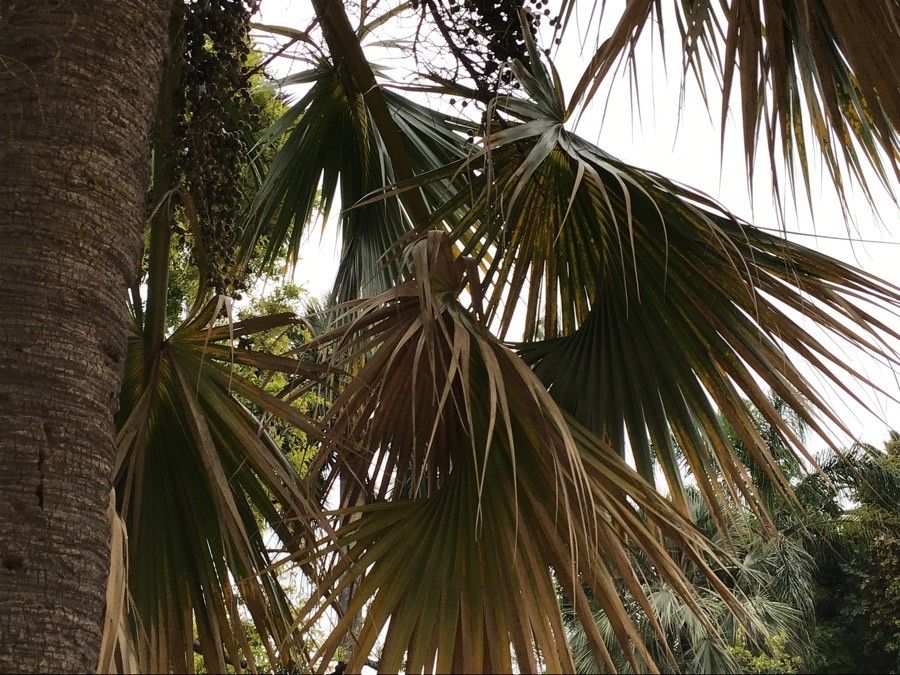
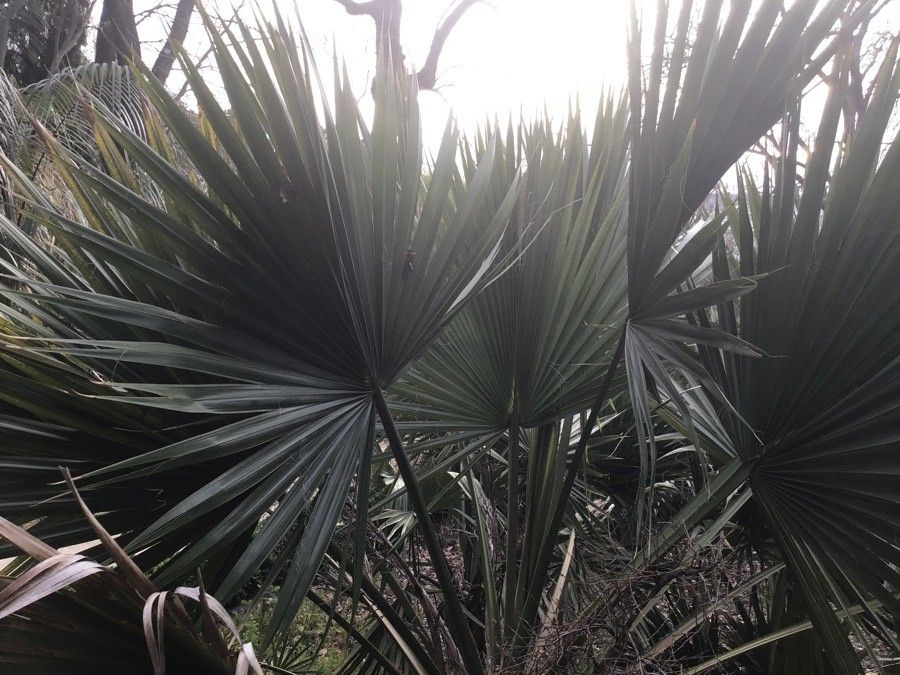
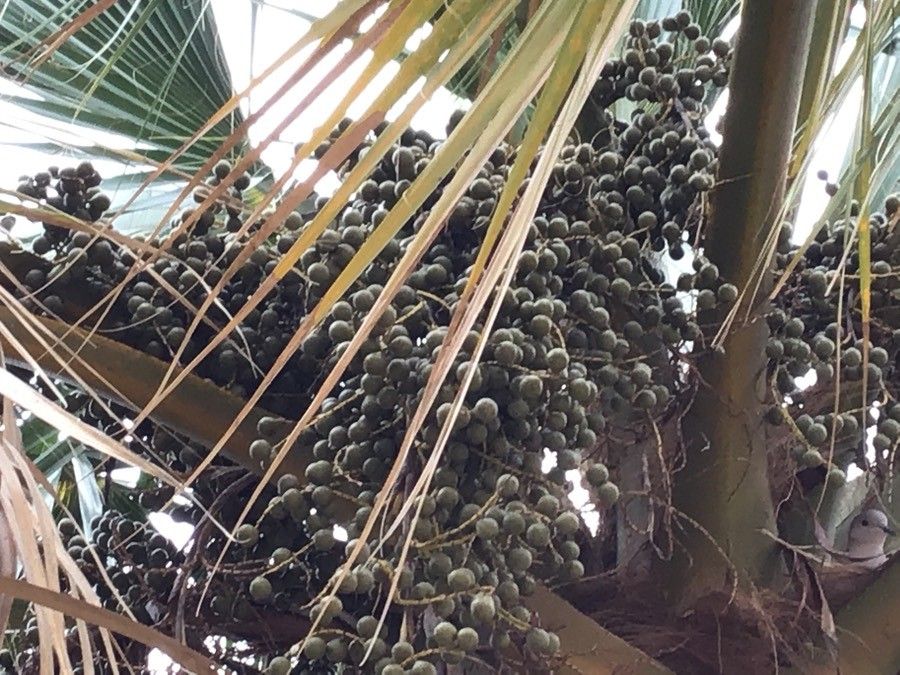
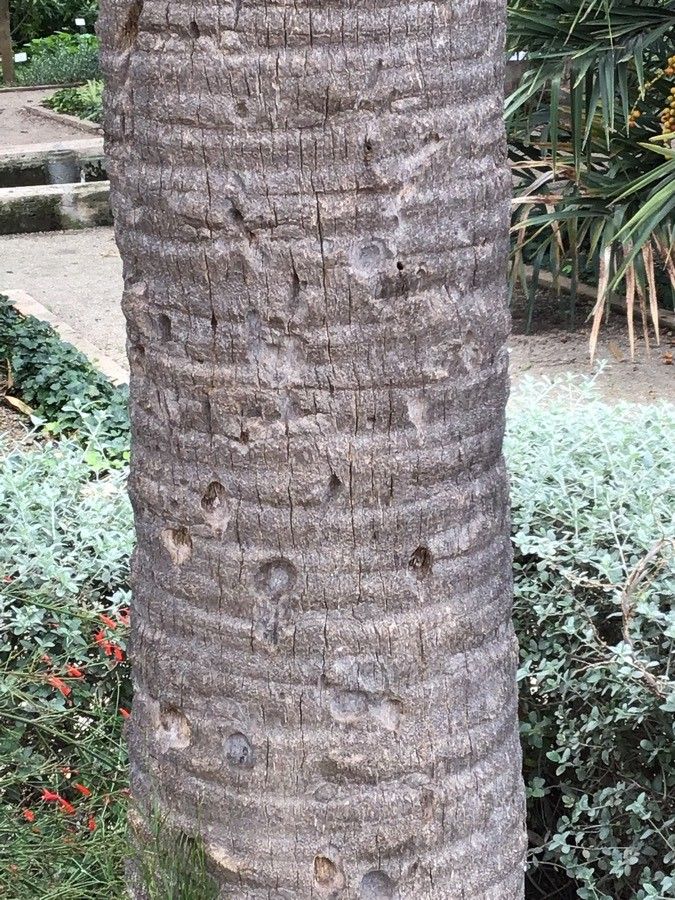
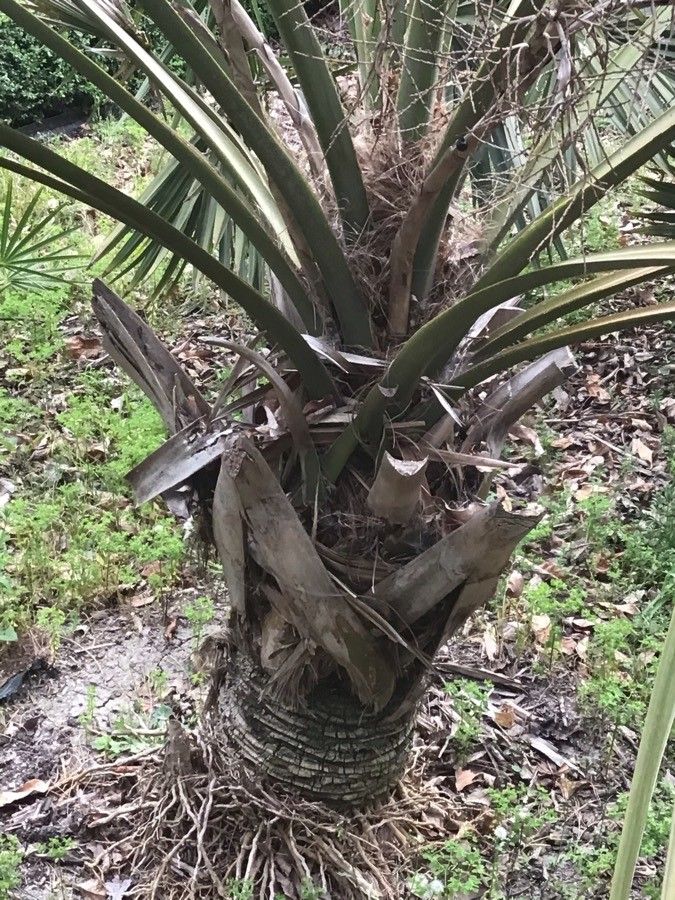
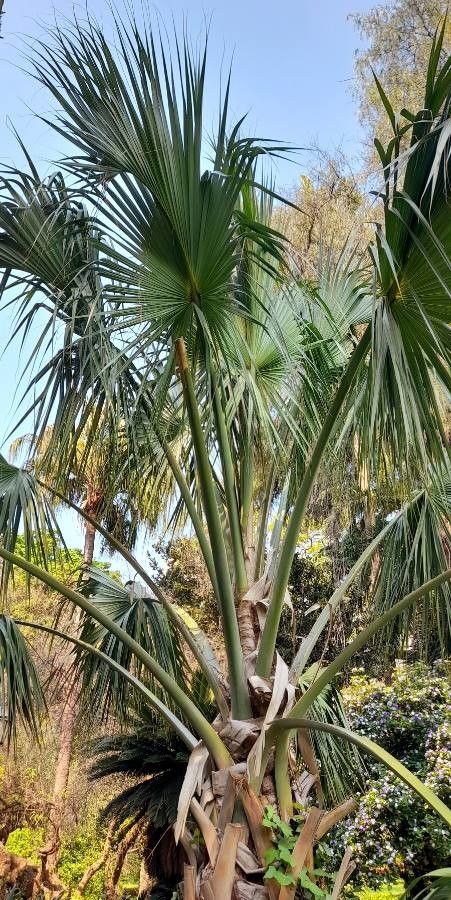
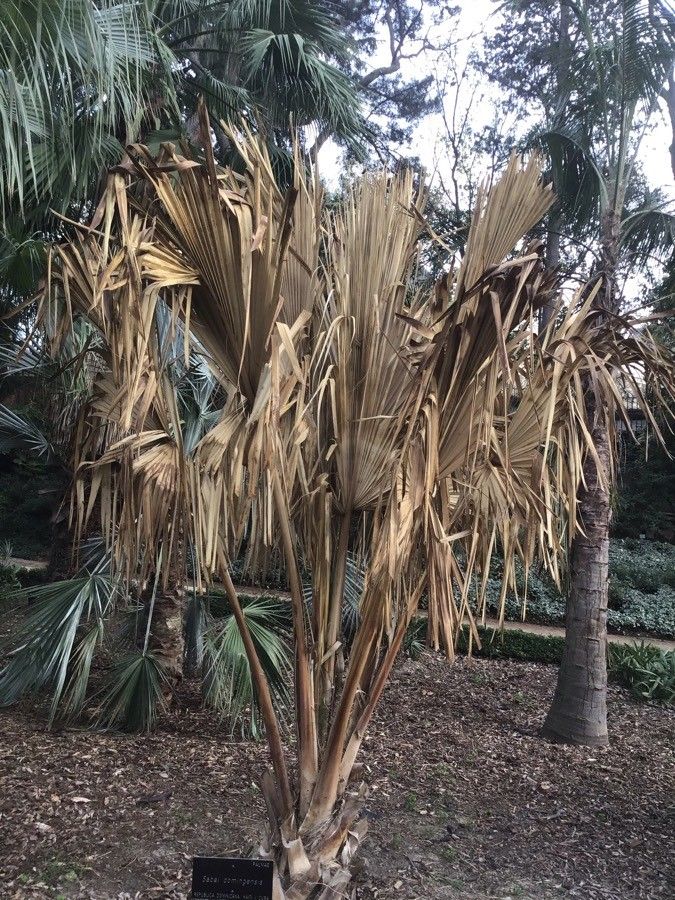
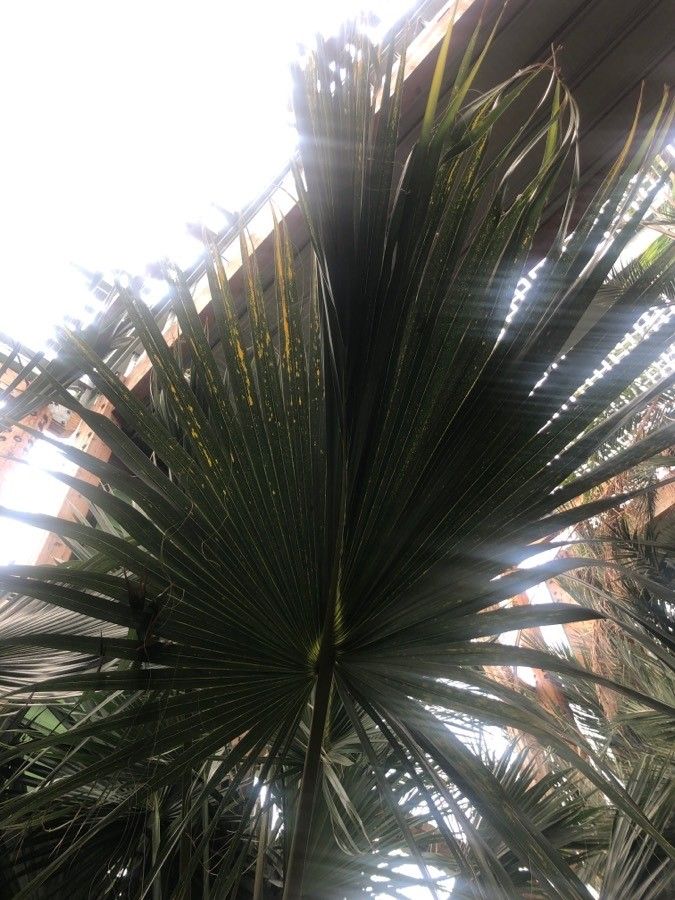
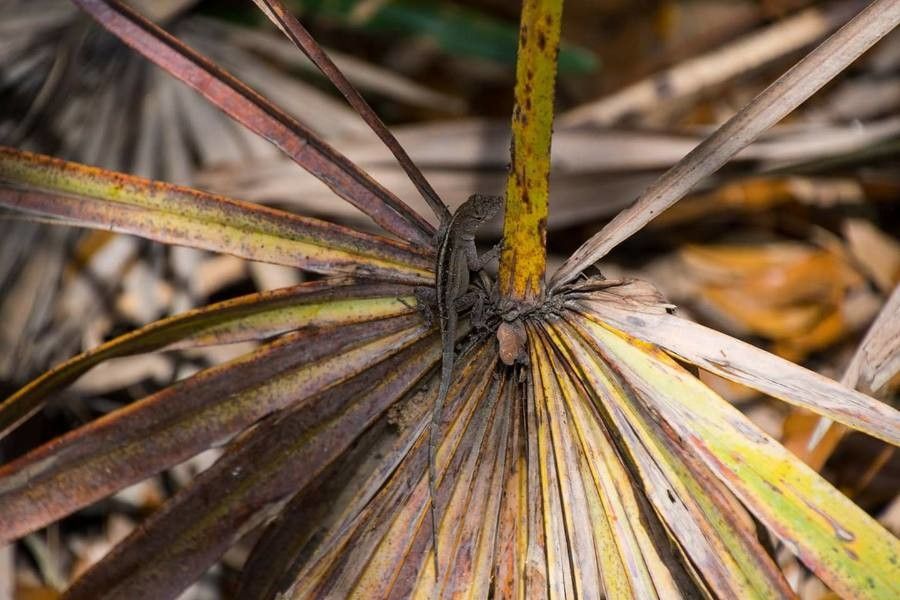
Sabal bermudana, commonly known as the Bermuda palmetto or bibby-tree, is one of 15 species of palm trees in the genus Sabal and is endemic to Bermuda although reportedly naturalized in the Leeward Islands. It was greatly affected by the introduction of non-native plants such as the Chinese fan palm, which created competition for space that it usually lost.
Bermuda palm is highly resistant to disease and typically not susceptible to illnesses. In terms of care, this plant is fairly low-maintenance. When grown outdoors it needs minimal watering, and larger specimens generally do not require pruning. However, smaller specimens should be pruned after they have bloomed. The Bermuda palm is suitable for anyone with an outdoor area, such as a garden or deck, and does not demand much care experience.
How to keep Sabal Bermudana.
Light
Bermuda palm comes from open habitats, such as sunny meadows and forest edges, which offer abundant light. It does best in Full Sun but can also tolerate Partial Sun, adjusting well to different sunlight levels.
Temperature
The Bermuda palm adapts well to heat and wide temperature swings, tolerating higher temperatures and significant fluctuations. In hot conditions, you should watch watering and provide suitable shade to prevent sunburn. On the other hand, the Bermuda palm is fairly sensitive to low temperatures. It can endure some chill, but very cold conditions can cause frost damage.
Fertilizer
Fertilize your Bermuda palm in early spring to encourage healthy growth. Regular feeding boosts its overall condition, leading to vigorous growth, increased tolerance of harsh conditions, and improved resistance to pests and diseases. Keep to a defined fertilization schedule for your Bermuda palm to maintain foliage that is vibrant, richly colored, and lush.
Pruning
The Bermuda palm, known for its fan-shaped leaves, benefits from early spring pruning. This practice helps remove dead fronds and encourages new growth. Regularly trimming the lower fronds also improves air circulation and light penetration. To maintain the palm's health and prevent diseases, always use sterilized tools. This way, you can ensure your palm remains an attractive specimen.
Botanical profile.
- Plant Type
- Palm
- Life Cycle
- Perennial
- Genus
- Sabal
- Family
- Arecaceae
- Hardiness Zone
- 8-11
- Mature Height
- 4.88 m to 7.92 m
- Mature Spread
- 3.05 m to 4.88 m
- Leaf Color
- Green, Dark Green
- Leaf Type
- Evergreen
- Flower Color
- White
- Flower Size
- 0.25 cm to 0.51 cm
- Bloom Time
- Summer
- Planting Time
- Spring, Summer, Autumn
- Harvest Time
- Late summer, Fall
Other names.