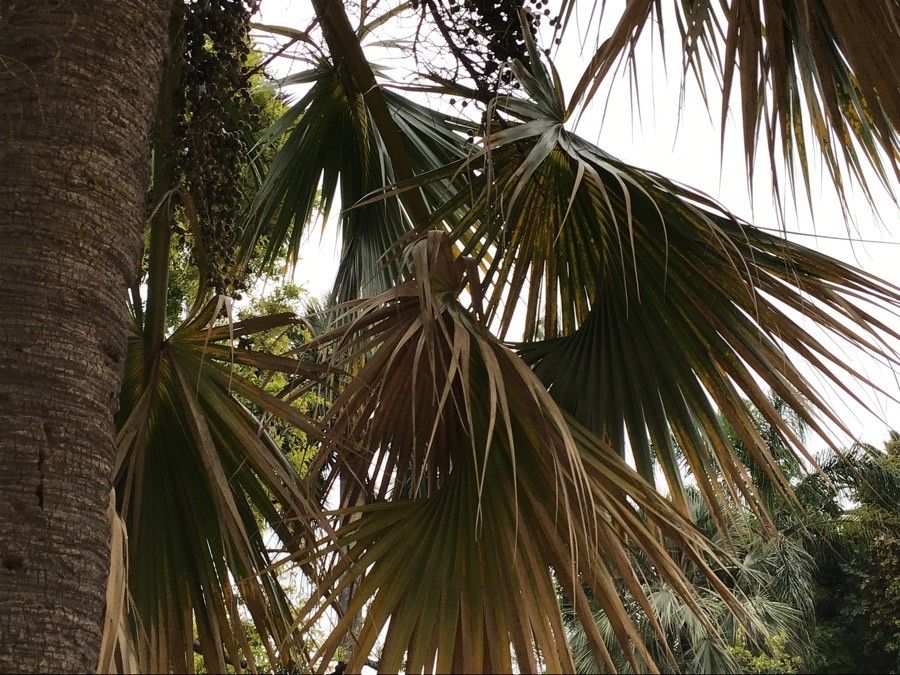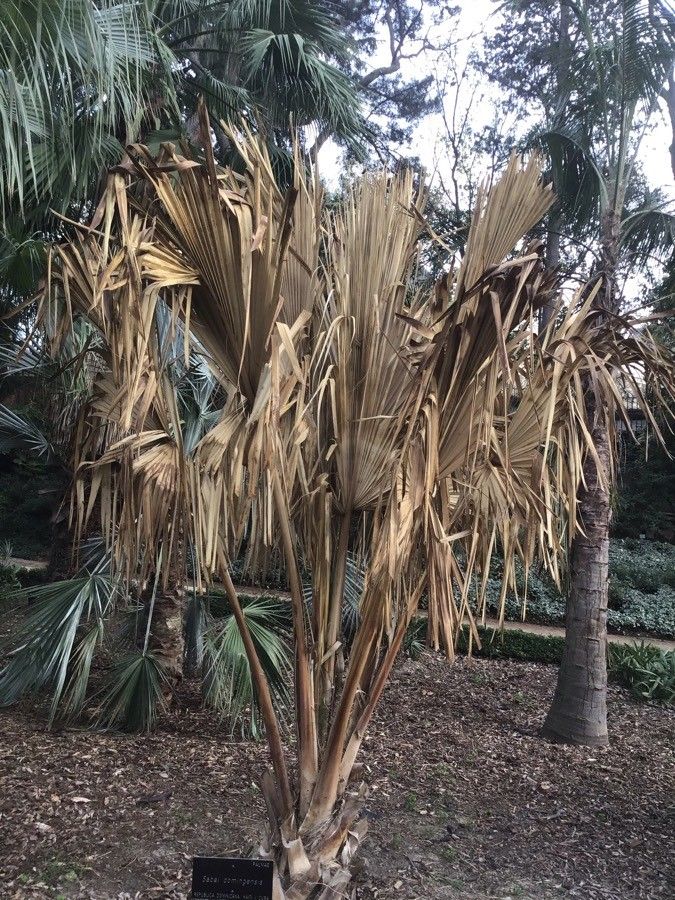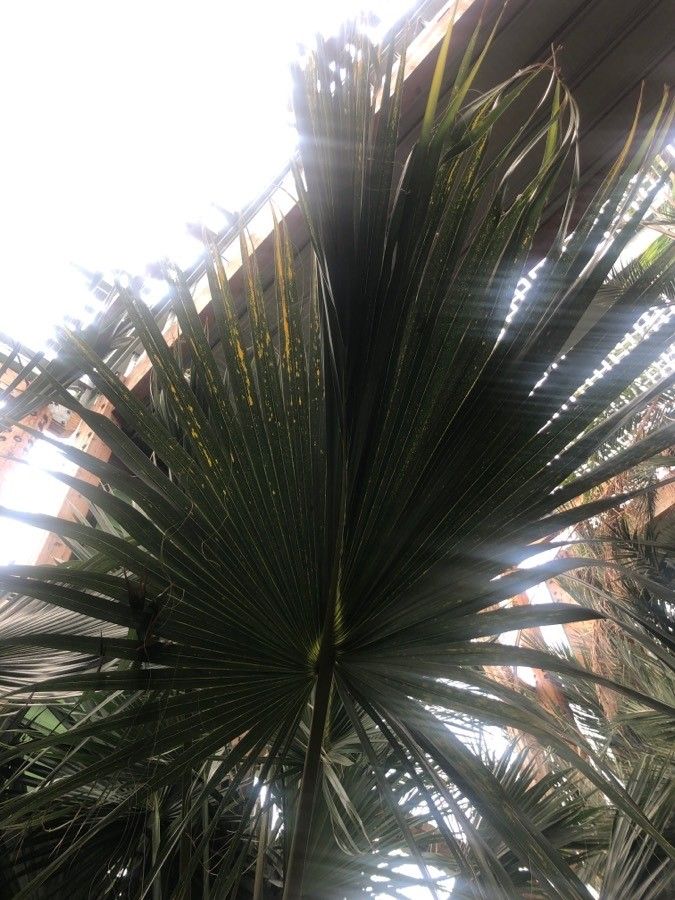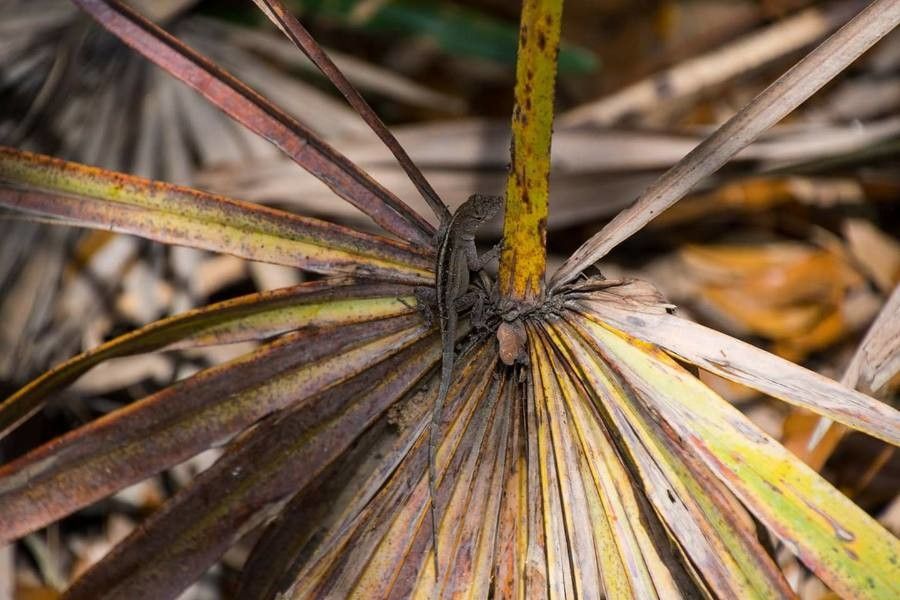
Sabal etonia, commonly known as the scrub palmetto is a species of palm. It is native only to peninsular Florida in the United States, where it is found in Florida sand pine scrub communities.
Scrub palmetto is resistant to disease and is generally not susceptible to illnesses. In terms of care, this plant is fairly low maintenance. When grown outdoors it needs little watering, and larger specimens typically do not require pruning. Smaller plants, however, should be pruned after they have finished blooming. Scrub palmetto is appropriate for anyone with outdoor space, such as a garden or a deck, and does not demand much plant-care experience.
How to keep Sabal Etonia.
Light
Scrub palmetto comes from open habitats, such as sunny meadows and forest margins, which offer abundant light. It performs best in Full Sun but can also tolerate Partial Sun, adjusting well to different light conditions.
Water
The scrub palmetto is native to Florida's scrublands and thrives in well-drained soils with occasional dry spells. It benefits from weekly watering and shows moderate tolerance to drought. Usually grown outdoors, the scrub palmetto flourishes in warm temperatures and seasonal rains that support its growth cycles.
Temperature
Scrub palmetto comes from tropical areas, where the climate is generally warm and humid. As a result, it is well adapted to high heat and humidity. It does not tolerate sudden temperature changes and prefers a stable thermal environment, so it is important to avoid indoor temperature fluctuations. It typically cannot withstand cold and requires warmer temperatures to grow. If the surrounding temperature falls too low, the plant may stop growing or even die.
Fertilizer
Fertilize your Scrub palmetto in early spring to encourage healthy growth. Regular feeding boosts its overall health, producing vigorous growth, better tolerance of harsh conditions, and stronger resistance to pests and diseases. Keep a consistent fertilization schedule for your Scrub palmetto to maintain vibrant, deeply colored foliage and a lush appearance.
Pruning
Scrub palmetto benefits greatly from early spring pruning. This process includes removing dead or damaged fronds to enhance air circulation and improve the plant's appearance. It's important to avoid cutting the growing tip, as this can lead to stunted growth. By pruning regularly, you can promote healthier development and reduce the risk of pest infestations.
Botanical profile.
- Plant Type
- Palm
- Life Cycle
- Perennial
- Genus
- Sabal
- Family
- Arecaceae
- Hardiness Zone
- 8-11
- Mature Height
- 0.91 m to 3.66 m
- Mature Spread
- 0.91 m to 1.52 m
- Leaf Color
- Green, Dark Green
- Leaf Type
- Evergreen
- Flower Color
- White
- Flower Size
- 0.25 cm to 0.51 cm
- Bloom Time
- Early summer, Mid summer
- Planting Time
- Spring, Summer, Autumn
- Harvest Time
- Late summer, Early fall, Mid fall
Other names.
Reader questions.
What is Scrub Palmetto?
Scrub Palmetto, scientifically known as Sabal etonia, is a specific plant species. There is no additional detailed information provided regarding its essentials, symptoms, or other characteristics.