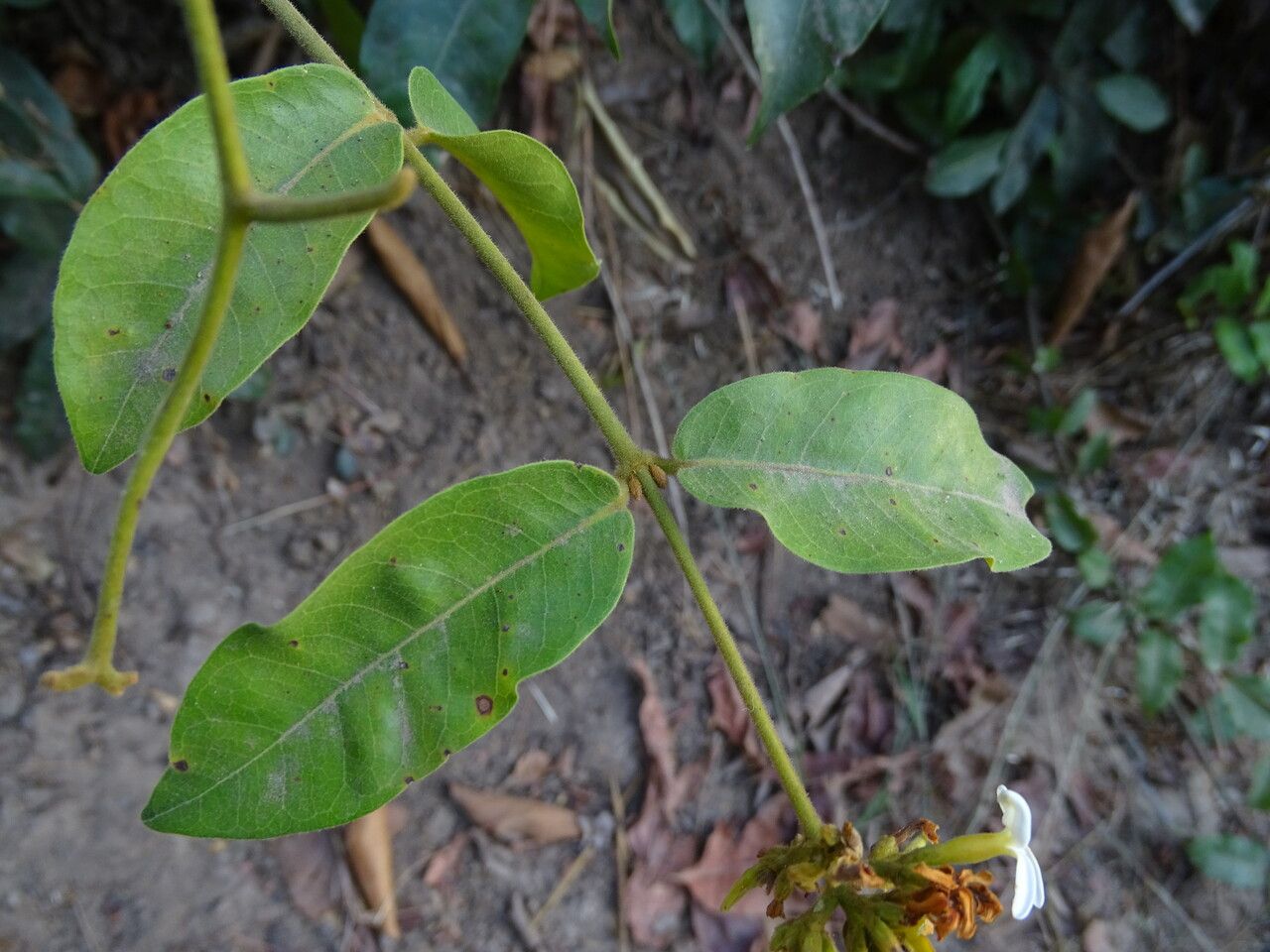
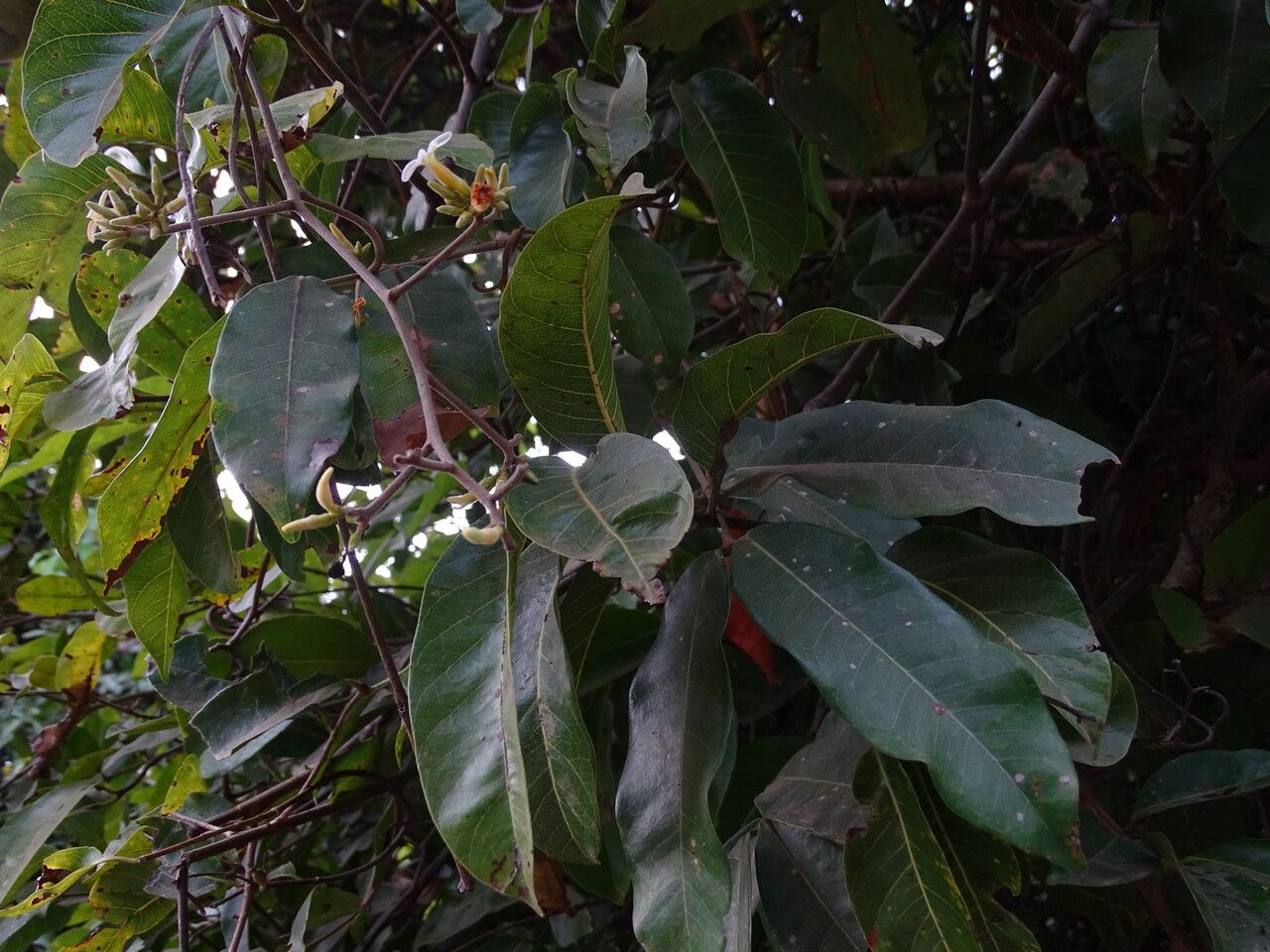
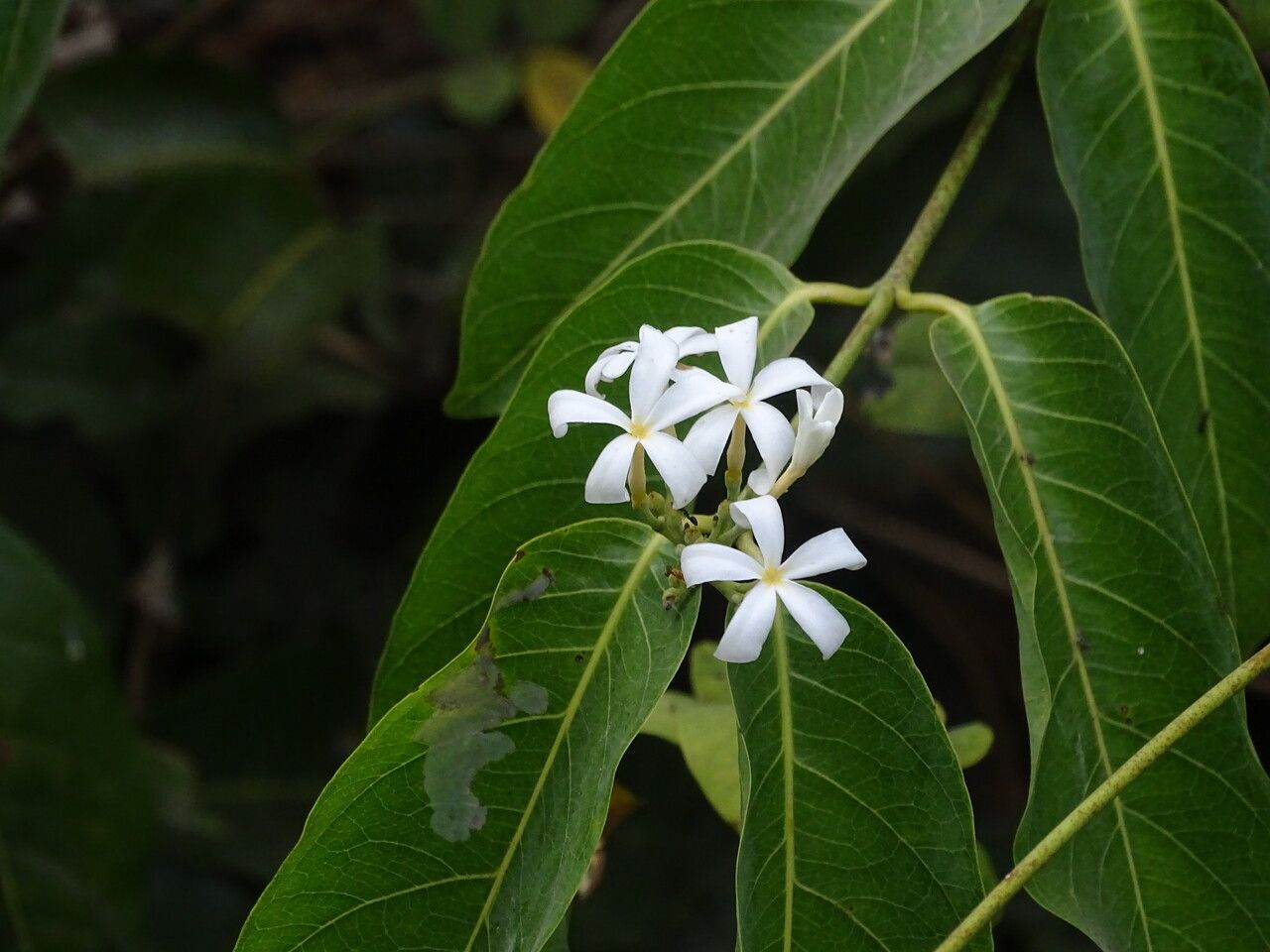
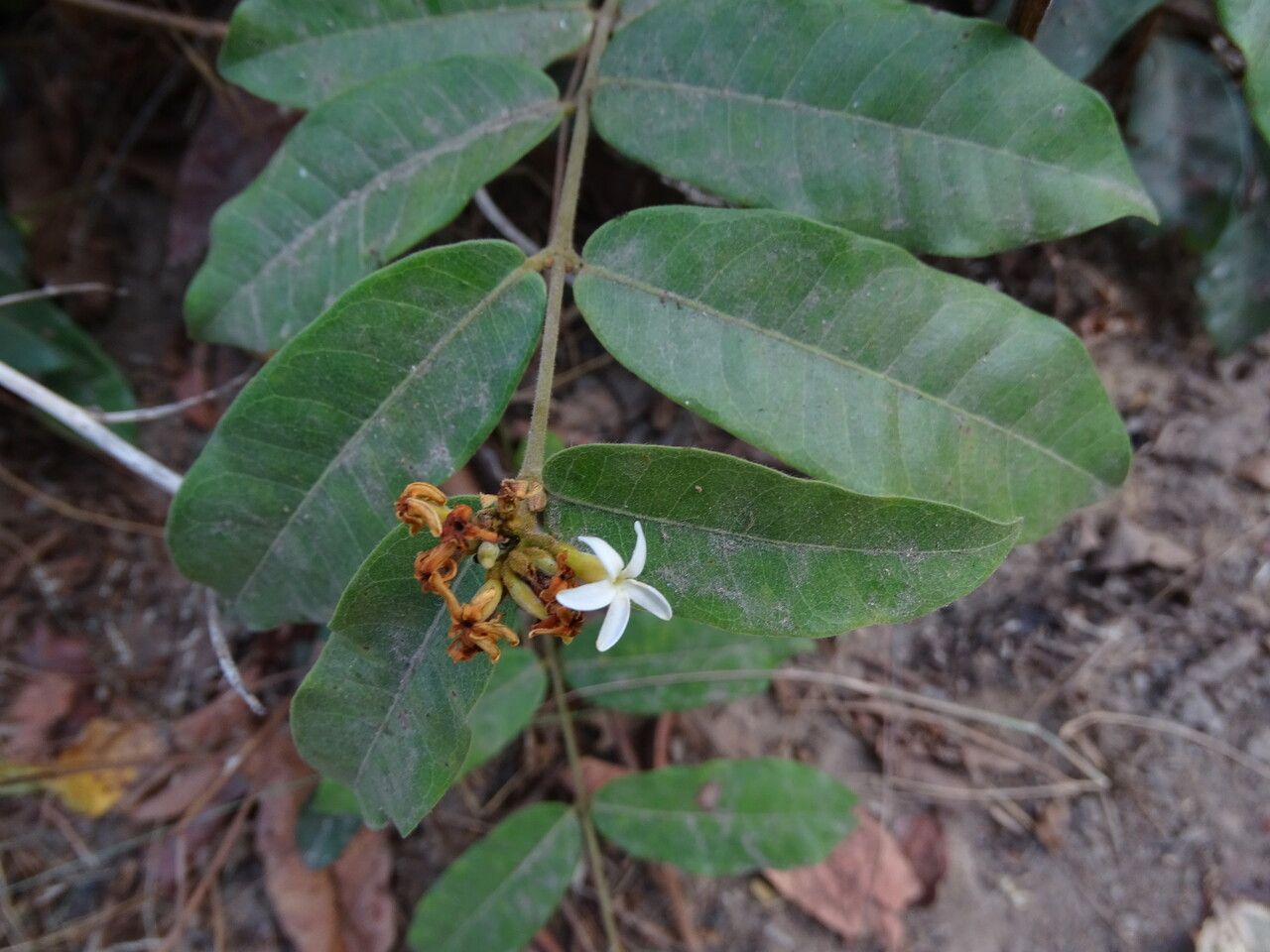
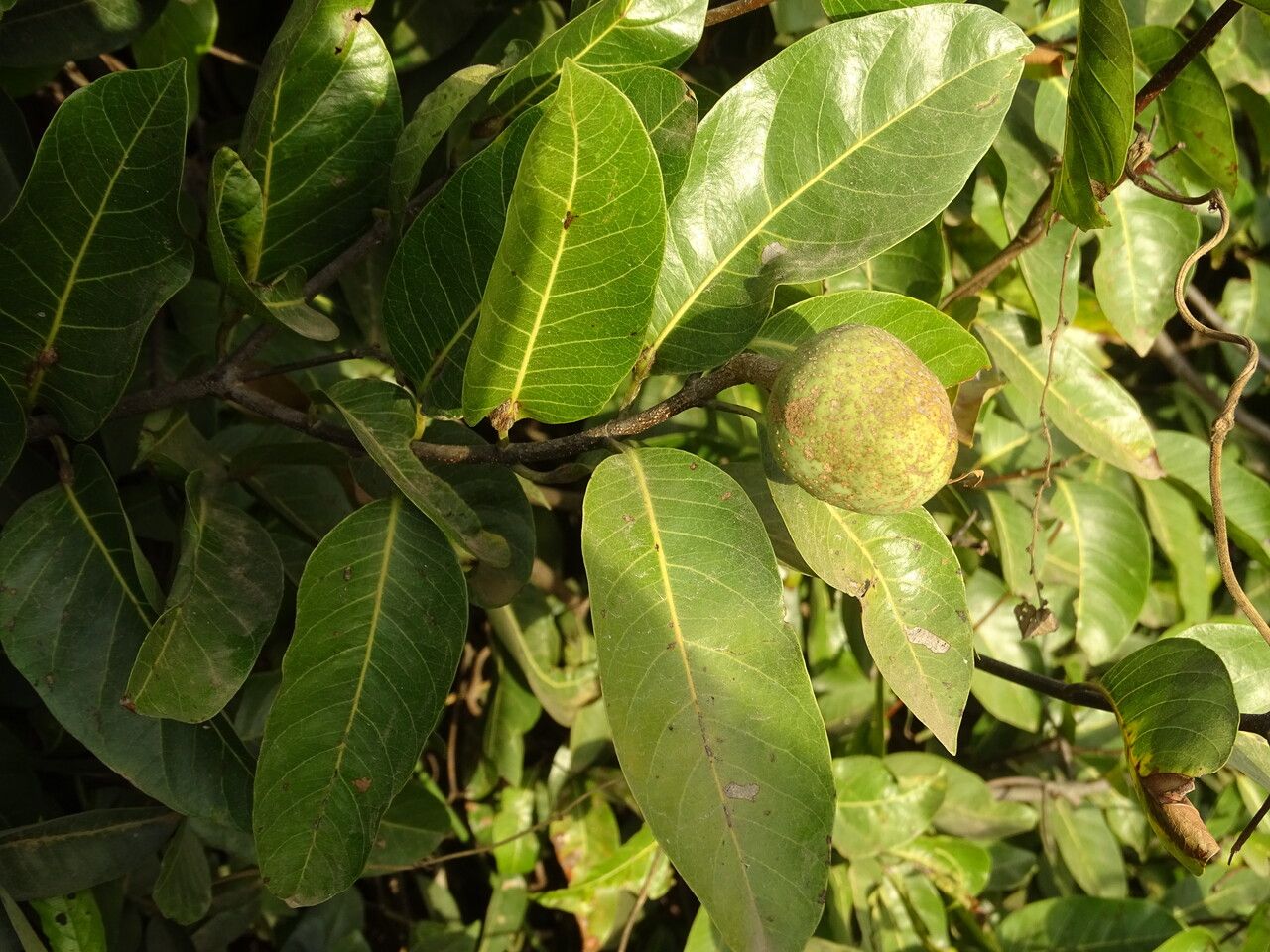
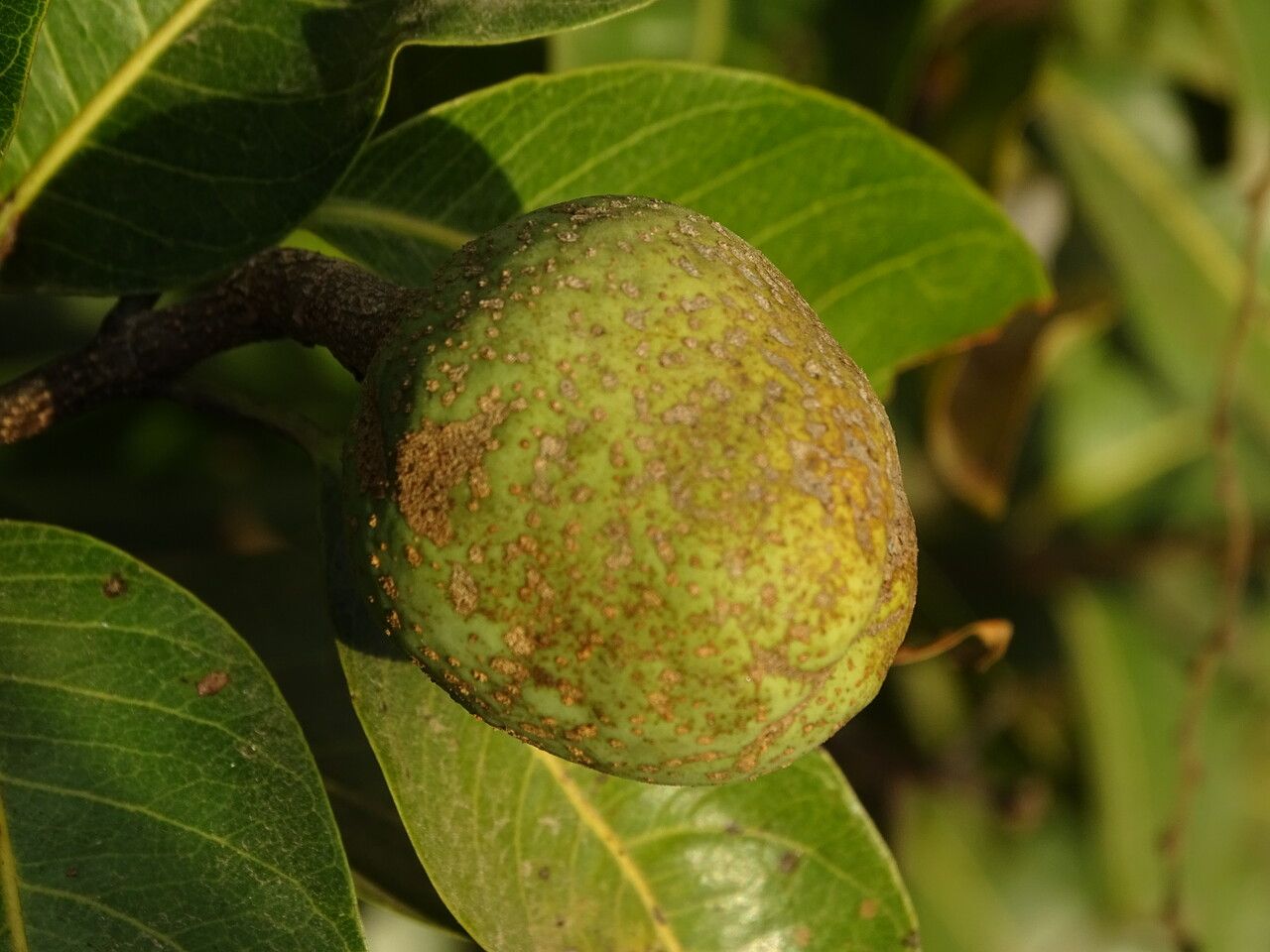
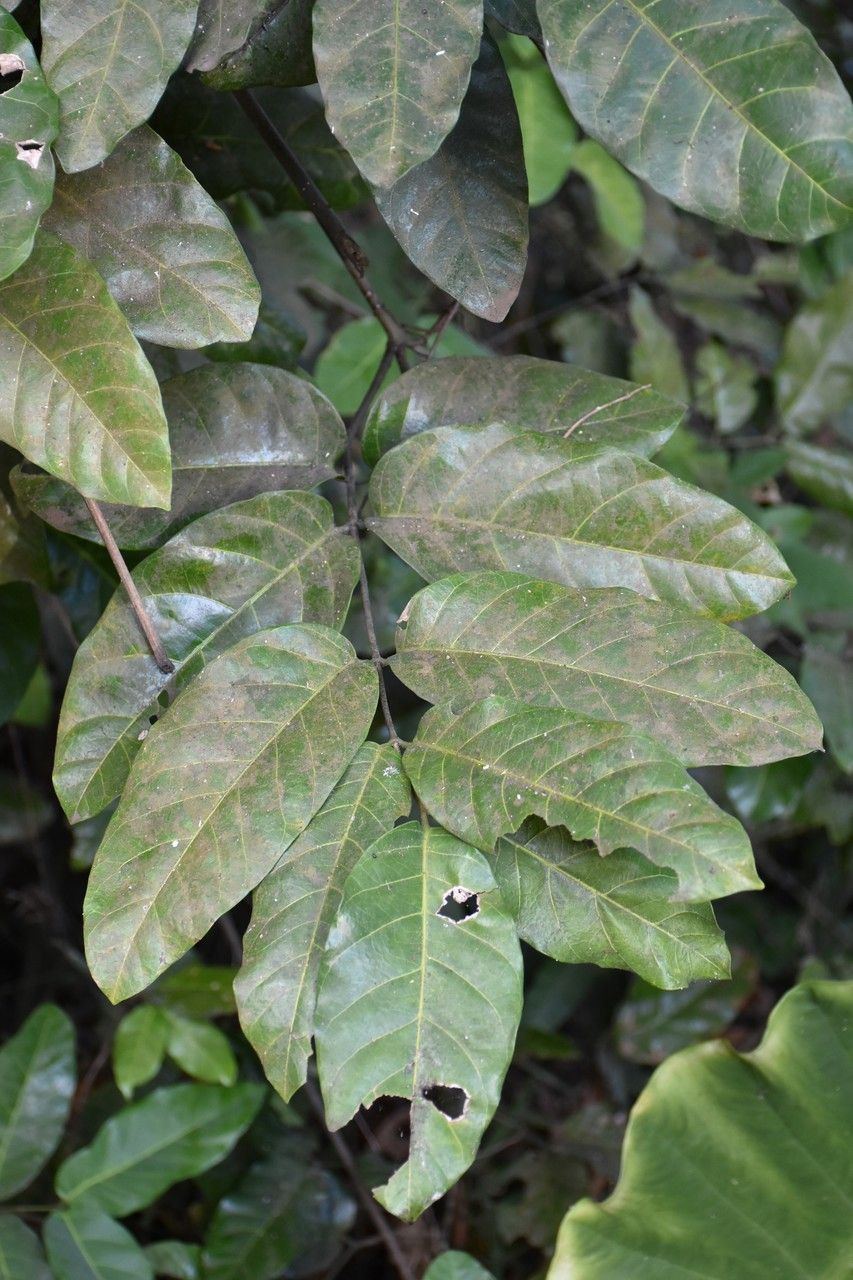
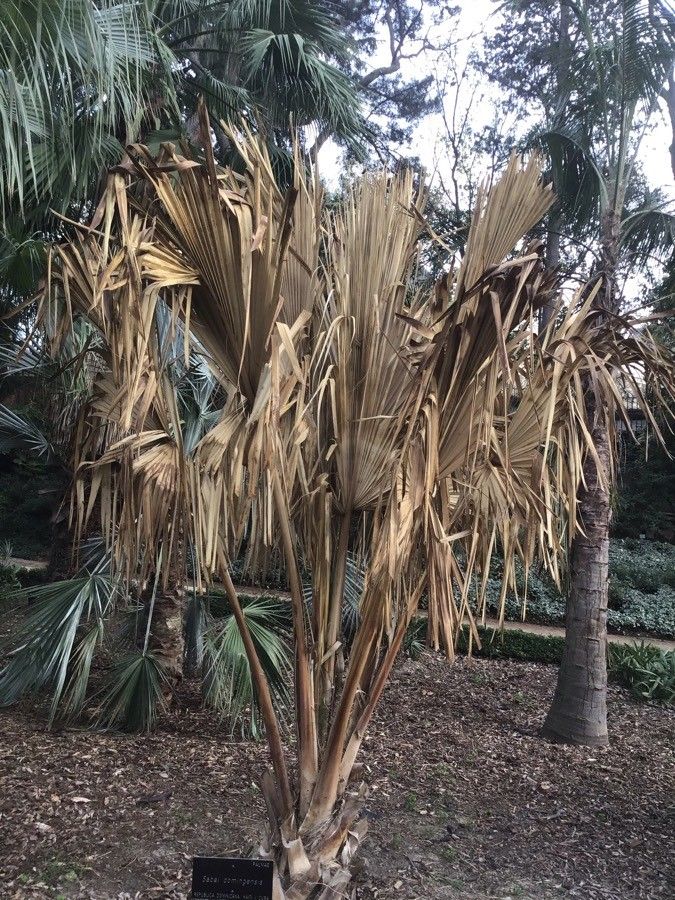
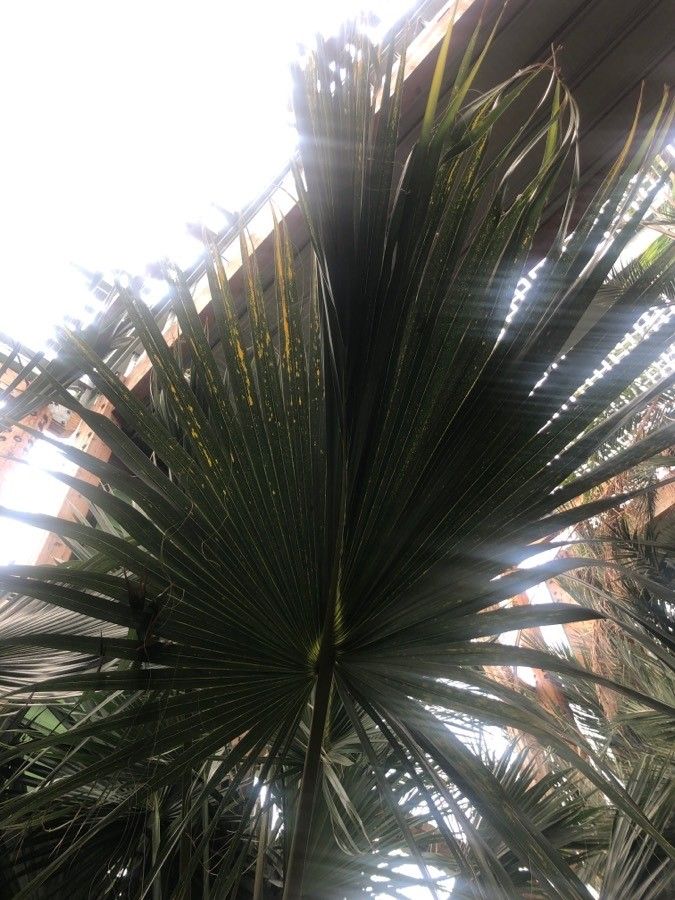
Saba senegalensis, known as weda in the Moore, French, and English languages, is a fruit-producing plant of the Apocynaceae family, native to the Sahel region of sub-Saharan Africa. It has several common names in various West African Languages. The tree grows predominantly on riverbanks and in woodlands in The Gambia, Guinea-Bissau, Burkina Faso, Senegal, Somalia, Mali and Ivory Coast. It has been observed growing as vine up trees, as a small erect shrub, and oftentimes growing to the size of a large tree. ICRISAT has cited S. senegalensis as a useful food crop plant and as a tool to combat soil degradation in rural Africa.
Senegal saba is resistant to diseases and is generally not susceptible to them. Regarding care, this plant is fairly low-maintenance. When grown outdoors it needs little watering, and larger specimens typically do not require pruning. Smaller plants, however, should be trimmed after they have finished blooming. Senegal sabat is suitable for anyone with an outdoor area, such as a garden or deck, and does not need a lot of care experience.
How to keep Saba Senegalensis.
Light
Senegal saba naturally occurs in habitats like forest understories or rocky locations, where it grows in natural shade. Its preferred light exposure is partial sun, though it can adjust to full sun or full shade, showing that it is versatile and hardy.
Temperature
Senegal saba comes from tropical areas, where the climate is generally warm and humid. Consequently, it is well suited to high temperatures and humidity. It does not tolerate sudden temperature changes and prefers a stable thermal environment, so avoiding temperature fluctuations indoors is important. It generally cannot withstand cold temperatures and requires warmer conditions to grow. If the surrounding temperature drops too low, the plant may stop growing or even die.
Fertilizer
Choose organic fertilizers (e.g., fish emulsion, compost) instead of chemical fertilizers for Senegal saba. Provide higher levels of nitrogen and phosphorus to young plants in spring. Work compost or fertilizer into the soil before or after planting. For mature plants, supplement in spring with a balanced fertilizer or one targeted to specific deficiencies. Nutrient deficiency causes small leaves, short branches, yellow or bronze leaves, acidic fruits, premature fruit fall, and splitting.
Pruning
Pruning Senegal saba in early spring is essential for maintaining its shape and encouraging healthy growth. Begin by removing any dead branches and thinning crowded areas to improve air circulation. Additionally, prune after fruiting to boost the yield for the next season. By carefully timing your cuts and pruning strategically, you'll enhance the plant's vitality and fruit production.
Botanical profile.
- Plant Type
- Tree
- Life Cycle
- Perennial
- Genus
- Saba
- Family
- Apocynaceae
- Hardiness Zone
- 10-12
- Mature Height
- 10.06 m to 29.87 m
- Mature Spread
- 4.88 m to 10.06 m
- Leaf Color
- Dark Green
- Leaf Type
- Deciduous
- Flower Color
- White
- Flower Size
- 2.03 cm to 3.05 cm
- Bloom Time
- Late spring, Early summer, Mid summer
- Planting Time
- Spring, Summer, Autumn
- Harvest Time
- Late summer, Early fall, Mid fall
- Native Area
- Mali, Burkina Faso, Ghana, Mauritania, Senegal, Côte d'Ivoire, Guinea, Gambia, Guinea-Bissau, Central African Republic
Other names.