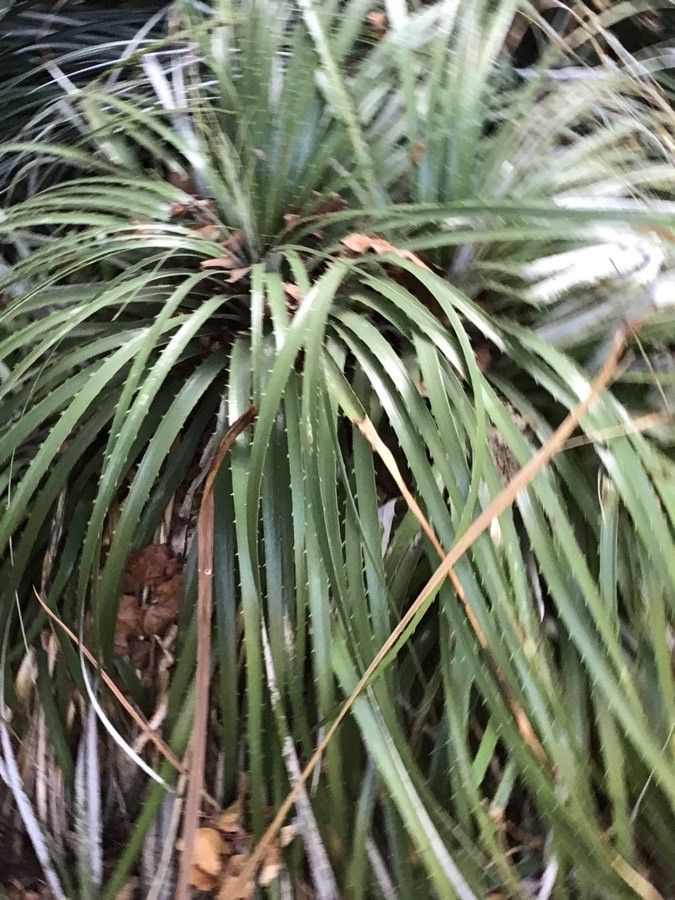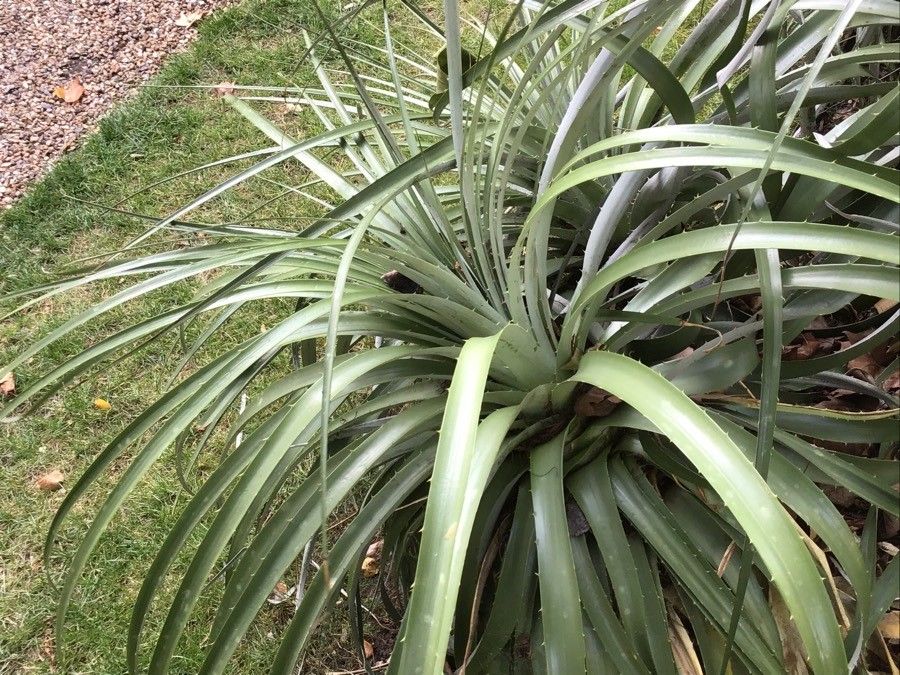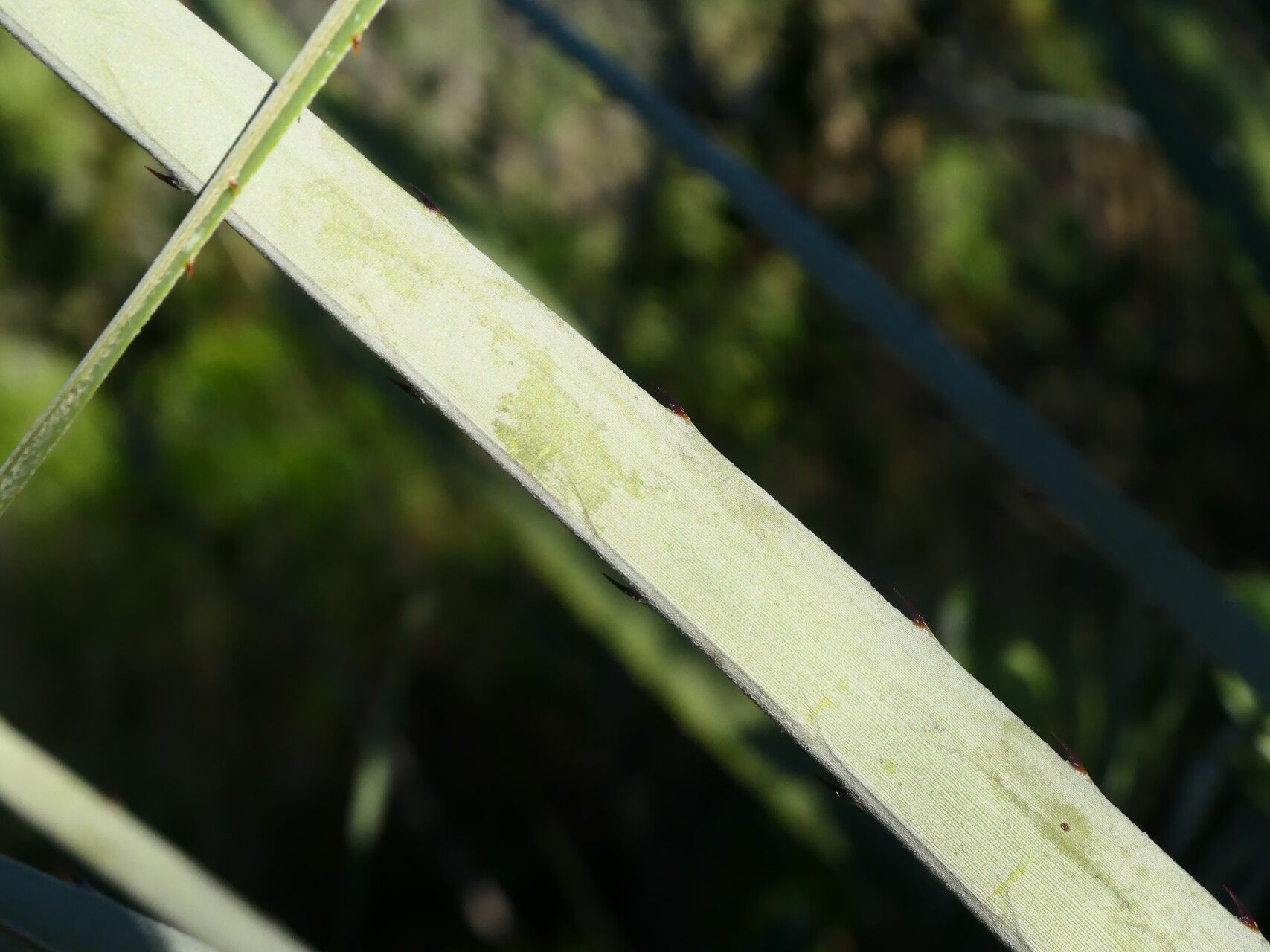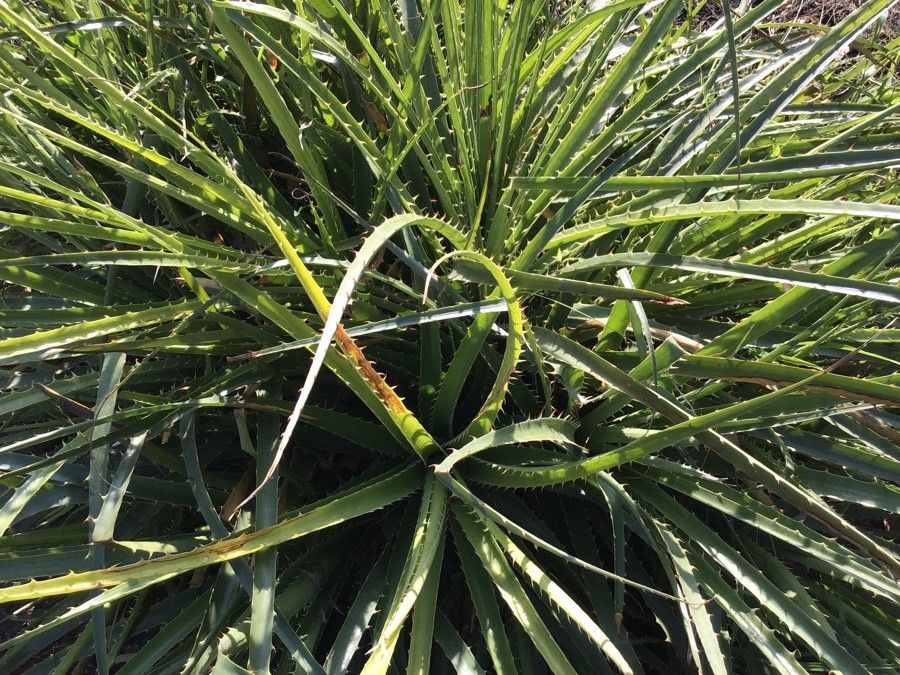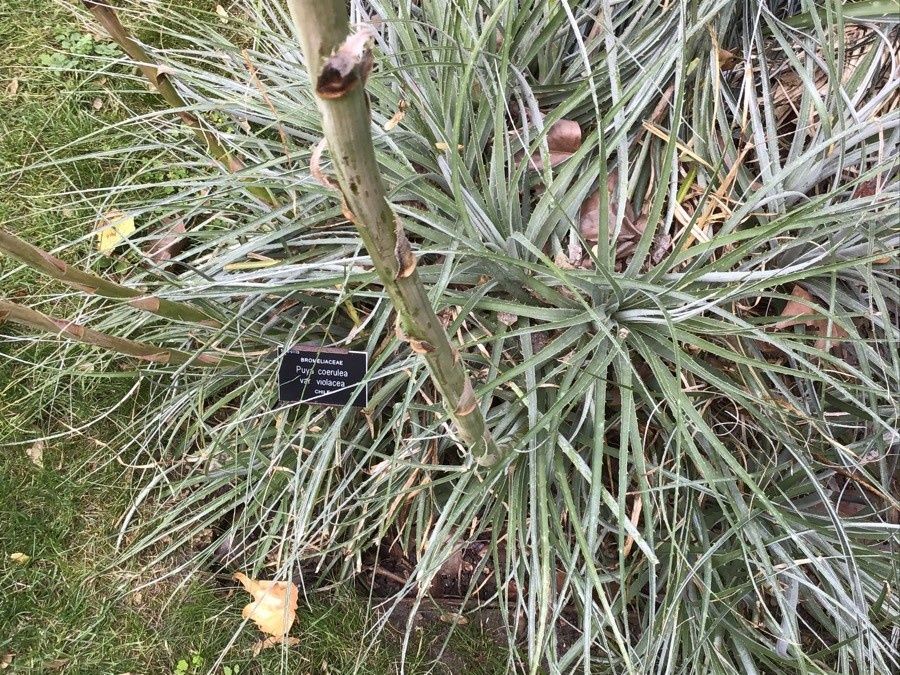
Puya coerulea is a species of plant in the genus Puya. This species is endemic to Chile.
Blue puya has moderate disease resistance but is more sensitive to humidity and excessive watering. It also becomes more prone to disease when it receives insufficient light and is overwatered. In terms of care, Blue puya is drought-tolerant and can withstand long periods without water. It requires little fertilizer and only occasional pruning. This makes it suitable for people of all experience levels, especially those who prefer to spend less time on plant care or who may be away from home for extended periods. It is a good choice for anyone who does not want to devote much time to plant care yet still wants an easy-to-maintain plant.
How to keep Puya Coerulea.
Light
The Blue puya is indigenous to dry areas and flourishes in abundant sunlight, as its natural habitat is marked by intense sunlight and scanty shade. It can also accommodate to partial sunlight, demonstrating some flexibility in its growth conditions.
Water
The blue puya is ideal for arid regions because it requires very little water and shows remarkable drought tolerance. It thrives with deep watering every 2 to 3 weeks, storing water efficiently to survive in rocky terrains and xeriscaping applications.
Temperature
Blue puya flourishes in hot climates. If the temperature dips too low, the plant may stop growing or be harmed by frost. It can endure high temperatures and humidity successfully, constantly needing a specific level of water vapor in its environment. However, if temperatures and humidity are exceedingly high, it can become prone to fungal diseases. In arid conditions, the plant requires frequent watering and spraying to keep air humidity at an acceptable level. The plant cannot withstand abrupt changes of temperature, thus it is essential to keep the temperature reasonably steady.
Fertilizer
The Blue puya requires minimal fertilizer, about 1-2 instances annually during its growth season. Refrain from fertilizing during the summer and winter periods when the plant is not active. After repotting, diminish the amount of fertilizer and hold off any fertilizing for a few months. The purpose of fertilizing is to promote healthy development and stimulate flowering.
Pruning
The blue puya is known for its striking blue flowers and spiky leaves. To keep the plant healthy and looking its best, prune it in early spring. Remove any dead leaves and spent flower stalks to improve air circulation, control its size, and enhance the quality of future blooms. Always use clean, sharp tools when pruning to prevent disease and encourage healthy growth.
Botanical profile.
- Plant Type
- Succulent
- Life Cycle
- Perennial
- Genus
- Puya
- Family
- Bromeliaceae
- Hardiness Zone
- 8-11
- Mature Height
- 0.91 m to 2.13 m
- Mature Spread
- 49 cm to 91 cm
- Leaf Color
- Silver, Gray
- Leaf Type
- Evergreen
- Flower Color
- Blue
- Flower Size
- 3.05 cm to 5.08 cm
- Bloom Time
- Mid spring, Late spring
- Planting Time
- Spring, Summer, Autumn
- Harvest Time
- Early summer, Mid summer