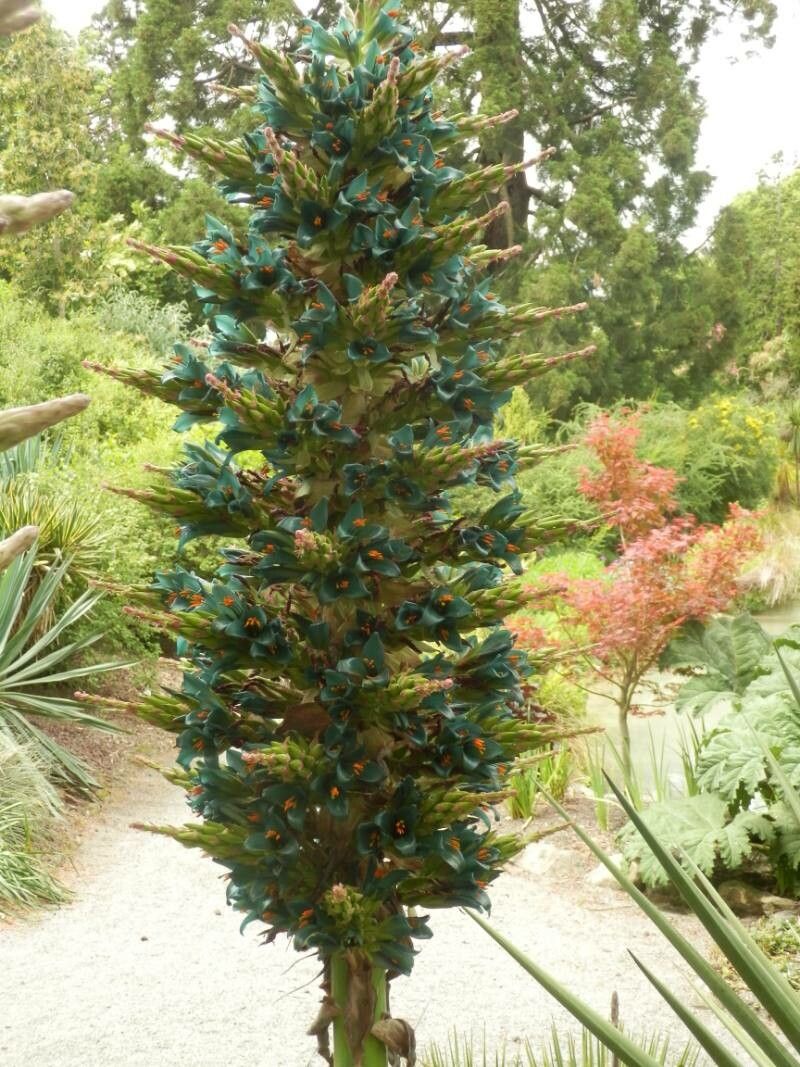
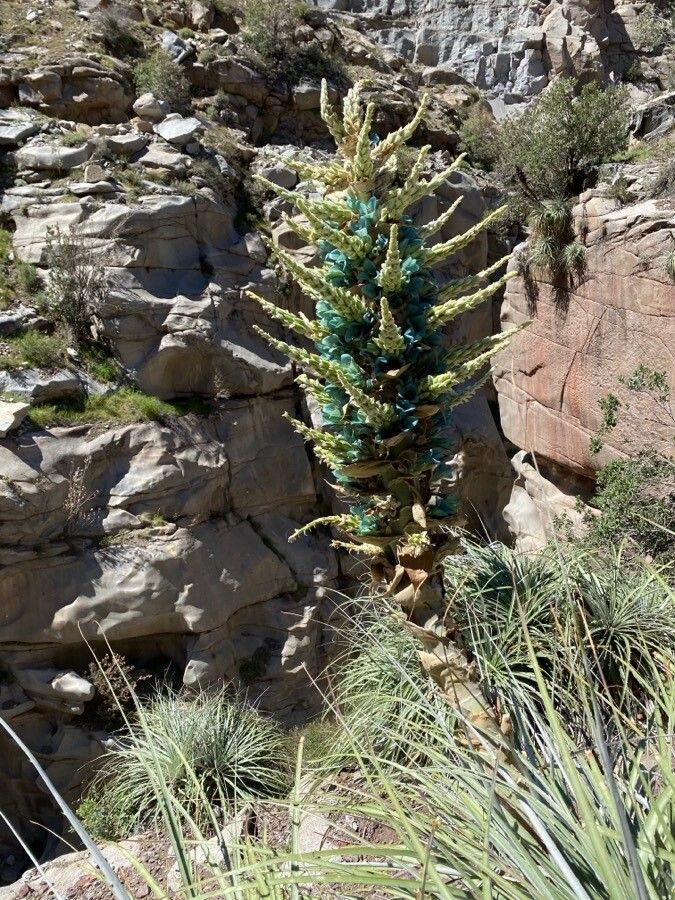
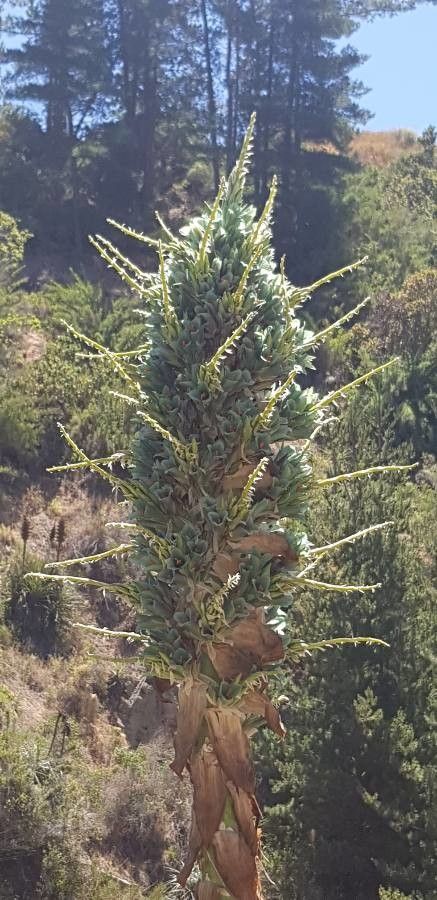
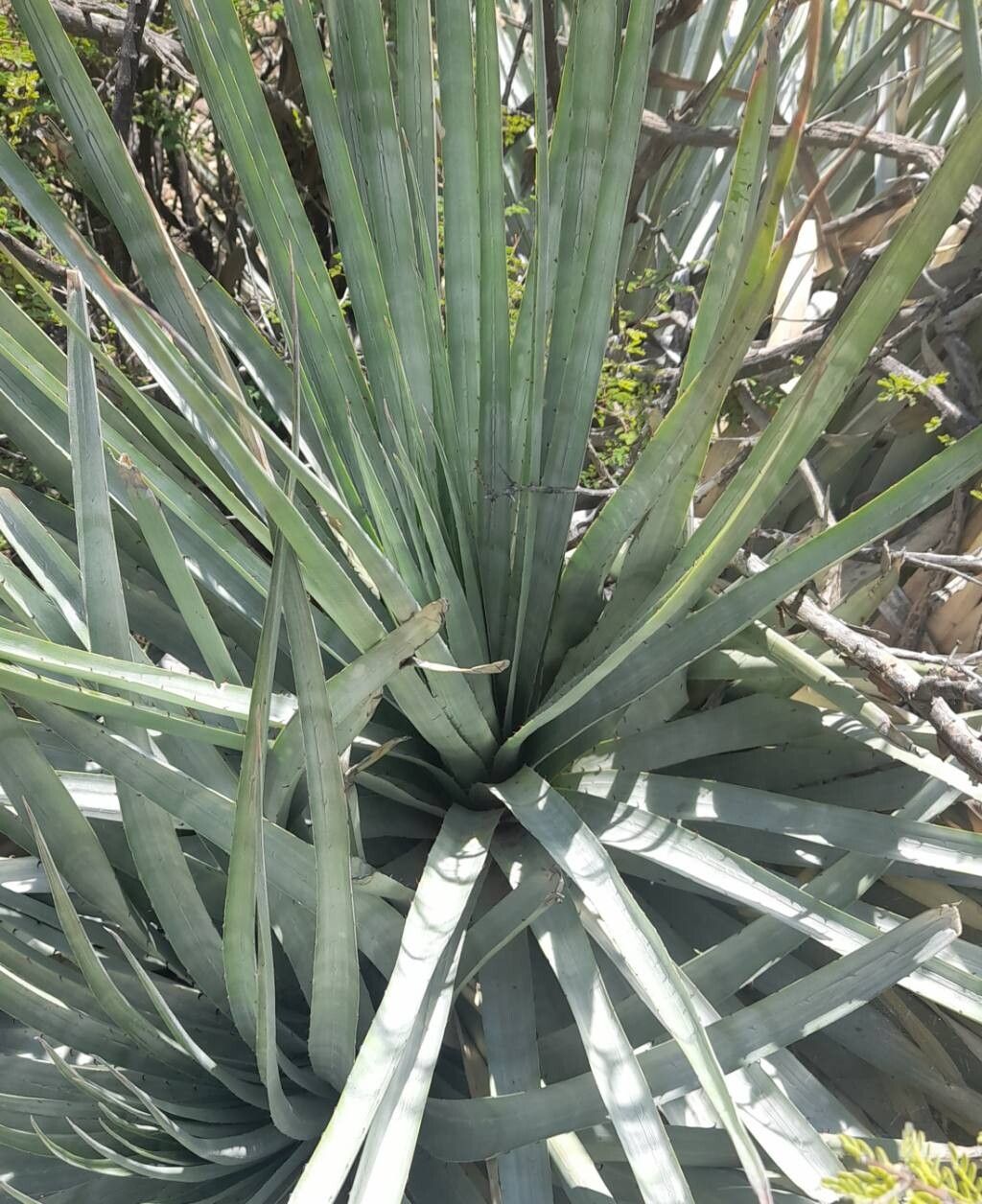
Puya alpestris is a flowering plant belonging to the Bromeliaceae family. Native to the high-altitude regions of the Andes Mountains in Bolivia, Peru, and Chile, this plant is commonly known as the Sapphire Tower or Blue Puya due to its striking blue-green foliage and tall inflorescence, which can reach up to 10 feet in height.
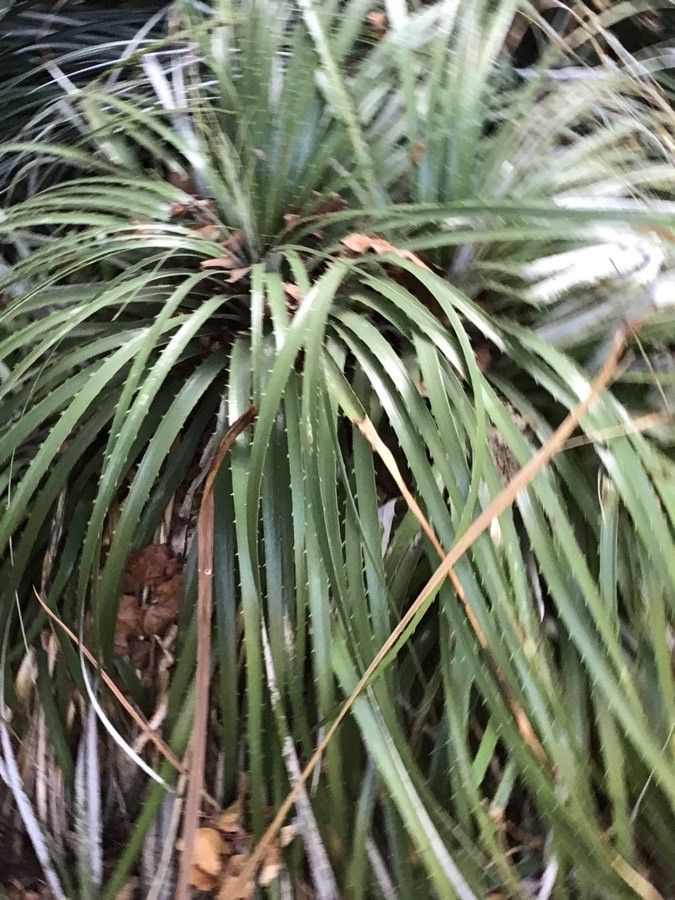
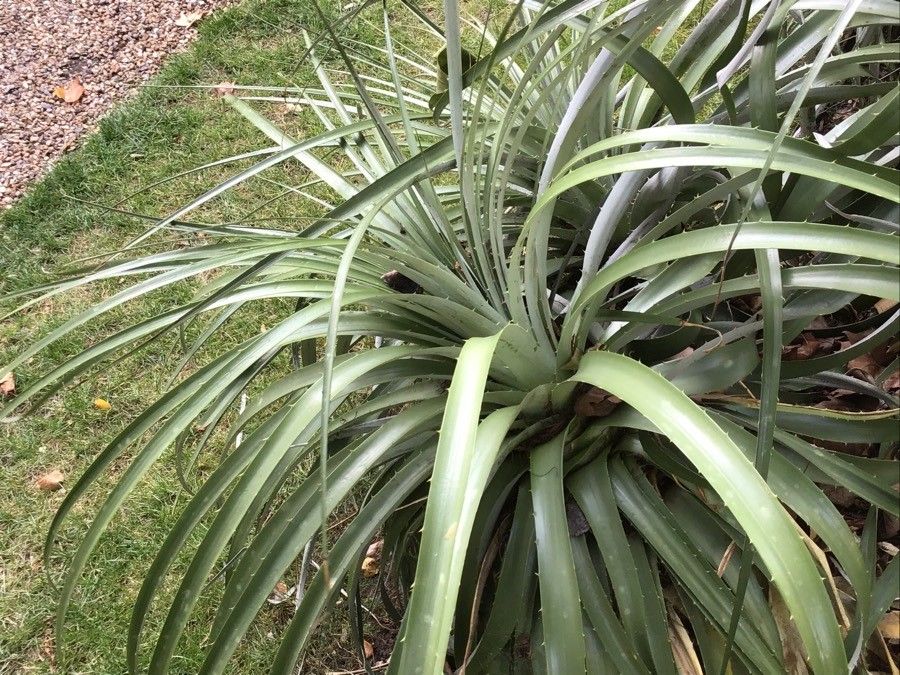
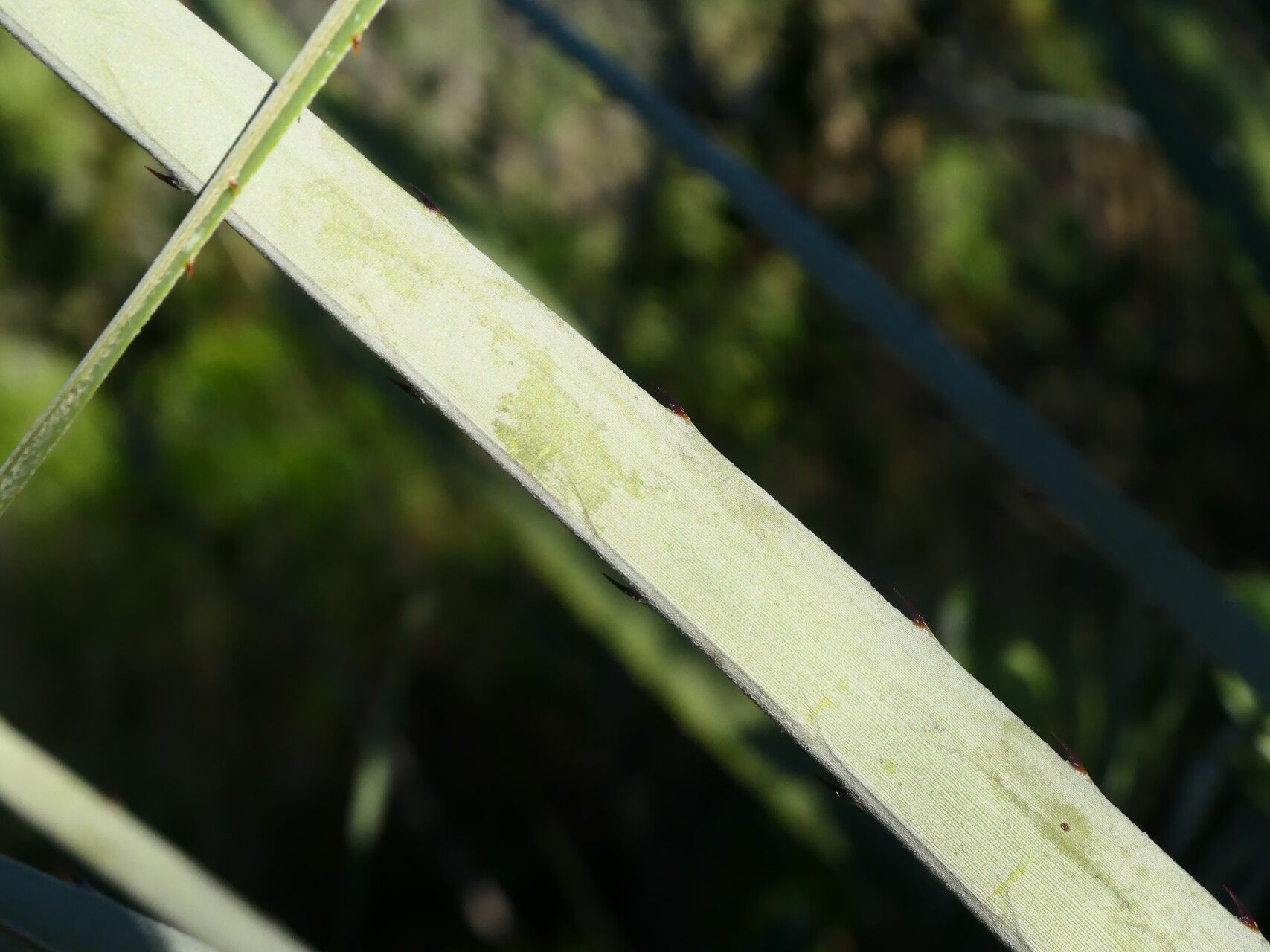
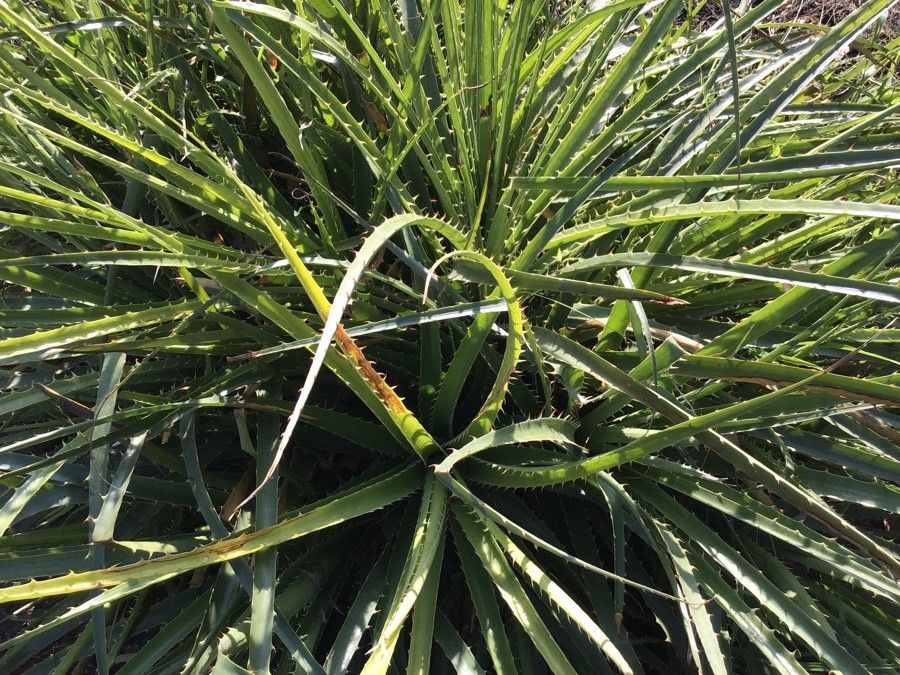
Puya alpestris grows in a rosette formation with stiff, spiky leaves that can reach up to 3 feet in length. These leaves are arranged spirally and feature sharp spines along their edges. During the summer months, the plant produces long-lasting flowers on tall spikes that emerge from its center.
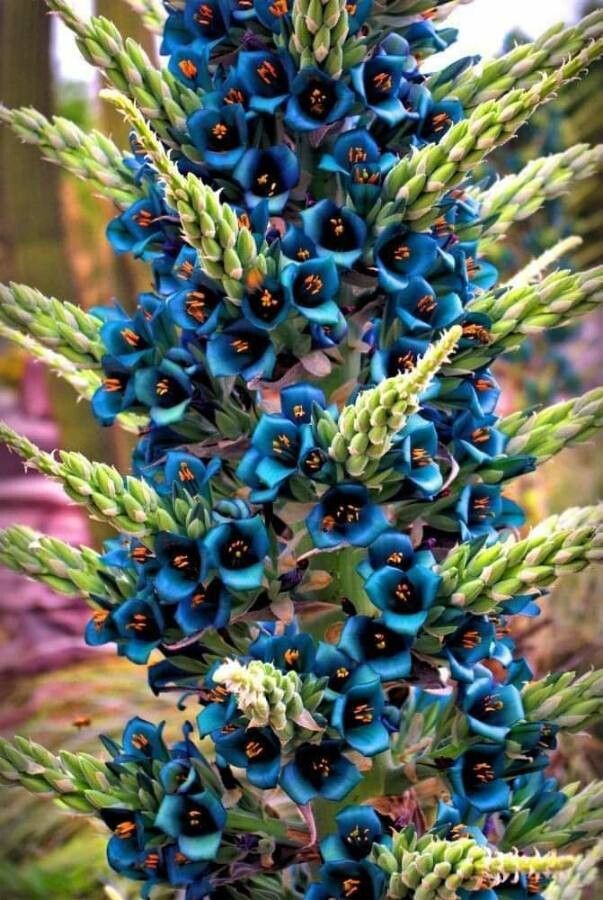
The flowers of Puya alpestris are tubular-shaped, with bright blue petals and yellow stamens. They are particularly attractive to hummingbirds, which serve as their primary pollinators due to the flowers' nectar-rich blooms.
This plant thrives in well-draining soil with moderate moisture levels and full sun exposure but can also tolerate partial shade. While it is drought-tolerant once established, Puya alpestris requires regular watering during its growing season.
Overall, Puya alpestris is an excellent choice for gardeners seeking an exotic-looking specimen or a low-maintenance plant for xeriscaping projects or rock gardens.
Sapphire tower has moderate disease resistance but is more vulnerable to high humidity and overwatering. It also becomes more disease-prone if it receives little light and is overwatered. For care, Sapphire tower is drought-tolerant and can withstand long intervals without watering. It needs little fertilizer and only occasional pruning. Because of this, it is suitable for growers of any skill level, especially those who prefer to spend less time on plant care or who may be away from home for extended periods. It is a good option for people who do not want to invest a lot of time in maintenance but still want an easy-to-care-for plant.
How to keep Puya Alpestris.
Light
Sapphire tower, native to arid regions, does best in full sun; its original habitat is marked by strong sunlight and very little shade. It will also tolerate partial sun, providing some flexibility in its growth.
Water
The sapphire tower, native to arid highlands, is a drought-tolerant plant that needs watering only every 2-3 weeks. It thrives in rocky terrains and requires well-draining soil. Adapted to seasonal rainfall, the sapphire tower is perfect for xeriscaping and rock gardens that emphasize water conservation.
Humidity
This plant will thrive in moderate humidity, which is probably the level in your home. However, misting it a few times a week can be very beneficial. Make sure the room has good ventilation.
Temperature
Sapphire tower prefers warm conditions. If the surrounding temperature falls too low, the plant’s growth may stop or it may incur frost damage. It tolerates high heat and humidity well and needs a steady level of moisture in its environment. Nevertheless, excessively high temperatures and humidity can make it vulnerable to fungal infections. In dry situations, regular watering and misting are needed to keep the air humidity adequate. The plant is sensitive to abrupt temperature changes, so maintaining a fairly stable temperature is important.
Fertilizer
For Sapphire tower, light applications of fertilizer 1-2 times a year during the growing season are sufficient. Do not fertilize in winter or summer when it is dormant. Reduce fertilizer for repotted plants and wait a couple of months after repotting before fertilizing. Fertilizing supports healthy growth and encourages blooms.
Pruning
The Sapphire Tower is known for its striking blue-green flower spikes. To keep the plant healthy and looking its best, it’s important to perform light pruning to remove any dead or damaged foliage. The ideal time for pruning is early spring, which promotes growth and encourages more blooms. Additionally, regularly removing spent flowers not only keeps the plant looking attractive but also prevents overcrowding and improves air circulation, thereby reducing the risk of disease.
Botanical profile.
- Plant Type
- Succulent
- Life Cycle
- Perennial
- Genus
- Puya
- Family
- Bromeliaceae
- Hardiness Zone
- 8-11
- Mature Height
- 0.91 m to 1.52 m
- Mature Spread
- 0.91 m to 1.52 m
- Leaf Color
- Green
- Leaf Type
- Evergreen
- Flower Color
- Blue
- Flower Size
- 5.08 cm to 6.35 cm
- Bloom Time
- Mid spring, Late spring
- Planting Time
- Spring, Summer, Autumn
- Harvest Time
- Early summer, Mid summer
Other names.
Reader questions.
How should I water Sapphire tower?
To ensure a healthy Sapphire tower plant, there are two methods you can use. Firstly, placing a saucer under the pot will prevent the roots from sitting in excessive water and will maintain consistent humidity for the plant. Additionally, this method allows for the evaporation of water. Secondly, you can use the soak and dry approach. This method promotes the development of a healthy root system in the Sapphire tower plant, as it mimics the plant's natural habitat on rocky cliffs and crevices. In these habitats, the plant experiences downpours and flash floods of water during storms that may last up to 24 hours, followed by periods of drought that can go on for weeks. By replicating these conditions, you can greatly benefit the plant.
What are the sunlight requirements for Sapphire Tower?
Sapphire tower (Puya alpestris) thrives in environments that replicate forest understories, preferring partial sun but capable of tolerating full sun if necessary. It's crucial to ensure the plant receives above 6 hours of sunlight daily when placed in full sun conditions. Observing how sunlight moves through your garden will help you find the ideal balance of light and shade to keep your plants healthy and happy.
What are the ideal conditions for Sapphire Tower to thrive?
Sapphire Tower, or Puya alpestris, thrives best in warm environments. It has a strong tolerance for high temperatures and humidity but requires a consistent level of moisture. The plant is adept at handling dry conditions through regular watering and misting to maintain humidity. It's important to avoid sudden temperature fluctuations to keep the plant healthy. In winter, if temperatures drop below -20°C, moving the plant indoors near a south-facing window away from heaters or air conditioners helps prevent excessive dryness and keeps the plant safe. Indoor temperatures should be kept above 5°C for optimal growth.
What should I do if I give my Sapphire tower plant too much or too little water?
Overwatering the Sapphire tower can harm the plant by causing root rot, especially if the soil is consistently wet or if the potting mix becomes waterlogged. Overwatered plants may exhibit yellowing leaves that are mushy and soft to the touch. Drooping, wilting, and yellowing leaves are signs of excessive watering that can restrict airflow and potentially kill the roots or the entire plant. It is important to water the plant correctly by allowing the soil to dry before watering again to avoid these issues. On the other hand, under watering can hinder the plants' growth. Plants may appear wilted due to insufficient water, but they can quickly recover once provided with enough water. To promote optimal growth, it is recommended to allow the plant to dry between waterings. Symptoms of under watering include wilting, dead leaf tips, and slow growth. Sagging is a common indication of under watering, as the cells of the plants lose their rigidity. Some plants may develop brown leaf tips, leading to the eventual death of the entire leaf. Additionally, slow growth of new leaves can be observed. Even if there is new growth, it may be smaller and lack the vibrant green color seen in existing foliage.
How can artificial lighting be used for Sapphire Tower indoor plants?
For Sapphire Tower plants grown indoors, artificial lighting can be critical, especially when natural sunlight is insufficient. LED lights are a recommended option for indoor plant lighting as they can provide specific wavelengths needed by the plants. For full sun plants, 30-50W/sq ft of artificial light is needed, partial sun plants require 20-30W/sq ft, and full shade plants need 10-20W/sq ft. The light source should be placed 12-36 inches above the plant to mimic natural sunlight, and the duration should mimic natural daylight hours, which is generally 8-12 hours per day.
How should Sapphire Tower be cared for in cold temperatures?
During colder months, Sapphire Tower requires special care as it prefers warm environments. If outdoor temperatures drop below -20°C, it's advisable to bring the plant indoors, placing it near a south-facing window for enough sunlight while avoiding direct heat sources like heaters or air conditioners. If the temperature falls below 5°C, water the plant less frequently, allowing the soil surface to dry before watering again to prevent root rot. For outdoor plants that must remain outside, providing shelter and possibly wrapping them with fabric or plastic can offer additional protection.
How frequently should I water my Sapphire tower plant?
The Sapphire tower plants, which are not succulents but xerographic, have a unique watering schedule. They can survive for weeks without water by going dormant, even though they don't store water in their leaves. To keep them happy, it's important to balance the moisture they receive. Only water them when you notice the container is dry but slightly moist. During the fall, watering is not necessary, especially if your area is receiving enough rain. The soil won't dry out quickly, so stop watering when the temperature drops below 40 ℉. In winter, the plants go dormant, so there's no need to water them. Allow them to rest and recover for a few weeks. During their growing season in the spring, water the plants deeply and thoroughly once every two weeks so they can produce new leaves and grow. In the summer, when the weather becomes hot and dry, water them once a week. These plants can tolerate drought, but it's not ideal for their growth to go without water for a few weeks.
What are the symptoms of light deficiency in Sapphire Tower?
Symptoms of light deficiency in Sapphire Tower include smaller new leaves compared to mature ones, leggy or sparse growth, faster leaf drop, slowed or halted growth, lighter-colored new leaves, chlorosis (leaves turning yellow), sunscald, leaf curling, wilting, and leaf scorching. These symptoms indicate the plant's need for better light conditions, either by adjusting its location or by incorporating artificial lighting solutions.
What are the symptoms and solutions for Sapphire Tower exposed to low temperatures?
If Sapphire Tower is exposed to temperatures below -25°C, the plant initially shows no obvious symptoms, but within three to five days, leaves may start to wither and droop. In severe cases, the entire plant may dry up. To combat frost damage, trim the frostbitten areas and move the plant to a warmer indoor environment immediately. Ensure it receives ample sunlight by placing it near a south-facing window and keep it away from direct heat sources to prevent air dryness.
How much water does my Sapphire tower require?
The Sapphire tower plant requires between 5% and 24% moisture to thrive. To water the plant properly, check if the soil is dry either on the ground or in the pot. If it is, water the plant sufficiently until you see water dripping out of the pot's bottom. Only water the soil inside the pot when it is very dry, as these plants do not like to have wet roots. When planting Sapphire tower in a garden during hot weather, water them at least once a week. If the plant is receiving enough moisture from nearby trees or plenty of rainfall, only water it when the soil is very dry.
What are some solutions for rectifying light deficiency for Sapphire Tower?
To address light deficiency in Sapphire Tower, gradually acclimate the plant to receive more sunlight, aiming for at least 6 hours of direct sunlight daily if indoors. Use a south-facing window or artificial light if the plant is large or difficult to move. For outdoor plants, move them progressively to sunnier spots to avoid sunburn. Removing obstructions or transplanting to areas with better sunlight and drainage can also help. It's important to note that while affected parts may not recover, new growth should be healthy after adjusting light exposure.
How does high temperature affect Sapphire Tower and what are the remedies?
During summer, keeping Sapphire Tower below 35°C is crucial as temperatures above 41°C can cause the leaves to dry and wither, halt growth, and make the plant susceptible to root rot. Sunburn may occur due to excessive sunlight exposure. To address these issues, remove any withered parts and relocate the plant to a shaded area, especially during the harsh midday and afternoon sun. Watering the plant in the morning and evening can help maintain moisture levels for both the plant and its environment.