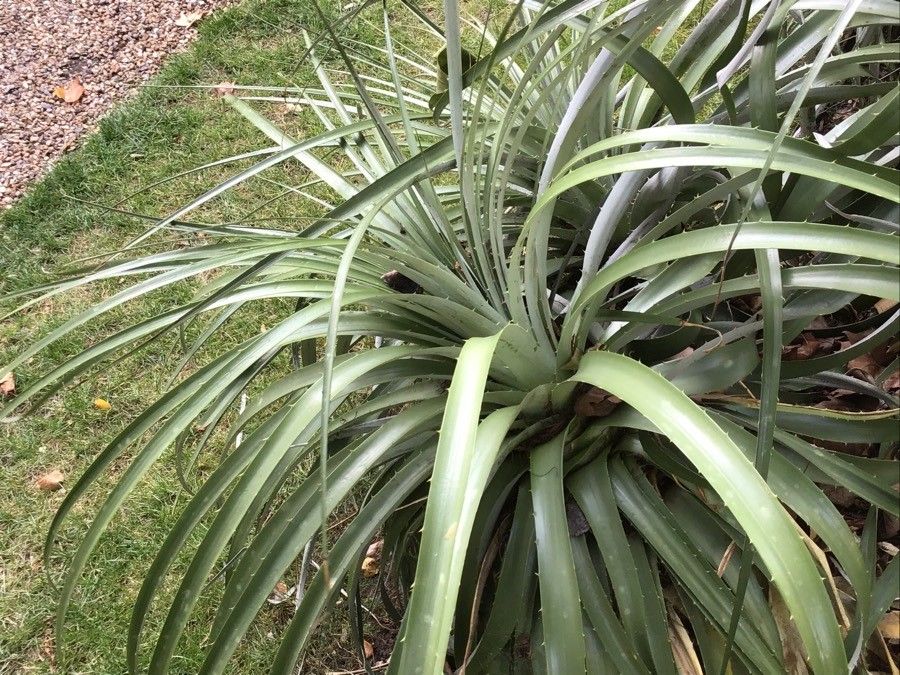
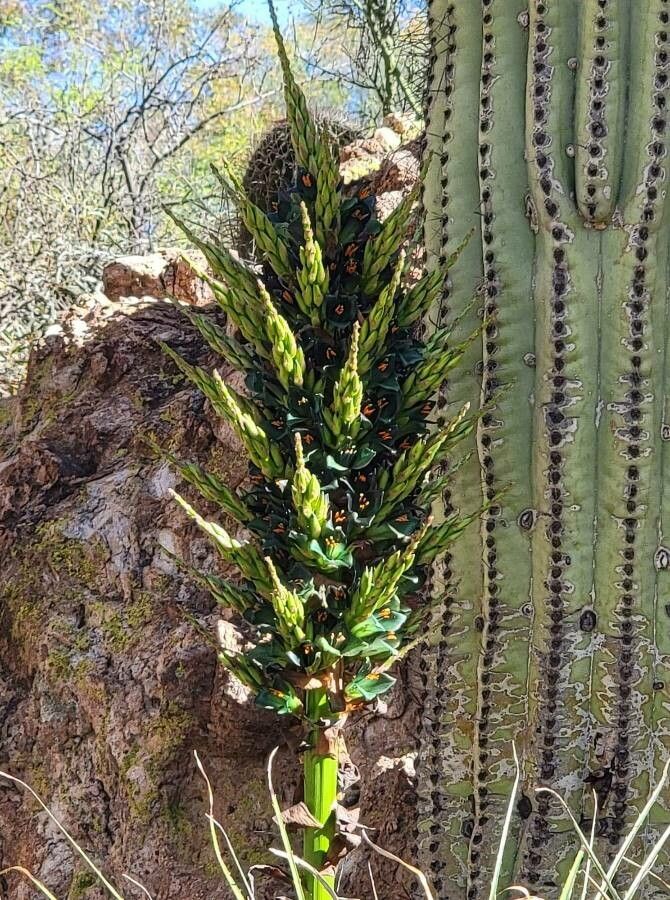
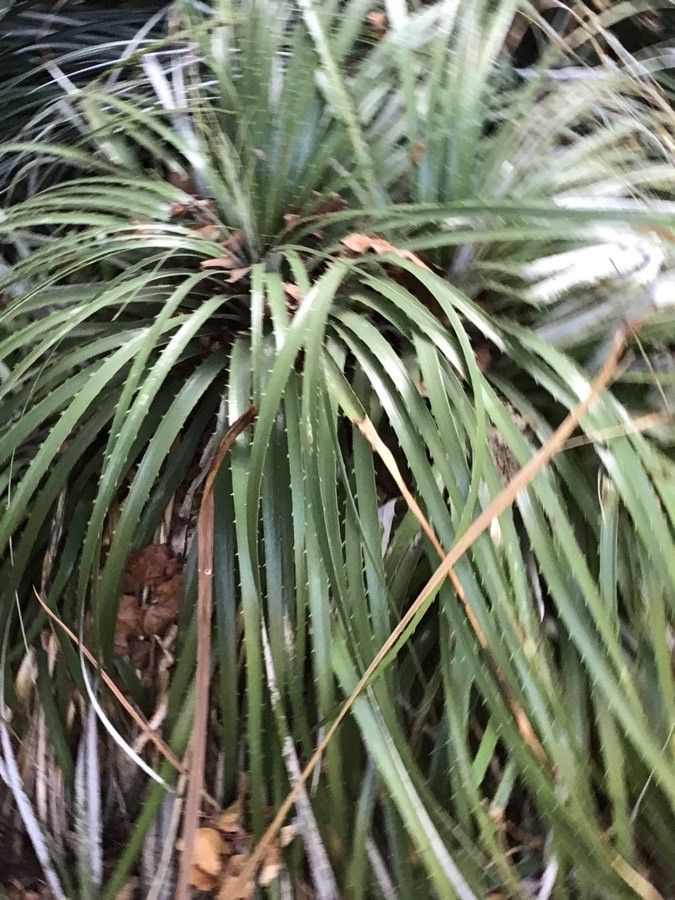
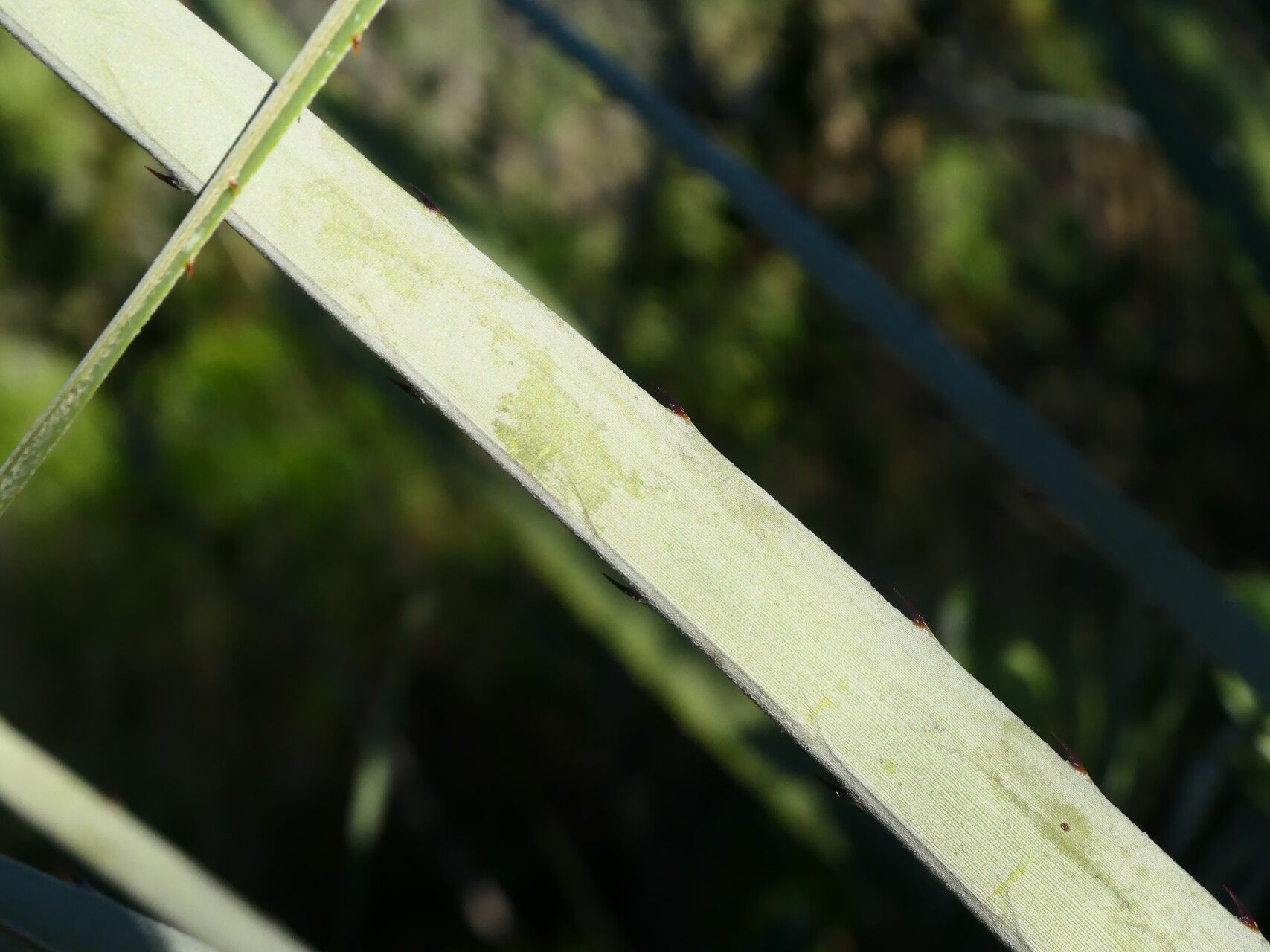
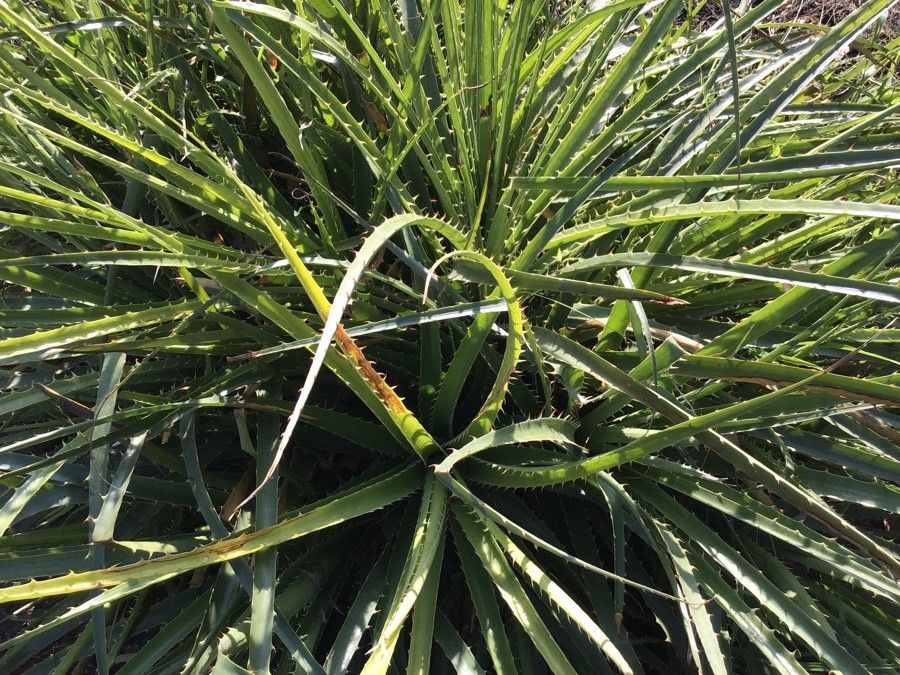
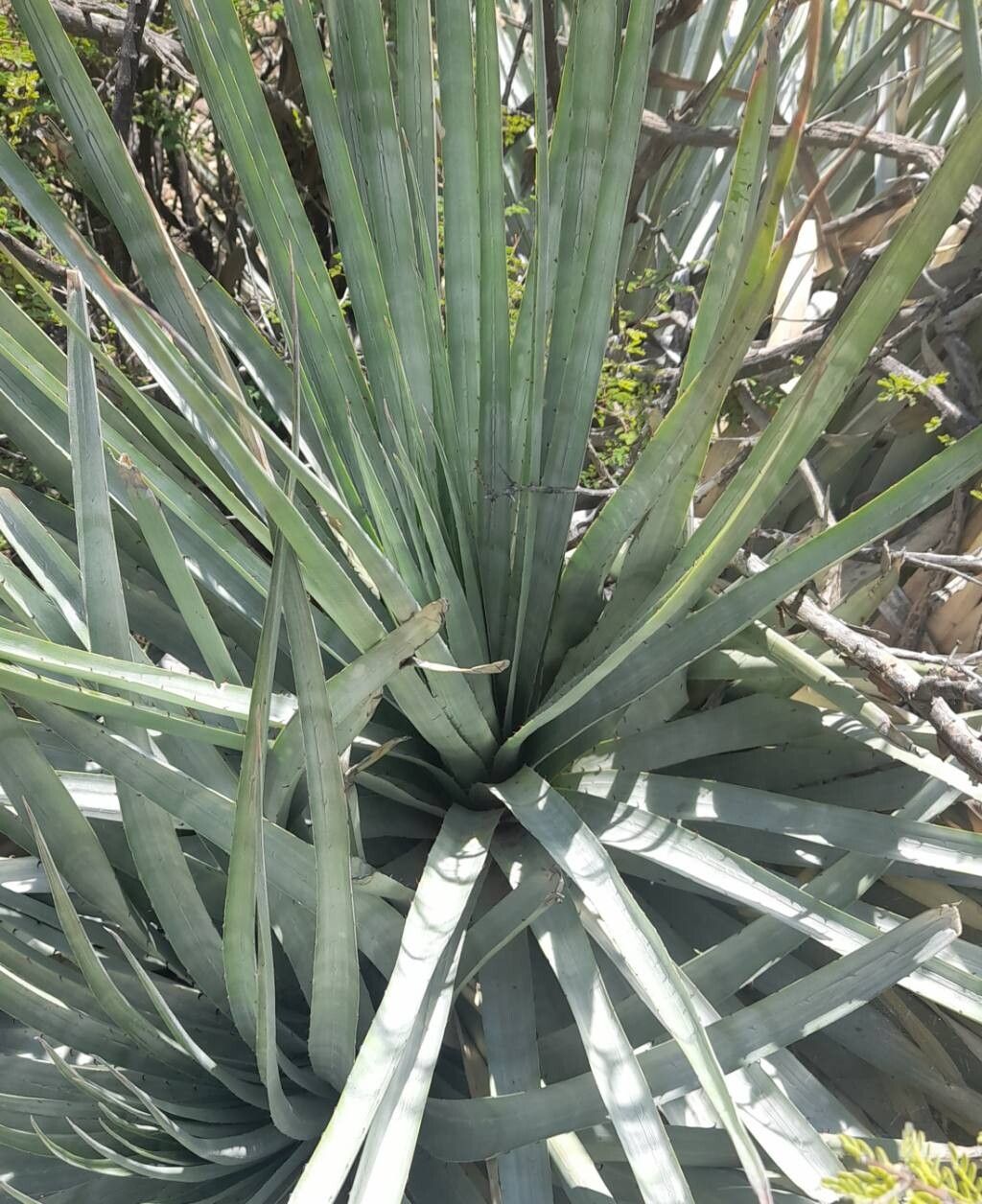
Puya berteroniana is a species in the genus Puya. This species is endemic to Chile.A revision of Puya found that it is likely a hybrid, given its rarity and intermediate characteristics between several species. Additionally, the name Puya berteroniana has been widely misapplied to plants of a different species, Puya alpestris.
Blue puya has moderate disease resistance but is more sensitive to humidity and excessive watering. It also becomes more prone to disease when it receives insufficient light and is overwatered. In terms of care, Blue puya is drought-tolerant and can withstand long periods without water. It requires little fertilizer and only occasional pruning. This makes it suitable for people of all experience levels, especially those who prefer to spend less time on plant care or who may be away from home for extended periods. It is a good choice for anyone who does not want to devote much time to plant care yet still wants an easy-to-maintain plant.
How to keep Puya Berteroniana.
Light
The Blue puya is indigenous to dry areas and flourishes in abundant sunlight, as its natural habitat is marked by intense sunlight and scanty shade. It can also accommodate to partial sunlight, demonstrating some flexibility in its growth conditions.
Temperature
Blue puya flourishes in hot climates. If the temperature dips too low, the plant may stop growing or be harmed by frost. It can endure high temperatures and humidity successfully, constantly needing a specific level of water vapor in its environment. However, if temperatures and humidity are exceedingly high, it can become prone to fungal diseases. In arid conditions, the plant requires frequent watering and spraying to keep air humidity at an acceptable level. The plant cannot withstand abrupt changes of temperature, thus it is essential to keep the temperature reasonably steady.
Fertilizer
The Blue puya requires minimal fertilizer, about 1-2 instances annually during its growth season. Refrain from fertilizing during the summer and winter periods when the plant is not active. After repotting, diminish the amount of fertilizer and hold off any fertilizing for a few months. The purpose of fertilizing is to promote healthy development and stimulate flowering.
Pruning
The Blue Puya is a perennial plant famous for its tall flower spikes and striking turquoise blooms. To encourage healthy growth and vigorous flowering, prune it in early spring by removing any dead or diseased leaves and spent flower stalks. Make sure to clean your pruning tools to prevent the spread of disease, ensuring the plant remains healthy and vibrant season after season.
Botanical profile.
- Plant Type
- Succulent
- Life Cycle
- Perennial, Annual
- Genus
- Puya
- Family
- Bromeliaceae
- Hardiness Zone
- 9-11
- Mature Height
- 1.52 m to 2.44 m
- Mature Spread
- 0.91 m to 1.52 m
- Leaf Color
- Steel Blue, Silver
- Leaf Type
- Evergreen
- Flower Color
- Blue, Green
- Flower Size
- 5.08 cm to 6.35 cm
- Bloom Time
- Late spring, Early summer, Mid summer
- Planting Time
- Spring, Summer, Autumn
- Harvest Time
- Mid summer, Late summer, Early fall
Reader questions.
What are the sun requirements for Blue Puya?
Blue Puya (Puya berteroniana) thrives in conditions of full sun to partial sun, requiring above 6 hours of sunlight daily. It's important to observe how sunlight moves through your garden to find spots that offer a healthy balance of light and shade, ensuring that your Blue Puya plants grow happy and strong.
What are the ideal growing conditions for Blue puya?
Blue puya thrives in warm environments and requires a consistent level of moisture. It has a strong tolerance for high temperatures and humidity, but excessive conditions can make it susceptible to fungal infections. To cope with dry conditions, regular watering and misting are necessary. The plant is sensitive to sudden temperature fluctuations, demanding a stable temperature environment. In winter, if temperatures drop below -20°C, indoor cultivation becomes essential. A south-facing window provides sufficient sunlight, but direct heat sources like heaters or air conditioners should be avoided to prevent excessive dryness. Keeping indoor temperatures above 5°C is beneficial, and watering should be reduced when the temperature falls below this threshold to prevent root rot. For outdoor wintering, choose a sheltered sunny spot and possibly use protective materials like plastic film or fabric, while keeping the soil slightly moist.
What are the essential requirements for growing Blue Puya?
Blue Puya originates from environments similar to forest understories, which provide natural shade, making it prefer partial sunlight. However, it can tolerate full sunlight when necessary. For indoor plants, adequate lighting is crucial, especially when natural sunlight is insufficient. Artificial lighting, such as LED lights, can substitute natural light, with full sun plants requiring 30-50W/sq ft, partial sun plants needing 20-30W/sq ft, and full shade plants requiring 10-20W/sq ft. The artificial light source should be placed 12-36 inches above the plant, mimicking natural sunlight, and ensuring the plant receives 8-12 hours of light per day.
How should I care for Blue puya in low temperature conditions?
Blue puya prefers warm environments and is not tolerant of low temperatures, ideally staying above 5°C. In facing temperatures below -20°C, initially, there might be no visible damage, but after a few days, leaves might begin to wither and the plant can severely dry up. To protect the plant, trim any frostbitten areas and move it to a warm indoor space. Placing it near a south-facing window ensures ample sunlight. Also, avoid placing the plant near heaters or air conditioning vents to maintain air humidity and prevent excessive dryness.
What are the symptoms of light deficiency in Blue Puya?
When Blue Puya does not receive enough light, it may exhibit several symptoms, including smaller new leaves, leggy or sparse growth, faster leaf drop, and slower or no new growth. Leaves may show lighter colors or irregular patterns due to insufficient sunlight, indicating a lack of chlorophyll. Excessive sunlight can lead to chlorosis, where leaves turn yellow, sunscald, leaf curling, wilting, and leaf scorching, affecting the plant's overall health and ability to photosynthesize.
What should I do if my Blue puya is exposed to high temperatures?
During summer, it's vital to keep Blue puya below 35°C, as temperatures above 41°C can cause the leaves to dry and wither, halt growth, and make the plant prone to root rot and sunburn. To manage this, remove any withered parts and reposition the plant to a shaded area, particularly away from the intense midday and afternoon sun. Watering in the morning and evening helps keep both the plant and its environment sufficiently moist, mitigating the stress from high temperatures.
How can light-related symptoms be addressed in Blue Puya?
To address light-related symptoms in Blue Puya, gradually increase direct sunlight exposure to at least 6 hours daily for outdoor plants or use artificial lighting for indoor ones. It's essential to avoid sudden changes in light intensity to prevent sunburn. Methods include using a south-facing window for natural light, keeping a desk or ceiling lamp on for at least 8 hours if the plant is large or not easily movable, and considering professional plant grow lights. For outdoor plants, reduce obstructions, potentially by pruning, and for ground plants, consider transplanting during the dormancy period for better light access and drainage. Remember, parts of the plant damaged by inadequate sunlight may not recover, but new growth should be healthy with corrected light exposure.