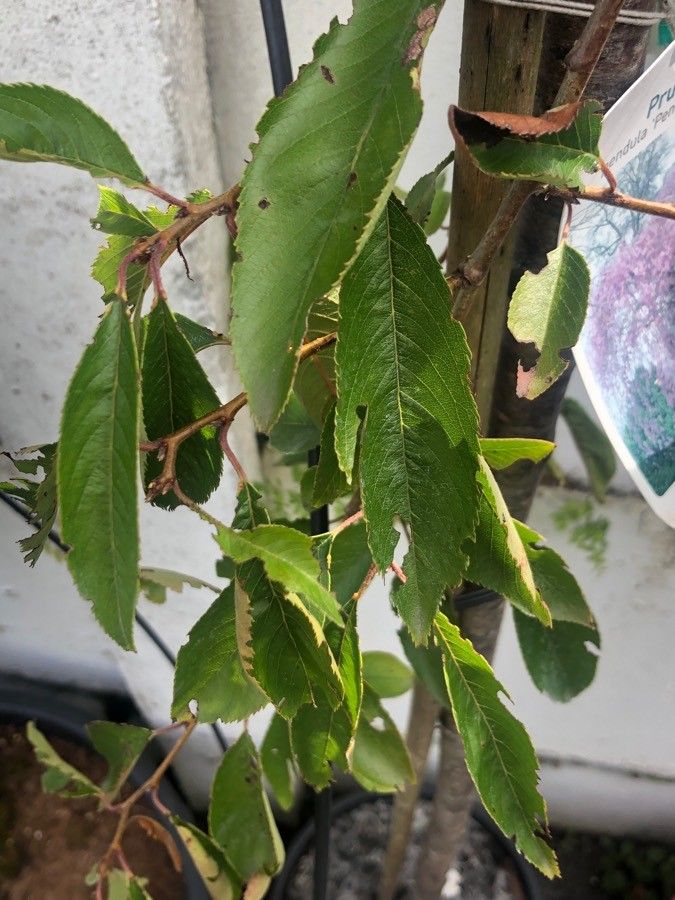
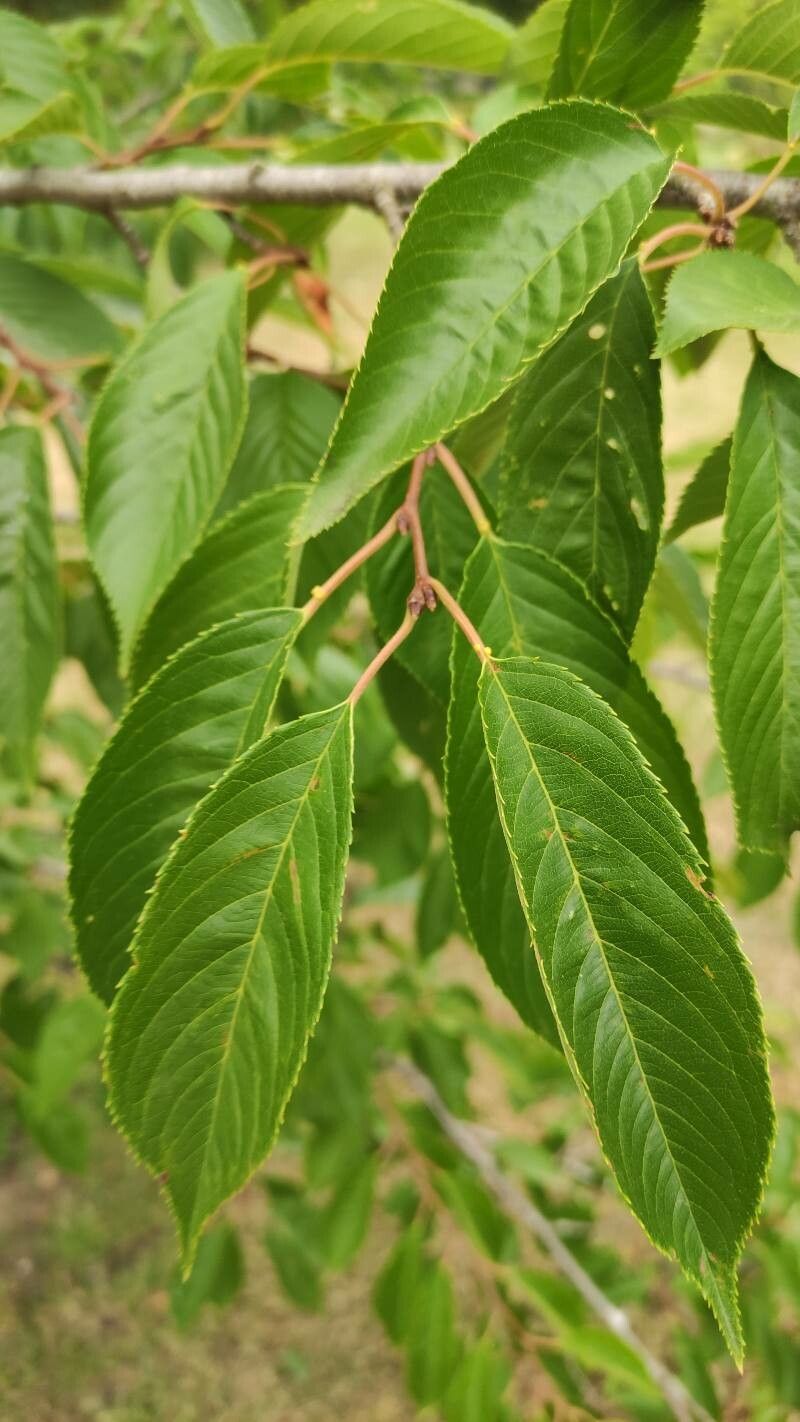
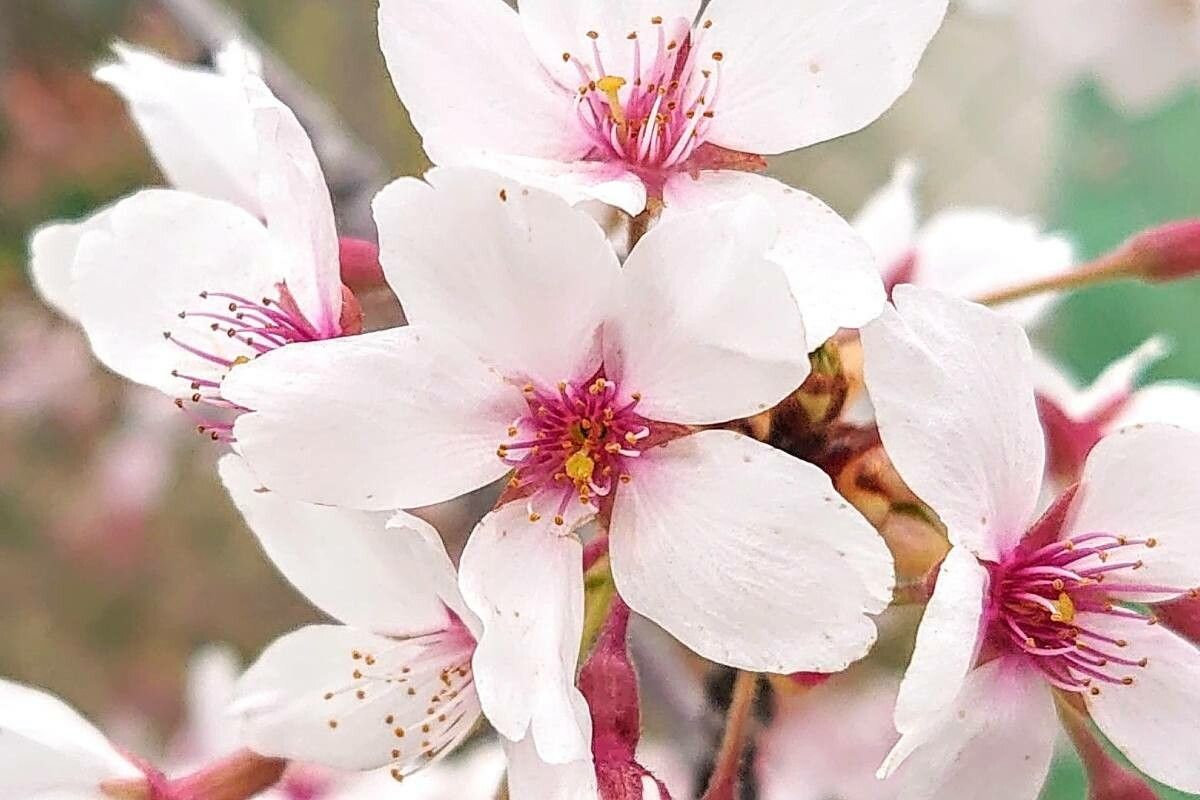
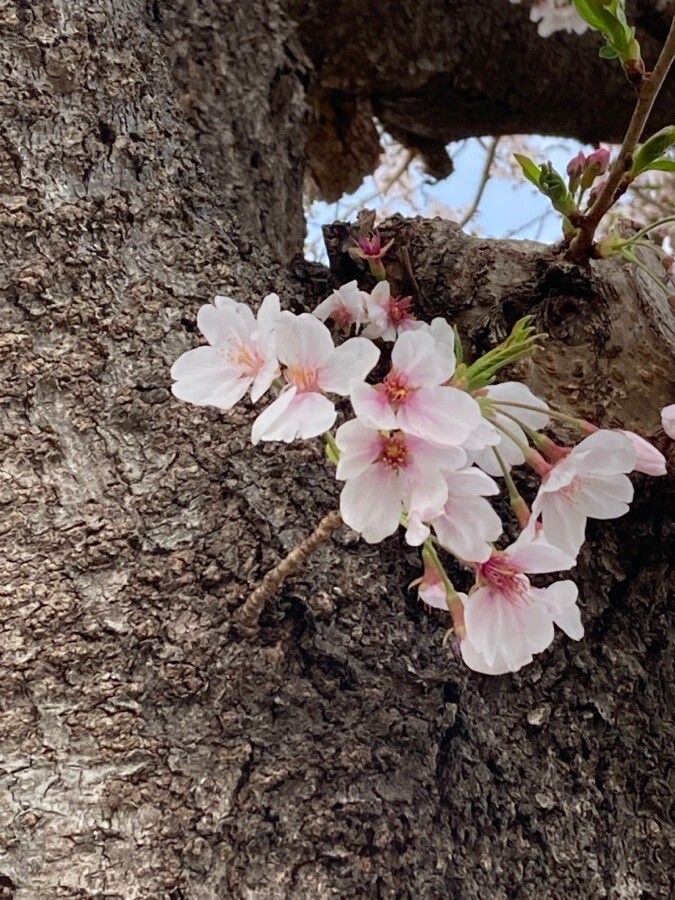
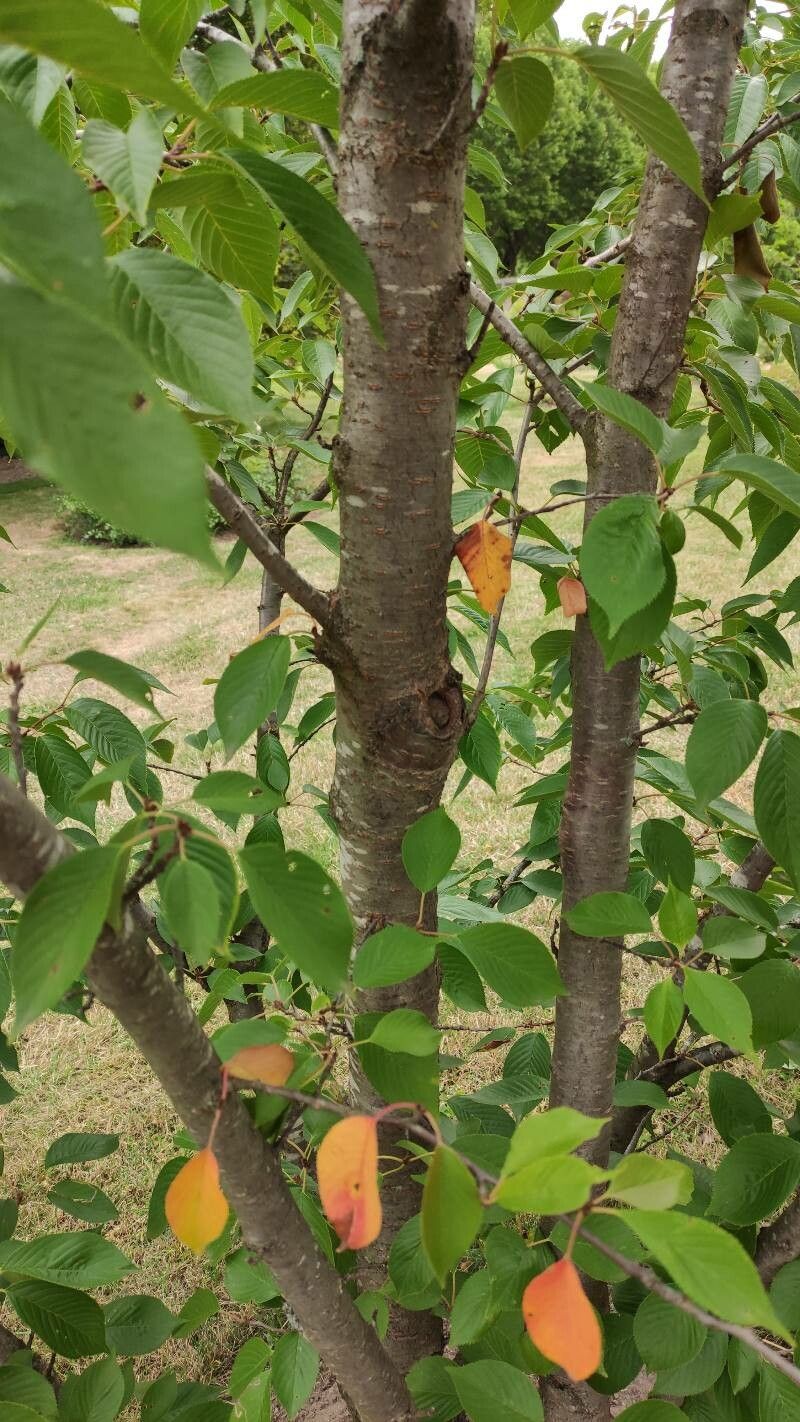
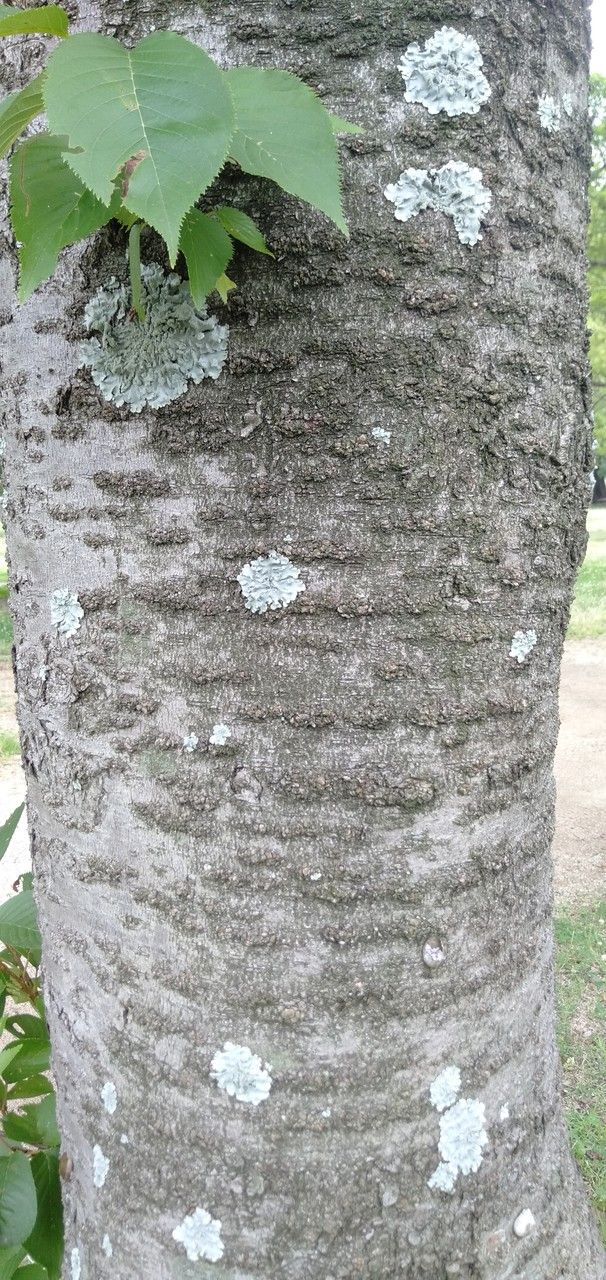
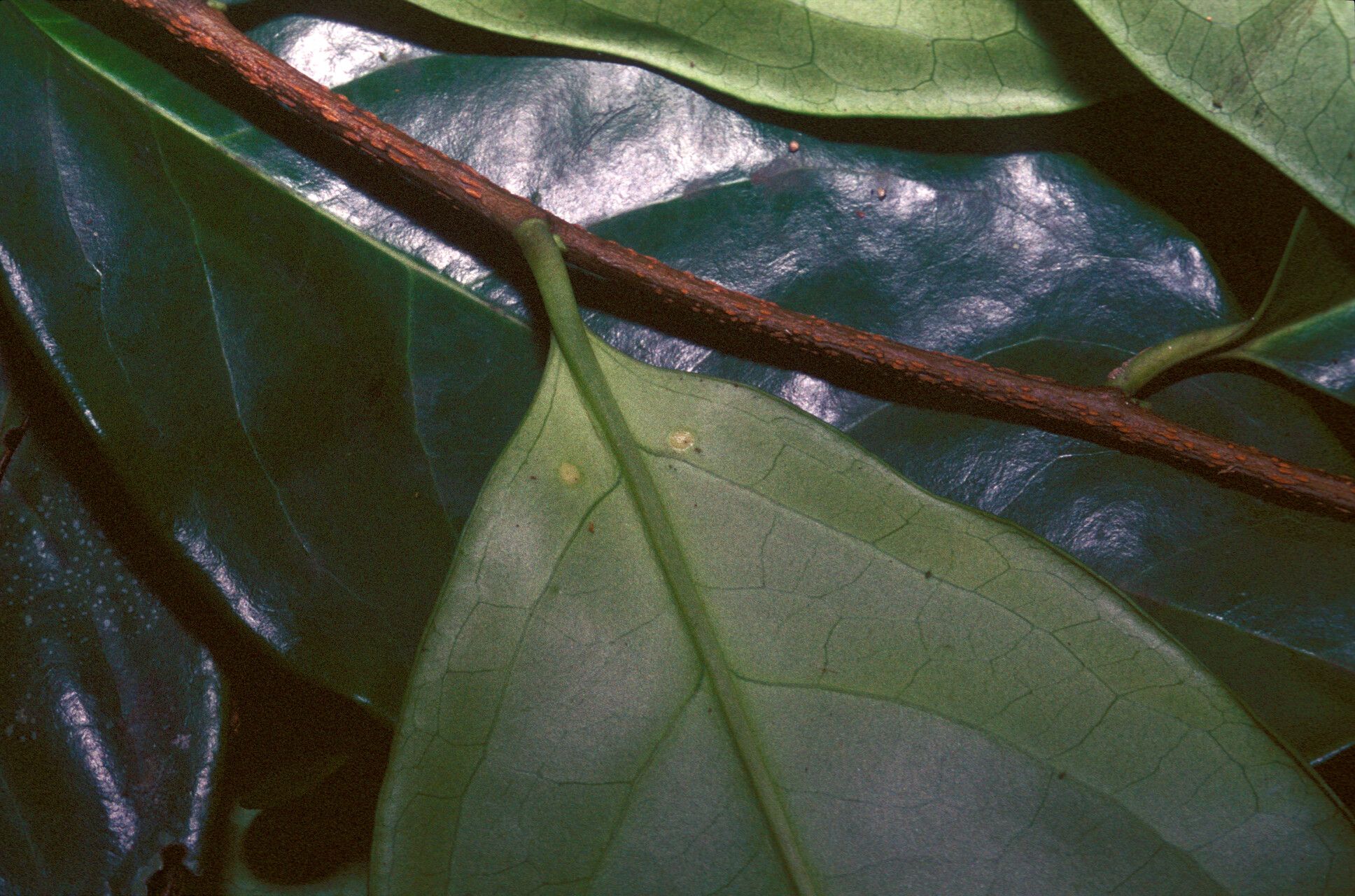
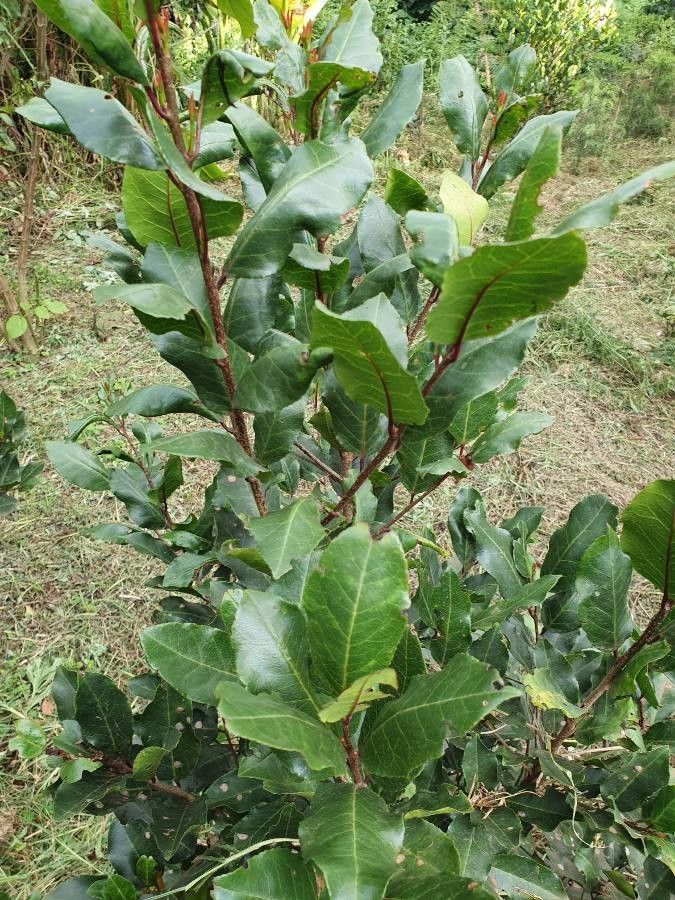
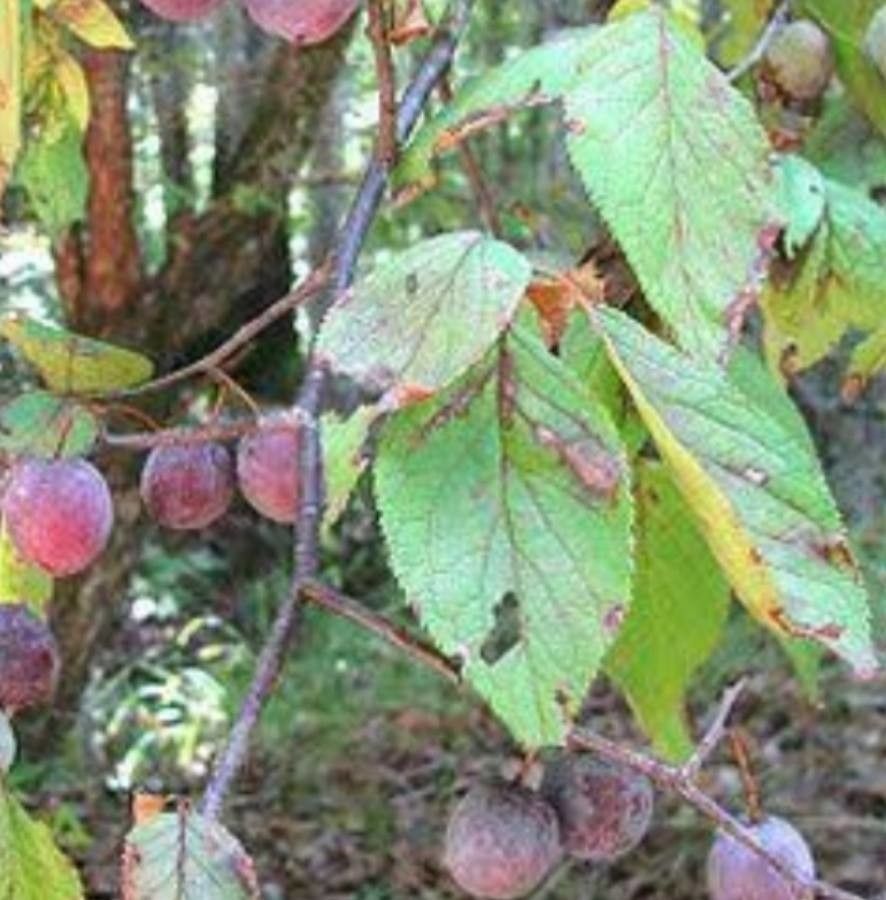
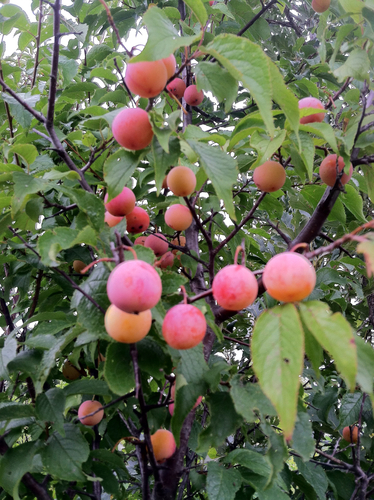
Prunus x yedoensis, commonly known as Yoshino cherry or Tokyo cherry, is a deciduous tree from the Rosaceae family. This tree is a hybrid of two Japanese cherry species: Prunus speciosa and Prunus subhirtella. Yoshino cherry trees can grow up to 40 feet tall and feature a broad canopy adorned with delicate pink or white flowers that bloom in early spring, before the leaves appear. The leaves are oval-shaped with serrated edges, turning yellow in autumn before falling.
Yoshino cherry trees are popular in gardens and parks for their stunning flowers, which attract bees, butterflies, and birds. These trees prefer full sun exposure but can also tolerate partial shade and a variety of soil types, including loam, sand, or clay.
In Japan, the Yoshino cherry holds cultural significance, celebrated during the annual Hanami festival, where people gather under its blooming branches for picnics and festivities. These trees are also planted extensively in Washington D.C., where they bloom each year along the Tidal Basin during the National Cherry Blossom Festival.
The Yoshino and Kanzan cherry trees transform the Tidal Basin Park and the streets of Washington, D.C., into a breathtaking display of blossoms each spring. The National Cherry Blossom Festival, held in the U.S. capital, commemorates the 1912 gift of Japanese cherry trees from Japan to Washington, D.C. FUN FACT · FROM THE LIBRARY
Overall, Prunus x yedoensis is an attractive ornamental tree with cultural importance. It adds beauty to gardens and provides habitat for wildlife, such as pollinators.
The Yoshino cherry, also known as Sakura or cherry blossom, gets its name from the Yoshino District in Nara, Japan, where it is believed to have originated. The term 'sakura' means 'cherry blossom' and applies to various types of flowering cherry trees, not just the Yoshino cherry.
Yoshino cherry shows good resistance to disease and is generally not susceptible to illnesses. In terms of care, this plant is fairly low maintenance. When planted outdoors, it needs only minimal watering, and larger specimens typically do not require pruning. However, smaller plants should be pruned after they have finished blooming. Yoshino cherry is suitable for anyone with outdoor space, such as a garden or deck, and does not demand extensive care experience.
How to keep Prunus Ux Yedoensis.
Light
Yoshino cherry prefers an environment that is well lit by sunlight for most of the day. This substantial sun exposure promotes optimal growth and health. However, it can still thrive with reduced sunlight. Both excessive and insufficient sunlight can harm its development. Its native habitat is rich in sunlight.
Water
The Yoshino cherry, which comes from areas with distinct seasons, thrives in well-drained soil and needs moderate watering, ideally once every three weeks. As a deciduous plant, its flowering is influenced by water availability, making careful water management essential during the growing season to achieve optimal blooms.
Temperature
Yoshino cherry is native to temperate environments. It does best in temperatures between 41 and 95 °F (5 to 35 °C), making it a robust, hardy plant capable of adapting to seasonal variations within that temperature range.
Fertilizer
The timing of fertilizing a Yoshino cherry is important. Apply fertilizer in early spring and continue once a month until early summer. Fertilizer encourages attractive blooms and provides energy during both dormant and active growth periods.
Pruning
Pruning Yoshino cherry trees in early spring before new growth begins promotes better air circulation and improves the overall shape of the plant. Removing dead branches boosts the tree's vitality and encourages blooming. Regular maintenance like this ensures strong development, resulting in a healthier and more visually appealing tree.
Botanical profile.
- Plant Type
- Tree
- Life Cycle
- Perennial
- Genus
- Prunus
- Family
- Rosaceae
- Hardiness Zone
- 5-9
- Mature Height
- 12.19 m to 15.24 m
- Mature Spread
- 7.62 m to 11.89 m
- Leaf Color
- Yellow, Green, Orange
- Leaf Type
- Deciduous
- Flower Color
- White, Pink
- Flower Size
- 3.05 cm to 3.56 cm
- Bloom Time
- Mid spring, Late spring
- Planting Time
- Spring, Autumn
- Harvest Time
- Early summer, Mid summer
- Native Area
- Japan
Other names.