Prunus x fruticans, commonly known as the cherry plum, is a deciduous tree or shrub in the Rosaceae family. This hybrid species results from crossbreeding Prunus cerasifera and Prunus spinosa. Native to Europe and Asia, the cherry plum has also been widely cultivated in other parts of the world.
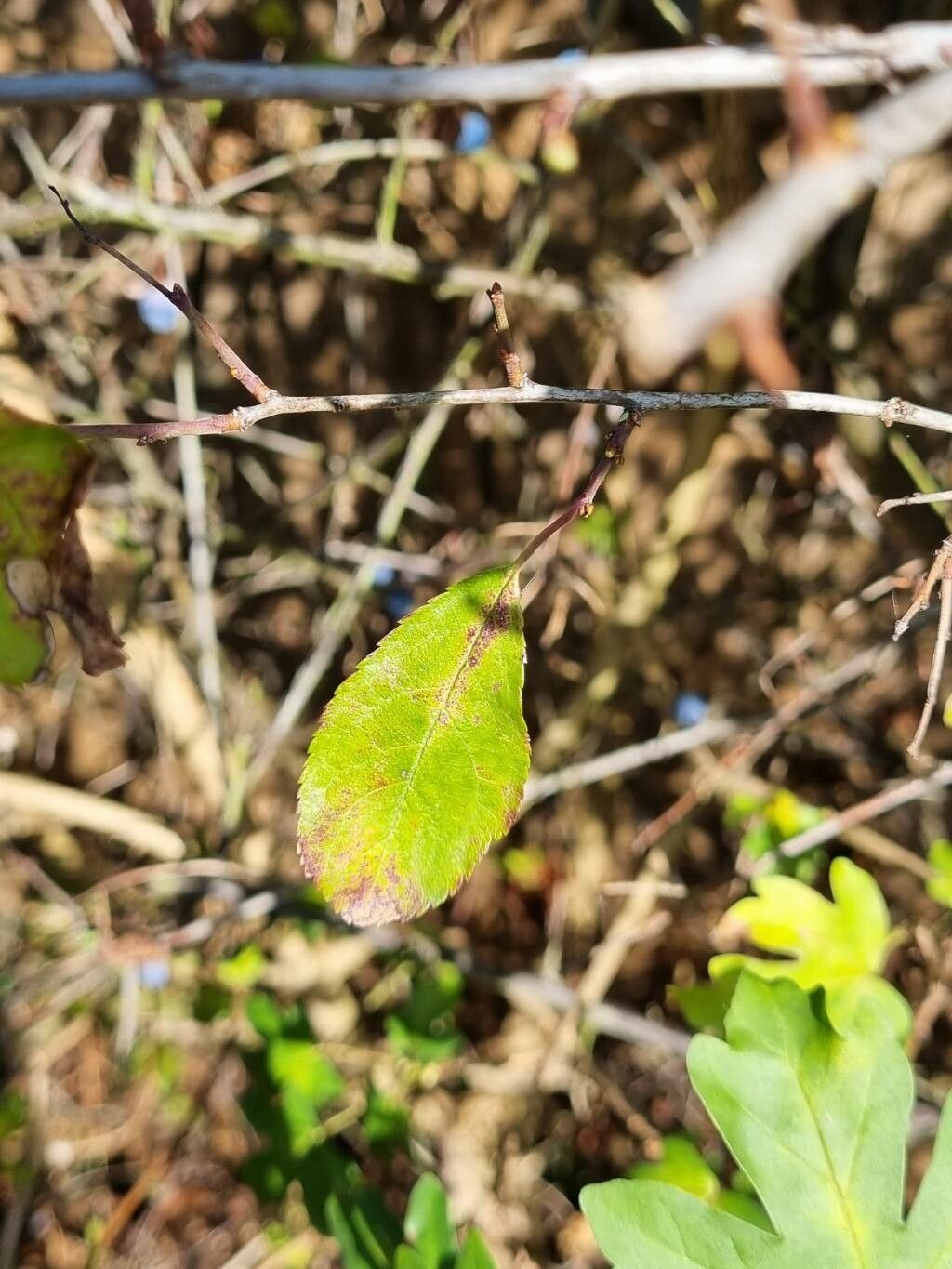
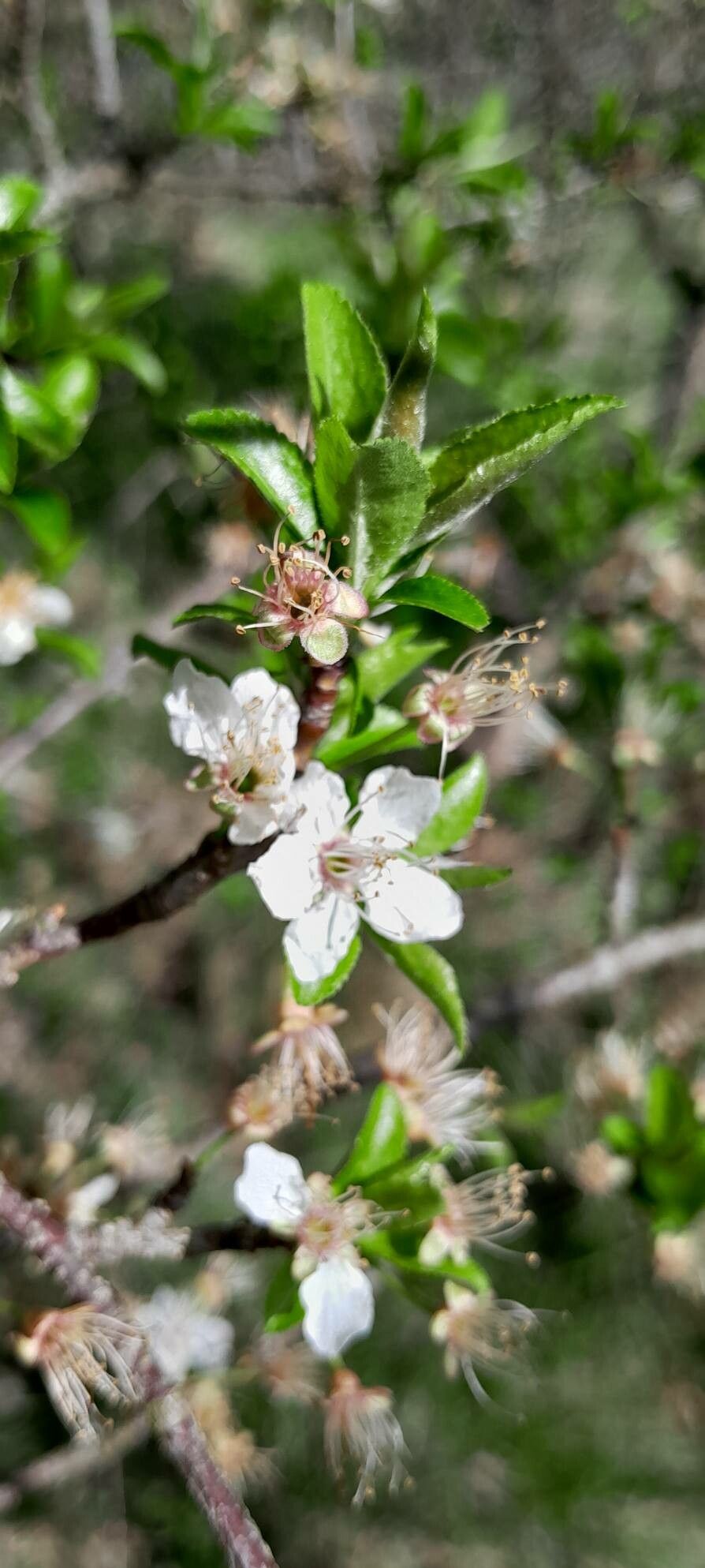
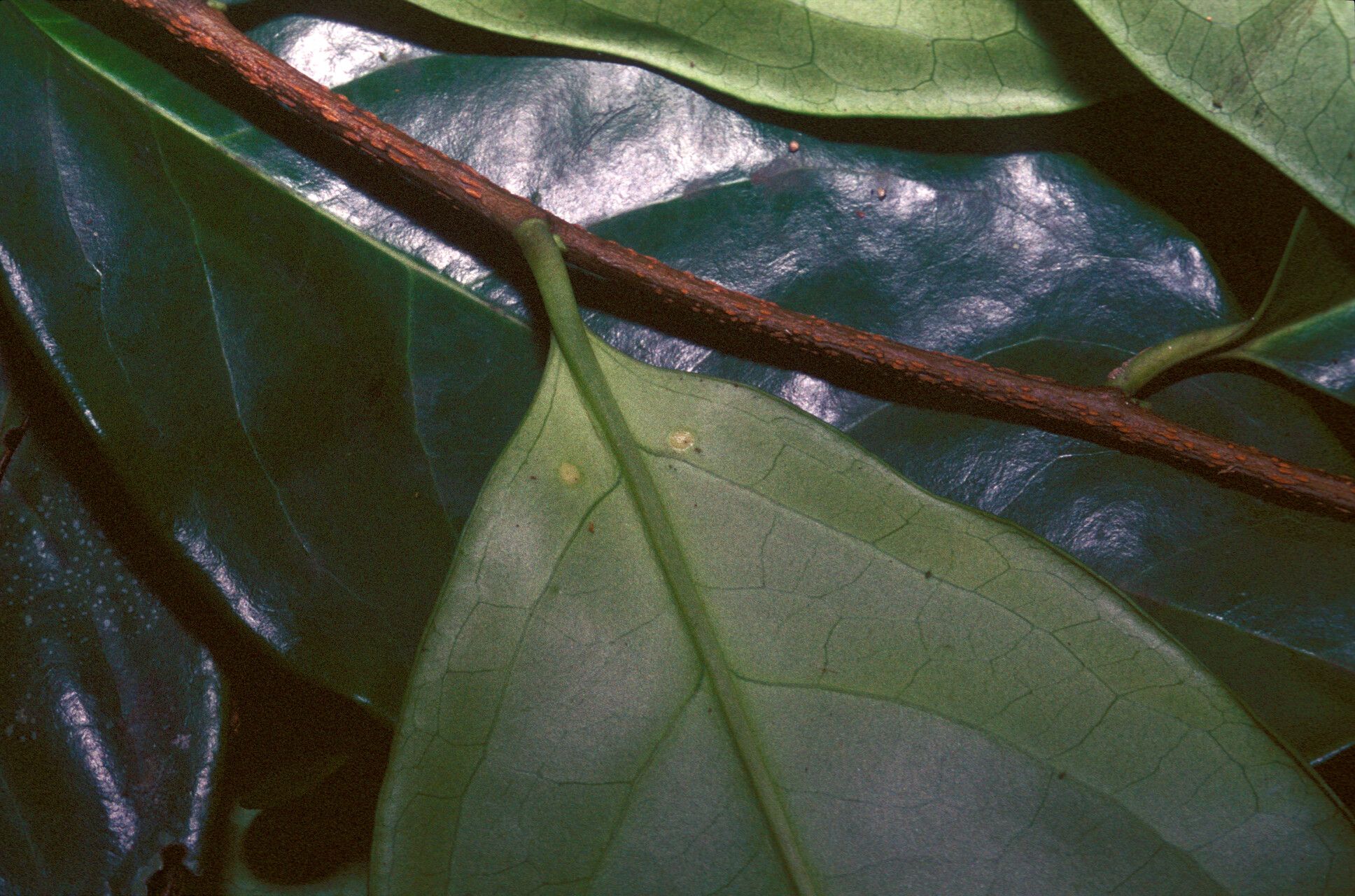
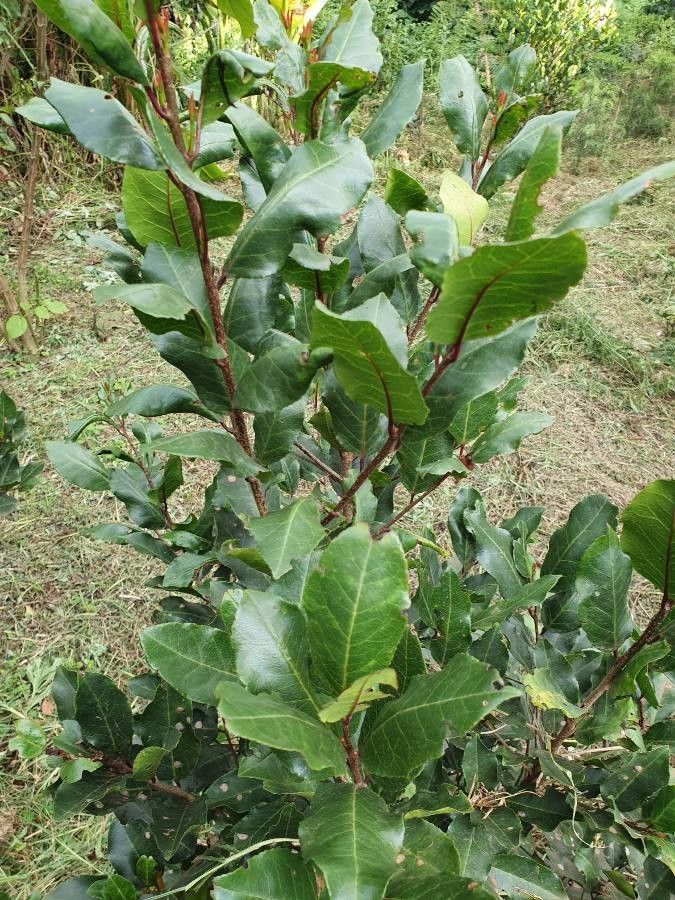
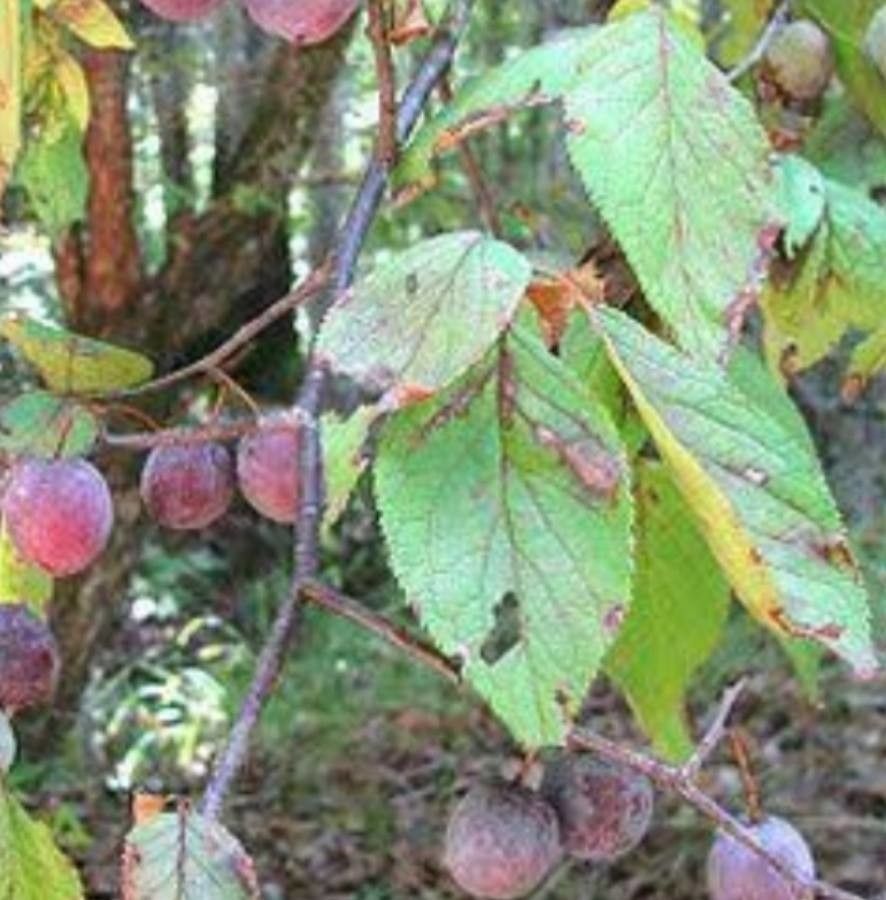
The cherry plum can grow up to 6 meters tall and features an upright growth habit with a rounded crown. Its oval-shaped leaves have serrated edges, and they turn yellow or red in autumn before falling. The flowers, which are white or pinkish-white, bloom in early spring before the leaves emerge.
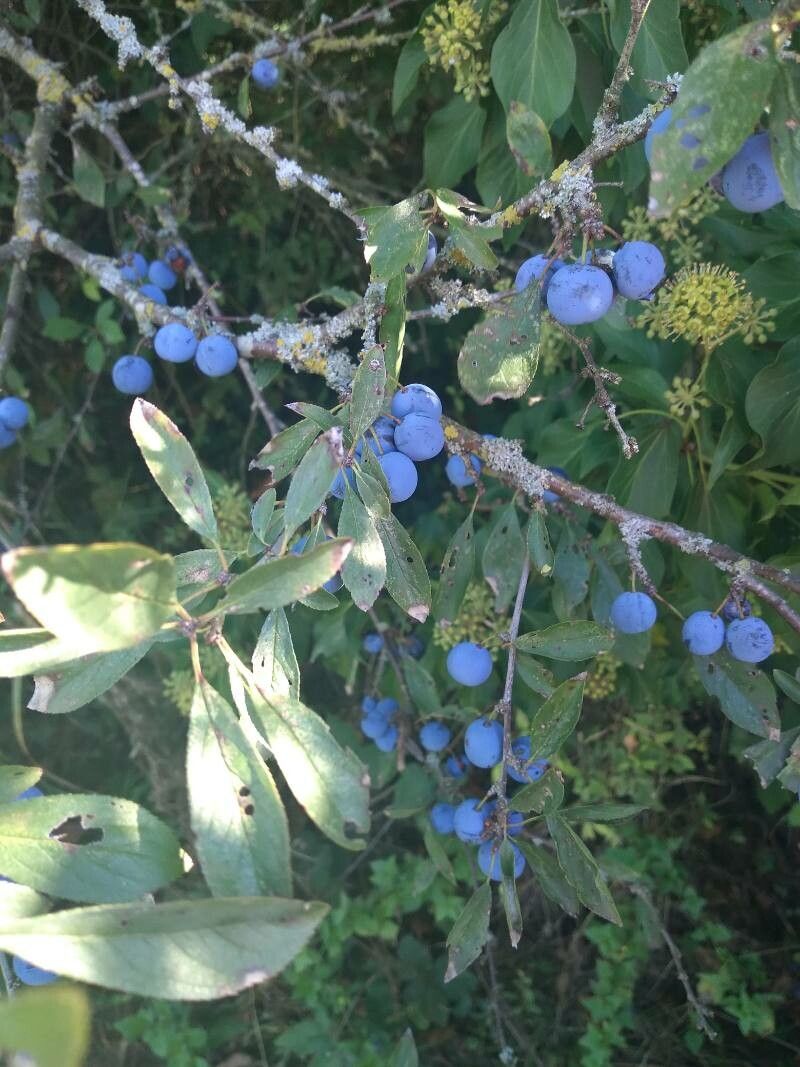
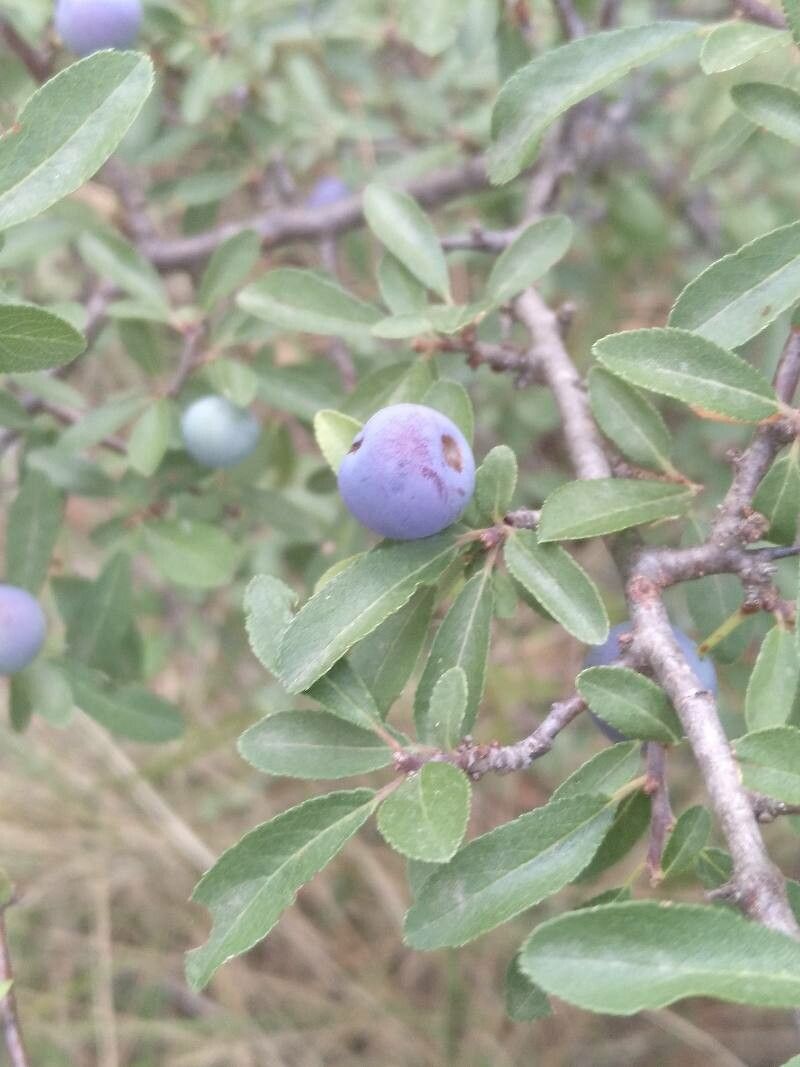
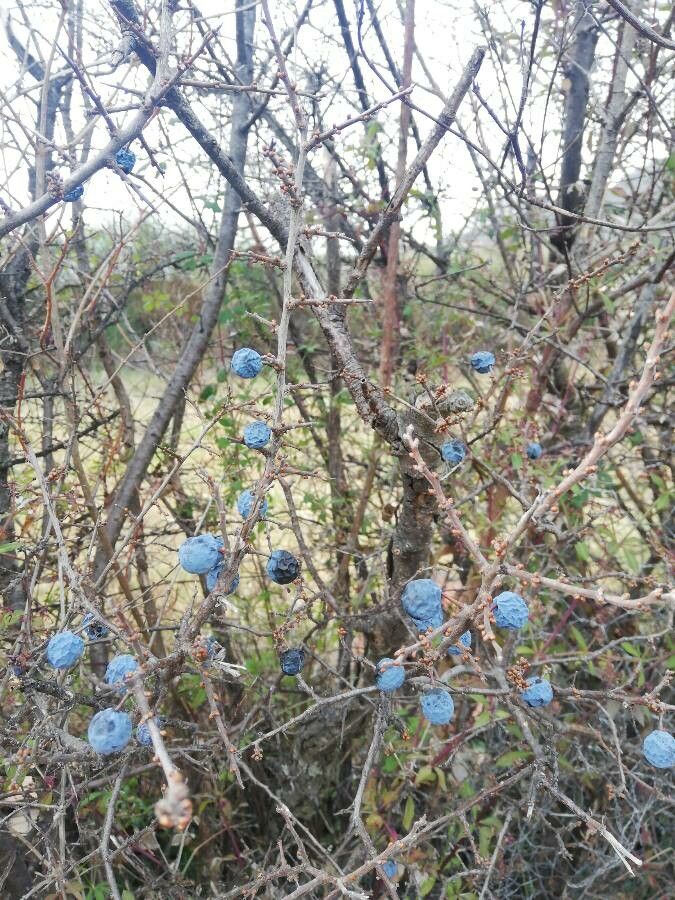
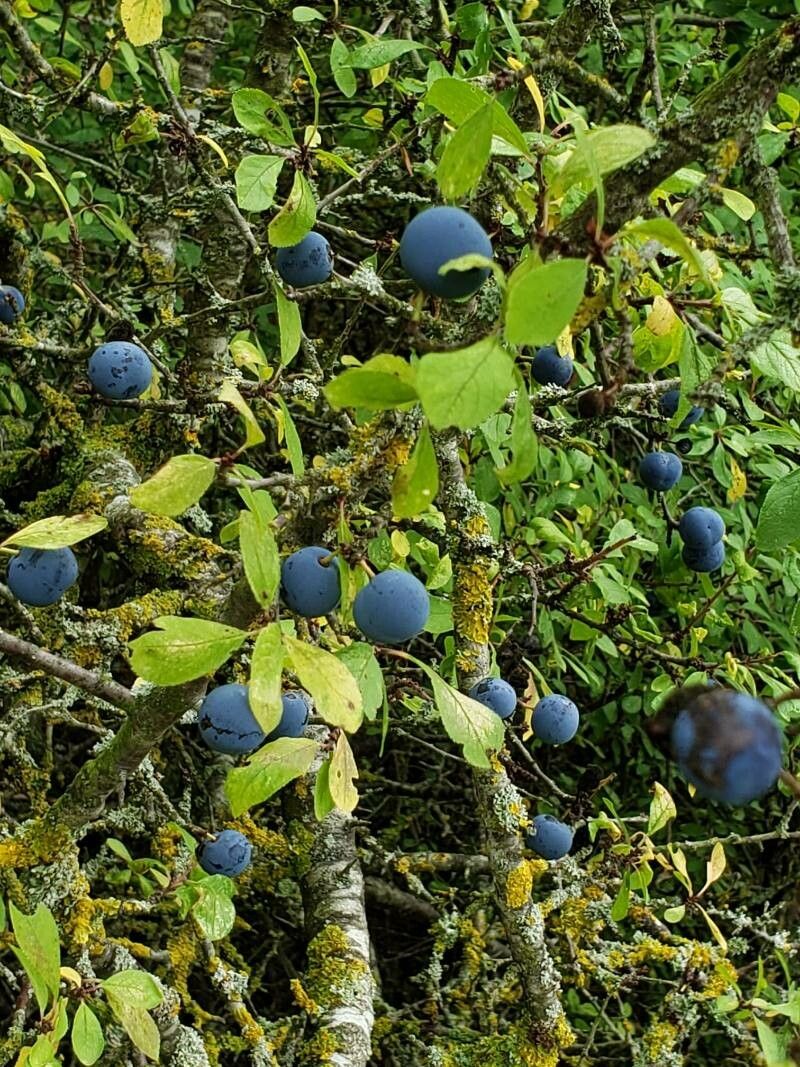
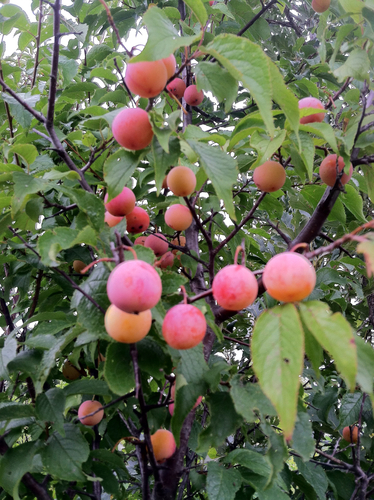
The fruit of Prunus x fruticans is small (about 2-3 cm), oval-shaped, and resembles plums with a taste more akin to cherries. These fruits are usually yellow-red when ripe but can also be purple-black, depending on the cultivar.
Cherry plums thrive in well-drained soils with full sun exposure. They are relatively easy to cultivate, requiring minimal maintenance once established.
In addition to its ornamental appeal due to its beautiful spring flowers, the cherry plum has culinary uses. Its high pectin content makes it ideal for jams and jellies. The ripe fruit can also be eaten fresh or used to make alcoholic beverages like wine.
Overall, Prunus x fruticans is an attractive plant that offers aesthetic value through its springtime flowers and culinary benefits through its summer fruit harvests, making it a popular choice among gardeners worldwide.
Botanical profile.
Other names.