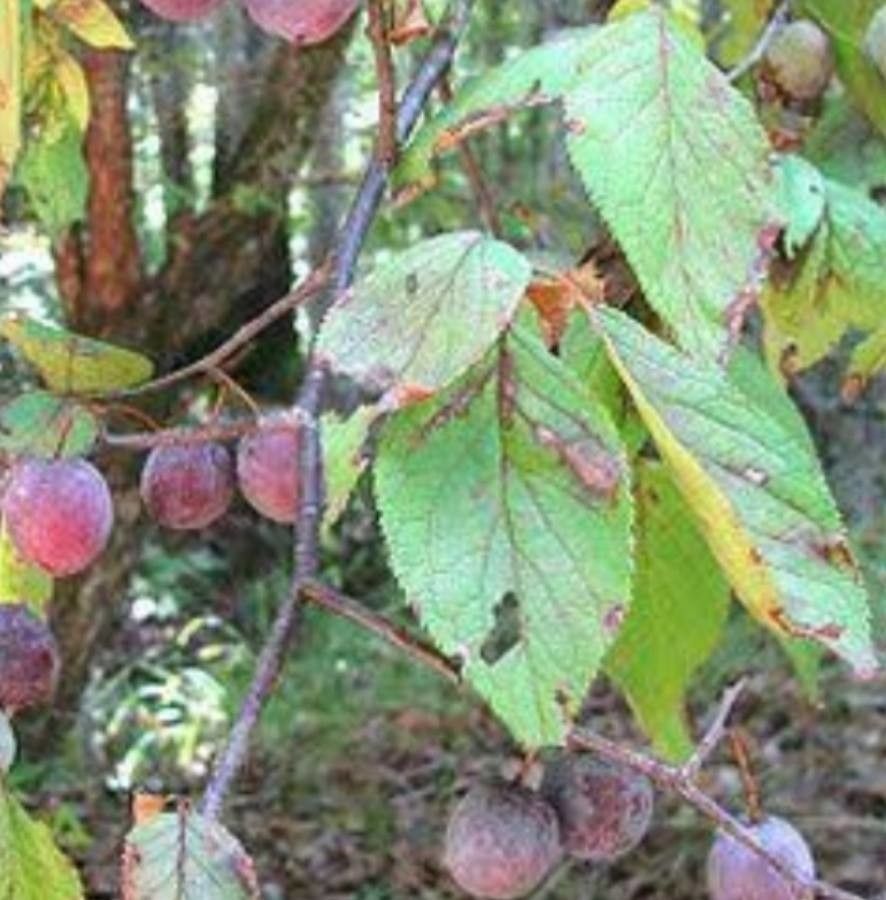
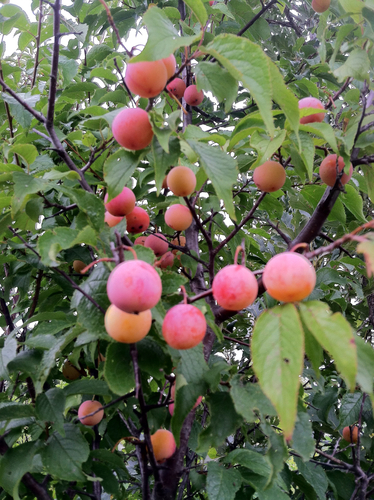
Prunus susquehanae, commonly known as the Susquehanna cherry or Susquehanna plum, is a deciduous shrub or small tree native to North America. Belonging to the Rosaceae family, it can grow up to 20 feet tall. The plant features a rounded crown and smooth gray bark, which turns rougher with age.
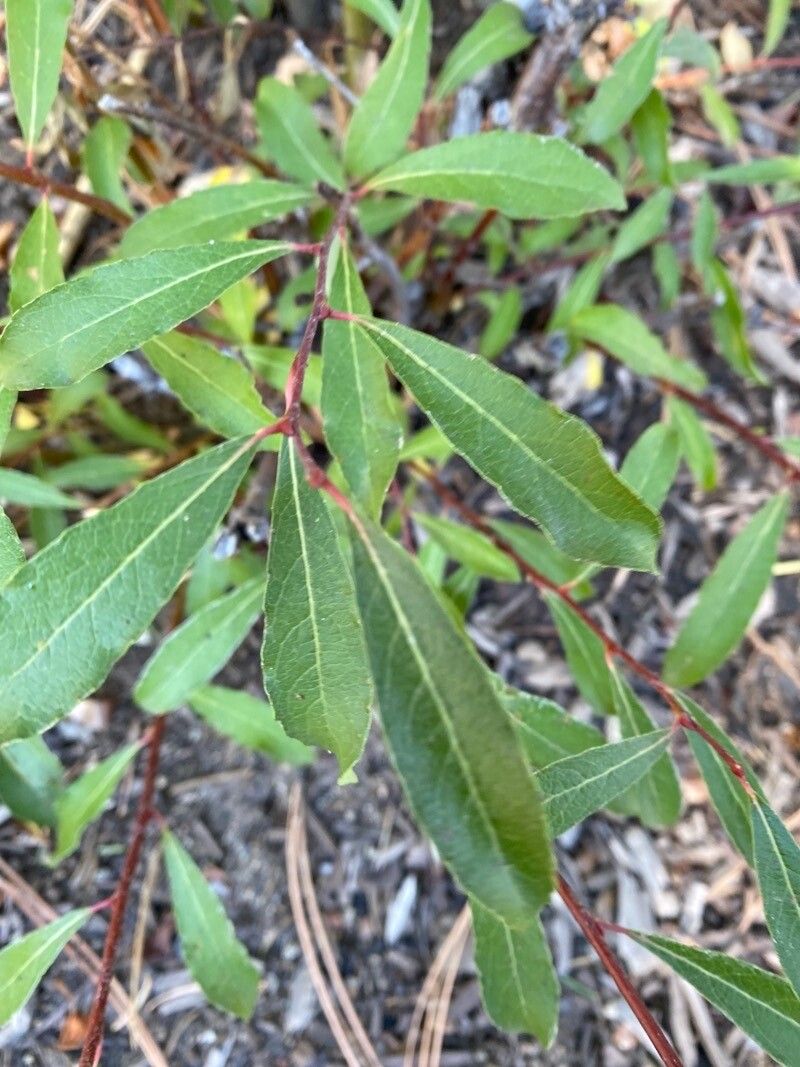
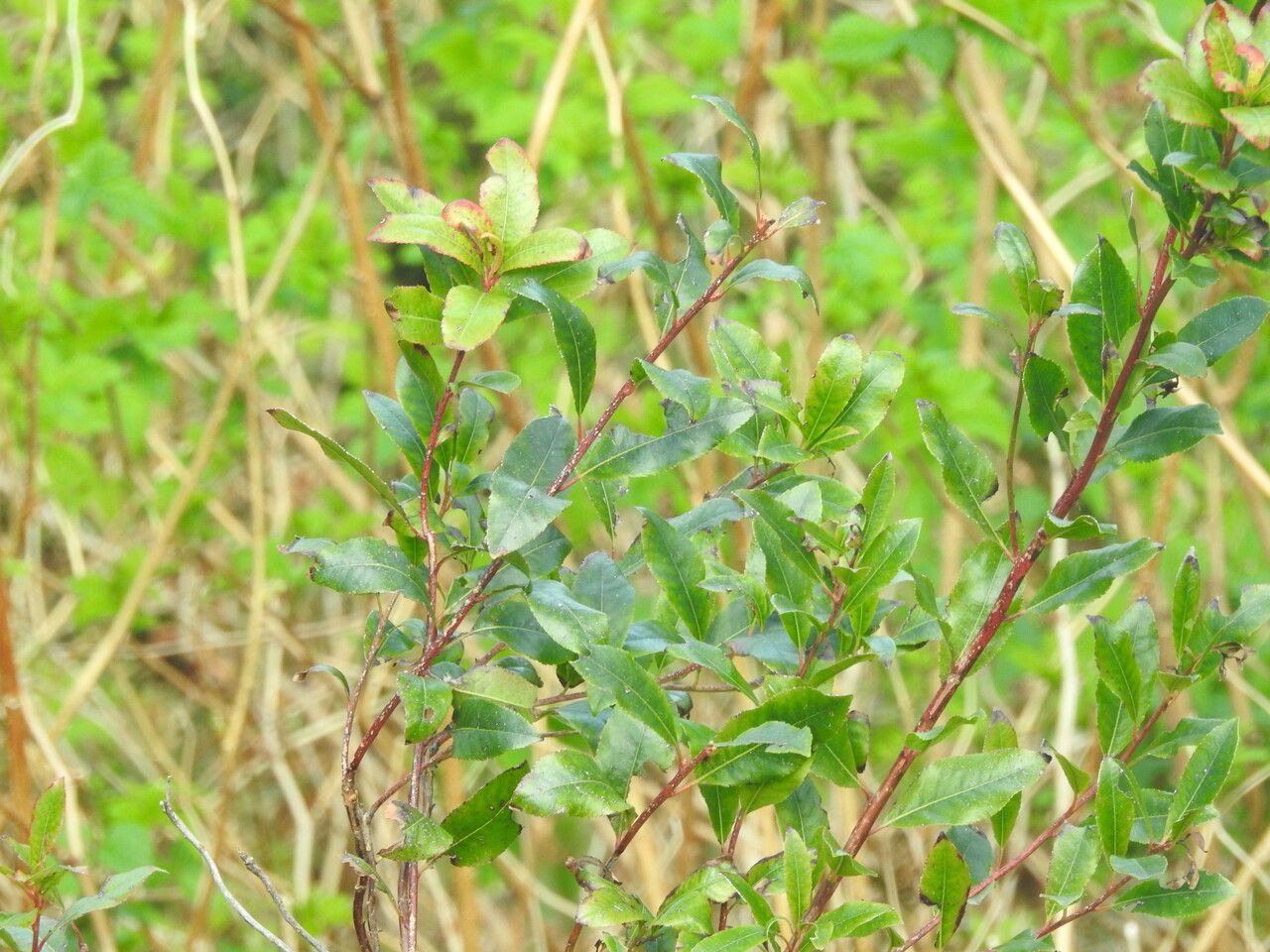
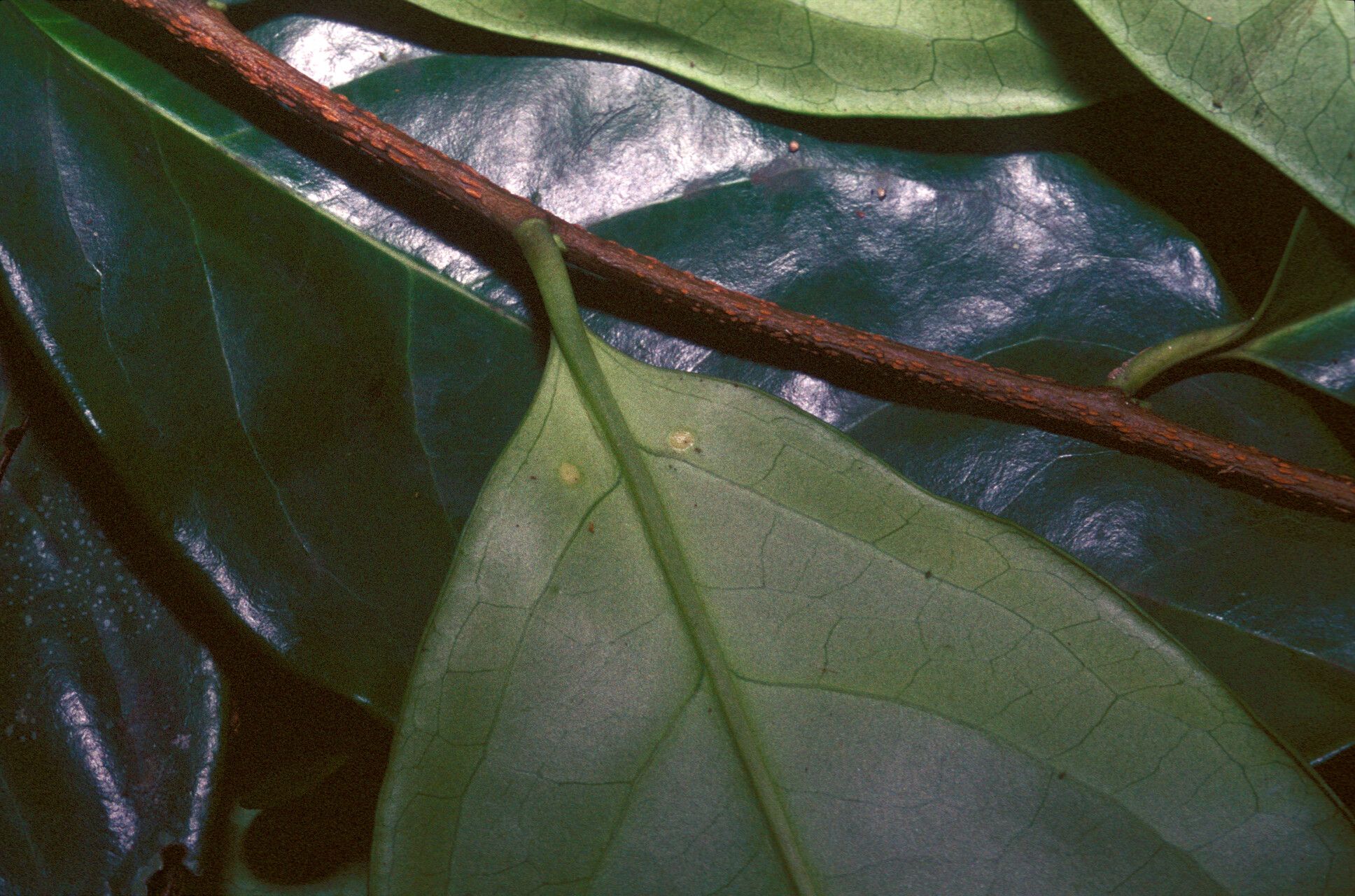
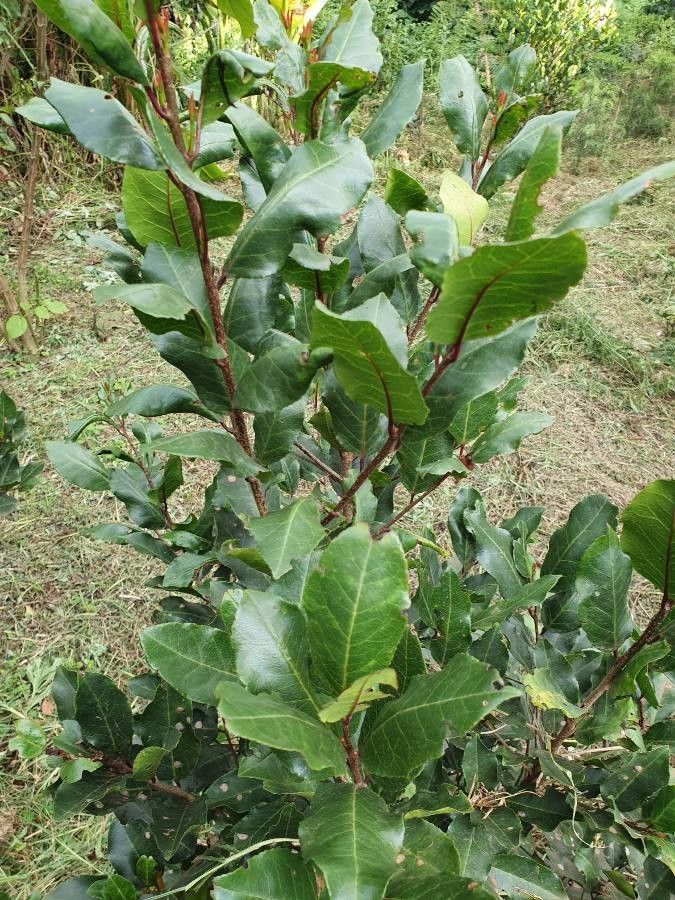
The leaves of Prunus susquehanae are simple, alternate, and ovate with serrated edges. They are dark green during the summer, transitioning to yellow-orange in autumn before they fall.
In early spring, before the leaves appear, the plant produces small white flowers. These flowers give way to edible red fruits that resemble cherries but have a sour taste.
Prunus susquehanae thrives in moist soils and can grow well in full sun or partial shade. It is commonly found along streamsides, wetlands, and other moist habitats within its range.
Beyond its ornamental appeal for gardens and parks, Prunus susquehanae provides food for wildlife, including birds and mammals, which feed on its fruits in autumn when other food sources are scarce.
Sesquehana sandcherry has strong disease resistance and is generally not susceptible to diseases. In terms of care, this plant is fairly low-maintenance. When grown outdoors, it needs little watering, and larger plants typically do not require pruning. Smaller plants, however, should be pruned after they have finished blooming. Sesquehana sandcherryt is appropriate for anyone with an outdoor area, such as a garden or deck, and does not need much care experience.
How to keep Prunus Susquehanae.
Light
Sesquehana sandcherry is native to open habitats, such as sunny meadows and forest edges, which offer abundant light. It does best in Full Sun but can also tolerate Partial Sun, adjusting well to a range of sunlight conditions.
Water
Water the Susquehanna sand cherry once before it begins to bud in mid-spring, and then continue to water it monthly until the fall. Ensure each watering is thorough, watering until drainage stops. After each watering, loosen the soil and remove any weeds. Stop watering in the autumn and winter to prevent frost damage.
Temperature
Sesquehana sandcherry is highly adaptable to a range of climatic conditions, whether facing blistering summers or cold winters. It does, however, have an optimal temperature range for growth. When temperatures become too high, the plant is liable to suffer heat and humidity stress, which can cause it to die. In areas where temperatures approach the lower edge of its cold tolerance, it is important to provide insulation to protect the plant.
Fertilizer
Timing is important when fertilizing Sesquehana sandcherry. Apply fertilizer in early spring and continue monthly until early summer. Fertilizer promotes attractive blooms and supplies energy during both dormant and active growth phases.
Pruning
The Sesquehana sandcherry needs regular pruning to prevent branches from becoming overcrowded. This helps ensure good air circulation and adequate light exposure, reducing the risk of pests and diseases. Additionally, selectively removing some flowers and fruit can improve nutrient distribution, leading to fewer fruits overall but those that remain are of higher quality and taste better.
Botanical profile.
- Plant Type
- Shrub
- Life Cycle
- Perennial
- Genus
- Prunus
- Family
- Rosaceae
- Hardiness Zone
- 3-8
- Mature Height
- 30 cm to 61 cm
- Mature Spread
- 0.61 m to 1.22 m
- Leaf Color
- Green, Dark Green
- Leaf Type
- Deciduous
- Flower Color
- White, Pink
- Flower Size
- 1.02 cm to 2.03 cm
- Bloom Time
- Early spring, Mid spring
- Planting Time
- Spring, Summer, Autumn
- Harvest Time
- Mid summer, Late summer
Other names.