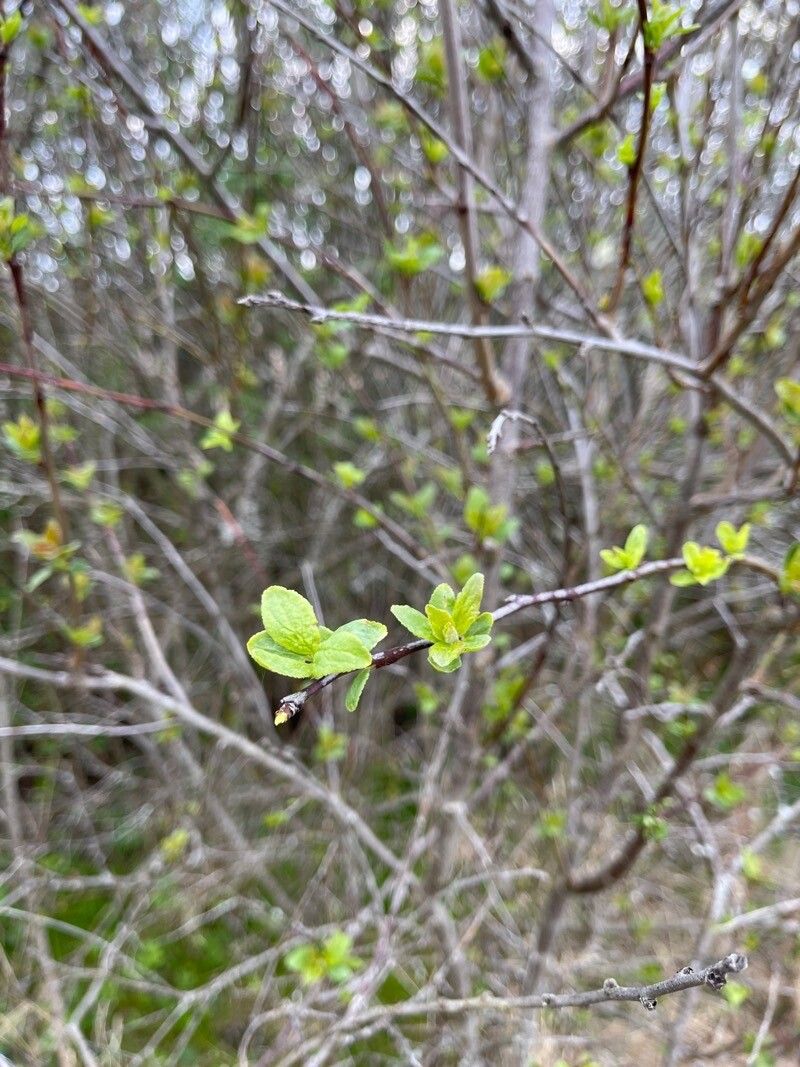
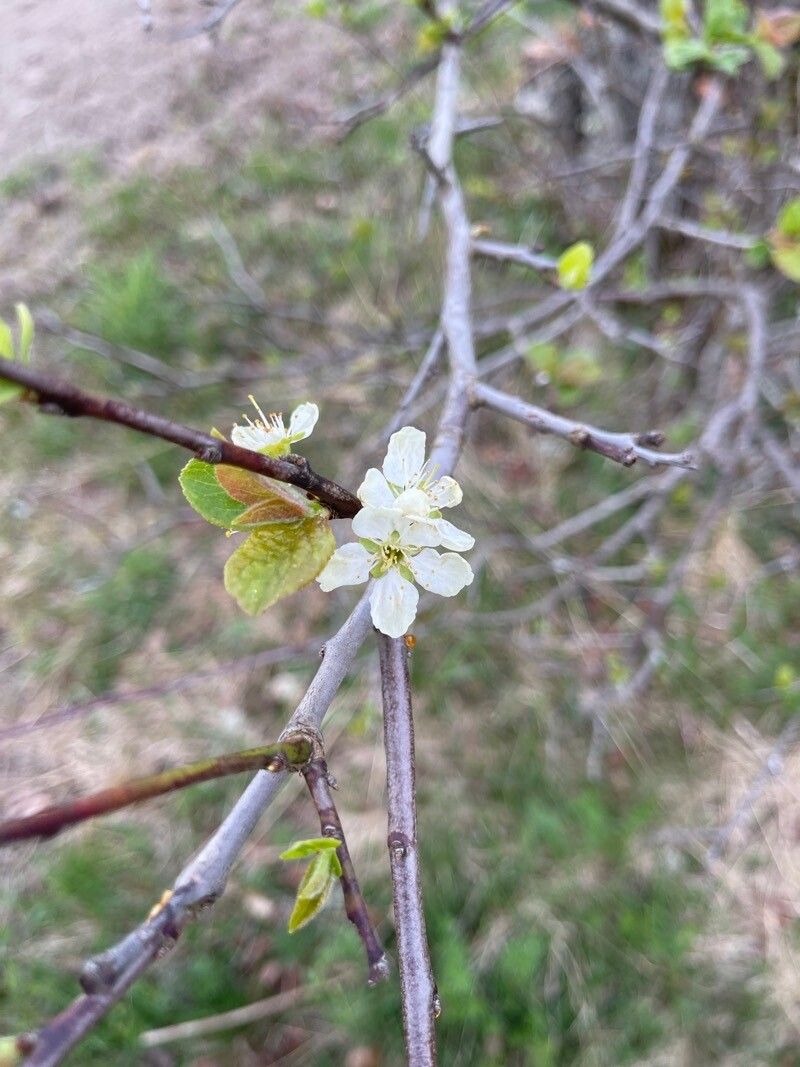
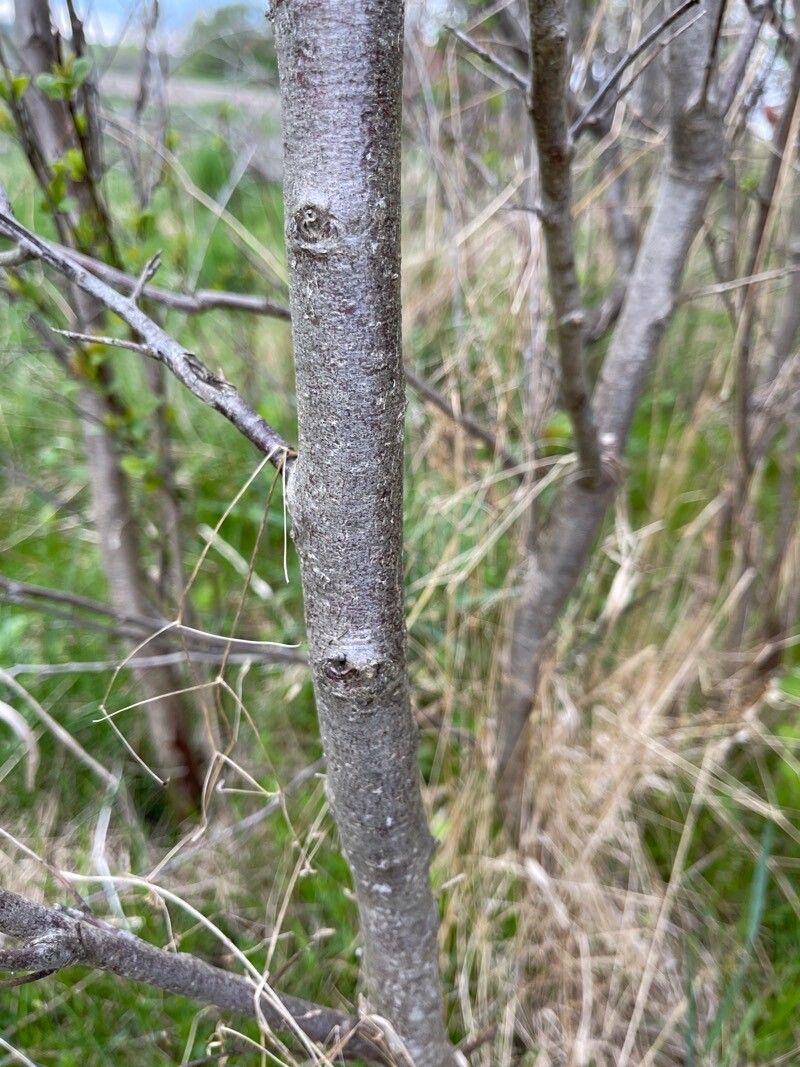
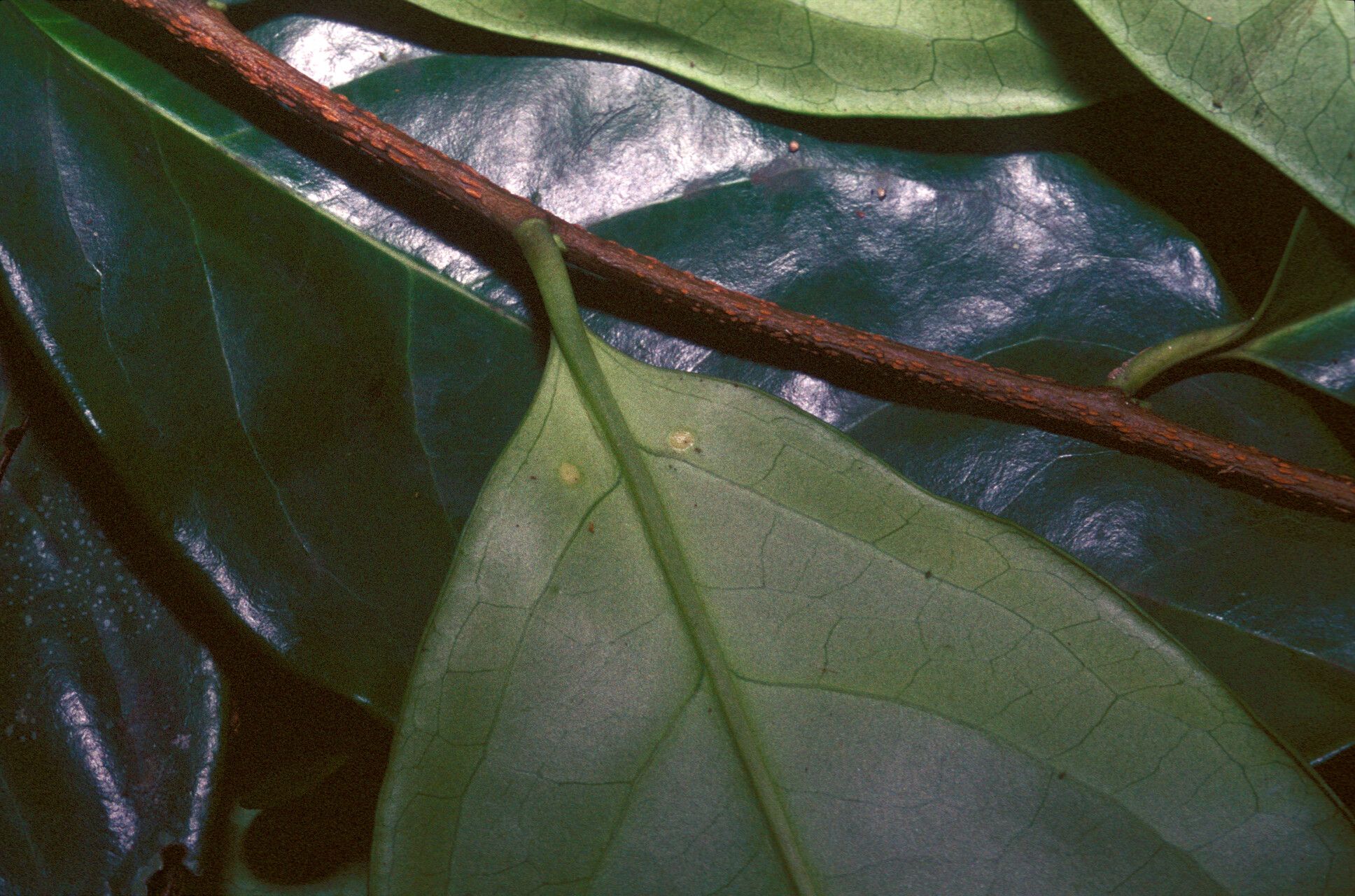
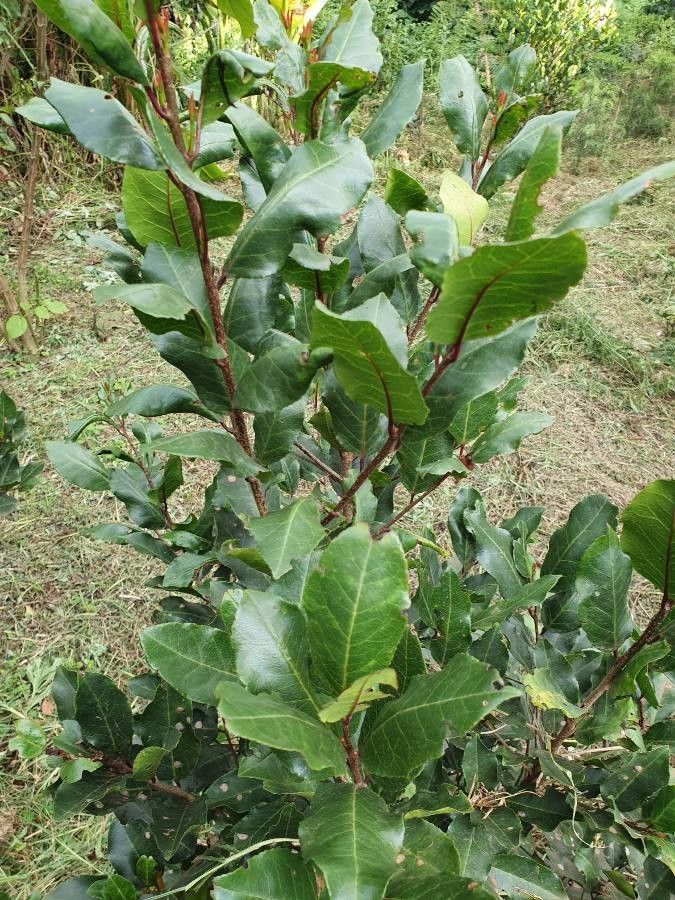
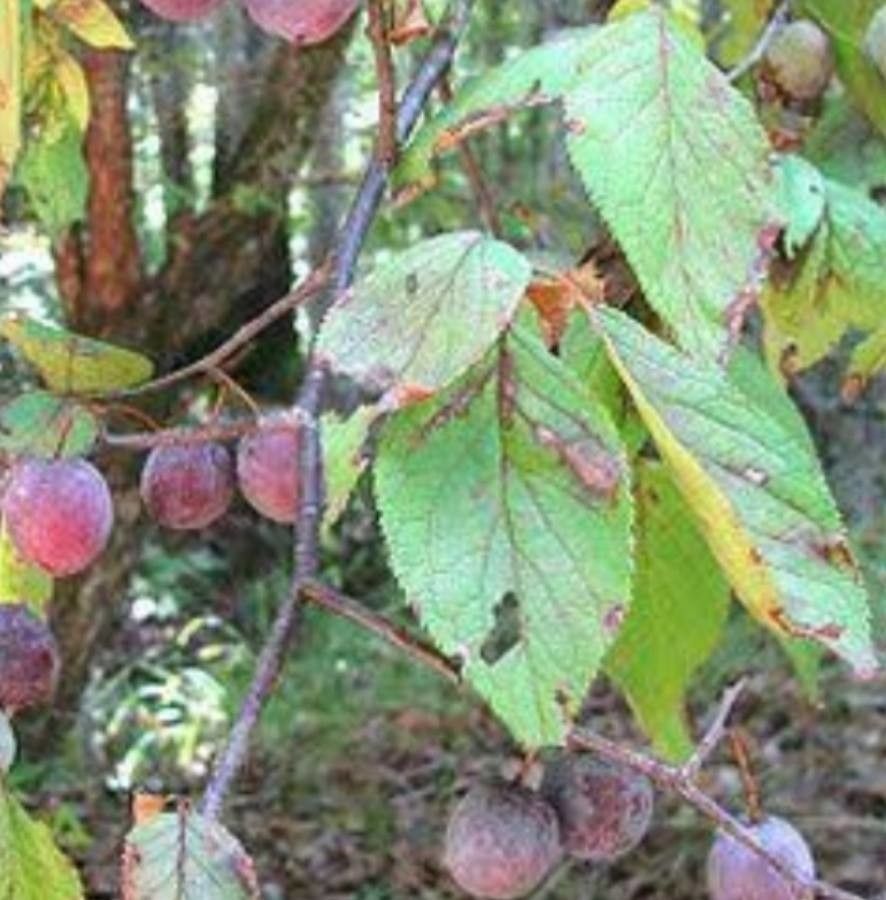
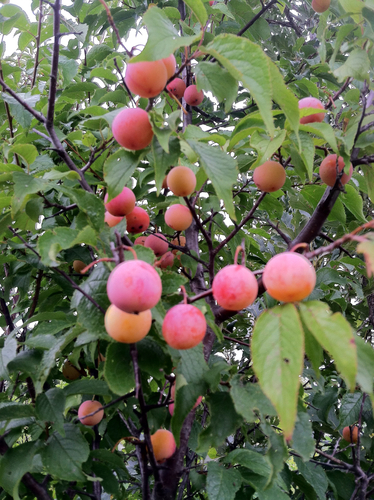
Prunus subcordata, commonly known as the Klamath plum or Pacific plum, is a deciduous tree native to western North America. Belonging to the Rosaceae family, it can grow up to 10 meters tall. In early spring, the tree produces small white flowers, followed by edible fruit in late summer or early fall. The fruit is small, round, red, and has a sweet flavor, making it popular for jams and jellies. Prunus subcordata thrives in moist soils with full sun to partial shade but can tolerate drought conditions once established. Additionally, it serves as an important food source for wildlife, including birds and bears. Overall, Prunus subcordata is an attractive ornamental tree that offers both aesthetic value and ecological benefits to its environment.
Klamath plum demonstrates strong resistance to disease and is generally not susceptible to illnesses. As for care, this plant is fairly low-maintenance. When grown outdoors it needs only minimal watering, and larger specimens typically do not require pruning. Smaller plants, however, should be trimmed after they have finished blooming. Klamath plumt is appropriate for anyone with an outdoor area, such as a garden or deck, and does not call for extensive care experience.
How to keep Prunus Subcordata.
Light
The Klamath plum is native to open habitats, such as sunlit meadows and forest margins, where it receives abundant light. It performs best in full sun but can tolerate partial sun, showing good adaptability to different light conditions.
Water
The Klamath plum thrives in moist environments and prefers consistent moisture, although it can tolerate moderate drought conditions. To maintain optimal health, water the plant twice a week. It adapts well to seasonal rainfall and is often grown outdoors, demonstrating resilience to changes in water availability throughout the growing season.
Humidity
This plant will thrive in moderate humidity, which is probably the level in your home. However, misting it a few times a week can be very beneficial. Make sure the room has good ventilation.
Temperature
Klamath plum displays strong adaptability to a variety of climates, from hot summers to cold winters. Nonetheless, it has a preferred temperature range for growth. If temperatures become too high, the plant is vulnerable to heat and humidity stress, which can cause it to die. In areas where temperatures near the lower limit of its cold tolerance, providing insulation to protect the plant is important.
Fertilizer
The Klamath plum needs adequate nutrients to achieve the best fruit production. Fertilize in early spring to encourage new growth and bloom development. Regular fertilizing keeps the plant healthy, yields more delicious fruit, and prevents nutrient deficiency problems like yellow leaves and poor fruit production.
Pruning
The Klamath plum is known for producing small, sweet fruits and can thrive in a variety of climates. Pruning in early spring helps promote healthy growth and increases fruit yield by removing dead wood and thinning out crowded branches. Using clean, sharp tools during pruning helps prevent disease, ensuring the plant's long-term health and productivity.
Botanical profile.
- Plant Type
- Tree
- Life Cycle
- Perennial
- Genus
- Prunus
- Family
- Rosaceae
- Hardiness Zone
- 5-9
- Mature Height
- 2.13 m to 3.96 m
- Mature Spread
- 2.13 m to 3.05 m
- Leaf Color
- Green, Dark Green
- Leaf Type
- Deciduous
- Flower Color
- White, Pink
- Flower Size
- 1.52 cm to 2.03 cm
- Bloom Time
- Early spring, Mid spring
- Planting Time
- Spring, Summer
- Harvest Time
- Mid summer, Late summer, Early fall
Other names.
Reader questions.
What are the sunlight requirements for Klamath plum (Prunus subcordata)?
Klamath plum, also known by its botanical name Prunus subcordata, thrives in specific sunlight conditions to ensure its happiness and health. For optimal growth, the Klamath plum requires 'full sun,' which means the plant should receive above 6 hours of sunlight daily. However, it can also adapt to 'partial sun' conditions, where it would get about 3-6 hours of sunlight each day. When choosing a planting spot in your garden, it's vital to observe how sunlight moves throughout the area during the day. This observation will help you select a location that provides a perfect balance of light and shade, catering well to the needs of your Klamath plum.
What is the botanical name of the Klamath plum?
The botanical name of the Klamath plum is Prunus subcordata.