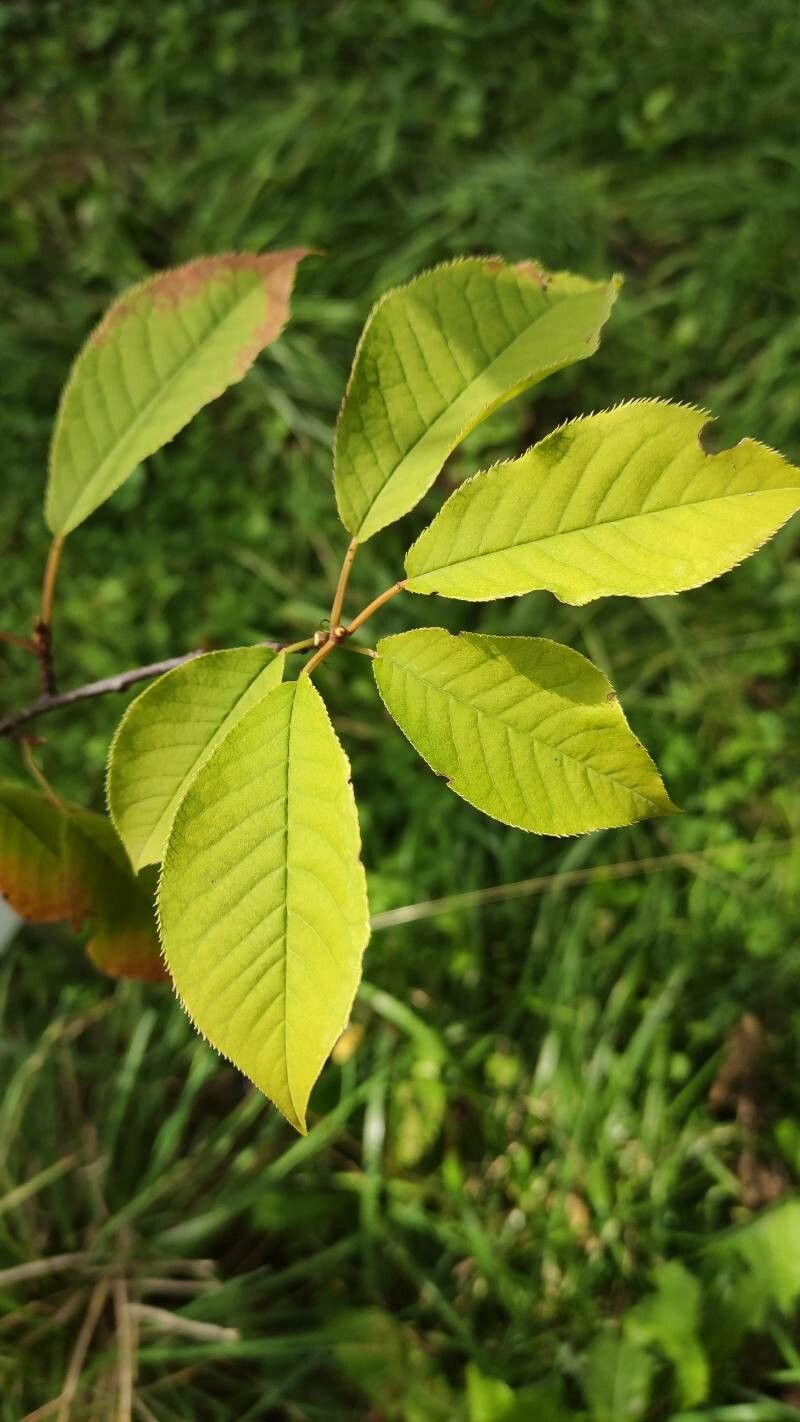
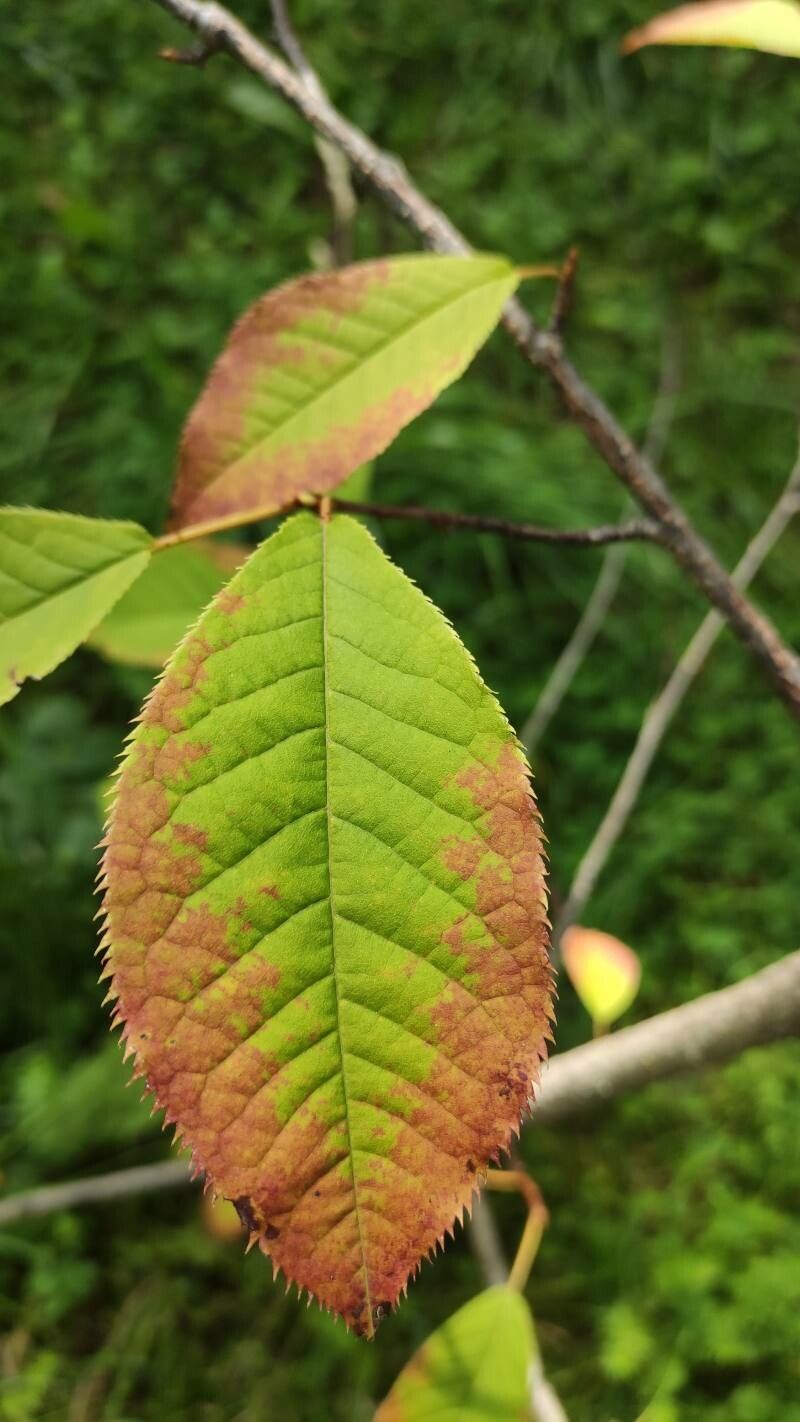
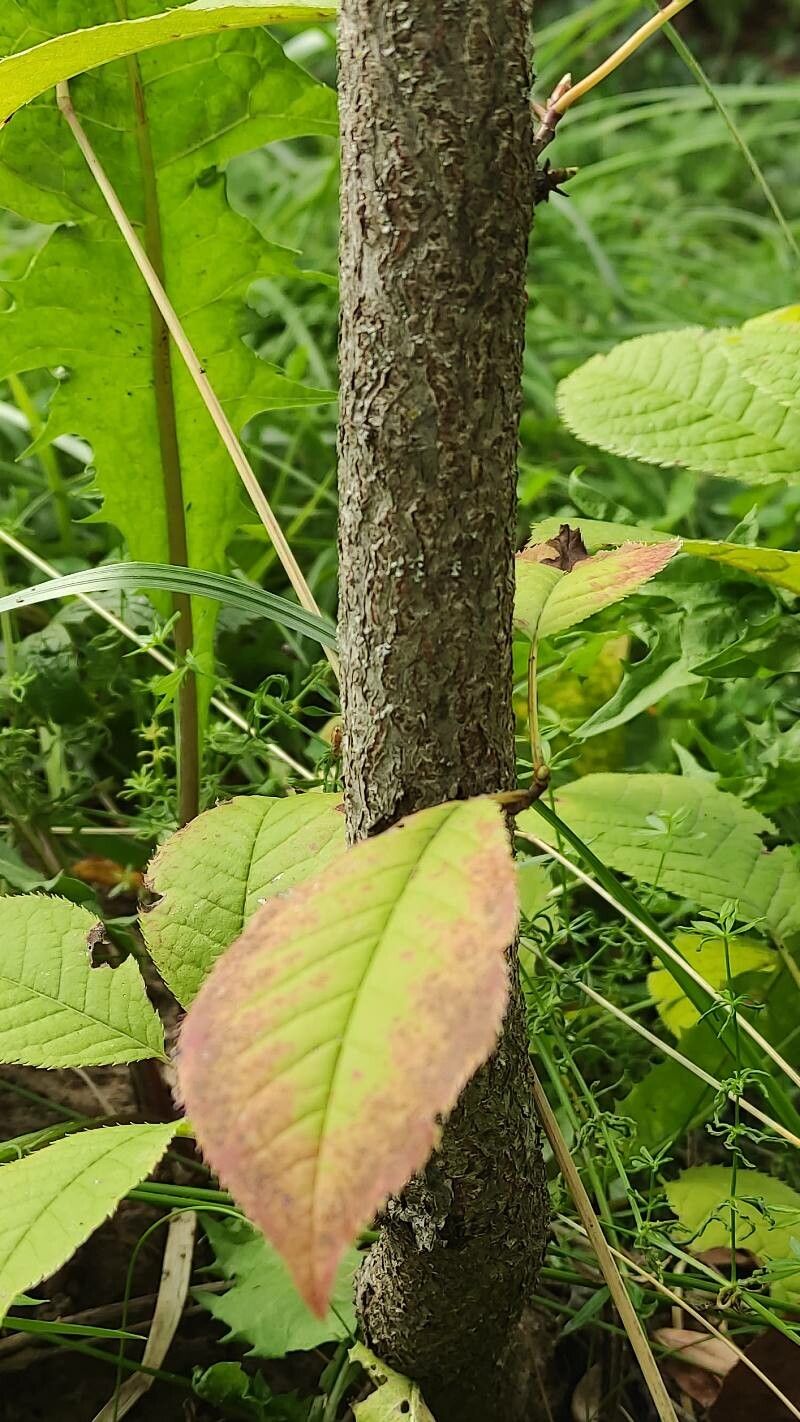
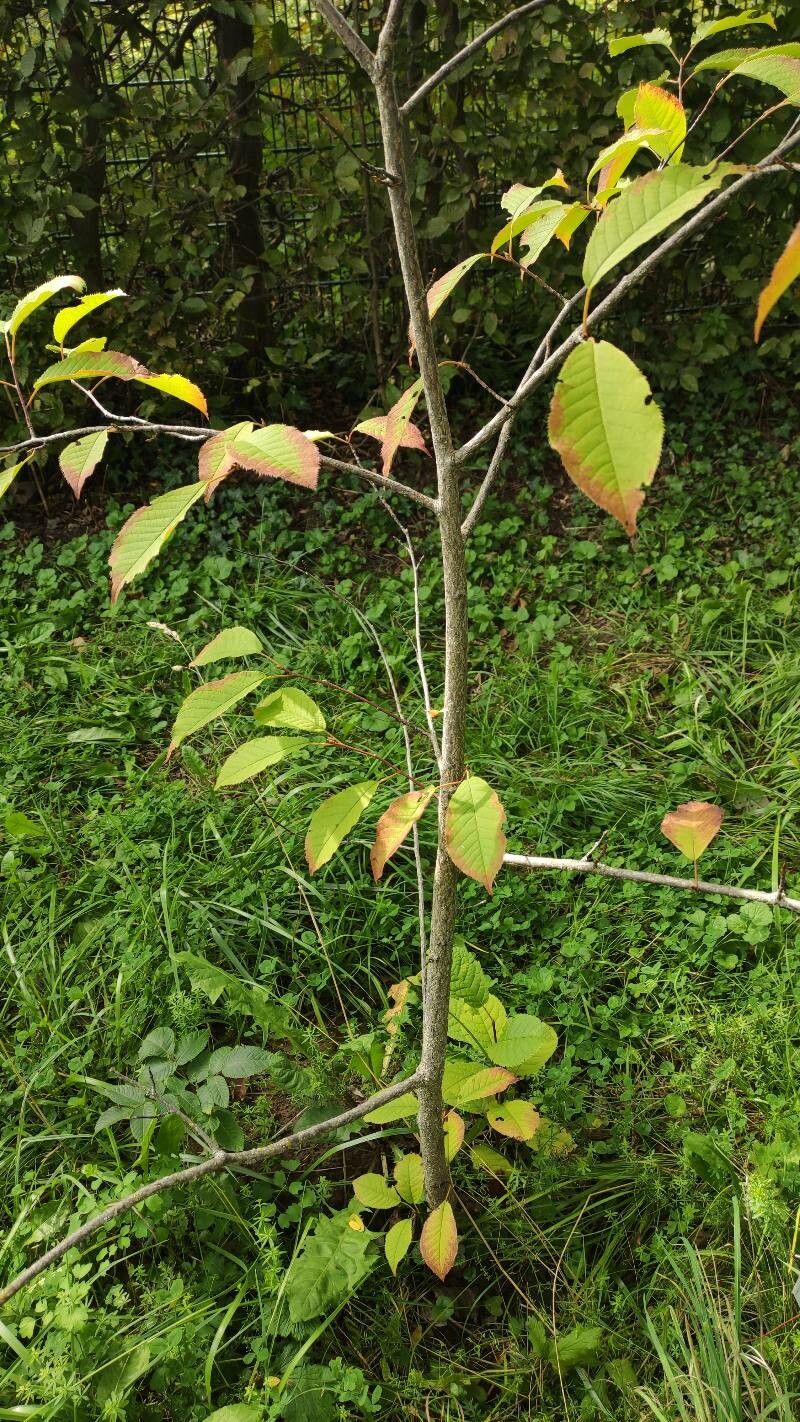
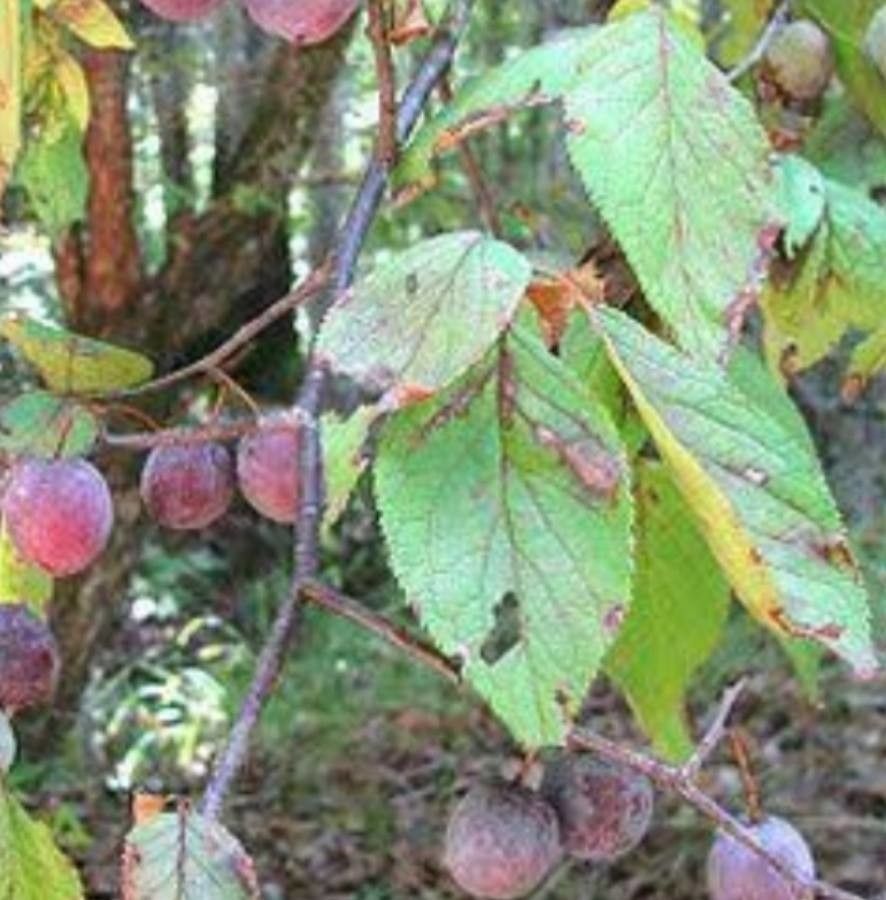
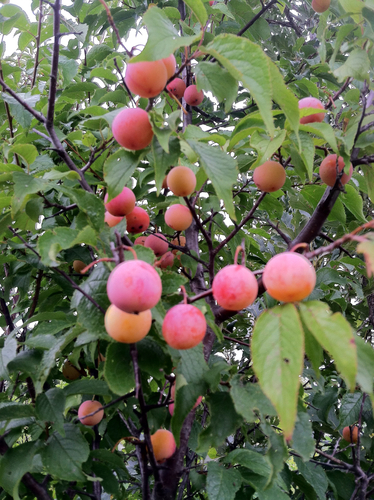
Prunus ssiori, the Hokkaido bird cherry or Japanese bird cherry, is a species of bird cherry native to northern Japan, Sakhalin Island, and the Kuril Islands. Some natural populations may occur on the far eastern mainland of Asia in Russia. Its specific epithet derives from its Ainu name, meaning "bitter".
Hokkaido bird cherry shows strong disease resistance and is usually not susceptible to diseases. In terms of care, this plant is fairly low-maintenance. When grown outdoors it needs only light watering, and larger specimens generally do not require pruning. Smaller plants, however, should be pruned after they finish blooming. Hokkaido bird cherry is suitable for anyone with outdoor space, such as a garden or deck, and does not demand much gardening experience.
How to keep Prunus Ssiori.
Light
Hokkaido bird cherry is native to habitats like forest understories and rocky areas, where it grows in natural shade. It prefers partial sun but can also tolerate full sun or full shade, demonstrating its versatility and hardiness.
Water
Water your Hokkaido bird cherry according to its growth stage: initially before the buds appear, and then once a month until autumn. Water deeply until the excess drains away. After watering, loosen the soil and remove any weeds. Stop watering in autumn and winter to prevent frost damage.
Temperature
Hokkaido bird cherry shows strong adaptability to a range of climate conditions, from very hot summers to cold winters. However, it does have an optimal temperature range for healthy growth. If temperatures rise too high, the plant can suffer heat and humidity stress, which may lead to its death. In areas where temperatures approach the lower limit of its cold tolerance, providing insulation to protect the plant is necessary.
Fertilizer
The Hokkaido bird cherry needs adequate nutrients to produce fruit at its best. Fertilize in early spring to promote new growth and flowering. Regular feeding helps the plant remain healthy, produce tastier fruit, and prevents nutrient-deficiency problems like yellowing leaves and reduced fruit production.
Pruning
Hokkaido bird cherry benefits from early spring pruning, which helps remove dead wood and thin out crowded branches. This process improves air circulation and encourages healthy growth. To ensure the plant remains healthy and attractive, use clean, sharp tools to make angled cuts, as this helps prevent water damage.
Botanical profile.
- Plant Type
- Tree
- Life Cycle
- Perennial
- Genus
- Prunus
- Family
- Rosaceae
- Hardiness Zone
- 4-8
- Mature Height
- 22.86 m
- Mature Spread
- 4.88 m to 7.92 m
- Leaf Color
- Green, Dark Green
- Leaf Type
- Deciduous
- Flower Color
- White
- Flower Size
- 2.54 cm
- Bloom Time
- Early spring, Mid spring
- Planting Time
- Spring, Summer
- Harvest Time
- Mid summer, Late summer, Early fall
- Native Area
- Russia, Japan, China