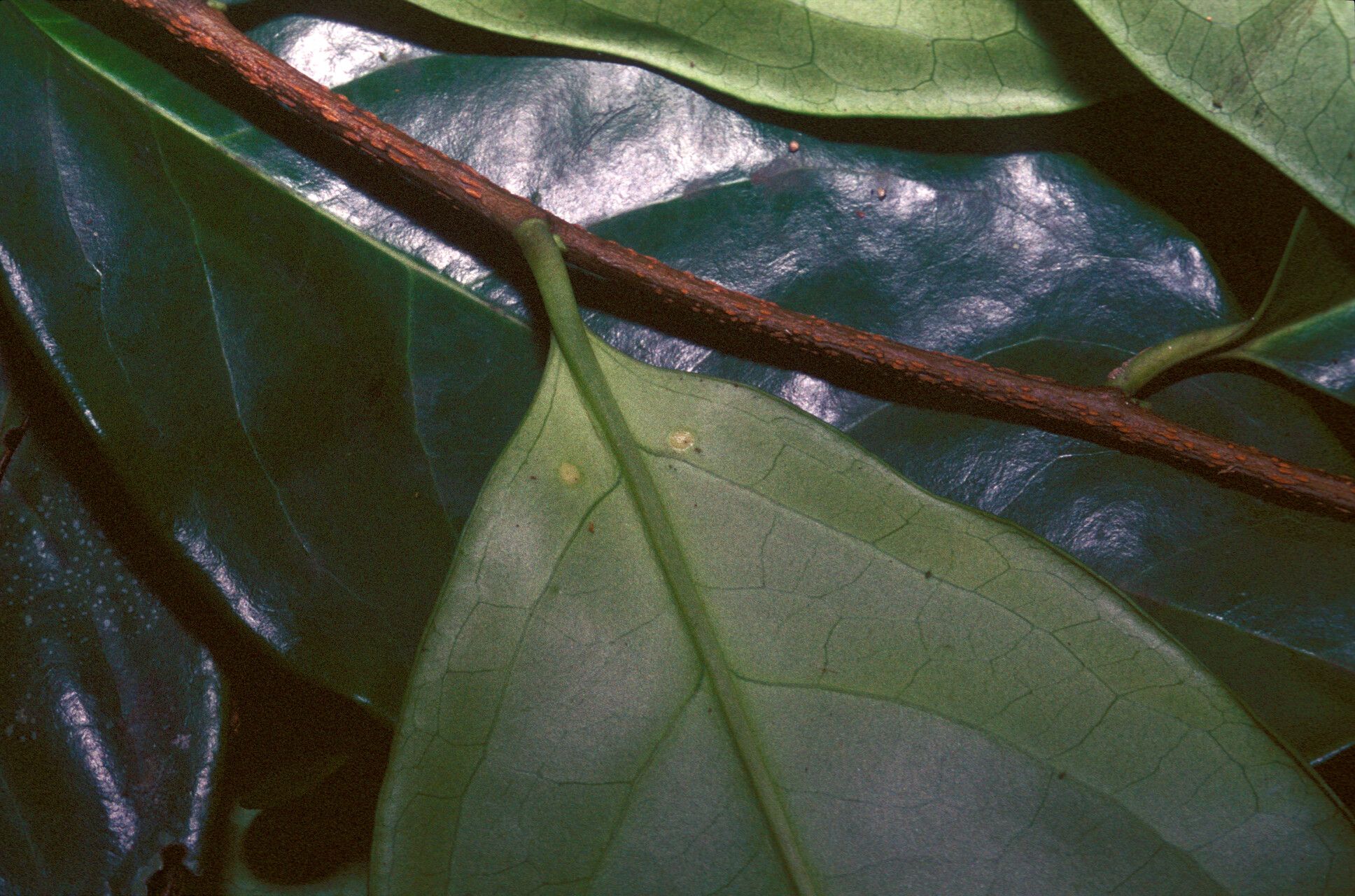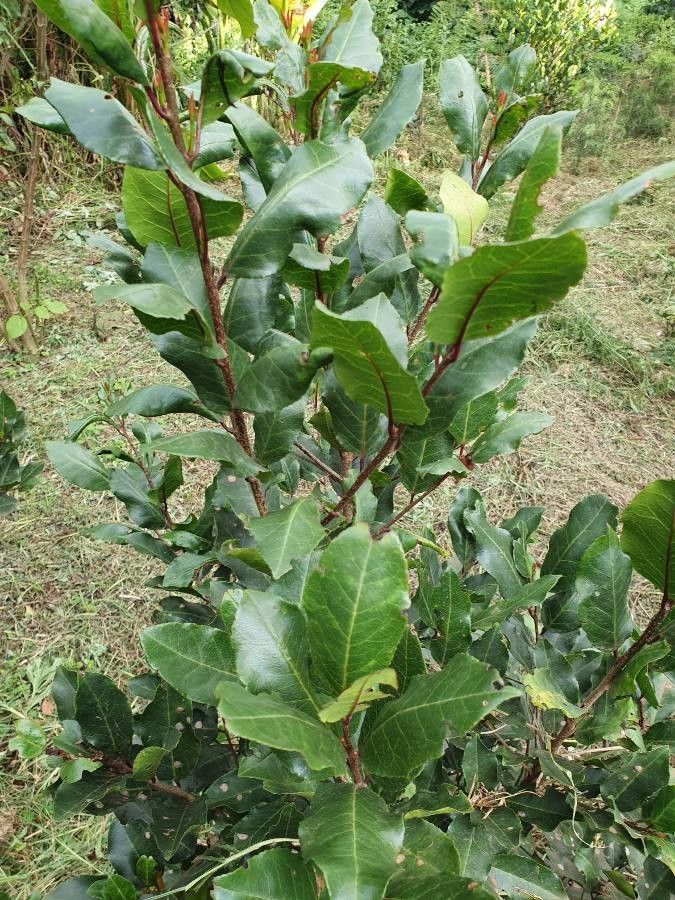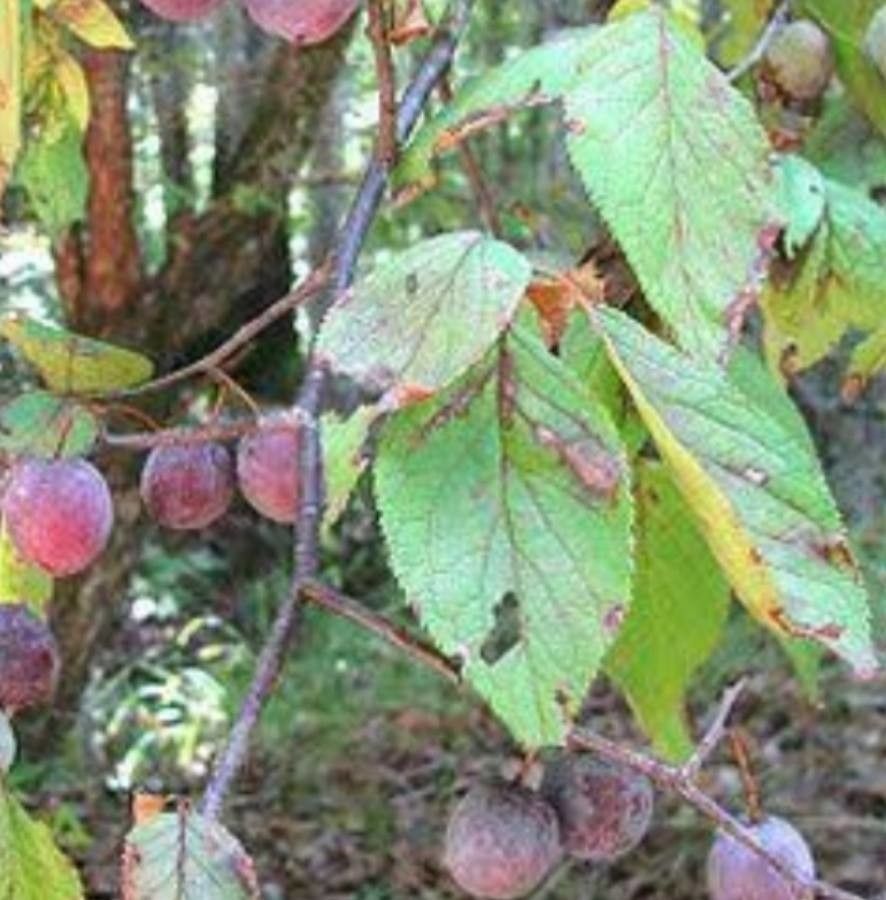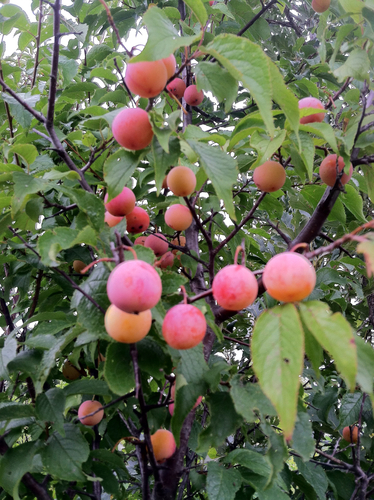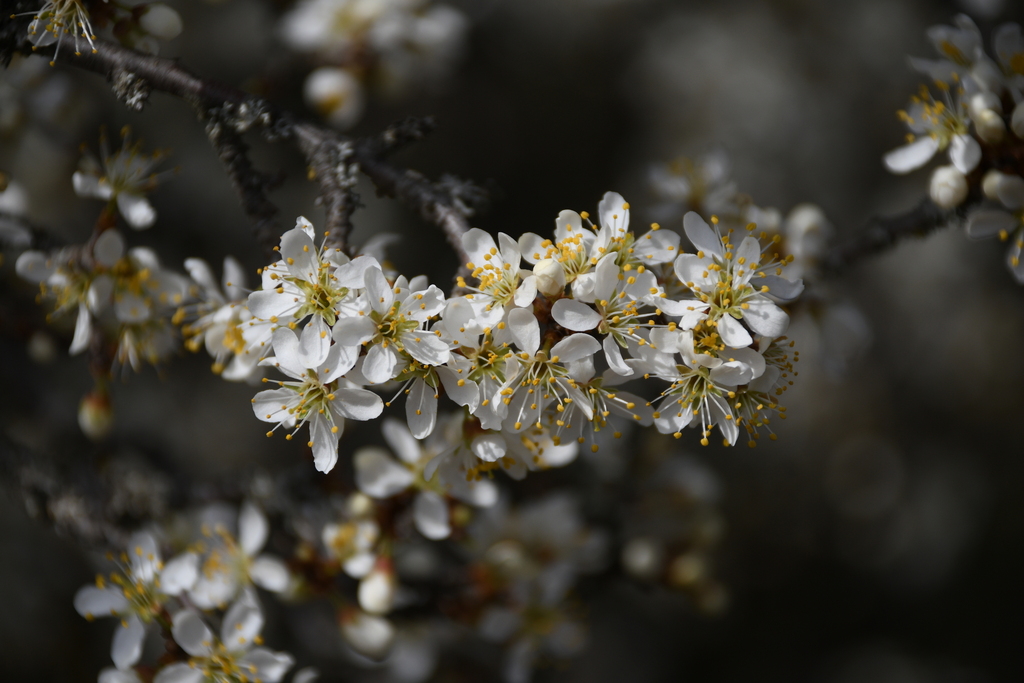
Prunus spinosa, commonly known as blackthorn or sloe, is a deciduous shrub or small tree that belongs to the Rosaceae family. Native to Europe and western Asia, it can grow up to 6 meters in height. The plant features thorny stems with dark brown bark and oval-shaped, green leaves. In early spring, blackthorn produces beautiful white flowers, which are followed by small blue-black fruits called sloes. While these fruits are edible, they have a very sour taste and are often used to make jams, jellies, wines, and liqueurs. Blackthorn is frequently used for hedging due to its dense growth and thorny branches, which make it an effective barrier against intruders. Its wood is also highly valued for making walking sticks because of its strength. In traditional medicine, blackthorn has been used to treat various ailments such as diarrhea, feverish colds, and flu symptoms, thanks to its anti-inflammatory properties. Overall, Prunus spinosa is an attractive shrub with multiple uses, from hedging and fruit production to traditional medicine. This versatility makes it an important part of many ecosystems around the world.
The blackthorn, scientifically known as Prunus spinosa, is a tree belonging to the plum family. The word "spinosa" highlights its thorny nature. Its common name, blackthorn, comes from its dark bark, which is sometimes used to produce ink.
Blackthorn has strong resistance to disease and is usually not susceptible to illnesses. Regarding care, this plant is fairly low maintenance. Planted outdoors, it needs only light watering, and larger plants typically do not require pruning. Smaller plants, however, should be pruned after they have finished blooming. Blackthorn is suitable for anyone with an outdoor area, such as a garden or deck, and does not demand extensive care experience.
How to keep Prunus Spinosa.
Light
Blackthorn flourishes in regions that receive sufficient sunlight, which bolsters its strong growth. Its original environments predominantly offer it plenty of sunshine daily. It can also cope with reduced hours of sunlight at various growth phases. While too much sunlight could cause harm, insufficient light can hinder growth and blooming.
Water
Blackthorn thrives in temperate environments that have moderate moisture levels, though it can endure dry spells. Ideally, it should be watered every two weeks, as it prefers soil that is moist but well-drained. Blackthorn is generally grown outdoors and needs a climate with adequate rainfall during the growing season to ensure it remains well-hydrated.
Humidity
This plant prefers dry conditions, so don't mist it. However, watering it less often can also thrive in higher humidity.
Temperature
Blackthorn typically thrives in environments with temperatures between 50 and 95 °F (10 to 35 ℃). These tempered climates are beneficial for its growth. To promote its optimal development, these temperature ranges should be sustained all year round, even necessitating the usage of indoor heating during the winter months if required.
Fertilizer
For the Blackthorn plant to produce fruit abundantly, it requires an adequate supply of nutrients. Administer fertilizer early in the spring to stimulate new growth and flower formation. Consistent fertilizing maintains the health of the plant, produces tastier fruit, and averts problems caused by nutrient shortfalls, such as discolored leaves or subpar fruit yield.
Pruning
Blackthorn is characterized by its thorny branches and bushy growth habit. To promote healthy growth and flowering, it is important to carry out annual pruning in early spring. This involves removing dead wood and thinning out crowded branches to improve air circulation. Using sharp, sanitized tools ensures precise cuts, which helps rejuvenate older plants and maintain their shape and fruit production.
Botanical profile.
- Plant Type
- Tree, Shrub
- Life Cycle
- Perennial
- Genus
- Prunus
- Family
- Rosaceae
- Hardiness Zone
- 6-9
- Mature Height
- 3.96 m to 7.92 m
- Mature Spread
- 3.96 m
- Leaf Color
- Green
- Leaf Type
- Deciduous
- Flower Color
- White
- Flower Size
- 1.02 cm to 1.52 cm
- Bloom Time
- Early spring, Mid spring
- Planting Time
- Spring, Autumn
- Harvest Time
- Mid summer, Late summer
- Native Area
- Europe and Western Asia
Other names.
Reader questions.
How should I water my Blackthorn plant?
To promote excellent root development, consider placing a garden hose at the base of the plant. Avoid spraying the leaves directly, especially if the plant is outdoors and exposed to direct sunlight, as they may require more watering. You can use bubblers to moisten the roots of each plant individually, or use soaker hoses to cover the entire garden or bed when adding or removing plants in order to ensure deep root watering. After watering, make sure to drain any excess water and allow the soil to dry before watering again. Watering at ground level can help to prevent diseases. On sunny days, you may choose to spray the entire bush with water. Keep in mind that whether the plant is in a pot or in the ground, Blackthorn prefers deep watering rather than light sprinkling.
Why should I put fertilizer on my Blackthorn plant?
Regular fertilization is important to ensure that plants, particularly fast-growing ones like Blackthorn, remain healthy and productive. The growth of plants depletes nutrients from the soil, so providing extra nutrients through fertilization is crucial. This not only helps the plant to thrive, but also promotes the growth of delicious fruit. If plants are not fertilized for a long time, they may encounter various problems. Nutrient deficiency can lead to issues with the foliage, such as yellowing or reddening leaves, deformities in shape, withered tips, or large-scale dieback. It can also affect the bark, resulting in disorders, slow growth, poor shoot development, and a lack of fruit production.
What are the sunlight requirements for Blackthorn plants?
Blackthorn plants thrive best when exposed to full sun, which means they require above 6 hours of sunlight daily. They can also grow under partial sun conditions, receiving about 3-6 hours of sunlight. It's essential to observe how sunlight traverses your garden throughout the day to find the ideal spots that offer a balance of light and shade, ensuring the plants' wellbeing. In its natural habitat, Blackthorn predominantly enjoys abundant sunlight which is crucial for its vigorous growth. However, it has the adaptability to withstand periods with less sun exposure. While excessive sunlight might cause damage, such as chlorosis or sunscald, insufficient light may impede growth and reduce flowering.
What is the native temperature range for Blackthorn?
Blackthorn thrives in environments where temperatures fluctuate between 50 to 95 °F (10 to 35 °C). It favors these moderate conditions for healthy growth. Ensuring these temperatures are maintained throughout the year is crucial, with increased indoor heating during winter if necessary.
What should I do if I give Blackthorn too much or too little water?
An overwatered Blackthorn can display several signs of distress. The leaves may turn yellow, drop off, and become wilted. The plant can appear dull and unhealthy, with mushy stems. If you notice these signs, it's important to adjust your watering schedule. However, wilting can also occur due to under watering. In this case, the leaves will become crispy and dry. To ensure proper watering, check the soil moisture regularly. If the soil is dry, a thorough watering is needed. Keep in mind that even with enough water, the Blackthorn may still have dry and yellow leaves due to damage to the root system. Once the plant recovers, the yellowing of the leaves will cease. When growing Blackthorn indoors, it's crucial to monitor the moisture levels. Avoid overwatering and watch out for black spots on the leaves. If black spots appear, allow the soil to dry out before watering again. Overwatering can lead to root rot. If you notice discolored and slimy roots, consider transferring the plant to a different pot. It's important to prevent root rot by avoiding overly soggy soil. When planting Blackthorn outdoors, ensure the soil is adequately moist. If the soil feels too dry when checking with your fingers, it may indicate under watering. In such cases, provide sufficient water to help the plant recover.
When should I fertilize my Blackthorn tree?
The best time to fertilize Blackthorn is in early spring, before the buds start growing. During this time, Blackthorn uses up the stored reserves from winter to produce new growth. To support the bloom development, it's recommended to fertilize about 2 to 4 weeks before the expected blooming period. This allows enough time for the nutrients to be absorbed and distributed throughout the plant. You can continue fertilizing Blackthorn during spring, but avoid doing so in autumn as it can lead to excessive foliage growth late in the season, which makes the leaves vulnerable to winter damage.
How does artificial lighting support Blackthorn's growth indoors?
For indoor Blackthorn plants where natural sunlight is insufficient, especially during winter or in less sunny areas, artificial lighting serves as an essential alternative. Choosing the right type of artificial light is critical, with LED lights being a popular option due to their ability to provide specific light wavelengths needed by plants. Full sun plants require 30-50W/sq ft, partial sun plants need 20-30W/sq ft, and full shade plants require 10-20W/sq ft of artificial light. The light source should be placed 12-36 inches above the plant, mimicking natural sunlight's distance, and kept on for 8-12 hours per day, depending on the plant species' natural daylight hours requirement. This strategy promotes healthier and faster growth by compensating for the lack of natural sunlight.
Does Blackthorn need special frost protection measures during winter?
Blackthorn has strong cold resistance and usually does not require special frost protection measures. However, if winter temperatures are anticipated to drop below -25°C, providing cold protection is important. Wrapping the trunk and branches with non-woven fabric or cloth is recommended. Also, watering the plant abundantly before the first freeze in autumn ensures the soil remains moist and enters a frozen state, helping prevent drought and water scarcity during winter and early spring.
How many times a week should I water my Blackthorn?
The Blackthorn plant prefers to be watered deeply and infrequently. When planting them in pots, it is important to soak them in a gallon of water each time, as the limited water storage in pots causes the soil to dry out quickly. In cold regions, watering is needed every 3 to 5 days. It's best to water them early in the morning when the soil is dry, whether they are indoors or outdoors. You can check if watering is needed by examining the soil. If the top 2-3 inches of soil is dry, it is time to water the plant thoroughly. In hot weather, it's essential to check the moisture daily as the heat can dry out the soil rapidly. If you have a garden, irrigation of the soil is necessary. In a hot climate, watering once a week is recommended. Only water when you notice 2 to 3 inches of soil becoming too dry indoors or outdoors. Take into consideration the amount of rainwater the plant receives and avoid overwatering to prevent root rot. If there is ample rainfall, additional watering may not be necessary. Blackthorn plants grow primarily during spring and fall. When grown outdoors, adding mulch 3 to 4 inches deep helps to conserve water. Sandy soil drains faster, so plants in this type of soil will require more frequent watering. On the other hand, plants in clay soil can be watered less frequently, allowing the plant to dry out for 2-3 days without risking root rot. Keeping track of watering dates on a calendar can be helpful. If you notice the leaves drooping, it may indicate that you are a day late with watering.
When is the best time to not fertilize my Blackthorn plant?
Here are some tips for fertilizing Blackthorn: 1. Avoid fertilizing Blackthorn in the first year of growth. 2. Be cautious about providing fertilizer if it's not necessary. 3. If you pruned 20% or more of the plant the previous year, don't fertilize. 4. Don't fertilize plants that are diseased or damaged. 5. Fertilizer is not medicine, so try to address the root cause of the issue before fertilizing again. 6. Avoid fertilizing after the peak of summer, as it can cause excessive growth before winter. 7. Don't fertilize Blackthorn during hot and dry times of year, as dry soil doesn't effectively deliver fertilizer. 8. Fertilizing during these times can stimulate growth that requires more water. 9. It's best to fertilize earlier in the season when temperatures are cooler. 10. Be cautious about inadvertently giving nearby plants a double-dose of fertilizer.
What are common symptoms of inadequate sunlight in Blackthorn plants?
When Blackthorn plants do not receive adequate sunlight, they may exhibit several symptoms indicating stress due to light deficiency. Common symptoms include the development of smaller leaves compared to previous growth, leggy or sparse growth as the plant stretches out towards light sources, faster leaf drop in an effort to conserve resources, and slower or halted new growth. Leaves may appear lighter in color or show signs of chlorosis—an indication of inadequate chlorophyll production. Excess sunlight exposure can cause sunscald, leaf curling to minimize water loss, wilting due to increased transpiration, and leaf scorching. These symptoms underline the importance of providing Blackthorn plants with optimal sunlight conditions, whether indoors or outdoors.
What should I do if the temperature falls below -25°C?
If temperatures drop below -25°C, blackthorn may not show noticeable changes during winter, but by spring, branches can become brittle, dry, and no new shoots will emerge. In such cases, prune away any dead branches that have failed to produce new leaves in spring.