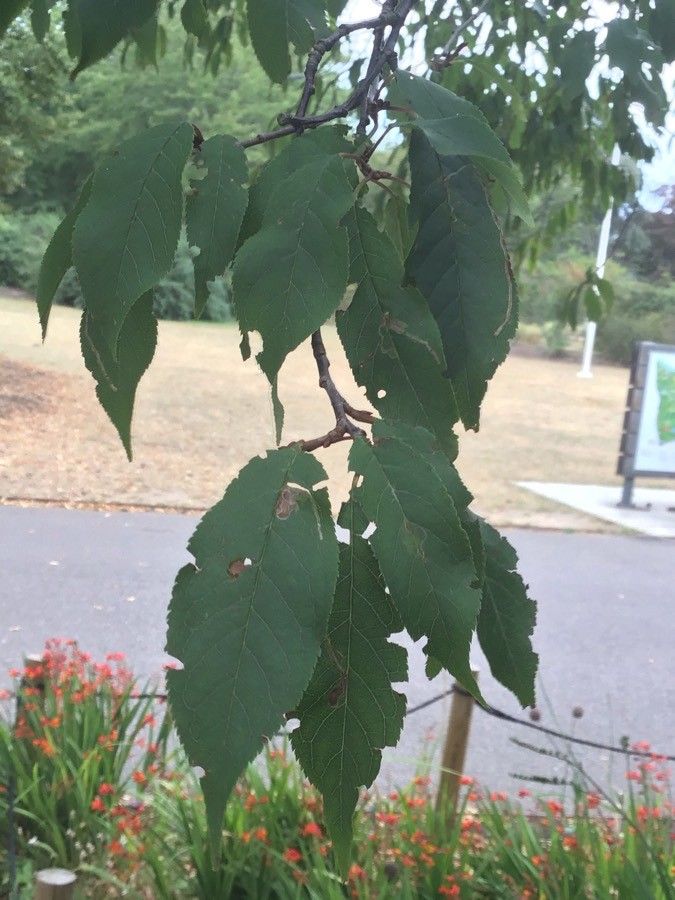
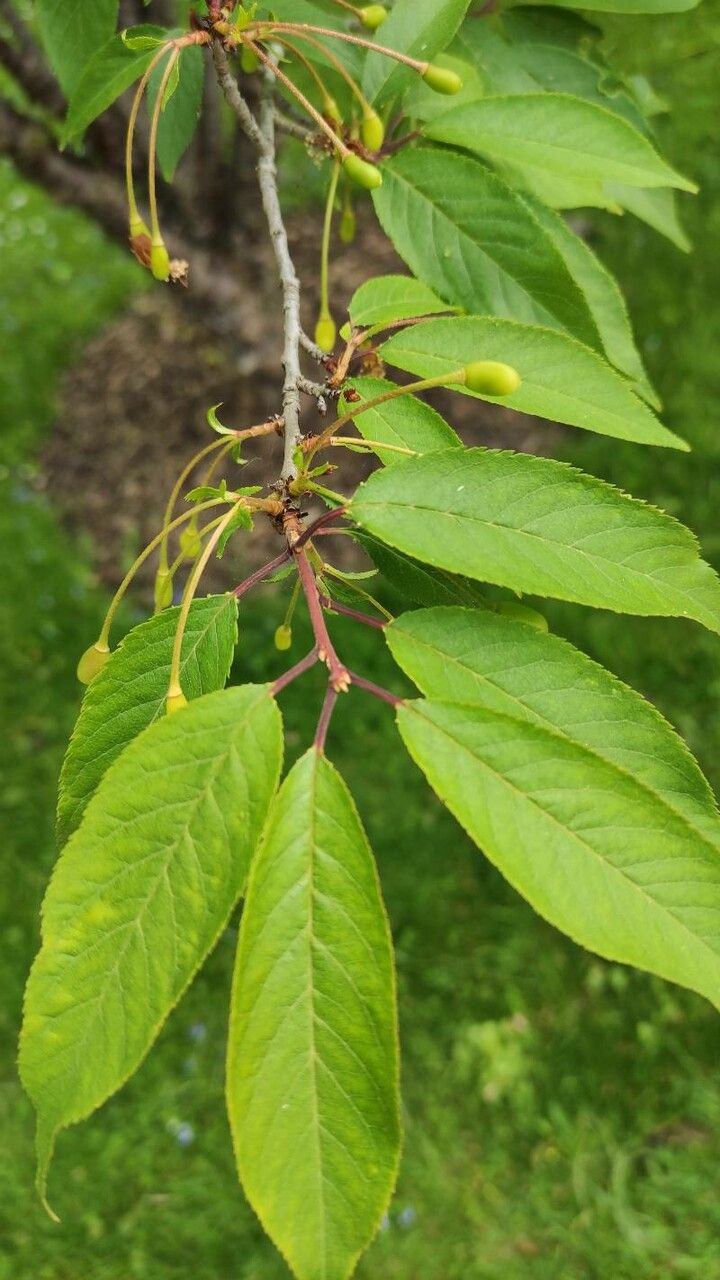
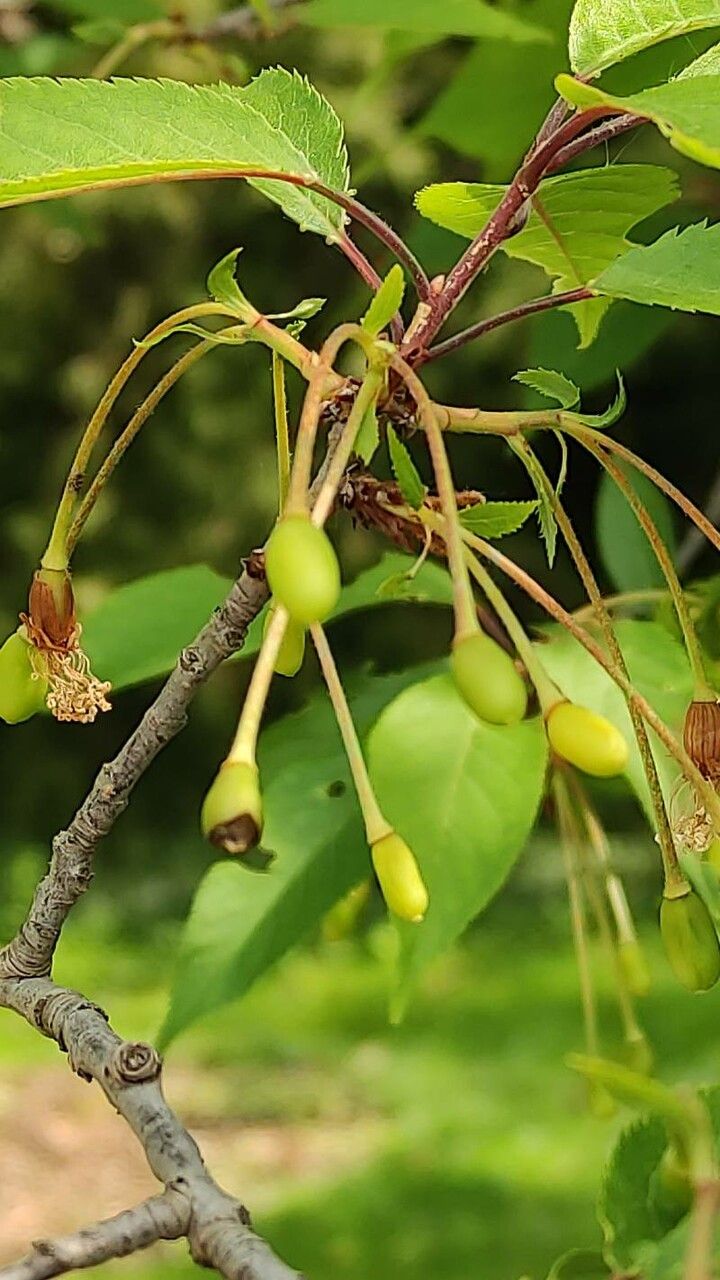
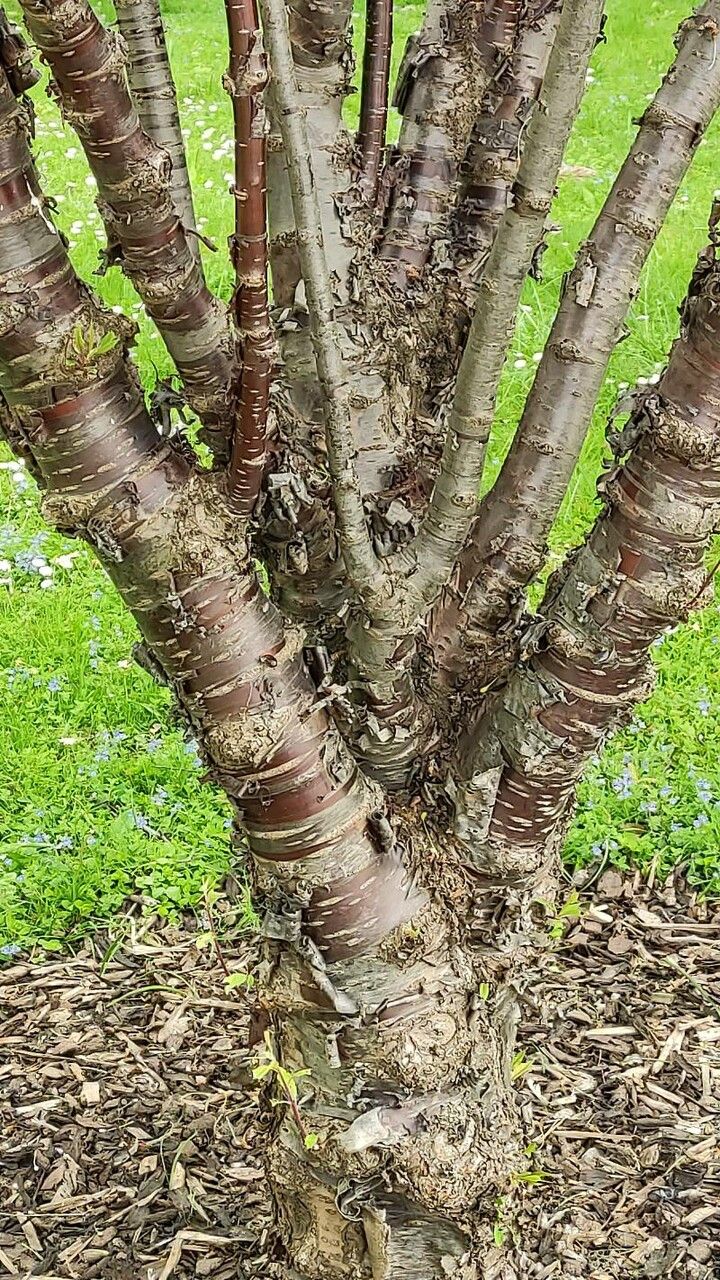
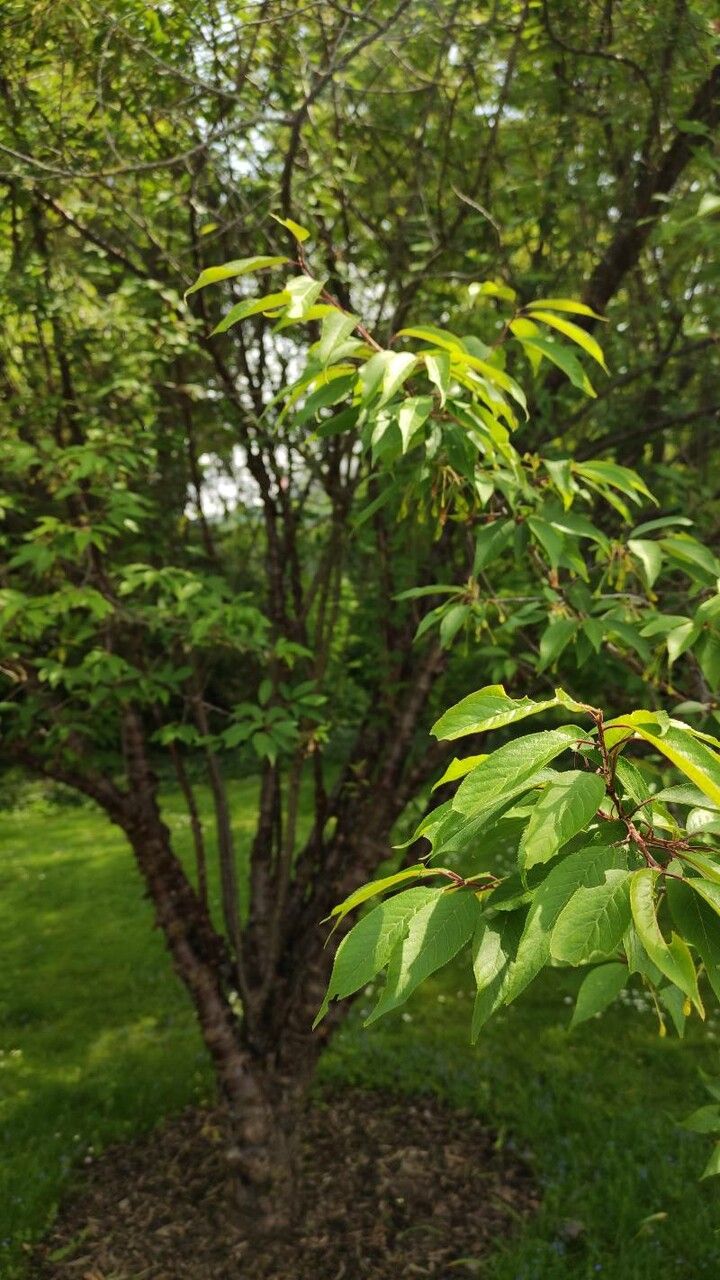
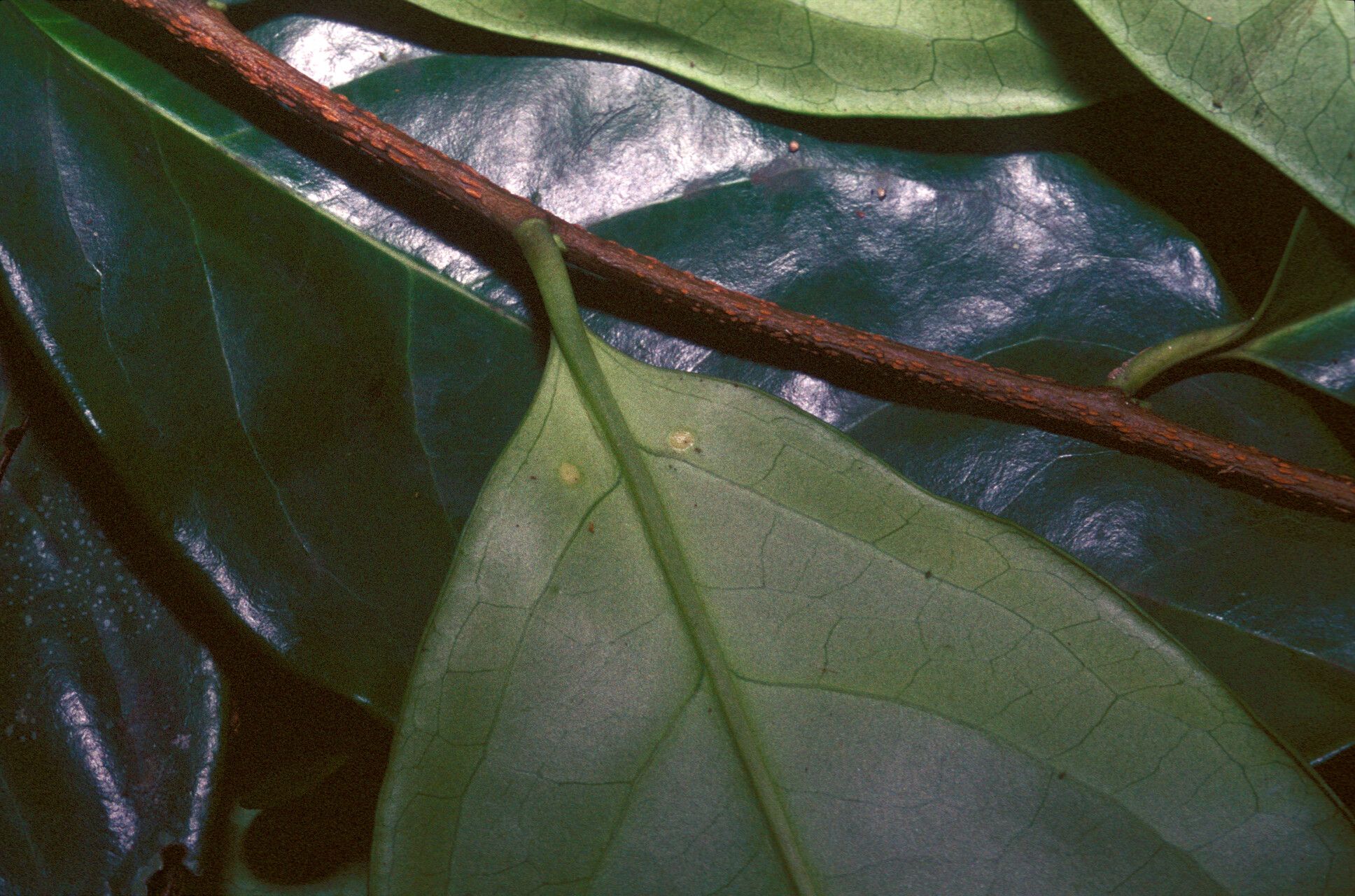
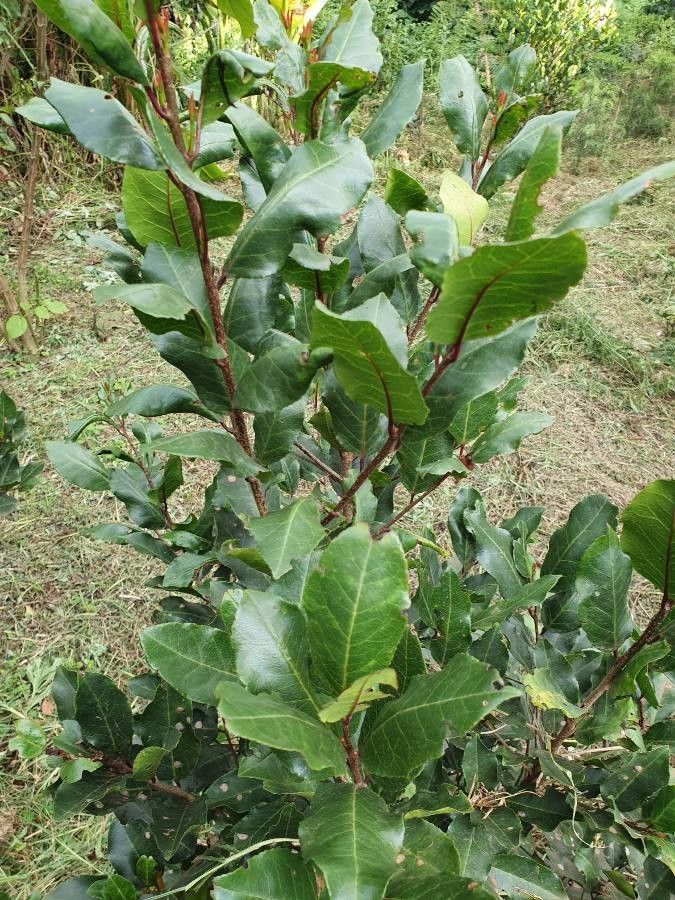
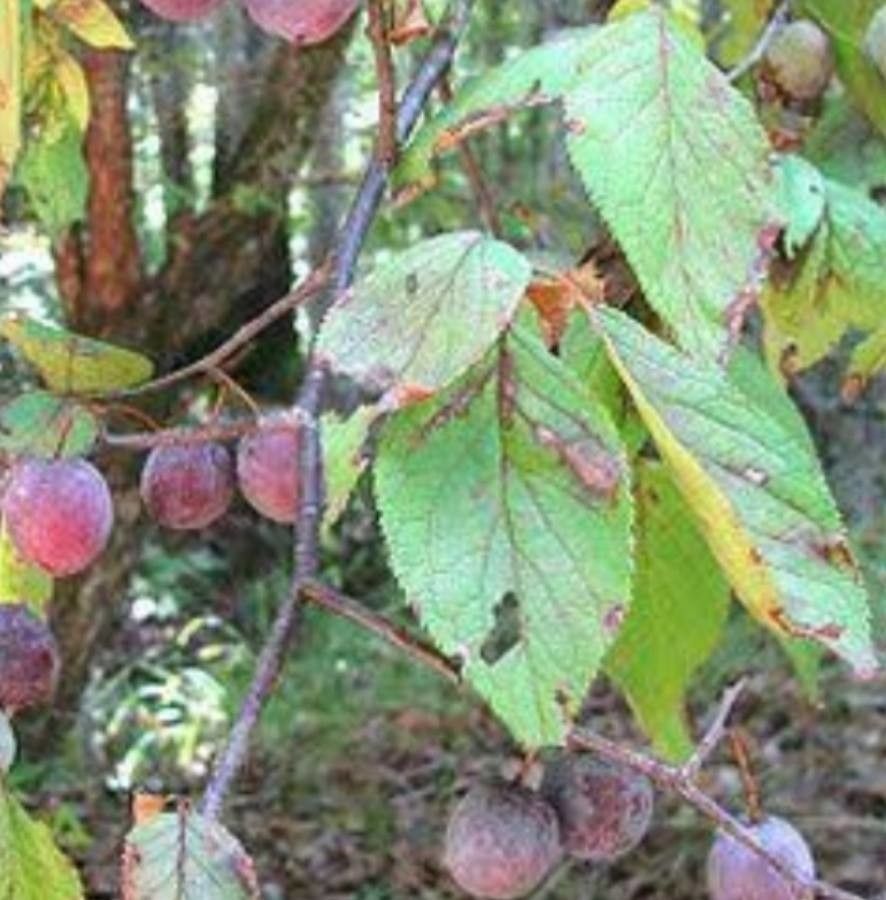
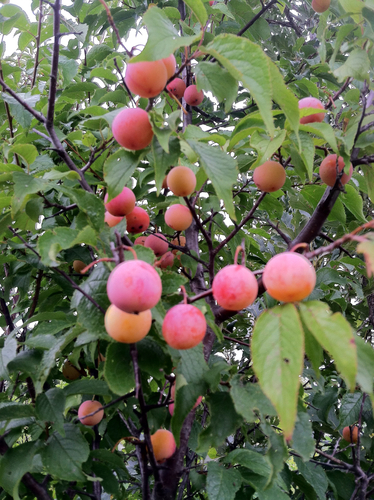
Prunus serrula, called birch bark cherry, birchbark cherry, paperbark cherry, or Tibetan cherry, is a species of cherry native to China, and is used as an ornamental in many parts of the world for its striking coppery-red bark.
Tibetan cherry is resistant to disease and, in general, not easily affected by illnesses. Regarding care, this plant is fairly low-maintenance. When grown outdoors it needs little watering, and larger specimens typically do not require pruning. Smaller plants, however, should be pruned after they have finished blooming. Tibetan cherry is suitable for anyone with outdoor space, such as a garden or deck, and does not demand much care experience.
How to keep Prunus Serrula.
Light
Tibetan cherry does best when exposed to sunlight for most of the day, though it can tolerate somewhat shadier spots. It comes from regions where sun exposure occurs daily. Too little or too much light can cause growth problems, including leaf discoloration and slowed development.
Temperature
Tibetan cherry is a plant native to areas with temperate climates. It does best when temperatures range from 41 to 95°F (5 to 35°C). In colder seasons, try to prevent the temperature from falling below 41°F (5°C) if possible.
Fertilizer
The timing of fertilizing Tibetan cherry is important. Apply fertilizer in early spring and continue once a month until early summer. Fertilizer promotes attractive blooms and supplies energy during both dormant and active growth periods.
Botanical profile.
- Plant Type
- Tree
- Life Cycle
- Perennial
- Genus
- Prunus
- Family
- Rosaceae
- Hardiness Zone
- 5-9
- Mature Height
- 10.06 m
- Mature Spread
- 10.06 m
- Leaf Color
- Green, Yellow
- Leaf Type
- Deciduous
- Flower Color
- White
- Flower Size
- 2.54 cm
- Bloom Time
- Early spring, Mid spring
- Planting Time
- Autumn
- Harvest Time
- Mid summer, Late summer, Early fall
- Native Area
- Myanmar, China
Other names.
Reader questions.
How should I water my Tibetan cherry tree?
To ensure excellent root development, place a garden hose at the base of the plant. Avoid spraying the leaves directly and note that outdoor plants in direct sunlight may require more watering for their leaves. Consider using bubblers or soaker hoses for root moisture. When adding or removing plants, use soaker hoses that cover the entire garden or bed to deeply penetrate the roots. After watering, drain any excess water and allow the soil to dry before watering again. Water plants at ground level to prevent diseases. On sunny days, consider spraying the entire bush with water. Whether potted or in-ground, remember that Tibetan cherry prefers deep watering rather than light sprinkling.
Why should I put fertilizer on my Tibetan cherry tree?
If you own a Tibetan cherry, it's important to regularly fertilize it to promote overall plant health. By providing the right nutrients, your cherry tree will experience stronger growth and better resistance to difficult growing conditions, as well as improved ability to combat diseases and pests. The foliage of your cherry tree is particularly attractive, so it is crucial to maintain it well. This involves following a fertilization schedule tailored to your specific cherry tree, which will encourage the development of deep-colored and lush leaves.
What are the sun requirements for Tibetan cherry plants?
Tibetan cherry plants thrive in full sun, requiring above 6 hours of sunlight for optimal growth, but they can also manage in partial sun with about 3-6 hours of sunlight. It's vital to observe the movement of sunlight through your garden to find spots that provide the right balance of light and shade, ensuring your plants grow healthy and happy.
What is the native climate of the Tibetan cherry?
The Tibetan cherry is a plant native to regions with temperate climate conditions, thriving best in temperatures ranging from 41 to 95°F (5 to 35°C). It has strong cold resistance, meaning special frost protection measures are usually not necessary. However, protection is recommended in temperatures below -25°C by wrapping the trunk and branches with materials such as non-woven fabric. Additionally, before the first freeze in autumn, it is advisable to water the plant abundantly to keep the soil moist, which helps prevent drought and water scarcity during winter and early spring.
What should I do if I give too much or too little water to my Tibetan cherry tree?
A overwatered Tibetan cherry can show signs of yellow, wilting leaves and a dull, unhealthy appearance. Mushy stems may also be present. When these signs appear, it's important to adjust your watering schedule. Wilting can also indicate under watering, with crispy, dry leaves. If the soil is dry and watering alone is not sufficient, give the plant a thorough watering. Although this will help the Tibetan cherry recover, it may still have dry, yellow leaves due to a damaged root system. Once the plant returns to normal, the yellowing of the leaves will cease. When keeping a Tibetan cherry indoors, always check the moisture levels and avoid overwatering, looking out for black spots. In such cases, allow the soil to dry out for a few days before watering again. Overwatering can lead to root rot, so if you see discolored and slimy roots, consider transferring the plant to a different pot. Preventing root rot and avoiding excessively soggy soil is crucial. When planting a Tibetan cherry outdoors, make sure to dig a little deeper and check for dry soil. If the soil is too dry, it could indicate underwatering, so sufficient watering is necessary for the plant's recovery.
When should I fertilize my Tibetan cherry tree?
To ensure healthy growth, it is recommended to fertilize your Tibetan cherry for the first time in late winter or early spring. This provides essential nutrients for the cherry to grow well once the weather warms up. If you live in a warm climate region, it is also beneficial to give an additional fertilizer feeding in early fall. This supplies extra nutrients for the following growing season and helps the tree endure winter without damage. Fertilizing earlier in fall allows the branches to grow strong enough to withstand the cold.
What are the essentials for growing Tibetan cherry?
Tibetan cherry requires ample sunlight throughout the day, although it can tolerate slightly less light-filled zones. Originating from environments with significant sun exposure, both a lack and excess of light can lead to problems such as discolored foliage and inhibited growth. When sunlight is not sufficient, especially during winter or in darker spaces, artificial lighting can be a beneficial solution to provide the necessary light spectrum and intensity for healthy plant growth.
How does low temperature affect Tibetan cherry and what are the solutions?
Tibetan cherry thrives best above 5°C and can tolerate cold down to -20°C. However, when temperatures fall below -25°C, the branches may become brittle and dry by spring, failing to produce new shoots. The suggested solution for this issue is to prune away any dead branches that have failed to produce new leaves in the spring, enabling the plant to focus energy on healthy growth.
How frequently should I water my Tibetan cherry tree?
The Tibetan cherry tree requires deep and infrequent watering, particularly when planted in pots with limited water storage. In cold regions, watering should be done every 3 to 5 days, preferably in the morning when the soil is dry. To determine if watering is needed, check the top 2-3 inches of soil; if it's dry, give the plant a thorough watering. During hot days, check moisture daily as the pot soil can dry out quickly. In hot climates, watering once a week is sufficient, but only if the soil becomes too dry to a depth of 2 to 3 inches. Avoid overwatering by considering rainfall. Adding mulch 3 to 4 inches deep can help conserve water when the tree is outdoors. Sandy soil requires more frequent watering, while clay soil requires less to avoid root rot. Mark watering dates on a calendar and monitor leaves for drooping, which may indicate a delay in watering.
When shouldn't I add nutrients to my Tibetan cherry tree?
Avoid fertilizing your Tibetan cherry tree at certain times of the year. Firstly, refrain from fertilizing during the winter months when the tree is dormant and does not require any nourishment. Similarly, it is not advisable to fertilize in late spring and throughout the summer, as this period tends to be hot and dry. These conditions can negatively affect the tree's response to fertilization. To prevent any problems, follow a fertilization schedule that includes feeding only in early spring and early fall.
How can I use artificial lighting for my indoor Tibetan cherry plants?
For indoor Tibetan cherry plants, artificial lighting can significantly aid in providing enough light, especially when natural sunlight is limited. LED lights are recommended due to their efficiency and the ability to tailor the light spectrum to the plant's needs. Full sun plants require 30-50W/sq ft, partial sun plants need 20-30W/sq ft, and full shade plants 10-20W/sq ft of artificial light. Position the light source 12-36 inches above the plant and ensure it's on for 8-12 hours a day to mimic natural daylight hours.
What is the impact of high temperature on Tibetan cherry and how can it be managed?
During summer, it is important to keep the Tibetan cherry plant below 35°C. When the temperature exceeds 38°C, the leaves may show signs of distress by becoming lighter in color, with the tips becoming dry and withered, and the plant might suffer from sunburn. Managing these symptoms involves trimming away the sunburned and dried-up parts, moving the plant to a location with shade during the midday and afternoon sun, or using a shade cloth. Additionally, watering the plant in the morning and evening to maintain soil moisture can help alleviate stress from high temperatures.