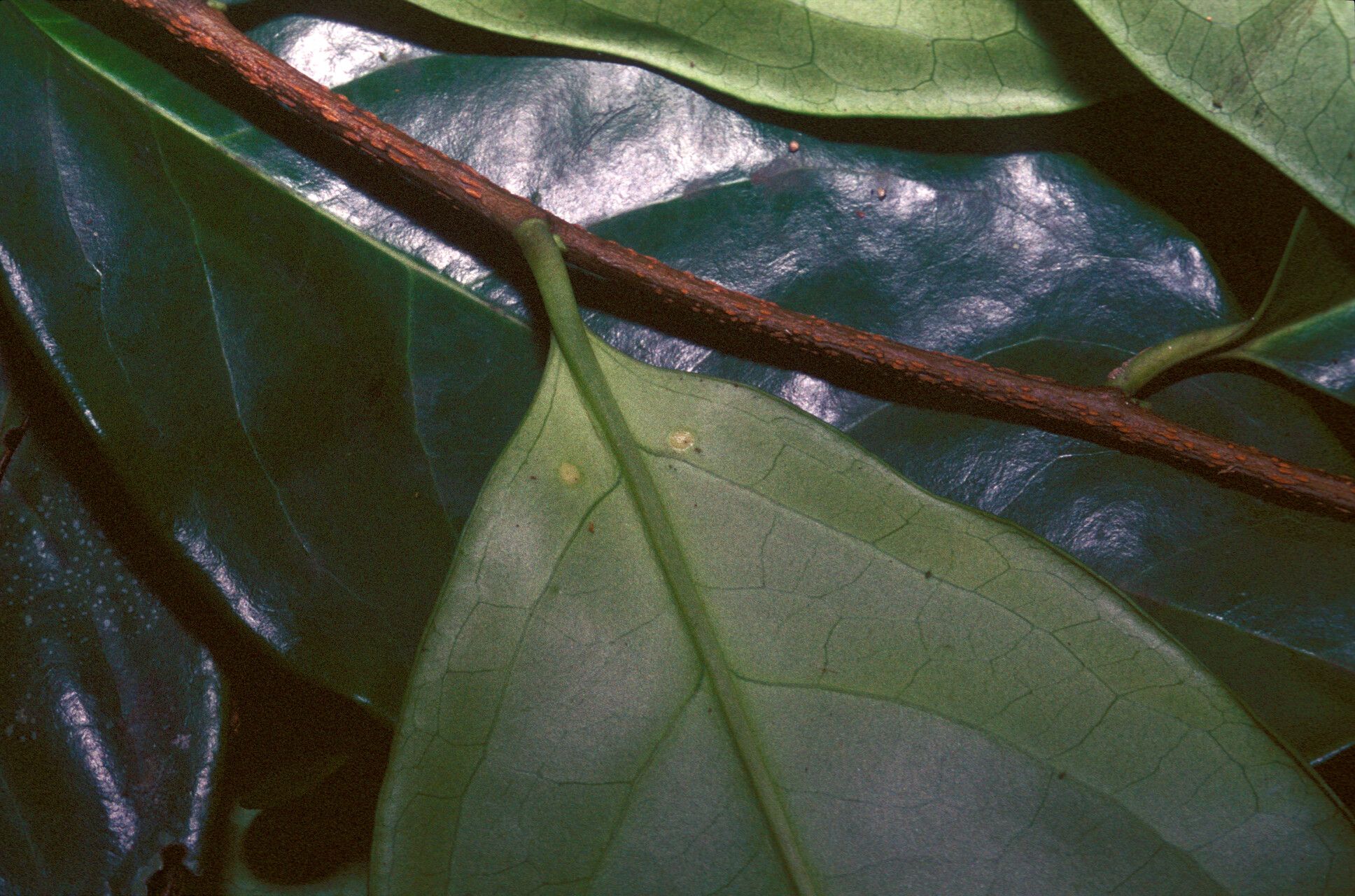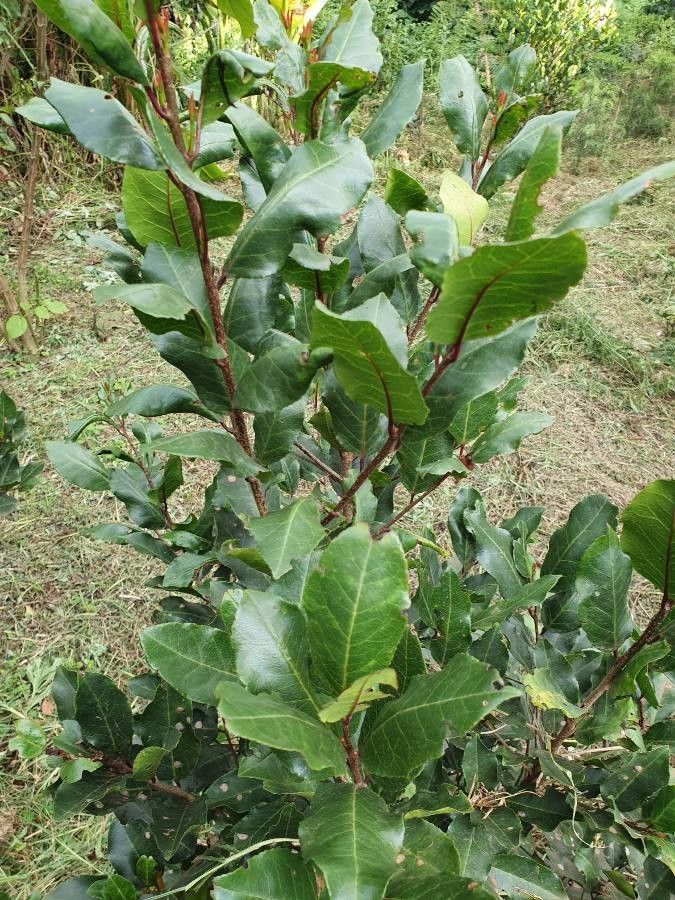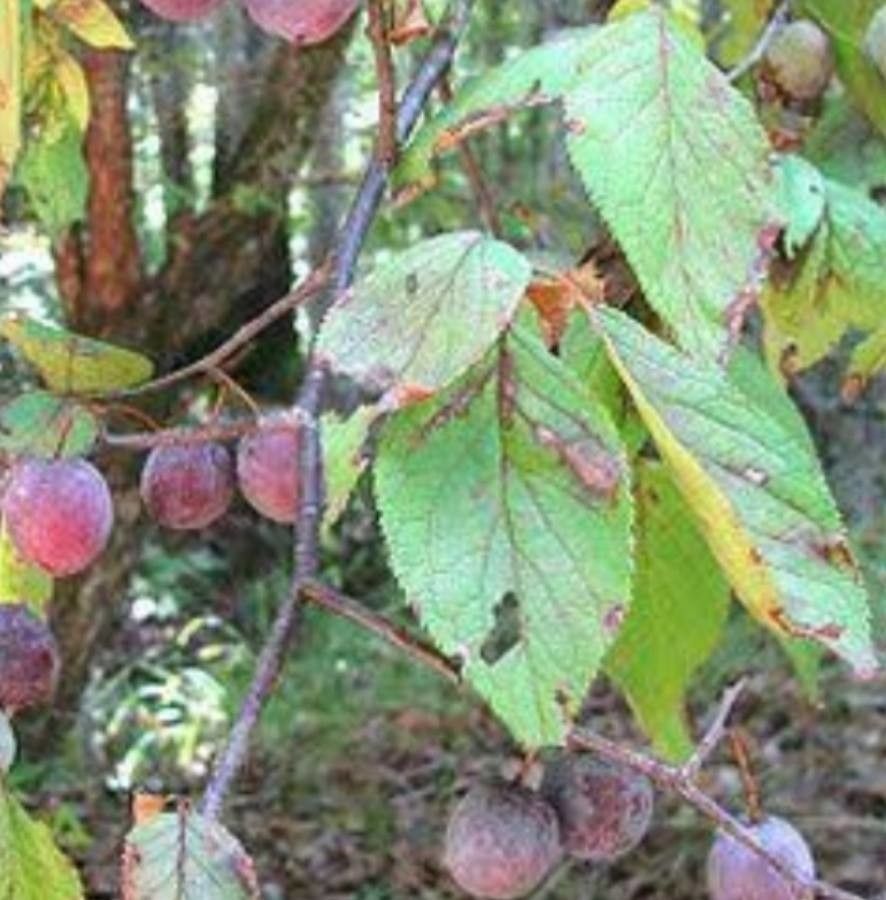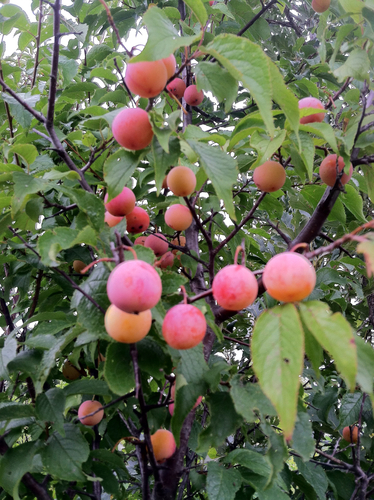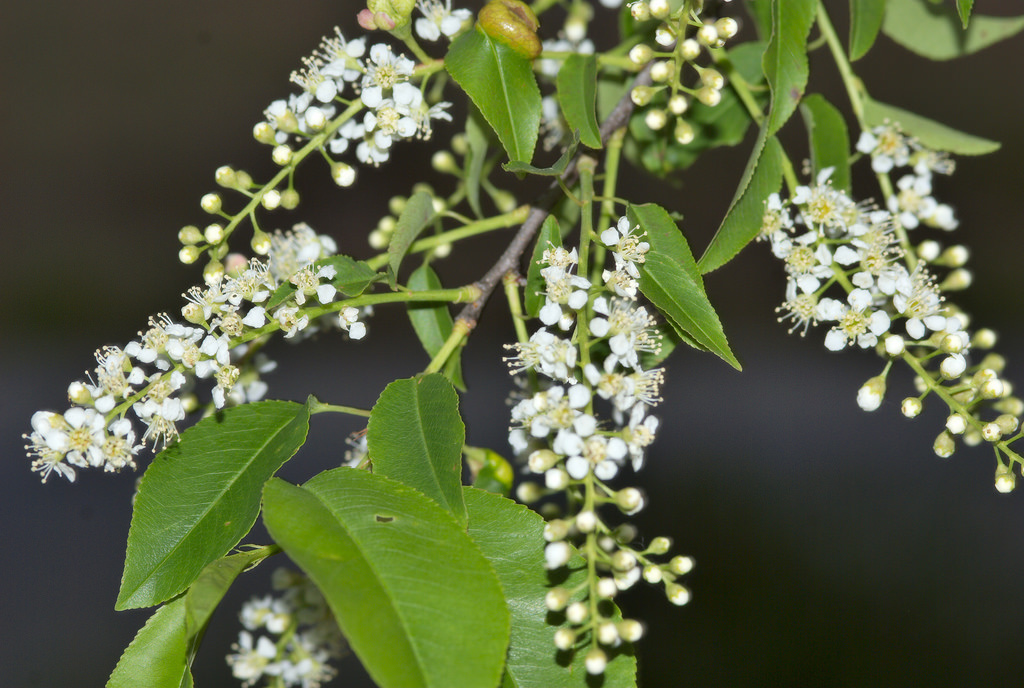
Prunus serotina, commonly called black cherry, wild black cherry, rum cherry, or mountain black cherry, is a deciduous tree or shrub of the genus Prunus. Despite being called black cherry, it is not very closely related to the commonly cultivated cherries such as sweet cherry (P. avium), sour cherry (P. cerasus) and Japanese flowering cherries (P. serrulata, P. speciosa, P. sargentii, P. incisa, etc.) which belong to Prunus subg. Cerasus. Instead, P. serotina belongs to Prunus subg. Padus, a subgenus also including Eurasian bird cherry (P. padus) and chokecherry (P. virginiana). The species is widespread and common in North America and South America.Black cherry is closely related to the chokecherry (P. virginiana); chokecherry, however, tends to be shorter (a shrub or small tree) and has smaller, less glossy leaves.
Black Cherry: One of the easiest ways to identify this tree in the forest is by observing its bark, which is often dark gray or black and appears chapped and splintered. The tree is also easily recognized by its grape-like black berries. In fact, these distinctive berries are the reason it’s called the black cherry.
Black cherry shows strong resistance to disease and is typically not susceptible to illnesses. As far as care goes, this plant is relatively low-maintenance. When grown outdoors it needs only light watering, and larger specimens usually do not require pruning. Smaller plants, however, should be trimmed after they finish blooming. Black cherryt is suitable for anyone with an outdoor area, like a garden or a deck, and does not demand much gardening experience.
How to keep Prunus Serotina.
Light
Black cherry does best in strong light, which promotes optimal growth. While partial shade won't harm it, it can slow its growth and increase its susceptibility to disease. Its native environment points to a preference for open sites with generous direct sunlight. Both too little and too much light can negatively affect flowering and fruit production.
Water
Black cherry trees thrive in woodland environments and prefer consistent moisture. However, they can tolerate watering every 1-2 weeks. Since they are deciduous plants, it's important to manage soil moisture carefully during the active growing season to improve their flowering potential.
Humidity
This plant will thrive in moderate humidity, which is probably the level in your home. However, misting it a few times a week can be very beneficial. Make sure the room has good ventilation.
Temperature
The black cherry plant is native to temperate regions and thrives in temperatures from 32 to 95 ℉ (0 to 35 ℃). In hotter periods, it benefits from shade and well-draining soil to avoid heat stress and root rot. In colder periods, it can withstand temperatures as low as 5 ℉ (-15 ℃), though extended frost can damage the branches and buds.
Fertilizer
The Black cherry plant needs adequate nutrients to achieve optimal fruit production. Fertilize in early spring to support new growth and flower development. Regular fertilization helps the plant stay healthy, produce more delicious fruit, and prevents nutrient-deficiency problems like yellow leaves and poor fruit production.
Pruning
The black cherry tree is characterized by its glossy, serrated leaves and clusters of white flowers. To maintain its health, it is best to prune the tree in late winter. Pruning at this time helps enhance air circulation and light penetration, which can prevent diseases and encourage strong growth. Be sure to sanitize your tools between cuts to prevent the spread of infections, ensuring the tree remains vigorous and long-lived.
Botanical profile.
- Plant Type
- Tree
- Life Cycle
- Perennial
- Genus
- Prunus
- Family
- Rosaceae
- Hardiness Zone
- 3-9
- Mature Height
- 7.01 m to 24.08 m
- Mature Spread
- 7.92 m
- Leaf Color
- Green, Yellow, Gold, Brown
- Leaf Type
- Deciduous
- Flower Color
- White
- Flower Size
- 0.76 cm to 1.52 cm
- Bloom Time
- Late spring, Early summer
- Planting Time
- Spring, Autumn
- Harvest Time
- Mid summer
- Native Area
- Colombia, Honduras, Mexico, Guatemala, Bolivia, Venezuela, Peru, El Salvador, Nicaragua, Ecuador, Costa Rica, Panama
Other names.
Reader questions.
When should I water my Black Cherry?
The right time to water your black cherry plant is determined by various indicators of moisture need. Firstly, check the soil's dryness by inserting your finger about 2 inches deep into the soil; if it feels dry, it's watering time. Observing the plant's leaves can provide cues, such as wilting, curling, or sagging, signifying dehydration that usually resolves after watering. During active growth periods, any sign of stunted growth might suggest inadequate watering. It is crucial to adjust your watering schedule in accordance with seasonal changes. In the cooler autumn and winter months, black cherry enters a dormant phase, requiring less water, being cautious of overwatering to avoid root rot. Conversely, spring and summer seasons mark a higher water demand due to increased growth and fruit production, necessitating more frequent checks for the signs mentioned.
Why should I add fertilizer to my Black cherry plant?
Plants, especially fast-growing ones, continue to deplete the soil of nutrients as they grow. Regular fertilization is crucial for Black cherry plants to provide them with the extra supply of nutrients they need to stay healthy and produce delicious fruit. If plants are not fertilized for a long time, they can face various issues. Nutrient deficiency can result in problems like yellow leaves, reddish coloration, shape deformities, withered tips, or even dieback in large parts of the plant. Certain nutrient deficiencies can also lead to bark disorders, slow growth, poor shoot development, and a lack of fruit production.
What are the sunlight requirements for black cherry plants?
Black cherry plants require full sun, meaning they should receive above 6 hours of sunlight daily for optimal growth. They can also tolerate partial sun conditions, which amounts to about 3-6 hours of sunlight. However, it's vital to observe how sunlight moves through your garden to ensure that you choose locations that offer a good balance of light and shade, as this will support the health and happiness of your plants.
What temperature is best for Black cherry?
The ideal temperature range for Black cherry to thrive is between 65 and 80℉ (18-27℃). During the primary growing phase, the highest tolerable temperature is 95℉ (35℃), while the lowest tolerable temperature is 15℉ (-10℃). This species is able to tolerate low temperatures and survives freezing winters. The perfect temperature range is 65-80℉ (18-27℃), the highest range is 85-95℉ (30-35℃), and the lowest range is -5 to 15℉ (-20 to -10℃) or below.
How should I water my Black Cherry?
Watering your black cherry effectively involves a technique called deep watering, where water is applied slowly to the base, allowing it to reach the deep roots, promoting healthy growth and drought tolerance. Utilizing a watering can with a narrow spout is recommended to direct the water straight to the base, minimizing foliage wetness and potential disease onset. Deep watering not only encourages a strong root system but also ensures the plant's long-term health and productivity.
When should I put fertilizer on my Black cherry tree?
The best time to fertilize black cherry trees is in the early spring, before the buds appear. When the tree comes out of winter dormancy, it uses its stored reserves to grow new branches. To support the growth of blooms, it requires an ample amount of energy. By fertilizing around 2 to 4 weeks before you expect the tree to bloom, it allows enough time for the nutrients to penetrate the soil and be absorbed by the plant. It's possible to continue fertilizing during the spring, but it's advisable to avoid fertilizing in the autumn. This is because late-season foliage growth can cause damage to the leaves during winter.
How does light exposure affect black cherry plant growth?
Intensive light exposure is crucial for the thriving of black cherry plants, encouraging optimal growth. While these plants can survive in partial shade, such conditions might slow down their growth rate and increase their susceptibility to diseases. Originally from environments with clear, unobstructed access to solar radiation, black cherry plants show a preference for plenty of sunlight. Both overexposure and insufficient sunlight can negatively impact their blossoming and fruit productivity. For indoor plants, artificial lighting can be a vital solution to provide adequate lighting, especially when natural sunlight is insufficient. It's recommended to use artificial lights like LED, which can be customized to offer the specific wavelengths needed by the plant, with varying wattages based on the type of exposure required (full sun, partial sun, full shade).
Should I change the temperature for Black cherry when it is growing at different stages?
According to research, when exposed to long periods of high temperatures, particularly during the growth of axillary buds and main shoots, Black cherry trees display signs of stunted growth. To promote healthy growth after germination or transplanting, it is recommended to maintain consistent cooler temperatures of around 65℉ (18℃).
How much water does Black Cherry really need?
The black cherry's watering needs vary based on several factors, including its maturity, pot size, and existing environmental conditions. Ideally, a mature black cherry in a medium-sized pot requires about 1-2 liters of water per session, ensuring a thorough reach to the extensive root system. Observing the plant's hydration state is key; vibrant and glossy leaves indicate adequate moisture, while yellow or brown leaves suggest over or under-watering, respectively. Maintaining a balance in watering, using well-draining soil, and ensuring pots have drainage holes are essential practices to avoid common issues like root rot or suffocation caused by excessive water.
When is it not a good idea to put fertilizer on my Black cherry plant?
To ensure the healthy growth of Black cherry plants, it is recommended to avoid fertilizing them in their first year. If fertilization is necessary, proceed with caution. Additionally, refrain from fertilizing if you have trimmed 20% or more of the plant in the previous year. It is important to avoid fertilizing Black cherry plants that are diseased or damaged as it can cause more harm than good. Instead of relying solely on fertilizer, address the underlying issue affecting the plant's health. Furthermore, it is not advisable to fertilize Black cherry plants after the peak of summer, as excessive growth just before winter can be detrimental. Similarly, during hot and dry periods, refrain from fertilizing as dry soil is not as effective in delivering nutrients. Fertilization at this time can also promote growth, which requires more water that may not be readily available. It is best to fertilize Black cherry plants earlier in the season when temperatures are cooler. Lastly, keep in mind that Black cherry plants can absorb fertilizer from nearby plants or lawns. Be cautious not to inadvertently double-dose other plants with fertilizer.
What are the common symptoms of insufficient light in black cherry plants?
When black cherry plants receive suboptimal lighting, they may display several symptoms indicating light deficiency. These include smaller new leaves compared to older ones, leggy or sparse growth due to increased spaces between leaves or stems, faster dropping of leaves as a conservation measure, slower or halted new growth as the plant enters survival mode, lighter-colored or pale new leaves indicating a lack of chlorophyll, and signs of chlorosis, sunscald, leaf curling, wilting, and leaf scorching due to various stressors linked to improper light exposure. Addressing these symptoms early by adjusting light conditions is key to ensuring the healthy growth of black cherry plants.
How do I make sure Black cherry stays warm during cold seasons?
Black cherry trees can tolerate freezing temperatures when planted in the ground in regions that do not experience extreme temperatures below 15℉ (-10℃) during winter. However, if you plant them in pots or containers, it is important to shield their roots from the cold. This can be done by wrapping the container in a blanket or bringing it indoors to provide complete protection from the elements.