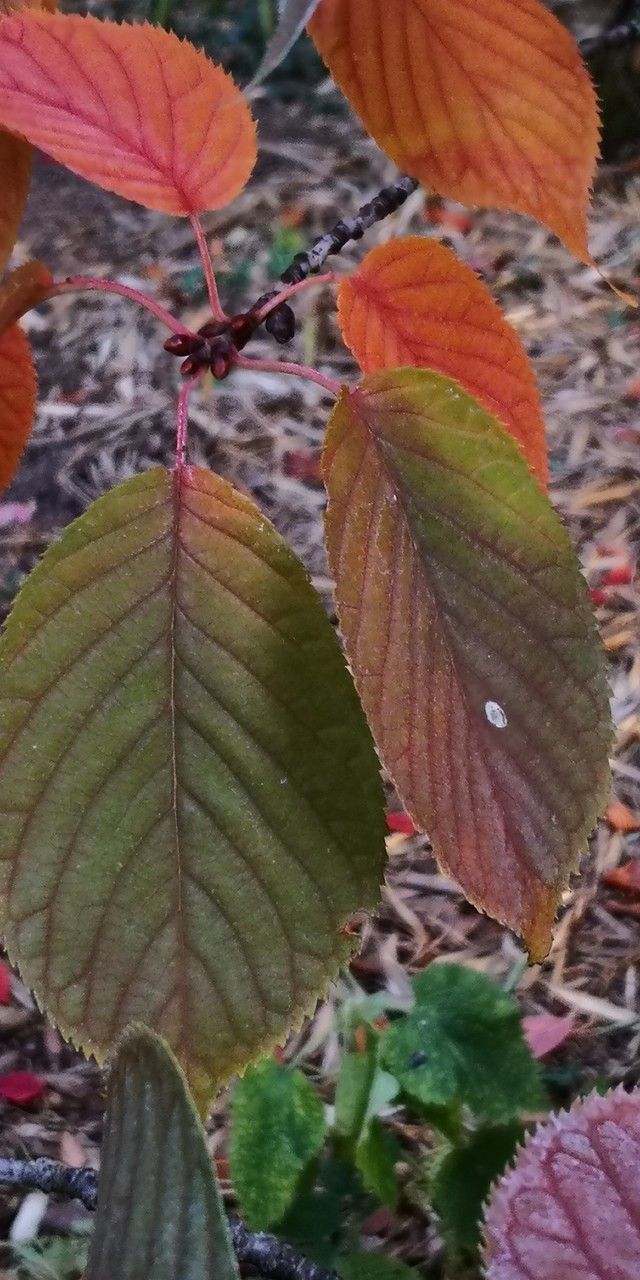
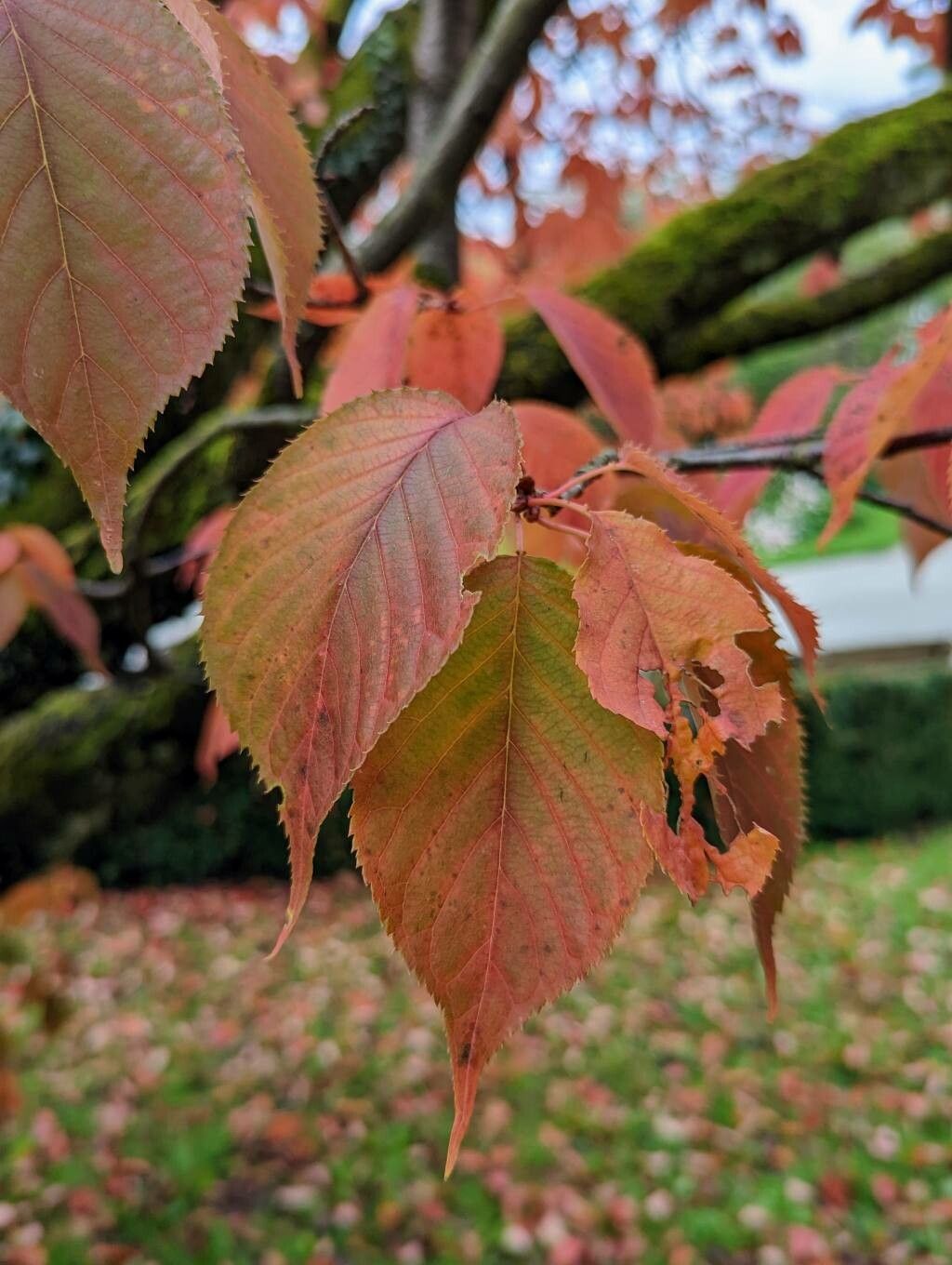
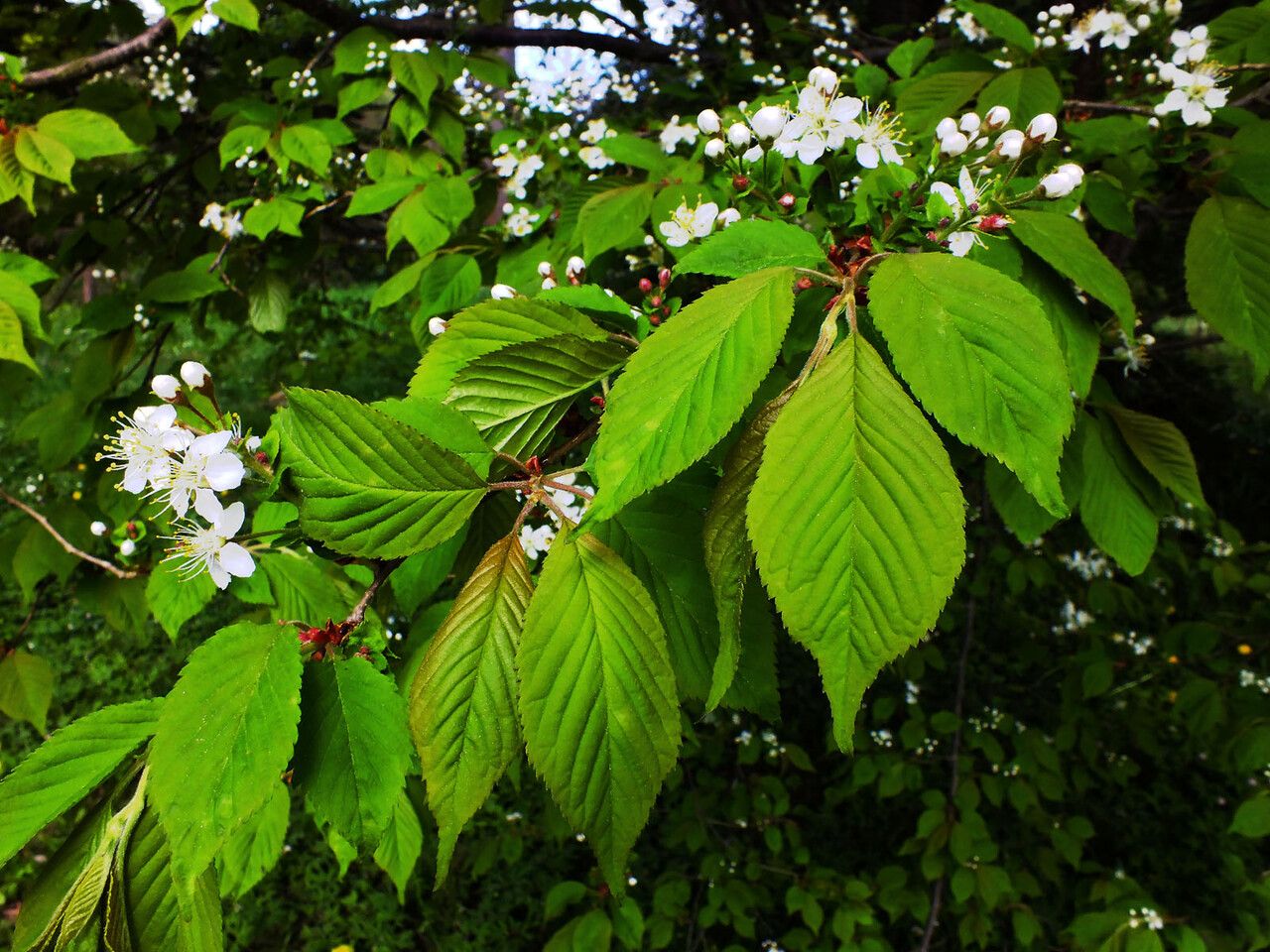
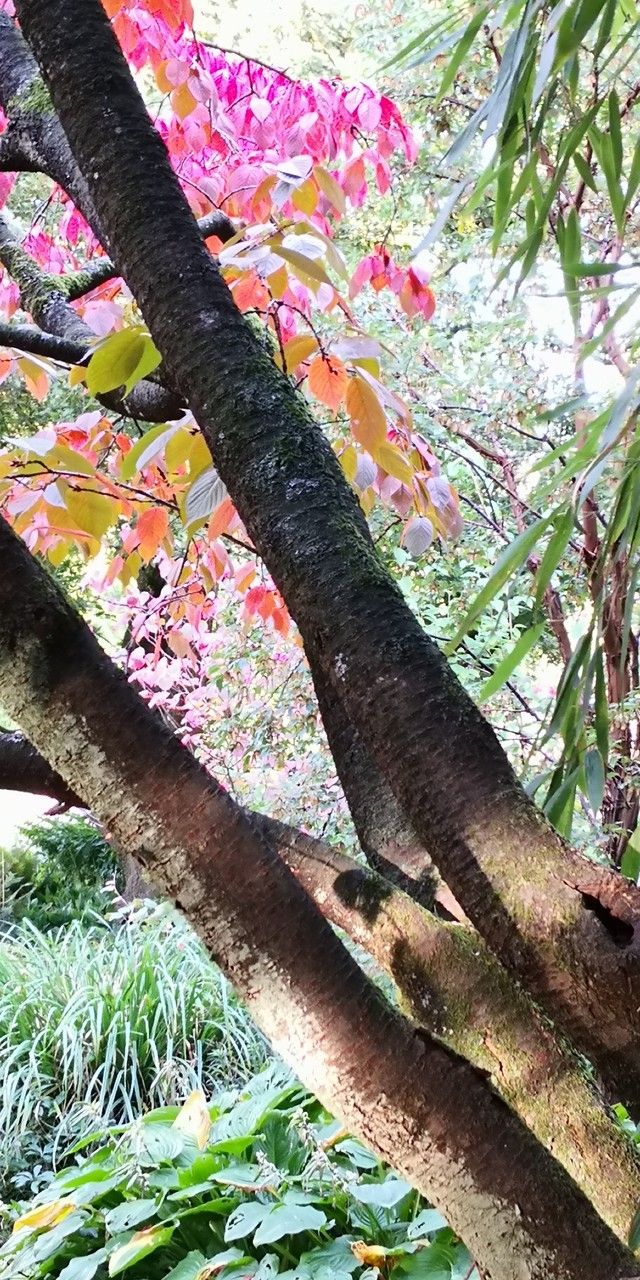
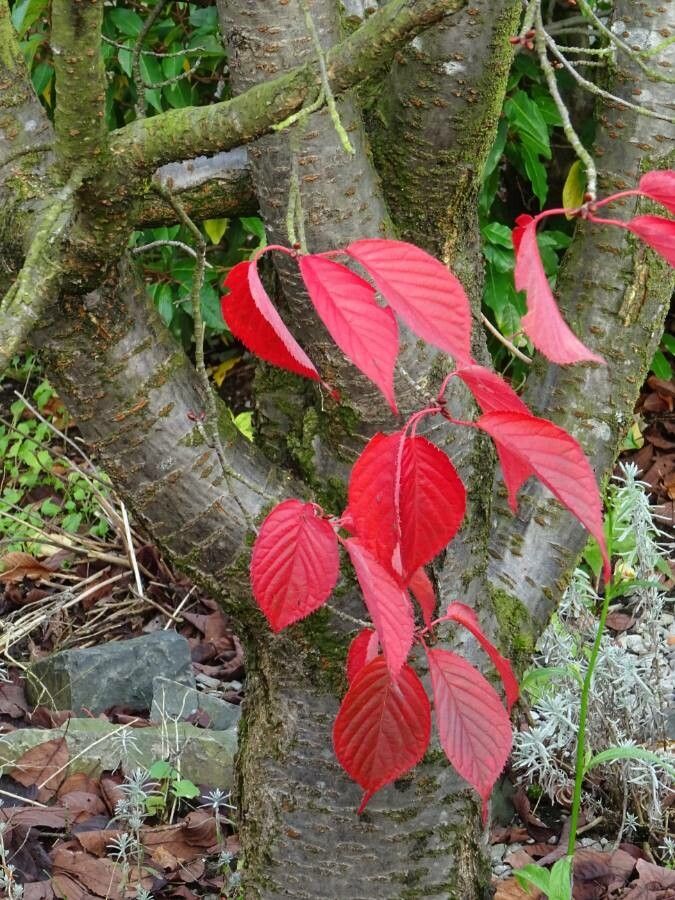
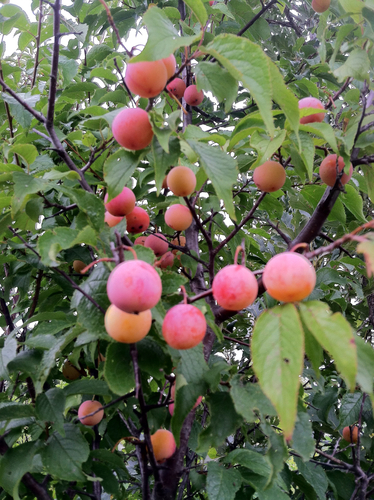
Prunus sargentii, commonly known as Sargent cherry, is a deciduous tree native to Japan. It is widely appreciated as an ornamental tree for its stunning display of pinkish-red flowers in the spring and its distinctive reddish-brown bark, which peels in horizontal strips. The dark green leaves turn a vibrant yellow-orange in the fall before dropping. The Sargent cherry can grow up to 30 feet tall with a spread of 20 feet. It prefers full sun or partial shade and thrives in well-drained soil. This tree is relatively low-maintenance but may require occasional pruning to maintain its shape or remove dead branches. With its year-round beauty and color, the Sargent cherry serves as an excellent focal point in any landscape design.
Sargent's cherry has strong disease resistance and is generally not susceptible to illnesses. As for care, this plant is fairly low maintenance. When planted outdoors it needs little watering, and larger specimens typically do not require pruning; however, smaller plants should be pruned after they have bloomed. Sargent's cherry is suitable for anyone with outdoor space, such as a garden or a deck, and does not demand much prior plant-care experience.
How to keep Prunus Sargentii.
Light
Ample sunlight is essential for the vigorous growth of sargent's cherry, although it can tolerate locations with modest light intensity. Native to sunny habitats, it does well under those conditions. Excessive shade can impede its growth, while too much sun may cause harm, indicating it needs a balanced amount of sun.
Water
Sargent's cherry, which originates from cooler regions, thrives in moderate moisture and can tolerate short periods of dryness. It prefers well-drained soils and typically needs watering every two weeks. During its winter dormancy, the tree requires less water due to the reduced daylight and cooler temperatures.
Temperature
Sargent's cherry originates from areas with a temperate climate, which corresponds to a comfortable temperature range of 41 to 95 °F (5 to 35 ℃). To maximize its growth, those conditions should be reproduced year-round, with supplemental temperature control adjusted by season as required.
Fertilizer
The timing of fertilization is important for Sargent's cherry. Apply fertilizer in early spring and repeat monthly through early summer. Fertilizer promotes attractive blooms and supplies energy during both dormant and active growth phases.
Pruning
Sargent's cherry, known for its vibrant pink blossoms and ornamental bark, thrives when pruned in early spring. Important practices in this process include removing dead branches, thinning out crowded areas, and shaping the tree for better aesthetics. Pruning at this time encourages new growth and helps prevent pest infestations, resulting in a healthier and more visually appealing Sargent's cherry.
Botanical profile.
- Plant Type
- Tree
- Life Cycle
- Perennial
- Genus
- Prunus
- Family
- Rosaceae
- Hardiness Zone
- 5-9
- Mature Height
- 6.1 m to 11.89 m
- Mature Spread
- 6.1 m to 9.14 m
- Leaf Color
- Green, Orange, Red
- Leaf Type
- Deciduous
- Flower Color
- Pink, White
- Flower Size
- 4.06 cm
- Bloom Time
- Early spring, Mid spring
- Planting Time
- Spring, Summer
- Harvest Time
- Mid summer, Late summer, Early fall
- Native Area
- Russia, Koppen, Japan, South Korea
Other names.
Reader questions.
How should I water my Sargent's cherry tree?
To ensure excellent root development, it is recommended to place a garden hose at the base of the plant. However, avoid spraying the leaves directly. If the leaves are exposed to direct sunlight outdoors, they will require more watering. One option is to use bubblers to moisten the roots of each plant. Soaker hoses can also be used to cover the entire garden or bed when adding or removing plants, allowing the roots to be deeply watered. After watering, drain any excess water and wait for the soil to dry before watering again. To prevent diseases, it is best to water at ground level. On a sunny day, it may be beneficial to spray the entire bush with water. Whether the plant is potted or in-ground, keep in mind that Sargent's cherry prefers deep watering rather than light sprinkling.
Why should I put fertilizer on my Sargent's cherry tree?
Fertilizing your Sargent's cherry is important for several reasons. One obvious reason is that it helps your cherry tree produce beautiful blooms. Early spring fertilization is especially effective in ensuring abundant flowers during that season. Additionally, fertilizer provides the tree with ample energy to store in the ground during its dormant phases. By giving your Sargent's cherry extra nutrients in the fall or late spring, you can help it preserve more energy to use when it starts growing again.
How many hours of sunlight should the Sargent's cherry tree get each day to grow well?
To ensure healthy growth of Sargent's cherry, it needs a minimum of 3-6 hours of sunlight daily. Most plants that can tolerate part sun can also do well in full sun. However, since these plants require less light for photosynthesis, they are more adaptable compared to plants that specifically need full sun or part shade.
What temperature is best for Sargent's cherry?
Sargent's cherry thrives best in temperatures between 65-80℉ (18-27℃). During the primary growing phase, it can tolerate temperatures as high as 95℉ (35℃) and as low as 15℉ (-10℃). This species has a good tolerance for low temperatures and can survive freezing winters. The ideal temperature range is 65-80℉ (18-27℃), with the highest range being 85-95℉ (30-35℃) and the lowest range being -5 to 15℉ (-20 to -10℃) or below.
What should I do if I give too much or too little water to Sargent's cherry tree?
A Sargent's cherry that is overwatered may develop yellow leaves that eventually fall off and wilt. The plant might also look dull and unhealthy, with mushy stems. If you notice these signs, try to adjust your watering schedule. However, wilting can also be a sign of under watering. In this case, the leaves may become crispy and dry. If the soil is dry and simply watering it isn't enough, give the plant a thorough watering. This will help the Sargent's cherry recover, although it may still appear dry with yellow leaves due to root damage for a few days. Once it returns to normal, the yellowing of leaves will stop. When growing a Sargent's cherry indoors, always check the moisture level in the pot. Avoid overwatering and look for any black spots on the plant. If you see them, let the soil dry out for a few days before watering again. Overwatering can cause root rot, so if you discover discolored and slimy roots, consider transferring the plant to a different pot. Preventing root rot is essential, so don't let the soil become too soggy. When planting a Sargent's cherry outdoors, make sure to dig a little deeper. If you find that the soil is too dry when checking with your fingers, it could mean you are not providing enough water. Adequate watering is necessary for the plant to recover.
When should I fertilize my Sargent's cherry tree?
When fertilizing Sargent's cherry tree, timing is important. If you apply fertilizer too early while the tree is still dormant, it won't be effective and may be washed away by rainwater, resulting in waste and pollution. Instead, the first application of fertilizer should be made in early spring. After that, continue fertilizing once a month until early summer.
What kind of sunlight does Sargent's cherry tree need?
Sargent's cherry thrives in full or part sun. For optimal growth, it does well with direct morning light. However, during summer, it requires protection from the intense afternoon sun. Too much hot afternoon sun in temperate environments can cause leaf burn and harm the overall appearance and health of the plant.
Do I need to change the temperature for Sargent's cherry as it grows?
According to research, Sargent's cherry trees will show stunted growth if they are exposed to high temperatures for a long period of time. This is particularly noticeable when the trees are developing axillary buds and growing their main shoots. To promote healthy growth after germination or transplanting, it is best to keep the temperatures consistently cool, around 65℉ (18℃).
How frequently do I need to water my Sargent's cherry tree?
The Sargent's cherry prefers deep and infrequent watering, especially when planted in pots. Since the water storage in pots is limited, the soil tends to dry out quickly. In cold regions, watering is needed every 3 to 5 days. It is best to water in the morning when the soil is dry, whether you have them outdoors or indoors. To determine if watering is necessary, check the soil inside. If the top 2-3 inches of soil is dry, it's time to water the plant thoroughly. On hot days, check the moisture daily as the heat can dry out the pot soil rapidly. If you have a garden, you'll need to irrigate the soil. In a hot climate, watering once a week is recommended. Only water when the top 2-3 inches of soil are too dry, indoors or outdoors. Take into account rainfall and avoid overwatering to prevent root rot. If there's plenty of rainfall, additional watering may not be necessary. Sargent's cherry typically grows in spring and fall. Outdoors, add a layer of mulch about 3 to 4 inches deep to retain more water. Sandy soil drains faster, so more frequent watering is required. Clay soil, on the other hand, requires less watering and can tolerate 2-3 days without moisture to avoid root rot. To keep track of watering, mark the date on the calendar and observe if the leaves start drooping, which could indicate a need for water.
When is the best time to not fertilize my Sargent's cherry?
To ensure optimal blooming, it is important to avoid over-fertilizing Sargent's cherry tree with nitrogen. Excessive nitrogen can result in abundant foliage but fewer blossoms. Instead, use a fertilizer that has a lower nitrogen content compared to other nutrients. It is advisable to refrain from fertilizing the tree after early autumn, as this can promote excessive growth just before winter. Additionally, avoid fertilizing the tree during hot and dry periods since dry soil does not effectively distribute fertilizer like moist soil does. Fertilizing during this time can also stimulate further growth that requires more water, which may be scarce. It is best to apply fertilizer during cooler temperatures earlier in the season. Lastly, be cautious about unintentionally providing a double dose of the fertilizer as Sargent's cherry tree can absorb fertilizer from nearby plants or lawns.
Can the sun harm Sargent's cherry? How can I keep Sargent's cherry safe from the sun and heat?
If you have an indoor Sargent's cherry plant, be careful when moving it outside because direct sunlight can easily damage it. To prevent sunburns from overexposure, gradually transition the plant from a shaded area to a brighter spot. However, extreme heat can still harm even plants accustomed to the summer sun. During a heatwave, it's essential to keep the soil consistently moist to help plants handle excessive heat. To protect sensitive Sargent's cherry during extreme weather, consider moving container plants to areas with afternoon shade or using a shade cloth over them.
How do I keep Sargent's cherry tree warm during cold seasons?
Sargent's cherry is a resilient tree that can withstand freezing temperatures when planted directly in the ground. However, if you choose to plant it in a pot or container, it's important to protect its roots from the winter cold. To do this, simply wrap the container in a blanket or bring it indoors where it will be fully shielded from the elements.