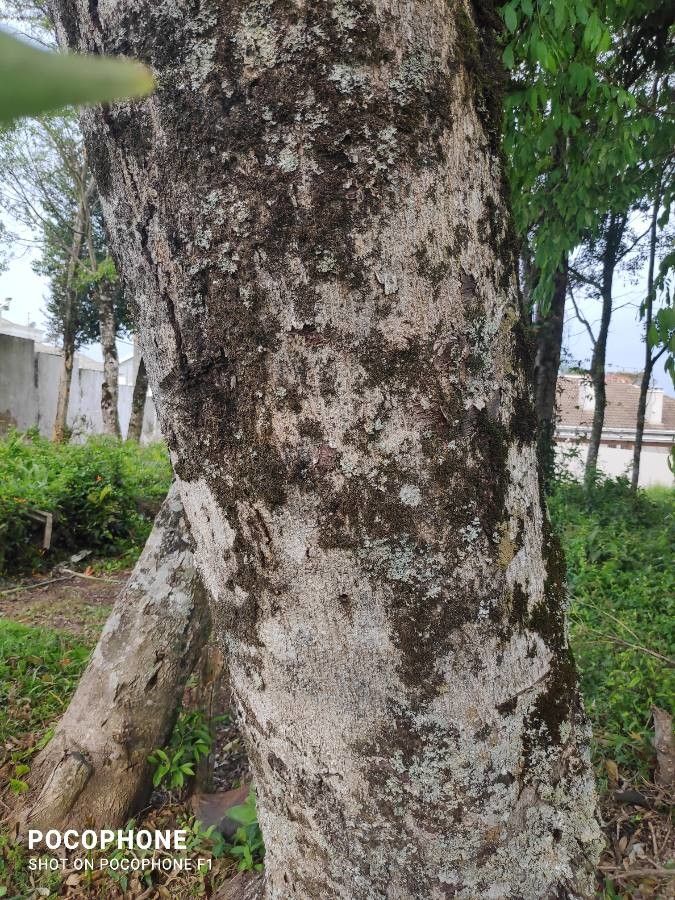
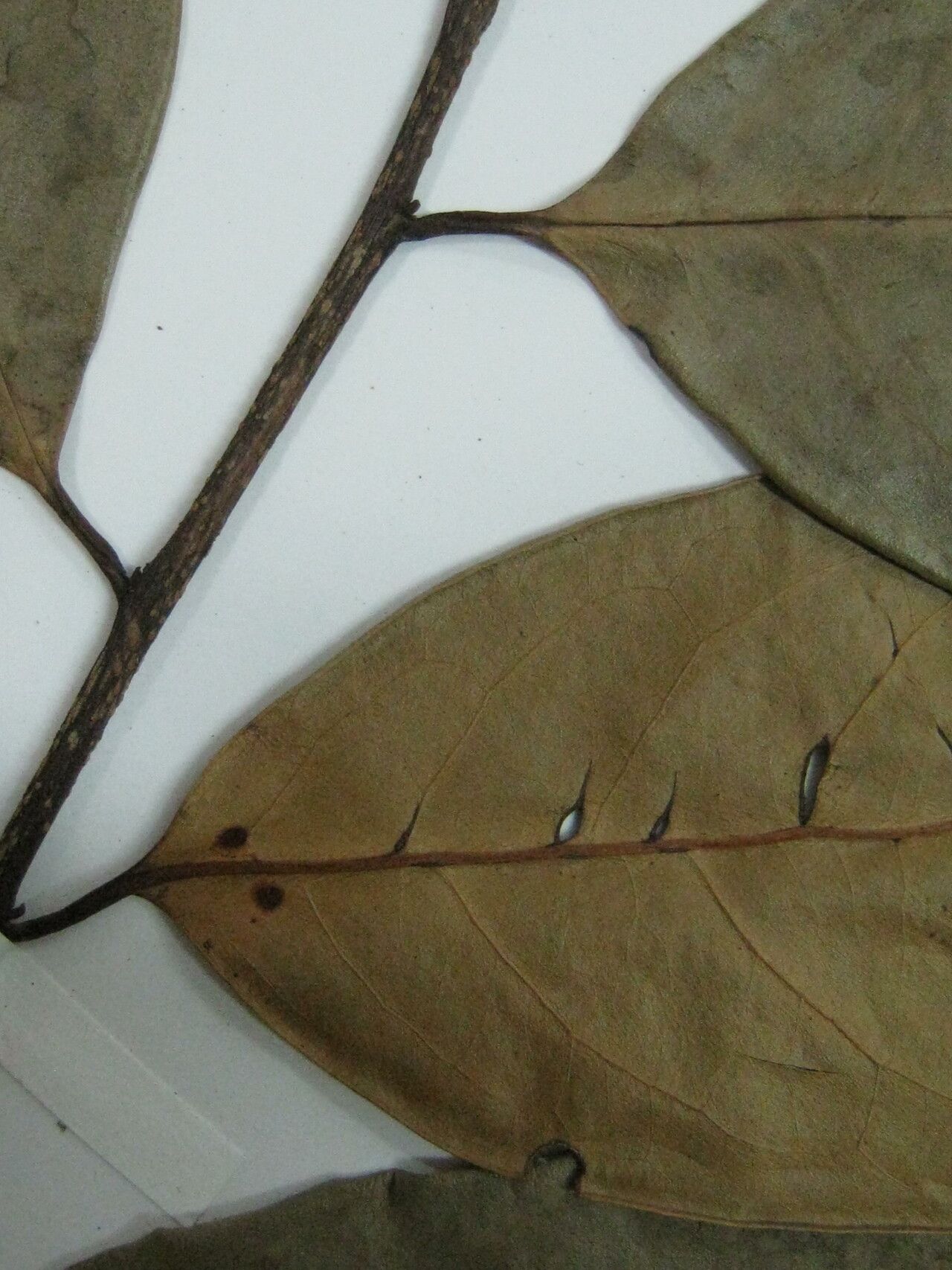
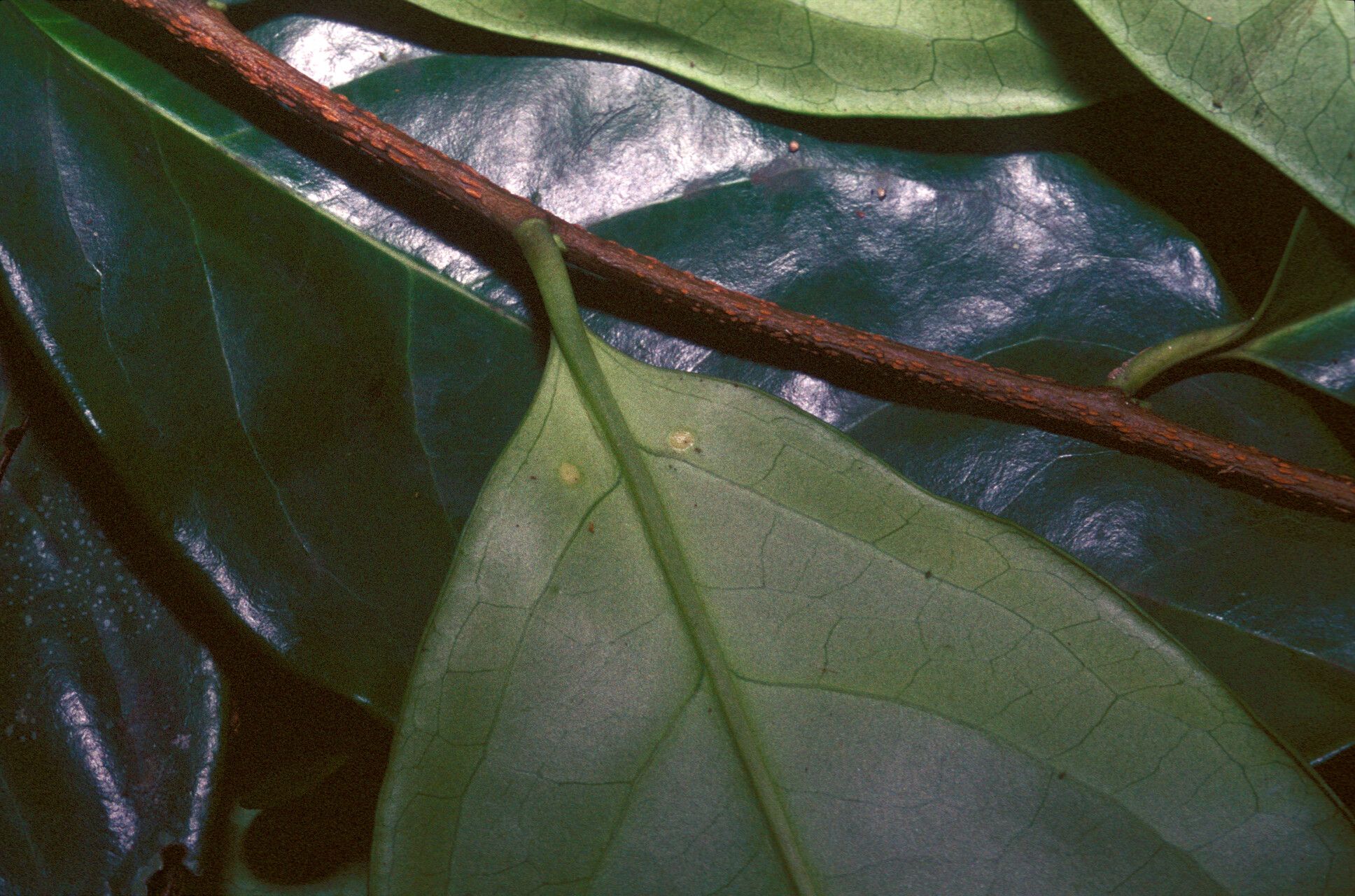
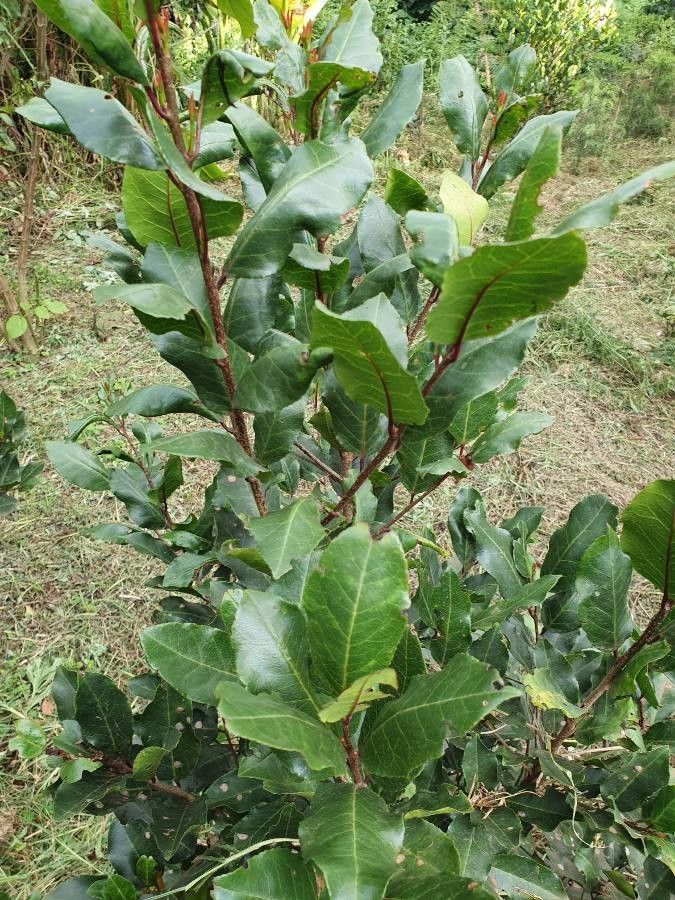
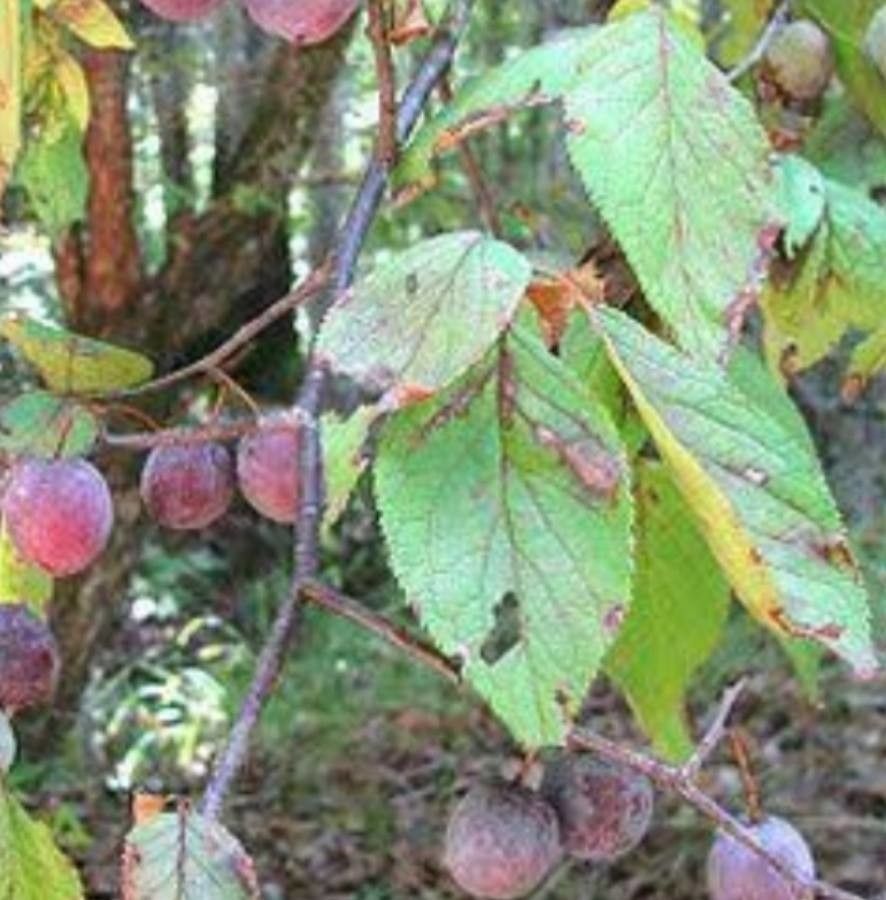
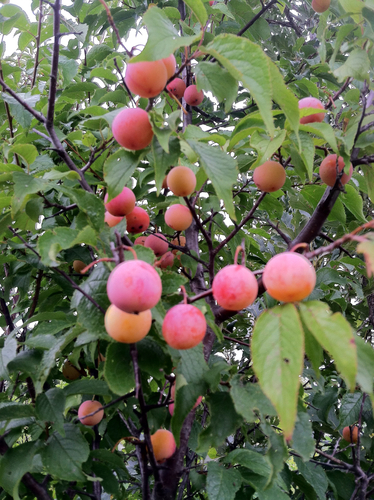
Prunus myrtifolia, commonly known as the myrtle-leaf cherry or the West Indian cherry, is a small evergreen tree or shrub that belongs to the Rosaceae family. Native to Central and South America, it thrives in various habitats such as forests, savannas, and coastal areas.
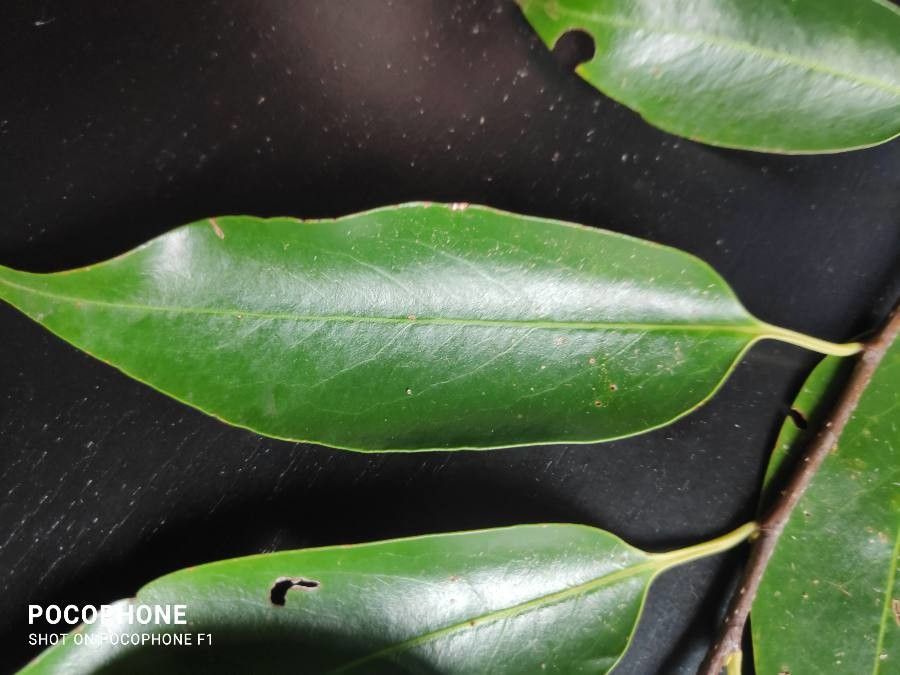
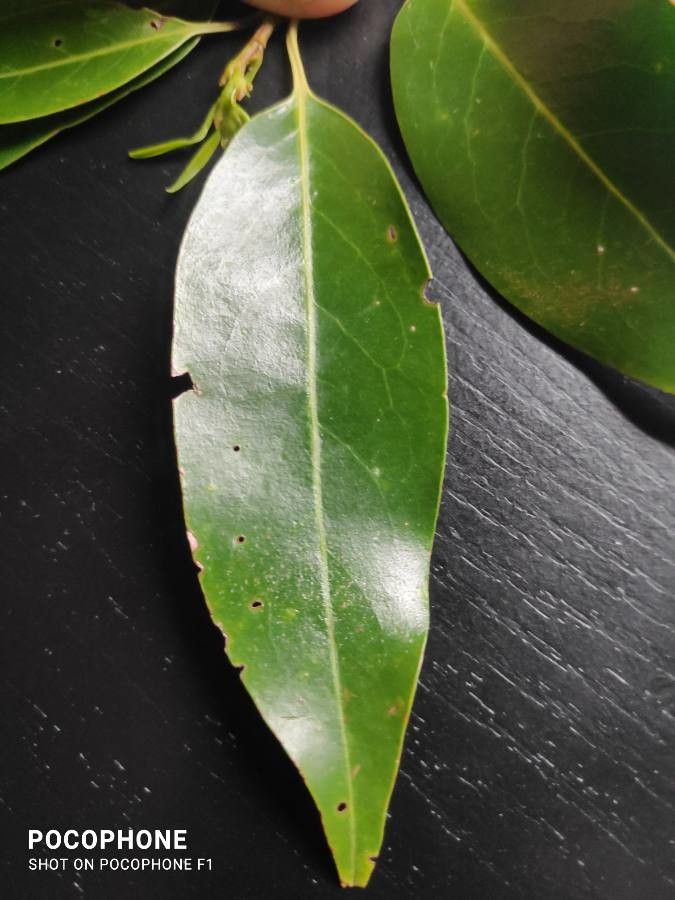
Typically, this plant grows up to 10 meters in height, though it often remains smaller when cultivated as a garden plant. Its leaves are glossy and dark green, lance-shaped with serrated edges. During spring, the plant produces small white flowers with five petals that bloom in clusters.
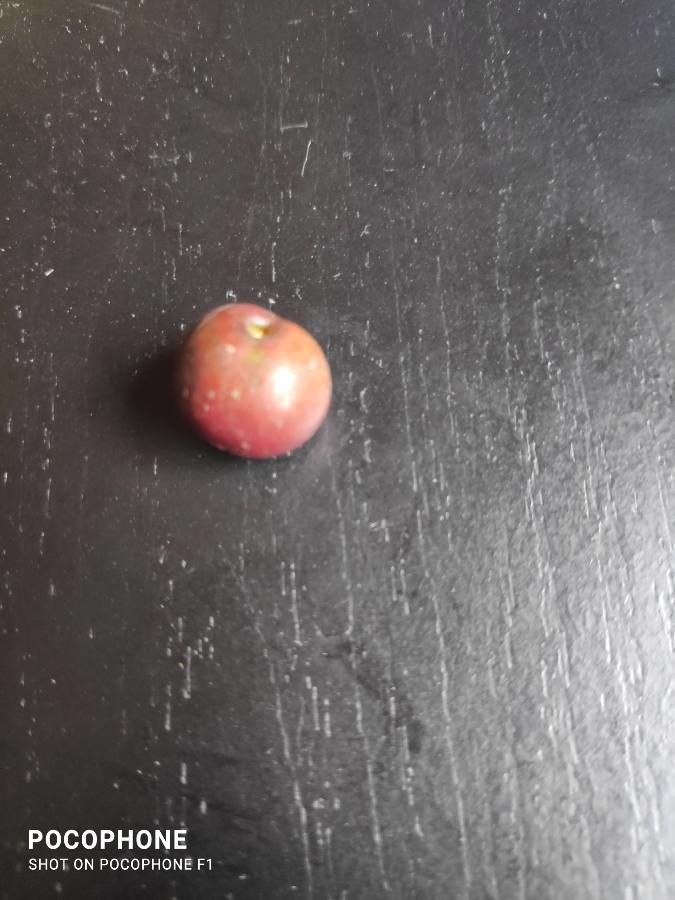
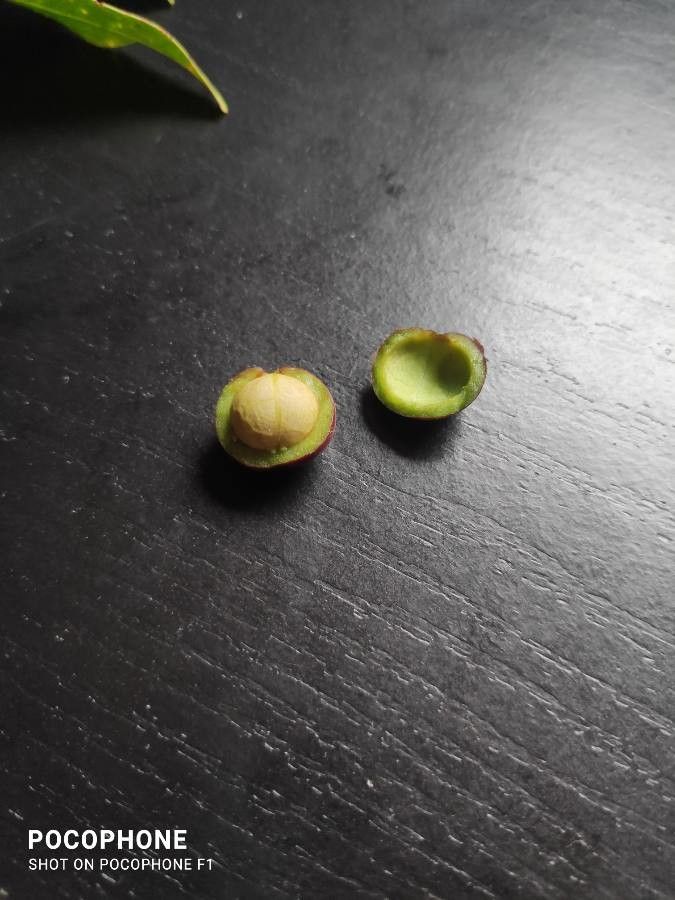
The fruit of Prunus myrtifolia is a small, cherry-like drupe that turns red or black when ripe and contains a single seed. The fruit is generally sweet but may taste slightly tart if not fully ripe.
For optimal growth, Prunus myrtifolia requires full sun exposure but can also tolerate partial shade. It prefers well-drained soil with moderate moisture levels and needs regular watering during dry periods.
The plant is valued for its ornamental appeal due to its attractive foliage and flowers. Its fruit serves as a food source for birds, while its wood is utilized in making furniture, tools, and musical instruments.
In summary, Prunus myrtifolia is an attractive evergreen tree or shrub native to Central and South America. It features glossy, dark green, lance-shaped leaves with serrated edges and produces sweet-tasting cherries. The plant is beneficial for its ornamental value, bird food, and versatile wood used in various applications, including furniture making.
Botanical profile.
Other names.