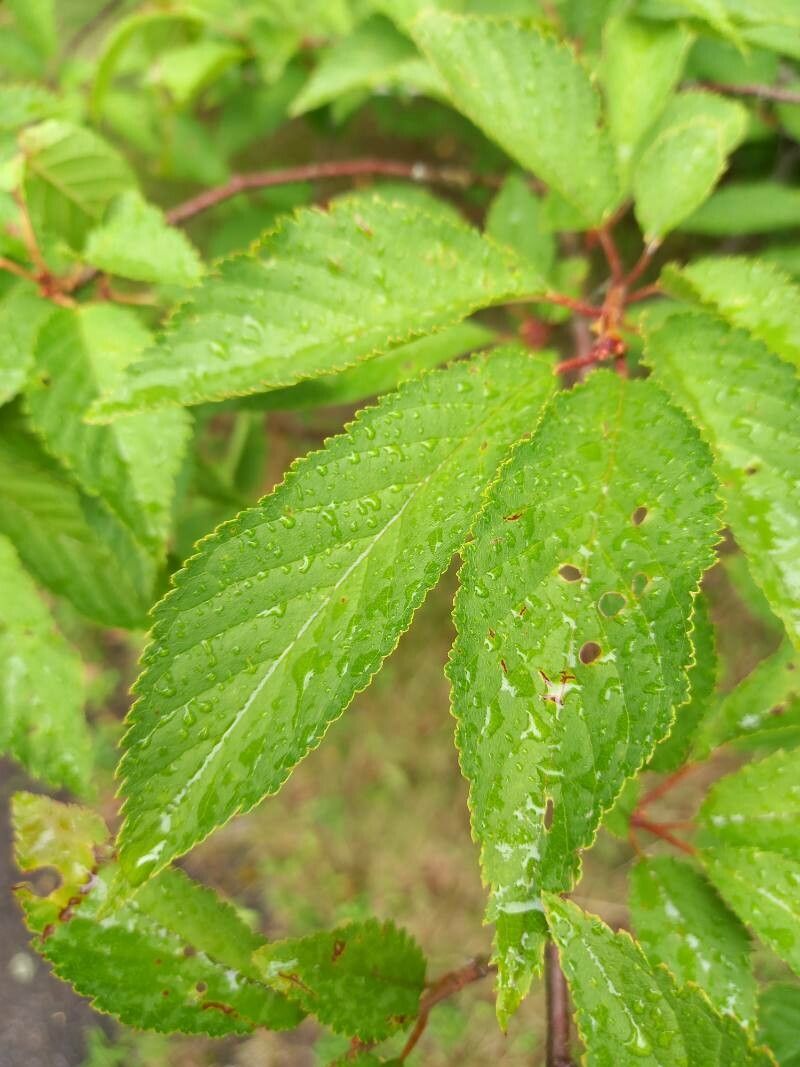
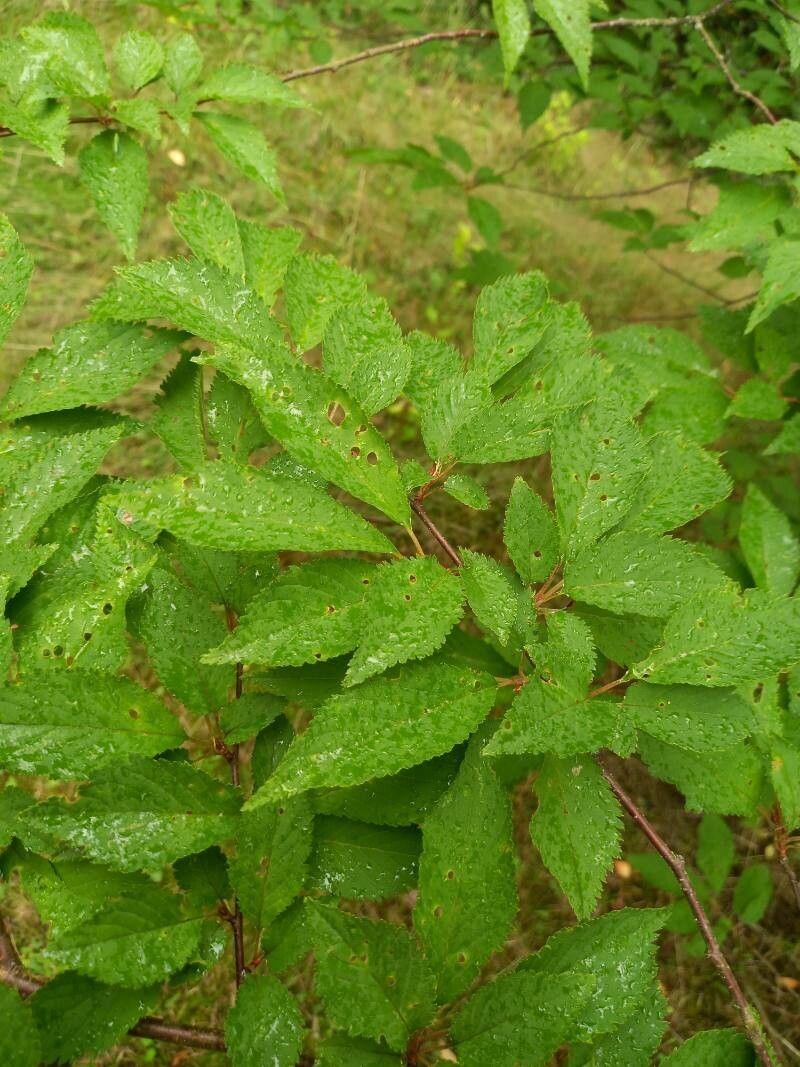
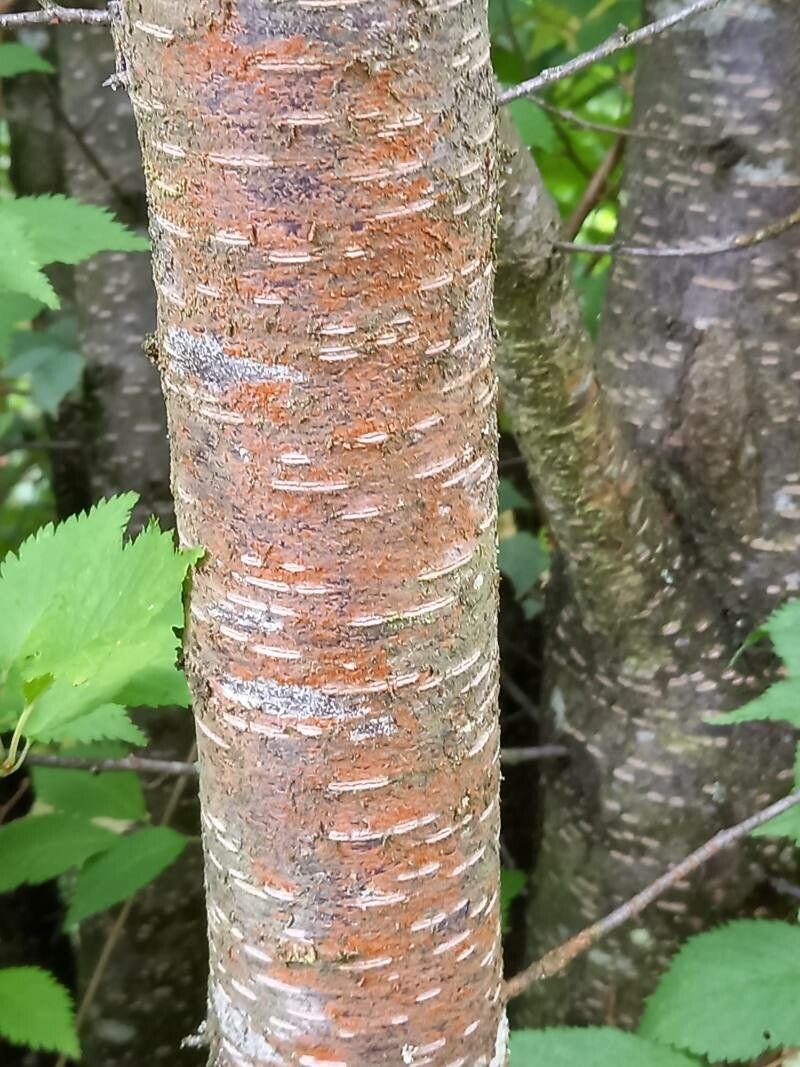
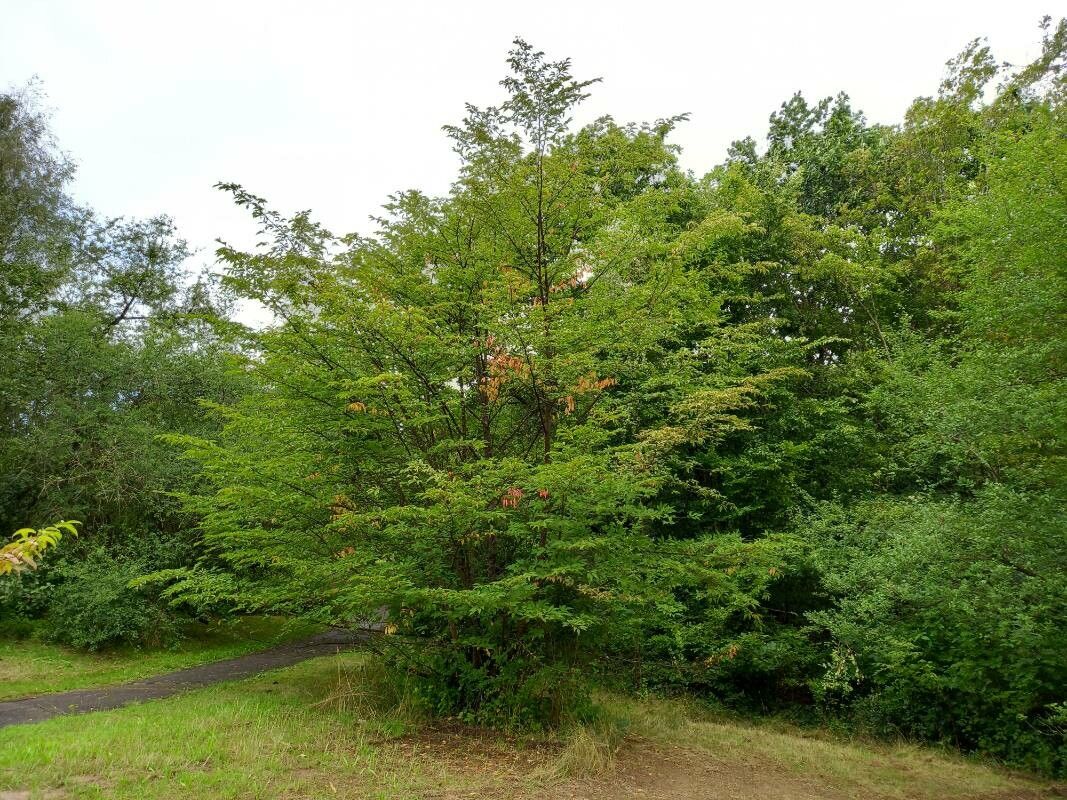
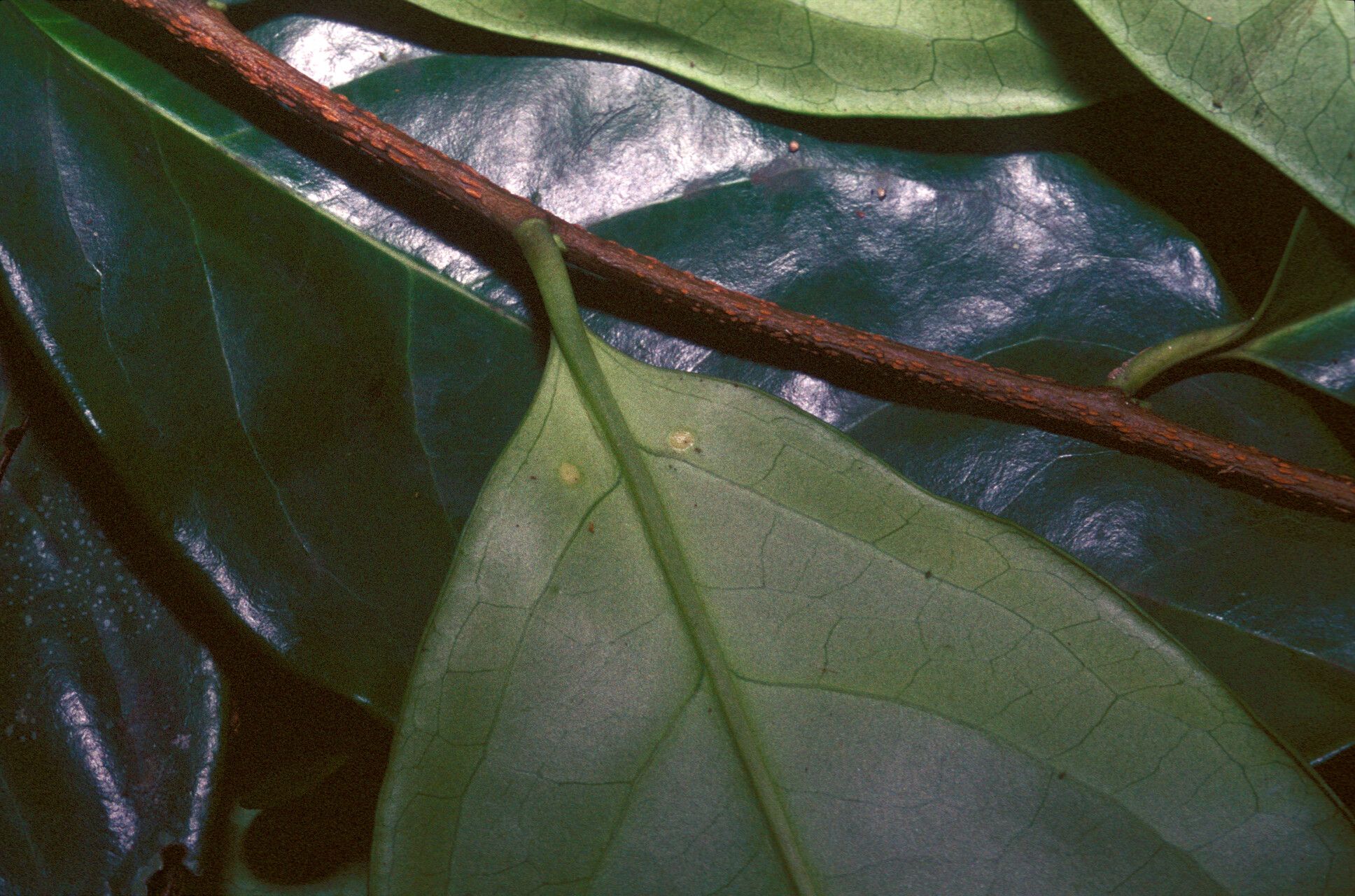
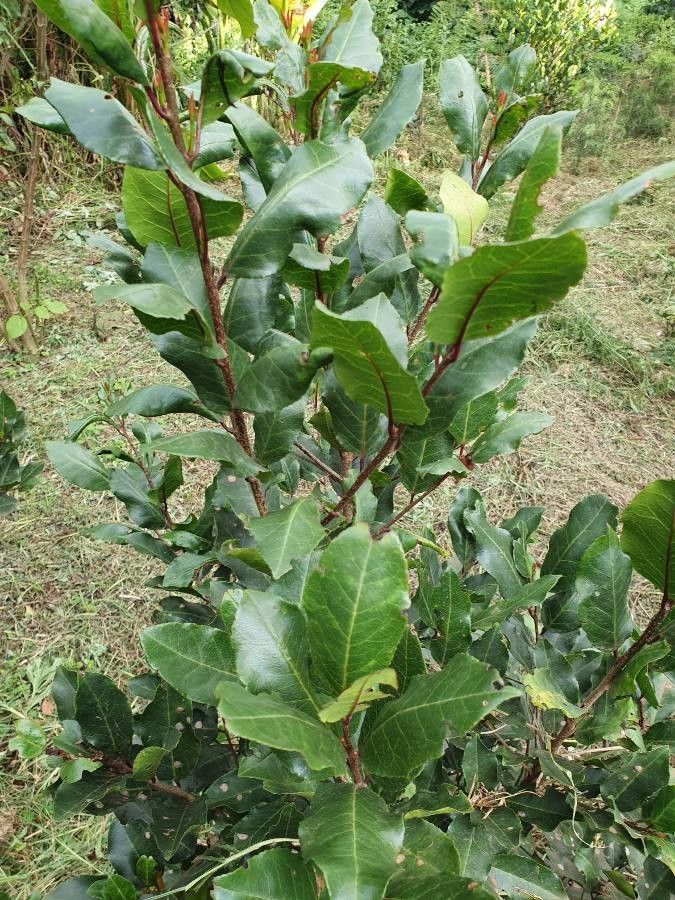
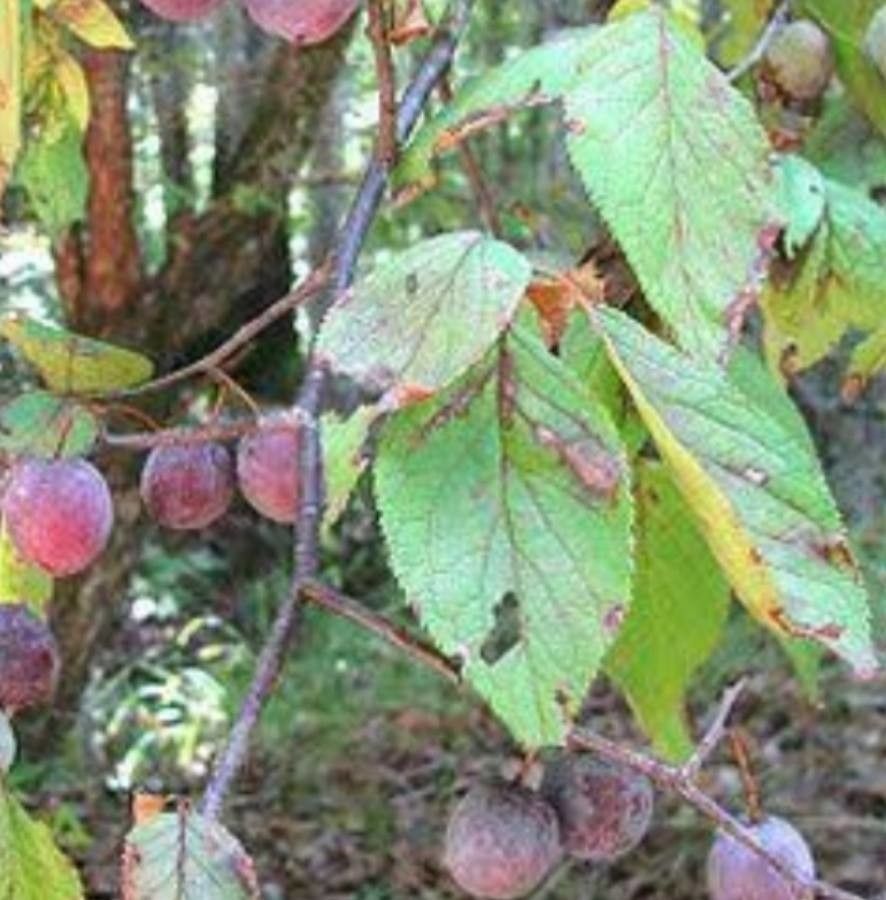
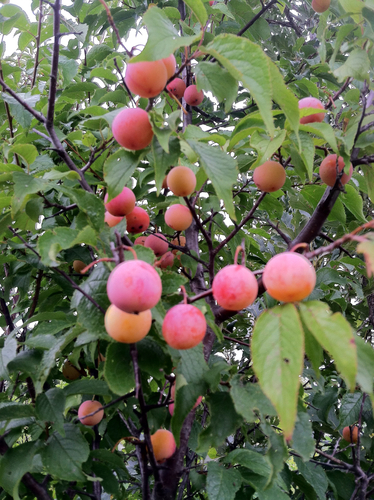
Prunus maximowiczii, known as Korean cherry, Korean mountain cherry, or Miyama cherry, is a small, fruiting cherry tree that can be found growing wild in northeastern Asia and Eurasia.
Korean cherry is resistant to disease and is generally not susceptible to illnesses. This plant is fairly low-maintenance. Planted outdoors, it needs only light watering, and larger specimens usually do not require pruning. Smaller plants, however, should be pruned after they finish blooming. Korean cherry is appropriate for anyone with outdoor space, such as a garden or deck, and does not demand extensive care experience.
How to keep Prunus Maximowiczii.
Light
Korean cherry comes from open habitats, such as sunlit meadows and forest margins, which provide abundant light. It prefers Full Sun but can also tolerate Partial Sun, adjusting well to different sunlight conditions.
Water
The Korean cherry is well-suited to varying moisture levels and has moderate drought tolerance. It is best to water it every 2-3 weeks, letting the soil dry slightly between waterings. As a deciduous plant, the Korean cherry requires less water during its dormant period in winter, allowing it to conserve energy for growth and flowering in the spring.
Temperature
Korean cherry shows strong adaptability to a variety of climate conditions, whether facing scorching summers or chilly winters. Still, it has an optimal temperature range for growth. If temperatures become excessively high, the plant is susceptible to heat and humidity stress, which can lead to its death. In areas where temperatures approach the lower limit of its cold tolerance, it is important to provide insulation to protect the plant.
Fertilizer
Timing is essential for fertilizing Korean cherry. Apply fertilizer in early spring and continue monthly until early summer. Fertilizer encourages attractive blooms and supplies energy during both dormant and active growth periods.
Pruning
The Korean cherry tree is known for its fragrant white flowers and bright red cherries. To encourage healthy growth and improve fruit yield, it's best to prune the tree in early spring. During pruning, remove any dead branches and thin out other areas to allow better light and air circulation. Light and regular pruning helps to maintain the tree's shape and overall health. However, be sure to avoid heavy pruning, as it can stress the tree.
Botanical profile.
- Plant Type
- Tree
- Life Cycle
- Perennial
- Genus
- Prunus
- Family
- Rosaceae
- Hardiness Zone
- 4-8
- Mature Height
- 7.62 m
- Mature Spread
- 4.88 m to 7.92 m
- Leaf Color
- Green, Dark Green
- Leaf Type
- Deciduous
- Flower Color
- White
- Flower Size
- 1.52 cm
- Bloom Time
- Mid spring, Late spring
- Planting Time
- Spring, Summer
- Harvest Time
- Mid summer, Late summer
- Native Area
- Russia, Japan, Koppen, South Korea, China
Other names.