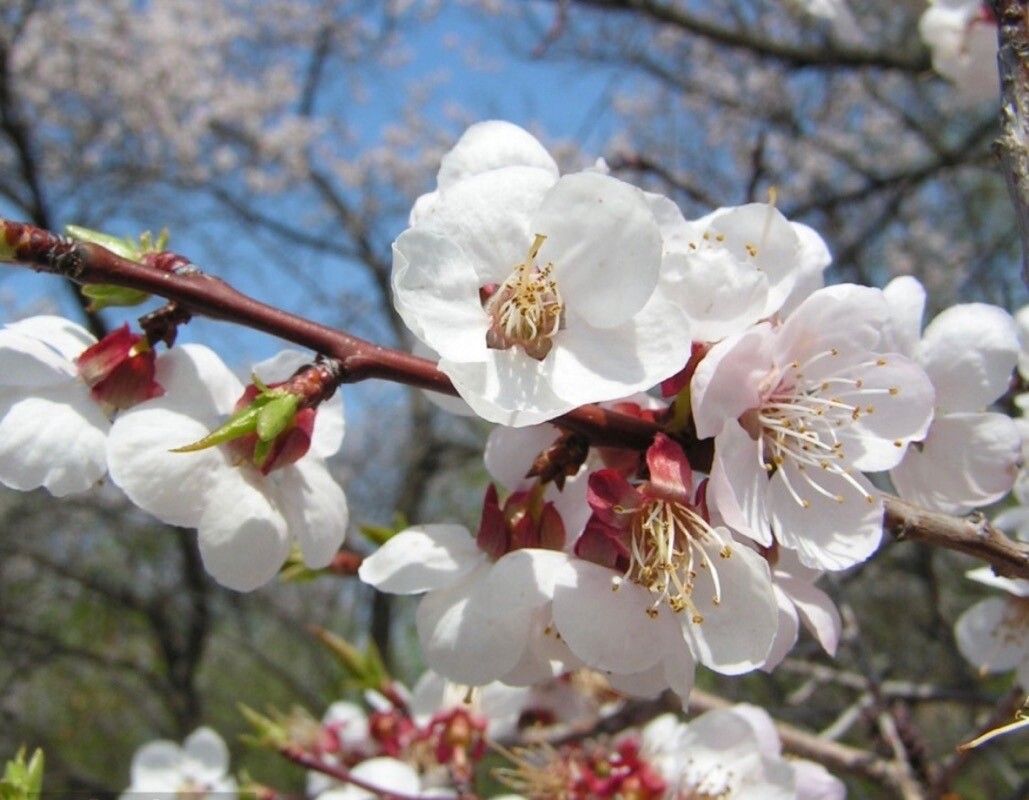
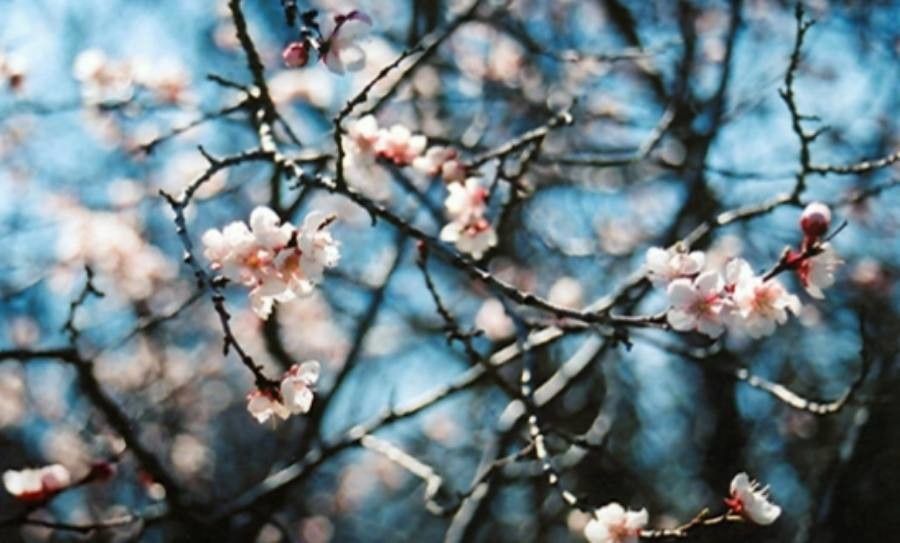
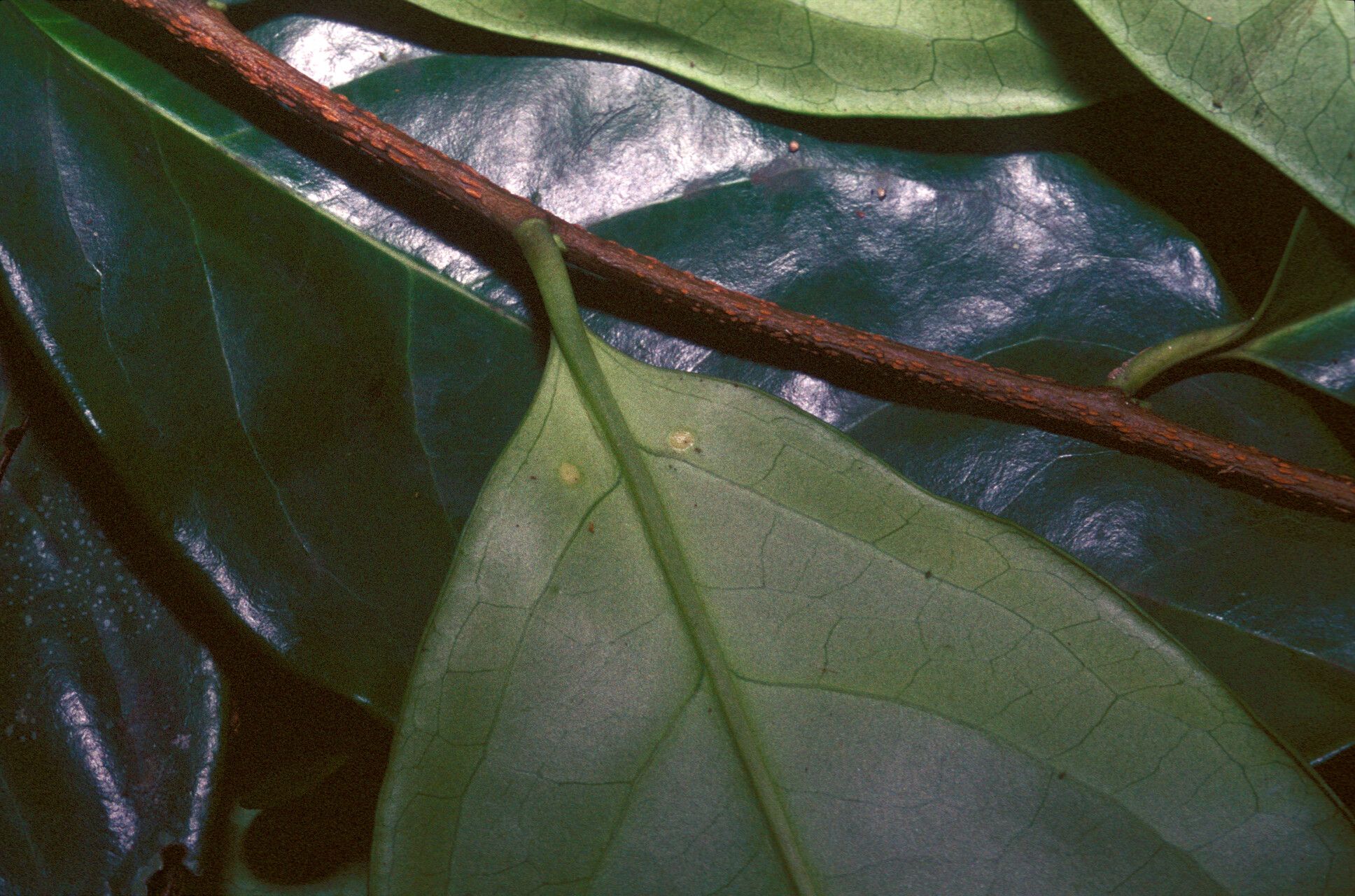
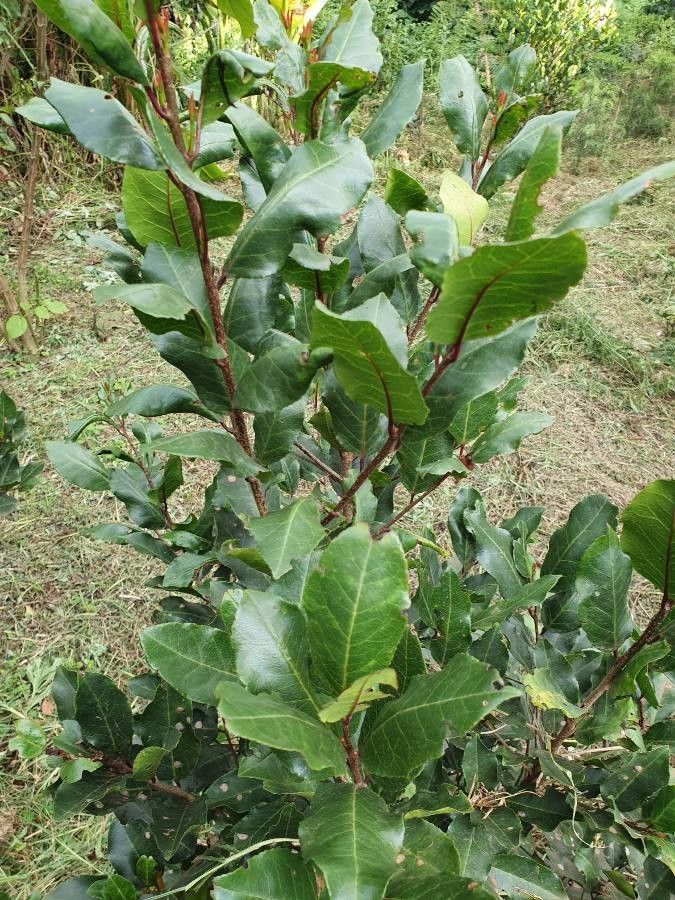
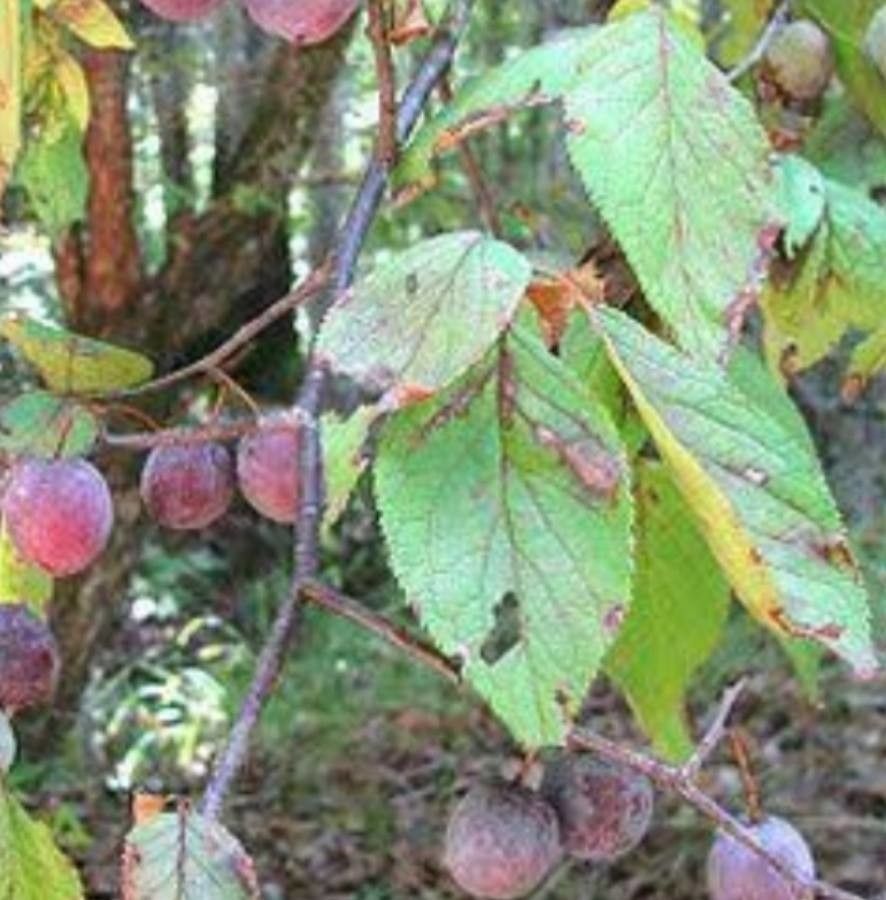
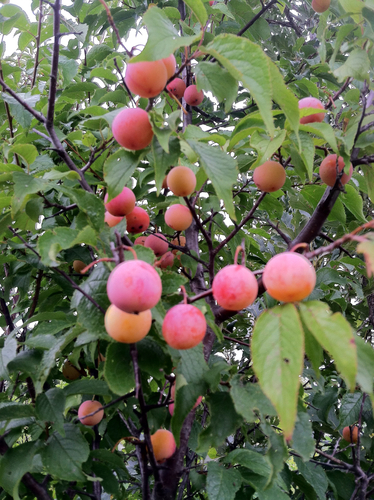
Prunus mandshurica, also called Manchurian apricot and scout apricot, is a tree in the genus Prunus. It was first described by Karl Maximovich in 1883 as a variety of the Siberian apricot (Tibetan apricot) Prunus armeniaca. It is resistant to cold and is native to northeast China, Korea, and Manchuria. It is highly susceptible to plum pox potyvirus.
The Manchurian apricot has strong disease resistance and is typically not susceptible to illnesses. In terms of care, this species is fairly low-maintenance. When grown outdoors it requires little watering, and larger specimens generally do not need pruning. Smaller plants, however, should be trimmed after they have finished blooming. The Manchurian apricot is suitable for anyone with outdoor space, such as a garden or a deck, and does not require significant gardening experience.
How to keep Prunus Mandshurica.
Light
The manchurian apricot grows best when it gets abundant light during the day, although it can endure less intense sun. In its native setting it experienced substantial light exposure, which supported healthy growth. Nevertheless, prolonged periods of too little light or of excessively strong light can interfere with proper development or lead to sunscald.
Water
The Manchurian apricot, native to Northeast Asia, is well-suited for dry conditions and becomes drought-tolerant once it is established. To mimic its natural rainfall pattern, it should be watered every two weeks. During its winter dormancy, it requires even less water, highlighting its adaptability to seasonal changes in water availability.
Temperature
The Manchurian apricot is highly adaptable to a wide range of climatic conditions, from hot summers to cold winters. Nevertheless, it has an optimal temperature range for growth. If temperatures rise too far, the plant is vulnerable to heat and humidity stress, which can lead to its death. In areas where temperatures approach the lower limit of its cold tolerance, providing insulation to protect the plant is important.
Fertilizer
The Manchurian apricot plant needs adequate nutrients to achieve optimal fruit production. Fertilize in early spring to encourage new growth and bloom development. Regular feeding helps the plant stay healthy, produce more delicious fruit, and prevents nutrient-deficiency problems like yellow leaves and poor fruit production.
Pruning
The Manchurian apricot is a hardy deciduous tree known for its fragrant flowers and edible fruit. To promote healthy growth and maximize fruit production, prune the tree in early spring. Remove any damaged or crowded branches to improve air circulation. This practice not only boosts fruit production but also reduces the risk of disease and helps maintain a strong, healthy structure for the plant.
Botanical profile.
- Plant Type
- Tree
- Life Cycle
- Perennial
- Genus
- Prunus
- Family
- Rosaceae
- Hardiness Zone
- 3-7
- Mature Height
- 4.57 m to 6.1 m
- Mature Spread
- 4.57 m to 6.1 m
- Leaf Color
- Green, Dark Green
- Leaf Type
- Deciduous
- Flower Color
- White, Pink
- Flower Size
- 2.54 cm
- Bloom Time
- Early spring, Mid spring
- Planting Time
- Spring
- Harvest Time
- Mid summer, Late summer
- Native Area
- Russia, Koppen, South Korea, China
Other names.
Reader questions.
What are the sunlight requirements for Manchurian apricot (Prunus mandshurica)?
The Manchurian apricot requires full sun, meaning it should receive above 6 hours of sunlight daily, but it can also tolerate partial sun, which amounts to about 3-6 hours of sunlight daily. It's important to observe the movement of sunlight through your garden to find the ideal location that provides the right balance of light and shade, encouraging the plant's optimal growth and ensuring its happiness.
What is the Manchurian apricot?
The Manchurian apricot, scientifically known as Prunus mandshurica, is a specific species of apricot. There is no further provided information on its characteristics, uses, or cultivation details.
What essentials should be considered for the healthy growth of Manchurian apricot?
For the Manchurian apricot to thrive, it's essential to ensure it is exposed to ample light throughout the day, as it is accustomed to significant light in its native environment. However, both lack of light and excessively intense light can negatively impact its development, leading to issues such as sunscald. In conditions where natural sunlight is insufficient, artificial lighting can play a crucial role. Indoor plants may require 30-50W/sq ft of artificial light for full sun plants, 20-30W/sq ft for partial sun, and 10-20W/sq ft for full shade. The light source should ideally be placed 12-36 inches above the plant, and the duration should mimic natural daylight as closely as possible, typically between 8-12 hours a day.
What are some common symptoms that Manchurian apricot shows due to inappropriate lighting?
When Manchurian apricot is exposed to inadequate lighting conditions, it may exhibit symptoms such as smaller new leaves, leggy or sparse growth, faster leaf drop, slower or halted growth, paler or irregularly colored new leaves, chlorosis, sunscald, leaf curling, wilting, and leaf scorching. These symptoms indicate either a deficiency or excess of light exposure, stressing the importance of maintaining an optimal lighting environment for the plant's health.
What solutions are available for Manchurian apricot plants suffering from light-related issues?
For Manchurian apricot plants facing light-related issues, solutions vary depending on their setting. Indoors, gradually adjusting the plant to a sunnier spot or utilizing artificial lighting can significantly help. Outdoors, transitioning the plant to areas with better sunlight exposure, while avoiding sudden changes to prevent sunburn, is advisable. Reducing obstructions like overhanging branches can also increase sunlight access. For plants in the ground, consider relocation during the dormant period to a sunnier spot with good drainage. Remember, while parts of the plant already affected may not recover, new growth will benefit from these changes, leading to a healthier plant overall.