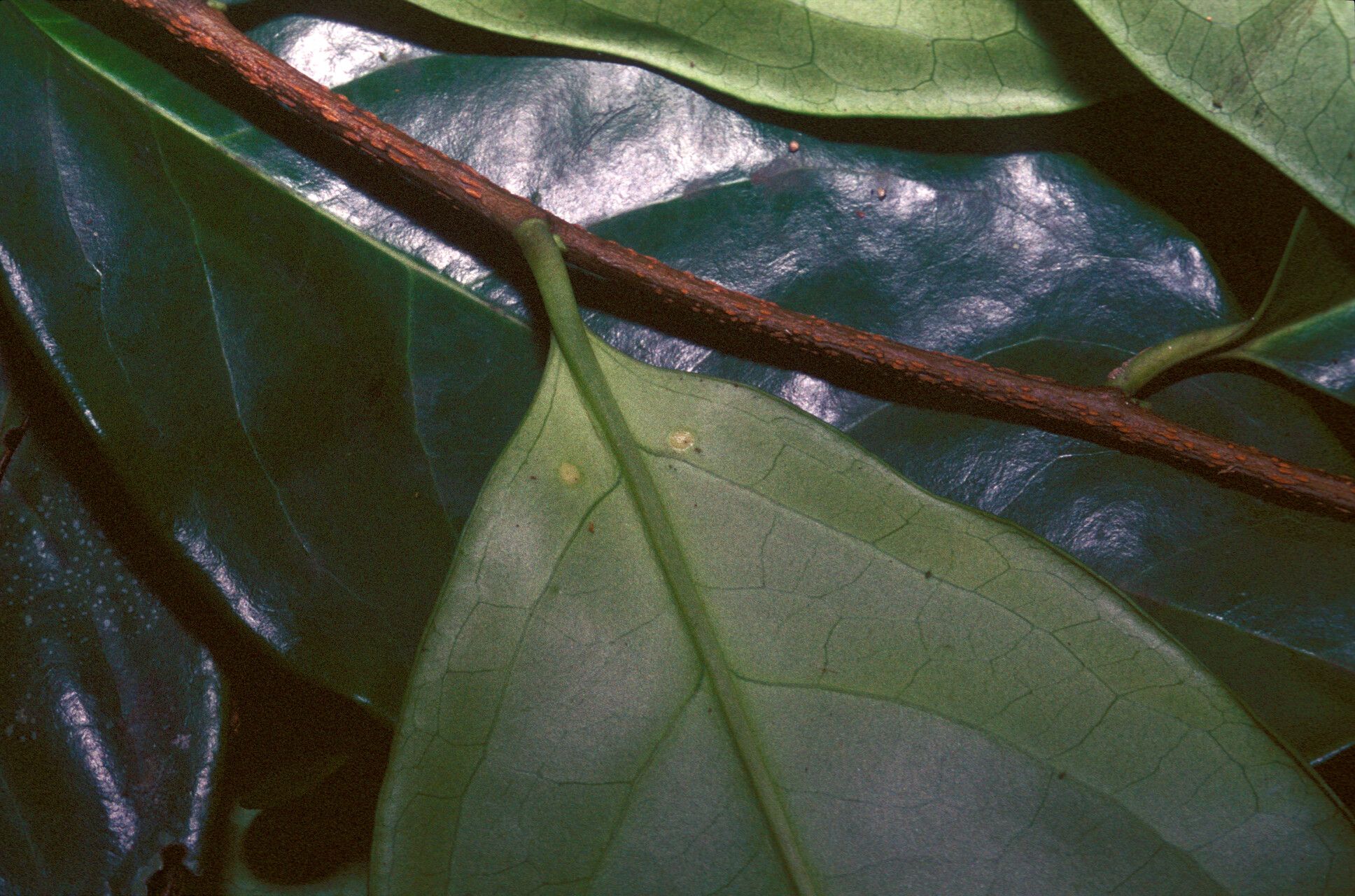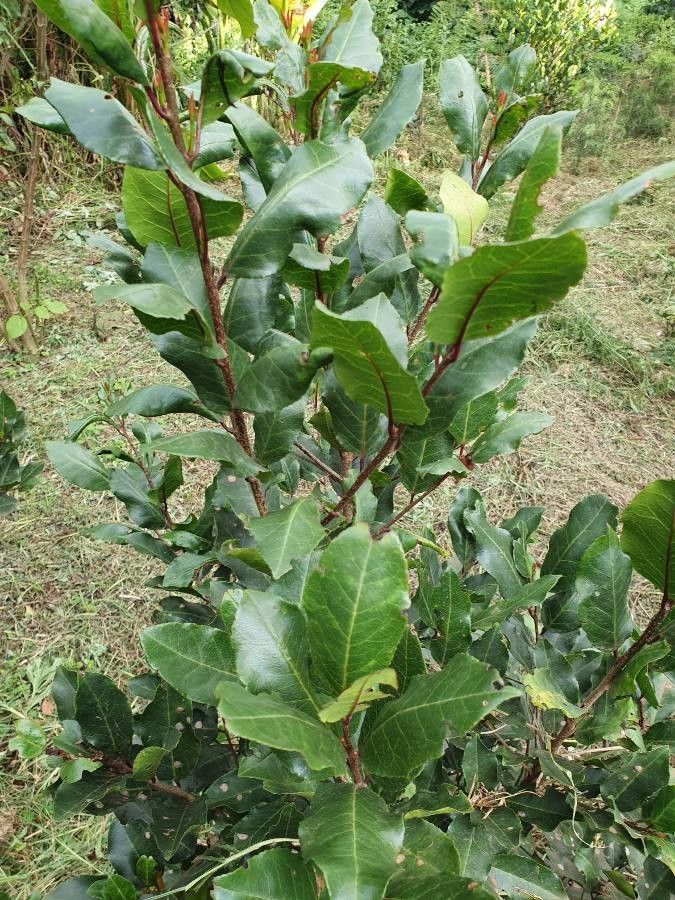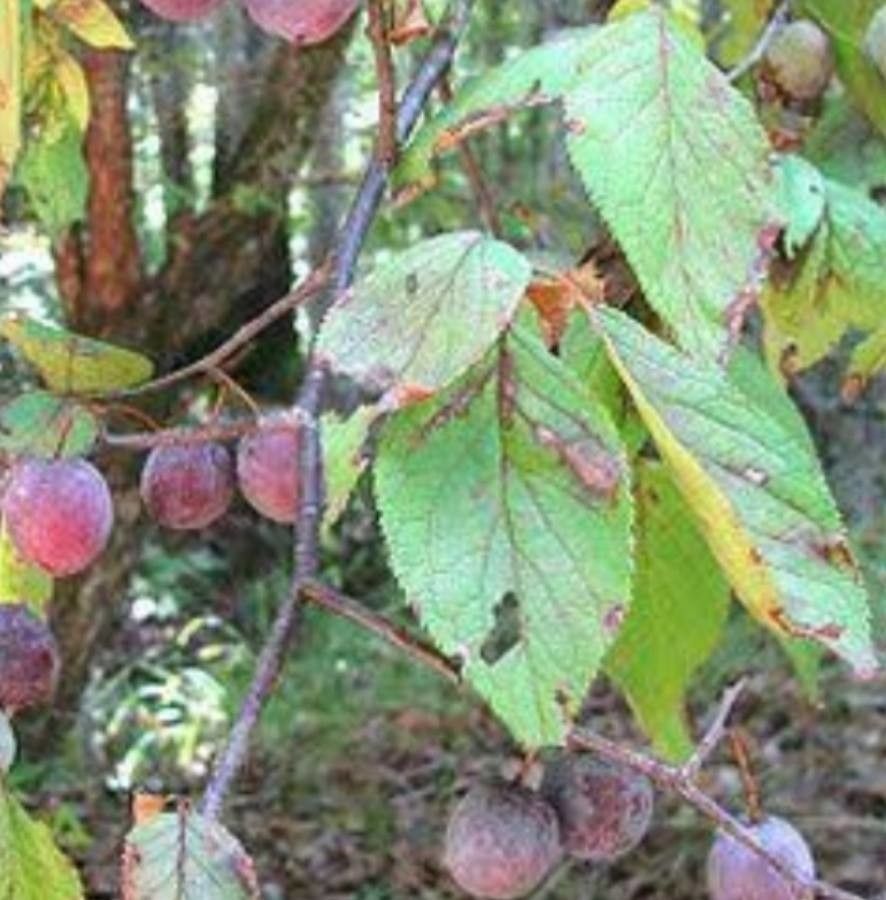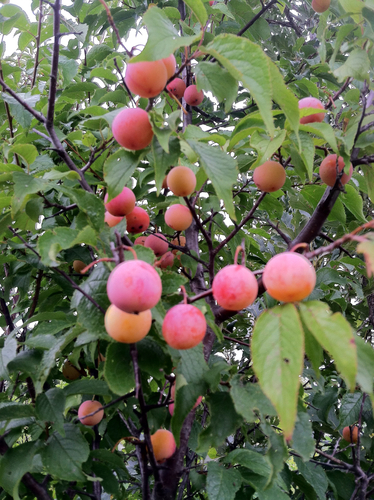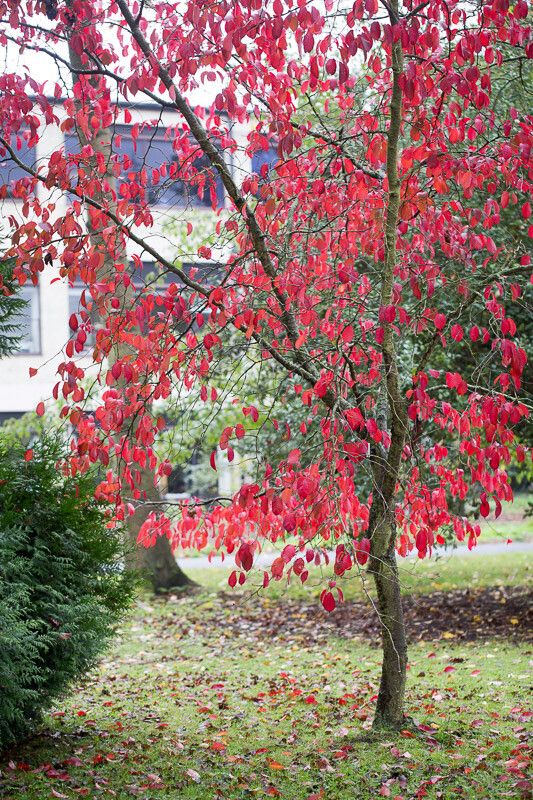
Prunus leveilleana is a native of Korea and Japan. It generally has autumnal leaves of reddish-brown or crimson red colour. It has flowers of bright yellow-white colors.
Japanese cherry shows strong resistance to disease and is typically not susceptible to illnesses. Regarding care, this plant is fairly low-maintenance. When grown outdoors, it needs little watering, and larger specimens usually do not require pruning. Smaller plants, however, should be pruned after they finish blooming. Japanese cherryt is appropriate for anyone with outdoor space, like a garden or deck, and does not demand extensive care experience.
How to keep Prunus Leveilleana.
Light
The Japanese cherry comes from open habitats, like sunlit meadows and forest edges, which offer abundant light. It does best in Full Sun but can withstand Partial Sun, adapting well to a range of sunlight conditions.
Water
Originating from temperate climates, Japanese cherry trees prefer moderately moist soil and need to be watered twice a week to maintain optimal moisture levels. Consistent watering is essential to support their lush foliage and beautiful blossoms. These trees thrive outdoors, especially when given ample water during their active growing season.
Temperature
The Japanese cherry is very adaptable to a range of climates, whether in scorching summers or chilly winters. Still, it has an optimal temperature range for growth. If temperatures become too high, the plant is susceptible to heat and humidity stress, which can cause it to die. In areas where temperatures approach the lower limit of its cold tolerance, it is important to provide insulation to protect the plant.
Fertilizer
Proper timing is important for fertilizing Japanese cherry. Apply fertilizer in early spring and repeat it monthly until early summer. The fertilizer encourages attractive blooms and supplies energy during both dormant and active growth periods.
Pruning
Pruning Japanese cherry trees in early spring improves their shape and health. Begin by removing dead or crossed branches to enhance airflow and increase light penetration. Thinning out some branches can help develop a strong structure, while light annual pruning helps manage the tree's size. Avoid heavy pruning, as it should be done sparingly. Using proper pruning techniques not only boosts flower production but also helps prevent disease.
Botanical profile.
- Plant Type
- Tree
- Life Cycle
- Perennial
- Genus
- Prunus
- Family
- Rosaceae
- Hardiness Zone
- 6
- Mature Height
- 11.28 m
- Mature Spread
- 6.1 m to 7.92 m
- Leaf Color
- Red, Purple, Brown
- Leaf Type
- Deciduous
- Flower Color
- White, Yellow
- Flower Size
- 1.02 cm to 1.52 cm
- Bloom Time
- Early spring, Mid spring
- Planting Time
- Winter
- Harvest Time
- Mid summer, Late summer, Early fall
- Native Area
- Koppen, Japan, South Korea, China
Reader questions.
What are the sunlight requirements for a Japanese cherry tree (Prunus leveilleana)?
A Japanese cherry tree (Prunus leveilleana) requires specific sunlight conditions to thrive. For it to reach its full potential, it should receive full sun, which is defined as more than 6 hours of direct sunlight daily. Alternatively, it can also grow in partial sun, receiving about 3-6 hours of sunlight a day. It's crucial to observe the movement of sunlight through your garden, choosing spots that offer an optimal balance of light and shade, ensuring the well-being of your plants.