Prunus incisa, commonly known as the Fuji cherry or flowering cherry, is a deciduous tree belonging to the Rosaceae family. Native to Japan and Korea, it is widely cultivated for its stunning pink or white flowers that bloom in early spring. This tree can reach up to 10 meters in height with a spread of about 6 meters.
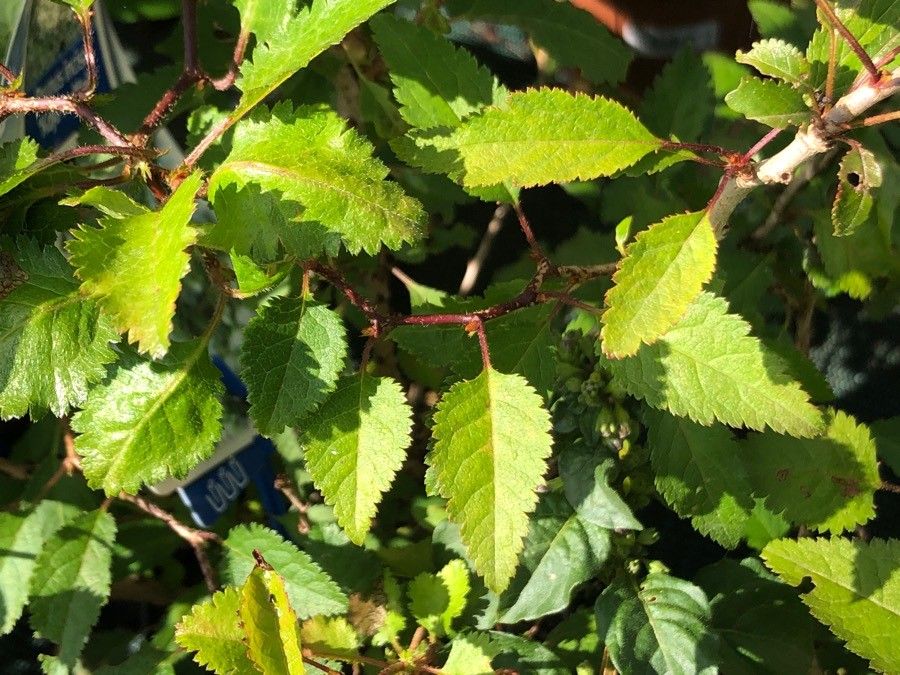
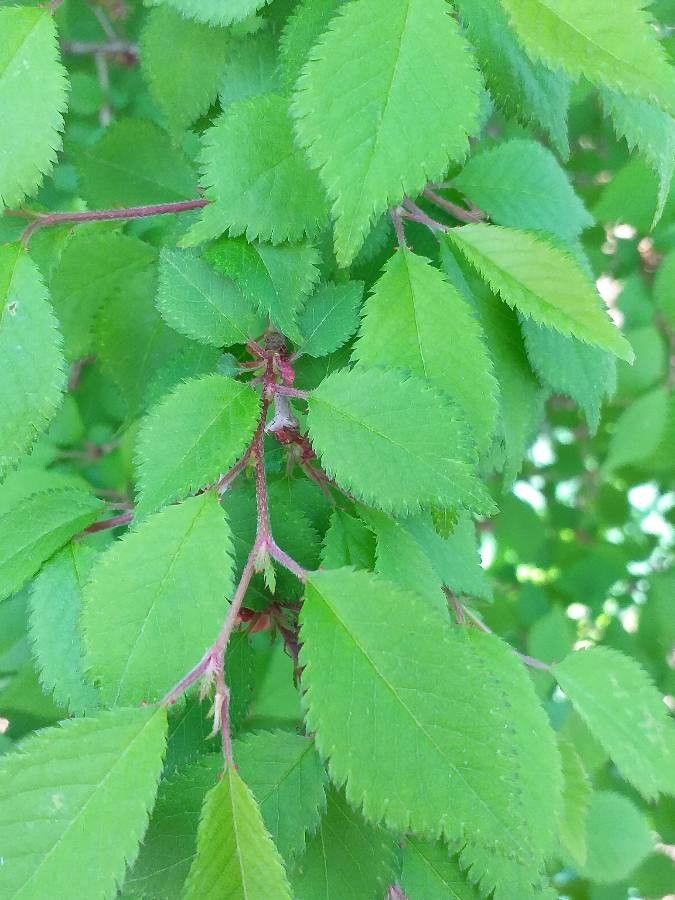
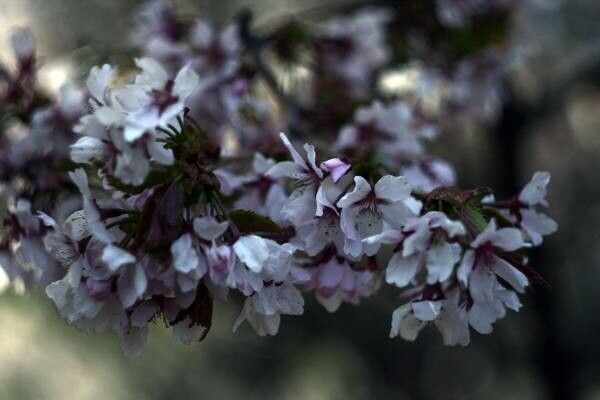
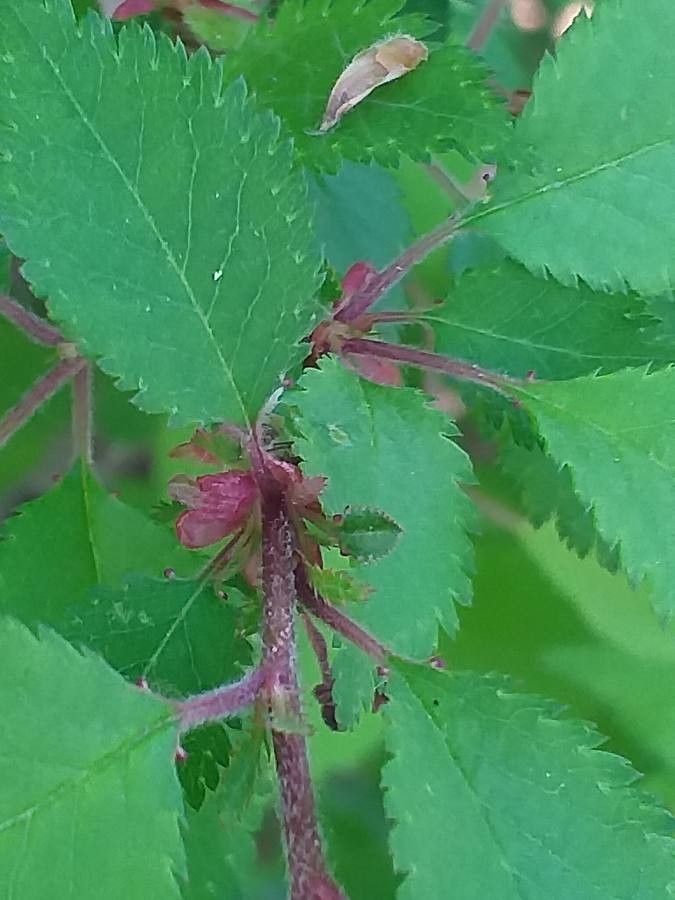
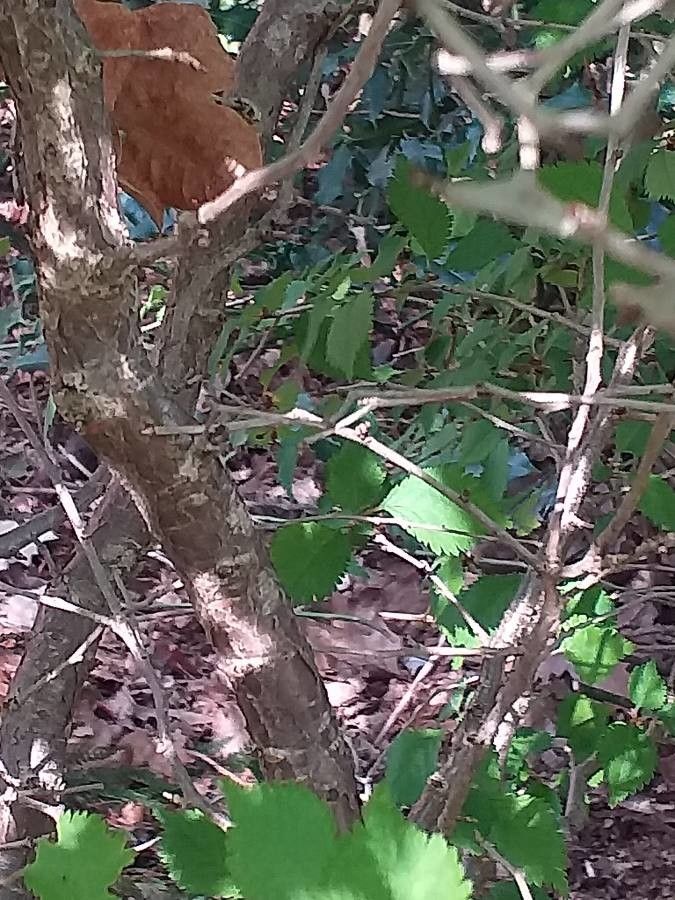
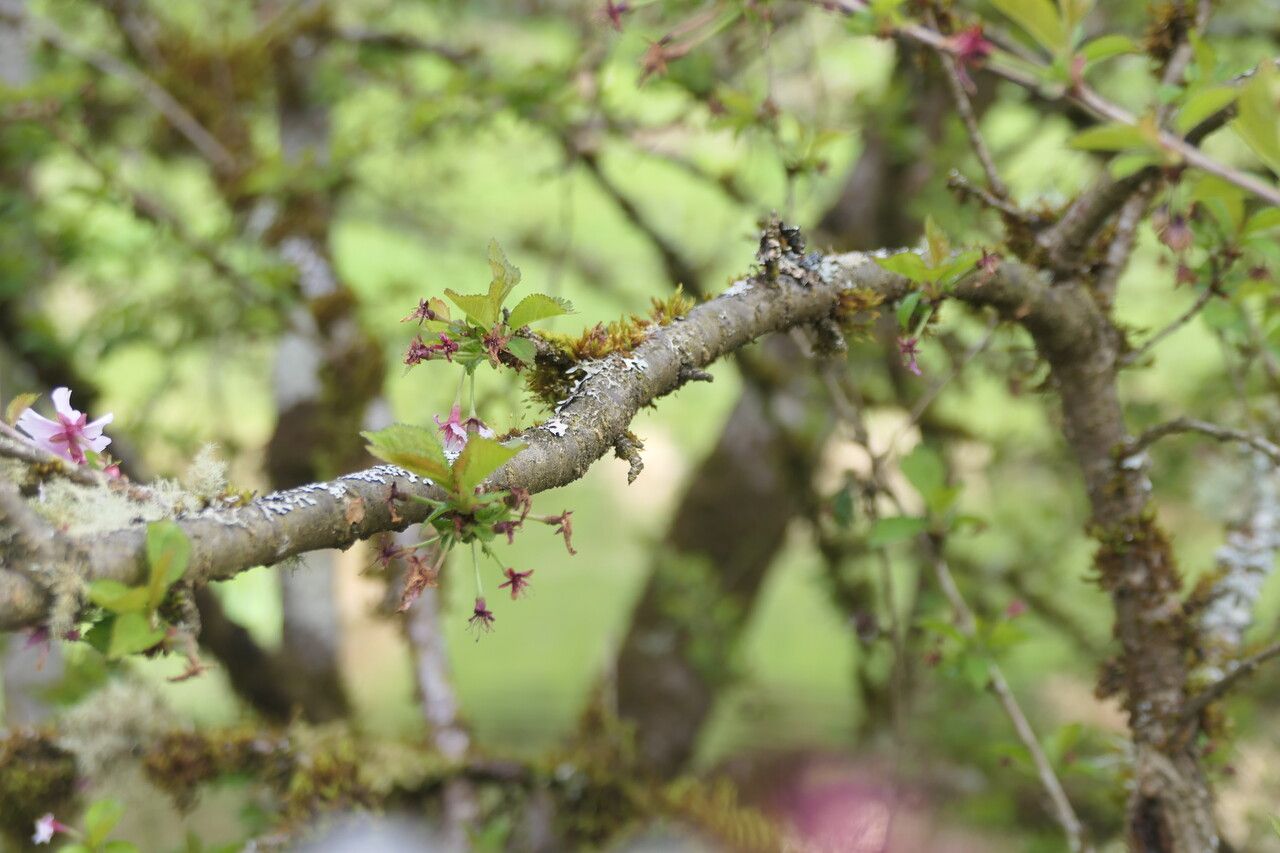
The leaves of Prunus incisa are oval-shaped with serrated edges and can grow up to 8 cm long. The flowers appear in clusters of two or three on short stalks and each flower measures around 2 cm across. They feature five petals that can be either pink or white.
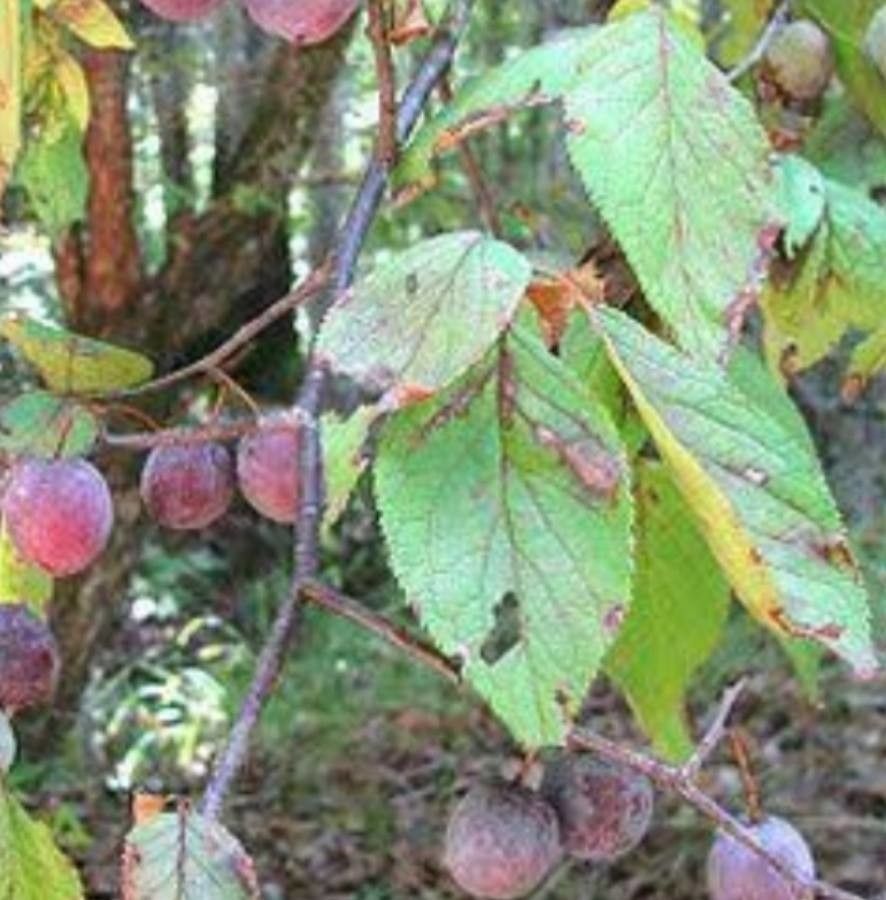
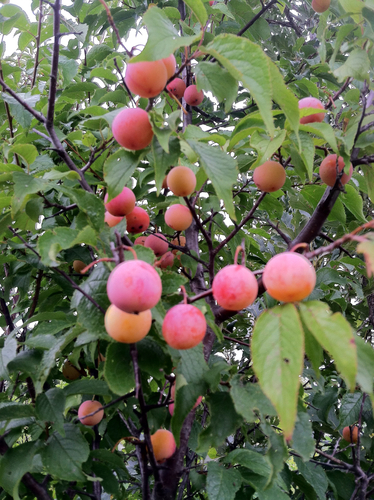
The fruit of Prunus incisa is small and red, measuring around 1 cm in diameter. It typically ripens in the summer but is not commonly eaten by humans due to its sour taste.
Prunus incisa thrives in well-drained soil and full sun but can also tolerate partial shade. It requires regular watering during the growing season, although the soil should be allowed to dry out slightly between waterings.
Overall, Prunus incisa is an excellent ornamental tree, admired for its beautiful spring blooms and attractive foliage throughout the year.
The Fuji cherry is resistant to disease and generally not susceptible to illnesses. As for care, this plant is fairly low-maintenance. Planted outdoors it needs only minimal watering, and larger specimens typically do not require pruning. Smaller plants, however, should be pruned after they finish blooming. The Fuji cherry is suitable for anyone with outdoor space, such as a garden or deck, and does not demand much experience in plant care.
How to keep Prunus Incisa.
Light
Fuji cherry comes from open habitats, like sunny meadows and forest margins, where plenty of light is available. It performs best in Full Sun but can tolerate Partial Sun, showing good adaptability to different sunlight levels.
Water
The Fuji cherry thrives in moderate humidity and can tolerate drought conditions. It typically needs watering every 1-2 weeks. As a deciduous plant, its growing season occurs during the rain-rich spring, allowing it to adapt to varying water conditions.
Temperature
Fuji cherry shows strong adaptability to a variety of climate conditions, whether in very hot summers or cold winters. However, it does have a preferred temperature range for healthy growth. When temperatures become too high, the plant is susceptible to heat and humidity stress, which can lead to its death. In areas where temperatures approach the lower limit of its cold tolerance, it is important to provide insulation to protect the plant.
Fertilizer
Timing matters when fertilizing a Fuji cherry. Apply fertilizer in early spring and continue once a month until early summer. The fertilizer promotes attractive blooms and supplies energy both during dormancy and the tree’s active growth periods.
Pruning
The Fuji cherry is known for its delicate pink blossoms and compact growth. To keep it healthy, lightly prune in early spring. This will help remove any dead wood and thin out crowded branches, promoting better air circulation and more vibrant flowering. Be sure to avoid heavy pruning, as it can cause stress to the tree. Regular, light pruning helps maintain its shape and vigor, ensuring it produces optimal blooms.
Botanical profile.
- Plant Type
- Tree
- Life Cycle
- Perennial
- Genus
- Prunus
- Family
- Rosaceae
- Hardiness Zone
- 5-7
- Mature Height
- 3.66 m
- Mature Spread
- 4.57 m
- Leaf Color
- Red, Green, Orange
- Leaf Type
- Deciduous
- Flower Color
- Pink, White
- Flower Size
- 2.03 cm to 2.54 cm
- Bloom Time
- Early spring, Mid spring
- Planting Time
- Spring, Autumn
- Harvest Time
- Early summer, Mid summer
- Native Area
- Japan
Other names.
Reader questions.
What are the sunlight requirements for Fuji cherry (Prunus incisa)?
Fuji cherry (Prunus incisa) plants thrive under specific sunlight conditions to ensure their growth and happiness. For 'Full sun,' the plant requires above 6 hours of sunlight a day, which is essential for its optimal development. There is also a 'Partial sun' requirement, where about 3-6 hours of sunlight is needed. This range suggests that while the plant does enjoy a good amount of sunlight, it can also tolerate slightly less intense conditions. It's important to observe the sunlight movement through your garden to find spots that offer an ideal balance of light and shade, catering well to the needs of your Fuji cherry plants.