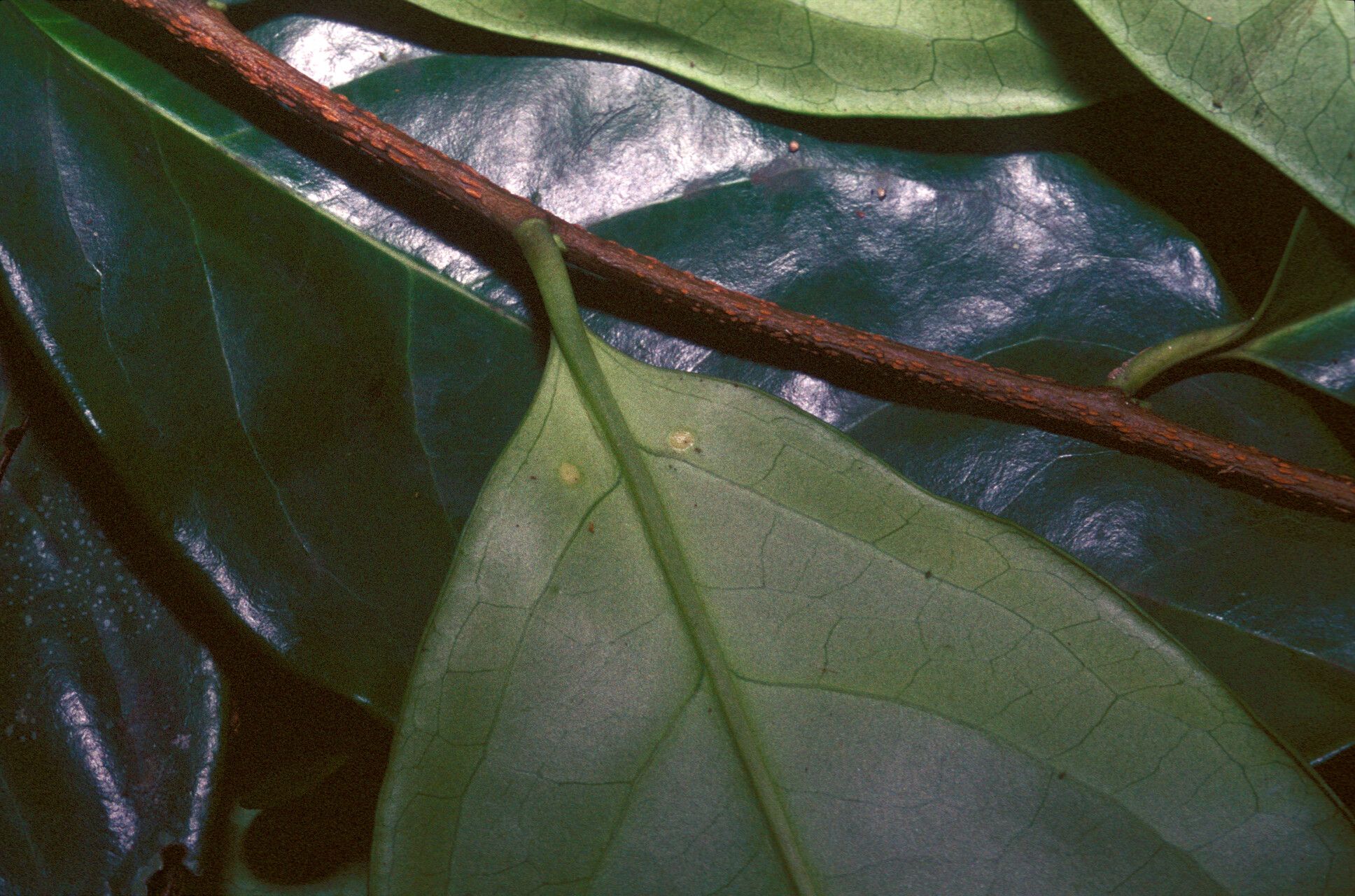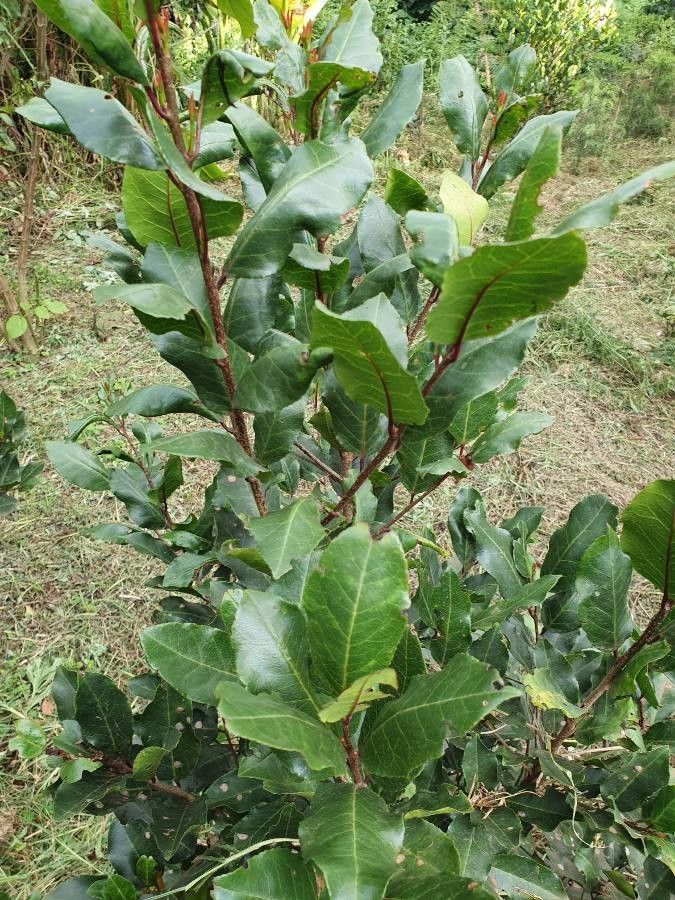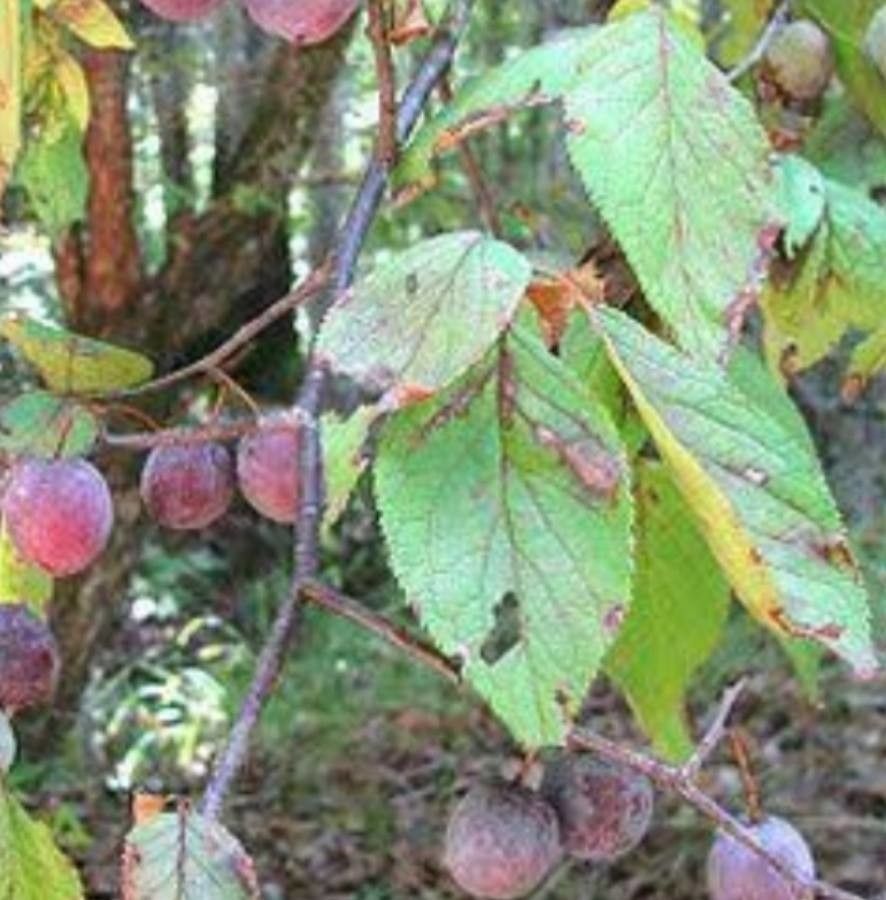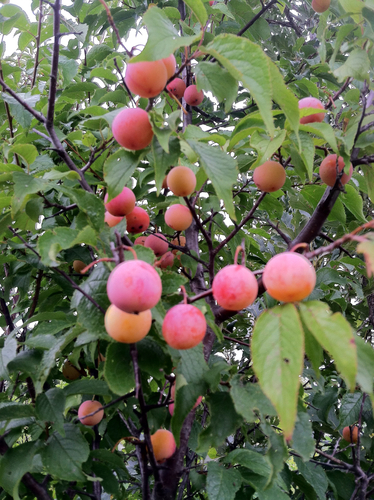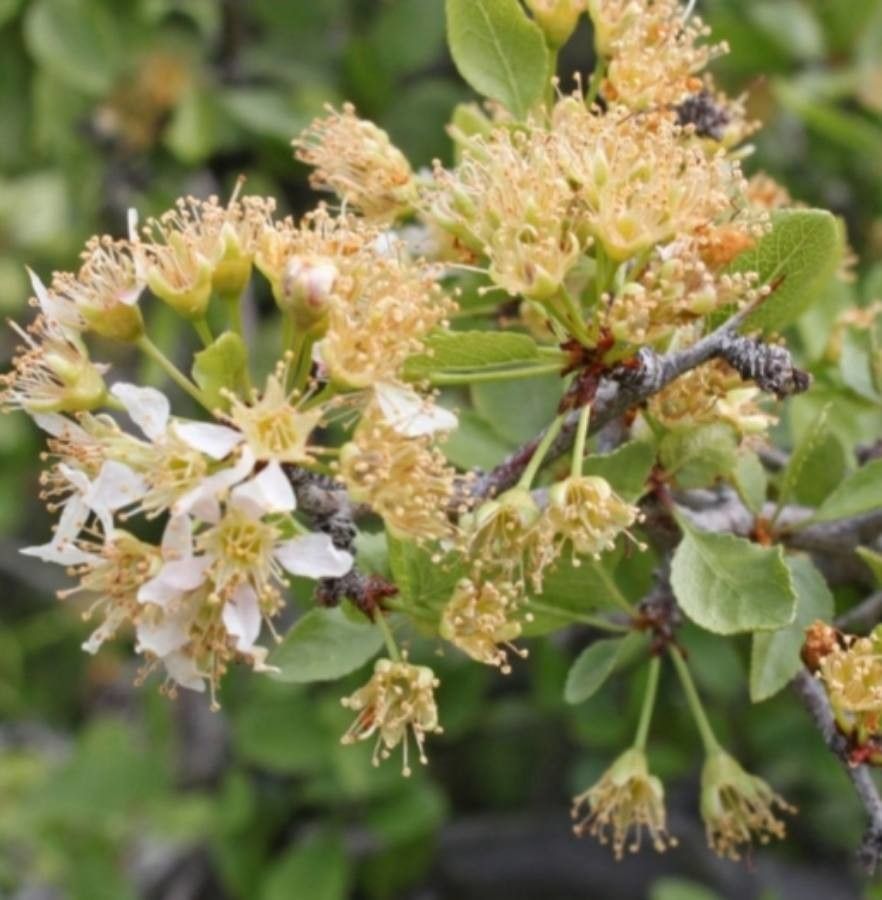
Prunus fremontii is a North American species of plants in the rose family, known by the common name desert apricot. It takes its scientific name from John C. Frémont. It is found in northern and western Baja California especially, mostly Pacific and western, and the adjacent area of southern California. It also occurs in northern Baja California Sur.
Desert apricot is disease-resistant and generally not prone to illnesses. In terms of care, the plant is fairly low-maintenance. When grown outdoors it needs only light watering, and larger specimens typically do not require pruning. Smaller plants, however, should be pruned after they have finished blooming. Desert apricot is suitable for anyone with outdoor space, such as a garden or deck, and does not require much gardening experience.
How to keep Prunus Fremontii.
Light
The desert apricot flourishes in circumstances when there's ample daily sunlight, but it can also tolerate occasional periods of light to moderate shadow. This plant's healthy growth is closely tied to the abundant presence of light, which hints at its native habitat. Inadequate sunlight may stunt the plant's growth, and too intense sunlight could inflict damage.
Water
Desert apricot is well-suited to dry environments, thriving with little moisture and demonstrating excellent drought tolerance. It only needs watering every 2-3 weeks, making it perfect for xeriscaping and low-water gardens in arid climates.
Humidity
This plant prefers dry conditions, so don't mist it. However, watering it less often can also thrive in higher humidity.
Temperature
Desert apricot thrives comfortably in temperatures ranging from 41 to 89.6°F (5 to 32℃), making it suitable for moderate climates. Its growth could be encouraged by taking advantage of its impressive ability to adapt seasonally.
Fertilizer
For the Desert apricot plant to produce fruit at its best, it is essential to provide it with enough nutrients. Administer fertilizer in the early stages of spring to encourage new growth and the development of blooms. Consistent fertilization promotes the plant's health, enhances the fruit's taste, and averts problems related to nutrient deficiencies such as the appearance of yellow leaves and subpar fruit yield.
Pruning
The desert apricot thrives in arid regions and is renowned for its resilience and fruit production. To maintain its health, it is important to prune the plant in early spring. This involves removing dead or overcrowded branches to improve air circulation and sunlight exposure. Regular pruning not only enhances the plant's vigor but also helps maintain its natural form, ultimately supporting better fruit yield and overall health.
Botanical profile.
- Plant Type
- Shrub
- Life Cycle
- Perennial
- Genus
- Prunus
- Family
- Rosaceae
- Hardiness Zone
- 5-8
- Mature Height
- 4.88 m
- Mature Spread
- 3.05 m to 4.88 m
- Leaf Color
- Dark Green, Gray
- Leaf Type
- Deciduous
- Flower Color
- White, Pink
- Flower Size
- 1.52 cm to 2.03 cm
- Bloom Time
- Early spring, Mid spring
- Planting Time
- Spring, Summer
- Harvest Time
- Early summer, Mid summer
Other names.
Reader questions.
What are the sunlight requirements for Desert Apricot (Prunus fremontii)?
Desert Apricot (Prunus fremontii) flourishes under conditions of abundant daylight, ideally thriving in full sun which is defined as receiving above 6 hours of sunlight daily. It can also tolerate partial sun, about 3-6 hours of sunlight per day. Observing the movement of sunlight through your garden is crucial for planting in spots that offer a balanced light and shade environment, pivotal for the plant's health and happiness. Although Desert Apricot can withstand occasional periods of soft or moderate shade, insufficient sunlight may impede growth, while overly intense rays could be detrimental.
What are the ideal temperature conditions for growing Desert Apricot (Prunus fremontii)?
Desert apricot thrives in moderate temperatures, adapting well to climates between 41°F (5°C) and 89.6°F (32°C). It exhibits commendable seasonal adaptations that foster its growth. The plant has strong cold resistance, meaning special frost protection measures aren't usually necessary during winter. However, if winter temperatures are expected to drop below -25°C, it is important to provide cold protection by wrapping the trunk and branches with materials such as non-woven fabric or cloth. Before the first freeze in autumn, watering the plant abundantly to ensure the soil is moist can help prevent drought and water scarcity during winter and early spring.
What are the benefits of artificial lighting for Desert Apricot?
Artificial lighting serves as an essential alternative for Desert Apricot's growth, especially when natural sunlight is inadequate, such as during winter or in less sunny indoor areas. LED lights, capable of providing specific light wavelengths, are recommended for their customizability. Full sun plants like the Desert Apricot may require 30-50W/sq ft of artificial light, with the light source placed 12-36 inches above the plant to mimic natural sunlight. Ensuring the plant receives 8-12 hours of light per day can promote healthier, faster growth when outdoor conditions are not ideal.
How does Desert Apricot (Prunus fremontii) respond to low temperatures?
Desert apricot is notably cold-tolerant, thriving best when temperatures remain above 5°C. To ensure its health during winter, it's crucial to keep it above -20°C. When temperatures plummet below -25°C, you may not observe immediate changes, but during springtime, the branches can become brittle and dry, with no new shoots emerging. In response to such damage, it is advisable to prune away any dead branches that failed to produce new leaves in spring.
What are the signs of insufficient or excessive sunlight exposure in Desert Apricot?
Desert Apricot may show signs of stress either from too little or too much sunlight. Insufficient light can lead to symptoms like smaller new leaves, leggy or sparse growth, faster leaf drop, slower or no new growth, and lighter-colored new leaves or chlorosis, indicating a lack of essential nutrients and chlorophyll. Excessive sunlight might cause chlorosis, sunscald, leaf curling, wilting, and leaf scorching, which manifest as damage or discoloration on leaves and stems, affecting the plant's ability to perform photosynthesis effectively.
How does Desert Apricot (Prunus fremontii) respond to high temperatures?
During the summer months, it is essential to keep the Desert apricot below 32°C. Exposing the plant to temperatures exceeding 35°C can result in lighter colored leaves, with the tips becoming dry and withered, increasing the plant's susceptibility to sunburn. To mitigate damage, trim away the sunburned and dried-up parts. Moving the plant to a location that provides shade during the midday and afternoon sun, or using a shade cloth, can offer protection. Additionally, watering the plant in the morning and evening helps keep the soil moist and supports the plant's health under high temperatures.
How can I address sunlight exposure issues for my Desert Apricot plant?
To optimize Desert Apricot's growth regarding sunlight exposure, you can gradually move plants to sunnier locations, ensuring they receive at least 6 hours of direct sunlight daily. For indoor plants, consider using a south-facing window or artificial light sources like desk or ceiling lamps for at least 8 hours daily, or invest in grow lights for sufficient exposure. Outdoor plants should be moved gradually to prevent sunburn. Pruning and transplanting may help outdoor and ground-planted Apricots by reducing obstructions and choosing locations with better sunlight and drainage, respectively. It's important to note that parts of the plant damaged by poor light may not recover, but new growth should be healthy with improved conditions.