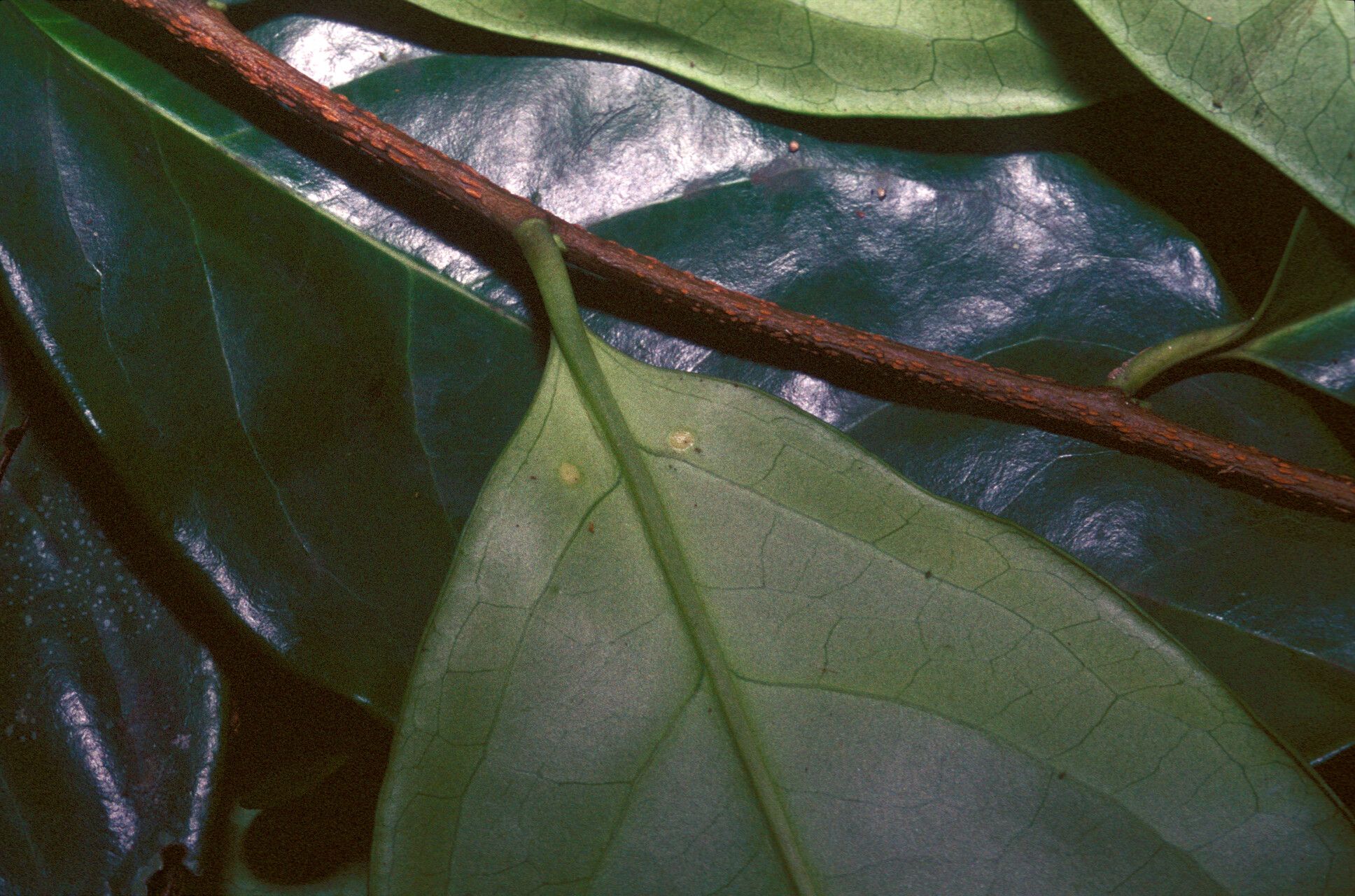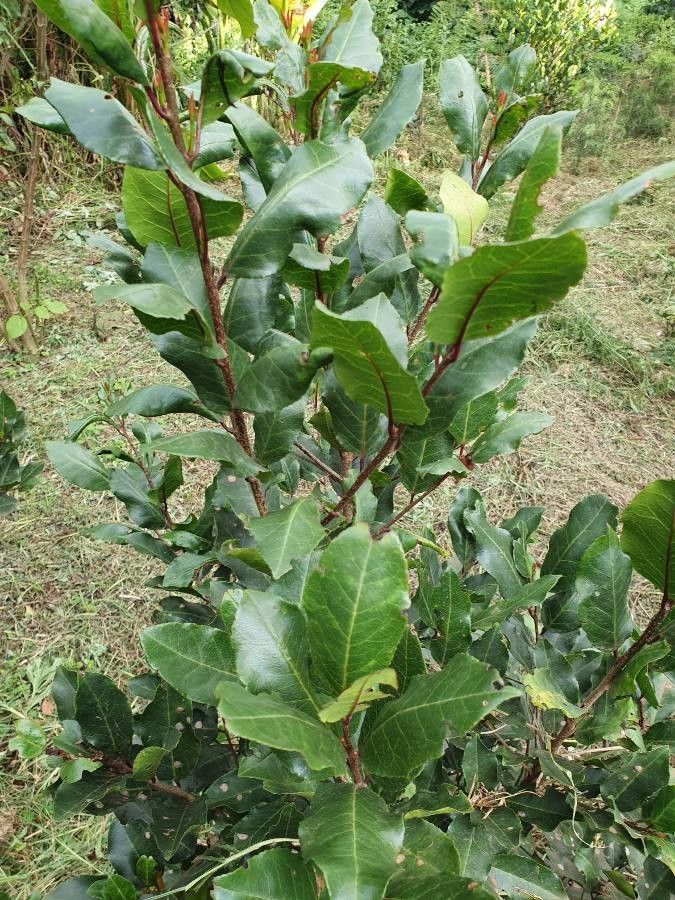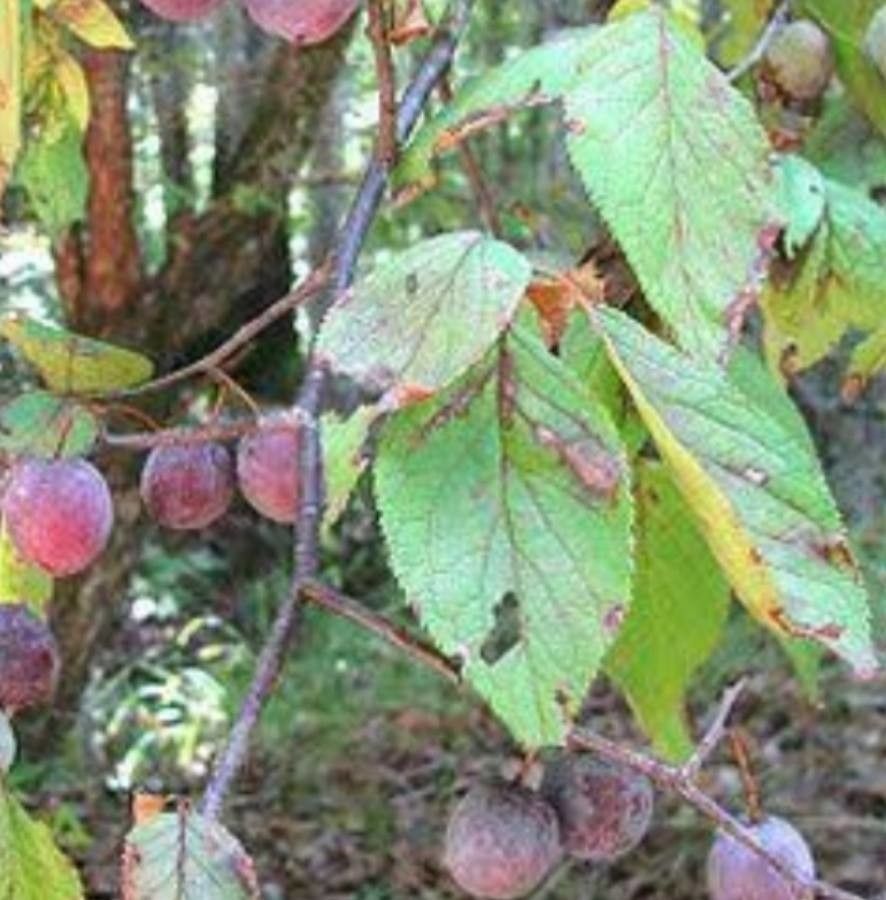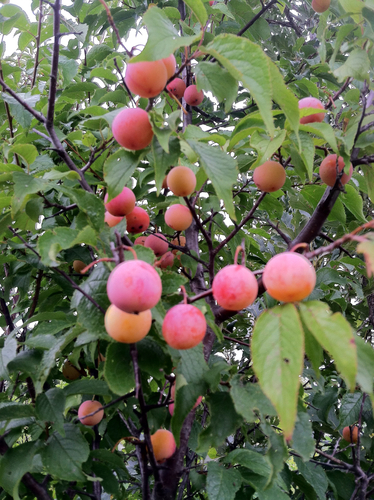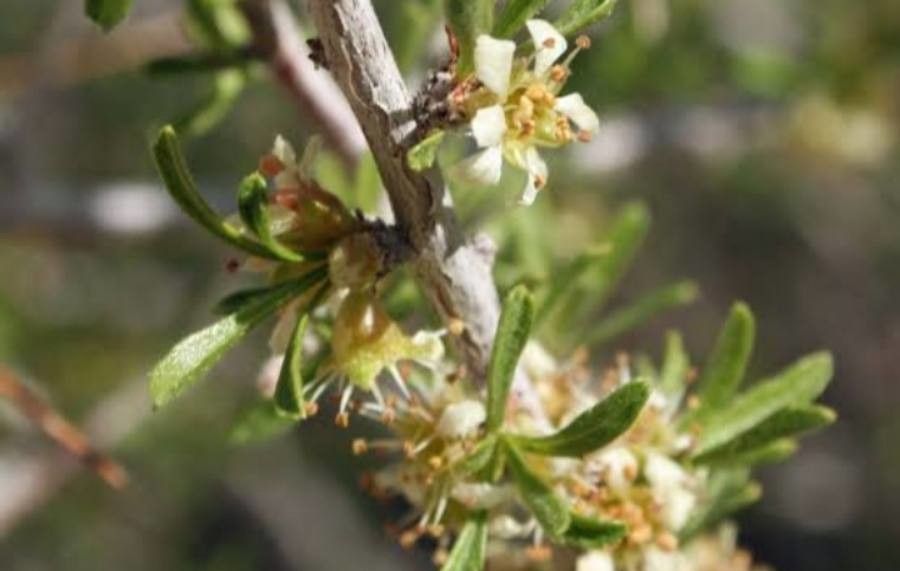
Prunus fasciculata, also known as wild almond, desert almond, or desert peach is a spiny and woody shrub producing wild almonds, which is native to western deserts of North America.
Desert peach is highly resistant to disease and is generally not susceptible to illnesses. Regarding care, this plant is fairly low-maintenance. When grown outdoors it needs little watering, and larger specimens usually do not require pruning. Smaller plants, however, should be pruned after they finish blooming. Desert peach is suitable for anyone with an outdoor area, such as a garden or deck, and does not demand extensive care experience.
How to keep Prunus Fasciculata.
Light
The desert peach thrives in areas with the most abundant sunlight, similar to the sun-drenched environments of its native range. Sunlight is crucial for its health and promotes growth. Nonetheless, it can also grow in places with some shade. Both too much sun and too little light can hinder the plant's development.
Water
Desert peach is well-adapted to arid environments and displays a high tolerance for drought. It can thrive with minimal moisture, making efficient use of limited water resources. By watering it every 2-3 weeks, it can endure the extended dry periods typical of desert climates.
Humidity
This plant prefers dry conditions, so don't mist it. However, watering it less often can also thrive in higher humidity.
Temperature
The desert peach originates from arid regions and is adapted to temperatures of 50 to 95 °F (10 to 35 ℃). It prefers warm conditions and may need measures, such as a plant cover, during extreme winter cold.
Fertilizer
Fertilize your Desert peach in early spring to encourage healthy development. Regular feeding boosts its overall health, producing vigorous growth, increased tolerance of harsh conditions, and better resistance to pests and diseases. Stick to a defined fertilization schedule for your Desert peach to maintain lush, richly colored foliage and a full appearance.
Pruning
The desert peach features slender branches and small leaves, making it well-suited for dry climates. To encourage healthier growth and flowering, prune the plant in early spring. Focus on removing dead wood, thinning out branches, and shaping the plant to improve air circulation. These steps help maintain the plant's size and appearance. For more detailed pruning techniques, refer to horticultural guides.
Botanical profile.
- Plant Type
- Shrub
- Life Cycle
- Perennial
- Genus
- Prunus
- Family
- Rosaceae
- Hardiness Zone
- 6-9
- Mature Height
- 2.13 m to 3.05 m
- Mature Spread
- 0.91 m to 2.13 m
- Leaf Color
- Gray, Green
- Leaf Type
- Deciduous
- Flower Color
- White
- Flower Size
- 0.76 cm
- Bloom Time
- Early spring, Mid spring
- Planting Time
- Spring
- Harvest Time
- Early summer, Mid summer
Other names.
Reader questions.
What are the sunlight requirements for Desert Peach?
Desert Peach requires full sun for optimal growth, meaning it needs more than 6 hours of sunlight daily. It can also tolerate partial sun, which is about 3-6 hours of sunlight. Observing how sunlight moves through your garden is vital for locating spots that offer the ideal balance of light and shade, ensuring the plants thrive.
What is the native environment of the Desert Peach?
The Desert Peach, or Prunus fasciculata, is native to arid environments. It is well adapted to temperatures ranging from 50 to 95 °F (10 to 35 °C), thriving in warm conditions. Despite its strong cold resistance, the Desert Peach may need extra care like a plant cover in regions with extreme winter temperatures.
How essential is sunlight for Desert Peach's growth?
Sunlight is crucial for the Desert Peach, mirroring the sun-drenched habitats of its origin. The plant flourishes best with abundant sun exposure, which is vital for its vitality and growth. While it can also grow in shaded areas, both overexposure and insufficient sunlight can adversely affect the plant's development. For indoor plants lacking natural light, especially in winter or less sunny spaces, artificial lighting provides an effective alternative. This includes choosing the right type of light, like LED, determining the appropriate distance and duration of exposure to mimic natural sunlight conditions.
How should the Desert Peach be cared for in winter?
Desert Peach has a strong resistance to cold and usually does not require special frost protection measures. However, if winter temperatures are expected to drop below -25°C, it's important to protect the plant by wrapping its trunk and branches with non-woven fabric or cloth. Additionally, watering the plant abundantly before the first freeze helps keep the soil moist, which is crucial for preventing drought and water shortage during winter and early spring.
What symptoms indicate Desert Peach is getting too much or too little sunlight?
Desert Peach may show several symptoms when the light conditions are not optimal. Too little light can lead to smaller new leaves, leggy or sparse growth, faster leaf drop, slower or halted growth, and lighter-colored new leaves. Excessive sunlight can cause chlorosis, sunscald, leaf curling, wilting, and leaf scorching. These symptoms reflect the plant's struggle with either too much or too little sunlight, impacting its health and growth.
What should be done if the Desert Peach experiences temperatures below -25°C?
If the Desert Peach is exposed to temperatures below -25°C, you may not notice immediate changes during the winter. However, come spring, its branches may become brittle and dry, and it might not produce new shoots. The solution is to prune away any dead branches that fail to produce new leaves.
What solutions can be applied to correct sunlight issues for Desert Peach?
Correcting sunlight issues for Desert Peach involves adjusting the plant's exposure to light. Indoors, gradually move the plant to receive at least 6 hours of direct sunlight daily, using a south-facing window and keeping curtains open. If the plant is large or not easily movable, supplement with artificial light for at least 8 hours daily. Outdoors, gradually adapt the plant to sunnier locations to avoid sunburn. Reducing obstructions like tree branches and, for smaller plants, considering transplantation during the dormant period to a sunnier spot with good drainage can also help. It's important to note that parts of the plant damaged by insufficient light may not recover, but new growth should be healthy after adjusting light exposure.
How does high temperature affect the Desert Peach and what can be done?
During the summer, it's crucial to ensure the Desert Peach is not exposed to temperatures above 35°C. Exceeding 38°C can cause the leaves to lighten in color, tips to dry and wither, and increase susceptibility to sunburn. To address this, trim away sunburned and dried-up parts, relocate the plant to a shadier location, or use shade cloth to protect it from the midday and afternoon sun. Additionally, watering the plant in the morning and evening helps keep the soil moist and the plant healthy.