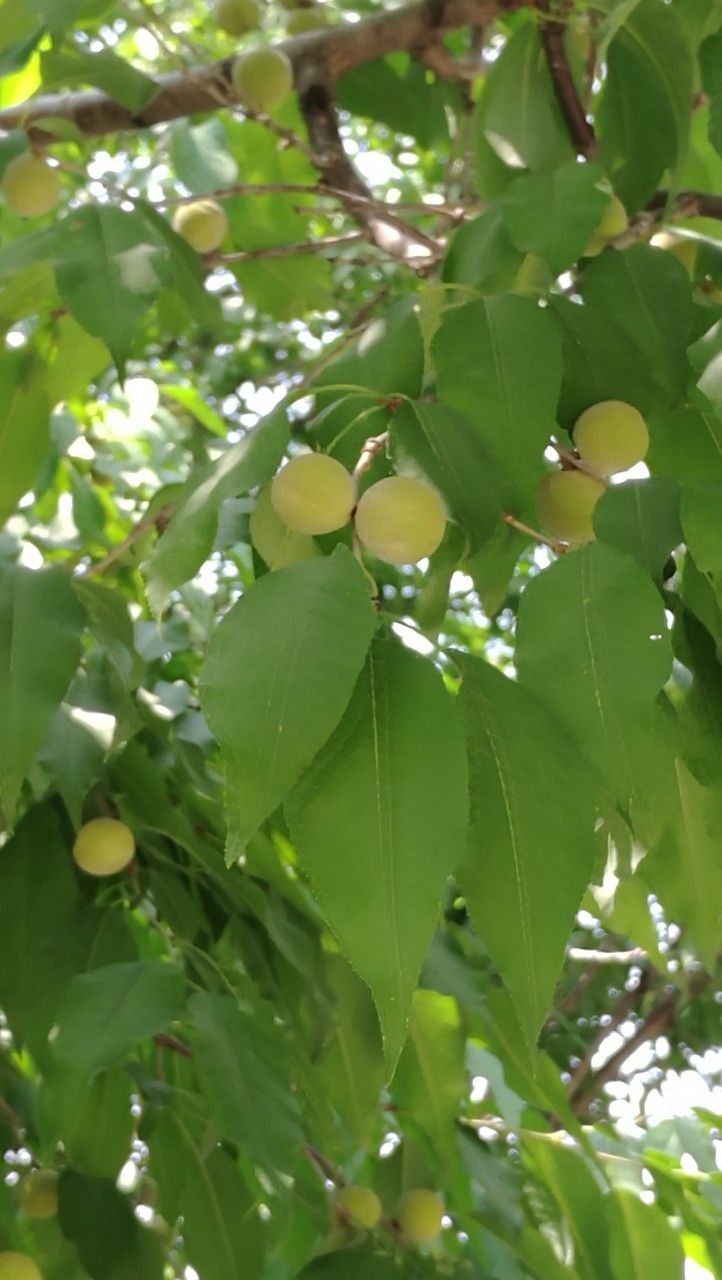
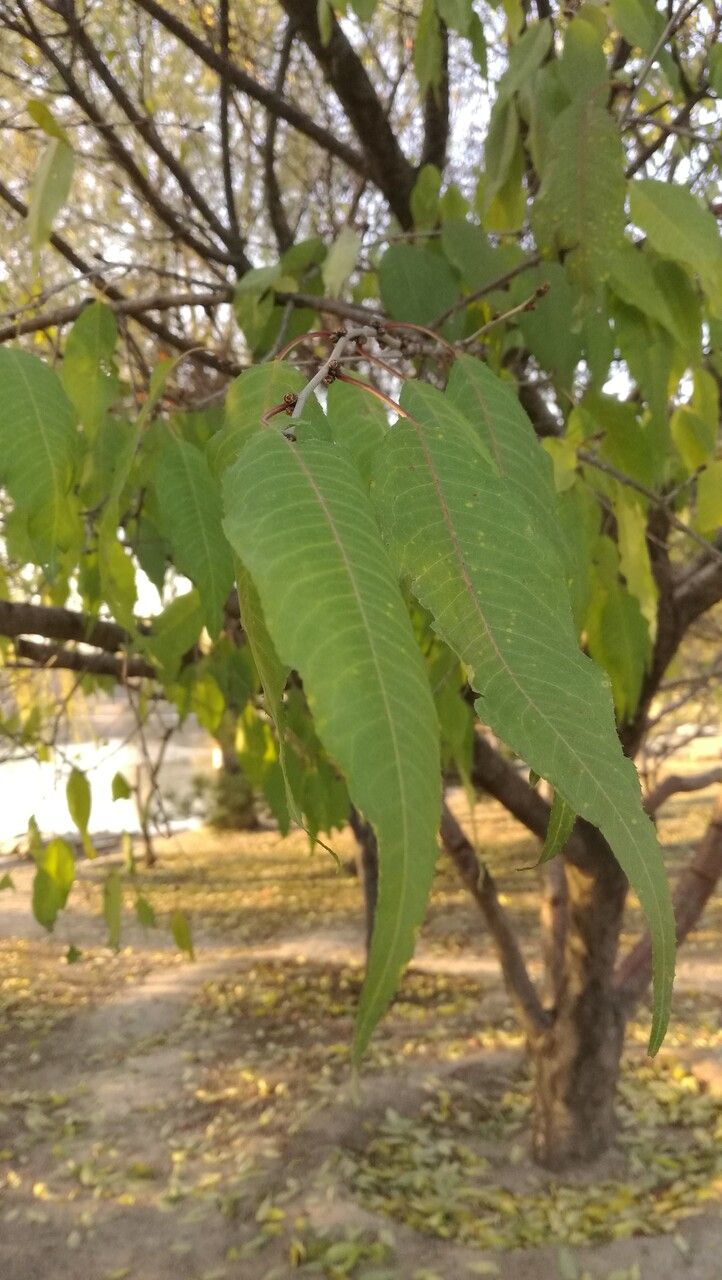
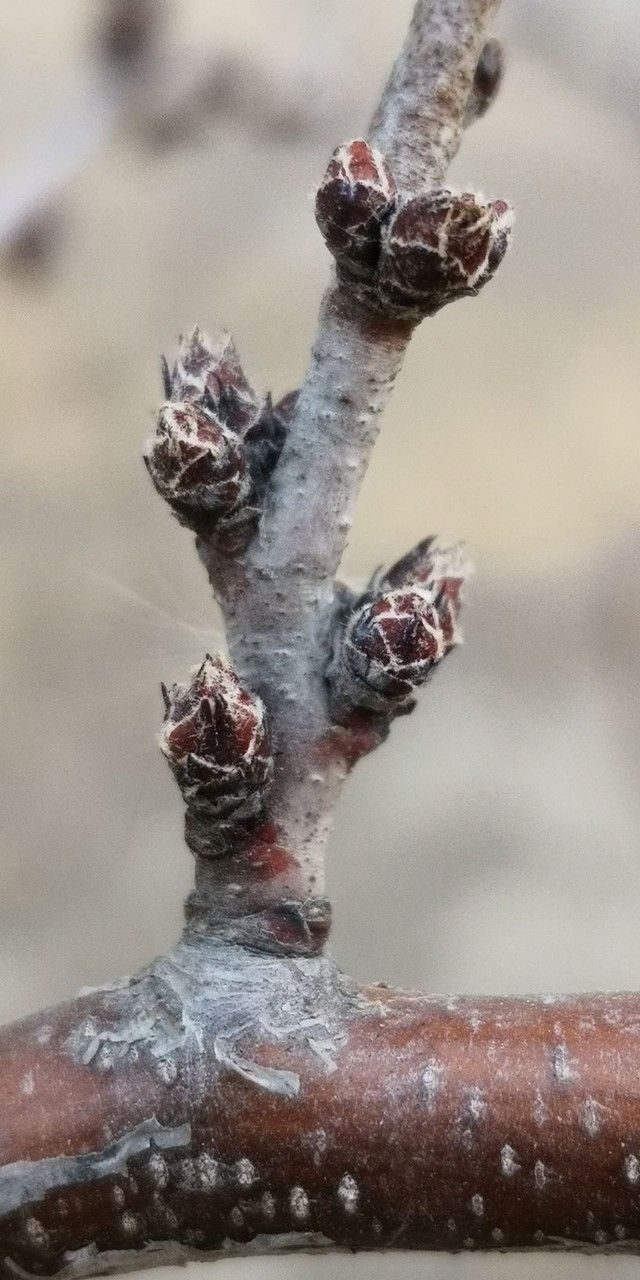
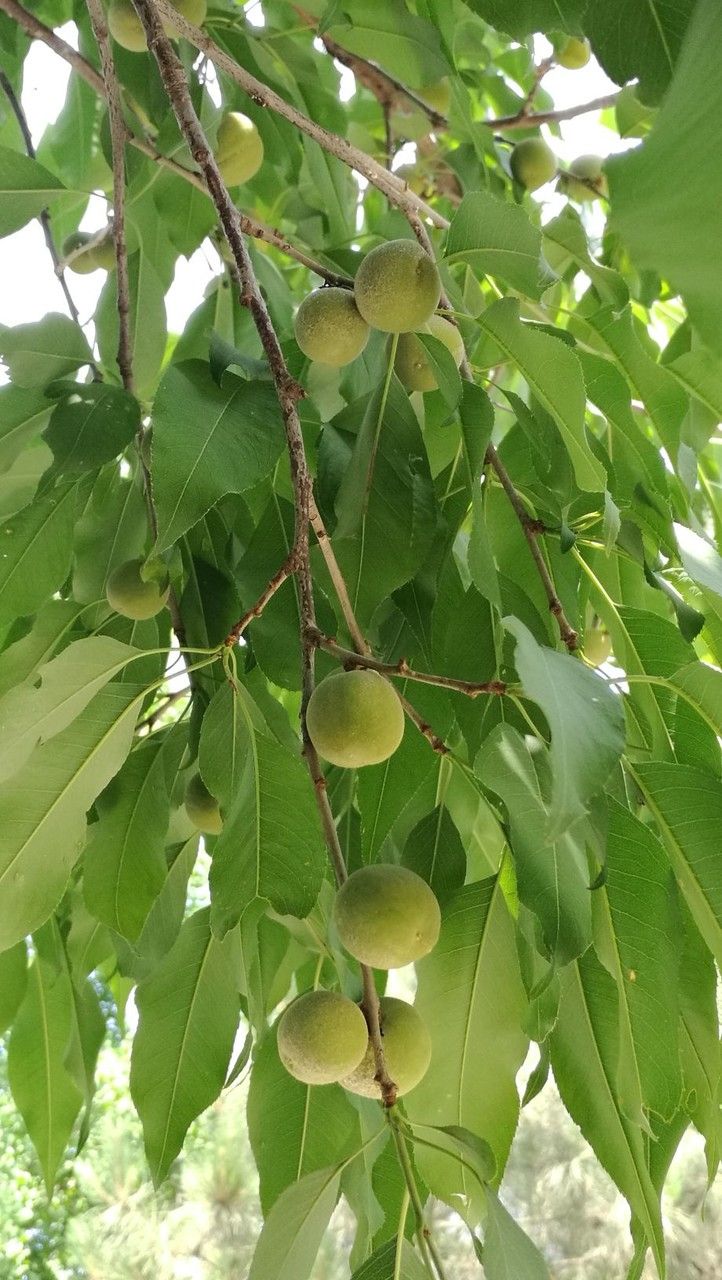
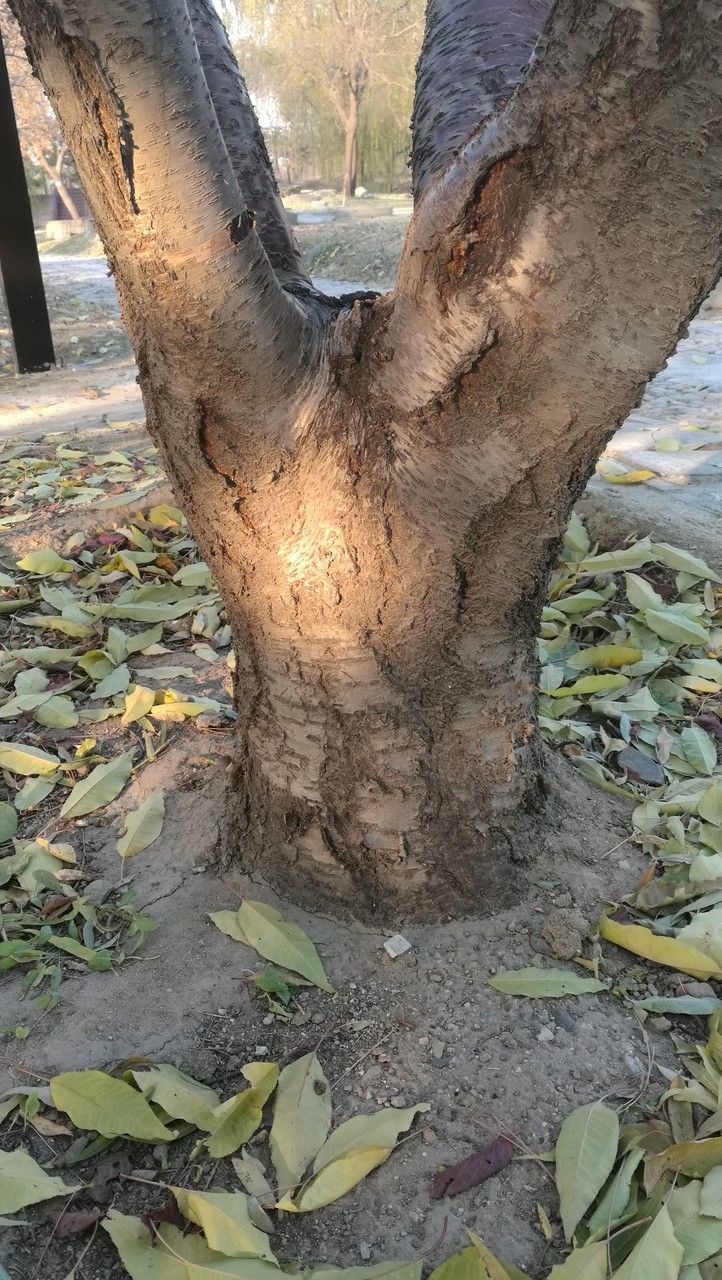
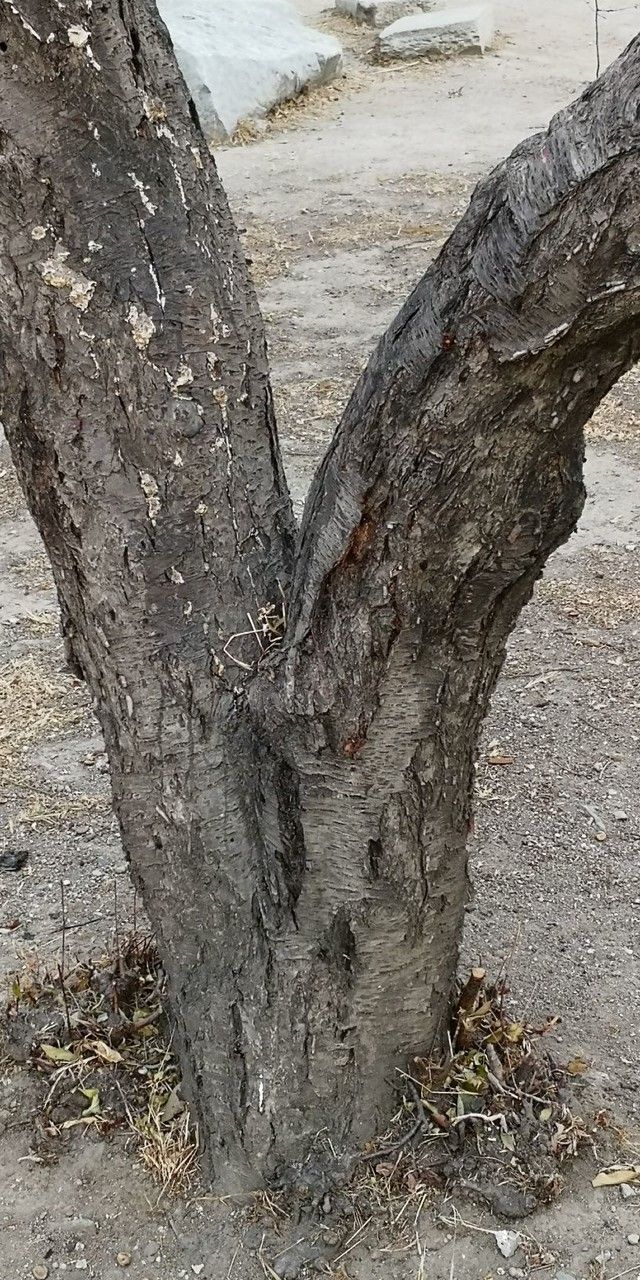
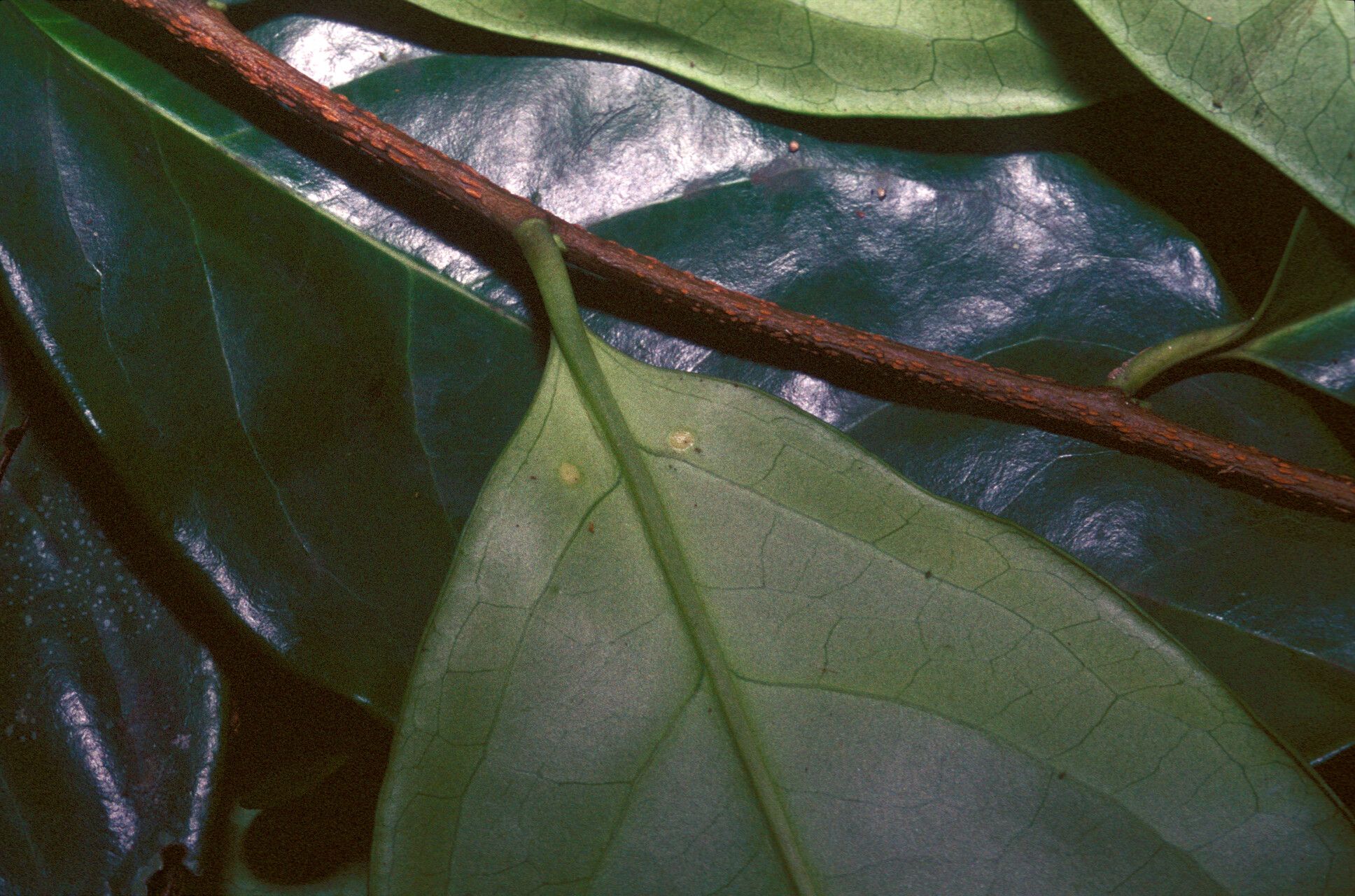
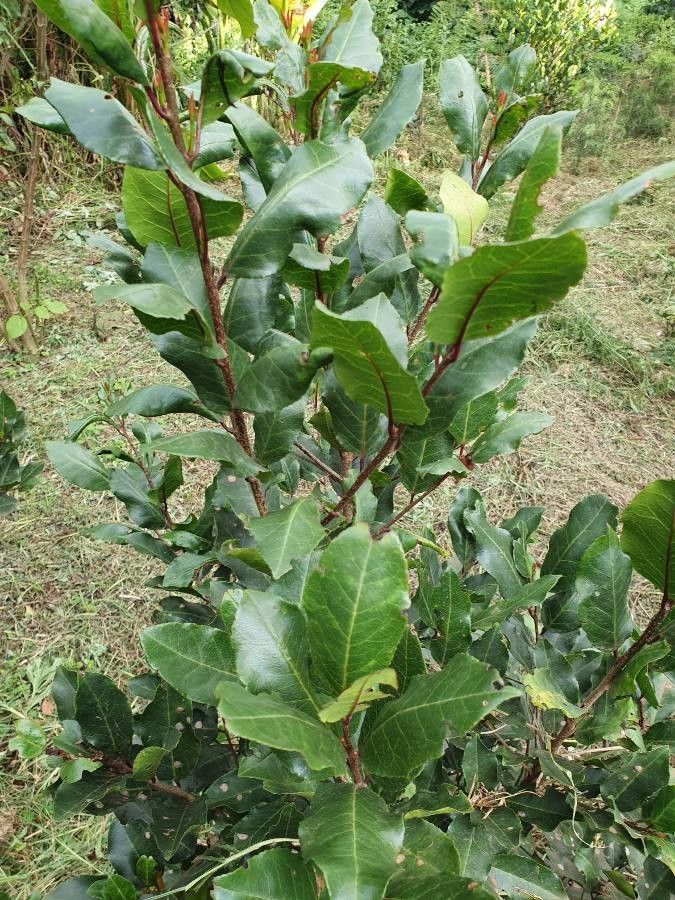
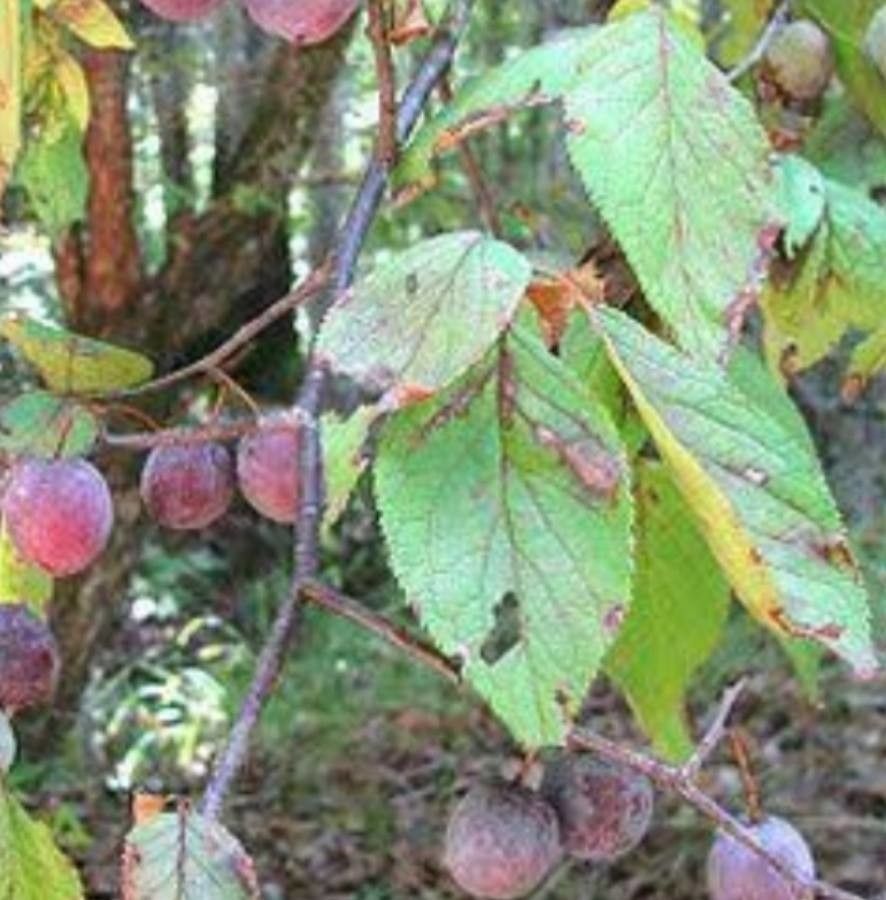
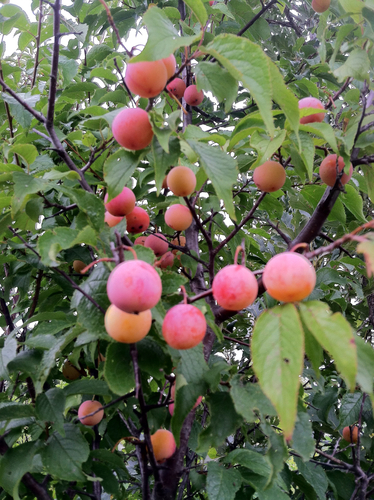
Prunus davidiana (syn. Amygdalus davidiana, Persica davidiana, Prunus persica var. davidiana) is a species in the genus Prunus in the family Rosaceae. It is also known by the common names David's peach and Chinese wild peach. It is native to China, preferring to grow in forests and thickets, on slopes in mountain valleys, and in waste fields, from 800 to 3200 m. It is resistant to frost, and to a number of pests and diseases of cultivated peach, and is the subject of many studies for the genetic improvement of peaches.
David's peach has strong disease resistance and is usually not susceptible to illnesses. Regarding care, this plant is fairly low-maintenance. Planted outdoors, it needs minimal watering, and larger plants typically do not need pruning. Smaller plants, however, should be pruned after they bloom. David's peach is suitable for anyone with outdoor space, like a garden or deck, and does not demand much gardening experience.
How to keep Prunus Davidiana.
Light
David's peach does best in full sun all day but can tolerate lower light levels. Seasonal changes may require moving potted plants to ensure they receive enough light. Insufficient illumination can hinder growth and fruiting.
Water
David's peach tree thrives in arid conditions, showing excellent drought tolerance and efficient water storage. Water the tree once every 2-3 weeks, adjusting for seasonal changes. Water less during its dormant period and more during the growing season, especially when new leaves appear.
Temperature
David's peach is highly adaptable to different climate conditions, handling both blistering summers and cold winters. Still, it has a preferred temperature range for healthy growth. If temperatures get too high, the plant is vulnerable to heat and humidity stress, which can kill it. In places where temperatures reach the lower edge of its cold tolerance, providing insulation for the plant is important.
Fertilizer
Timing is important for fertilizing David's peach. Apply fertilizer in early spring and continue monthly until early summer. Fertilizer encourages lovely blooms and supplies energy during both dormant and active growth phases.
Pruning
David's peach tree provides both aesthetic beauty and fruit production. To maintain its health and enhance its growth, it's important to prune it properly. Begin by removing any dead or damaged branches. This not only boosts growth but also helps prevent disease. Additionally, thinning the branches is essential to improve light penetration and airflow throughout the tree. For the best results, prune the tree in early spring, making sure to make clean cuts at a 45-degree angle. This approach will promote optimal health and productivity.
Botanical profile.
- Plant Type
- Tree
- Life Cycle
- Perennial
- Genus
- Prunus
- Family
- Rosaceae
- Hardiness Zone
- 6-9
- Mature Height
- 6.1 m to 9.14 m
- Mature Spread
- 9.14 m
- Leaf Color
- Green, Light Green
- Leaf Type
- Deciduous
- Flower Color
- Pink, White
- Flower Size
- 2.54 cm
- Bloom Time
- Early spring, Mid spring
- Planting Time
- Spring, Summer
- Harvest Time
- Mid summer, Late summer
- Native Area
- Russia, Koppen, South Korea, China
Other names.
Reader questions.
What are the sunlight requirements for David's peach?
David's peach requires full sunlight for more than 6 hours daily to thrive optimally but can also tolerate partial sunlight, approximately 3-6 hours of sunlight a day. It's essential to observe the movement of sunlight in your garden to ensure that your plants receive the right balance of light and shade, enhancing their growth and health. David's peach is well-adapted to open environments such as sunny meadows and forest edges, which offer ample light, making it versatile in various sunlight conditions.
How can artificial lighting support the growth of indoor plants like David's peach?
When natural sunlight is insufficient, especially during winter or in less sunny spaces, artificial lighting becomes crucial for the growth of indoor plants like David's peach. For optimal growth, it's advisable to use artificial lights, like LEDs, which can be tailored to provide specific wavelengths needed by the plants. Full sun plants require 30-50W/sq ft of artificial light, partial sun plants need 20-30W/sq ft, and full shade plants benefit from 10-20W/sq ft. Position the light source about 12-36 inches above the plant to simulate natural sunlight and set the duration to mimic the natural daylight hours, generally between 8-12 hours per day.
What are the signs of insufficient or excessive sunlight for David's peach?
Signs that David's peach is receiving insufficient sunlight include small, new leaves; leggy or sparse growth; accelerated leaf drop; halted or no new growth; paler new leaves; and the development of chlorosis. Symptoms of excessive sunlight exposure include sunscald, leaf curling, wilting, leaf scorching, and even chlorophyll breakdown which severely impacts the plant's ability to photosynthesize. Observing these symptoms can help determine if your plant needs adjustments in its light exposure.
What solutions can help manage sunlight exposure for David's peach?
To manage sunlight exposure for David's peach, gradually increase sunlight for indoor plants by moving them closer to a south-facing window each week until they receive at least 6 hours of direct sunlight. If moving the plant is not feasible, consider artificial lighting, ensuring it's on for at least 8 hours daily. For outdoor plants, relocate them gradually to prevent sunburn. Reducing obstructions like pruning trees can help outdoor and ground-planted specimens receive more sunlight. If necessary, transplant smaller plants during their dormant period to a sunnier location. Remember, affected parts may not recover, but new growth will be healthy with proper light.