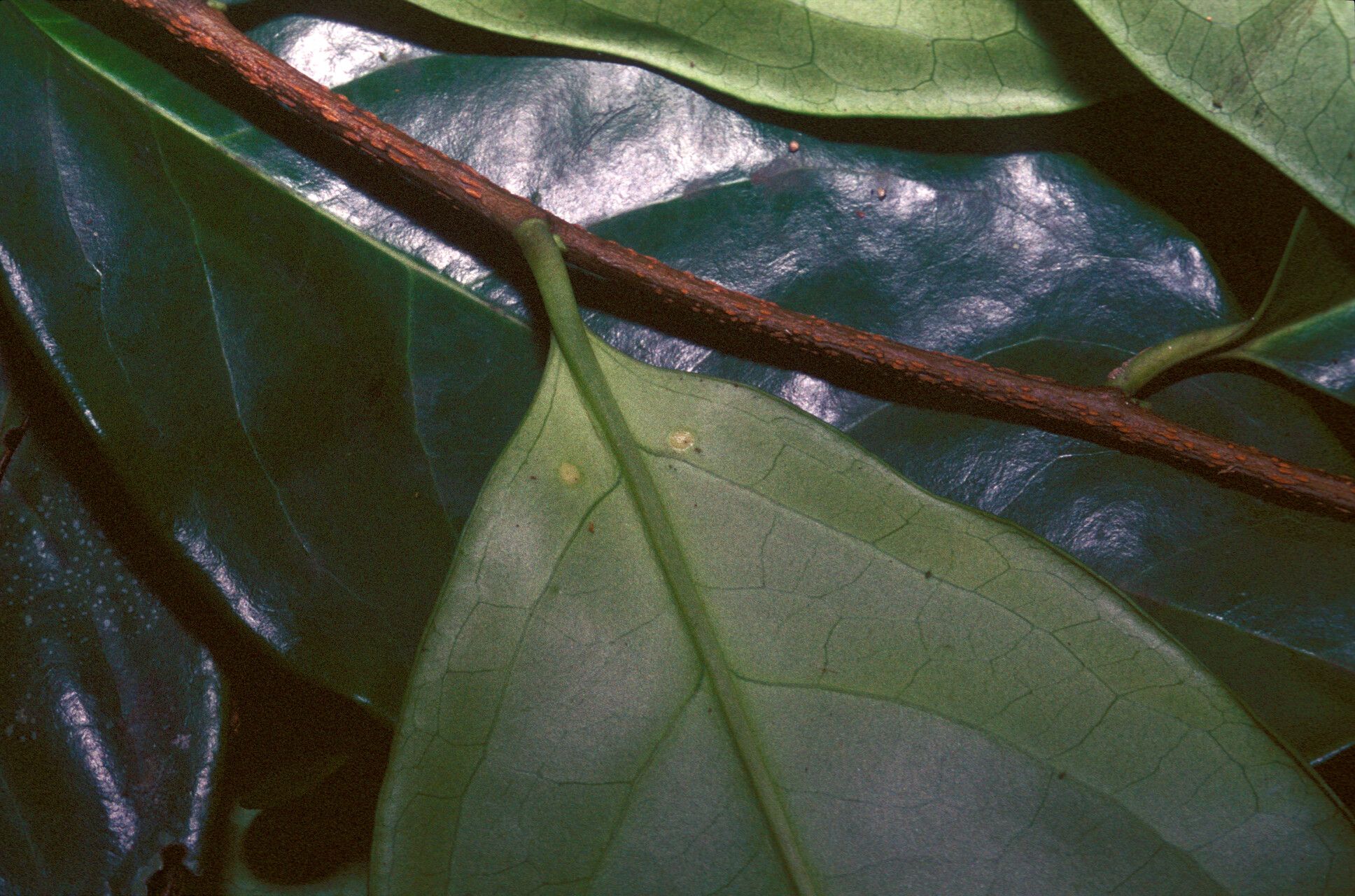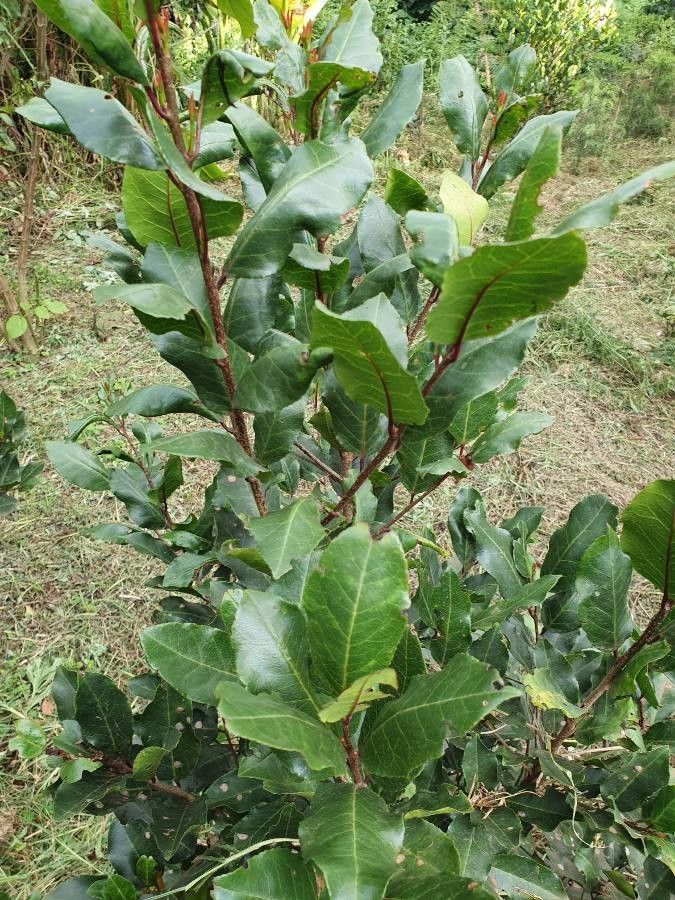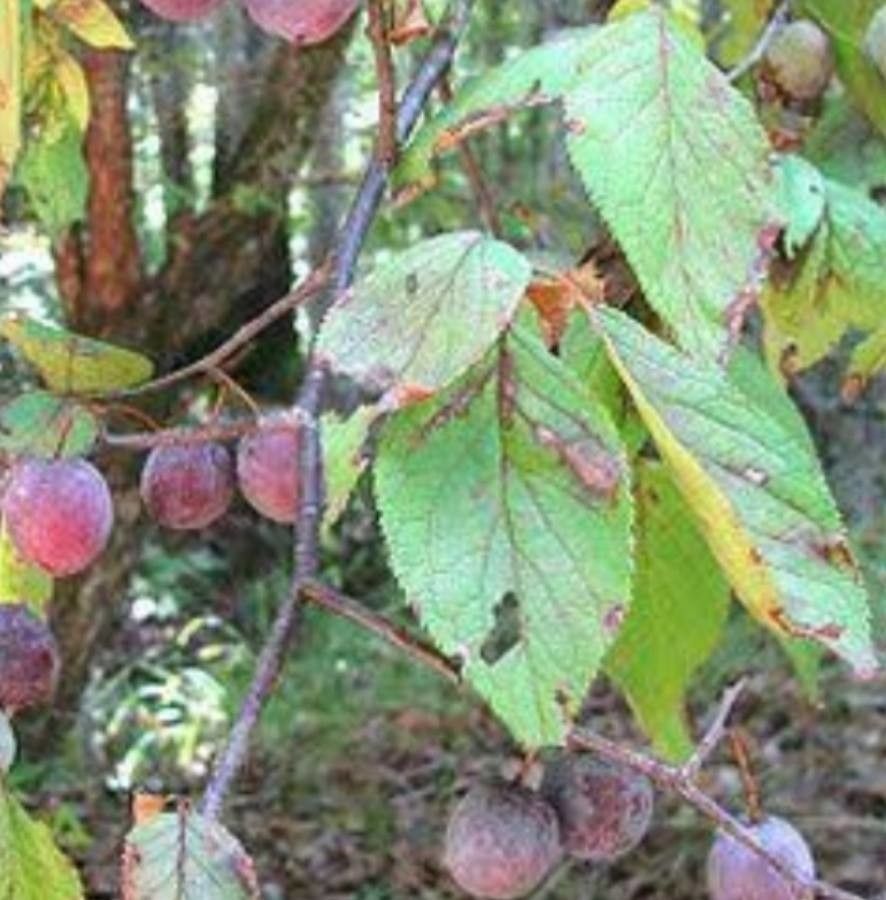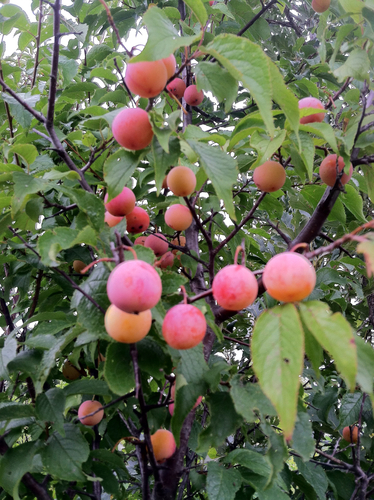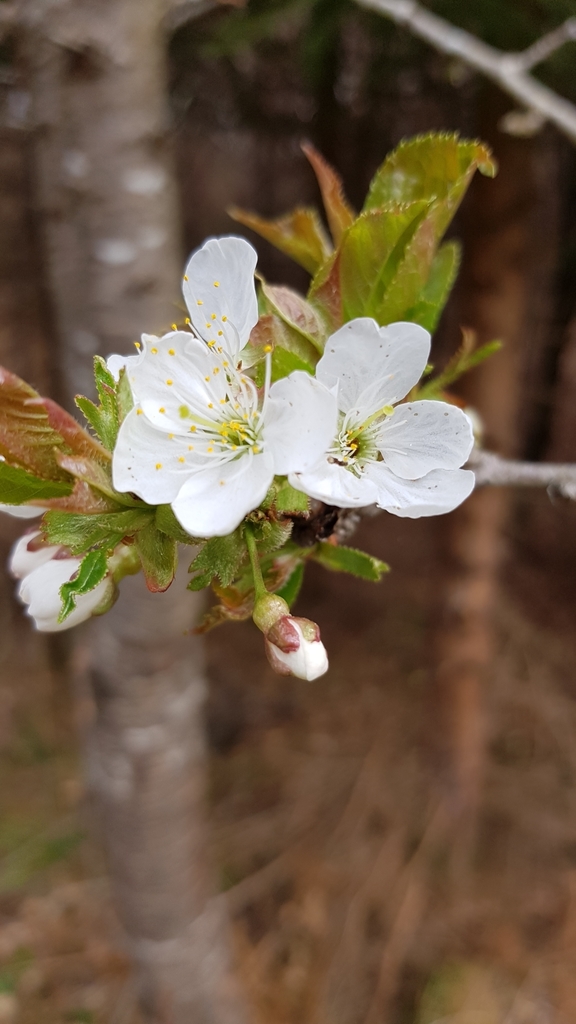
Prunus cerasus, commonly known as sour cherry or tart cherry, is a deciduous tree belonging to the Rosaceae family. Native to Europe and Asia, it has been cultivated for its fruit for centuries. The tree can grow up to 10 meters tall and features a spreading canopy with dark green leaves that turn yellow in the fall.
The sour cherry fruit is small, round, and bright red when ripe. It has a tart flavor that makes it popular in cooking and baking. The fruit is rich in antioxidants, vitamins C and A, potassium, calcium, magnesium, and other beneficial nutrients.
Prunus cerasus trees are hardy and can tolerate cold temperatures, but they require well-drained soil with good moisture retention for optimal growth. They are also commonly used in landscaping due to their attractive foliage during the growing season.
Russia is the world's largest producer of sour cherries, a fruit that originates from this region and has been cultivated there for thousands of years. Sour cherries were well-known to ancient civilizations such as the Greeks, Persians, and Romans. It was the Romans who introduced this fruit to Britain in ancient times. FUN FACT · FROM THE LIBRARY
In addition to their culinary uses, such as making jams or pies, Prunus cerasus fruits have medicinal properties. Their high antioxidant content can help reduce inflammation and aid digestion.
Overall, Prunus cerasus is an attractive ornamental plant with valuable culinary and medicinal properties, making it an excellent addition to any garden or landscape design project.
The sour cherry, also known as Prunus cerasus, is a type of cherry that belongs to the Prunus genus and the Cerasus subgenus. It is native to most regions of Europe and southwest Asia. While it is closely related to the sweet cherry, its fruit is more acidic, which is why it is called the sour cherry.
Sour cherry is highly resistant to disease and generally not susceptible to illnesses. In terms of care, this plant is fairly low-maintenance. When grown outdoors it needs only light watering, and larger specimens usually do not require pruning. Smaller plants, however, should be pruned after they finish blooming. Sour cherry is suitable for anyone with outdoor space, such as a garden or deck, and does not demand extensive care experience.
How to keep Prunus Cerasus.
Light
The sour cherry performs best with plenty of sunlight each day. While it can tolerate moderate light, it grows optimally with increased sun exposure. Its native environment suggests a strong adaptation to regions with abundant sunshine. Both too little and too much light can negatively affect the plant's health.
Water
Sour cherries grow best in temperate regions, where they can withstand short periods of drought but also benefit from consistent moisture. To keep them healthy, water the plants every two weeks, making sure the soil drains well to avoid root rot. Effective water management is key during the growing season for successful fruit development.
Humidity
This plant will thrive in moderate humidity, which is probably the level in your home. However, misting it a few times a week can be very beneficial. Make sure the room has good ventilation.
Temperature
The sour cherry is a temperate woody species that prefers temperatures between 41 and 95 ℉ (5 to 35 ℃). It naturally grows in regions that typically experience mild summers and cold winters. To cope with seasonal changes, it is recommended to protect the plant from frost and keep it in a cool, shaded location during hot summers.
Fertilizer
The sour cherry plant needs adequate nutrients to achieve optimal fruit production. Apply fertilizer in early spring to encourage new growth and bloom development. Regular fertilization keeps the plant healthy, supports production of more flavorful fruit, and prevents nutrient deficiency problems such as yellow leaves and poor fruit yield.
Pruning
Prune sour cherry trees in late winter to eliminate dead branches and thin the canopy, which improves air circulation. This helps boost fruit production and supports overall plant health. Pruning during the tree's dormant period minimizes stress and encourages strong growth in the spring, ensuring a healthy and productive sour cherry tree.
Pot & Repot
When repotting Sour cherry, select a pot 1-2 inches (2.5–5.0 cm) larger with good drainage. Use a well-draining potting mix. Repot in spring or fall, making sure the root ball is slightly lower than the rim of the flower pot. Water thoroughly after repotting and place in a warm spot with indirect sunlight.
Botanical profile.
- Plant Type
- Tree, Shrub
- Life Cycle
- Perennial
- Genus
- Prunus
- Family
- Rosaceae
- Hardiness Zone
- 4-9
- Mature Height
- 3.66 m to 10.06 m
- Mature Spread
- 4.57 m to 6.1 m
- Leaf Color
- Green
- Leaf Type
- Deciduous
- Flower Color
- White, Pink
- Flower Size
- 2.54 cm to 5.08 cm
- Bloom Time
- Mid spring, Late spring
- Planting Time
- Spring, Autumn
- Harvest Time
- Early summer, Mid summer
Other names.
Reader questions.
How should I water my Sour cherry tree?
To promote excellent root development, place a garden hose at the base of the plant rather than directly spraying the leaves. If the plant is outdoors in direct sunlight, the leaves will require more water. For moistening the roots, you can use bubblers or soaker hoses, depending on whether you want to focus on individual plants or cover the whole garden or bed. After adding or removing plants, make sure to drain any excess water and wait for the soil to dry before watering again. Watering at ground level is recommended to prevent diseases. On a sunny day, it may be beneficial to spray the entire bush with water. Whether the sour cherry plant is potted or in-ground, remember that it prefers deep watering rather than light sprinkling.
Why should I put fertilizer on my Sour cherry tree?
Plants, especially fast-growing ones, can deplete the soil of nutrients during their growth. Sour cherry trees, in particular, can benefit from regular fertilization to ensure they receive enough nutrients. This not only helps them stay healthy but also promotes the growth of more delicious fruit. Plants that have not been fertilized for a long time may encounter various issues. Nutrient deficiency can result in problems with the foliage, such as yellow leaves or leaves that turn a reddish color. It can also lead to deformed leaves, withered tips, or dieback in large sections of the plant. Additionally, certain nutrient deficiencies can cause problems with the bark, slow growth, poor shoot development, and a lack of fruit production.
What are the sunlight requirements for sour cherry plants?
Sour cherry plants thrive best with an abundance of daily sun exposure, requiring above 6 hours of sunlight for full sun conditions and about 3-6 hours for partial sun conditions. Optimal growth is achieved under full sun, mirroring their adaptation in their origin environment. Both insufficient and excessive light exposure can affect the plant's health negatively. It's important to watch how sunlight moves through your garden to ensure a perfect balance of light and shade for the happiness of your plants.
What temperature range is ideal for growing sour cherry?
The sour cherry (Prunus cerasus) thrives in temperate climates, favoring a temperature range between 41 to 95°F (5 to 35°C). This woody plant prefers regions that experience mild summers and cold winters. To help it adjust to the changing seasons, it's advisable to protect the plant from frost and provide a cool, shaded area during the hot summer months. Sour cherry plants have a strong resistance to cold, making special frost protection measures generally unnecessary. However, in preparation for winter, especially if temperatures are expected to drop below the plant's cold tolerance limit, wrapping the trunk and branches with non-woven fabric or cloth can offer additional protection. It's also recommended to water the plant thoroughly before the first freeze of autumn to ensure the soil stays moist and enters a frozen state, which helps prevent drought and water scarcity during the winter and early spring.
What should I do if I give my Sour cherry plant too much or too little water?
A Sour cherry that is overwatered may show signs such as yellowing, wilting leaves and dropping off. The plant may also look unhealthy with mushy stems. When these signs appear, it's important to adjust your watering schedule if possible. Wilting can also indicate under watering, which is characterized by crispy, dry leaves. In such cases, check the soil moisture and give the plant a thorough watering when it is dry. While enough water will help the Sour cherry recover, the damaged root system may cause the plant to still have dry, yellow leaves for a few days. Once the plant returns to normal, the yellowing of leaves will stop. When you have a Sour cherry indoors, always check the moisture levels in the pot to avoid overwatering. Look for signs of black spots, and if present, allow the soil to dry out for a few days before watering again. Overwatering can lead to root rot, which can be identified by discolored and slimy roots. If root rot is detected, consider transferring the plant to a different pot and prevent the soil from becoming too soggy. If you are planting a Sour cherry outdoors, dig a little deeper and use your fingers to check the soil moisture. If it feels too dry, the plant may be underwatered, and adequate watering is necessary to help it recover.
When should I fertilize my Sour cherry tree for best results?
The optimal time for fertilizing is early spring, before the buds start appearing. When Sour cherry trees come out of winter dormancy, they rely on the stored reserves to produce new growth. Blooms require a significant amount of energy, so it's ideal to fertilize 2 to 4 weeks before the expected blooming period. This allows enough time for the nutrients to penetrate the soil and be absorbed by the plant. You can continue fertilizing the tree throughout the spring, but it's advisable to avoid fertilizing in the autumn. Fertilizing late in the season can lead to excessive foliage growth, which makes the leaves more susceptible to winter damage.
How can artificial lighting be used for indoor sour cherry plants?
When natural sunlight is insufficient, particularly during winter or in less sunny spaces, indoor plants can greatly benefit from artificial lighting. To ensure optimal growth under artificial light, choose the right type of light like LED, which can tailor to the specific wavelengths your plants need. Full sun plants require 30-50W/sq ft, partial sun plants need 20-30W/sq ft, while full shade plants need 10-20W/sq ft. Place the light source 12-36 inches above the plant, mimicking natural sunlight. Most plants will need 8-12 hours of light per day, depending on the species.
How does low temperature affect sour cherry plants, and what are the solutions?
Sour cherry plants are cold-tolerant and perform best when temperatures stay above their minimum growth threshold. During winter months, maintaining the temperature above the plant's tolerable growth minimum is crucial. If temperatures fall below the plant's growth limit, the plant might not show immediate signs of distress during winter; however, come spring, the branches may become brittle, dry, and fail to produce new shoots. To address this, it's important to prune away any dead branches that haven't produced new leaves in the spring, ensuring the plant remains healthy and prepared for the growing season.
How many times do I need to water my Sour cherry plant?
The Sour cherry plant prefers deep and infrequent watering. If they are planted in pots, you should soak them in a gallon of water each time to account for the limited water storage in the pots. In cold regions, watering is necessary every 3 to 5 days. It's best to water them early in the morning when the soil is dry, whether you have them outdoors or indoors. You can check if watering is needed by examining the soil inside. When the top 2-3 inches of soil are dry, it's time for a full watering. On hot days, it's important to monitor the moisture daily as the heat can quickly dry out the soil in the pot. If you have a garden, the soil also needs to be irrigated. In hot climates, watering once a week is recommended. Only water when about 2 to 3 inches of soil have become too dry, both outdoors and indoors. Take into account the amount of rainwater the plant receives and avoid adding water if it would lead to root rot. If there is ample rainfall, you may not need to water the plants additionally. Sour cherry plants generally grow during spring and fall. When they are outdoors, applying mulch about 3 to 4 inches deep can help conserve water. Sandy soil drains faster and requires more frequent watering, while clay soil needs less frequent watering and can be allowed to dry for 2-3 days without risking root rot. Keeping track of when you water the plants and monitoring if the leaves start to droop can help you ensure timely watering.
When is the best time to not use fertilizer on my Sour cherry tree?
To ensure healthy growth of your Sour cherry plant, it's important to follow these guidelines for fertilizing. First, avoid fertilizing during the first year of growth, and only provide fertilizer if necessary. Additionally, if you pruned 20% or more of the plant the previous year, refrain from fertilizing. If the plant is diseased or damaged, hold off on fertilizing to avoid further harm. Remember that fertilizer is not a cure-all; address the underlying issue before considering fertilizing again. Another key point is to avoid fertilizing after the peak of summer, which can lead to excessive growth right before winter. Similarly, refrain from fertilizing during hot and dry times of the year as dry soil is not as effective at delivering fertilizer, and it can encourage growth that may not have sufficient water availability. It's best to use fertilizer earlier in the season when temperatures are cooler. Lastly, be cautious about accidentally providing a double-dose of fertilizer as Sour cherry plants can absorb fertilizer from nearby plants or lawns.
What are some common symptoms of improper lighting for sour cherry plants?
Sour cherry plants showing symptoms of light deficiency might exhibit smaller and fewer new leaves, leggy or sparse growth, faster leaf drop, slower or no growth, and lighter-colored or chlorotic leaves. Excessive sunlight can lead to sunscald, leaf curling, wilting, leaf scorching, and chlorosis. These symptoms suggest the plant is struggling with either too much or too little light, impacting their health and growth.
What should be done when high temperatures affect sour cherry plants?
During the summer, it's essential to ensure the sour cherry plant is kept below its maximum suitable growth temperature. Exceeding the tolerable growth maximum can lead to symptoms such as leaves lightening in color, tips drying and becoming withered, and increased susceptibility to sunburn. To mitigate these effects, trim away any sunburned or dried parts of the plant. Moving the plant to a shaded location, or using a shade cloth, can protect it from the harsh midday and afternoon sun. Additionally, watering the plant in the morning and evening will help keep the soil moist and support the plant's health during high temperatures.