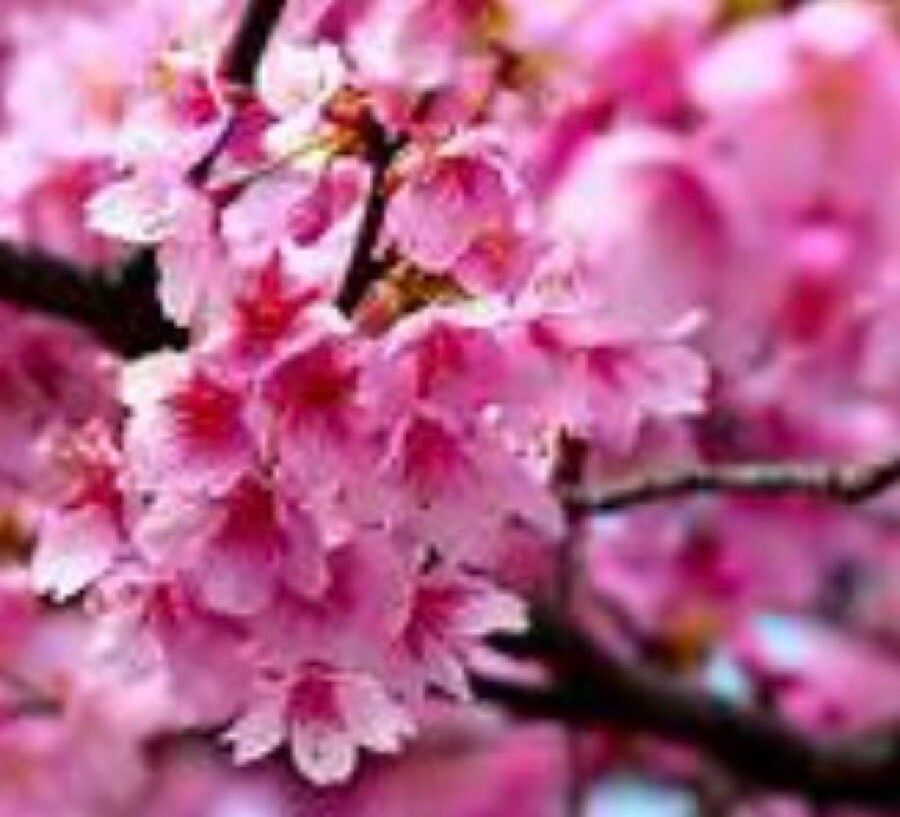
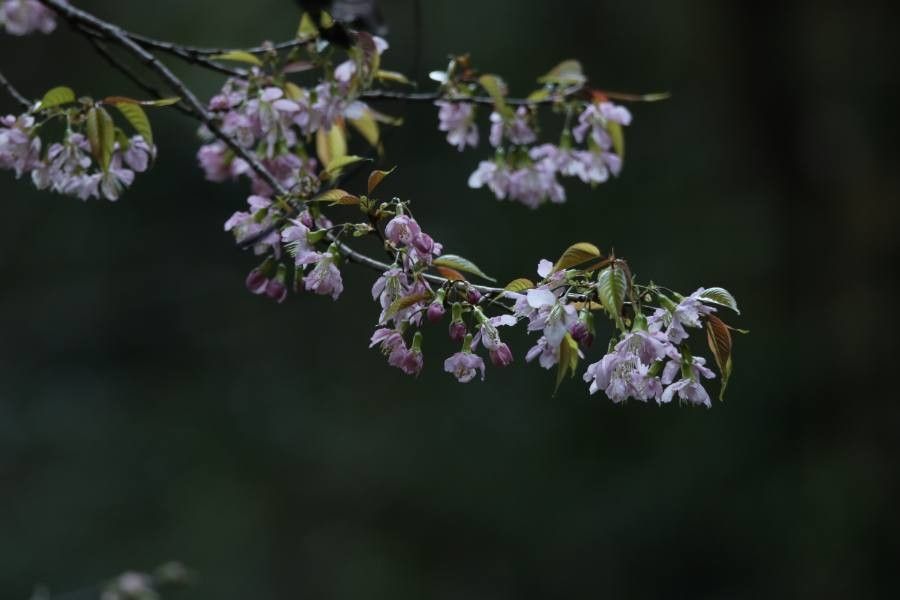
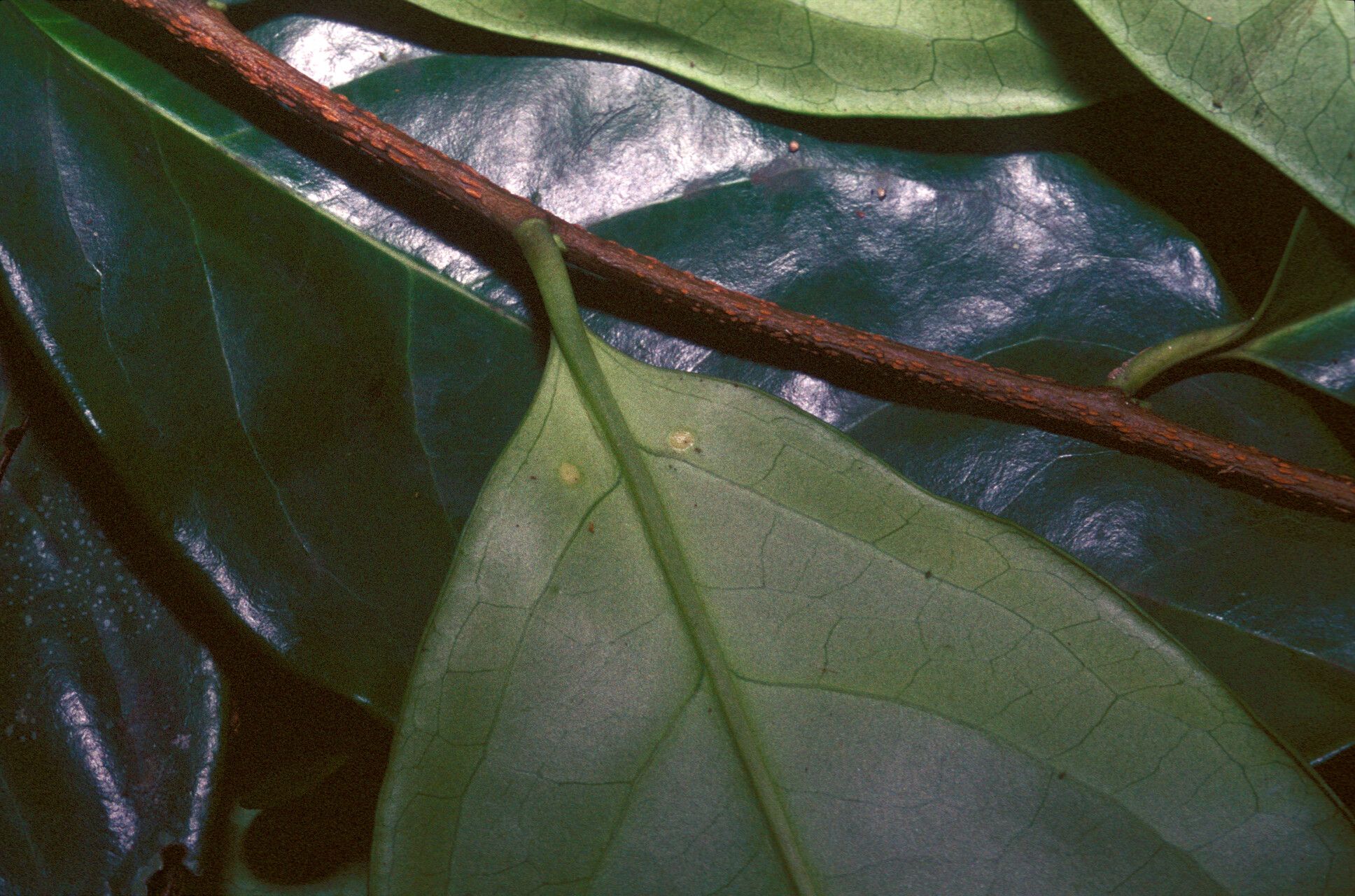
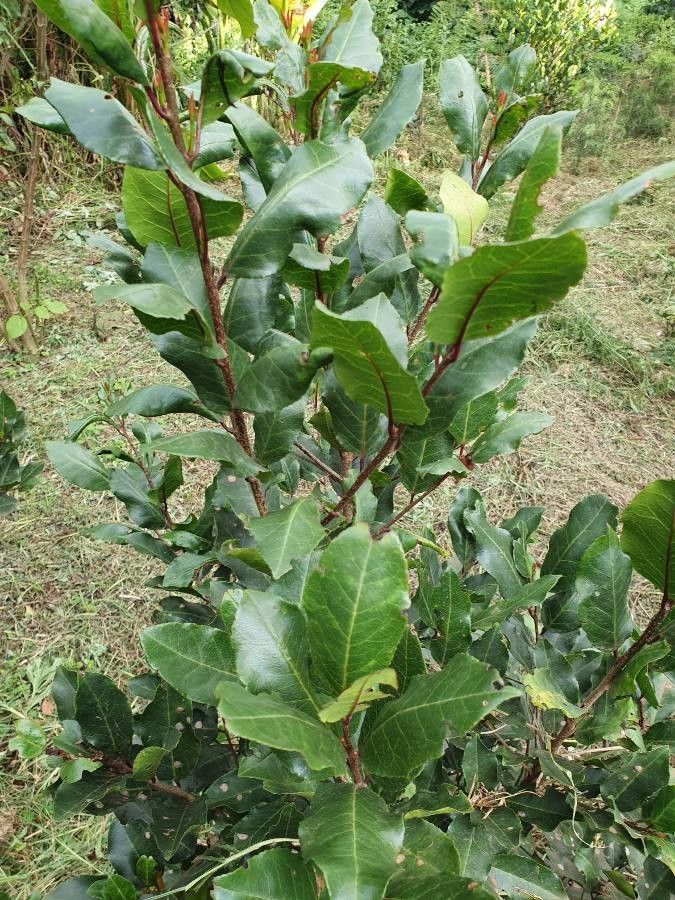
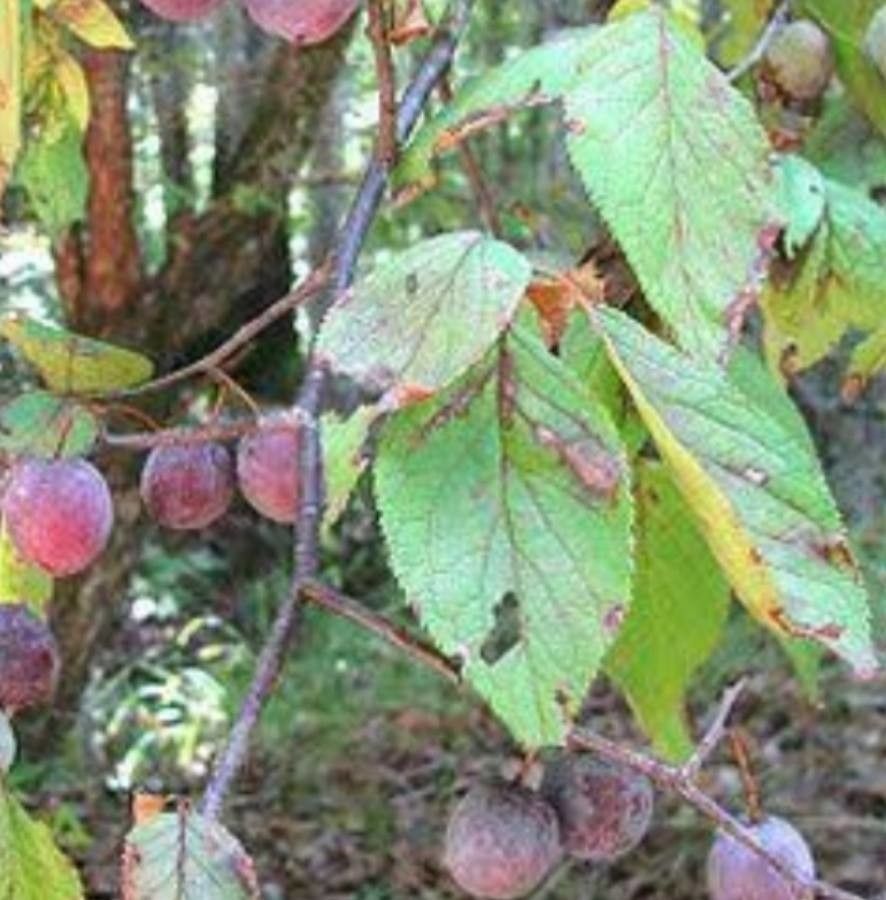
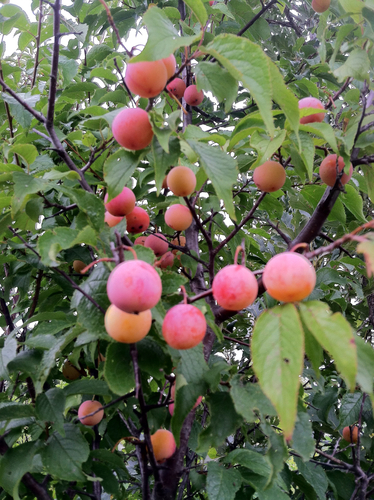
Prunus cerasoides, called the wild Himalayan cherry and sour cherry, is a deciduous cherry tree found in East Asia, South Asia and Southeast Asia. It is of the family Rosaceae and the genus Prunus. Its range extends in the Himalayas from Himachal Pradesh in north-central India, to Southwest China, Burma and Thailand. It grows in temperate forest from 1,200–2,400 metres (3,900–7,900 ft) in elevation.
The wild Himalayan cherry is well resistant to disease and is generally not susceptible to illnesses. Regarding care, this plant is fairly low-maintenance. Planted outdoors it needs only minimal watering, and larger specimens typically do not need pruning. Smaller plants, however, should be pruned after they bloom. The wild Himalayan cherry is appropriate for anyone with an outdoor area, such as a garden or deck, and does not require extensive care experience.
How to keep Prunus Cerasoides.
Light
Wild himalayan cherry comes from open habitats, such as sunny meadows and forest edges, which offer plenty of light. It thrives in Full Sun but can also tolerate Partial Sun, adapting well to various sunlight conditions.
Water
The wild Himalayan cherry tree originates from the temperate forests of the Himalayas and prefers environments with moderate humidity and occasional rainfall. This tree thrives when watered every 2 to 3 weeks, as it requires soil that is consistently lightly moist. While it is primarily grown outdoors, it's important to ensure the tree receives sufficient water during the growing season to support its vibrant blossoms.
Temperature
Wild Himalayan cherry shows strong adaptability to a variety of climate conditions, whether facing blazing summers or cold winters. However, it has an optimal temperature range for growth. If temperatures become too high, the plant is susceptible to heat and humidity stress, which can cause it to die. In locations where temperatures approach the lower limit of its cold tolerance, it is important to use insulation measures to protect the plant.
Fertilizer
Timing is important for fertilizing the wild Himalayan cherry. Apply fertilizer in early spring and repeat monthly until early summer. Fertilizer encourages attractive blooms and supplies energy during both dormant and active growth phases.
Pruning
The Wild Himalayan Cherry thrives in temperate climates and is known for its beautiful pink blossoms. To promote healthy growth and vibrant flowering, prune the tree in early spring. This involves removing dead wood and shaping the canopy. Use sharp tools to make precise cuts, and be careful not to over-prune. This careful approach reduces stress on the tree and helps to minimize the risk of pests and disease.
Botanical profile.
- Plant Type
- Tree
- Life Cycle
- Perennial
- Genus
- Prunus
- Family
- Rosaceae
- Hardiness Zone
- 7-9
- Mature Height
- 29.87 m
- Mature Spread
- 4.88 m to 7.92 m
- Leaf Color
- Forest Green, Dark Green
- Leaf Type
- Deciduous
- Flower Size
- 1.27 cm to 2.54 cm
- Bloom Time
- Winter, Early spring
- Planting Time
- Spring, Summer, Autumn
- Harvest Time
- Spring
- Native Area
- Nepal, Sri Lanka, India, Vietnam, Myanmar, Bhutan, Laos, Thailand, China
Other names.
Reader questions.
What are the sunlight requirements for Wild Himalayan Cherry (Prunus cerasoides)?
Wild Himalayan Cherry thrives in environments with ample light, ideally in full sun which is above 6 hours of sunlight daily. It can also tolerate partial sun, receiving about 3-6 hours of sunlight. The plant originates from open environments like sunny meadows and forest edges. Remember, the amount of sunlight can significantly impact the plant's health, so it's crucial to watch how sunlight moves through your garden and choose spots that provide a balance of light and shade.
What is the botanical name of the Wild Himalayan Cherry?
The botanical name of the Wild Himalayan Cherry is Prunus cerasoides. This name helps in scientifically identifying the plant, making it easier for botanists and plant enthusiasts to distinguish it from other species.
How does artificial lighting support the growth of indoor Wild Himalayan Cherry plants?
When natural sunlight is insufficient, especially during winter or in less sunny spaces, artificial lighting can be a vital solution for indoor Wild Himalayan Cherry plants. LED lights are recommended because they can be customized to provide specific wavelengths of light needed by your plants. For full sun plants, aim for 30-50W/sq ft of artificial light, partial sun plants need 20-30W/sq ft, and full shade plants require 10-20W/sq ft. Ensure the light source is placed 12-36 inches above the plant to mimic natural sunlight and keep the lights on for 8-12 hours per day to match the natural daylight hours for the plant species.
What are the signs of insufficient or excessive light exposure in Wild Himalayan Cherry?
Wild Himalayan Cherry may exhibit symptoms of light deficiency such as smaller new leaves, leggy or sparse growth, faster leaf drop, slower or no new growth, lighter-colored new leaves, and chlorosis. Excessive light can cause symptoms like sunscald, leaf curling, wilting, and leaf scorching. These indicators reflect the plant's struggle with suboptimal lighting conditions or overexposure, impacting its overall health and growth.
What solutions can be applied to address light-related issues in Wild Himalayan Cherry plants?
To optimize growth for indoor plants, gradually increase their exposure to sunlight, aiming for at least 6 hours of direct sunlight daily, and consider using artificial light for additional support. Outdoor plants should be moved gradually to sunnier locations to prevent sunburn. Removing obstructions like branches can also improve sunlight exposure. For smaller plants, transplanting during their dormant period, typically late winter or early spring, to a location with ample sunlight and good drainage can be beneficial. Remember, parts of the plant affected by insufficient light may not recover, but new growth should appear healthy with proper light conditions.